
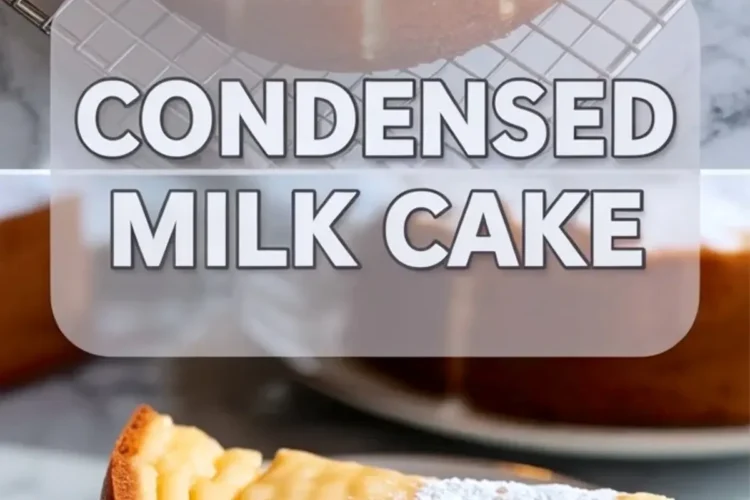
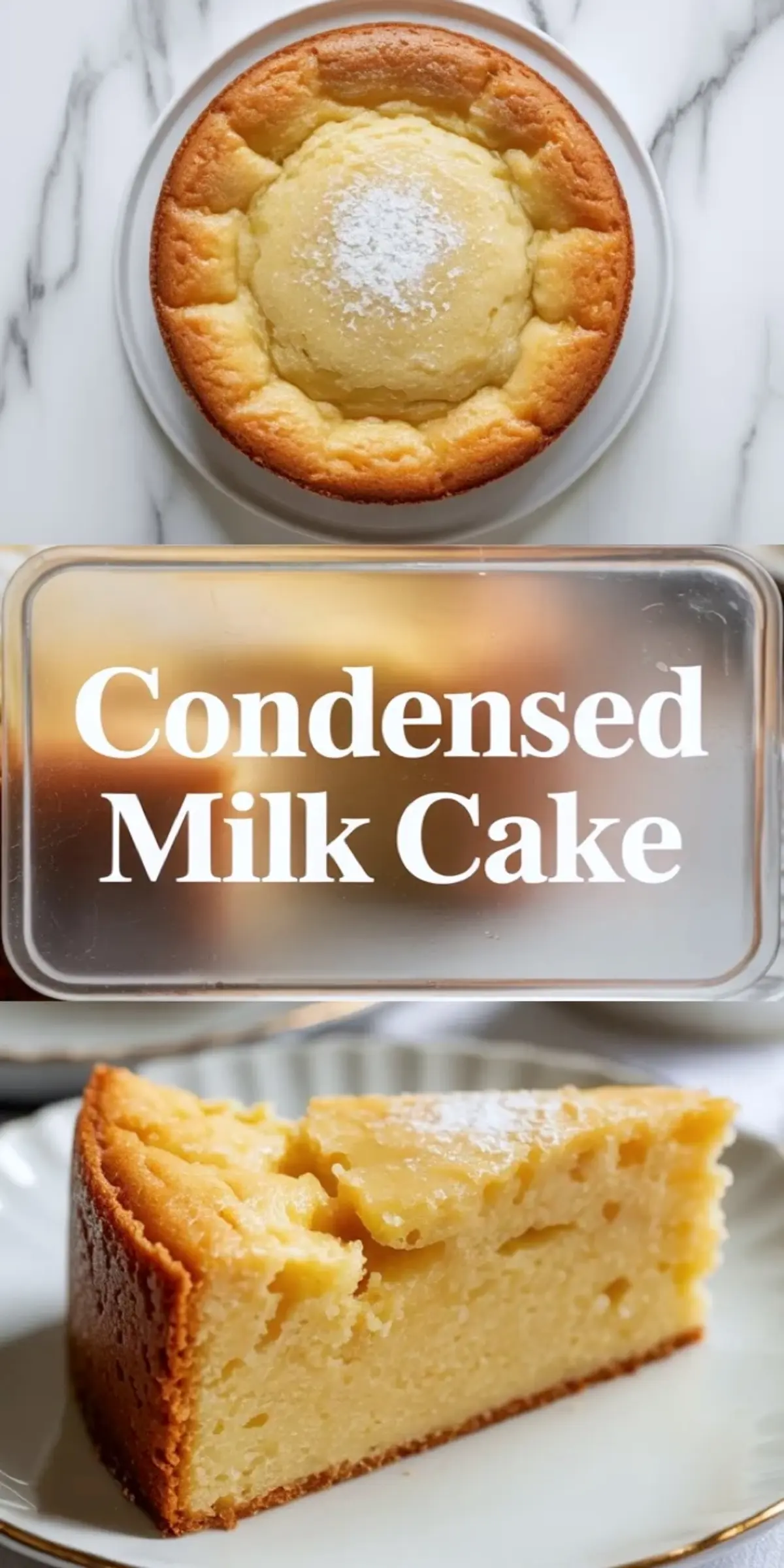
This condensed milk cake recipe creates a soft, rich cake with a tender crumb and creamy sweetness from sweetened condensed milk. Home bakers often search for sweetened condensed milk cake, easy condensed milk cake, condensed milk recipes desserts easy, cake recipes with condensed milk, and desserts with sweetened condensed milk, and this version answers that need with simple pantry ingredients and clear technique.
The batter uses condensed milk as both sweetener and moisture source, which gives the cake a smooth texture and steady structure during baking. Many home bakers who enjoy baking with condensed milk keep this cake among their favorite condensed milk dessert options because the flavor stays gentle and buttery.
The Ratio That Makes This Cake Reliable
The structure of this cake relies on balance between fat, eggs, and condensed milk. Butter provides richness, eggs create structure, and condensed milk delivers both sugar and liquid in one ingredient.
A similar balance appears in cookies such as Condensed Milk Cookies Recipe, where condensed milk replaces several ingredients at once. Bakers notice the same effect here. The cake rises steadily and slices cleanly.
Understanding the Ingredients
Sweetened condensed milk serves as the backbone of the batter. Its thick texture holds moisture in the cake while the sugar caramelizes gently during baking.
Many condensed milk recipes use the same ingredient for multiple desserts. One example appears in Homemade Caramel Sauce from Condensed Milk. The same milk that forms caramel can also create an evenly sweet cake crumb.
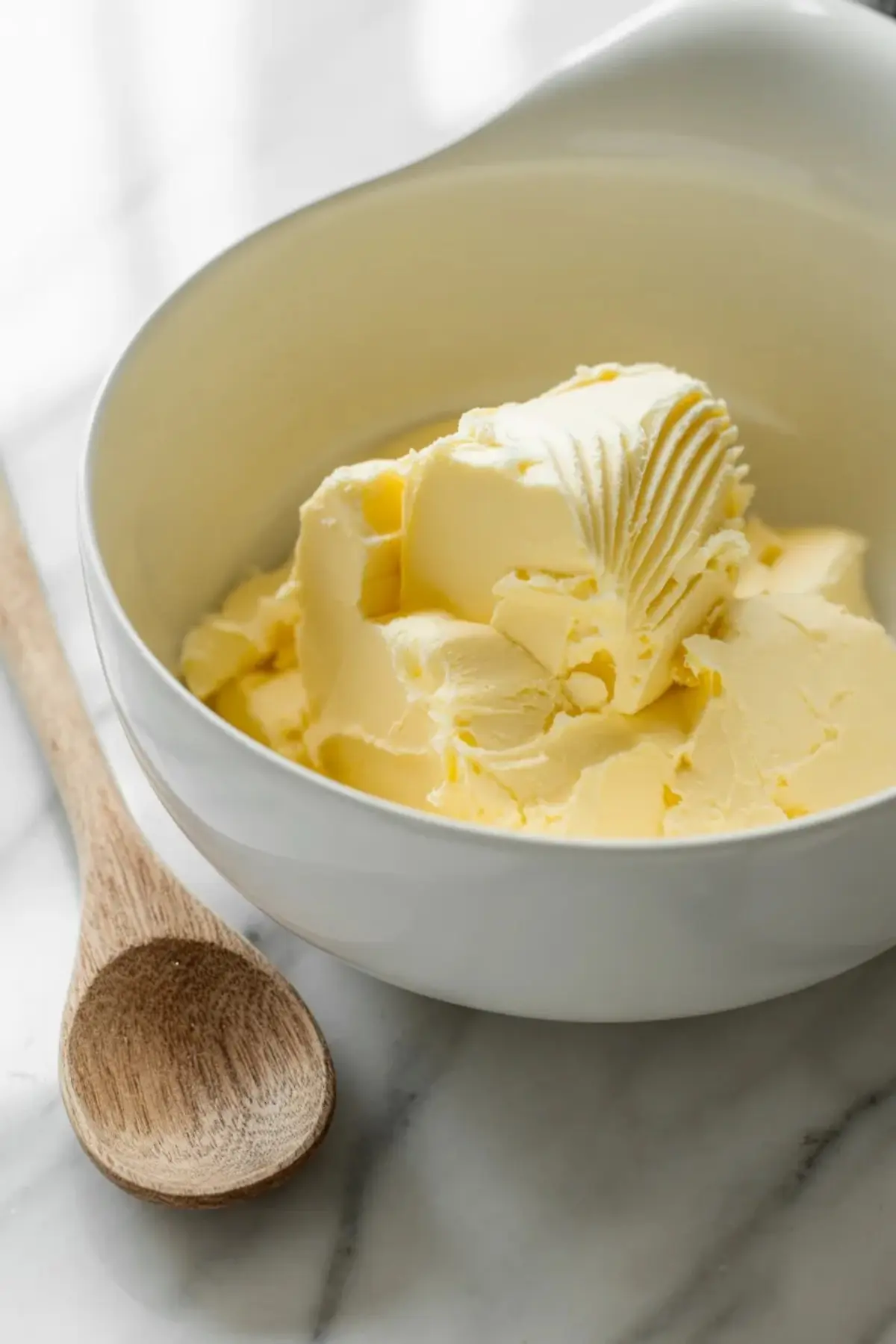
Butter gives this cake its tender bite. Softened butter blends easily with condensed milk and forms the base for the batter.
Eggs stabilize the mixture and trap air during mixing. Flour builds structure, baking powder lifts the crumb, and milk loosens the batter so the cake stays soft instead of dense.
Why Condensed Milk Matters
Condensed milk acts as sugar, milk, and texture builder at the same time. That combination reduces the number of ingredients while maintaining flavor depth.
The same creamy sweetness appears in chocolate treats such as 3-Ingredient Condensed Milk Fudge. A baker who keeps condensed milk in the pantry gains several dessert options with one ingredient.
Mixing the Batter Step by Step
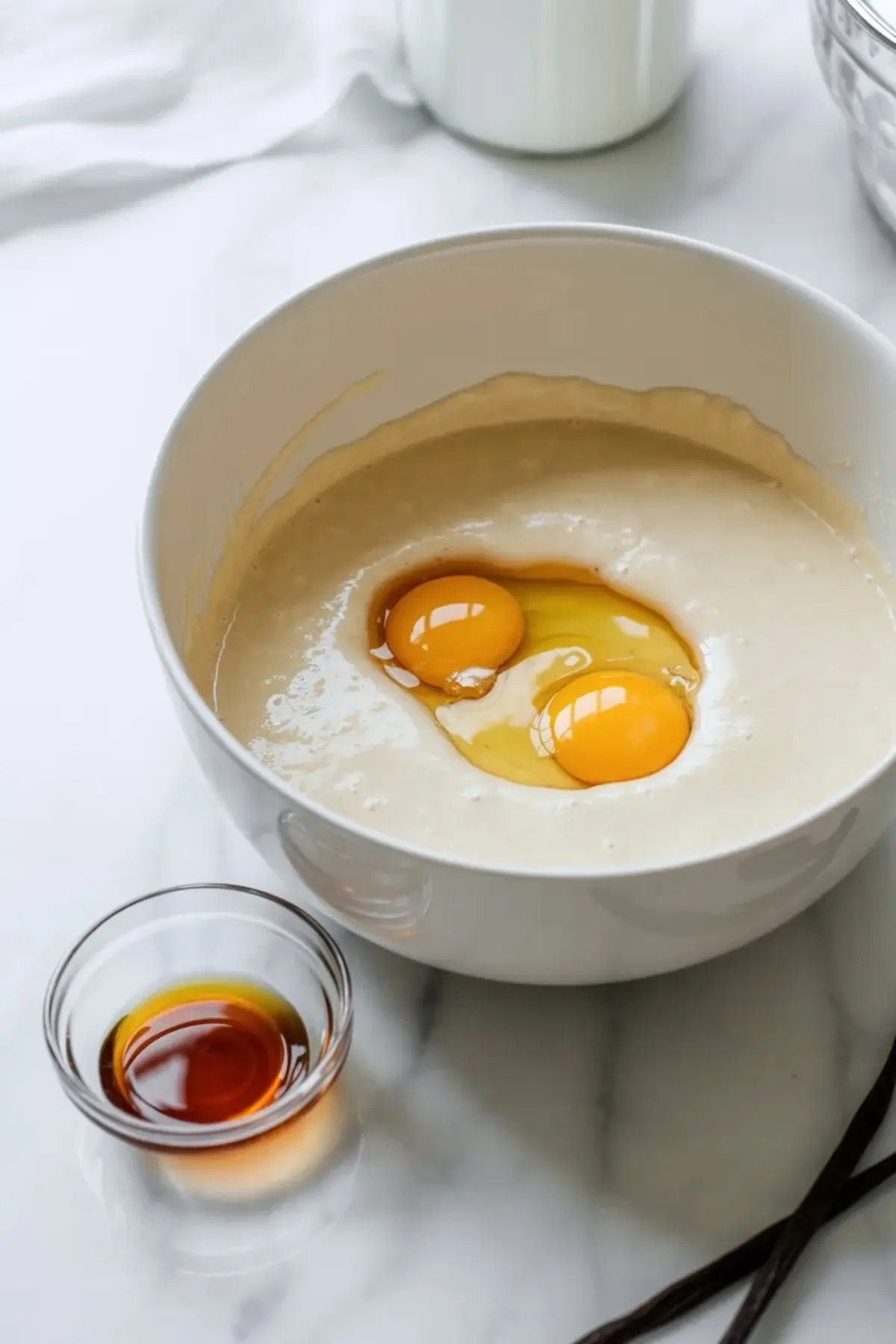
The mixing process begins with creamed butter. Creaming introduces air into the fat, which supports a lighter crumb later.
Condensed milk blends into the butter until the mixture becomes smooth and glossy. Eggs follow one at a time so the batter stays stable.
Dry ingredients combine separately before entering the batter. Flour mixture and milk alternate during mixing, which keeps the batter smooth and evenly hydrated.
How the Cake Shows It Is Ready
A baked condensed milk cake develops a golden surface and a gentle dome. The center feels springy when pressed lightly.
A toothpick test gives the clearest signal. The toothpick should leave the cake with only a few soft crumbs attached.
Common Problems and Fixes
A dense cake often signals overmixing. Excess stirring tightens the gluten in the flour.
A dry cake usually means extended baking time. Condensed milk cakes benefit from careful timing because sugar browns quickly.
Ways to Change the Flavor
Lemon zest brightens the sweetness and adds a fresh aroma. Almond extract replaces vanilla for a nutty bakery style flavor.
A baker sometimes folds berries into the batter. Blueberries or raspberries bring light acidity that balances the creamy sweetness.
Storage and Freshness
The cake stays soft at room temperature for about three days in an airtight container. Refrigeration extends freshness to five days.
A wrapped cake slice freezes well for several weeks. Gentle warming in the microwave restores softness.
Practical Baking Tips
Room temperature eggs blend smoothly into the batter and prevent separation. A lined pan releases the cake easily after baking.
A careful baker measures flour by spooning it into the cup and leveling the top. That small step keeps the crumb tender.
Serving Ideas
Fresh berries and powdered sugar create a light presentation. Whipped cream adds extra softness and richness.
A slice also pairs beautifully with coffee or tea. Many readers tell me they enjoy the cake plain because the flavor already feels complete.
Save This Recipe
A saved pin keeps this condensed milk cake recipe easy to find for future baking. Readers often return to this cake because the method stays simple and reliable.
Your results always interest me. A comment below helps other bakers too, so share how your cake turned out or ask any questions you have.
Condensed Milk Cake Recipe
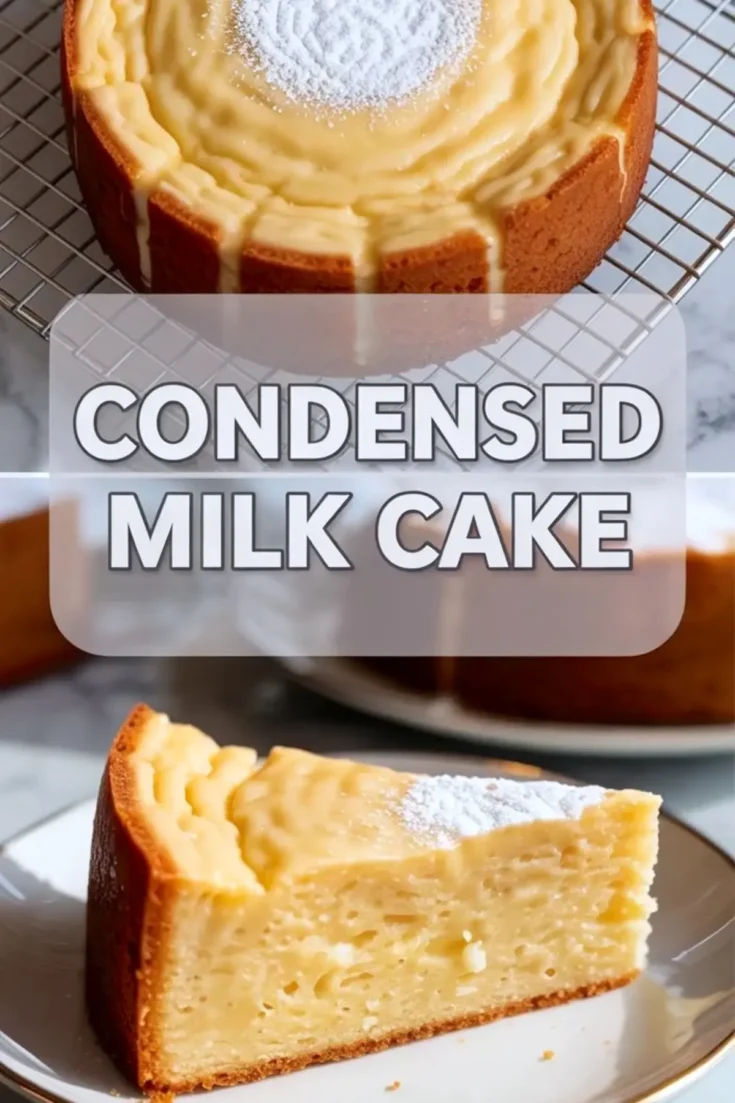
This soft and moist condensed milk cake recipe creates a rich dessert with smooth sweetness and tender crumb. Made as a classic sweetened condensed milk cake, it uses simple pantry ingredients to produce a flavorful homemade bake.
Perfect for beginners, this easy condensed milk cake belongs in your collection of reliable condensed milk recipes desserts easy. The batter highlights the creamy richness that makes cake recipes with condensed milk so moist and flavorful.
Serve this comforting condensed milk dessert as part of your favorite sweet condensed milk desserts or explore other desserts with sweetened condensed milk for creative variations. If you enjoy baking with condensed milk, this recipe is a great addition to your growing list of trusted condensed milk recipes and sweetened condensed milk recipes easy.
Ingredients
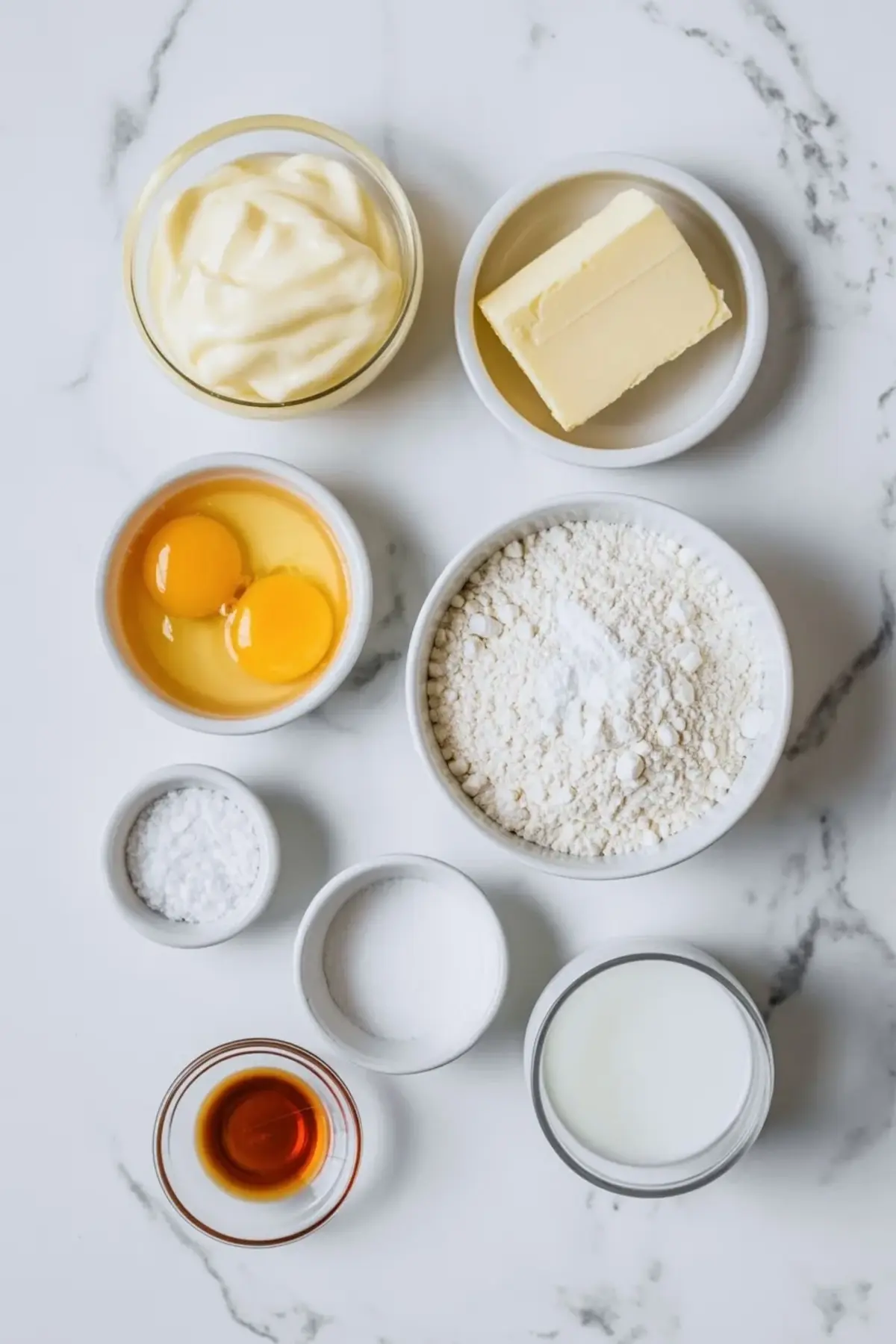
- 1 can (14 oz / 397 g) sweetened condensed milk
- 2 large eggs, room temperature
- ½ cup (115 g) unsalted butter, softened
- 1 cup (125 g) all-purpose flour
- 1 teaspoon baking powder
- ¼ teaspoon salt
- 1 teaspoon vanilla extract
- ¼ cup (60 ml) whole milk
Instructions
PREPARE THE PAN: Preheat the oven to 325°F (160°C). Grease an 8-inch round cake pan and line the bottom with parchment paper to prevent sticking.
CREAM THE BUTTER: Place the softened butter in a large mixing bowl and beat for 2–3 minutes until smooth and creamy. Proper creaming helps create a tender crumb.
ADD THE CONDENSED MILK: Pour the sweetened condensed milk into the butter while mixing. Beat until the mixture looks smooth and fully blended with no streaks.
ADD THE EGGS AND VANILLA: Add the eggs one at a time, mixing well after each addition to maintain a smooth batter. Stir in the vanilla extract until evenly incorporated.
COMBINE THE DRY INGREDIENTS: In a separate bowl, whisk together the flour, baking powder, and salt to evenly distribute the leavening.
MIX THE BATTER: Add half of the dry ingredients to the wet mixture and mix gently. Pour in the milk, then add the remaining dry ingredients. Stir just until the batter becomes smooth. Avoid overmixing to keep the cake tender.
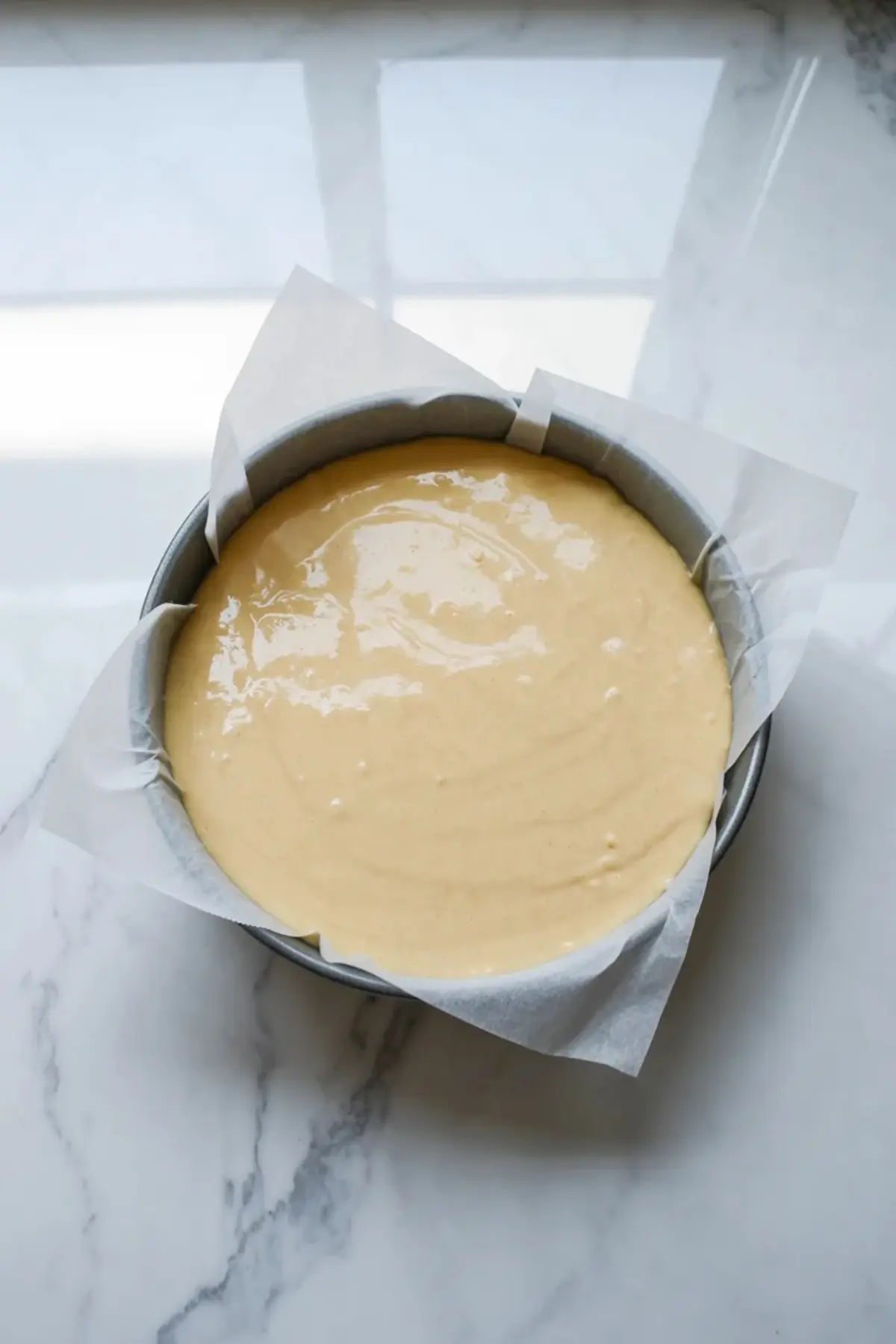
BAKE THE CAKE: Pour the batter into the prepared pan and smooth the top. Bake for 45–55 minutes, or until a toothpick inserted in the center comes out clean and the top turns golden.
COOL THE CAKE: Let the cake cool in the pan for 10 minutes. Transfer to a wire rack and cool completely before slicing. Dust with powdered sugar if desired.
Notes
Store the cake in an airtight container at room temperature for up to 3 days.
Refrigerate for up to 5 days for a slightly firmer texture.
Serve plain, with fresh berries, or with lightly whipped cream.
Nutrition Information
Yield
8Serving Size
1Amount Per Serving Calories 267Total Fat 15gSaturated Fat 9gUnsaturated Fat 6gCholesterol 83mgSodium 173mgCarbohydrates 27gFiber 1gSugar 3gProtein 6g
