
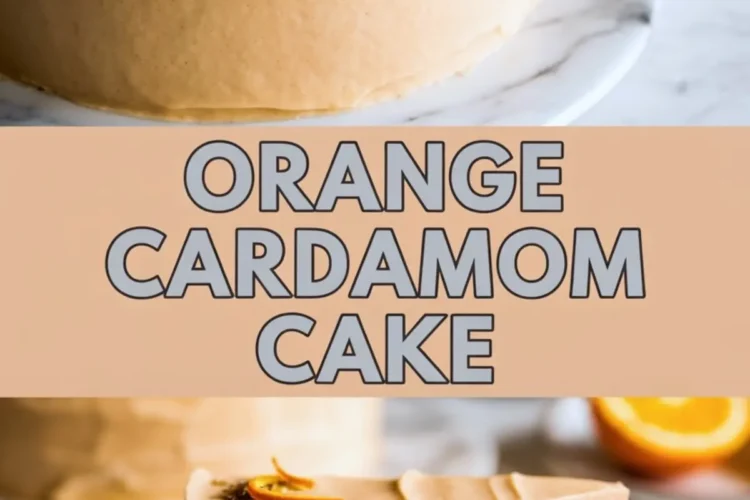
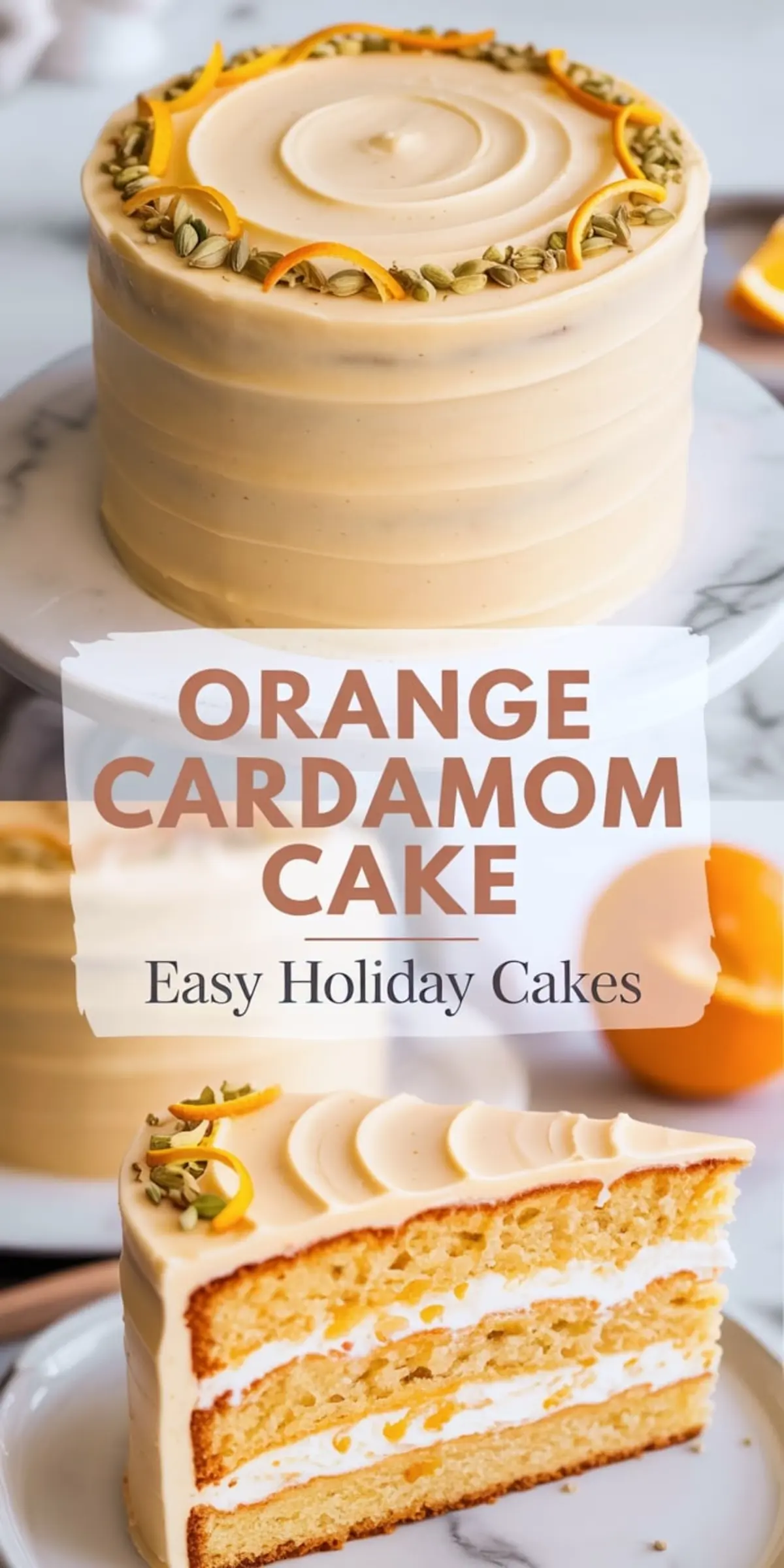
This Orange Cardamom Cake brings citrus brightness and warm spice into a soft, balanced cake that’s easy to make but layered in flavor. It uses fresh orange juice, yogurt, and a touch of ground cardamom to create a moist, fragrant crumb. Finished with a creamy orange cardamom frosting, it works well for both casual holiday baking and more festive Christmas food desserts.
The flavor comes from the ratio of orange juice to zest to spice, held together with fat from both butter and full-fat yogurt.
Following a special diet?
Every recipe on this site can be converted to gluten-free, vegan, dairy-free, keto, nut-free or egg-free with adjusted ratios so nothing falls flat.
Try the Recipe Converter →Instead of relying on extracts or bottled juice, this version uses fresh ingredients to build layers of flavor without feeling heavy or sweet.
Cardamom gives the crumb warmth without overpowering. Two teaspoons of baking powder with a half teaspoon of baking soda help give enough lift to balance the density of the dairy.
The balance of fat and acid matters here. I’ve tested similar orange dessert ideas with milk instead of yogurt and the result was noticeably flatter in flavor. Yogurt brings both structure and tang, which carries the spice forward without making the cake taste sour.
A similar balance appears in this Cinnamon Cake Recipe, where spice gets rounded by dairy and fat, just in a slightly different direction.
What You Need and Why Each Ingredient Matters
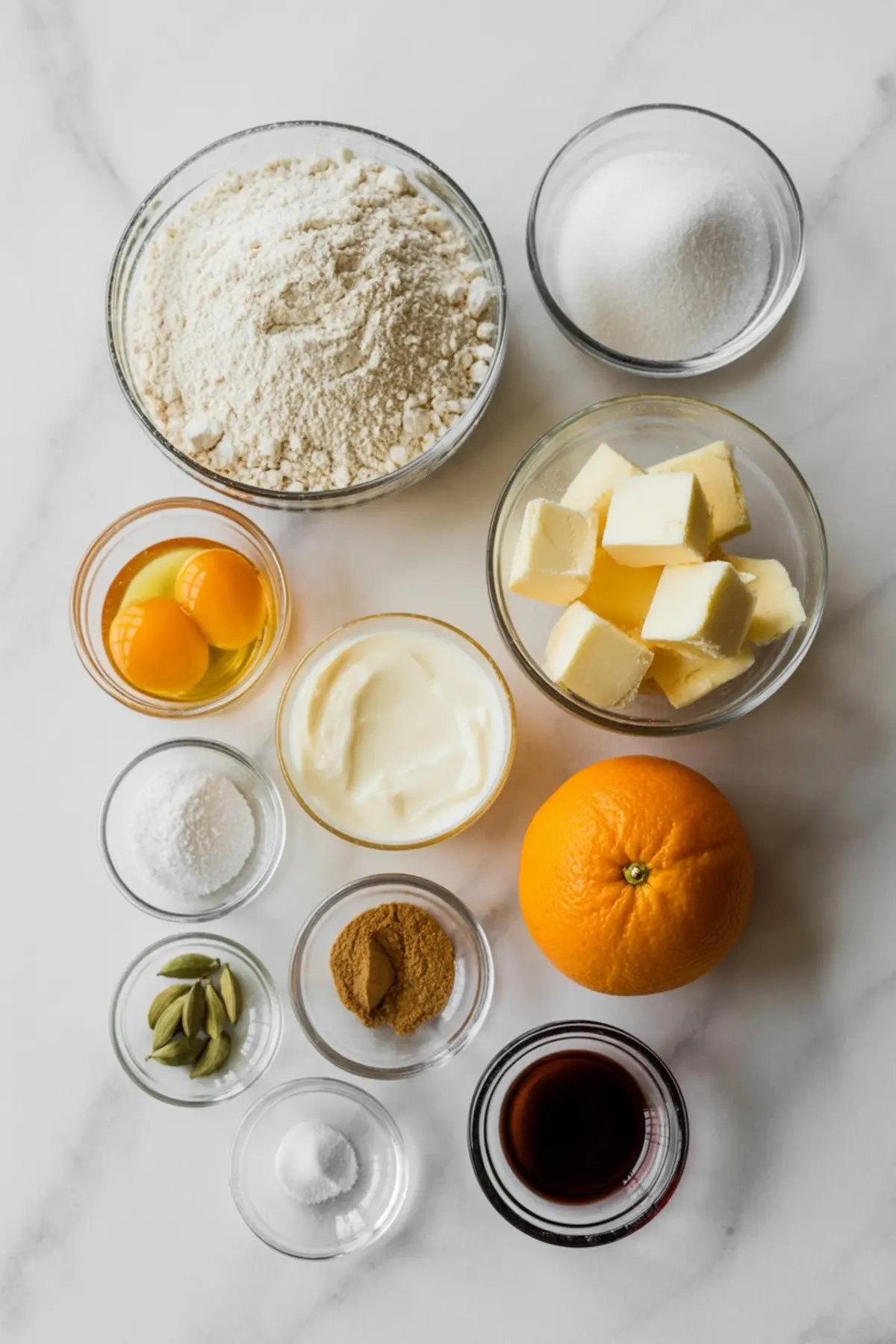
Start with unsalted butter at room temperature. It should press down easily but not feel greasy. This makes creaming with sugar more effective.
Granulated sugar sweetens and lightens the crumb. I wouldn’t swap it for brown sugar here, as the molasses would dull the orange notes.
The flour should be all-purpose and measured correctly. I prefer to spoon it into the cup and level it for accuracy.
Use large eggs at room temperature so the batter doesn’t curdle.
The combination of fresh orange juice, zest, and vanilla extract gives a natural citrus backbone. Avoid bottled orange juice from concentrate. The flavor turns metallic in baked cakes.
Cardamom should be freshly ground if possible. Store-bought pre-ground works, but it fades quickly. Whole pods, crushed and sifted, give this cake its character.
Yogurt adds fat and acidity. I’ve also tested it with sour cream, which works and gives a slightly denser texture.
The frosting repeats the same ingredients but adds cream cheese. That gives the buttercream structure and a gentle tang that fits with the citrus-spice base. A similar soft tang structure happens in my Maple Brown Butter Cake, though the flavor profile shifts toward nutty and rich.
Focus on Cardamom: The Spice That Carries the Cake
Cardamom holds the flavor together in this cake. It doesn’t shout. It hums in the background.
It’s important to balance it just right. Too little and it disappears. Too much and it becomes medicinal. I landed on one teaspoon for the cake and a small additional amount in the frosting. That gives echo without repetition.
If you only have whole pods, crush them and use a fine sieve to filter the powder. You’ll need about 10–12 pods to get a teaspoon.
If cardamom isn’t your favorite, you could swap it for cinnamon or ginger. But then you’ll move away from the signature profile that makes this feel like one of those Christmas desserts easy enough to make again in January.
Walkthrough: How to Make Orange Cardamom Cake
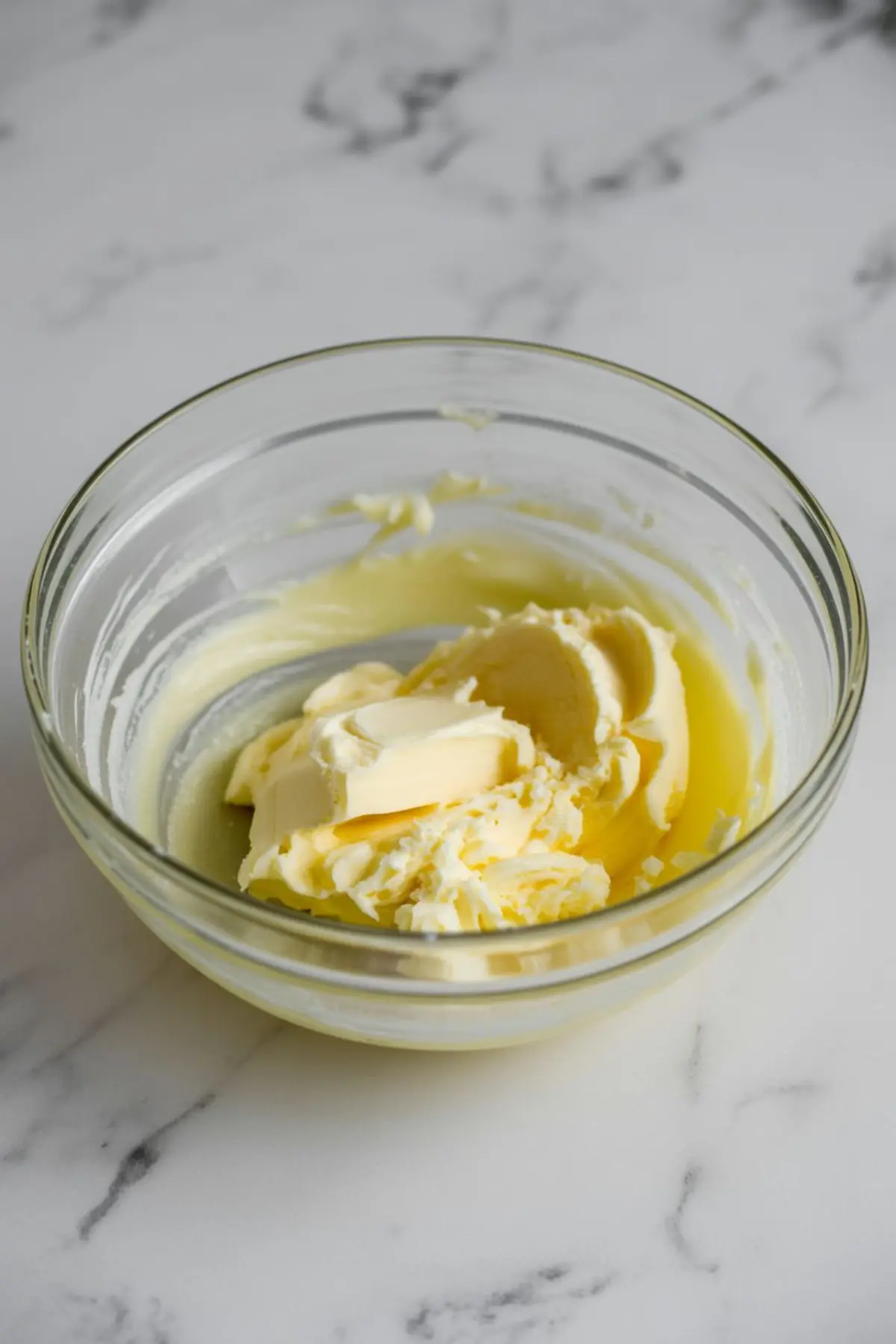
Start by creaming the butter and sugar until it looks pale and fluffy. This adds air. Use medium-high speed for at least 3 minutes.
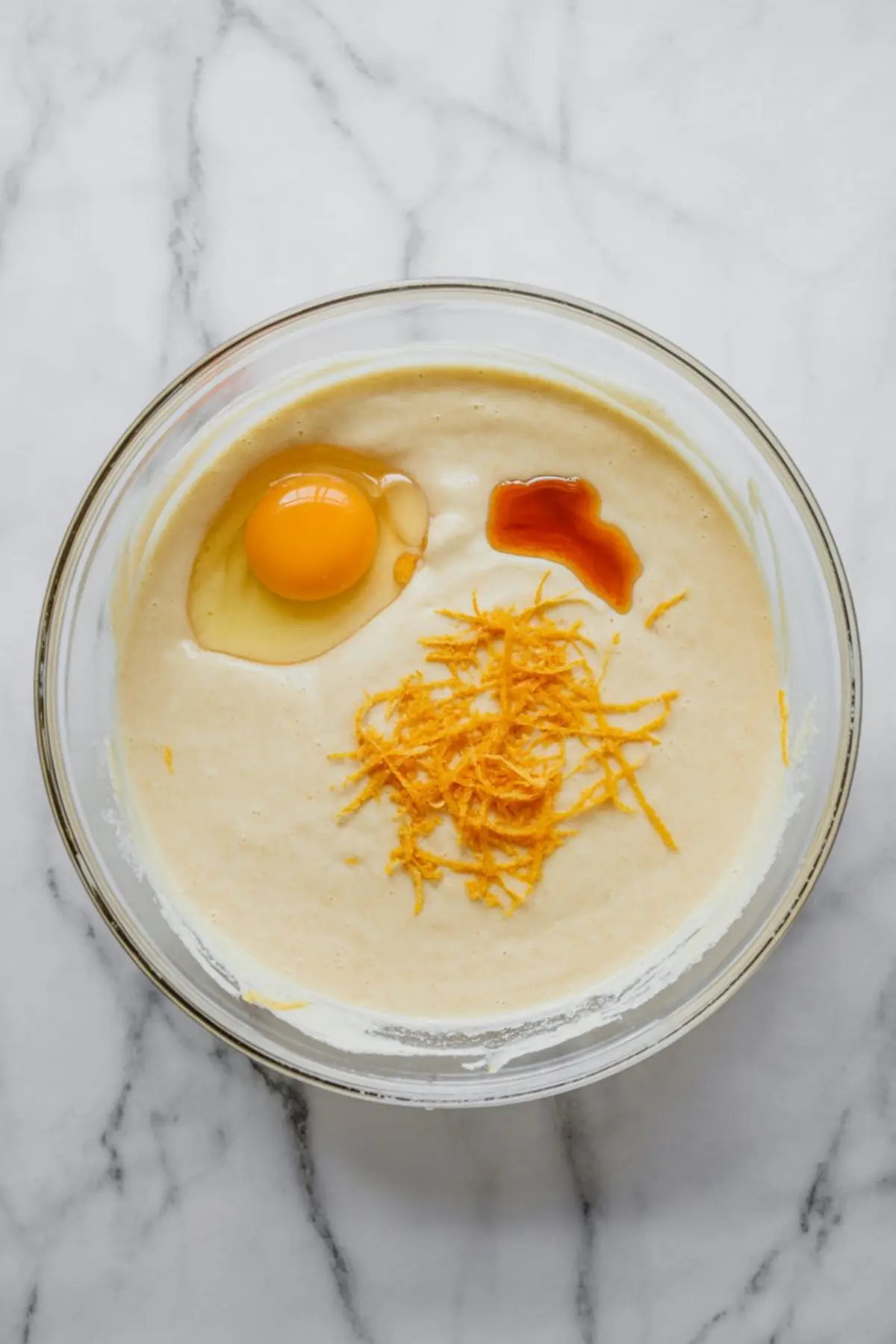
Once you add the eggs, the mixture should look smooth and slightly glossy. The zest and vanilla go in next. You’ll smell the citrus open up instantly.
Add the yogurt and orange juice, then fold in the dry ingredients. The batter might look slightly separated at first. Keep folding gently.
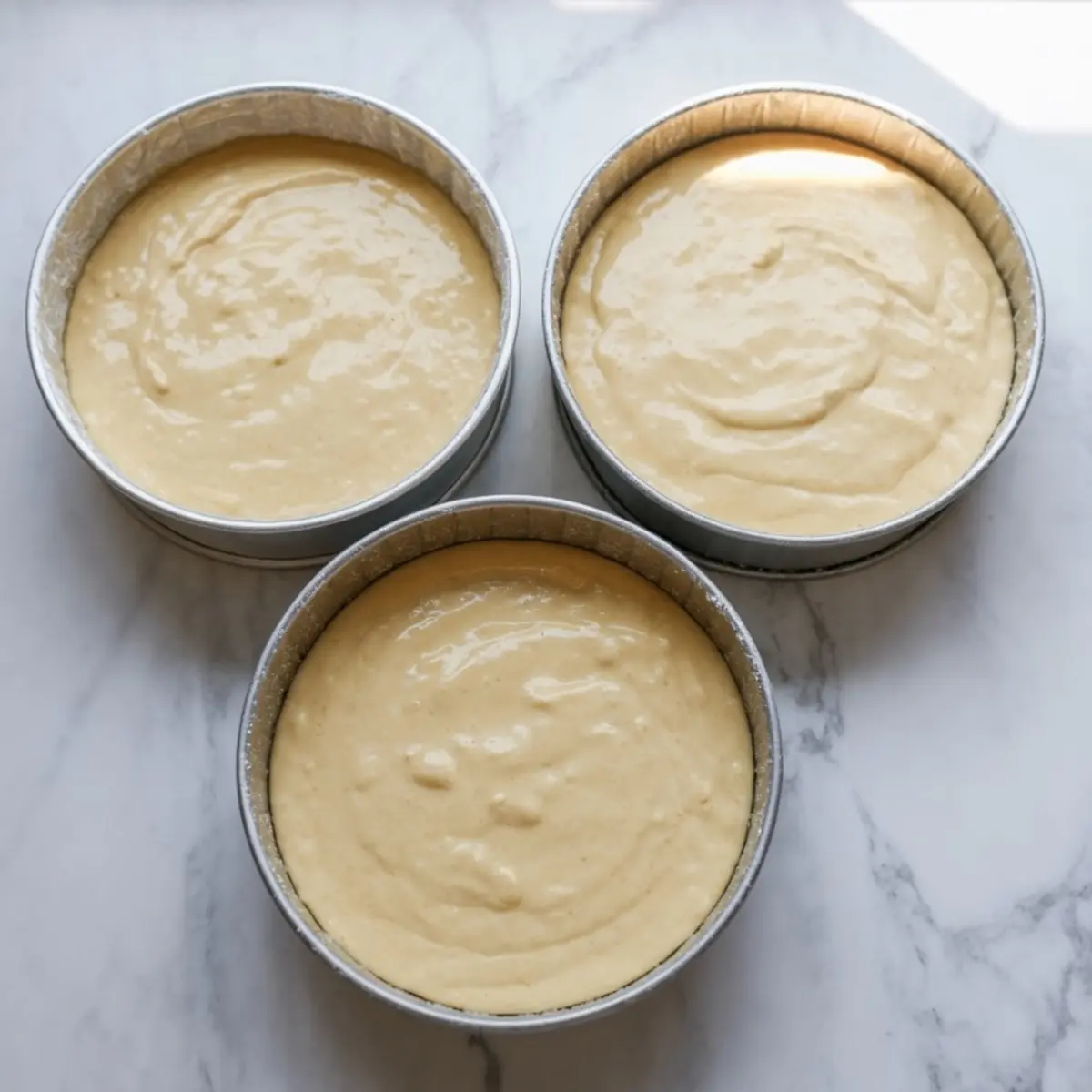
Pour into the prepared pans and bake. The cakes will dome slightly, then settle. They should spring back when lightly touched in the center.
Let them cool fully before frosting. For visual cues and bake times, I often refer readers to the texture in this vanilla sheet cake, which bakes at a similar speed.
How to Know When It’s Done
Check for doneness at the 22-minute mark. The top should be golden and a toothpick should come out with moist crumbs, not wet batter.
Overbaking dries the crumb. Underbaking leaves a dense line at the base. The cake layers should feel springy, not soft.
If in doubt, trust your nose. It should smell like warm orange and spice, not raw batter.
Troubleshooting Common Mistakes
If the cake sinks in the center, the oven temperature might have been too low or the batter was overmixed.
If your frosting turns runny, your butter or cream cheese may have been too warm. Chill briefly, then rewhip.
If the cake pulls away too much from the sides of the pan, it likely overbaked. Reduce bake time next round.
Dry cake usually means too much flour. Spoon and level instead of scooping straight from the bag.
Storage and Make-Ahead Notes
The frosted cake keeps well in the fridge for 3 days. Wrap it loosely to prevent drying.
Unfrosted cake layers can sit at room temperature for 1 day, well wrapped. You can also freeze them for up to 2 months.
To thaw, leave the layers wrapped at room temperature.
Frosting can be made ahead and stored in the fridge for 3–4 days. Bring it to room temperature before spreading.
Practical Tips from Testing
Use an offset spatula for even frosting layers. It helps avoid overworking the crumb.
A microplane works best for zesting. Avoid the white pith.
Fresh cardamom makes a clear difference. Toast whole pods lightly before grinding for a deeper aroma.
Let cake layers cool completely before assembly. Even slightly warm cakes will cause the frosting to slide.
This batter works well in a loaf pan too. Extend the bake time to 45–50 minutes.
Serving Ideas for Orange Cardamom Cake
Serve plain with tea or coffee. Add sugared orange slices or pistachios on top for a festive touch.
Pair with whipped cream and fresh berries. Cut into squares and serve on a holiday cookie tray.
Dress it up with a glossy orange glaze and edible flowers for brunch.
Save This Orange Dessert for Your Winter Baking List
If you bake this Orange Cardamom Cake, save it to your Christmas desserts board or your winter cake folder so you can find it again.
Leave a comment if you try a variation or have a question, I always read and reply.
Orange Cardamom Cake Recipe
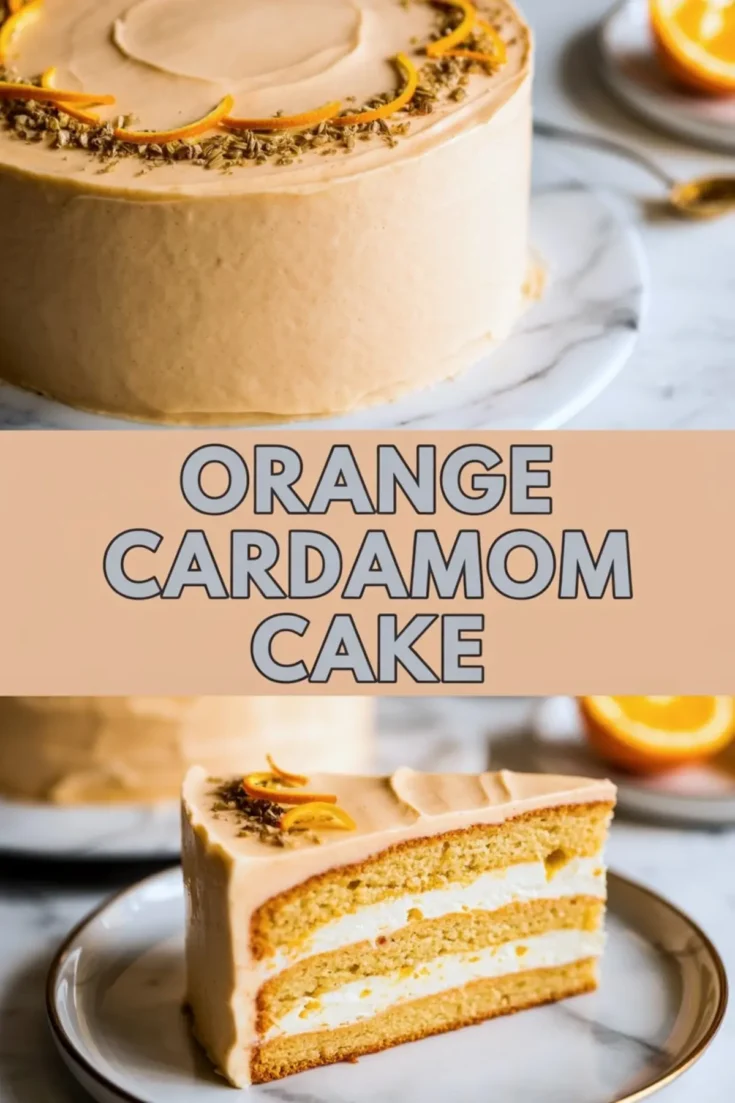
This Orange Cardamom Cake brings together fresh citrus and warm spice for a festive dessert that stands out. The tender crumb is infused with real orange juice and aromatic cardamom, creating a balance of brightness and depth. It’s one of those Christmas food desserts that feels both classic and unique, perfect for holiday gatherings or cold-weather baking. Serve it with a dusting of powdered sugar or a simple glaze for extra flavor. If you’re searching for orange dessert ideas or seasonal cardamom recipes, this easy cake belongs in your winter baking list.
Ingredients
- FOR THE ORANGE CARDAMOM CAKE
- 2 1/2 cups (315g) all-purpose flour
- 2 tsp baking powder
- 1/2 tsp baking soda
- 1 tsp ground cardamom
- 1/4 tsp salt
- 1 cup (227g) unsalted butter, room temperature
- 1 3/4 cups (350g) granulated sugar
- 4 large eggs, room temperature
- Zest of 2 oranges
- 1 tsp vanilla extract
- 1/2 cup (120ml) fresh orange juice
- 1/2 cup (120ml) full-fat yogurt or sour cream
- FOR THE ORANGE CARDAMOM FROSTING
- 1 cup (227g) unsalted butter, room temperature
- 8 oz (226g) cream cheese, room temperature
- 4 cups (480g) powdered sugar
- 1 tsp ground cardamom
- 1–2 tbsp orange juice, as needed
- Zest of 1 orange
- OPTIONAL GARNISH
- Orange peel curls
- Crushed green cardamom pods
- Toasted pistachios or fennel seeds
Instructions
- PREHEAT THE OVEN AND PREPARE THE PANS: Preheat oven to 350°F (175°C). Grease and line three 8-inch cake pans with parchment paper. Set aside.
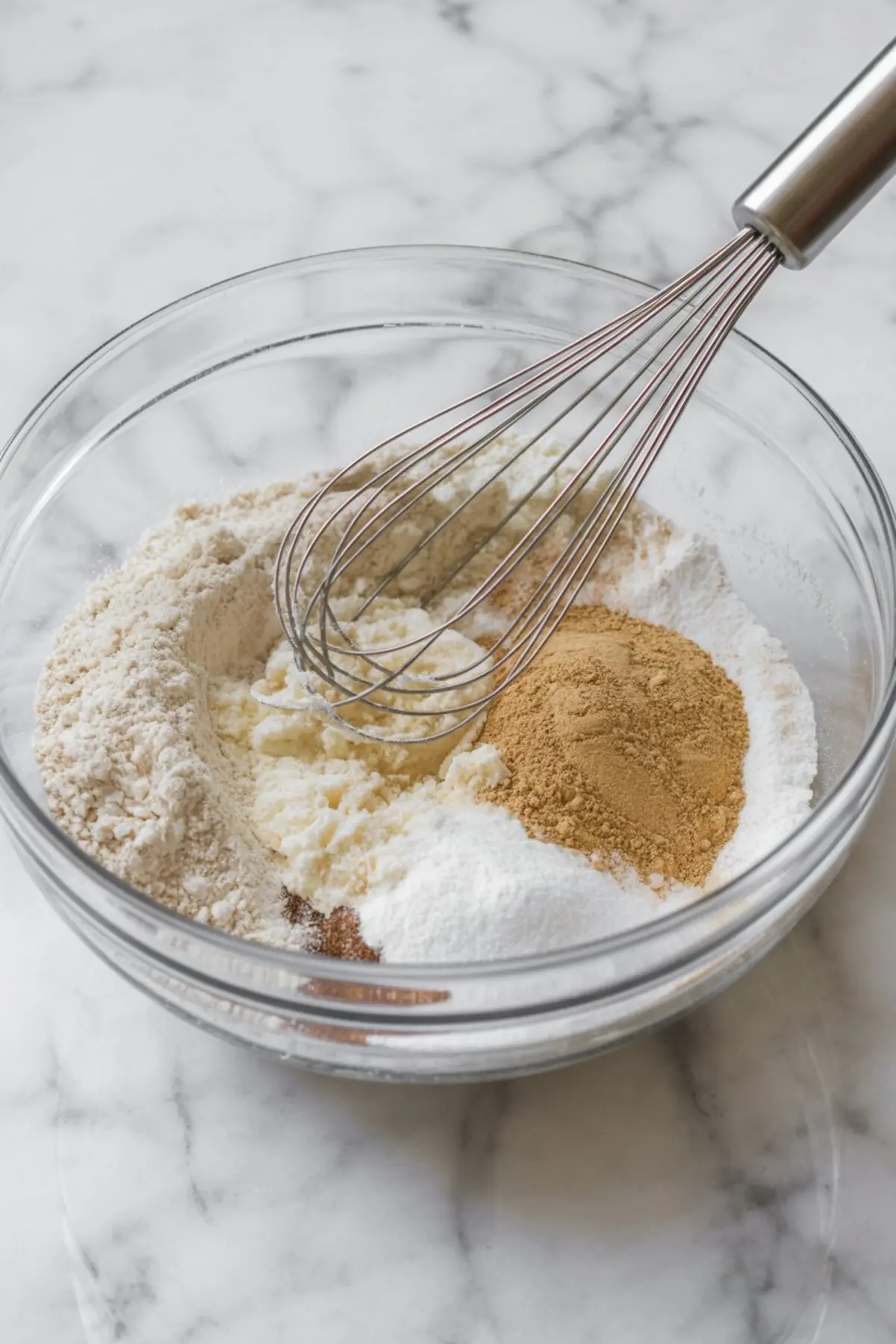
- MIX THE DRY INGREDIENTS: In a medium bowl, whisk together flour, baking powder, baking soda, cardamom, and salt until evenly combined. Set aside.
- CREAM THE BUTTER AND SUGAR: In a large mixing bowl or stand mixer, beat the butter and granulated sugar on medium-high speed for 3 to 4 minutes until pale, light, and fluffy. This step incorporates air to help the cake rise properly.
- ADD EGGS AND FLAVORINGS: Add the eggs one at a time, beating well after each addition. Scrape down the sides as needed. Stir in the orange zest and vanilla extract until evenly distributed.
- INCORPORATE THE WET AND DRY INGREDIENTS: Add the orange juice and yogurt to the batter and mix until combined. The mixture may appear slightly curdled. Gently fold in the dry ingredients in two additions, mixing only until the flour is just incorporated. Do not overmix.
- BAKE THE CAKES: Divide the batter evenly between the prepared pans and smooth the tops. Bake for 22 to 25 minutes, or until a toothpick inserted into the center comes out clean. Let cakes cool in the pans for 10 minutes before transferring to wire racks to cool completely.
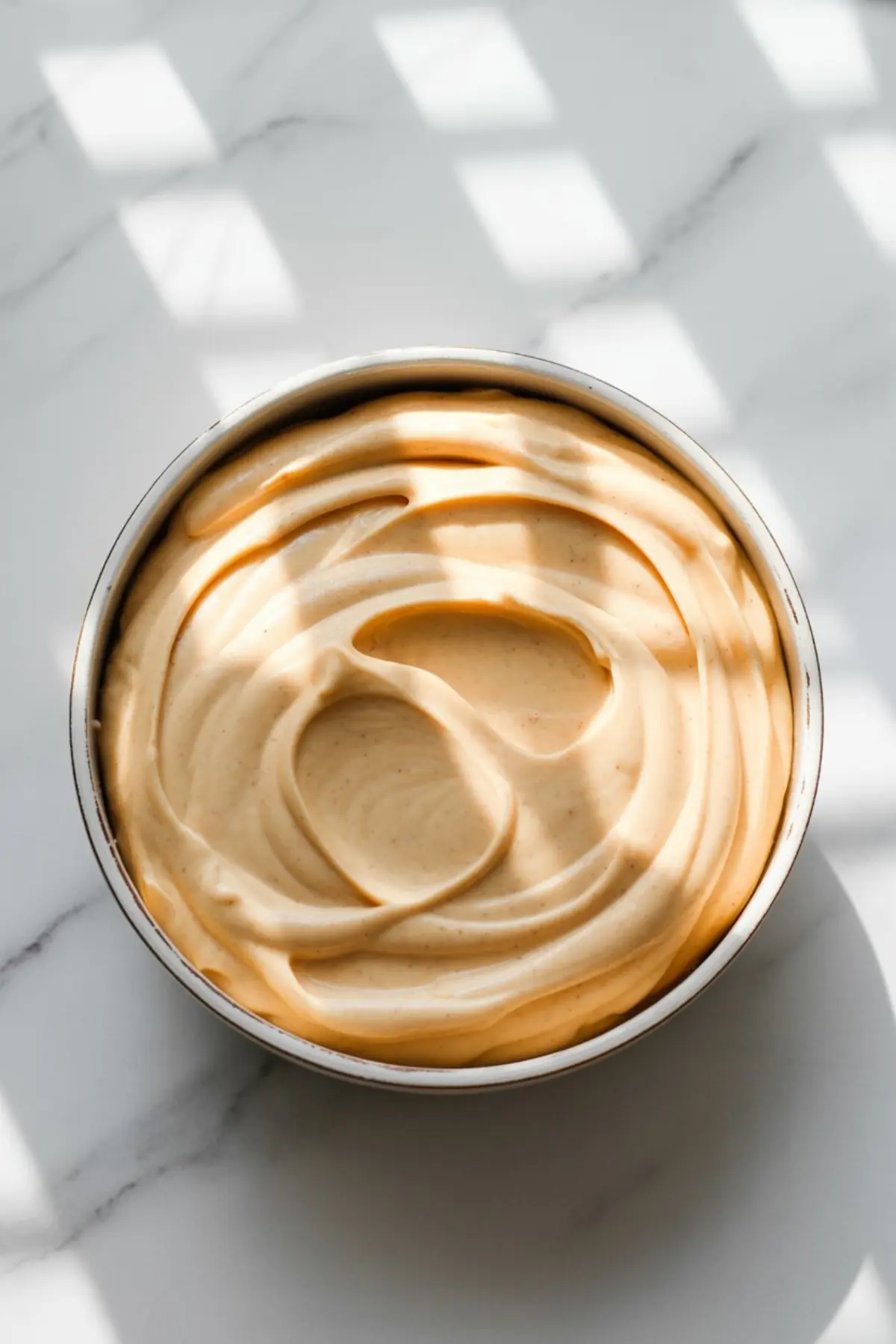
- MAKE THE FROSTING: In a large bowl, beat the butter and cream cheese together on medium-high speed until smooth and fluffy, about 2 to 3 minutes. Gradually add the powdered sugar, one cup at a time, beating on low speed at first, then increasing to medium-high until smooth. Add the ground cardamom, orange zest, and just enough orange juice to achieve a spreadable consistency.
- ASSEMBLE THE CAKE: Once the cake layers are completely cool, place the first layer on a serving plate or cake stand. Spread a generous layer of frosting over the top. Repeat with the second and third layers. Use remaining frosting to cover the top and sides of the cake evenly.
- DECORATE AND SERVE: Garnish the top with orange peel curls, crushed cardamom pods, or a sprinkle of toasted pistachios or fennel seeds. Chill briefly before slicing for clean edges. Serve at room temperature for best flavor and texture.
Notes
For best results, use freshly ground cardamom from whole pods. If using bottled orange juice, ensure it’s not from concentrate and has no added sugar. Cake layers can be made a day ahead and stored wrapped at room temperature. Frosting can be prepared in advance and refrigerated; bring to room temperature before using.
Nutrition Information
Yield
12Serving Size
1Amount Per Serving Calories 1067Total Fat 42gSaturated Fat 26gUnsaturated Fat 16gCholesterol 171mgSodium 635mgCarbohydrates 163gFiber 2gSugar 122gProtein 13g

This cake looks amazing and all the flavors I love! Curious why the filling in the picture looks white and the frosting on the outside is a different color, did you use a different filling for the photo?
Ah, great catch Charlotte. That day I actually made two separate batches—one for the filling and one for the outer frosting. I was testing slightly different ratios of cream and orange zest, and the filling ended up paler and a bit fluffier. I liked the contrast in texture, so I kept it that way for the shoot. The flavor was still super balanced, but yeah, visually they turned out a little different. Appreciate you noticing that 😊