
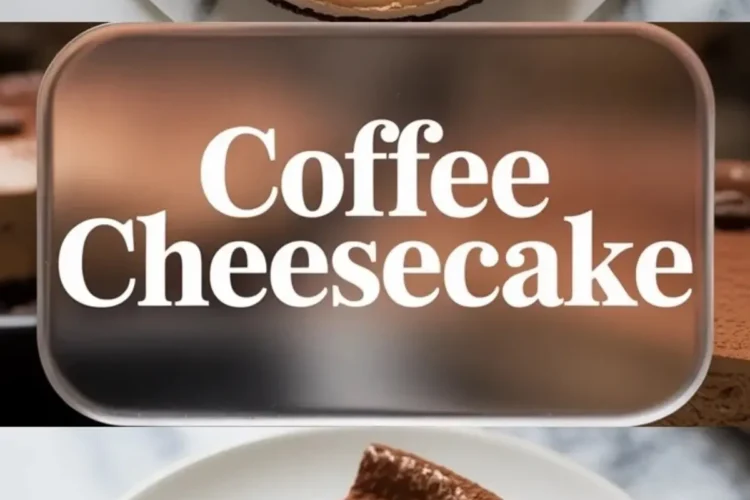
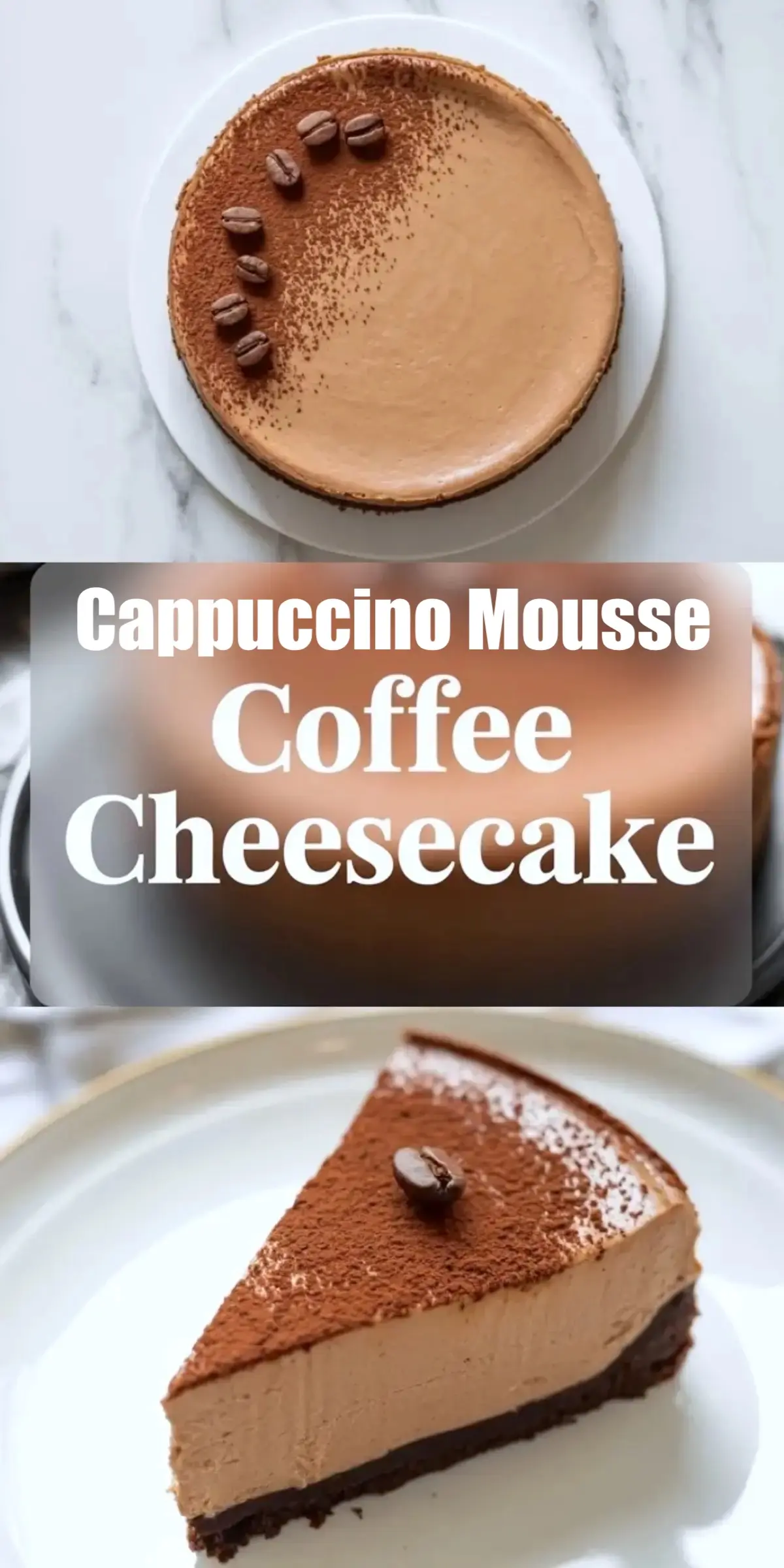
This coffee cheesecake recipe creates a cappuccino mousse style coffee cheesecake with creamy layers, deep espresso aroma, and a light mousse texture. Many readers search for easy coffee cheesecake, homemade coffee cheesecake dessert, coffee cake cheesecake, or baked coffee cheesecake that feels like a café treat. This version brings together classic cheesecake recipes and coffee dessert recipes into one balanced coffee dessert that fits beautifully among coffee themed desserts and cheesecake ideas creative enough for gatherings or quiet weekend baking.
My kitchen always returns to cheesecake experiments. Coffee flavors add warmth and depth that vanilla alone never achieves. A slice of this cheesecake tastes like a cappuccino in dessert form. I first tested it late one evening after too much espresso. The result stayed in my notebook.
The Ratio That Creates a Cappuccino Texture
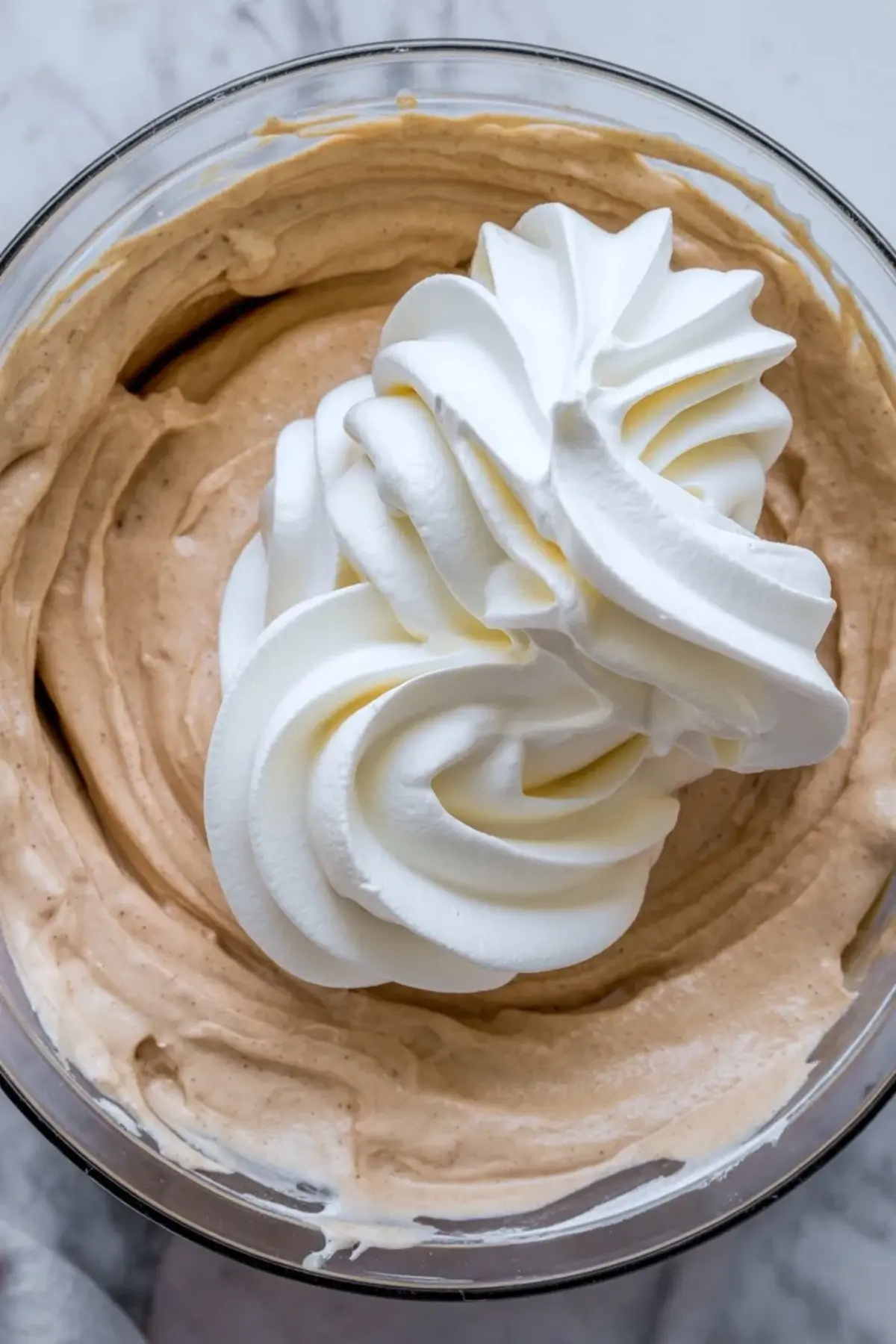
The structure relies on a balanced ratio of cream cheese, whipped cream, eggs, and espresso concentrate. Cream cheese forms the backbone while whipped cream adds the mousse character. A small amount of cornstarch stabilizes the filling during baking so the center stays creamy rather than dense.
A water bath also protects the texture. Gentle heat prevents the edges from tightening too quickly. Cheesecake science appears simple on paper. Experience tells another story. A calm oven and steady temperature build that smooth cappuccino style interior.
Readers who enjoy layered cheesecake desserts often enjoy this texture approach. My Chocolate Cookie Dough Cheesecake Bars follow a similar balance of creamy filling and structured base.
Ingredients That Shape Flavor and Texture
Cream cheese forms the main flavor body. Full fat cream cheese gives stability and smoothness that lighter versions cannot match. Granulated sugar sweetens the batter without masking espresso flavor. Eggs bind the mixture and help the cheesecake set gently during baking.
Heavy cream changes the personality of the filling. Whipped cream folds air into the batter and produces the cappuccino mousse style finish. A small pinch of salt sharpens the espresso notes. Vanilla adds a quiet sweetness that reminds me of bakery coffee drinks.
Chocolate sandwich cookies form the crust. Cocoa flavor pairs naturally with espresso and creates contrast against the creamy filling. Another cheesecake with layered flavor appears in my Almond Amaretto Cheesecake with Toasted Almond Crust.
The Espresso Component Explained
Instant espresso powder carries the entire coffee character of the dessert. Hot water dissolves the powder and creates a smooth concentrate. That liquid blends easily into the batter and distributes coffee flavor evenly.
A restrained amount keeps the flavor balanced. Too much espresso darkens the color and overpowers the cheesecake base. Cappuccino flavor means coffee blended with cream. A pale beige batter signals the right balance.
Cheesecake experiments often inspire new cookie variations as well. Coffee lovers often enjoy the flavor contrast in Oreo Cheesecake Cookies Recipe which brings cheesecake flavor into a soft cookie.
Building the Cheesecake Batter
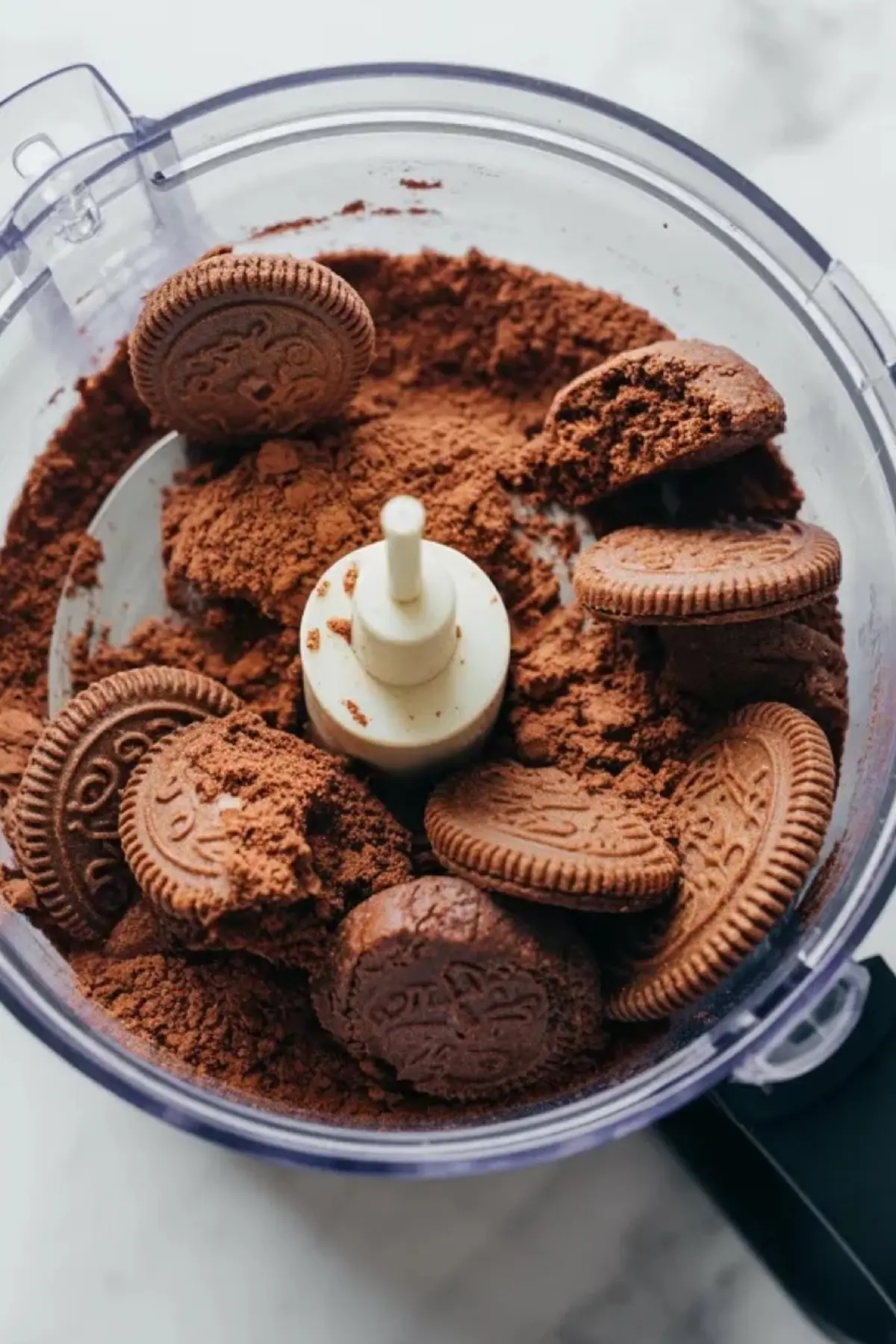
The process begins with the crust. Crushed cookies and melted butter press firmly into a springform pan and bake briefly. The crust cools before filling enters the pan. A firm base supports the creamy center.
The filling starts with cream cheese and sugar beaten until smooth. Eggs enter one at a time and create a silky batter. Espresso mixture, vanilla, salt, and cornstarch blend in next. The color shifts into a light coffee tone. I always pause here to smell the batter. That moment always feels reassuring.
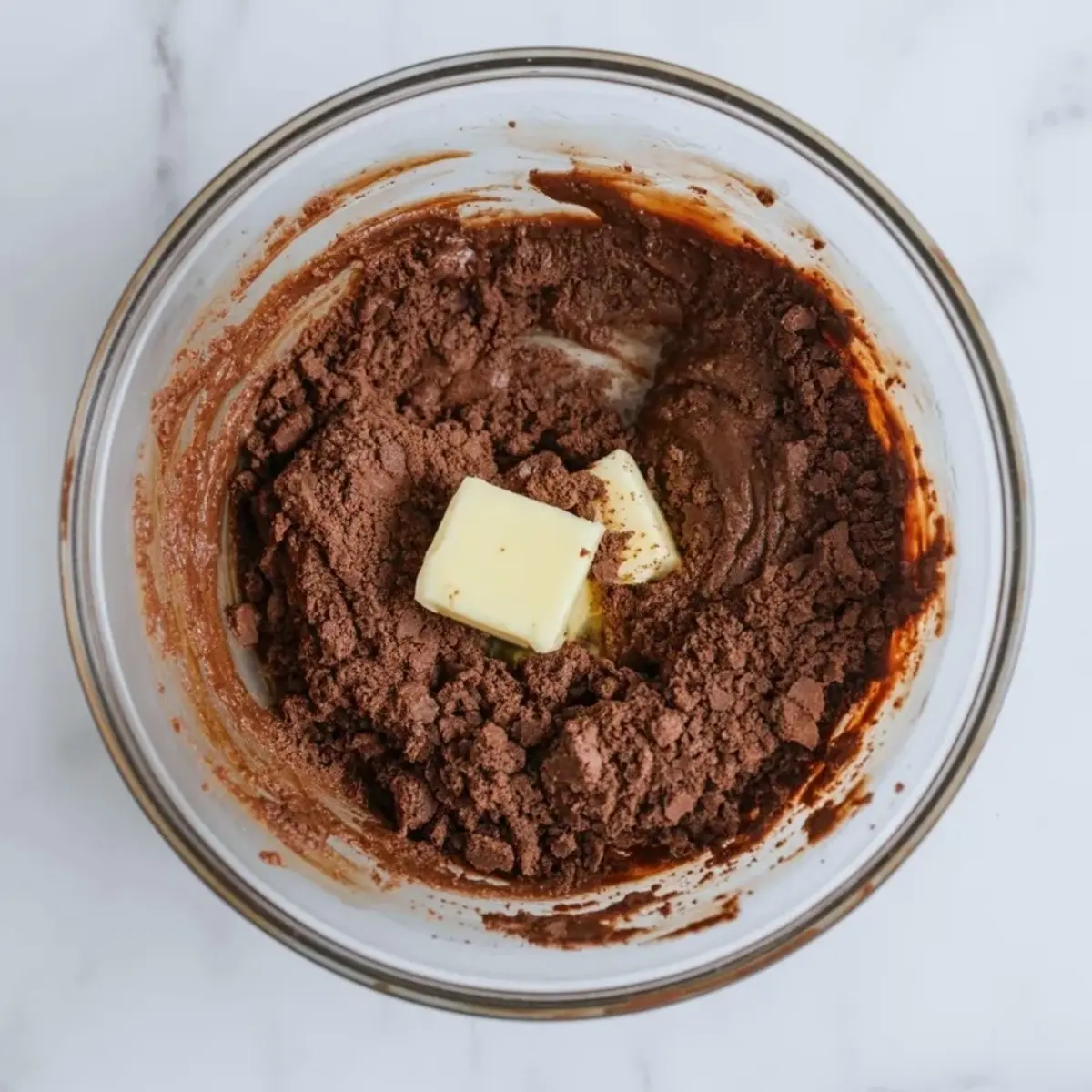
Whipped cream folds gently into the mixture. Air from the whipped cream produces the mousse style texture once baked. Cheesecake batters with folded cream remind me of the soft structure in Blueberry Cheesecake Cookies.
Signs the Cheesecake Has Finished Baking
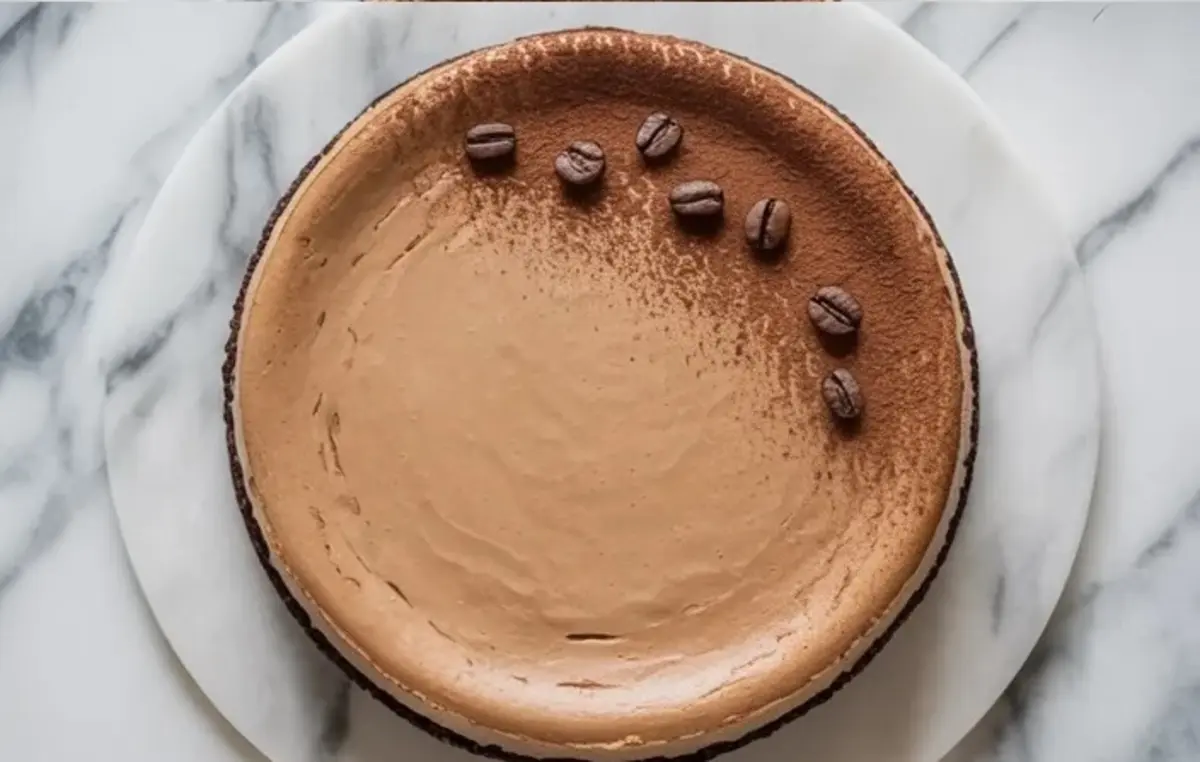
The edges appear firm and slightly puffed. The center still moves gently when the pan shakes. That movement signals a creamy interior. Overbaked cheesecake shows a dry matte surface and tight edges.
A gradual cooling stage matters as much as baking time. The oven door stays slightly open during the first hour of cooling. Temperature changes remain gentle. Cheesecake rewards patience. I learned that lesson after several cracked cakes.
Common Cheesecake Problems and Fixes
Cracks often appear from rapid temperature changes. A water bath and slow cooling prevent that issue. Lumpy batter usually comes from cold cream cheese. Room temperature ingredients blend smoothly.
Dense texture usually means overmixing after adding eggs. Gentle mixing preserves the light structure. Cheesecake baking often teaches restraint more than technique.
Flavor Variations to Try
A mocha version forms easily with two tablespoons of melted dark chocolate folded into the batter. Chocolate deepens the espresso flavor and creates a richer coffee dessert.
A lighter variation skips baking and follows a chilled method inspired by no bake coffee cheesecake recipes. Gelatin or extra whipped cream provides structure in that version.
Storage and Keeping Quality
The cheesecake rests well in the refrigerator for four days. A covered container protects the surface from absorbing refrigerator aromas. Freezing works well for longer storage. Individual slices wrapped tightly hold quality for one month.
A thawed slice keeps the same creamy structure. Cheesecake often tastes even better the next day. Flavors settle and deepen overnight.
Serving Ideas
A simple cocoa dusting and whole coffee beans give the cake a café presentation. Fresh whipped cream adds contrast to the espresso flavor. Some readers serve slices with chocolate sauce or shaved dark chocolate.
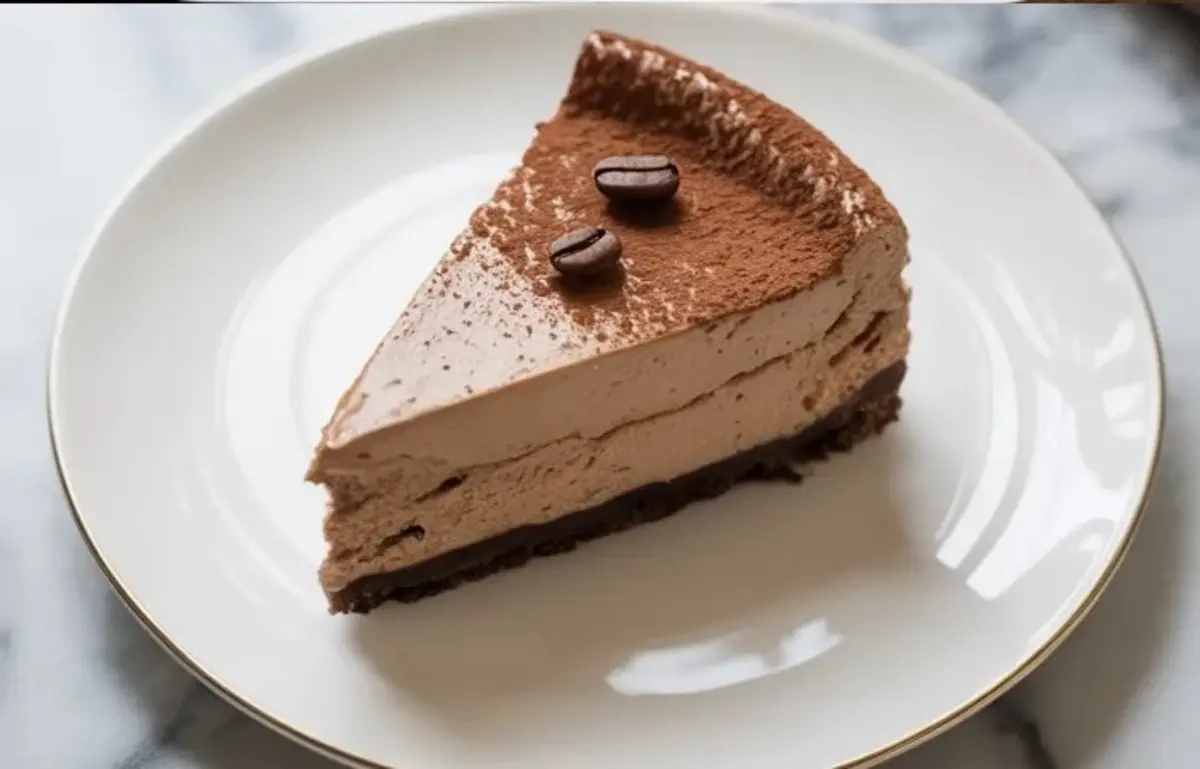
A small espresso on the side completes the experience. Coffee desserts always feel complete with coffee itself.
Save This Coffee Cheesecake Recipe
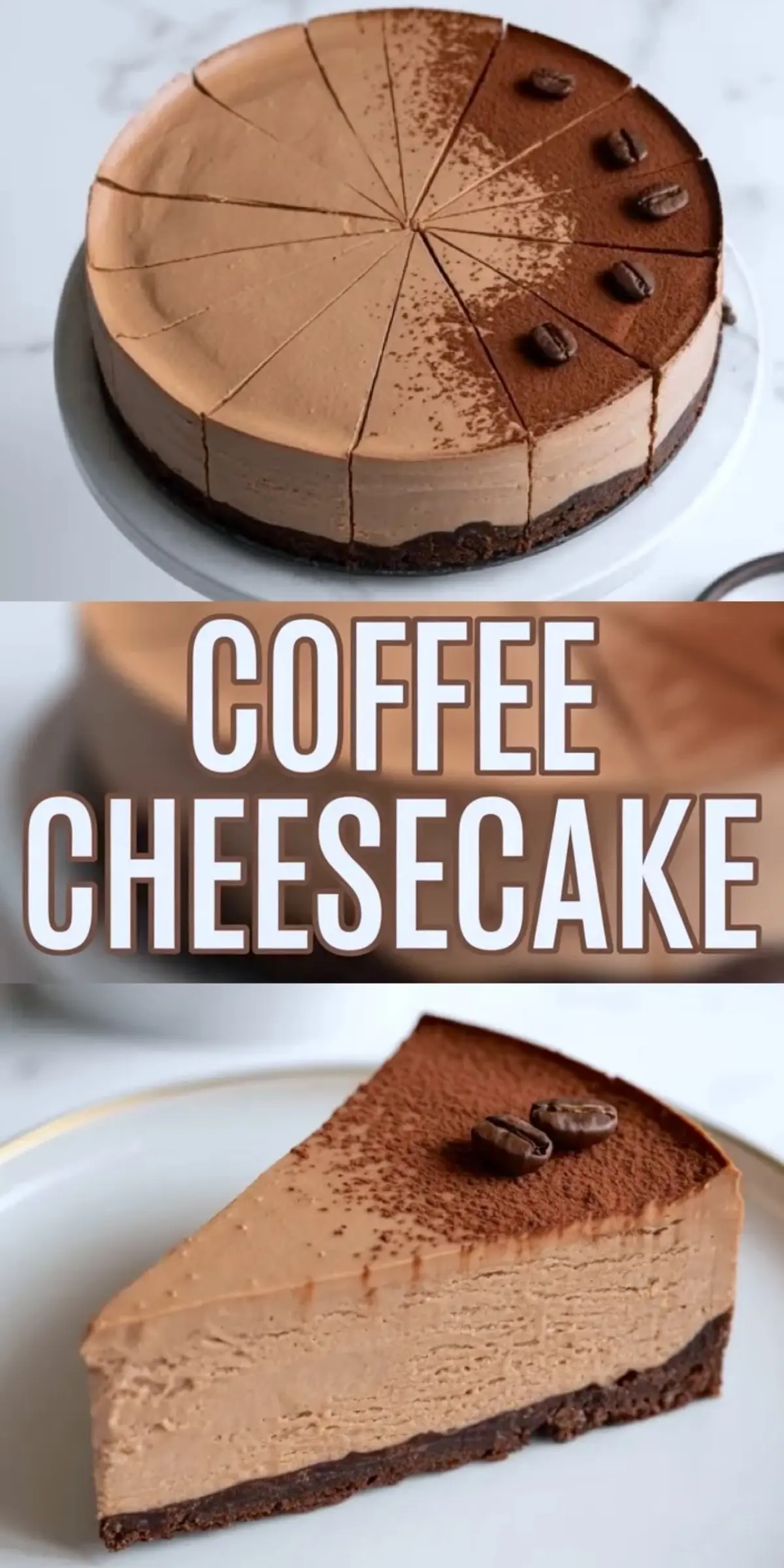
This cappuccino mousse style coffee cheesecake deserves a place on your dessert board. Save this recipe to Pinterest so you can return to it during your next coffee dessert craving.
A comment always helps other bakers too. Share how your homemade coffee cheesecake dessert turned out or ask any question that appears during baking.
Coffee Cheesecake Recipe
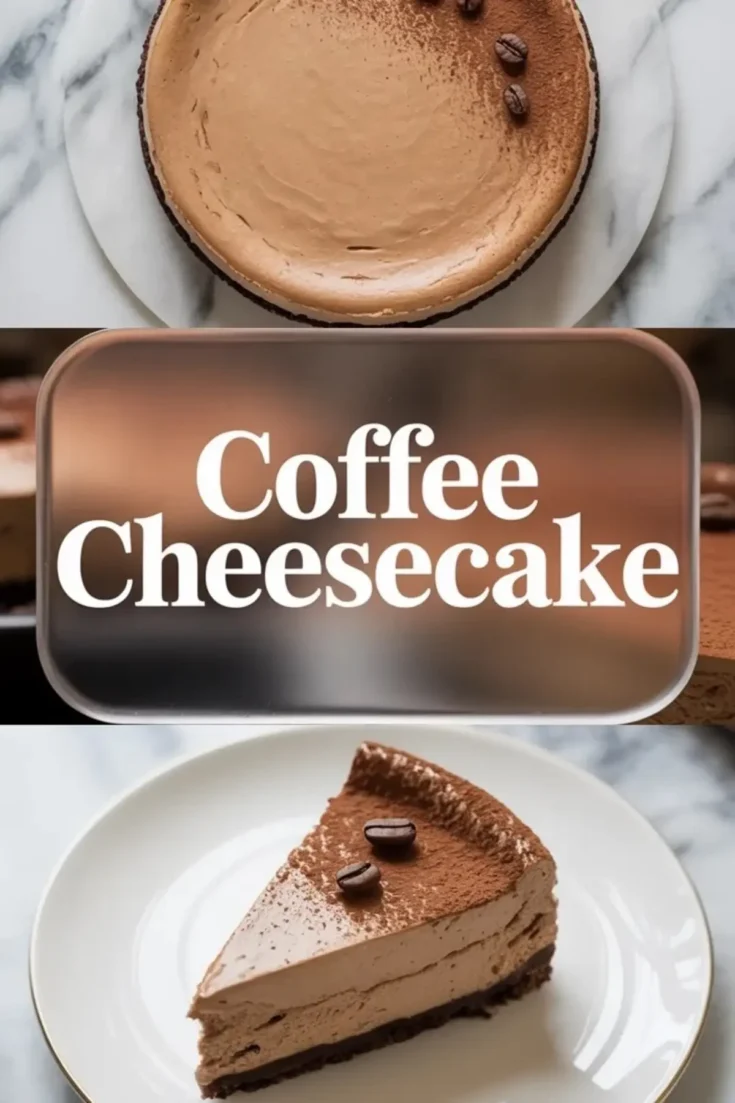
This rich cappuccino mousse coffee cheesecake blends creamy cheesecake with deep espresso flavor and a light mousse style texture. It is one of the most indulgent coffee dessert recipes, combining smooth cheesecake layers with bold cappuccino notes. The recipe works as a decadent homemade coffee cheesecake dessert that stands out among classic cheesecake recipes.
The dessert is inspired by both coffee cake cheesecake and creamy café style treats, creating one of the best coffee cheesecake variations for coffee lovers. It fits beautifully into a collection of coffee themed desserts and unique cheesecake ideas creative enough for special occasions. The recipe can be adapted as a rich baked coffee cheesecake or a lighter version inspired by no bake coffee cheesecake recipes, making it a versatile coffee dessert for any cheesecake fan.
Ingredients
- FOR THE CHOCOLATE CRUST
- 200 g chocolate sandwich cookies or chocolate digestive biscuits
- 80 g unsalted butter, melted
- FOR THE CAPPUCCINO CHEESECAKE FILLING
- 500 g full-fat cream cheese, room temperature
- 110 g granulated sugar
- 2 large eggs, room temperature
- 200 ml heavy whipping cream, cold
- 1½ tablespoons instant espresso powder
- 2 tablespoons hot water
- 1 teaspoon vanilla extract
- 1 tablespoon cornstarch
- Pinch of salt
- FOR DECORATION
- Unsweetened cocoa powder, for light dusting
- Whole coffee beans
Instructions
STEP 1: PREPARE THE CHOCOLATE CRUST: Preheat oven to 170°C (340°F). Crush the chocolate cookies into fine crumbs using a food processor or rolling pin. Combine crumbs with melted butter and mix until evenly coated. Press the mixture firmly into the base of a 9-inch springform pan to create a compact layer. Bake for 10 minutes, then remove and cool completely. The crust should appear dark and firm to create contrast with the filling.
STEP 2: DISSOLVE THE ESPRESSO: Combine instant espresso powder with hot water in a small bowl. Stir until fully dissolved and smooth. Set aside to cool. The mixture should look concentrated but fluid, not thick.
STEP 3: MIX THE CAPPUCCINO FILLING: Beat the room-temperature cream cheese and granulated sugar together until smooth and creamy with no lumps. Add the eggs one at a time, mixing gently after each addition. Stir in vanilla extract, dissolved espresso, salt, and cornstarch. Mix just until combined. The batter should appear pale beige, similar to milky coffee.
STEP 4: WHIP AND FOLD THE CREAM: Whip the cold heavy cream in a separate bowl until soft peaks form. Gently fold the whipped cream into the cheesecake batter using a spatula. Fold carefully to maintain air in the mixture. The batter should remain light and airy to create a mousse-like texture.
STEP 5: BAKE IN A WATER BATH: Pour the filling over the cooled crust and smooth the top. Place the springform pan inside a larger baking pan. Fill the outer pan with hot water until it reaches halfway up the sides of the springform pan. Bake for 50–55 minutes. The edges should be set while the center remains slightly jiggly. Turn off the oven and leave the door slightly open for 1 hour to allow gradual cooling.
STEP 6: CHILL THE CHEESECAKE: Remove the cheesecake from the oven and water bath. Cool to room temperature, then refrigerate for at least 4 hours or overnight. Chilling allows the structure to set and maintains the soft cappuccino color.
STEP 7: DECORATE AND SERVE: Lightly dust half of the surface with unsweetened cocoa powder using a fine sieve. Garnish with a few whole coffee beans for visual contrast. Slice with a clean, warm knife for neat portions.
Notes
Use room-temperature cream cheese and eggs to ensure a smooth batter.
Avoid increasing the espresso quantity to maintain the light cappuccino color and balanced flavor.
Wrap the outside of the springform pan with foil before placing in the water bath to prevent leaks.
