
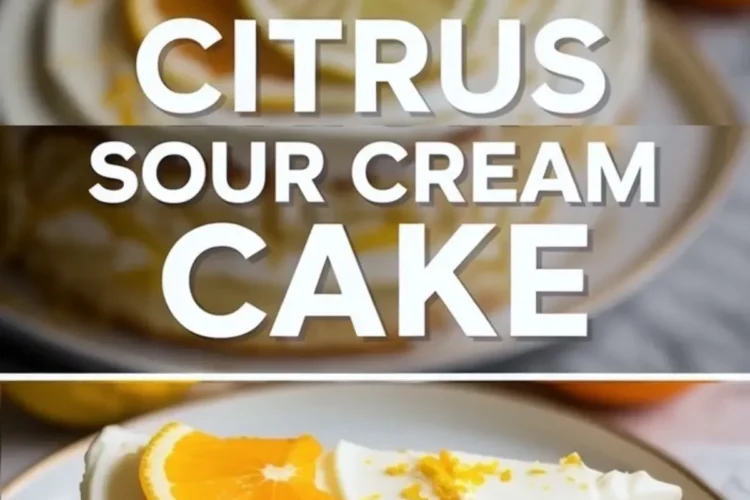
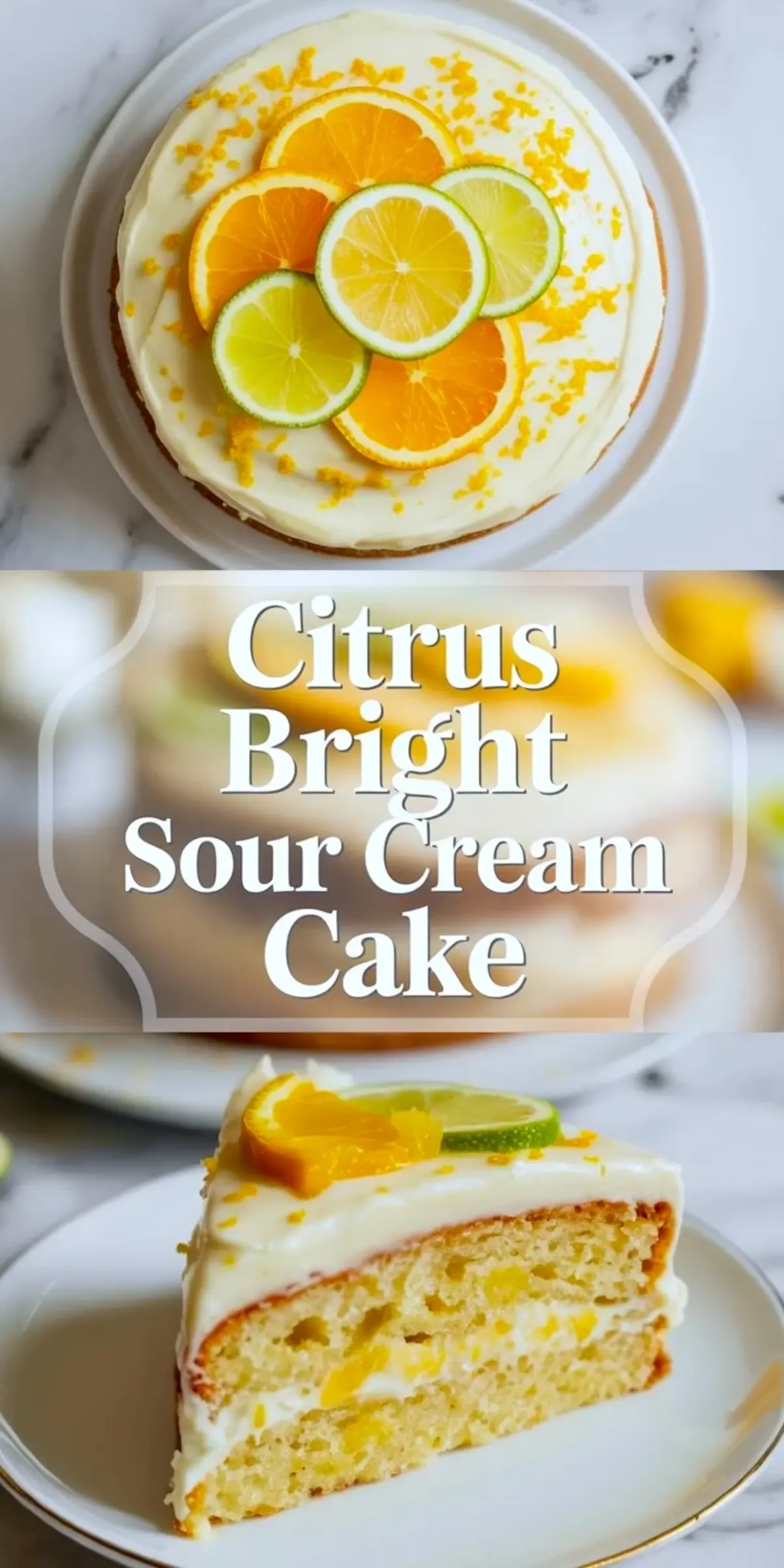
This citrus sour cream cake is the kind of layer cake that feels bright without turning sharp and rich without feeling heavy. The sour cream keeps the crumb soft and tender, while the citrus brings enough freshness to make the whole cake taste lighter than a standard vanilla or butter cake.
That makes it especially good for spring gatherings, brunch tables, Easter dessert spreads, and any time you want a cake that feels sunny and polished without being fussy. It has the softness people expect from a sour cream cake, but the lemon, lime, and orange notes keep every slice more lively.
Following a special diet?
Every recipe on this site can be converted to gluten-free, vegan, dairy-free, keto, nut-free or egg-free with adjusted ratios so nothing falls flat.
Try the Recipe Converter →Why the Crumb Stays So Soft
The biggest strength here is the crumb. Sour cream helps the cake stay moist, gives it a finer texture, and softens the richness in a way that still feels substantial. A good sour cream cake should slice cleanly, stay tender, and never taste dry the next day.
The citrus is what keeps that richness in check. Instead of leaning sweet and plain, the cake gets brightness from the fruit and a little more depth from using more than one citrus note. That combination makes the flavor feel fuller and more intentional than a one-note lemon cake.
The Balance That Makes the Flavor Work
A cake like this works best when the citrus and dairy stay balanced. Too little citrus and the cake feels generic. Too much and the crumb can start tasting sharp instead of fresh. The sour cream is what gives you room to push the brightness without losing the soft cake texture.
That is also why the flavor reads so naturally. The citrus lifts the cake, but the sour cream keeps it grounded. You end up with a moist citrus cake that feels polished and homemade at the same time.
What the Finish Adds to the Cake
The frosting or glaze matters more than people think here. A creamy finish gives the cake enough richness to feel like a real dessert, while the citrus keeps the topping from reading too sweet. That contrast is part of what makes a lemon orange cake or citrus cake so easy to come back to for another bite.
If the cake is layered, it also helps to let the citrus show visually. Slices, zest, or a bright finish on top make the whole thing feel more vivid and signal the flavor before anyone even cuts in.
Why It Fits So Many Occasions
This is one of those cakes that fits more occasions than expected. It works for spring and summer, but it also makes sense when you want something lighter after a heavier meal. Because the flavor is bright and the crumb is soft, it lands well at brunches, showers, birthdays, and holiday dessert tables.
If you like bright citrus bakes, white chocolate key lime bars bring a sharper creamy citrus direction. For another soft cake with a rich crumb, apple cinnamon coffee cake shows how sour cream style cakes stay tender in a different flavor lane.
Small Details That Improve the Bake
A few small details improve the final cake. Use fresh zest if the recipe calls for it, avoid overmixing once the flour goes in, and give the layers time to cool fully before frosting. Those steps help the crumb stay soft and keep the citrus flavor cleaner.
You also get a better finish when the cake has a little rest time before serving. The crumb settles, the frosting holds better, and the citrus notes taste more blended instead of separate.
Why This One Is Worth Repeating
Citrus sour cream cake works because it gives you a moist sour cream cake base with brighter flavor and a more polished finish than many everyday cakes. It feels easy to serve, easy to like, and strong enough for both casual and more dressed up dessert tables.
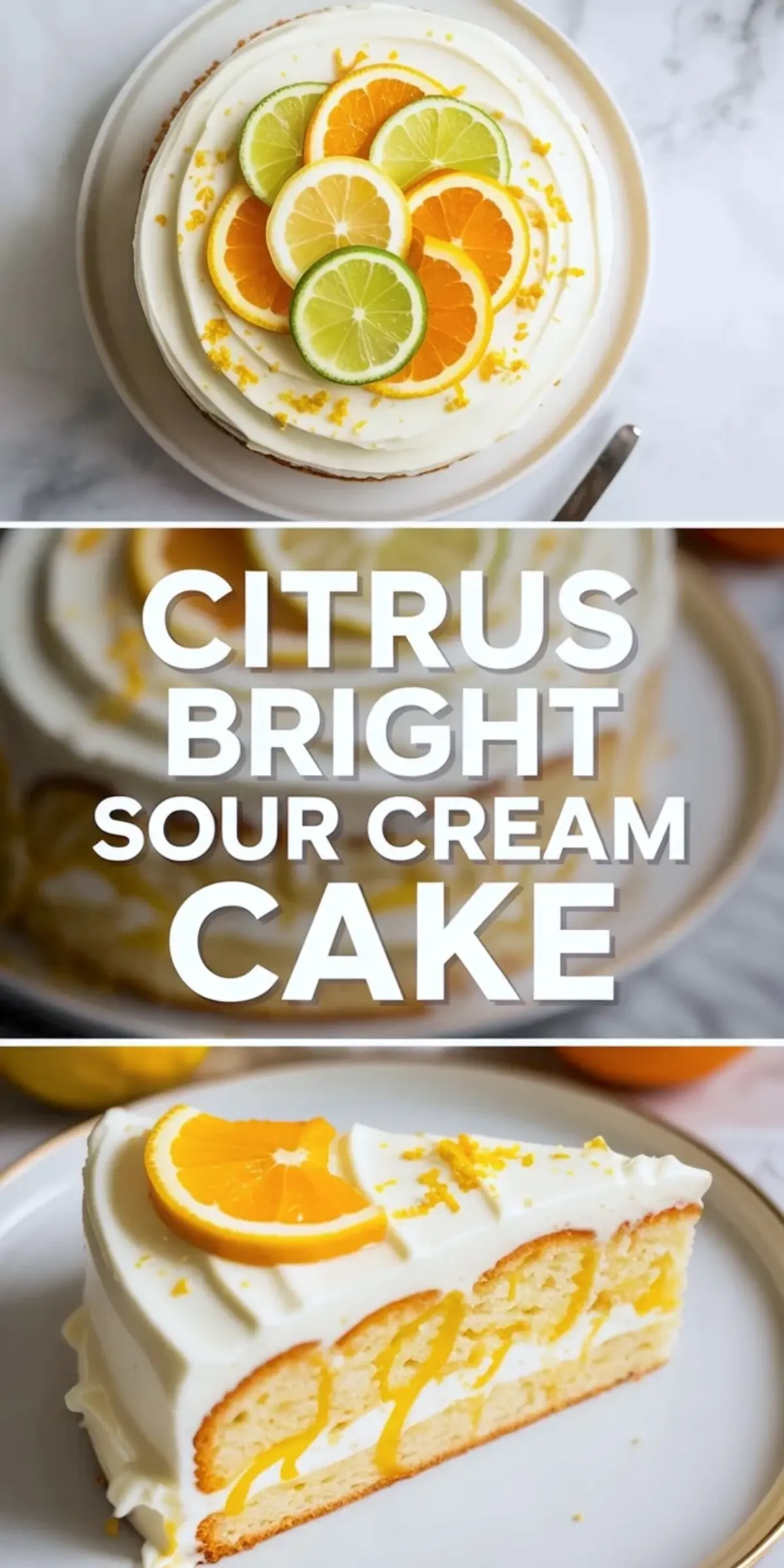
Save this citrus sour cream cake for the next time you want a moist citrus cake with a soft crumb, bright lemon orange flavor, and a smooth finish that works beautifully for spring baking. If you make it, leave a comment and say whether it landed on a brunch table, holiday spread, or weekend cake stand.
Citrus Sour Cream Cake
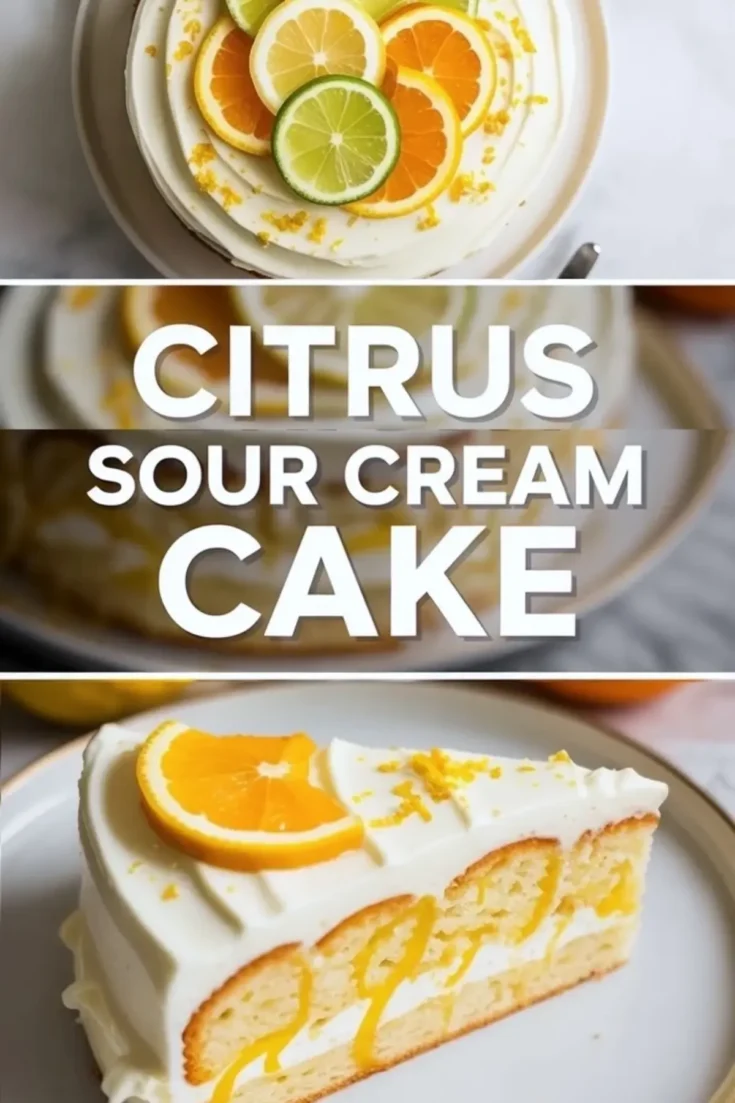
Save this citrus sour cream cake for a moist sour cream cake with bright lemon orange flavor, a soft tender crumb, and a smooth finish that feels lighter than many standard layer cakes. The sour cream keeps the cake rich and soft without making it heavy, while the citrus gives every slice a fresher, more vivid flavor that works beautifully for spring baking, brunches, birthdays, and holiday dessert tables. If you want a homemade citrus cake that lands somewhere between a lemon sour cream cake and an orange sour cream cake, this one gives you that brighter blended citrus direction. It is a strong recipe to keep nearby when you want a moist citrus cake that looks polished, slices cleanly, and feels easy to serve.
Ingredients
- FOR THE CAKE
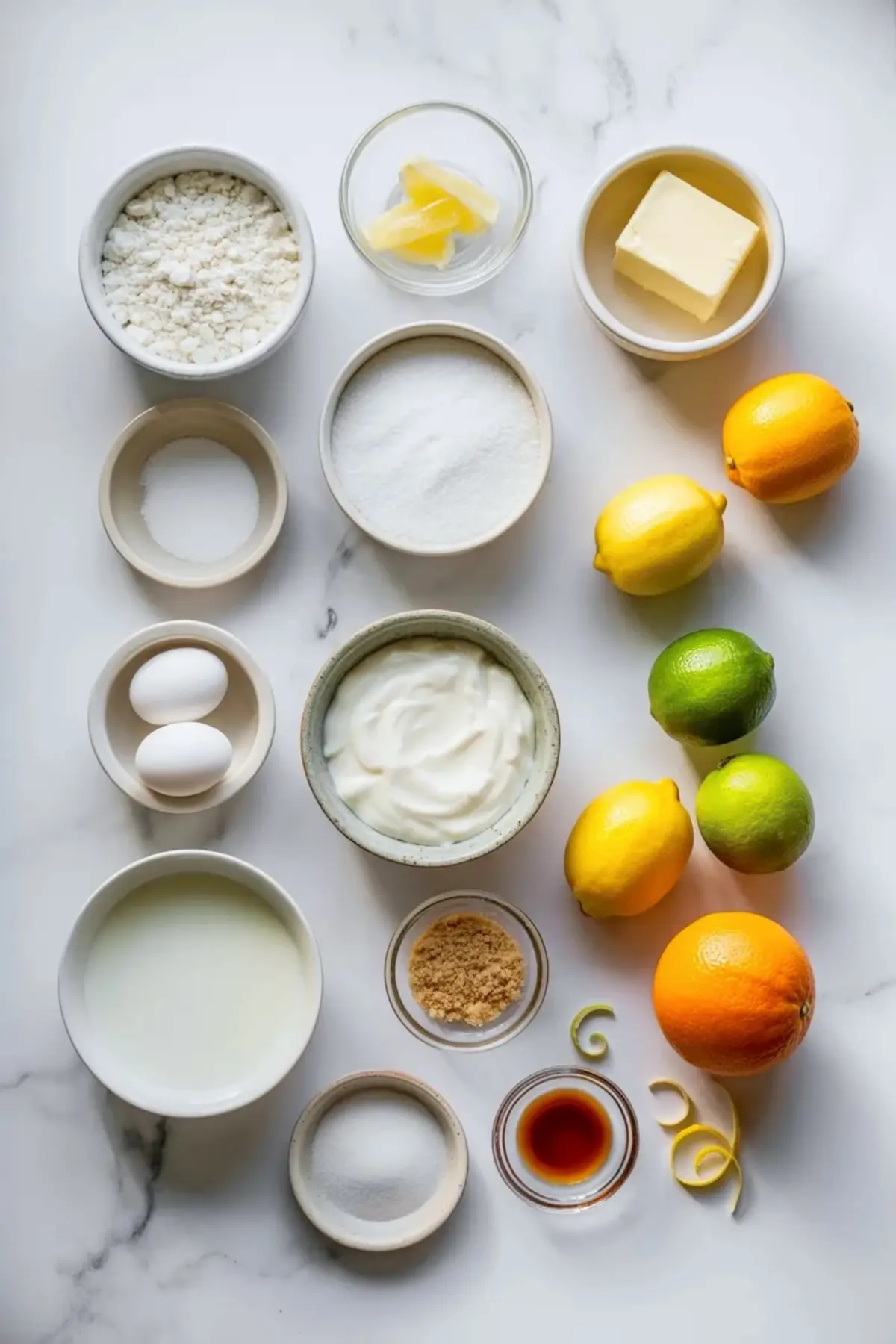
- 2 ½ cups all-purpose flour
- 2 ½ teaspoons baking powder
- ½ teaspoon baking soda
- ½ teaspoon salt
- 1 cup unsalted butter, softened
- 1 ¾ cups granulated sugar
- 4 large eggs
- 1 cup sour cream
- ¼ cup milk
- Zest of 1 lemon
- Zest of 1 orange
- Zest of 1 lime
- 2 tablespoons fresh lemon juice
- 2 tablespoons fresh orange juice
- 1 teaspoon vanilla extract
- FOR THE FROSTING
- 1 cup unsalted butter, softened
- 3–4 cups powdered sugar
- 4 oz cream cheese, softened
- 2 tablespoons sour cream
- 1 teaspoon vanilla extract
- 1–2 tablespoons mixed citrus juice (lemon and orange)
- FOR GARNISH
- Thin slices of lemon, lime, and orange
- Extra citrus zest
Instructions
PREPARE THE PANS: Preheat the oven to 350°F (175°C) and grease two 8-inch round cake pans. Line the bottoms with parchment paper to ensure easy release after baking.
MIX THE DRY INGREDIENTS: Whisk together the all-purpose flour, baking powder, baking soda, and salt in a medium bowl until evenly combined, then set aside.
CREAM THE BUTTER AND SUGAR: Beat the softened butter and granulated sugar in a large mixing bowl for 3 to 4 minutes until the mixture appears pale, light, and fluffy, which helps create a soft cake texture.
ADD THE EGGS: Add the eggs one at a time, mixing thoroughly after each addition to maintain a smooth and stable batter.
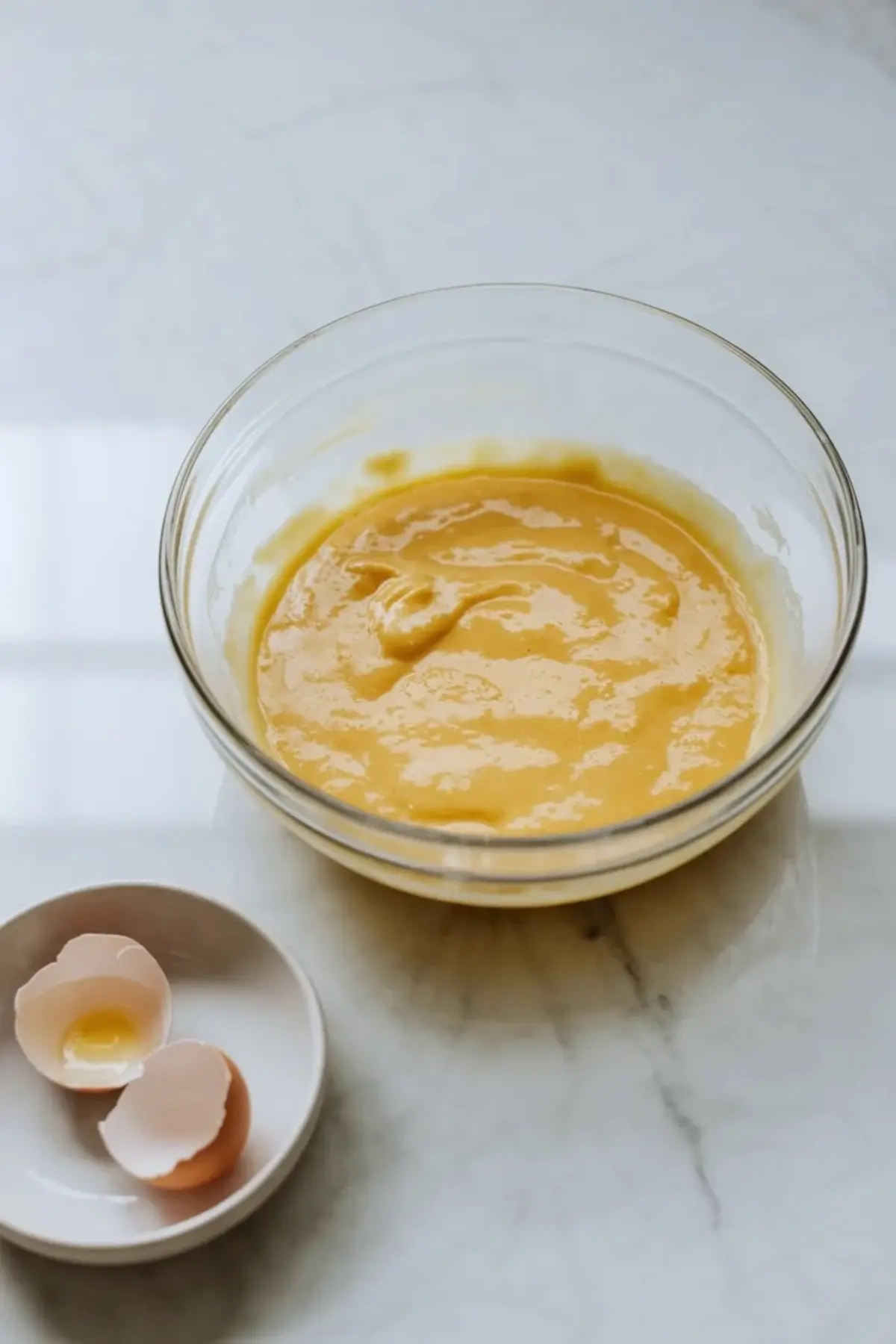
ADD THE WET INGREDIENTS: Mix in the sour cream, milk, lemon zest, orange zest, lime zest, lemon juice, orange juice, and vanilla extract until fully incorporated; the batter may look slightly curdled but will smooth out later.
COMBINE WET AND DRY: Gradually add the dry ingredient mixture into the wet mixture, mixing just until combined to avoid overmixing and prevent a dense cake.
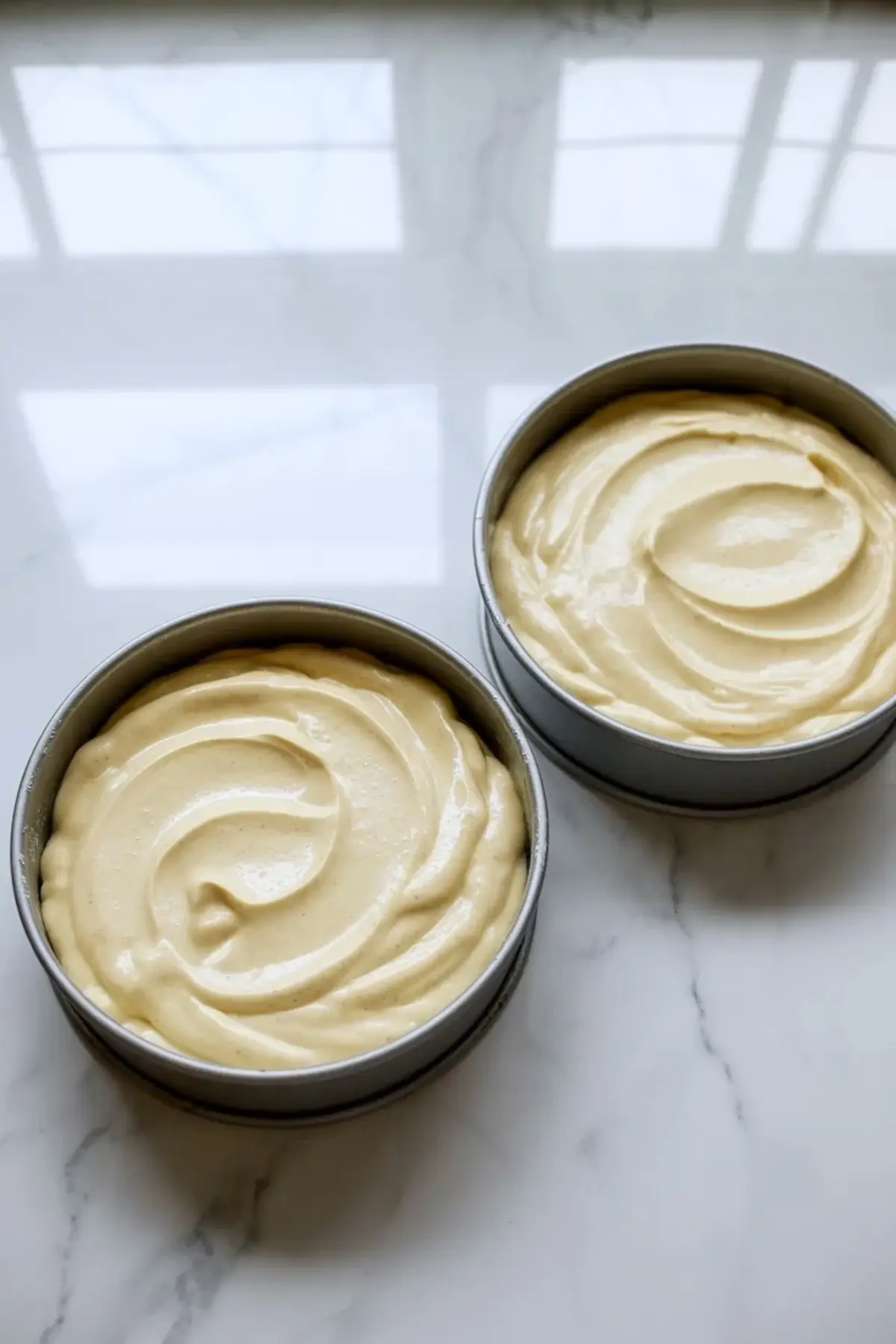
BAKE THE CAKE: Divide the batter evenly between the prepared pans and bake for 25 to 30 minutes, or until a toothpick inserted into the center comes out clean.
COOL THE CAKES: Allow the cakes to cool in the pans for 10 minutes, then transfer them to a wire rack and let them cool completely before frosting.
MAKE THE FROSTING: Beat the butter and cream cheese together until smooth, then gradually add powdered sugar while mixing. Add the sour cream, vanilla extract, and citrus juice, and continue mixing until the frosting is creamy and spreadable.
ASSEMBLE THE CAKE: Place one cake layer on a serving plate and spread an even layer of frosting on top. Add the second layer and frost the top and sides evenly.
GARNISH AND FINISH: Decorate the cake with thin slices of citrus and a light sprinkle of zest for added color and flavor.
Notes
Use room temperature ingredients for a smoother batter and even baking.
Do not overmix after adding flour to keep the crumb soft.
Adjust powdered sugar to control frosting sweetness and thickness.
Store the cake in the refrigerator and bring to room temperature before serving for best texture.
Nutrition Information
Yield
12Serving Size
1Amount Per Serving Calories 487Total Fat 43gSaturated Fat 26gUnsaturated Fat 17gCholesterol 175mgSodium 305mgCarbohydrates 19gFiber 1gSugar 2gProtein 6g
