
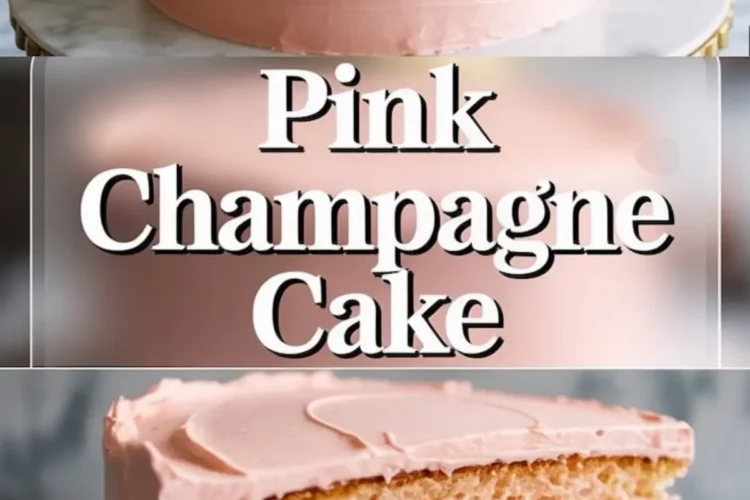
This Pink Champagne Cake with Pink Frosting bakes up soft, fluffy, and slightly tangy with a light champagne flavor. The recipe uses sour cream, whipped egg whites, and sparkling rosé to create a tender crumb that feels both festive and refined. You can serve it as a champagne birthday cake, use it for creative wedding cakes, or slice it at a bridal shower where pink foods take center stage.
This recipe depends on contrast. The acidity of sour cream balances the sweetness of the champagne and buttercream. I tested it first with milk, then with yogurt, but sour cream gave the layers more structure without making them dense.
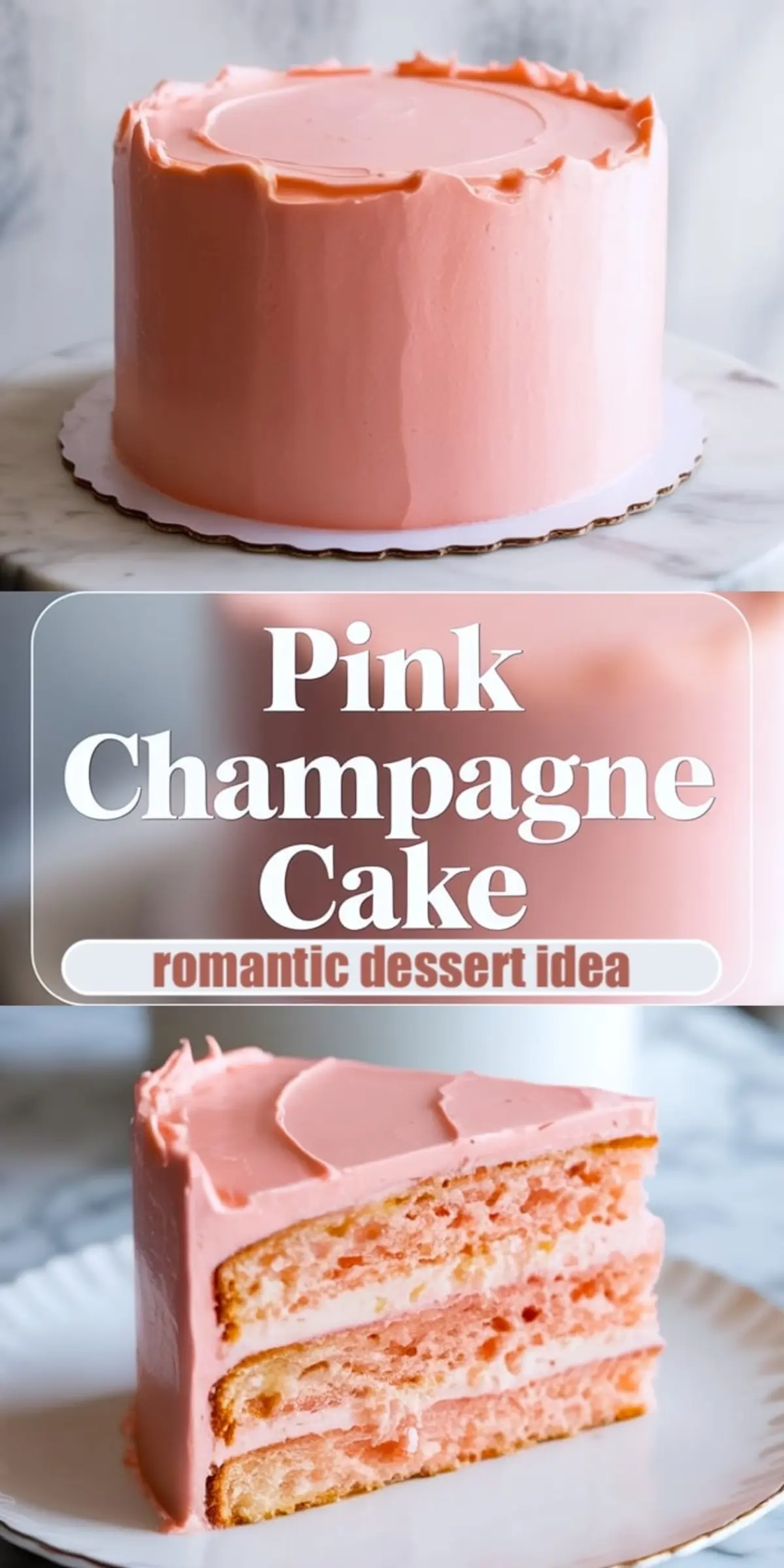
The egg whites lighten the batter, but I don’t whip them separately. Folding whipped whites into champagne batter often caused uneven rise in testing. Beating the whites directly with sugar and butter created more consistency. This base works especially well for layer cakes and helps the frosting hold without sliding.
I use three 8-inch pans, which keeps the bake time short and the crumb light. Each layer stays under 1 inch thick after cooling, which makes it easier to frost smoothly and decorate.
This Chocolate Coconut Cake uses a similar base formula with a different fat-to-liquid ratio, if you’re curious about how flavor affects structure.
Ingredient Choices and Why They Matter
Cake flour gives a finer crumb and softer bite. All-purpose flour made the layers dry and slightly gritty during early testing, even when sifted.
Pink champagne or sparkling rosé brings both flavor and moisture. I prefer a dry rosé with berry notes, nothing too sweet. Brut rosé works best. Flat champagne ruins the texture, so I always open a fresh bottle just before mixing.
The combination of vanilla and almond extract adds depth. Almond gives a floral note that lifts the cake without overpowering it. You can leave it out, but the cake loses something subtle.
Sour cream adds moisture without thinning the batter. It keeps the texture silky and balances the sugar. Greek yogurt works in a pinch, but it’s tangier and gives a slightly denser result.
For another light but elegant base, you can try this Vanilla Cake Recipe. It’s simpler, but the ratios follow a similar structure.
Spotlight on the Champagne
Champagne adds more than flavor here. Its carbonation works with baking soda to create a soft rise. I use just 1 cup, mixed with sour cream before adding to the batter. This combination prevents curdling and keeps the mix smooth.
A common mistake is adding chilled champagne. That shocked the butter mixture during one of my test rounds and left small lumps in the batter. Room temperature is essential.
You’ll also use champagne in the frosting. Once whipped into the buttercream, it adds a subtle tang and brightness that balances the sweetness. It doesn’t taste boozy. It tastes elegant.
This Raffaello Cake also uses a light frosting contrast, but with coconut. The structure is similar even though the flavors shift entirely.
The Method That Keeps It Fluffy
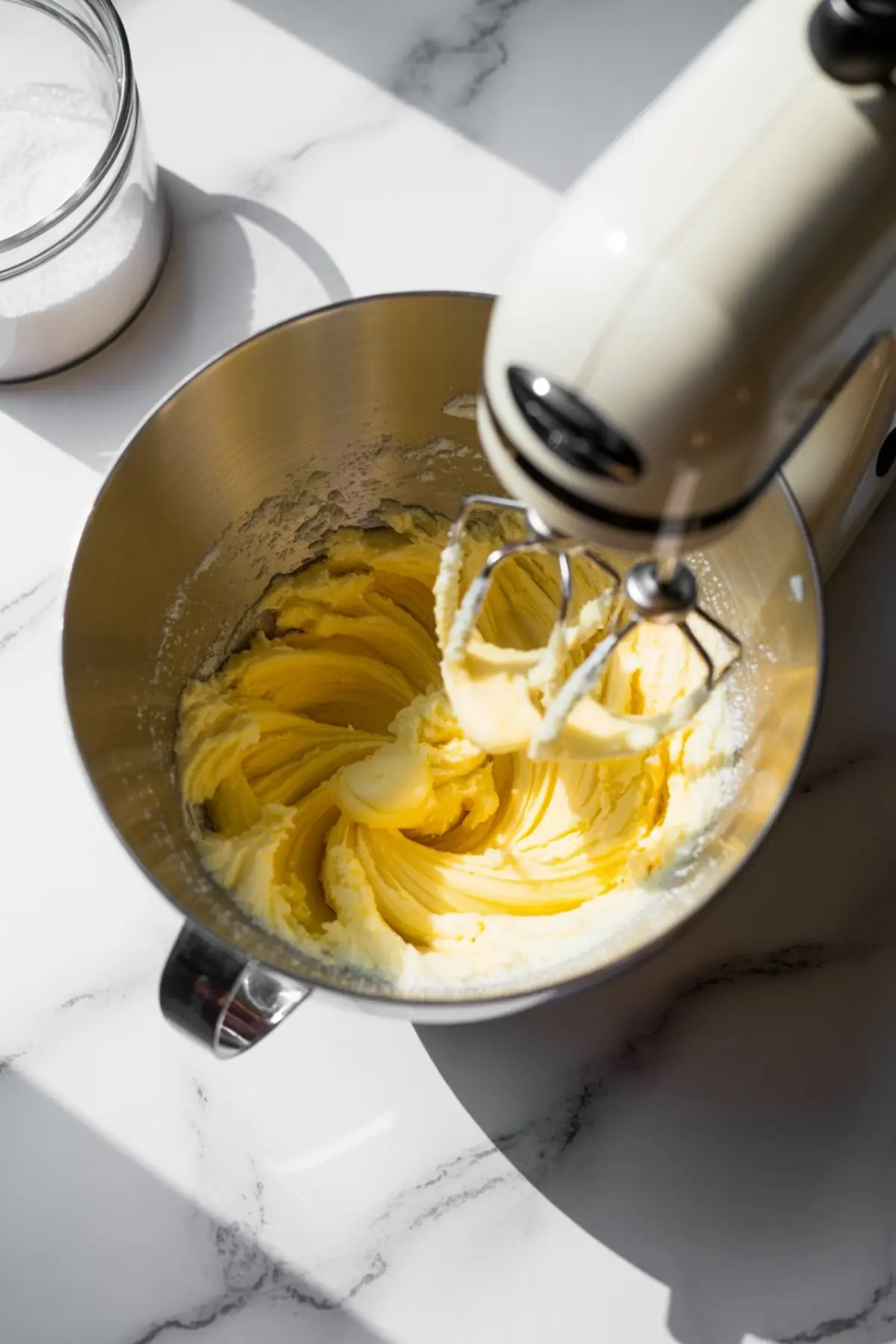
I start by creaming softened butter and sugar until it looks pale and fluffy, around 3 to 4 minutes. The texture should resemble whipped frosting before eggs go in.
Egg whites go in one at a time to avoid splitting. You’ll know it’s mixed enough when the batter turns glossy and slightly thick.
I alternate dry ingredients with the champagne-sour cream mix in three rounds, starting and ending with flour. The batter should stay smooth and gently pink.
If you’re using food coloring, choose gel. A drop or two will bring the color up without affecting consistency. Liquid food dye thins the batter too much and throws off the rise.
You can see a similar structure in this Blood Orange Cake, which uses citrus juice to create brightness without disrupting the texture.
How to Know It’s Baked
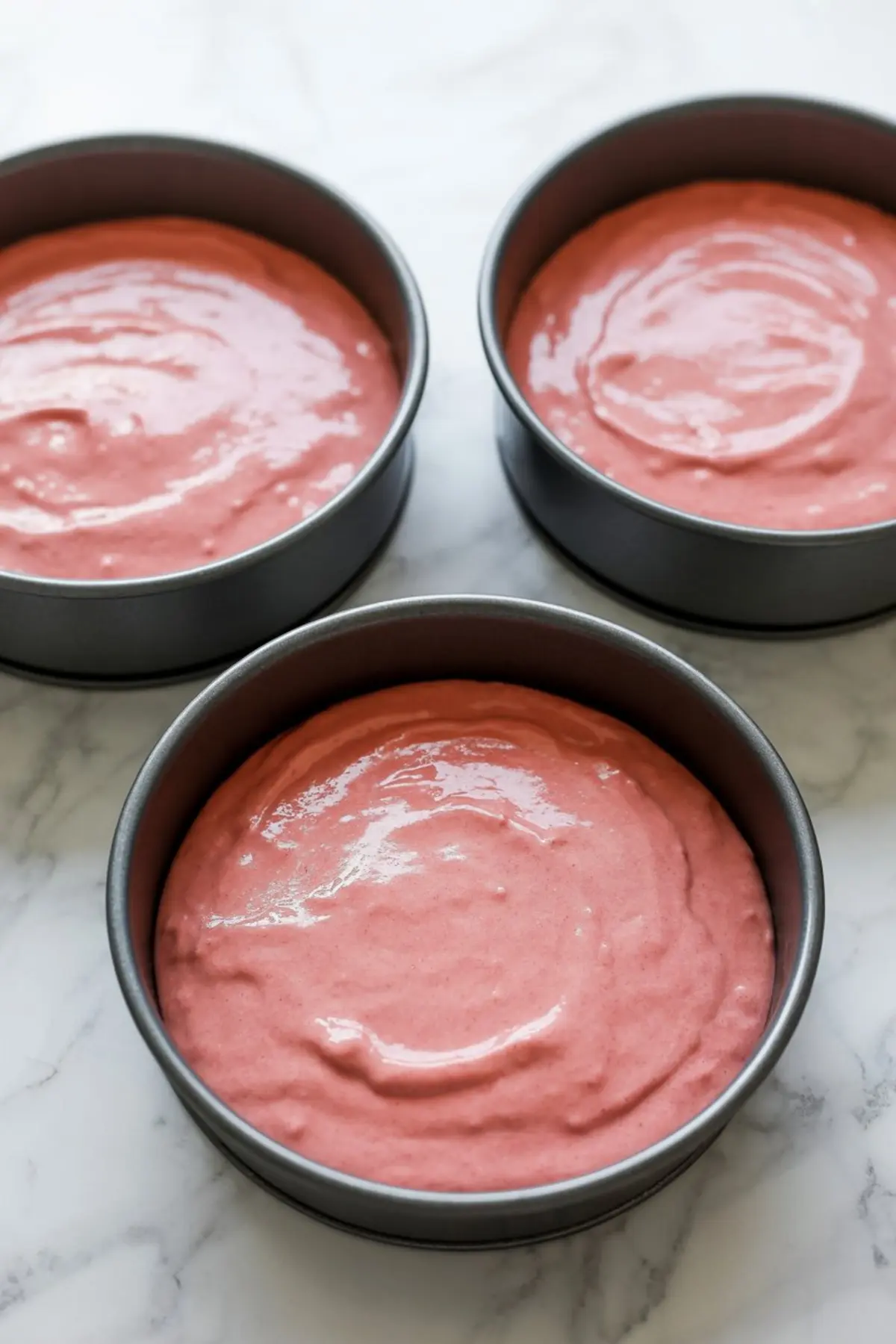
Each 8-inch pan should take 22 to 26 minutes at 350°F. A toothpick should come out clean, but more importantly, the tops should spring back lightly under touch.
Underbaked layers sink and stick slightly to your finger. Overbaked layers pull from the pan edges too soon and crack as they cool. If unsure, touch the center gently. A subtle bounce means it’s done.
Let the cakes rest in the pans for 10 minutes before transferring to wire racks. If you rush it, the sides can warp and crumble.
Common Mistakes and How to Fix Them
Cake too dense: Check that your baking soda hasn’t expired and that the champagne was fizzy and at room temperature. Old soda or flat champagne leads to collapse.
Buttercream too runny: Your butter may have been too soft. Use room temp, not melted, and beat the butter fully before adding sugar.
Cake sticks to the pan: Always line with parchment. Even nonstick pans fail with soft batters.
Color fades during baking: Use gel food coloring and mix it into the champagne-sour cream stage. It disperses better and holds the shade.
Variations That Work
For a stronger almond flavor, increase the extract to 1 teaspoon and omit the vanilla.
To make it non-alcoholic, use sparkling grape juice and a squeeze of lemon juice. The flavor changes, but it still bakes well.
For pink champagne cupcakes, divide into liners and bake 16 to 18 minutes.
Try a strawberry champagne version by adding 1 tablespoon freeze-dried strawberry powder to the batter.
Storage and Serving Notes
This cake keeps well at room temperature for up to 2 days in an airtight container.
Refrigerate for up to 5 days, but bring slices to room temp before serving. The buttercream stiffens when cold.
Freeze unfrosted layers for up to 2 months. Wrap tightly in plastic and foil. Thaw overnight in the fridge before using.
Practical Tips from My Kitchen
Use cake strips on your pans to get flatter layers. I wet mine under the tap and wrap before baking.
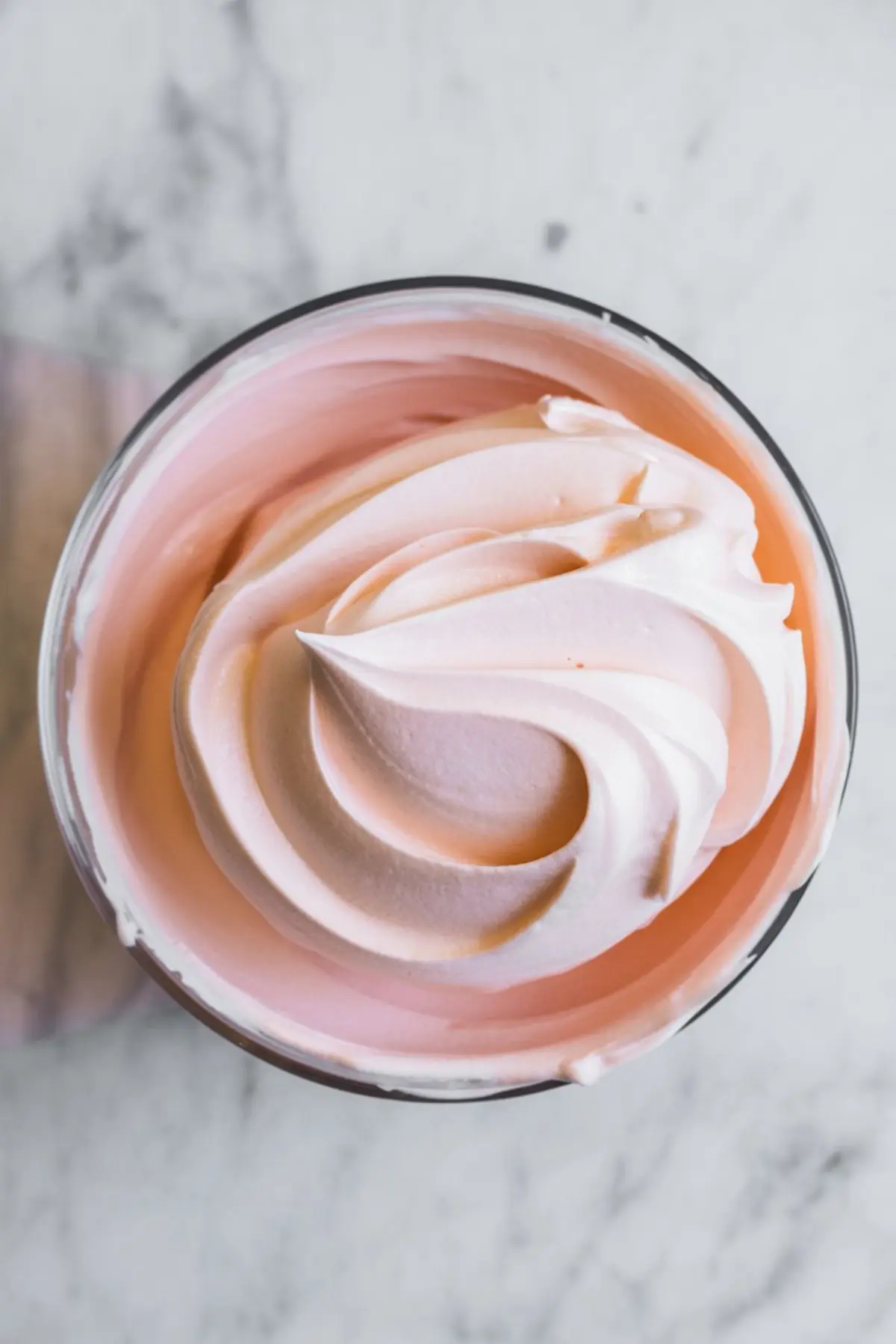
Whip the buttercream for 3 full minutes after adding champagne. It transforms the texture from gritty to smooth.
Use a bench scraper to smooth the frosting. I chill the cake for 15 minutes first to help the buttercream set slightly.
Always sift powdered sugar for the frosting. It prevents clumps and makes a difference you can feel when spreading.
Save This Recipe and Share What You Made
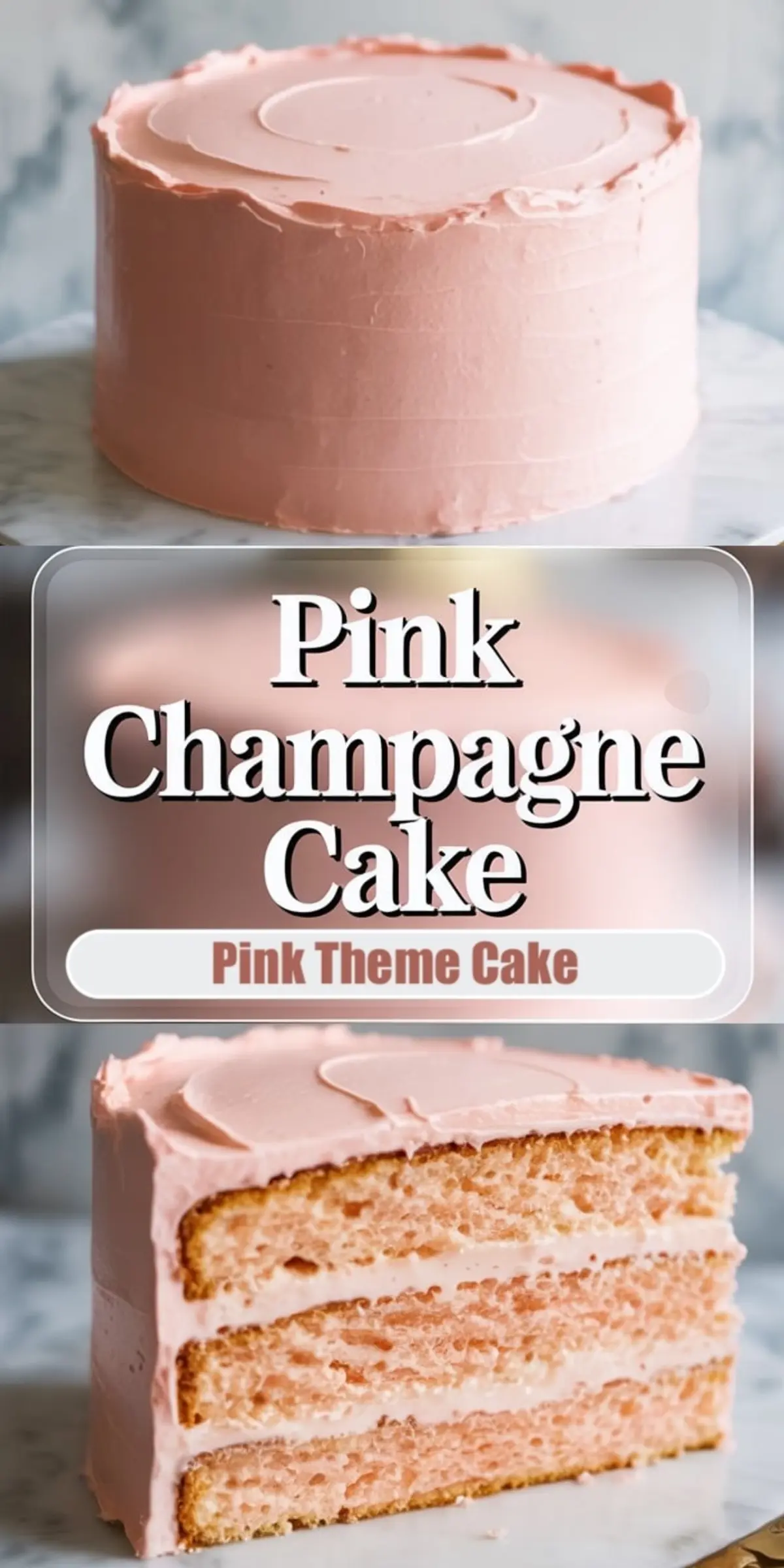
Pin this Pink Champagne Cake to your celebration or pink dessert boards. It’s one of those cakes that turns an occasion into a memory.
If you try a variation or decorate it your own way, I’d love to hear how it turned out. Share your results or questions in the comments below.
Pink Champagne Cake Recipe
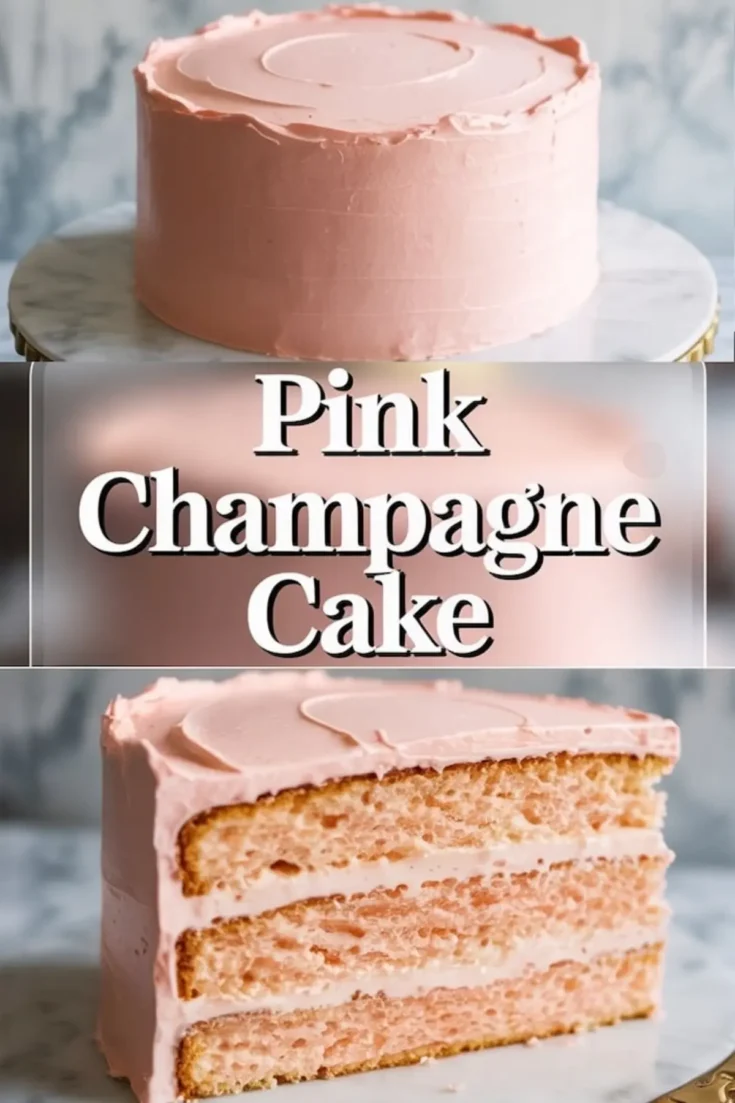
This pink champagne cake with pink frosting is the perfect showstopper for special occasions. Made with a light, bubbly champagne cake recipe, it delivers delicate flavor and festive flair. Whether served as a champagne birthday cake, bridal shower centerpiece, or part of creative wedding cakes, it stands out with its soft hue and fluffy layers. Explore elegant pink champagne cake ideas that bring charm to your dessert table. A must-bake for fans of pink foods and celebration cakes.
Ingredients
- FOR THE CAKE
- 2 ¾ cups cake flour (sifted)
- 1 tbsp baking powder
- ½ tsp baking soda
- ½ tsp salt
- ¾ cup unsalted butter, softened
- 1 ¾ cups granulated sugar
- 4 large egg whites, room temperature
- 1 tsp vanilla extract
- ½ tsp almond extract (optional, but highly recommended)
- 1 cup pink champagne or sparkling rosé (room temperature)
- ½ cup sour cream (room temperature)
- Pink gel food coloring (optional, for a deeper hue)
- FOR THE CHAMPAGNE BUTTERCREAM
- 1 ½ cups unsalted butter, softened
- 5 cups powdered sugar, sifted
- 6 tbsp pink champagne or sparkling rosé
- 1 tsp vanilla extract
- Pinch of salt
- Pink gel food coloring (optional)
Instructions
PREHEAT AND PREP PANS: Preheat the oven to 350°F (175°C). Grease and line three 8-inch round cake pans with parchment paper to help the layers release cleanly after baking.
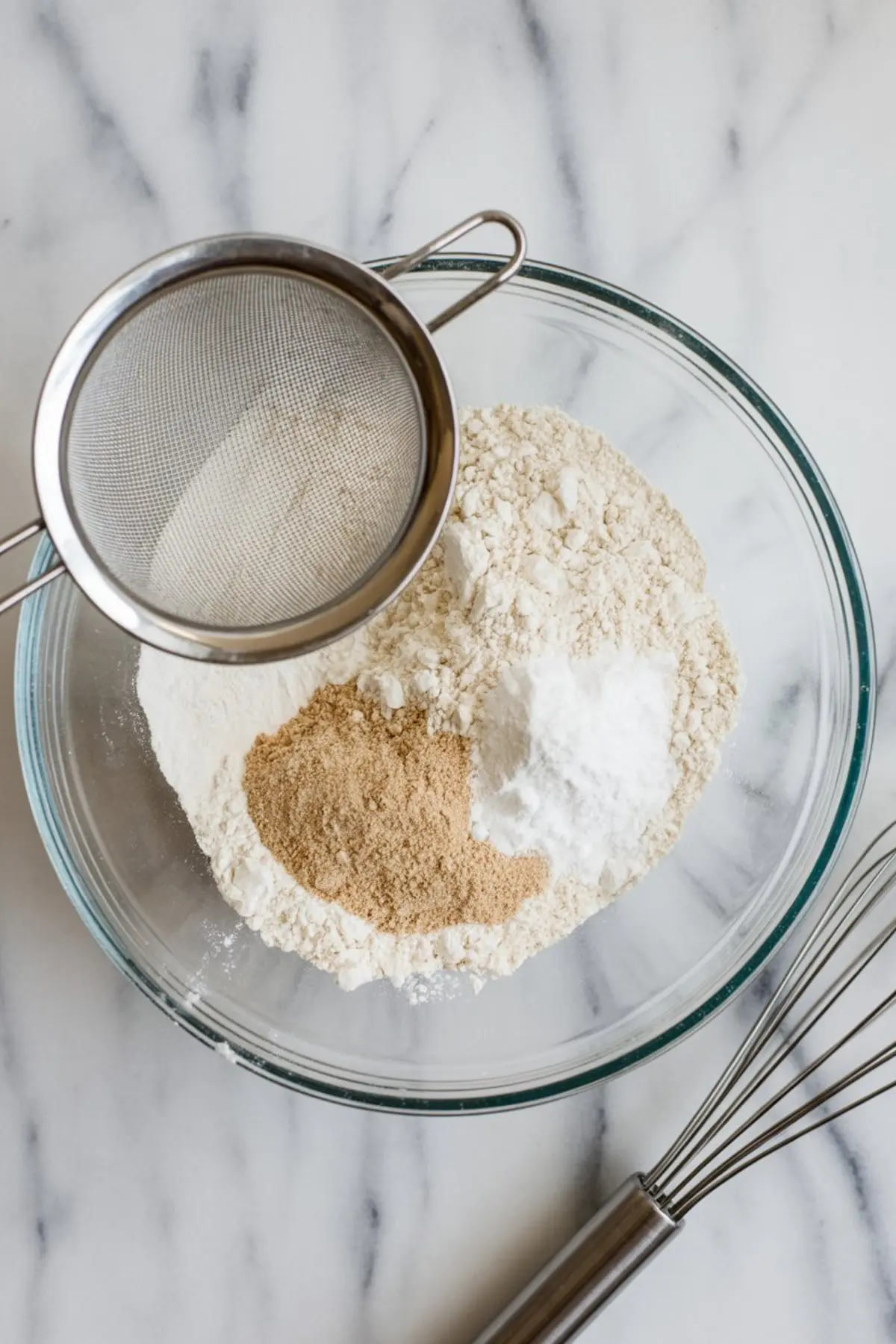
SIFT DRY INGREDIENTS: In a medium bowl, sift together the cake flour, baking powder, baking soda, and salt. Set the bowl aside.
CREAM BUTTER AND SUGAR: In a large mixing bowl or stand mixer fitted with the paddle attachment, beat the softened butter and granulated sugar together on medium speed for 3 to 4 minutes until light and fluffy.
ADD EGG WHITES AND EXTRACTS: Add the egg whites one at a time, mixing well after each addition. Stir in the vanilla extract and almond extract if using.
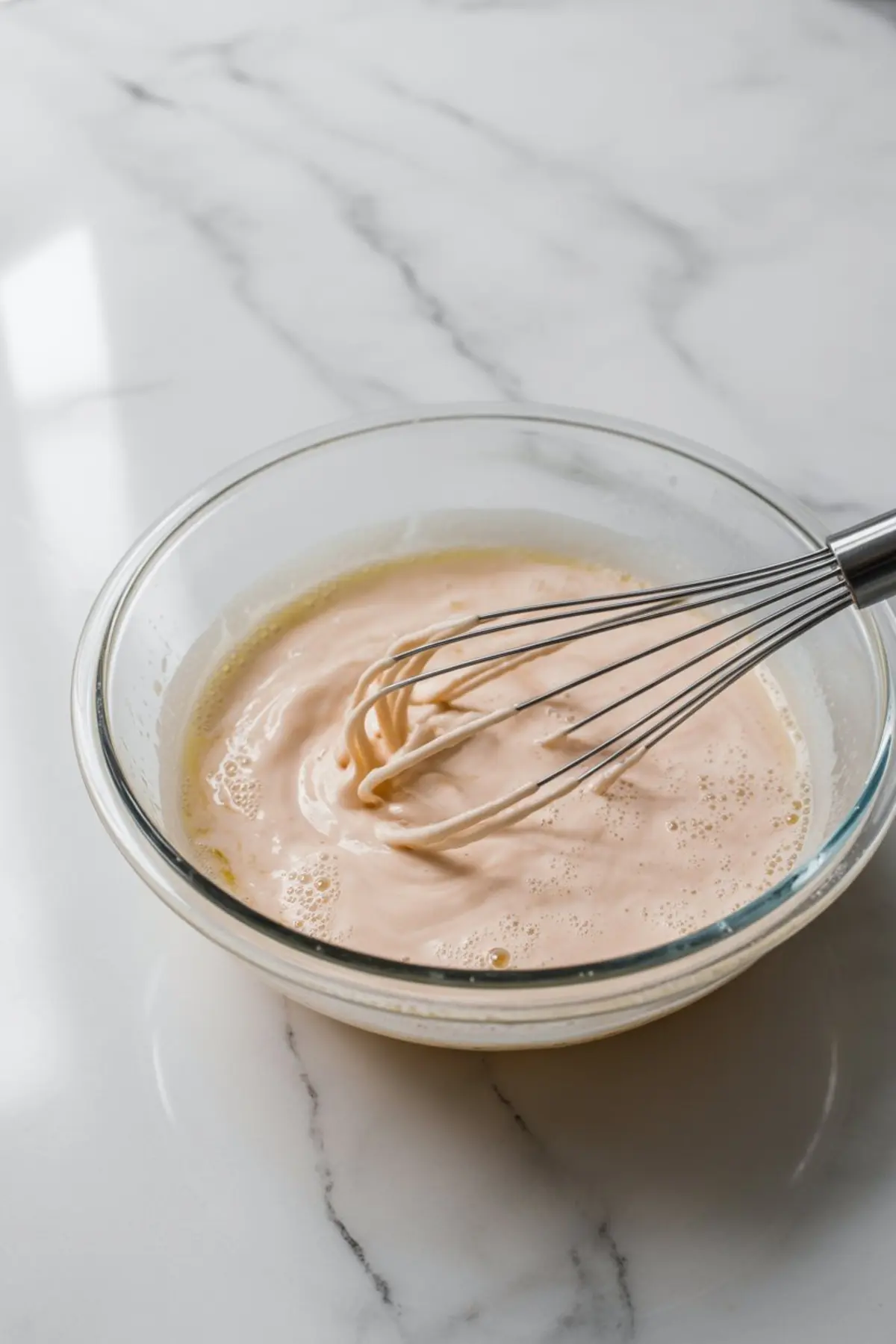
MIX CHAMPAGNE AND SOUR CREAM: In a separate bowl, whisk together the pink champagne and sour cream until smooth. If you want a deeper pink color in the cake, stir in a small amount of pink gel food coloring now.
COMBINE WET AND DRY INGREDIENTS: Add the flour mixture to the butter mixture in three additions, alternating with the champagne mixture. Begin and end with the flour mixture. Mix just until the batter is smooth and no streaks of flour remain.
BAKE THE CAKE: Evenly divide the batter between the prepared pans. Bake for 22 to 26 minutes, or until a toothpick inserted into the center comes out clean. Let the cakes cool in their pans for 10 minutes before transferring them to a wire rack to cool completely.
MAKE THE BUTTERCREAM: In a large mixing bowl, beat the softened butter on medium speed until smooth. Gradually add the sifted powdered sugar, one cup at a time, mixing on low until combined. Pour in the pink champagne, vanilla extract, and a pinch of salt. Increase to medium-high speed and whip the buttercream until light and fluffy, about 2 to 3 minutes. Add a small amount of pink gel food coloring if desired.
ASSEMBLE THE CAKE: Once the cake layers are completely cool, level them if needed. Place one layer on a serving plate or cake board. Spread a layer of buttercream on top, then repeat with the second and third layers. Frost the top and sides with the remaining buttercream.
DECORATE AND SERVE: Smooth the frosting with an offset spatula or bench scraper, then decorate as desired with sprinkles, piped rosettes, or fresh flowers. Chill for 20 minutes before slicing for cleaner cuts.
Notes
If you don’t have pink champagne or sparkling rosé, any dry sparkling wine with a light color will work. Use gel food coloring rather than liquid for more vibrant results without altering the batter’s consistency. Store leftovers in an airtight container at room temperature for up to 2 days, or refrigerate for longer storage. Bring slices to room temperature before serving for the best texture.
Nutrition Information
Yield
12Serving Size
1Amount Per Serving Calories 666Total Fat 16gSaturated Fat 10gUnsaturated Fat 6gCholesterol 42mgSodium 309mgCarbohydrates 122gFiber 0gSugar 102gProtein 3g
