
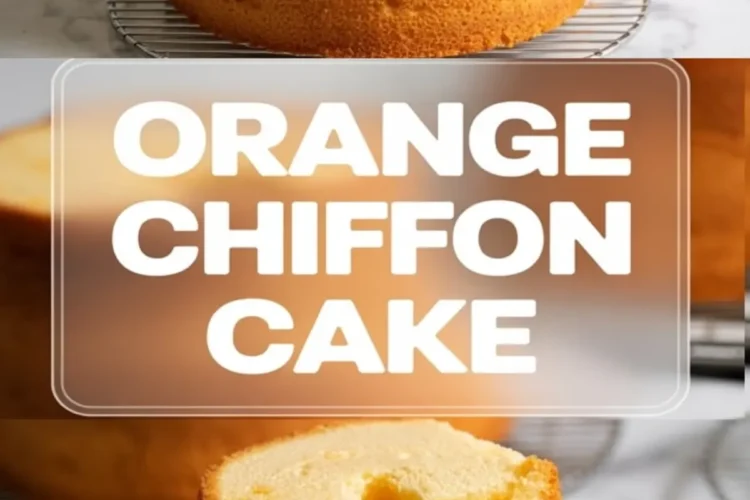
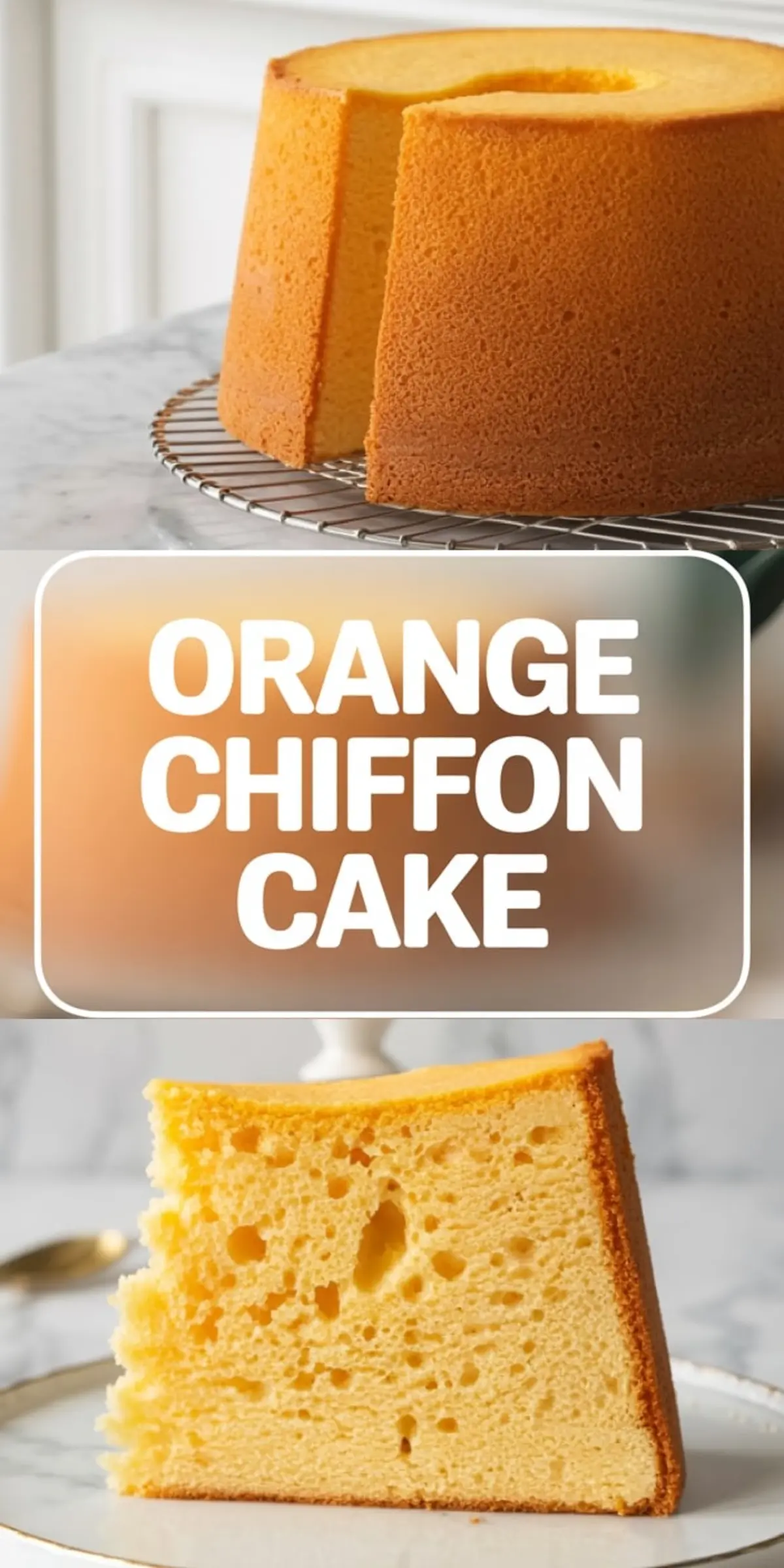
Orange chiffon cake is the kind of cake that feels impressive without feeling heavy. It has the height and softness people expect from chiffon, but the fresh orange juice and zest keep every slice brighter and more aromatic than a plain sponge.
This orange chiffon cake recipe gets its texture from whipped egg whites folded into a rich yolk batter, so the crumb stays airy, springy, and tender. If you want a cake that looks elegant on a plate but still feels light enough for brunch, showers, or warm weather birthdays, this is a smart one to keep in rotation.
Following a special diet?
Every recipe on this site can be converted to gluten-free, vegan, dairy-free, keto, nut-free or egg-free with adjusted ratios so nothing falls flat.
Try the Recipe Converter →What gives chiffon cake its height
Cake flour helps give chiffon cake its delicate crumb because it keeps the structure fine and soft instead of bready. Oil matters just as much. It keeps the cake moist for longer and lets the orange flavor come through cleanly instead of getting buried under a heavier butter cake texture.
Fresh orange juice and zest do the real flavor work here. They give the batter a bright citrus edge that still tastes clear after baking, especially when the juice goes straight into the yolk mixture instead of coming from a bottle. If you want a soft topping that keeps the dessert light, whipped cream frosting is an easy fit.
A good orange chiffon cake should taste clearly citrusy, but it should not read like an orange pound cake or a dense loaf. The goal is a batter that bakes tall and slices neatly while still feeling feathery on the fork. That balance is why chiffon cakes stay useful when you need a dessert that feels special but not overly rich.
If you are used to butter based cakes, the texture can surprise you the first time. Chiffon crumb is more elastic and airy, so it springs back slightly when pressed and stays soft even after a night under wrap. That texture makes this a very good make ahead cake for gatherings where you want a reliable slice without last minute stress.
Meringue and Tube Pan Details
The meringue is what gives orange chiffon cake its lift. Egg whites need to be whipped in a clean dry bowl until glossy, then handled gently so you keep the air that makes the cake rise high and stay springy.
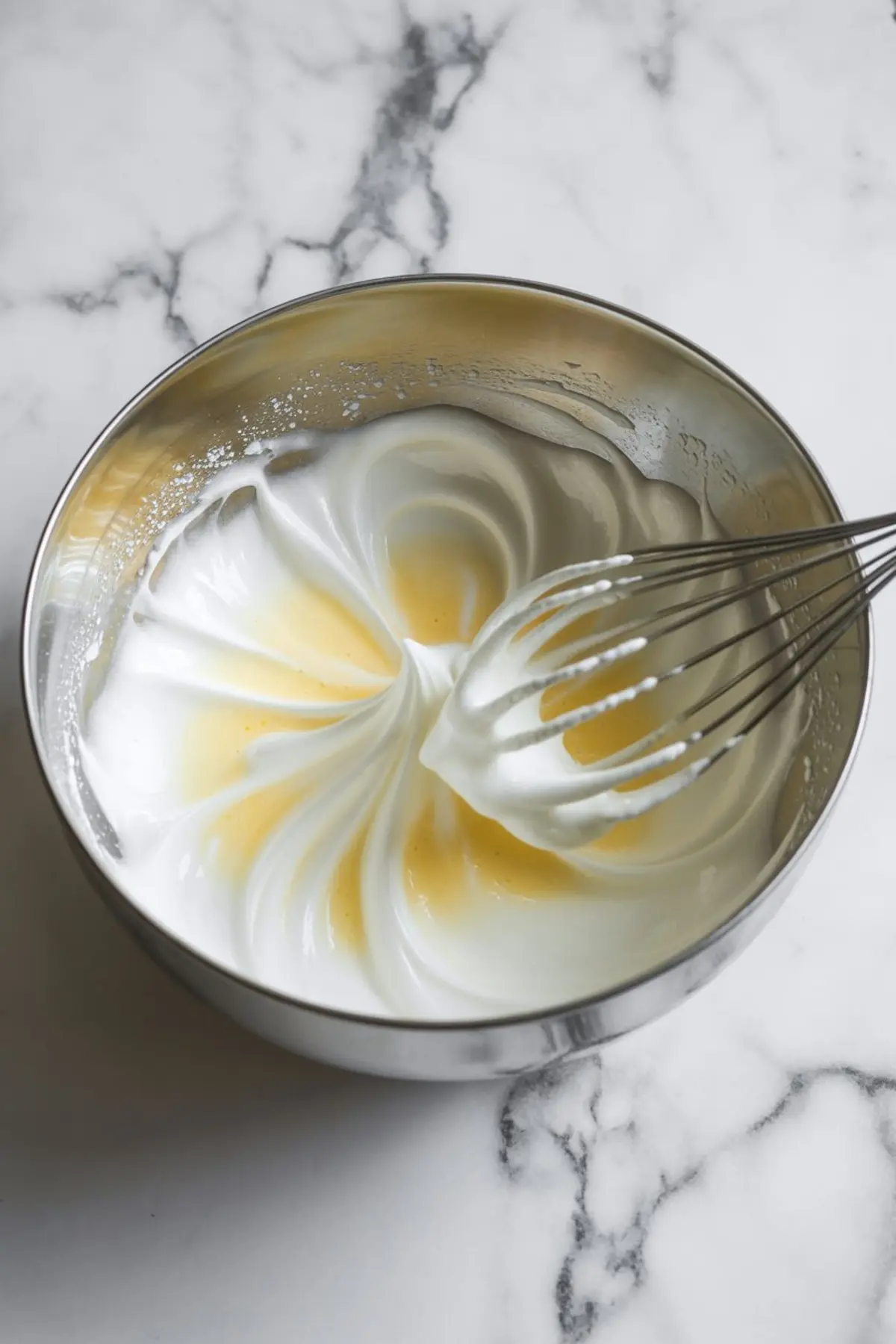
Folding matters just as much as whipping. If you rush and stir too hard, the batter loses volume before it ever reaches the oven. The other non negotiable detail is the pan. A tube pan gives the batter something to climb, and leaving it ungreased helps the cake hold that height while it bakes and cools upside down.
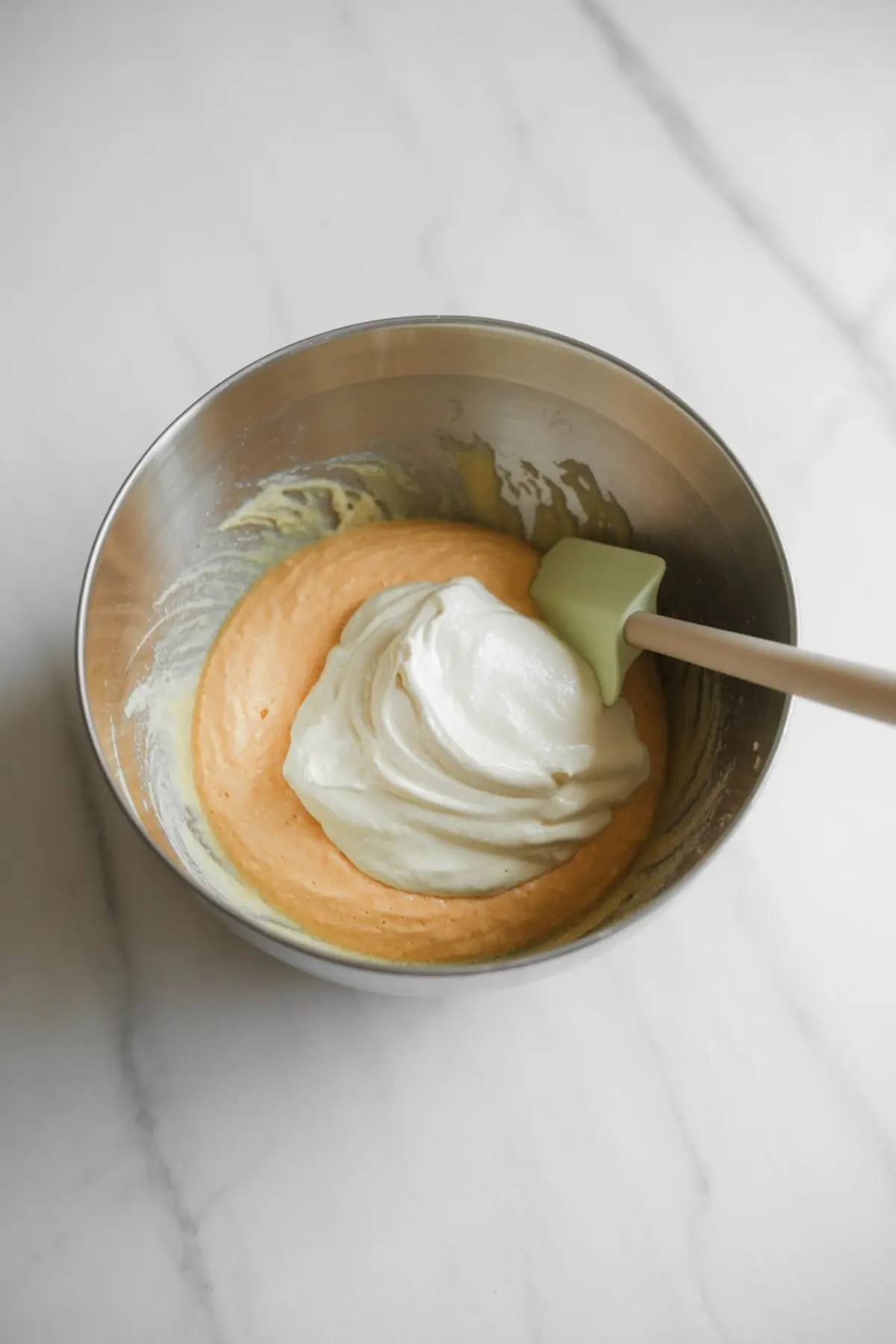
One of the easiest mistakes with chiffon is stopping the mixer too soon. Soft foamy whites will not support the batter the way glossy medium to stiff peaks do. On the other hand, over beaten whites can turn grainy and harder to fold smoothly. You want a meringue that looks shiny, holds shape on the whisk, and blends in without leaving stubborn clumps.
Cooling upside down is part of the structure, not a fussy extra step. It keeps the cake from compressing under its own weight while the crumb sets. Once it is fully cool, run a thin offset spatula or knife around the edges gently so the cake releases cleanly and keeps its tall sides.
Easy Ways to Serve Orange Chiffon Cake
Orange chiffon cake does not need much on top to feel finished. A dusting of powdered sugar, a spoonful of softly whipped cream, or a scoop of vanilla ice cream is usually enough because the cake already brings plenty of citrus aroma on its own.
It also works well with berries if you want a brighter plate for spring or Easter dessert. If you like cakes that stay tender and citrus forward without a heavy finish, lemon olive oil cake is another good one to bookmark.
For brunch, I like this style of cake with coffee or hot tea because it feels finished without needing a thick layer of frosting. For dessert, a spoonful of macerated strawberries or raspberries adds color and a little acidity that fits the orange flavor well. It is also a nice cake to bring to showers or afternoon gatherings because it travels better than softer layer cakes.
If you want to dress it up slightly more, a thin orange glaze can work, but keep it light so the chiffon texture stays the star. Heavy frostings can overwhelm the crumb and make the whole cake feel more serious than it needs to be. This is one of those recipes that is usually at its best when the finish stays simple.
Storage and Slicing Tips
Let the cake cool completely before loosening it from the pan or slicing into it. A serrated knife and a light sawing motion will give you cleaner slices and protect that airy interior. If you bake it a day ahead, wrap it once fully cool so the crumb stays soft and the orange flavor settles in even more.
At room temperature, orange chiffon cake usually holds well for a couple of days if it is wrapped or kept in a covered cake carrier. If your kitchen runs warm, you can refrigerate it, but let slices sit out for a bit before serving so the crumb softens again. Cold chiffon is still good, just a little less expressive in both texture and orange aroma.
For the neatest slices, wipe the knife between cuts instead of forcing through the crumb. That small step matters more with airy cakes than with denser butter cakes because chiffon can snag if the blade gets sticky. Leftovers also freeze well in individual slices, which makes this recipe handy when you want a homemade cake ready for future coffee breaks or last minute guests.
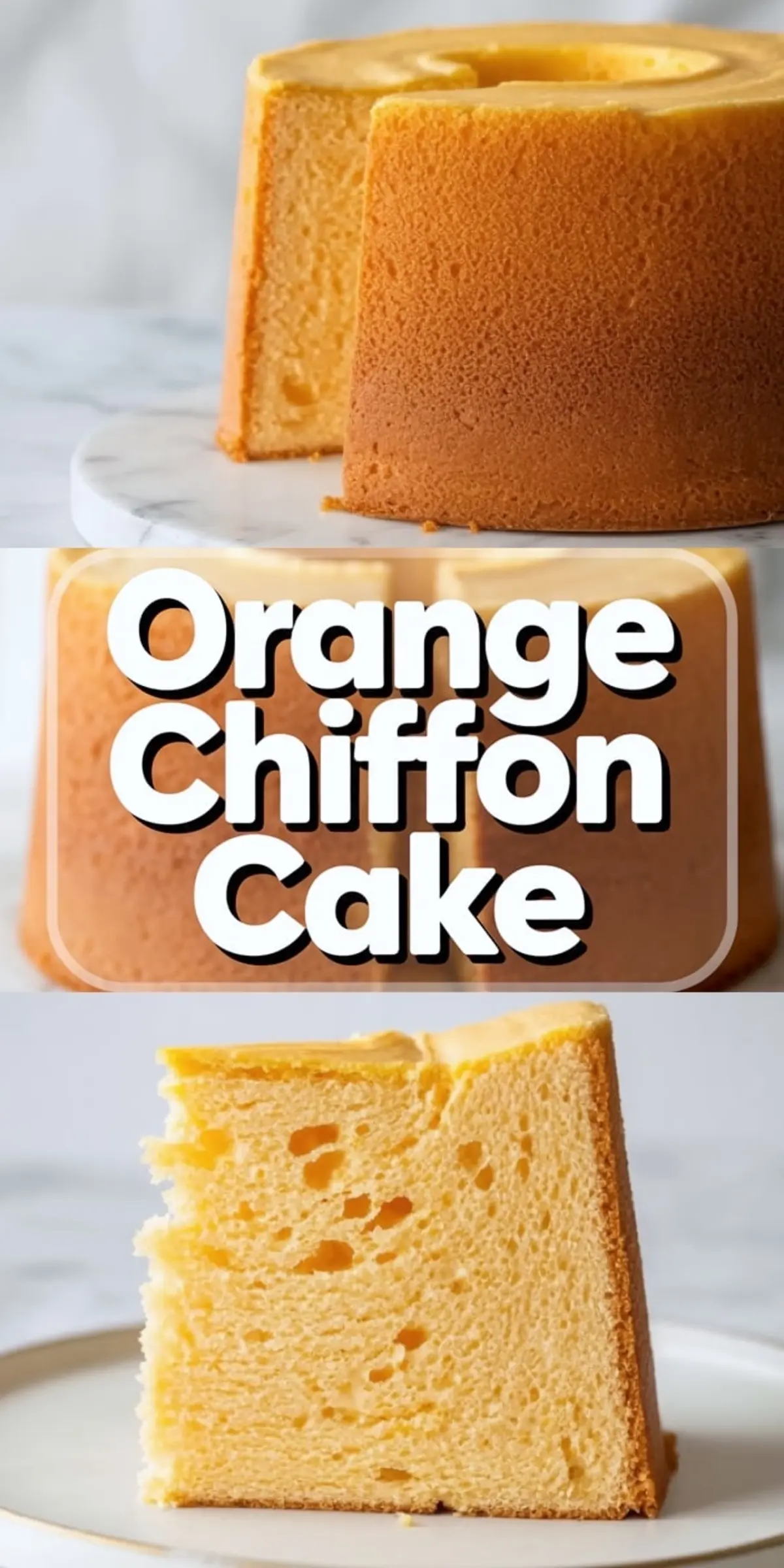
Orange Chiffon Cake Recipe
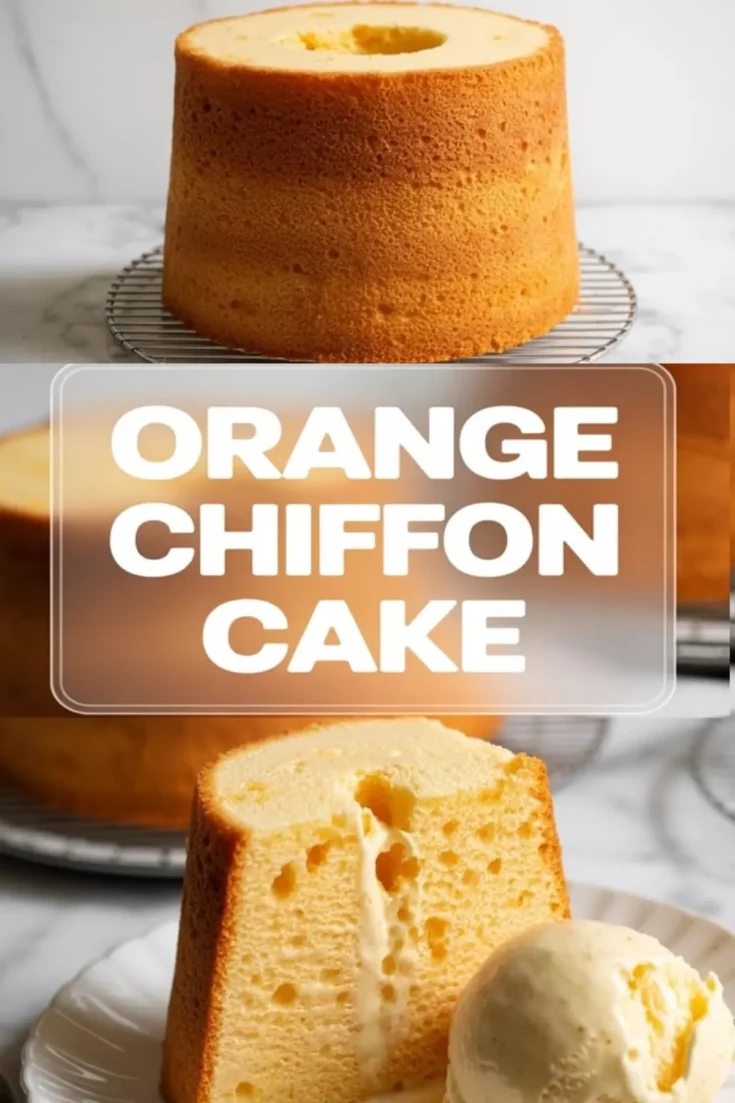
Save this orange chiffon cake recipe for a light airy cake made with fresh orange juice, orange zest, whipped egg whites, and cake flour for a tall tender crumb. It has the soft springy texture chiffon cakes are known for, but the citrus flavor stays brighter and fresher than a plain sponge, making it a strong orange cake recipe for brunch, spring desserts, and birthday tables. If you have been looking for orange chiffon cake, a fluffy orange cake, or an orange chiffon cake recipe that stays soft without feeling heavy, this is one worth keeping.
Ingredients
- 2¼ cups cake flour (spooned and leveled)
- 1½ cups granulated sugar, divided
- 1 tablespoon baking powder
- ½ teaspoon salt
- 7 large eggs, separated
- ½ cup neutral oil (like vegetable or canola)
- ¾ cup fresh orange juice (from about 3–4 oranges)
- 1 tablespoon orange zest
- ½ teaspoon vanilla extract
- ½ teaspoon cream of tartar
Instructions
- PREHEAT THE OVEN AND PREPARE THE PAN: Set the oven to 325°F (165°C). Use an ungreased 10-inch tube pan with a removable bottom to help the cake rise and cling properly during baking.
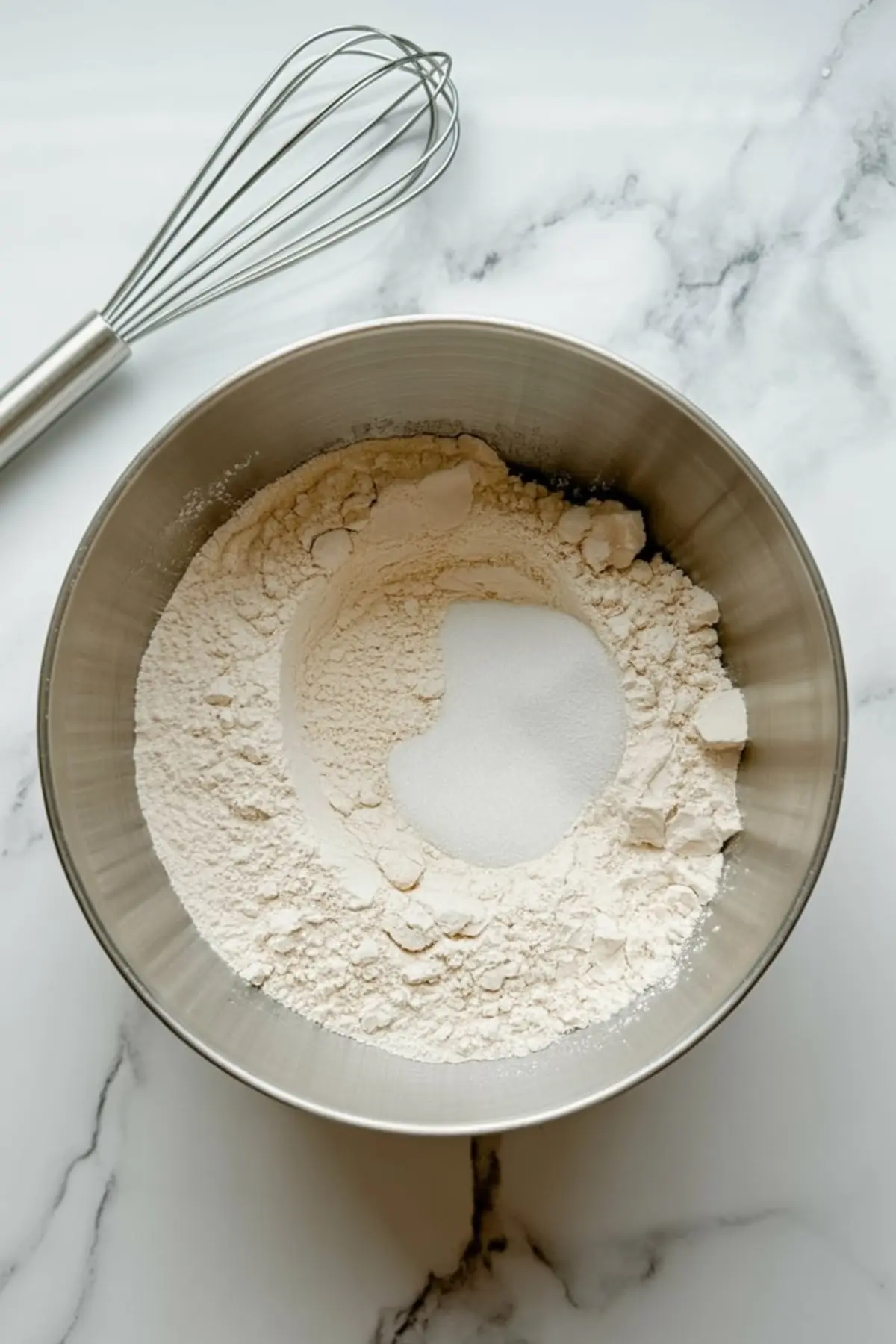
- MIX THE DRY INGREDIENTS: In a large mixing bowl, whisk together the cake flour, 1 cup of the granulated sugar, baking powder, and salt until well combined.
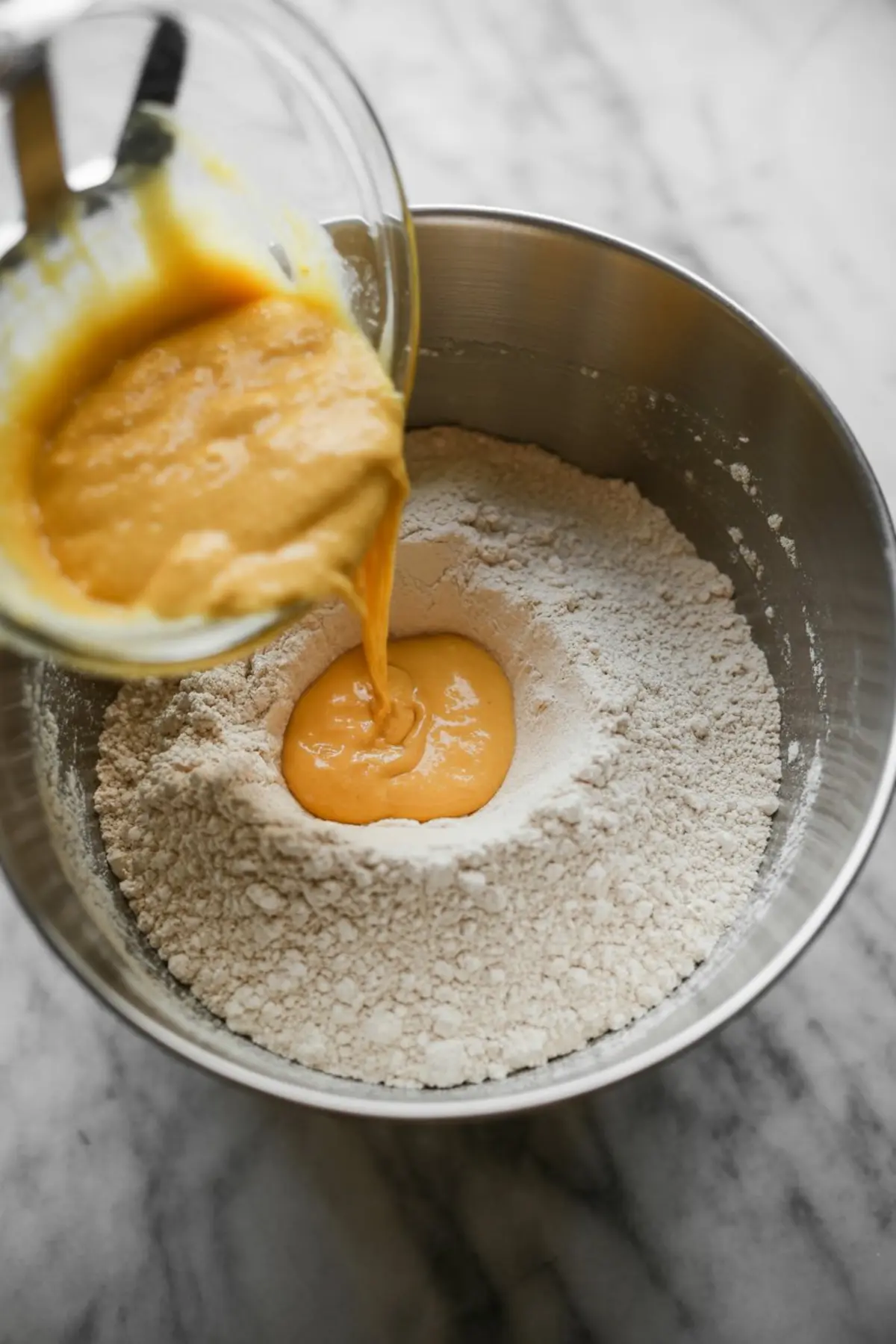
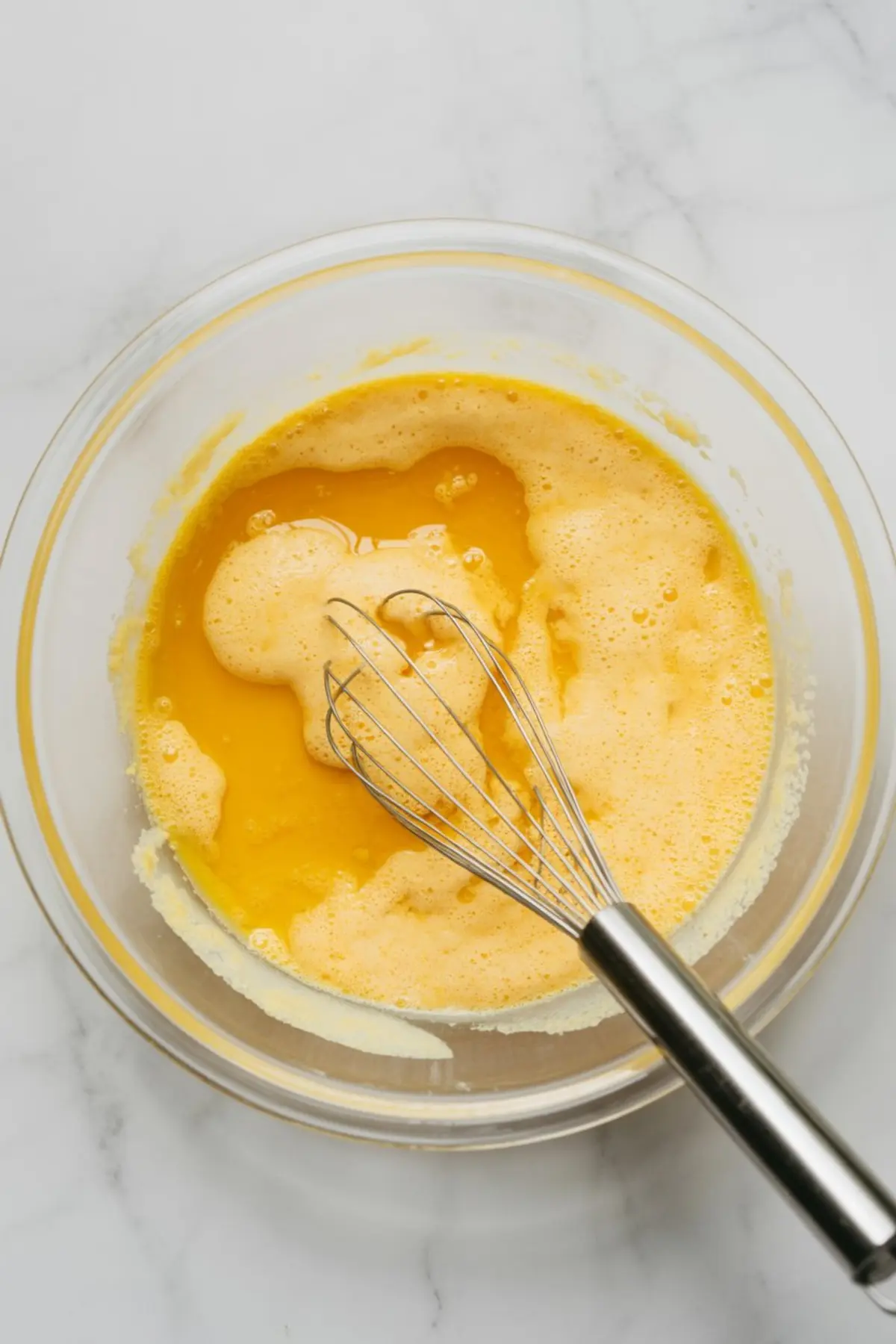
- MAKE THE YOLK BATTER: In a separate bowl, whisk the egg yolks, oil, orange juice, orange zest, and vanilla extract until smooth. Pour this wet mixture into the dry ingredients and whisk until you achieve a smooth, lump-free batter. Set aside.
- WHIP THE EGG WHITES: In a clean, dry bowl, beat the egg whites and cream of tartar on medium-high speed until soft peaks form. Gradually add the remaining ½ cup of sugar, one tablespoon at a time, and continue beating until stiff, glossy peaks form.
- FOLD THE MERINGUE INTO THE BATTER: Gently fold one-third of the whipped egg whites into the yolk batter to lighten it. Carefully fold in the remaining egg whites in two additions, using a spatula and folding gently to avoid deflating the mixture.
- TRANSFER TO PAN AND BAKE: Pour the batter into the ungreased tube pan and smooth the top lightly with a spatula. Bake for 55 to 65 minutes, or until a skewer inserted into the center comes out clean.
- COOL UPSIDE DOWN: Immediately invert the cake pan onto a bottle or wire rack and let it cool completely, about 2 hours. Do not remove the cake until fully cooled to maintain its structure.
- RELEASE AND SERVE: Once cool, run a thin knife around the outer edge and center tube of the pan to loosen the cake. Carefully remove and serve as is, or with a scoop of vanilla ice cream or a light glaze.
Notes
Use only a clean, dry bowl and beaters when whipping egg whites to ensure proper volume. Do not grease the pan—this allows the cake to climb the sides and achieve its full height. Fresh orange juice is essential for the best flavor.
Nutrition Information
Yield
12Serving Size
1Amount Per Serving Calories 435Total Fat 14gSaturated Fat 2gUnsaturated Fat 12gCholesterol 110mgSodium 259mgCarbohydrates 71gFiber 1gSugar 33gProtein 8g
