
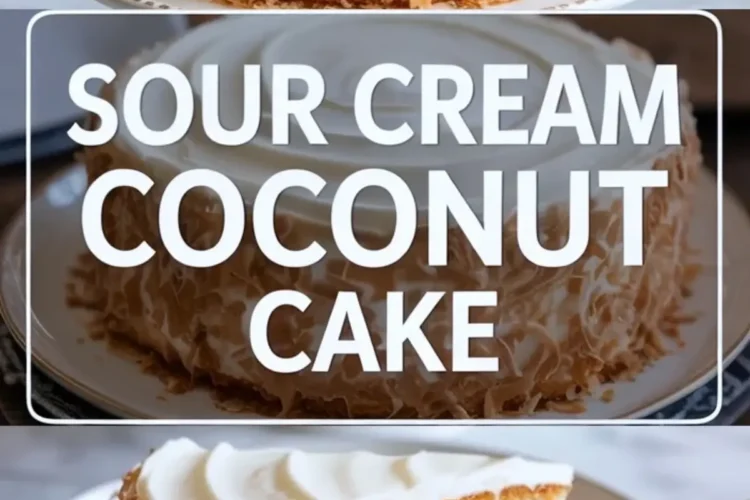
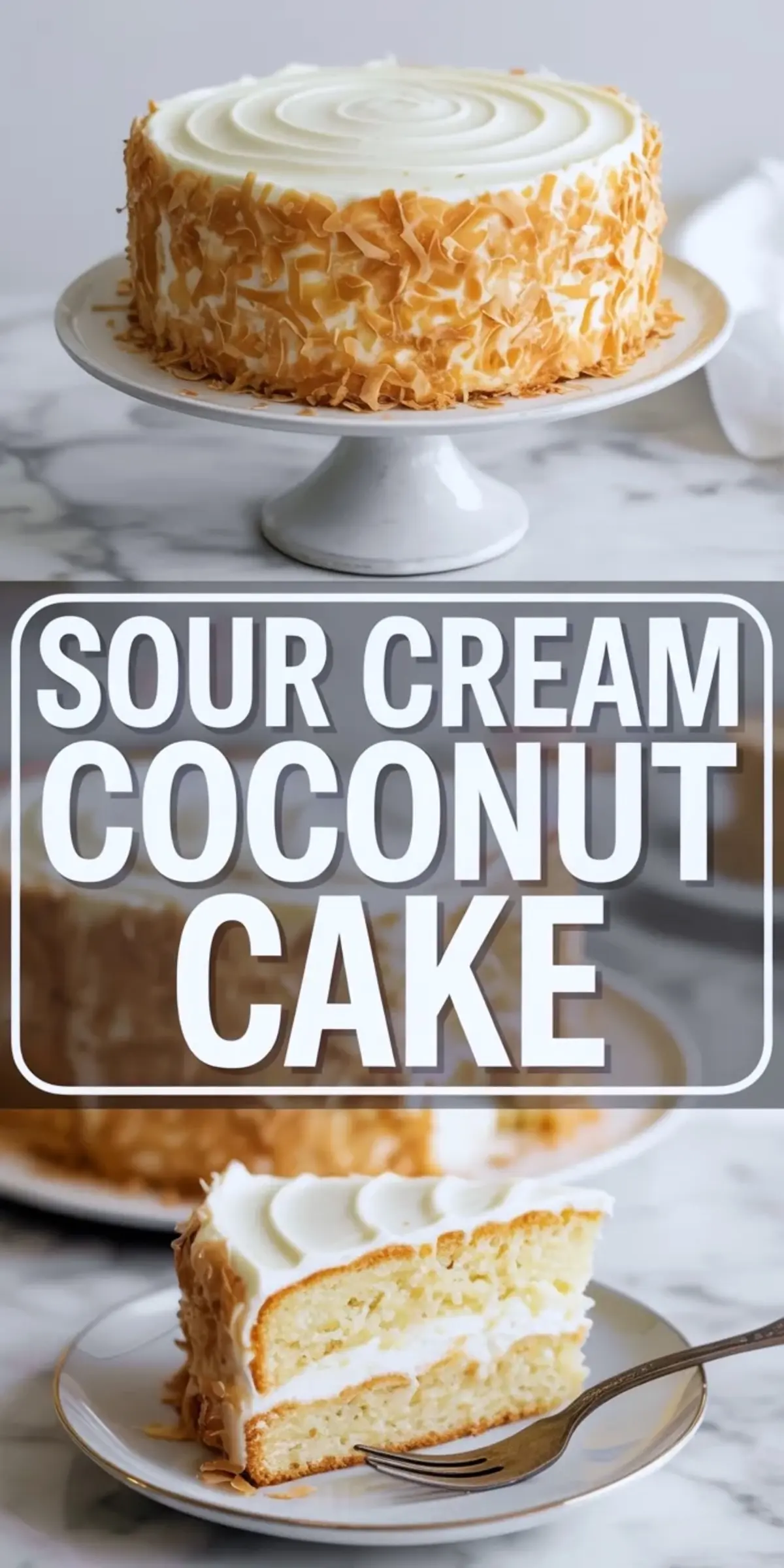
This sour cream coconut cake recipe delivers a soft, tender crumb with a rich coconut flavor, layered with a cool, tangy sour cream filling and topped with whipped frosting and toasted flakes. It’s an easy sour cream coconut cake made from scratch, ideal for birthdays, Easter, or Sunday dessert. If you’re looking for the best coconut cake recipe ever with sour cream coconut frosting, this one keeps its promise.
Following a special diet?
Every recipe on this site can be converted to gluten-free, vegan, dairy-free, keto, nut-free or egg-free with adjusted ratios so nothing falls flat.
Try the Recipe Converter →The balance of fat, moisture, and acidity makes this cake texture dependable. One full cup of sour cream creates a rich batter that stays soft without falling apart. The extra moisture in the coconut filling adds depth without making the layers soggy.
A high butter to flour ratio, 1 cup butter to 2½ cups flour, ensures a tender crumb. The trick is to mix just enough to combine the ingredients. I’ve seen cakes go tough from overbeating. If your batter looks smooth and slightly thick, you’re on the right path.
This structure also holds up to layering. You can frost it without crumbling, even if you skip the crumb coat. That’s useful when you don’t want to chill between steps.
Choosing Ingredients That Support Flavor and Structure
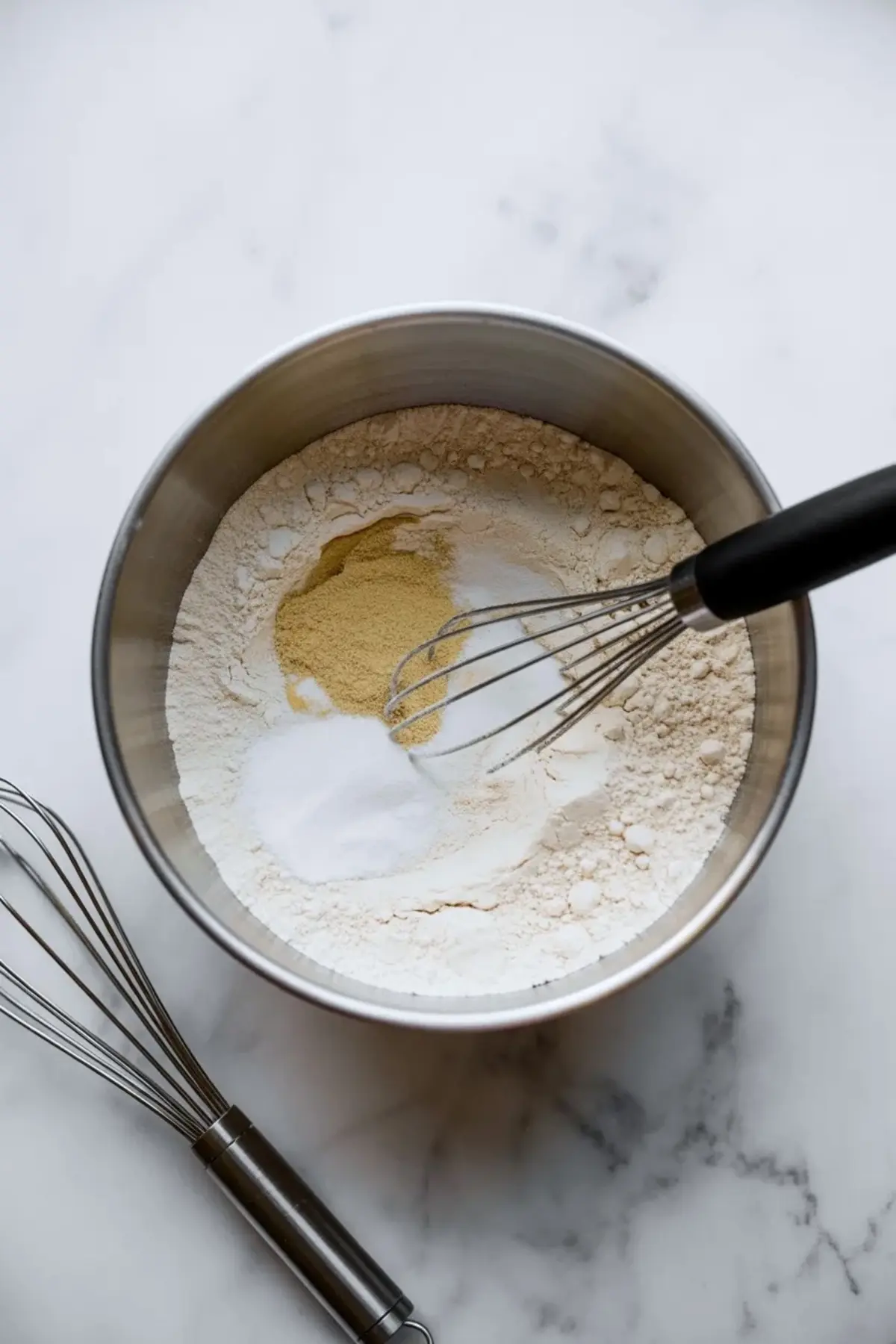
I use all-purpose flour instead of cake flour to give the cake more stability. Some coconut cakes crumble too easily. With this flour and the right hydration from sour cream and whole milk, you get soft but sliceable layers.
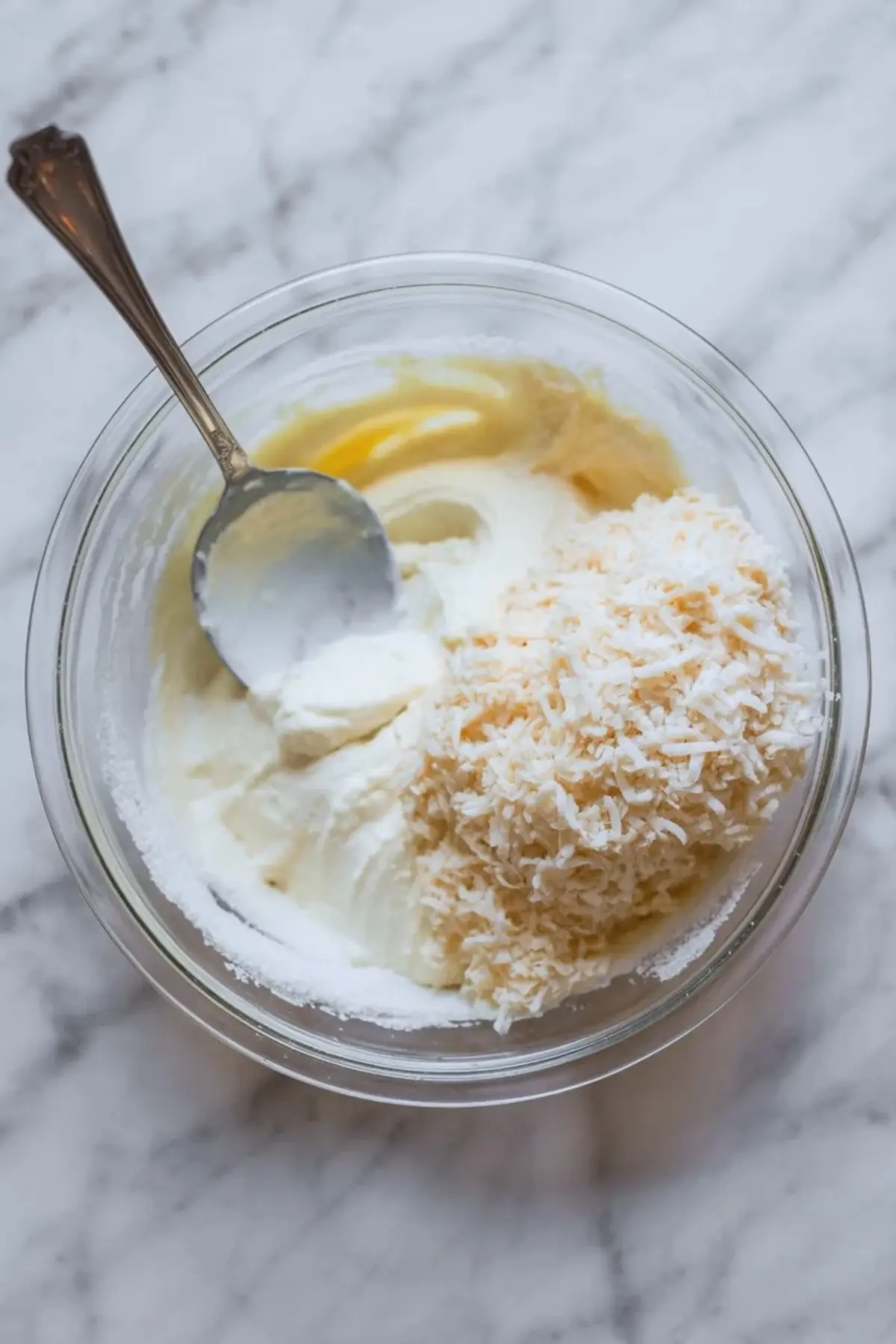
Butter brings structure and flavor. I use unsalted to control the salt balance myself. Granulated sugar works better here than brown. It keeps the crumb lighter.
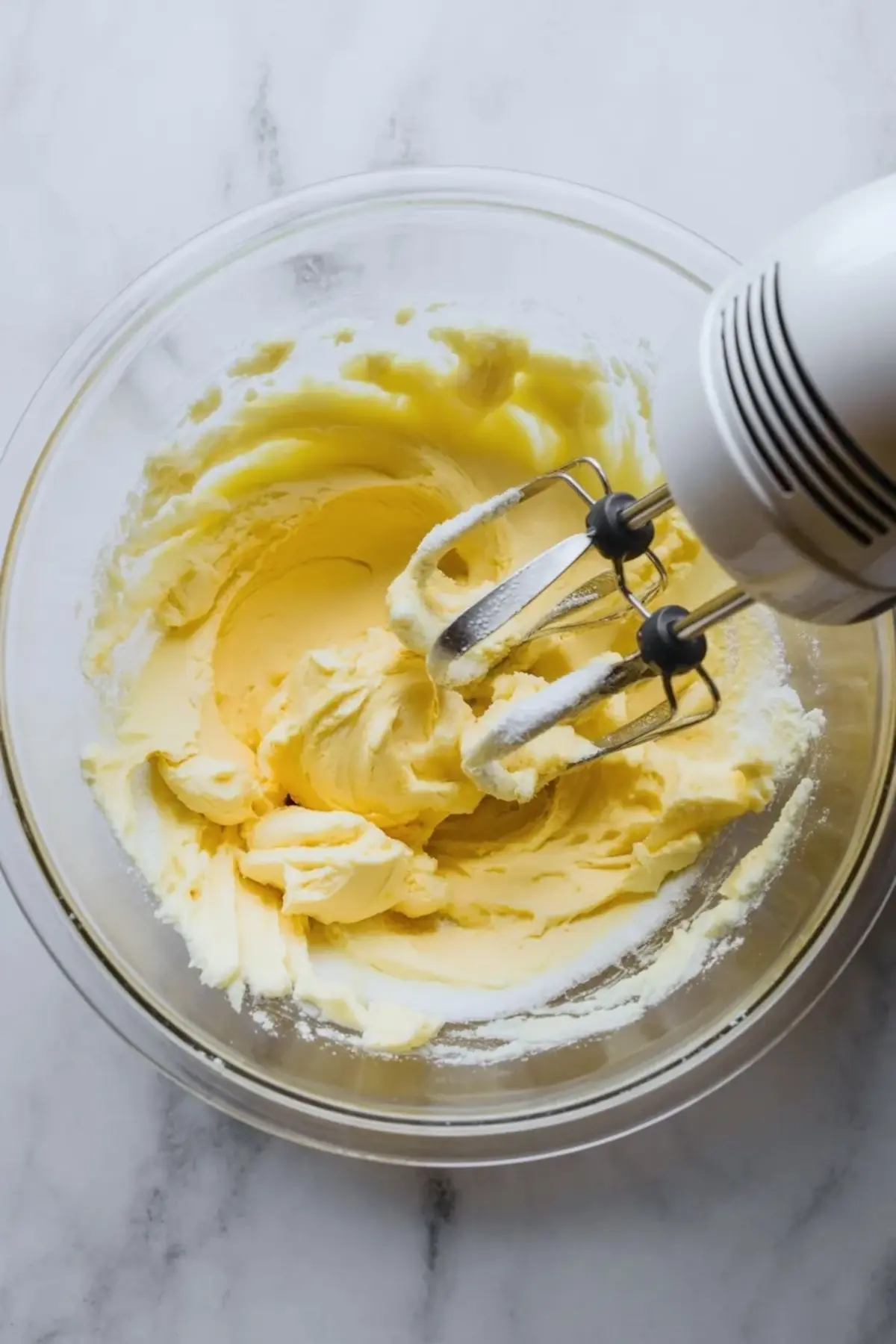
Eggs build lift and help with moisture retention. Room-temperature eggs are key. Cold eggs won’t blend smoothly, and that small detail changes the outcome.
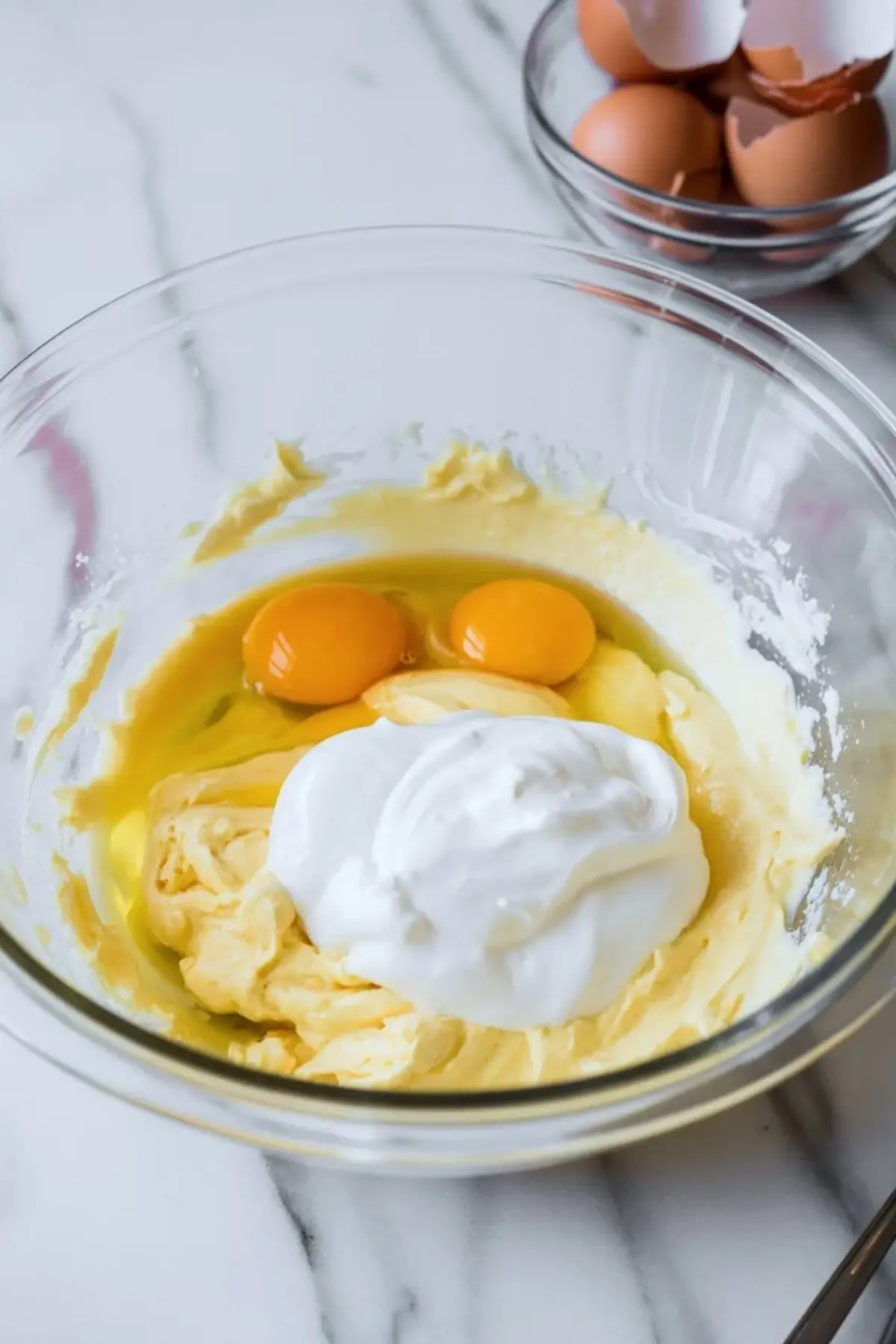
The sour cream shows up three times. Once in the cake, once in the filling, and again in the frosting. It’s what connects the whole dessert. Each use has a purpose, and I’ll explain why. I use a similar approach in my White Chocolate Coconut Cake to maintain that creamy moisture across layers.
Why the Sour Cream Filling Makes the Cake Stand Out
The filling rests between the layers like a soft, creamy center. It’s not whipped or airy. Instead, it thickens slightly in the fridge, almost like a coconut custard.
Sour cream and granulated sugar blend with the coconut shreds, absorbing their flavor overnight. This step adds sweetness, yes, but also texture. A bite of cake with the filling tastes different from just the edge. It gives you contrast.
If you’re out of sour cream, plain full-fat Greek yogurt can work. I’ve tested it when I ran short once. It held up well but gave a slightly tangier result.
I like to use this same filling approach in my Coconut Cloud Cake as well. There I lighten it a bit more with whipped topping.
Assembling and Frosting the Cake
Let the cake layers cool completely before adding the filling. I’ve made the mistake of layering too soon. The filling slides, the frosting melts, and the whole thing shifts.
Start with the flattest layer on the bottom. Spread half the coconut filling to the edges, then add the second cake round. Repeat. The top layer gets gently pressed so the layers hold shape before frosting.
The frosting is a mixture of sour cream, powdered sugar, and whipped topping. It spreads easily and covers well, even if your edges are uneven. Once covered, press toasted coconut flakes onto the sides. This step reminds me of the final finish I use on my Chocolate Coconut Cake, where the texture on the outside plays a big role in visual appeal.
For variety, you can use large coconut flakes on the sides and shredded on top. That’s what I do with my Pineapple Coconut Cake. The mix in texture adds interest.
Telling When It’s Ready and Fully Cooled
When the cake layers come out of the oven, they should pull slightly from the sides of the pans and spring back when pressed lightly. A toothpick should come out with a few moist crumbs, not wet batter.
Once baked, let the layers cool in the pan 10 minutes. Then move them to a wire rack. If they sit too long in the pan, the steam gets trapped and the bottom turns wet.
You’ll know the cake is ready to assemble when it feels cool to the touch. Not warm, not even slightly.
Save This Coconut Cake Recipe for Later
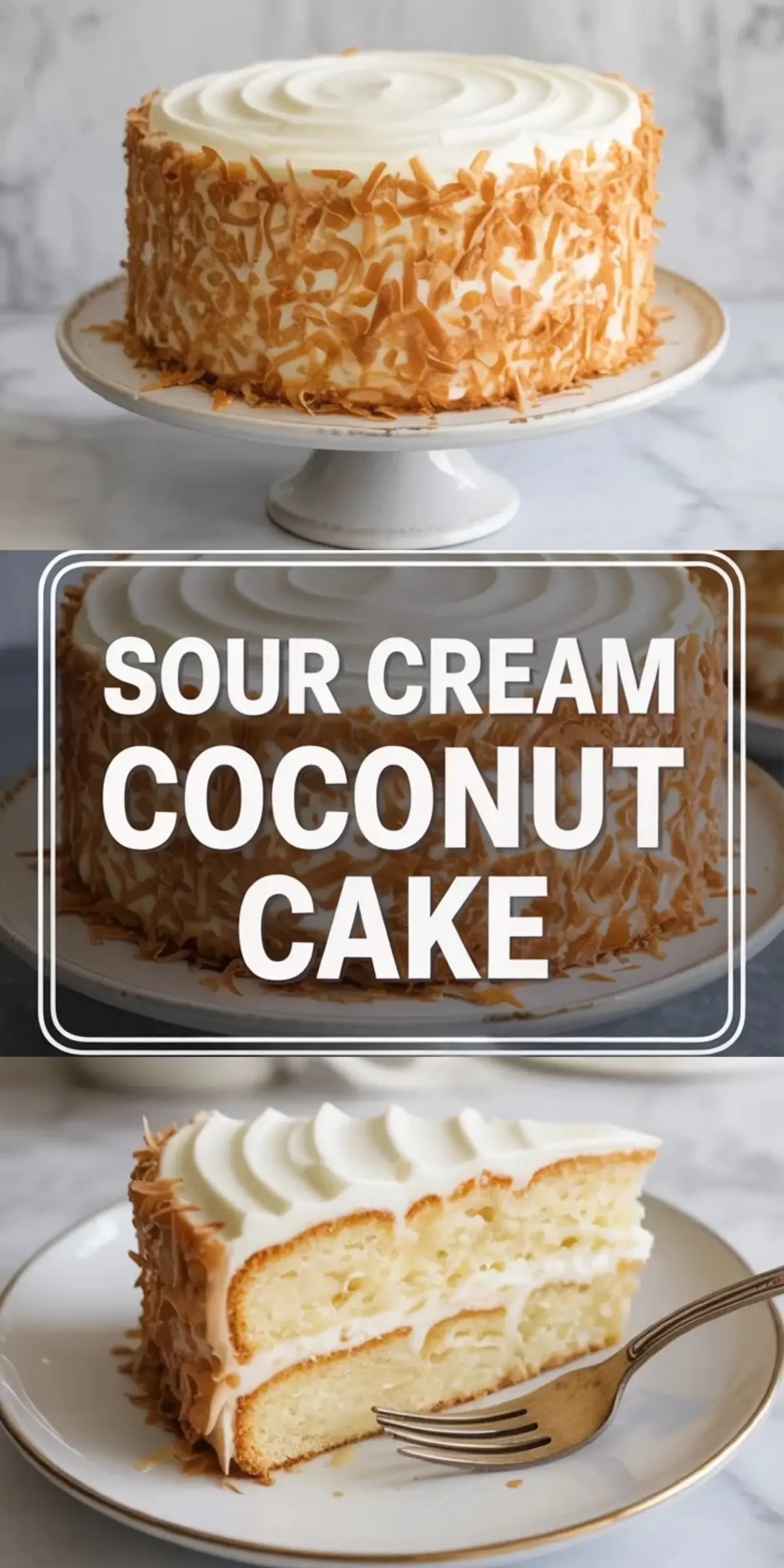
Save this sour cream coconut cake recipe to your dessert board if you want a cake with real flavor and a soft bite. Let me know in the comments if you tried a variation or if you had questions along the way. I’d love to hear how you made it your own.
Sour Cream Coconut Cake Recipe
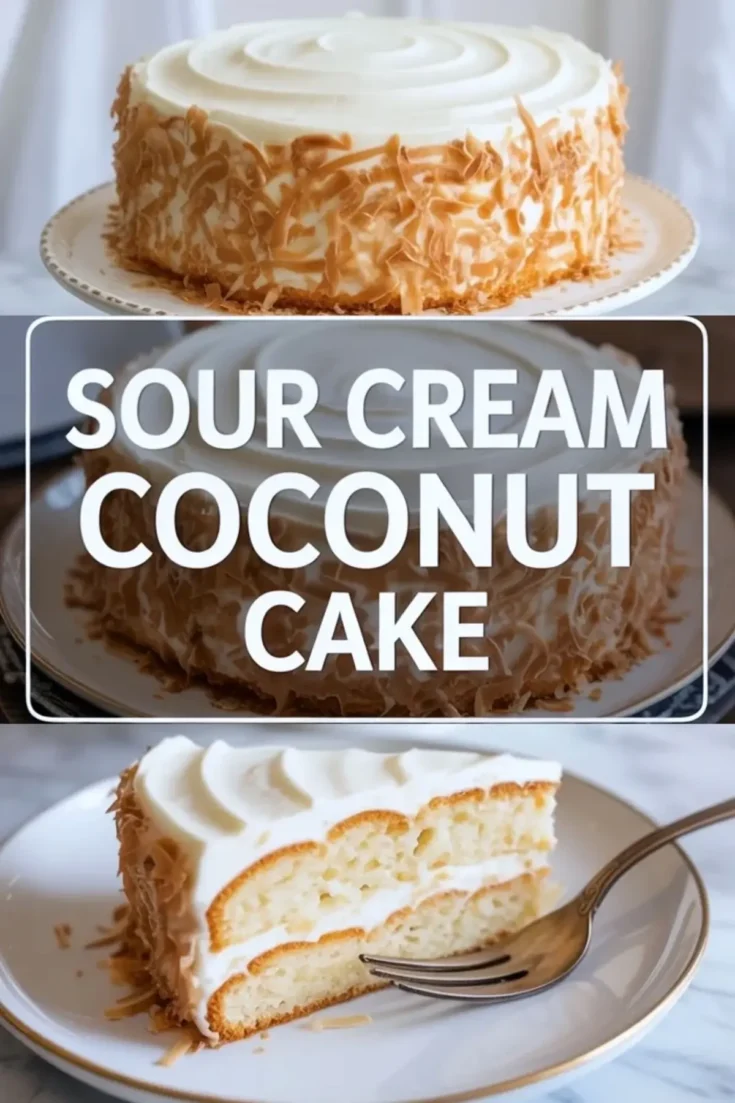
This easy sour cream coconut cake is a soft, moist dessert made entirely from scratch. Featuring a rich coconut cake with sour cream frosting, this recipe is perfect for holidays, birthdays, or Sunday dinners. Follow this tried-and-true sour cream coconut cake recipe to create a fluffy texture with classic Southern flavor. Topped with a sweet, tangy sour cream icing, it’s one of the best coconut cake recipes ever. If you’re searching for a recipe for coconut cake with sour cream frosting, this one delivers every time.
Ingredients
- FOR THE CAKE LAYERS
- 2 ½ cups all-purpose flour
- 2 ½ teaspoons baking powder
- ½ teaspoon baking soda
- ½ teaspoon salt
- 1 cup unsalted butter, softened
- 1 ¾ cups granulated sugar
- 4 large eggs
- 1 cup sour cream, room temperature
- 1 teaspoon pure vanilla extract
- ½ teaspoon coconut extract (optional but recommended)
- ½ cup whole milk
- FOR THE COCONUT FILLING
- 2 cups sweetened shredded coconut
- 1 cup sour cream
- ¾ cup granulated sugar
- FOR THE FROSTING
- 1 ½ cups sour cream
- 1 cup powdered sugar
- 1 teaspoon vanilla extract
- 1 container (8 ounces) whipped topping (such as Cool Whip), thawed
- FOR THE TOPPING
- 1 to 1 ½ cups toasted coconut flakes (large flakes or shredded)
Instructions
- PREPARE THE CAKE PANS AND DRY INGREDIENTS: Preheat the oven to 350°F (175°C). Grease and flour three 8-inch round cake pans or line them with parchment circles. In a medium bowl, whisk together the flour, baking powder, baking soda, and salt.
- MAKE THE CAKE BATTER: In a large mixing bowl, cream the butter and granulated sugar together until light and fluffy, about 3 to 5 minutes. Add the eggs one at a time, beating well after each addition. Mix in the sour cream, vanilla extract, and coconut extract. Add the flour mixture in three additions, alternating with the milk, beginning and ending with the flour. Mix just until combined.
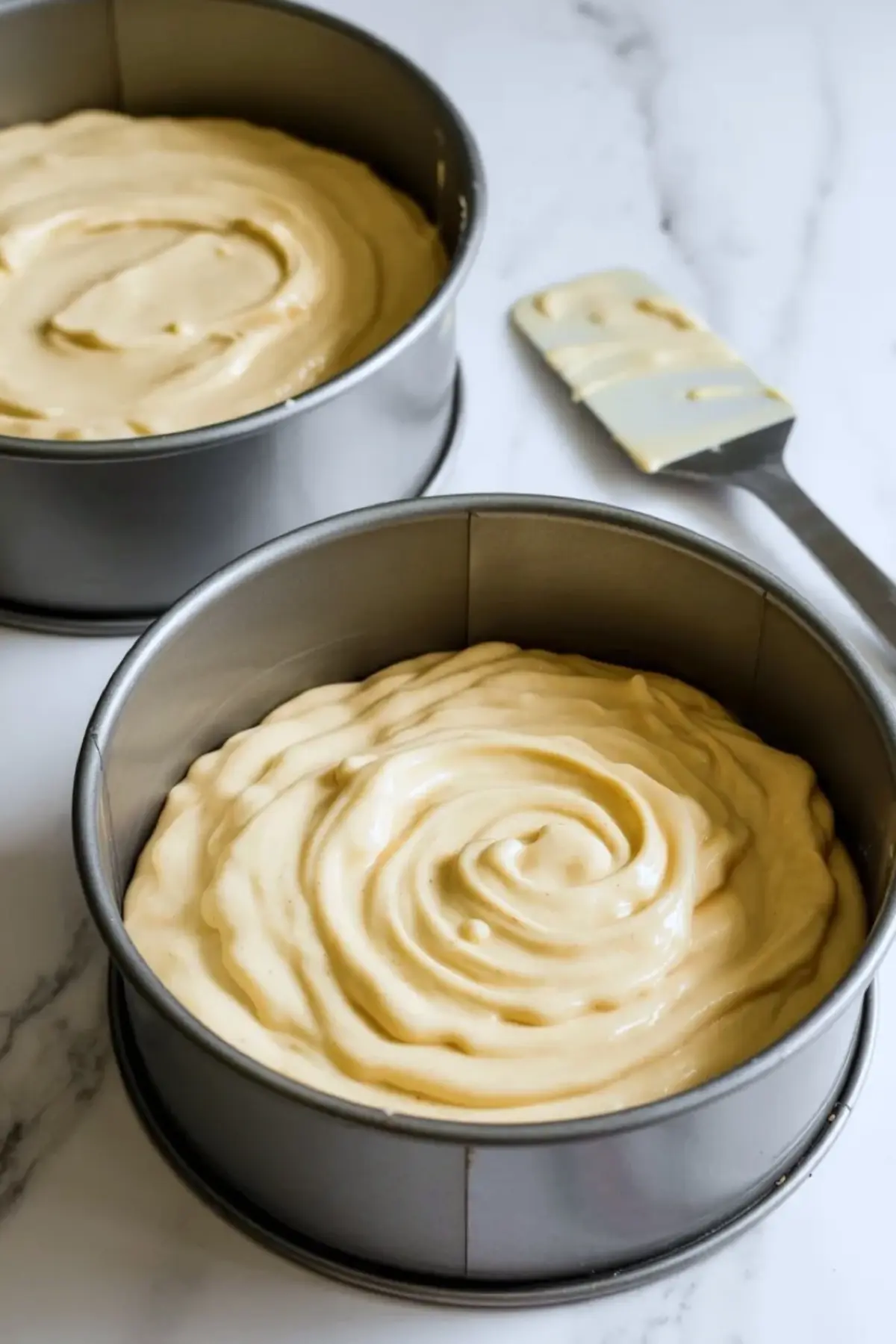
- BAKE THE CAKE LAYERS: Divide the batter evenly among the prepared pans and smooth the tops. Bake for 25 to 28 minutes or until a toothpick inserted into the center comes out clean. Let the cakes cool in the pans for 10 minutes, then turn them out onto wire racks to cool completely.
- MAKE THE COCONUT FILLING: In a medium bowl, stir together the sour cream, granulated sugar, and shredded coconut until well combined. Cover and refrigerate until ready to use.
- PREPARE THE FROSTING: In a separate mixing bowl, whisk together the sour cream, powdered sugar, and vanilla extract until smooth. Gently fold in the whipped topping until fully incorporated. Do not overmix.
- ASSEMBLE THE CAKE: If needed, level the tops of the cooled cake layers using a serrated knife. Place one cake layer on a serving plate. Spread half of the coconut filling evenly over the top. Add the second cake layer and spread the remaining filling. Place the third layer on top and gently press to secure.
- FROST THE CAKE: Use a spatula to spread the sour cream frosting evenly over the top and sides of the cake. Ensure the entire surface is covered smoothly.
- ADD THE TOASTED COCONUT: While the frosting is still soft, gently press the toasted coconut flakes onto the sides of the cake. Optionally, sprinkle more coconut on top or leave the top plain with swirled frosting.
Notes
To toast coconut, spread flakes on a baking sheet and bake at 325°F (163°C) for 5–10 minutes, stirring occasionally, until golden brown. Cake can be made a day ahead and stored covered in the refrigerator. For best texture, bring to room temperature before serving.
