
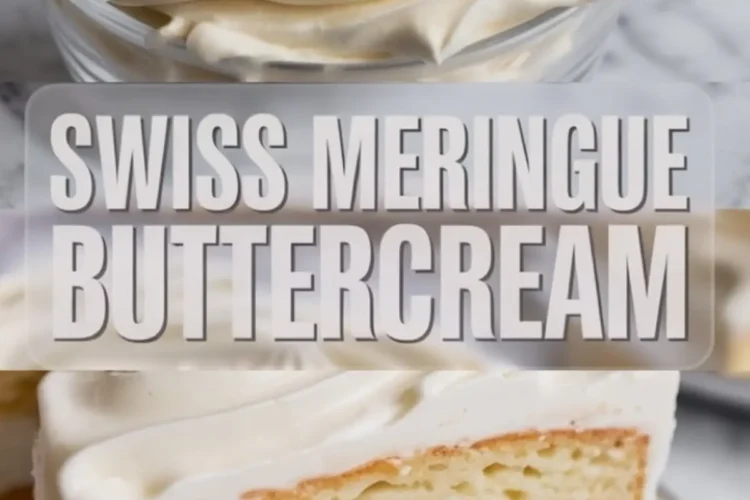
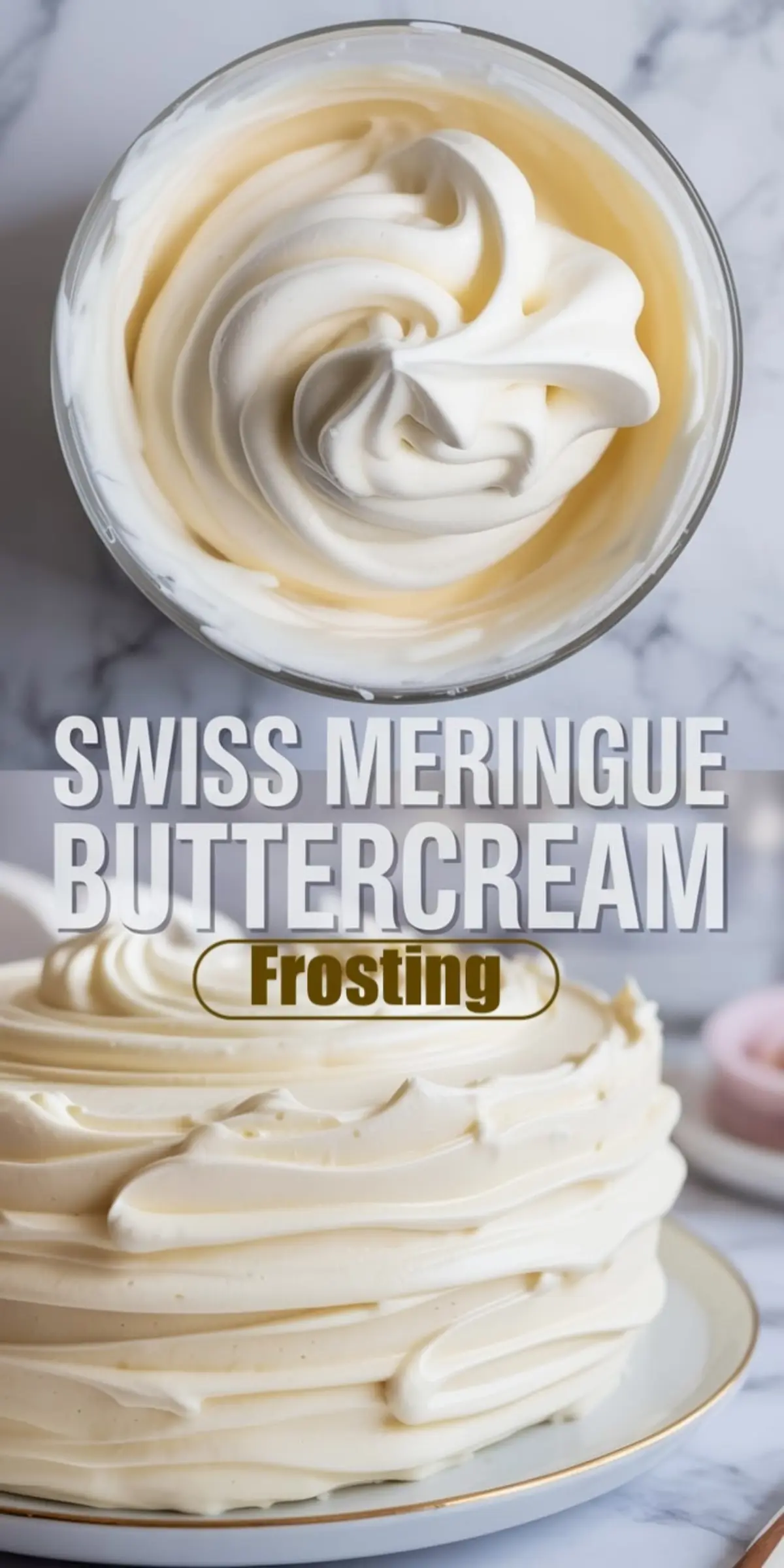
This Swiss Meringue Buttercream recipe makes a smooth, fluffy, and pipeable frosting that holds its shape while tasting light and creamy. It starts with a simple Swiss meringue base of egg whites and sugar, then whips in butter for structure and flavor. Use it as a cake filling, cupcake topping, or smooth frosting layer. Unlike crusting frostings, this version gives you a clean, professional finish and a balanced sweetness that’s never overwhelming.
Following a special diet?
Every recipe on this site can be converted to gluten-free, vegan, dairy-free, keto, nut-free or egg-free with adjusted ratios so nothing falls flat.
Try the Recipe Converter →The method hinges on a cooked meringue base that stabilizes the egg whites before whipping. This creates a glossy foundation that holds air while staying firm enough to support butter.
Unlike American buttercream, which starts with butter and powdered sugar, this Swiss buttercream frosting begins with heat. The sugar dissolves directly into the egg whites, which eliminates grit and boosts structure.
The key measurement here is temperature. Once your egg white and sugar mix reaches 160°F, the proteins set just enough to whip into stiff peaks. Skip that mark and the texture won’t hold. Go too far past it and you’ll start scrambling the eggs. I always keep my thermometer clipped to the bowl rim for control.
Why These Ingredients Matter
Five large egg whites bring protein structure and moisture. I use fresh, not boxed, for reliable volume. Pasteurized whites don’t whip the same.
Granulated sugar helps the meringue hold its shape and brings the only sweetness this buttercream needs. I’ve tested superfine sugar, but regular granulated gives me the most stable whip.
Unsalted butter adds the creaminess and structure. I cube it while it’s still slightly cool, not fully soft, to keep the buttercream from breaking.
Vanilla extract rounds out the flavor. I always use pure, not imitation. For a softer taste, this vanilla buttercream pairs well with delicate sponge layers or fillings like Diplomat Cream.
Just a pinch of salt changes everything. It keeps the frosting from tasting flat. Skip it and you’ll notice.
Spotlight on Temperature Control
The meringue stage is where most bakers hesitate. If you don’t hit 160°F and fully dissolve the sugar, you’ll taste grit. If you stop whipping before the bowl cools, your butter will melt and break the emulsion.
I touch the outside of the metal bowl every minute or two. It should feel completely cool before you start adding butter. That’s the signal.
And yes, the curdled look midway through is expected. Every batch I’ve made has gone through that phase. Just keep mixing.
Mixing the Buttercream: Step by Step
Start with a clean metal bowl over simmering water. The egg whites and sugar should be stirred constantly until they feel smooth between your fingers. No grainy texture.
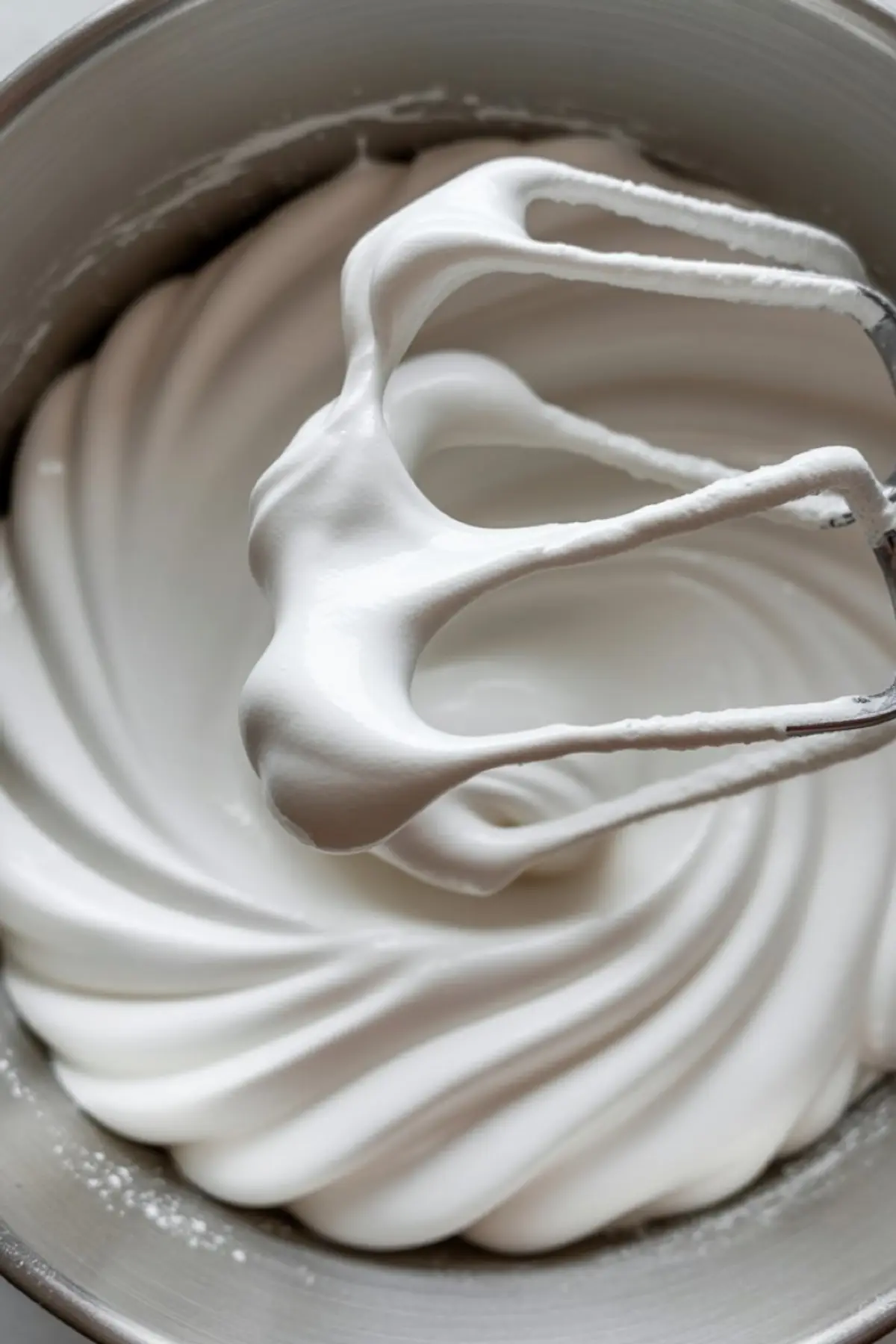
Once off the heat, transfer it to your mixer and whip until the meringue is thick, glossy, and stiff. It should form peaks that don’t fall. At this stage, it’s similar to the base for Chocolate Cake Filling but much lighter.
Now switch to the paddle attachment and add your butter slowly. One cube at a time. If it starts to look like soup or scrambled eggs, just keep going. This phase takes patience, but you’ll see it pull together.
Add vanilla and salt at the end. If you’re flavoring with melted chocolate, fold it in gently once the base is stable.
Know When It’s Done
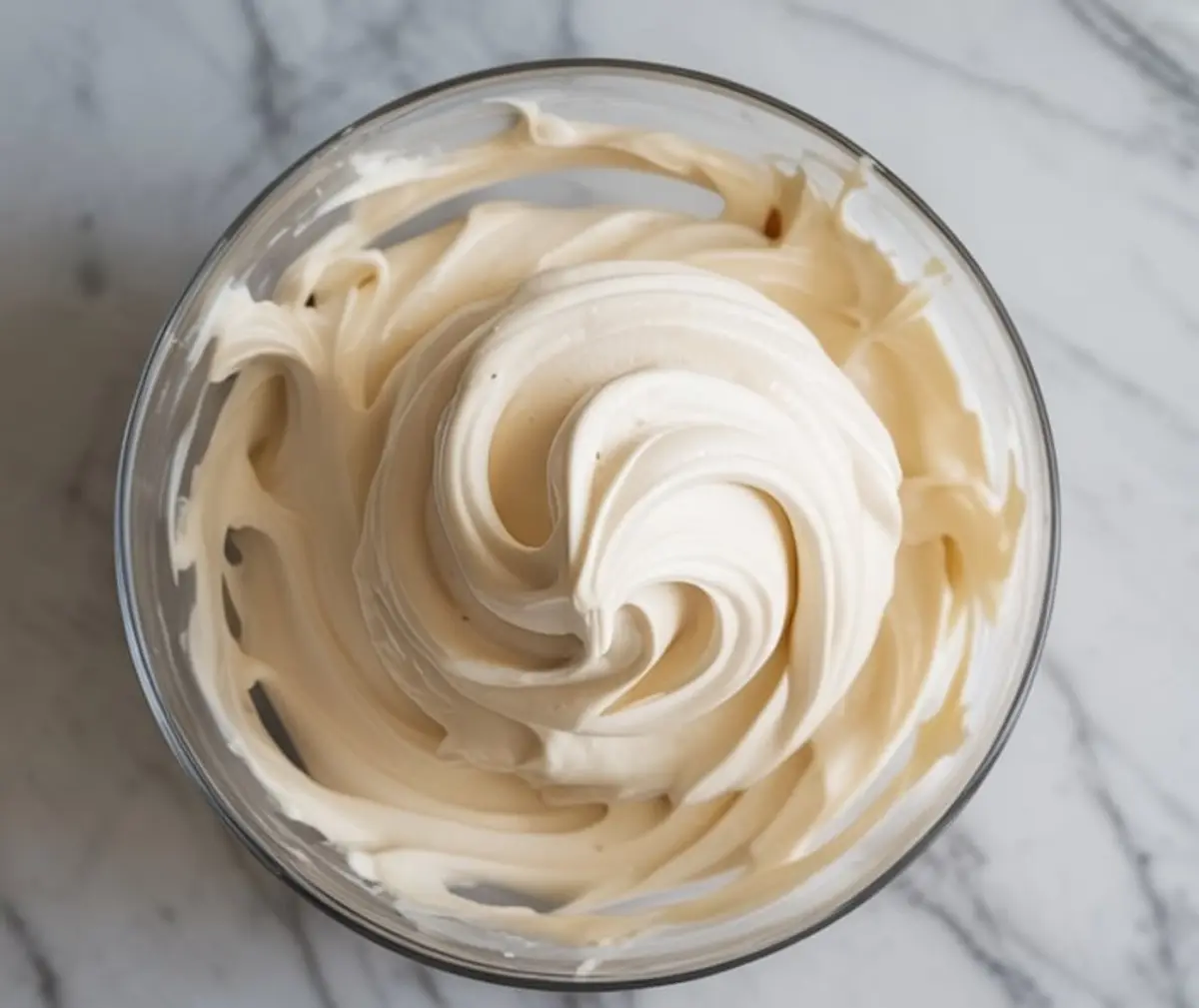
The final buttercream should look smooth and glossy, with no streaks or lumps. It spreads easily and holds sharp ridges when piped.
If it’s too loose, chill it for 10 minutes and whip again. If it’s dense and greasy, you likely added butter before the meringue cooled. I’ve been there. it’s fixable. Let it rest, then beat it again from the start.
If you’re trying a lighter option, Whipped Cream Frosting gives a differenr result, but isn’t as stable in warm kitchens.
Flavor Variations to Try
For chocolate Swiss buttercream, melt 100g dark or milk chocolate and cool it fully before folding in.
Fruit variations need thickened puree. I usually cook down berries until they reduce by half. Add 2–3 tablespoons at a time to avoid breaking the structure.
Lemon curd can be folded in too, for a tangy twist. Start with one tablespoon and taste as you go. You can also try pairing with Vanilla Buttercream Frosting if you need contrast layers.
Storage and Reuse
Store leftover buttercream in an airtight container in the fridge for up to one week. I always bring it back to room temperature, then re-whip for five minutes before using again.
You can freeze it for up to three months. Thaw overnight in the fridge, let it sit out, and re-whip until fluffy.
If your frosting develops air pockets or feels too dense, mix it slowly with a paddle attachment for 1–2 minutes to smooth it out.
Tips from My Kitchen
Always start with a grease-free bowl. Even a tiny speck of fat can collapse your meringue.
If using salted butter, skip the added salt. The flavor balance shifts quickly.
Use a clip-on thermometer during the heating stage. Eyeballing doesn’t work here.
Don’t rush the cooling. It makes all the difference in structure. I’ve learned this the hard way more than once.
How to Use This Buttercream
Spread between cake layers as a cake filling. Pipe high swirls on cupcakes.
Frost tall layer cakes with clean, crisp edges. Use under fondant for a stable finish.
Flavor with coffee for mocha layers.
Save This Swiss Meringue Buttercream Recipe
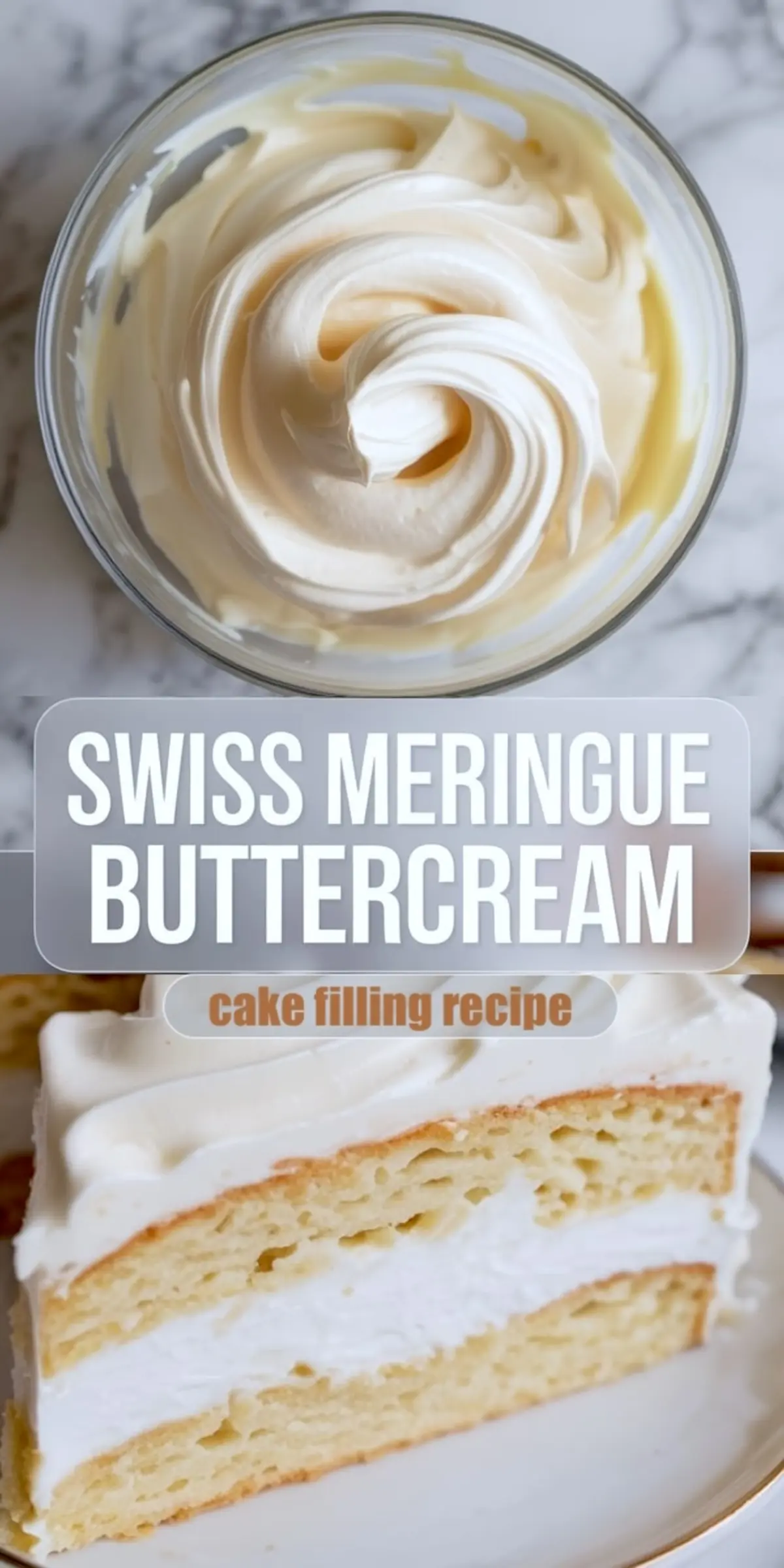
Add this recipe to your Pinterest board so you always have it ready for your next bake.
Let me know in the comments if you’ve tried it, or if you made a variation. I’d love to hear how it worked out for you.
Swiss Meringue Buttercream
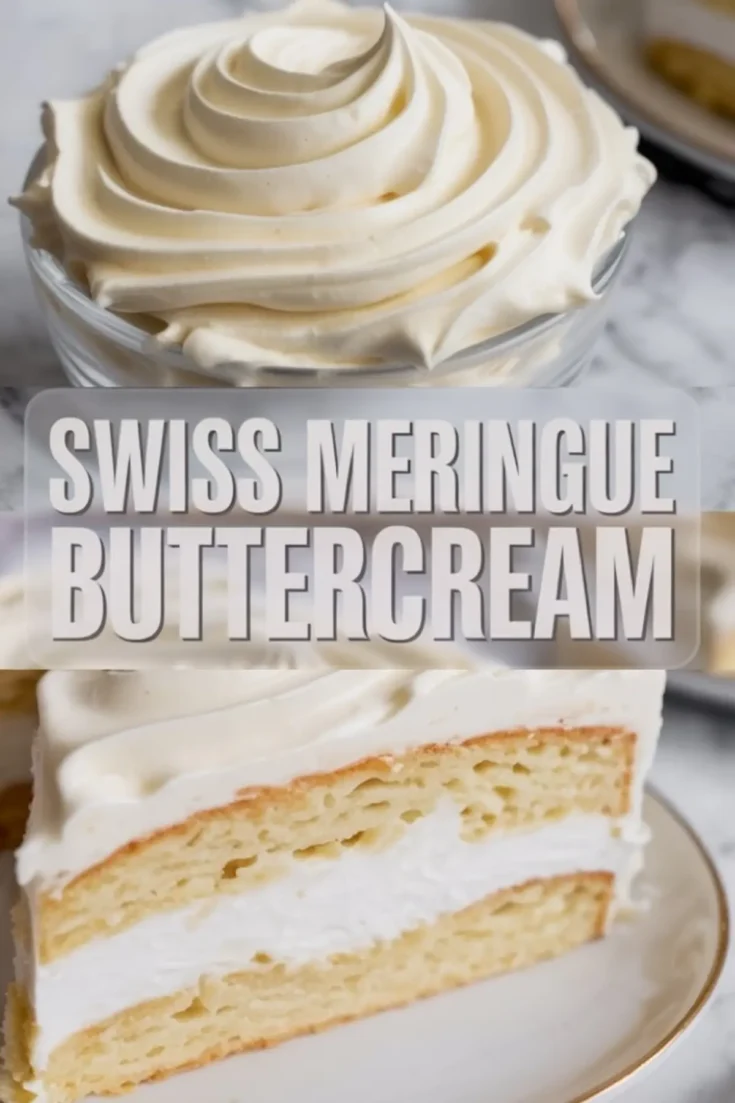
This smooth and creamy Swiss Meringue Buttercream is a game-changer for cakes, cupcakes, and even as a cake filling. Learn how to prepare classic Swiss meringue with this dependable Swiss meringue buttercream recipe that results in a light, fluffy, and stable frosting. This meringue buttercream frosting pipes like a dream and has just the right balance of sweetness. Master this elegant Swiss buttercream frosting to elevate any bake.
Ingredients
- 5 large egg whites (about 150g)
- 1 1/4 cups (250g) granulated sugar
- 2 cups (450g) unsalted butter, room temperature and cubed
- 1 teaspoon pure vanilla extract (or to taste)
- Pinch of salt
- Optional Add-ins:
- 100g melted and cooled chocolate for chocolate SMBC
- 2–3 tablespoons fruit puree for fruity variations (strained and thickened)
Instructions
- CREATE THE MERINGUE: In a clean, grease-free metal bowl, combine the egg whites and sugar. Set the bowl over a saucepan of simmering water to create a double boiler. Whisk constantly until the mixture reaches 160°F (71°C) and the sugar has completely dissolved. When rubbed between your fingers, the mixture should feel smooth with no graininess.
- WHIP THE MERINGUE: Transfer the bowl to a stand mixer fitted with the whisk attachment. Beat on high speed for 10 to 12 minutes, or until the meringue forms stiff, glossy peaks and the bowl feels cool to the touch. Do not proceed until the bowl is no longer warm.
- ADD THE BUTTER: Switch to the paddle attachment. With the mixer on medium speed, add the butter one cube at a time. The mixture may look soupy or curdled as the butter is added—this is normal. Continue mixing until the butter is fully incorporated and the buttercream becomes smooth and creamy.
- FLAVOR AND FINISH: Add the vanilla extract and a pinch of salt. Mix until fully combined. Taste the buttercream and adjust flavoring as desired. At this stage, optional add-ins such as melted chocolate or fruit puree can also be gently mixed in.
Notes
If the buttercream looks broken or doesn’t come together after several minutes, keep mixing—it often resolves with time. If the bowl or butter was too warm, refrigerate the mixture for 10–15 minutes, then mix again. Store leftover buttercream in an airtight container in the refrigerator for up to 1 week or freeze for up to 3 months. Let it come to room temperature and re-whip before using.
