
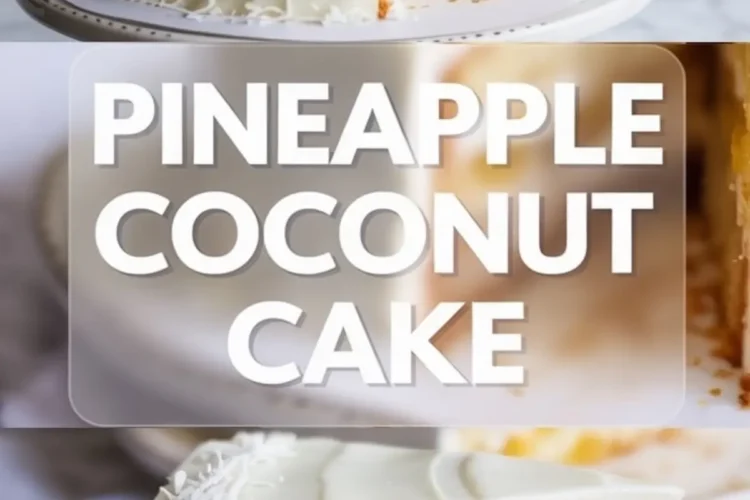
This pineapple coconut cake recipe brings together moist coconut layers and a thick, bright pineapple filling in a clean, sliceable dessert that holds beautifully on the plate. The combination of coconut milk, buttermilk, and shredded coconut gives the base a rich, soft texture, while the cooked pineapple layer adds tang and structure. It’s a classic coconut pineapple cake recipe built for summer birthdays, spring brunches, or anyone craving tropical desserts. This coconut cake with pineapple layers finishes with whipped cream frosting, delivering a coconut dream that feels light but satisfying.

This cake holds together because of its balance between structure and softness. The cake layers get moisture from full-fat coconut milk and buttermilk, but still bake up with enough strength to support the pineapple filling without sliding apart. Using both baking powder and baking soda gives the batter a balanced lift.
The shredded coconut helps retain moisture during baking and adds texture to the crumb. It’s evenly folded in, so it doesn’t clump. The result is a cake that stays soft for days but never soggy. Compared to sponge-based tropical cakes, this one doesn’t require syrup for moisture. The ratio of wet to dry ingredients does the job cleanly.
You’ll get better structure by using two 8-inch pans rather than one deep pan. The thinner layers cool faster, stay flat, and absorb the filling more evenly. I’ve tested with three pans as well. it works, but the layers dry more quickly.
Here’s another example of a cake with clean layering: Simple Vanilla Cake. That recipe taught me how thinner layers help control texture.
Ingredient Breakdown and Why They Matter
Full-fat coconut milk adds fat and liquid without thinning the batter too much. Skimmed versions don’t hold the same structure. Buttermilk adds acidity, softening the crumb and reacting with the baking soda for extra lift.
Butter over oil gives a tighter crumb. It creams well with sugar and helps the cake hold shape once sliced. I use granulated sugar here instead of brown, because it keeps the crumb light and lets the coconut and pineapple flavors stay clean.
The combination of vanilla extract and coconut extract adds depth. Coconut extract is optional, but it does boost that signature tropical profile. I don’t recommend imitation brands, real extract has a gentler flavor.
For the filling, canned crushed pineapple works better than fresh. The fiber in fresh pineapple prevents it from thickening properly unless it’s cooked longer, which changes the flavor. Draining and reserving the juice is key. You’ll use the juice to cook the filling into a thick, glossy layer that sets as it cools.
This frosting is simple, but you can add cream cheese for stability. For example, in this Simple Birthday Cake, I use a similar whipped cream frosting, but without pineapple.
Spotlight: The Pineapple Filling
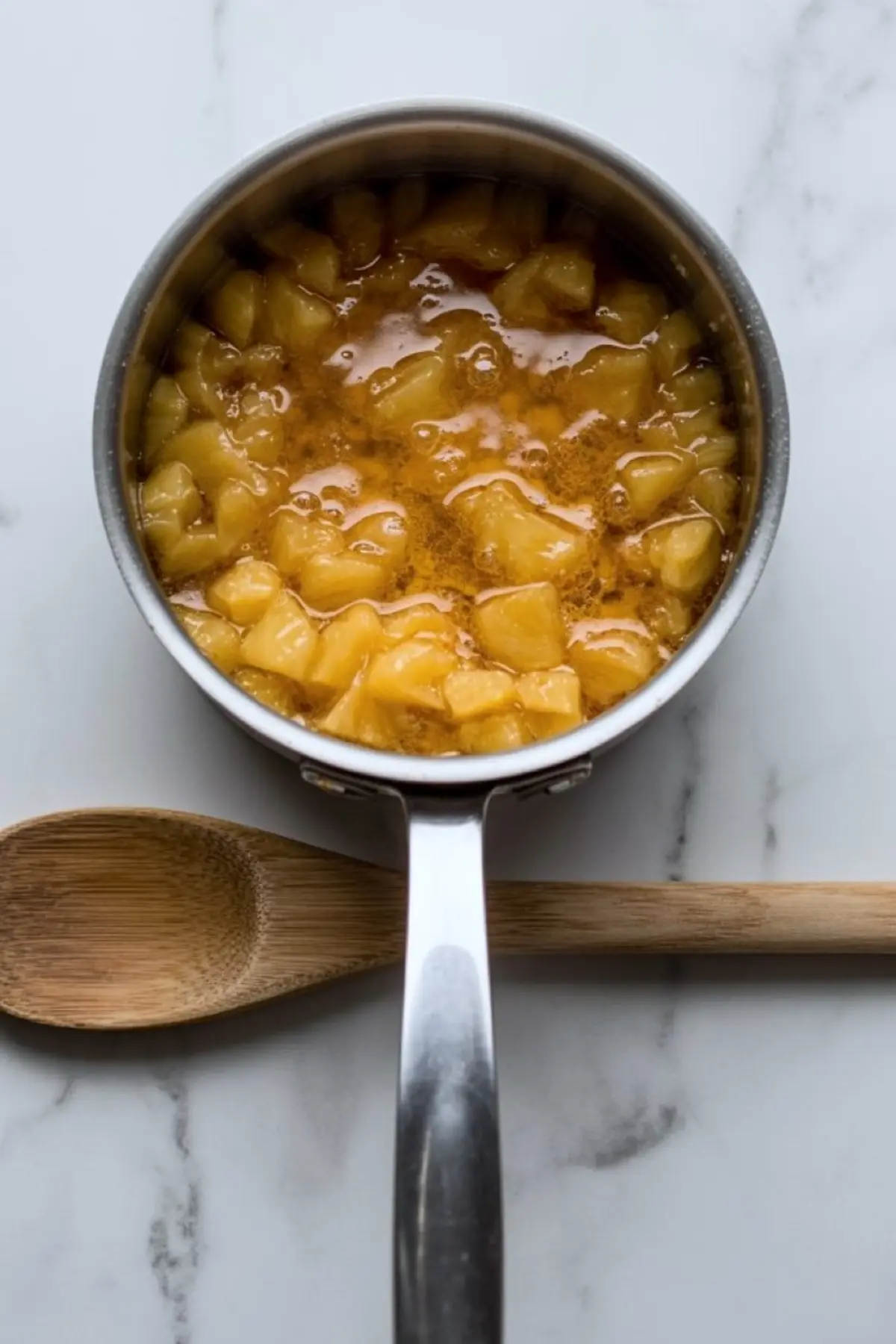
This filling doesn’t come from a jar. It’s cooked fresh from crushed pineapple, juice, sugar, lemon, and cornstarch. That lemon sharpens the sweetness without making the filling tart. It thickens to a spoonable gel that won’t bleed into the cake once cooled.
You’ll know it’s ready when it looks glossy and starts pulling away slightly from the sides of the pan. Undercooked filling stays loose and makes the cake slip. Overcooked filling turns gummy and stiff. Five to seven minutes is the window I trust.
If you don’t have lemon juice, you can use orange juice, but it dulls the flavor slightly. This element matters, it anchors the cake and gives that bright contrast against the soft coconut crumb.
A similar layered technique appears in my Chocolate Eclair Cake, though that recipe leans creamy and cold, rather than fruity.
How to Make This Cake Without Slipping Layers

After baking, the cakes must cool completely before assembly. Even a slight warmth causes the filling to loosen the layers. I cool mine 10 minutes in the pan, then transfer to a wire rack. That extra airflow keeps the bottom from turning dense.
The whipped cream must hit soft peaks before spreading. If you’re adding cream cheese, blend it separately and fold in with care. Over-whipping the cream turns it grainy. Under-whipping makes it run.
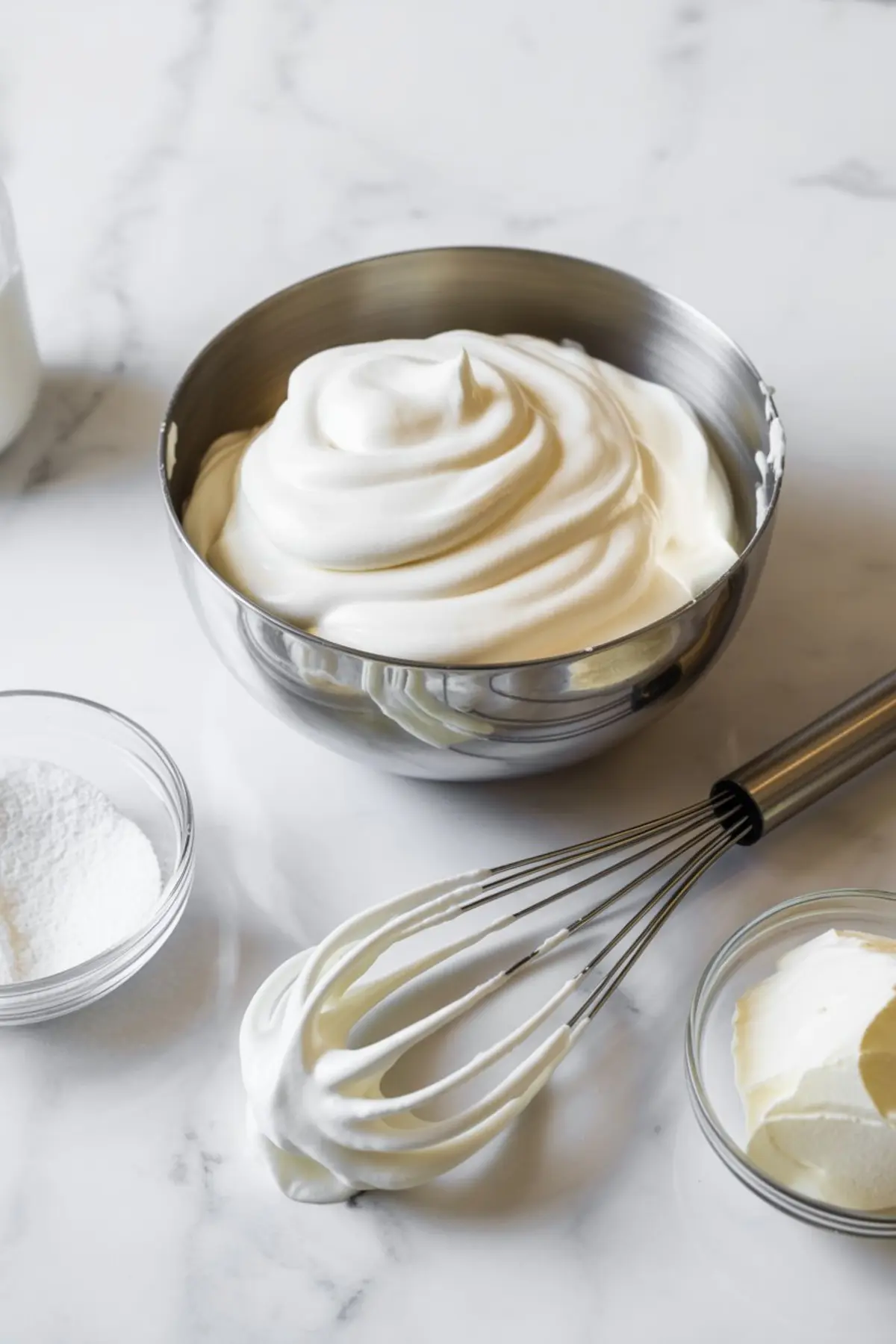
Once assembled, the cake should chill for at least 30 minutes before slicing. I sometimes leave it overnight for cleaner cuts, like I do with the Lemon Mascarpone Cake, which also has a creamy-soft interior that firms beautifully once cold.
Serving and Saving This Coconut Dream
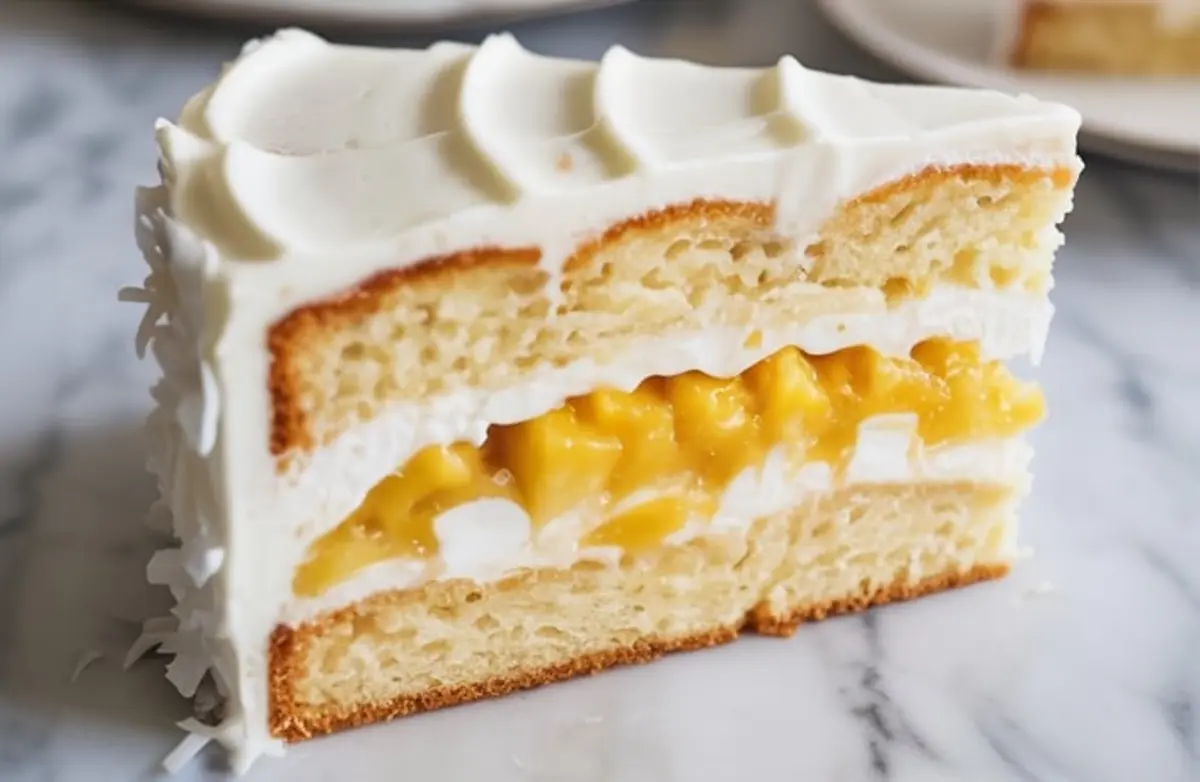
This pineapple coconut cake holds in the fridge for two to three days, covered lightly. The whipped cream sets well, especially with cream cheese, and the pineapple keeps its shape. I don’t recommend freezing the fully frosted version, but you can freeze unfrosted layers for up to a month.
Let them thaw at room temperature before filling. The cake texture stays soft, even after freezing.
This cake serves clean slices at room temperature or slightly chilled. For serving, I often sprinkle toasted coconut on top. A few fresh pineapple wedges or mint leaves sharpen the look.
You can also serve it with mango sorbet, fresh berries, or light citrus ice cream. It fits in with tropical desserts, but still holds its own at a winter table.
Save This Pineapple Coconut Cake Recipe
If you love coconut desserts, pin this cake to your Tropical Cakes board so you don’t lose it. I’d love to hear how it turns out for you, especially if you try any variations or swap-ins. Leave a comment below. I always read them, and I respond when I can.
Pineapple Coconut Cake Recipe
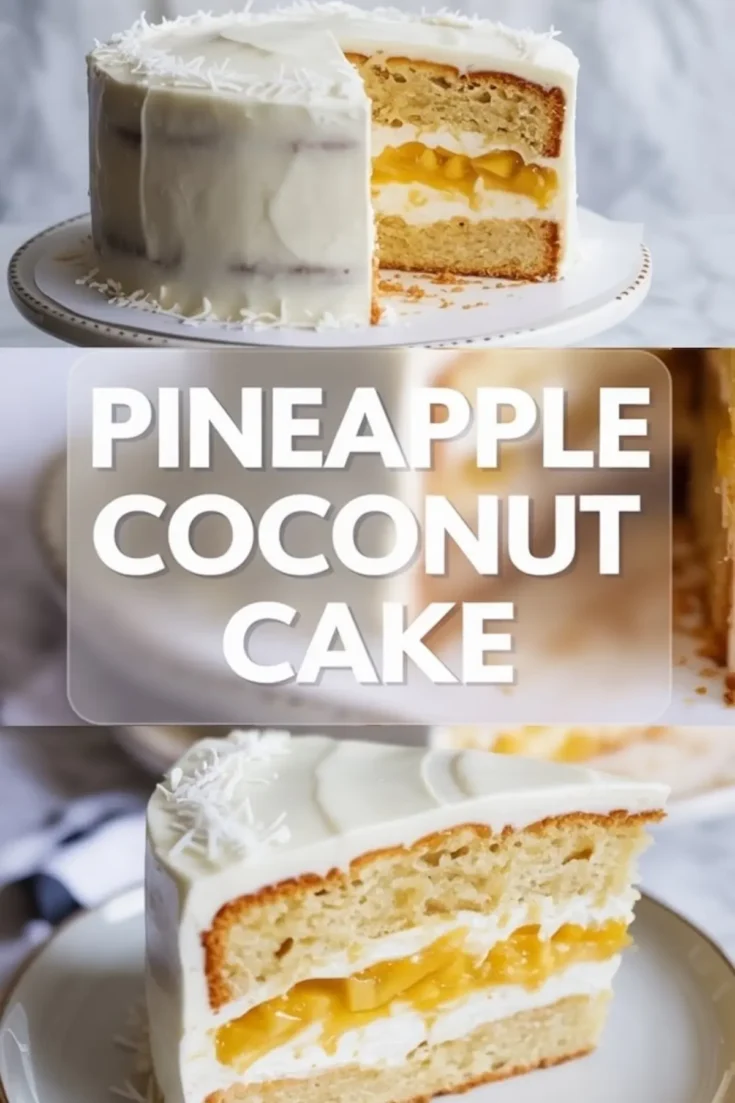
This Pineapple Coconut Cake Recipe is the perfect combination of tropical flavor and soft texture. Made with layers of moist coconut cake and sweet pineapple filling, it’s a classic coconut pineapple cake recipe you’ll want to make on repeat. The blend of pineapple coconut adds a refreshing brightness that’s perfect for spring, summer, or any time you’re craving tropical desserts. Whether you’re baking for a gathering or just want a slice of sunshine, this easy pineapple coconut cake delivers pure coconut dream in every bite.
Ingredients
- FOR THE COCONUT CAKE LAYERS
- 2 ½ cups (310g) all-purpose flour
- 1 tbsp baking powder
- ½ tsp baking soda
- ½ tsp salt
- 1 cup (240ml) coconut milk (full-fat)
- ½ cup (120ml) buttermilk
- ¾ cup (170g) unsalted butter, room temperature
- 1 ¾ cups (350g) granulated sugar
- 4 large eggs
- 1 ½ tsp pure vanilla extract
- 1 tsp coconut extract (optional)
- 1 cup (75g) sweetened shredded coconut
- FOR THE PINEAPPLE FILLING
- 1 ½ cups (about 350g) crushed pineapple, drained with juice reserved
- ¼ cup (60ml) pineapple juice
- ⅓ cup (70g) granulated sugar
- 1 tbsp cornstarch
- 1 tbsp lemon juice
- Pinch of salt
- FOR THE WHIPPED CREAM FROSTING
- 2 cups (480ml) heavy whipping cream
- ½ cup (60g) powdered sugar
- 1 tsp vanilla extract
- Optional: 8 oz (225g) cream cheese, softened
- GARNISH
- Sweetened shredded coconut
- Fresh pineapple wedges or mint leaves (optional)
Instructions
- PREPARE THE CAKE PANS: Preheat oven to 350°F (175°C). Grease and line two 8-inch round cake pans with parchment paper.
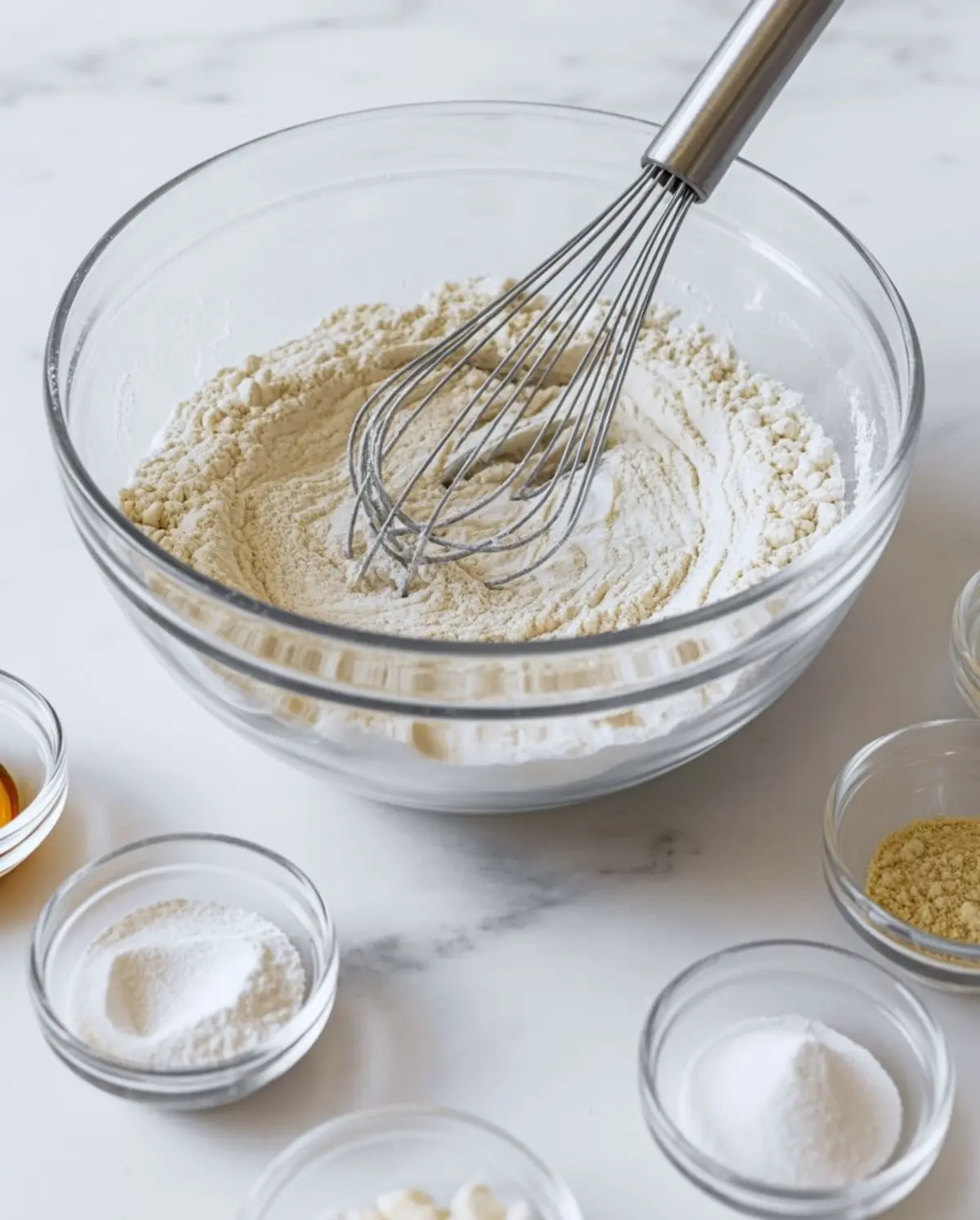
- MIX DRY INGREDIENTS: In a medium bowl, whisk together the flour, baking powder, baking soda, and salt. Set aside.
- CREAM BUTTER AND SUGAR: In a large mixing bowl, beat the butter and granulated sugar together until light and fluffy, about 3 to 4 minutes using a hand or stand mixer on medium speed.
- ADD EGGS AND EXTRACTS: Add eggs one at a time, mixing well after each. Stir in the vanilla extract and coconut extract if using.
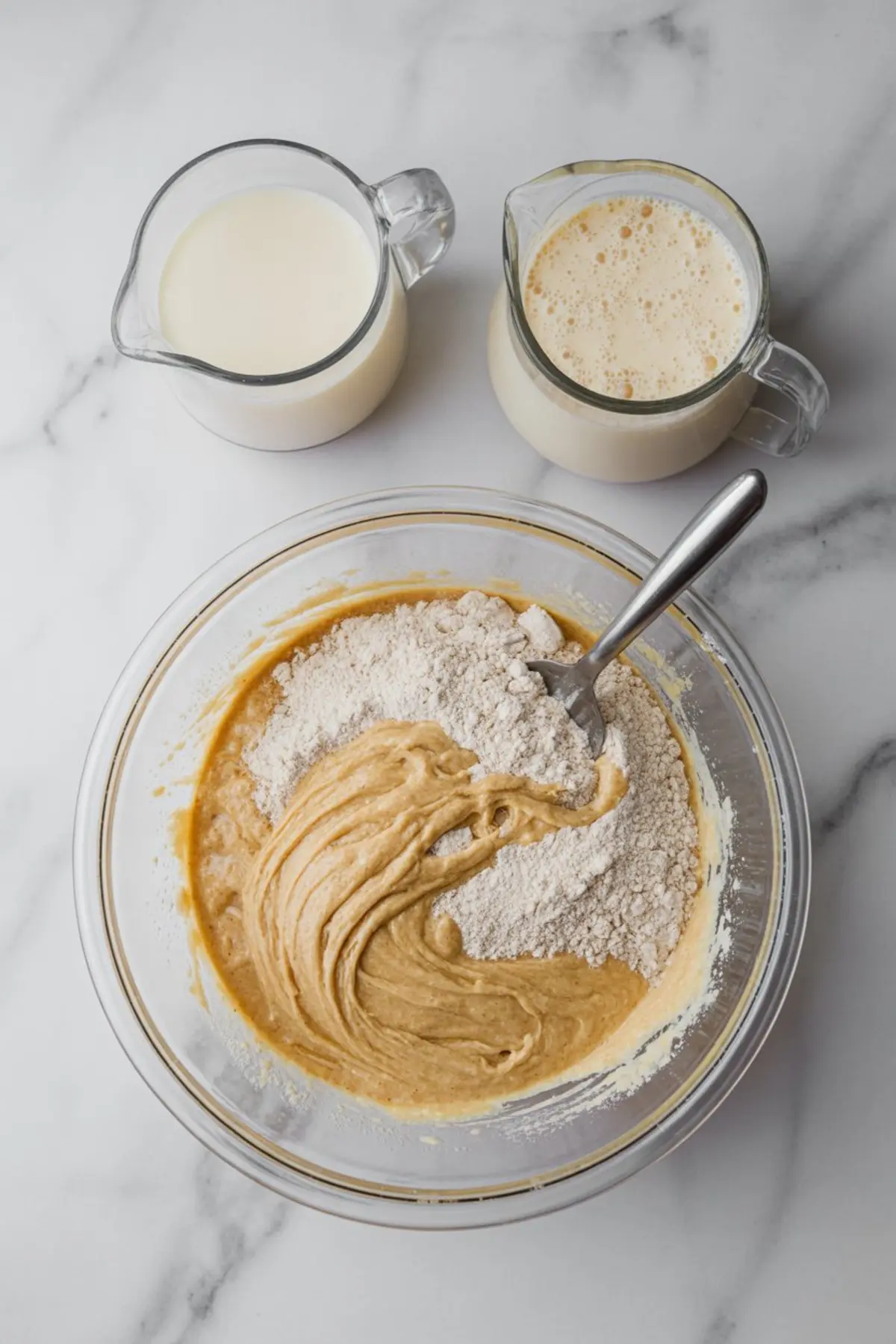
- ALTERNATE WET AND DRY: In a measuring cup, combine coconut milk and buttermilk. Add the dry ingredients to the butter mixture in three parts, alternating with the coconut milk mixture, beginning and ending with the dry ingredients. Mix until just combined.
- FOLD IN COCONUT: Gently fold in the sweetened shredded coconut with a spatula, making sure it's evenly distributed.
- BAKE THE CAKES: Divide batter evenly between prepared pans and smooth the tops. Bake for 28 to 32 minutes, or until a toothpick inserted in the center comes out clean.
- COOL COMPLETELY: Let cakes cool in pans for 10 minutes, then turn out onto wire racks and cool completely before filling and frosting.
- COOK THE FILLING: In a medium saucepan, combine crushed pineapple, ¼ cup reserved juice, sugar, cornstarch, lemon juice, and a pinch of salt. Cook over medium heat, stirring constantly, until thickened and glossy, about 5 to 7 minutes. Let cool completely.
- WHIP THE CREAM: In a chilled mixing bowl, whip heavy cream, powdered sugar, and vanilla until soft peaks form. If using cream cheese, beat it separately until smooth, then gently fold into the whipped cream to create a stable frosting.
- ASSEMBLE THE CAKE: Place one cake layer on a serving plate. Spread a generous amount of pineapple filling over the top, keeping it slightly away from the edges. Top with the second cake layer.
- FROST THE CAKE: Spread the whipped cream frosting over the top and sides of the cake using an offset spatula or the back of a spoon. If using cream cheese in the frosting, it will hold its shape better for piping or decorative finishes.
- GARNISH AND CHILL: Press shredded coconut gently onto the sides and top of the cake for decoration. Garnish with fresh pineapple or mint if desired. Chill at least 30 minutes before serving for clean slices.
Notes
Use full-fat coconut milk for the best texture. Make sure the pineapple filling is completely cooled before layering to prevent slipping. If preparing ahead, store the frosted cake covered in the refrigerator for up to 2 days.
Nutrition Information
Yield
12Serving Size
1Amount Per Serving Calories 592Total Fat 40gSaturated Fat 28gUnsaturated Fat 12gCholesterol 144mgSodium 403mgCarbohydrates 52gFiber 3gSugar 31gProtein 7g
