
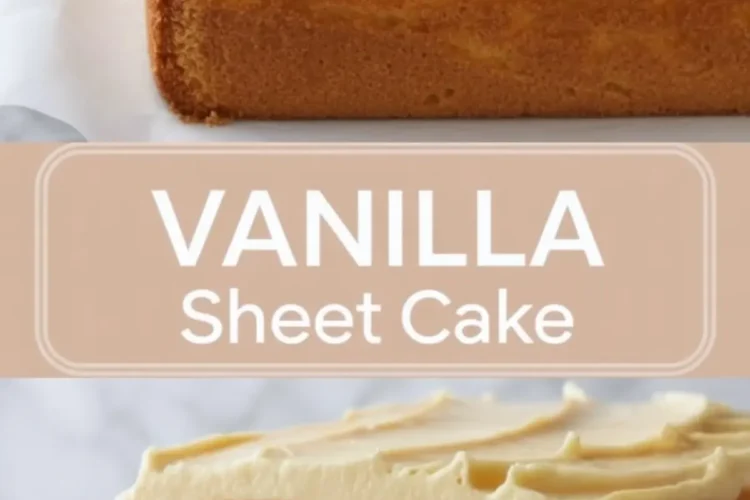
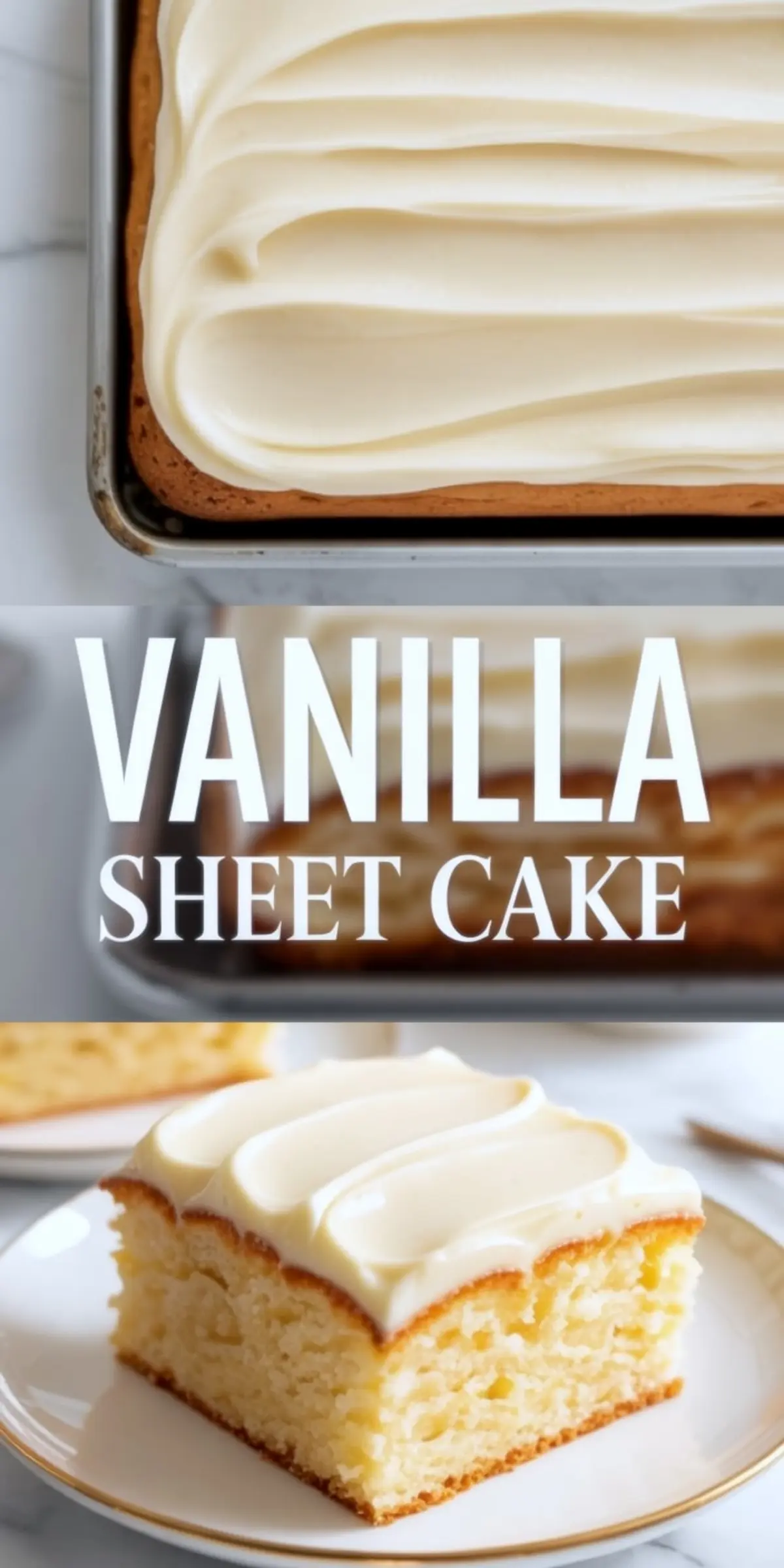
This Vanilla Sheet Cake bakes in a 9×13 pan, uses pantry basics, and finishes with a soft, fluffy crumb and smooth vanilla frosting. It’s one of those easy cake recipes that fits every occasion. From birthday cake ideas to simple vanilla desserts you can frost any way you like.
The balance of fat, sugar, and acidity makes this cake light and tender without feeling overly sweet.
Butter brings flavor and structure, while buttermilk adds a soft crumb that holds together without getting dense.
Following a special diet?
Every recipe on this site can be converted to gluten-free, vegan, dairy-free, keto, nut-free or egg-free with adjusted ratios so nothing falls flat.
Try the Recipe Converter →There’s no complex creaming method or layered setup. Just a reliable method using standard ratios.
You’ll notice it’s got 2 ½ teaspoons baking powder to help lift the relatively rich batter. That, combined with buttermilk and a bit of baking soda, gives the cake its height and spring.
Ingredients That Make a Difference
I kept the ingredient list short, but each one serves a clear purpose. The all-purpose flour holds the structure. I tested with cake flour, and while it created a silkier bite, the slices fell apart when frosted.
For a proper Vanilla Sheet Cake Recipe that cuts clean, go with all-purpose. Granulated sugar does more than sweeten. It helps with moisture retention. That’s why this stays soft for days on the counter.
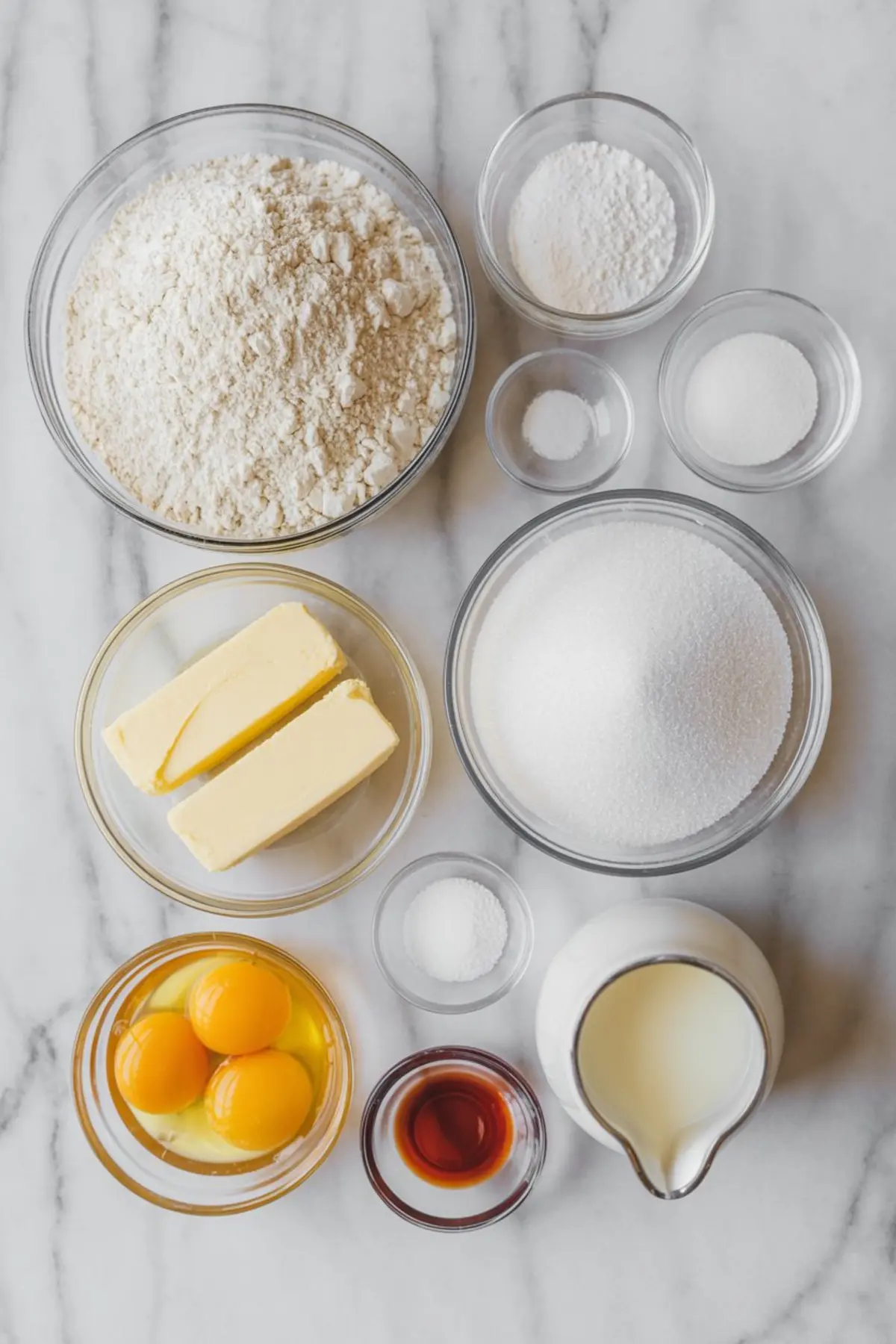
Butter over oil gives better flavor. I cream it with sugar for a lighter texture. That air makes the crumb delicate without sacrificing richness.
Eggs add both structure and color. I don’t skip the third egg. Cutting it changes the balance, especially in sheet cakes meant to be served directly from the pan.
As for the buttermilk, that’s what ties it all together. It breaks down the gluten strands so the cake doesn’t toughen up as it cools.
You can see how that plays out in other moist sheet cakes too, like this Texas Sheet Cake Recipe, which uses sour cream for a similar reason.
Why Buttermilk Matters More Than You Think
The acidity in buttermilk reacts with the baking soda to give extra lift. But it also does something subtler.
It tenderizes the crumb from the inside. Even after a few days, the cake doesn’t dry out.
If you’ve ever had a vanilla cake that turned rubbery by day two, you’ll know exactly why this matters.
If you don’t have buttermilk, you can add a tablespoon of lemon juice or white vinegar to a cup of milk. Let it sit for 10 minutes.
It works, though I still find the texture slightly less refined than the real thing.
Step-by-Step: What to Expect at Each Stage
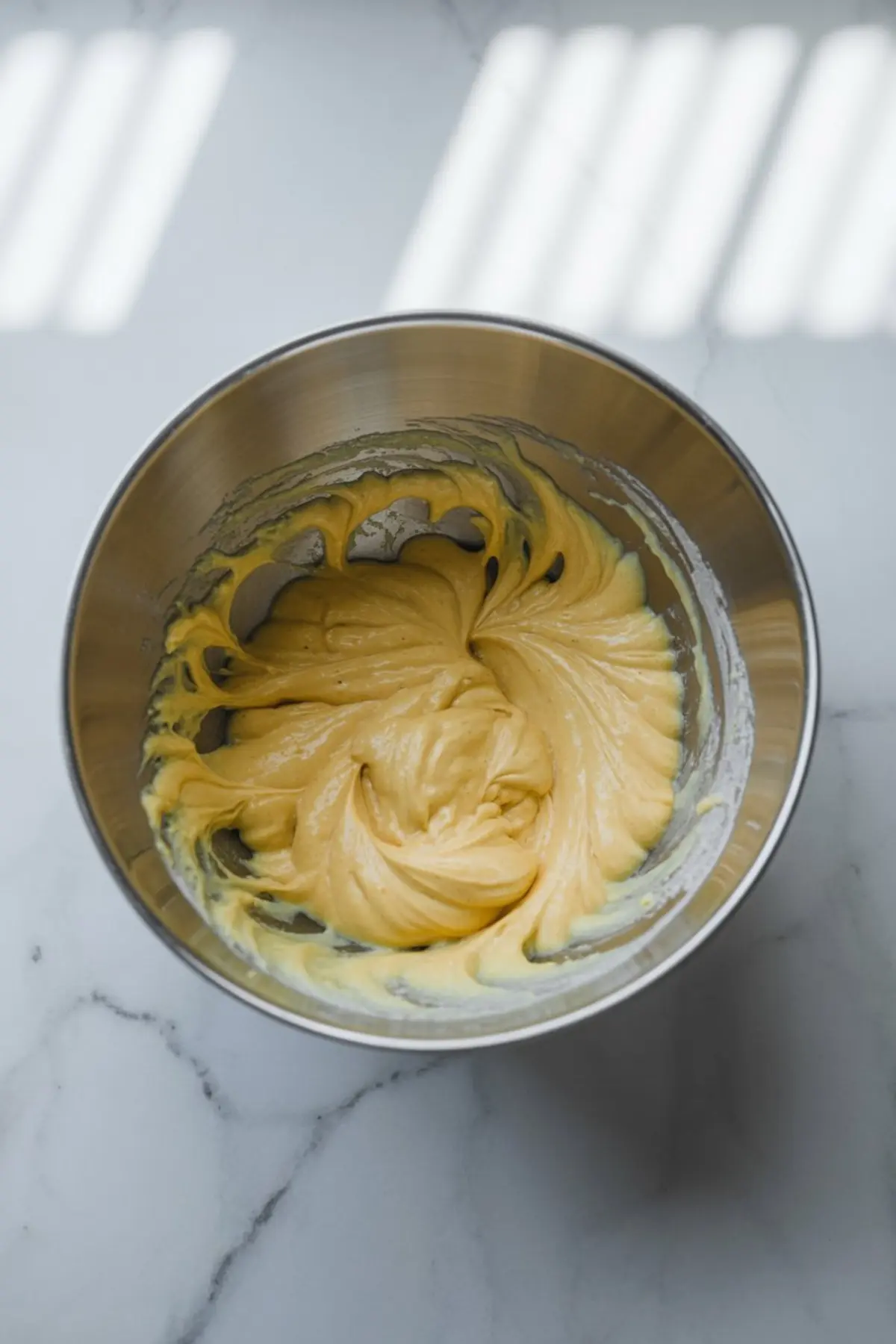
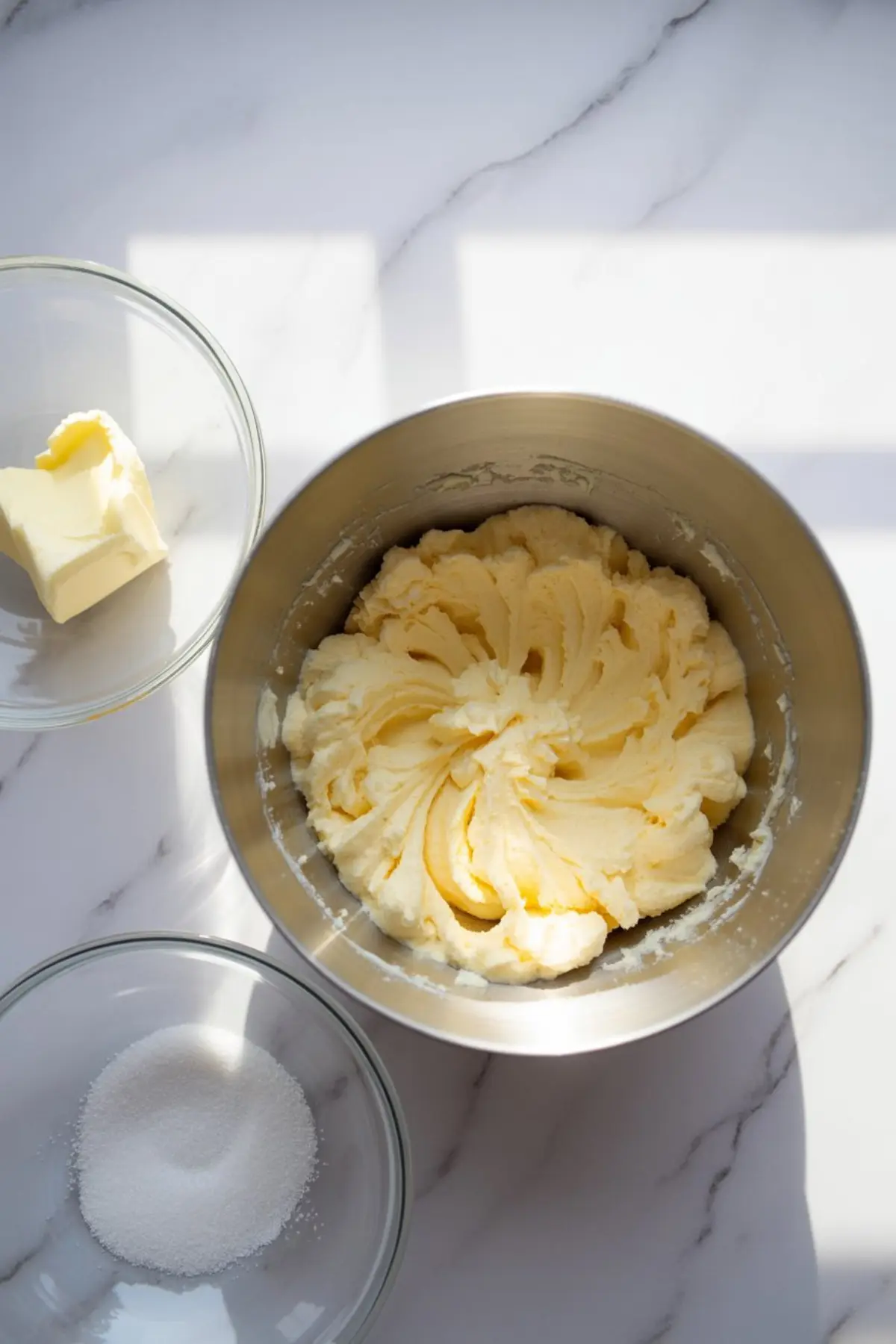
Creaming the butter and sugar should take 3 to 4 minutes. The mixture should turn pale and look fluffy. If it still feels gritty, keep beating.
Once the eggs go in, the batter may look slightly broken. That’s normal. It will smooth out again once the flour is added.
Always start and end with the dry mix. That helps the batter stay stable while you add the buttermilk in two rounds.
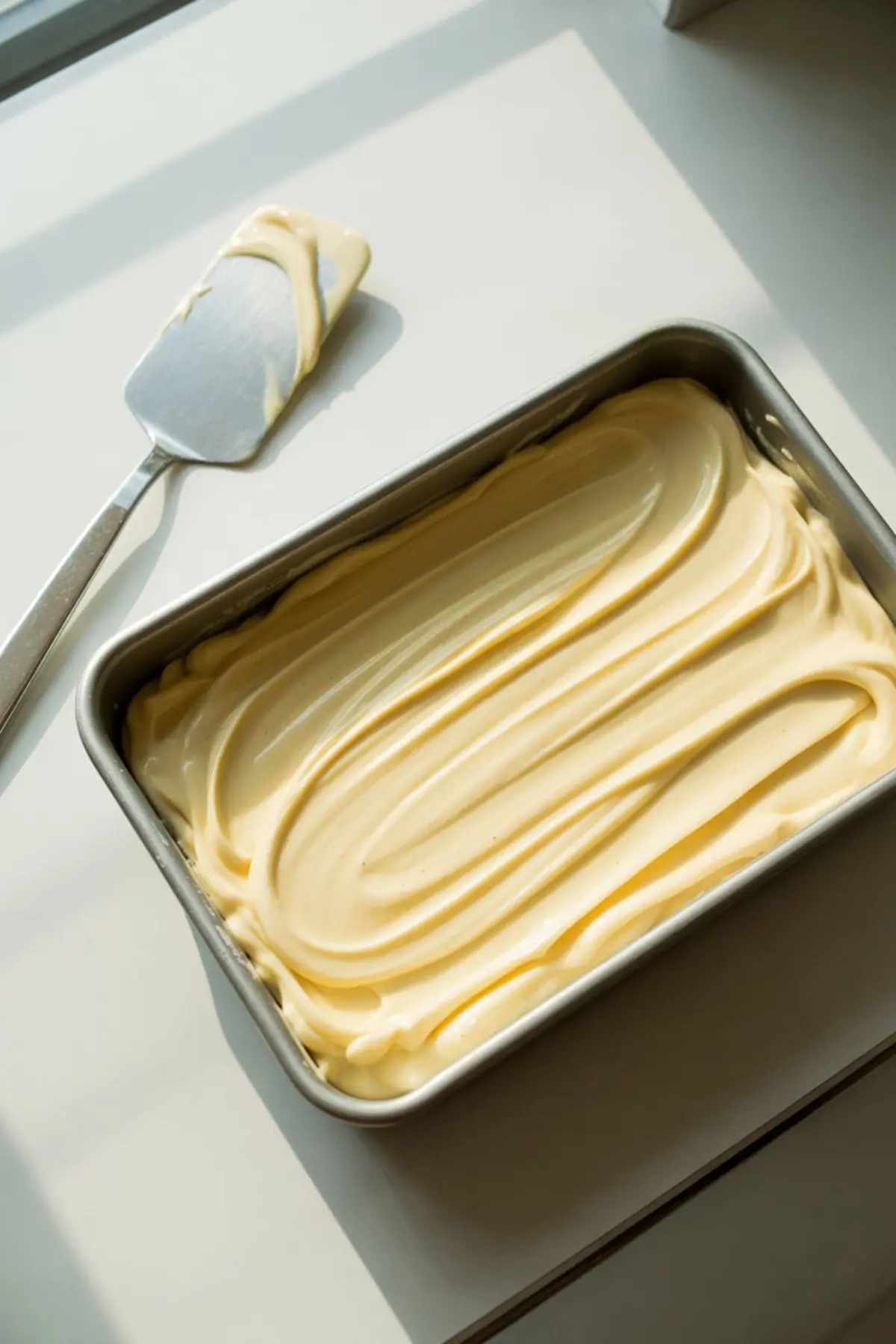
When you pour it into the pan, it will spread slowly, like thick yogurt. Smooth it out gently.
Avoid tapping the pan too hard, or you’ll knock the air right out.
How to Know the Cake Is Fully Baked
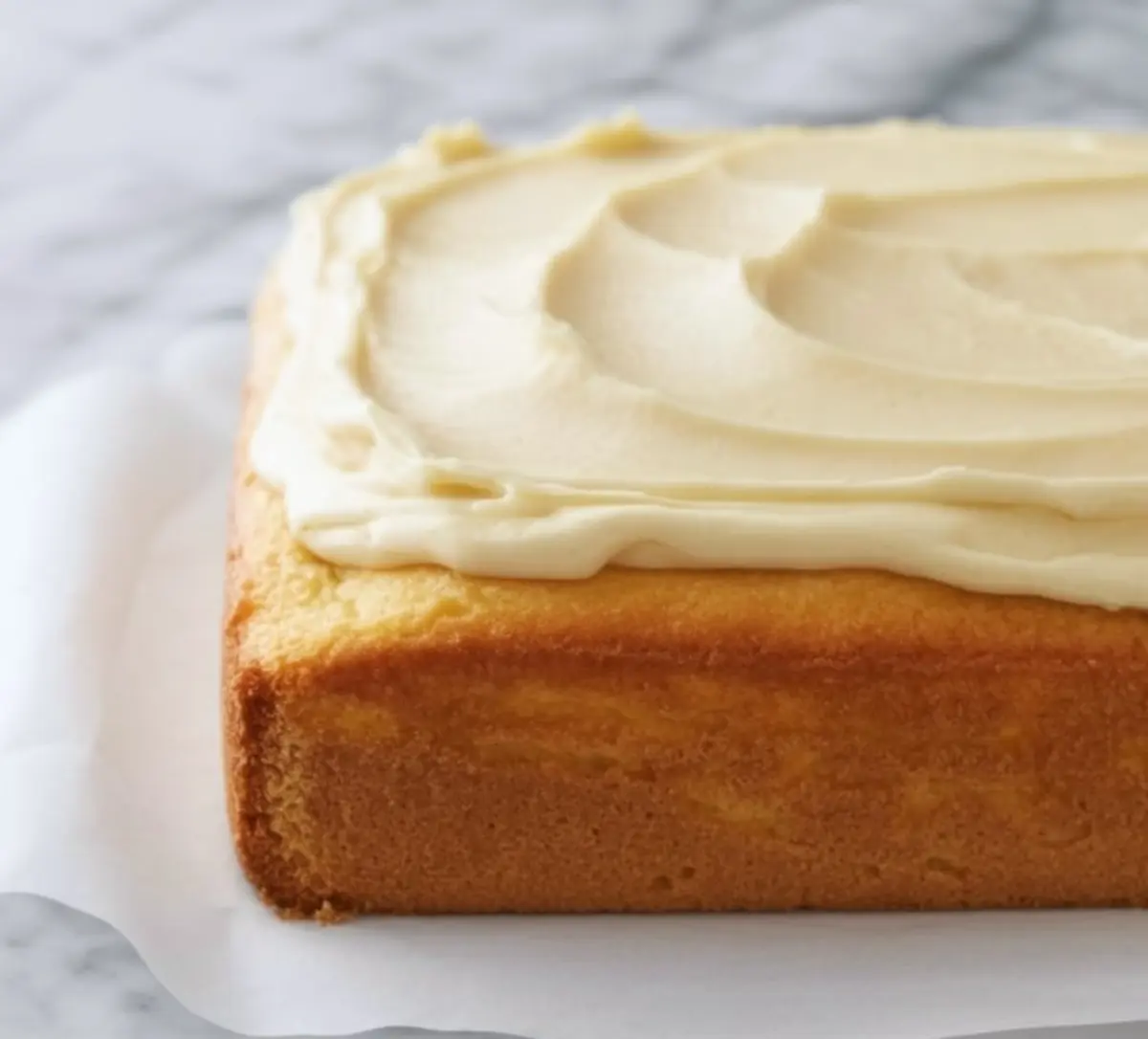
At 30 to 35 minutes, the cake should spring back when pressed lightly. A toothpick should come out clean, or with a few moist crumbs. If it looks wet, it’s not ready.
If it comes out dry, you’ve gone too far. Look at the edges. They’ll just start pulling from the sides of the pan.
You can also listen. If it’s still sizzling loudly, give it a few more minutes.
Common Cake Mistakes and How to Fix Them
Cake sinks in the center? The batter was likely overmixed. Stop as soon as the flour disappears.
Dry crumb? It was probably baked too long or at too high a heat. Check your oven with a thermometer.
Frosting slides off? The cake wasn’t cooled fully. Always wait until it’s room temperature.
Cake sticks to the pan? Grease well and line with parchment. Don’t skip this step.
Variations Worth Trying
Add 1 teaspoon of almond extract for a twist. It deepens the flavor without overpowering the vanilla.
Mix in ½ cup of sprinkles to turn it into a Simple Birthday Cake your kids will ask for every year.
Swap the frosting with chocolate glaze, like I do on this Moist Chocolate Sheet Cake, for something richer.
It’s similar in feel to my Peanut Butter Sheet Cake, where the batter is just firm enough to hold toppings.
Try topping it with fruit and whipped cream for a light summer vanilla dessert.
How to Store and Reheat
At room temperature, the frosted cake keeps well for up to 3 days, covered.
In the fridge, it stays fresh for 5 days. Let it come to room temperature before serving so the frosting softens.
To freeze, wrap slices individually. Thaw in the fridge overnight.
The crumb stays soft, but the frosting may need a fresh whisk before serving.
A Few Practical Tips
Use a metal 9×13 pan for even browning. Room temperature butter and eggs help everything mix smoothly.
Don’t rush the creaming step. It sets the foundation for the crumb. Keep an eye on the bake time. Overbaking dries it out fast.
Frost and add berries on top. Cut into squares and dust with powdered sugar.
Use it as a base for trifle. Serve plain with coffee in the morning. Pipe frosting roses for a more festive look.
Save This Recipe and Share Your Version
Pin this Vanilla Sheet Cake recipe to your board so you can find it again easily.
Have a favorite twist or tried a different frosting? Share it in the comments. I’d love to hear how it turned out for you.
Vanilla Sheet Cake
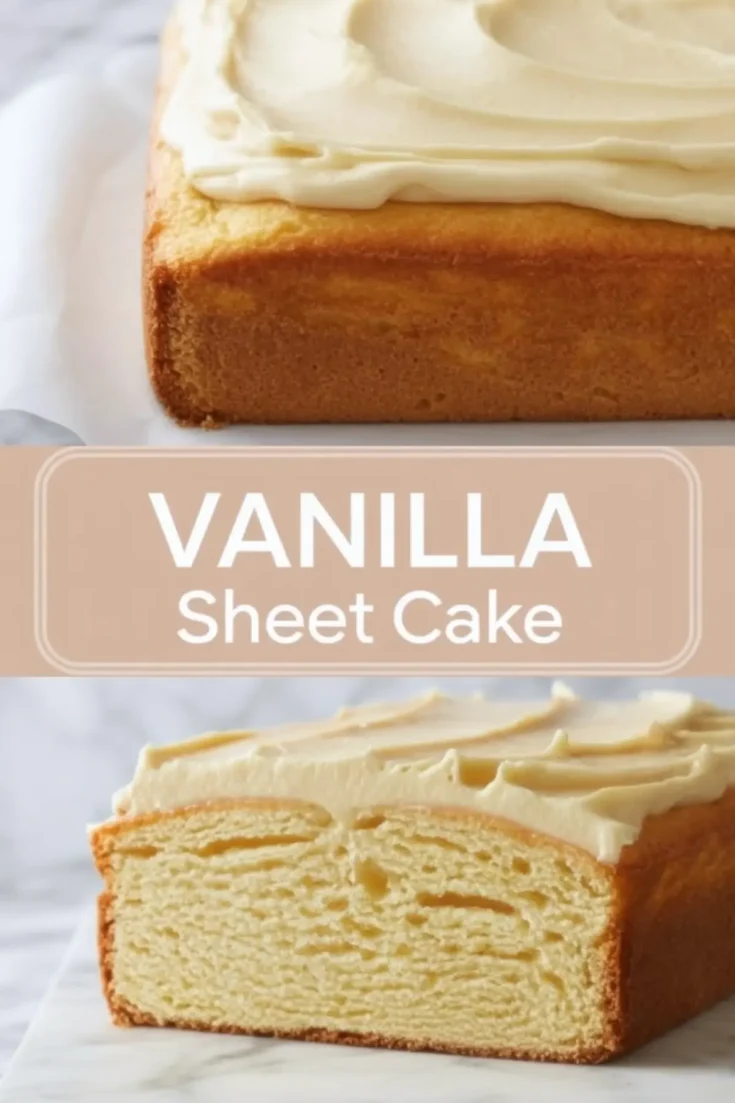
Light, fluffy, and easy to make, this Vanilla Sheet Cake is a go-to dessert for birthdays, potlucks, or casual get-togethers. The soft crumb, rich vanilla flavor, and simple ingredients make it a reliable choice for any occasion. Ideal for a 9x13 pan, this moist vanilla cake recipe comes together fast and works great with any frosting you like. From quick sheet cake recipes to classic vanilla desserts, this one checks all the boxes for simplicity, flavor, and crowd-pleasing results.
Ingredients
- FOR THE VANILLA SHEET CAKE:
- 2 ½ cups (315g) all-purpose flour
- 2 ½ teaspoons baking powder
- ½ teaspoon baking soda
- ½ teaspoon fine salt
- ¾ cup (170g) unsalted butter, softened
- 1 ¾ cups (350g) granulated sugar
- 3 large eggs, room temperature
- 2 teaspoons pure vanilla extract
- 1 cup (240ml) buttermilk, room temperature
- FOR THE CREAMY VANILLA FROSTING:
- 1 cup (226g) unsalted butter, softened
- 3 cups (360g) powdered sugar, sifted
- 2 tablespoons heavy cream or milk
- 1 tablespoon pure vanilla extract
- Pinch of salt
Instructions
- PREPARE THE PAN: Preheat the oven to 350°F (175°C). Grease a 9x13-inch baking pan and line the bottom with parchment paper for easy removal after baking.
- MIX DRY INGREDIENTS: In a medium bowl, whisk together the flour, baking powder, baking soda, and salt until evenly combined. Set aside.
- CREAM BUTTER AND SUGAR: In a large mixing bowl, beat the softened butter and granulated sugar together on medium speed for 3 to 4 minutes until the mixture is light and fluffy.
- ADD EGGS AND VANILLA: Add the eggs one at a time, beating well after each addition. Mix in the vanilla extract until fully incorporated.
- ALTERNATE WET AND DRY: Add the dry ingredients in three additions, alternating with the buttermilk. Begin and end with the dry ingredients. Mix each addition just until combined to avoid overmixing.
- TRANSFER TO PAN: Pour the batter into the prepared baking pan. Use a spatula to smooth the top into an even layer.
- BAKE: Bake the cake for 30 to 35 minutes, or until a toothpick inserted in the center comes out clean or with a few moist crumbs attached.
- COOL COMPLETELY: Allow the cake to cool fully in the pan on a wire rack before adding the frosting. Do not frost while warm.
- MAKE THE FROSTING: In a large bowl, beat the butter on medium speed for 2 minutes until smooth and creamy. Gradually add the sifted powdered sugar, one cup at a time, beating well and scraping the bowl as needed.
- ADD VANILLA AND CREAM: Add the vanilla extract, a pinch of salt, and the heavy cream or milk. Beat on medium-high speed for 3 to 4 minutes until the frosting becomes light, fluffy, and spreadable.
- FROST THE CAKE: Use an offset spatula or the back of a spoon to spread the frosting evenly over the cooled cake. Serve in slices and store leftovers covered at room temperature or in the refrigerator.
Notes
For a stronger vanilla flavor, use vanilla bean paste in place of extract.
Room temperature ingredients help the batter mix evenly and rise properly.
The frosted cake can be made a day ahead and stored covered in the refrigerator. Let it sit at room temperature before serving.
