

These homemade chocolate croissants are yeasted, laminated pastries made with 4 cups of flour, 1 cup of cold butter folded in as a block, and a stick of semisweet or dark chocolate rolled inside each one. The recipe makes 12 croissants and bakes at 375°F (190°C) for 15 to 20 minutes.
Plan on about 5 to 6 hours from first stir to first bite. Most of that is the dough sitting in the fridge or rising on the tray, so your hands are busy for well under 2 hours. The one thing that decides whether you get layers or bread: keep the butter cold enough to stay in sheets.

Following a special diet?
Every recipe on this site can be converted to gluten-free, vegan, dairy-free, keto, nut-free or egg-free with adjusted ratios so nothing falls flat.
Try the Recipe Converter →The Croissant Numbers in One List
- Yield: 12 croissants
- Dough: 4 cups (500 g) flour, ¼ cup (50 g) sugar, 2 tsp salt, 1 tbsp active dry yeast, 1 cup warm milk, ¼ cup warm water
- Butter block: 1 cup (230 g) cold unsalted butter, rolled to about 8 x 5 inches
- Folds: 3 letter folds, 30 minutes in the fridge after each
- Chocolate: 1 cup (175 g) chips or bar sticks, about 15 g per croissant
- Proof: 1 to 2 hours, until puffed and jiggly
- Bake: 375°F (190°C) for 15 to 20 minutes
The recipe card shows 1 hour 50 minutes because it counts hands-on work and oven time only. The chilling and the proof come on top of that.
Making the Yeasted Dough
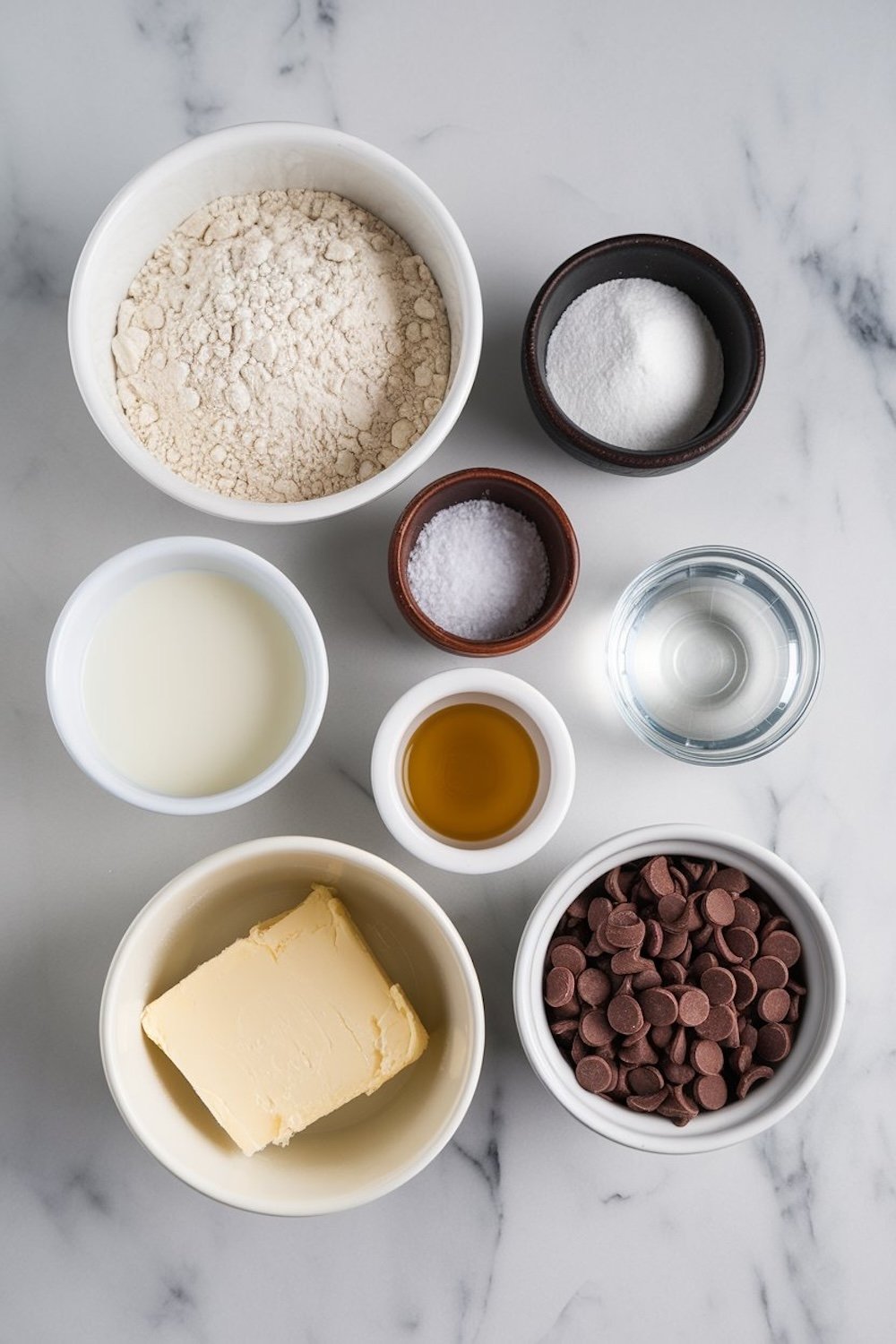
Warm the milk and water to about 105 to 110°F (40 to 43°C). It should feel warm on your wrist, never hot, because hot liquid can kill active dry yeast. Stir in the yeast and sugar and wait 5 to 10 minutes. You want a foamy, bubbly top. No foam after 10 minutes means the yeast is old, and it is better to start again than to laminate a dough that will not rise.
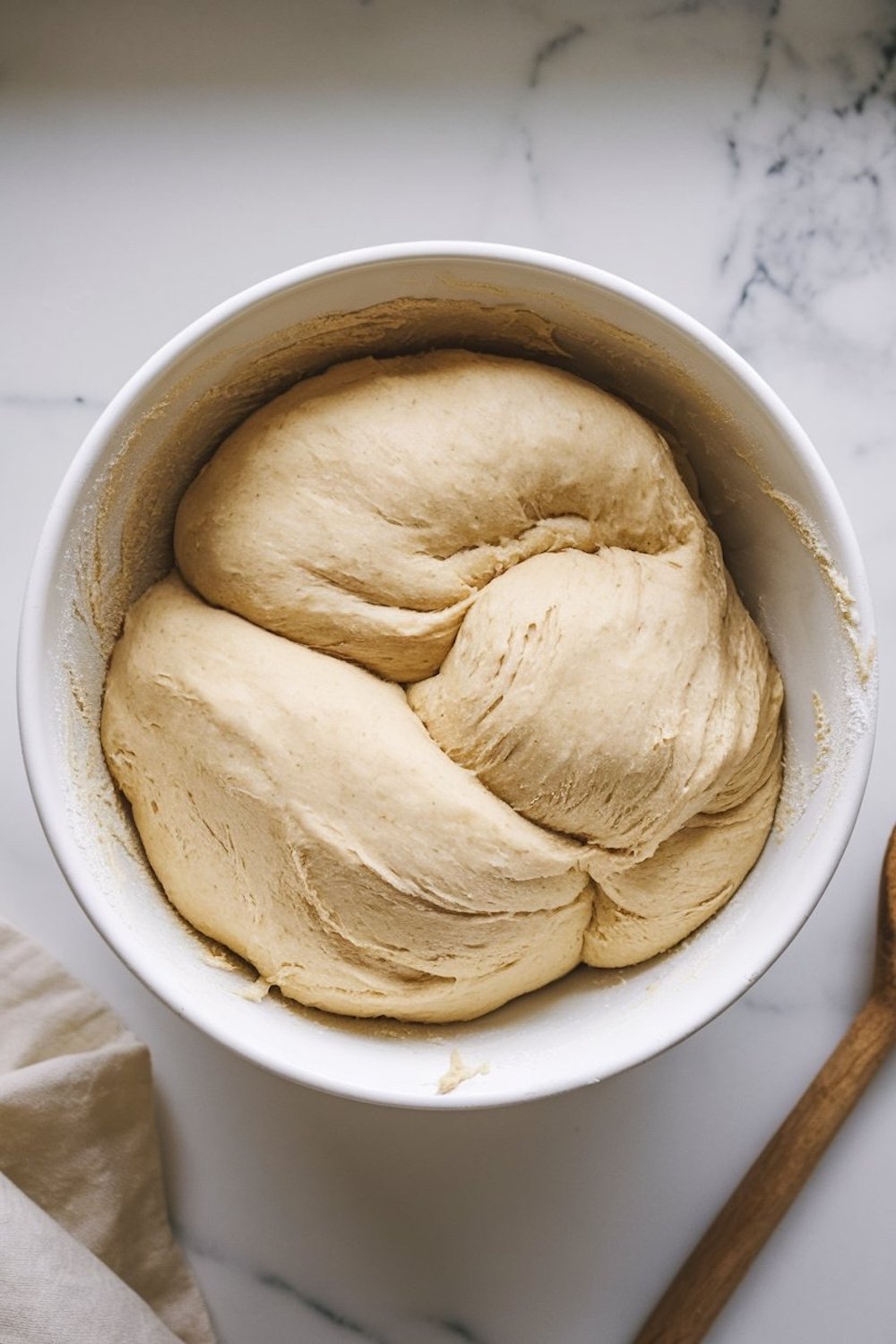
Add the flour and salt and knead for 8 minutes by hand or 4 minutes in a stand mixer, until the dough is smooth and springs back slowly when you press it. Flatten it into a rectangle, wrap it, and chill it for 1 hour. A rectangle now saves you a lot of rolling later.
The Butter Block and Three Letter Folds
Put the cold butter between two sheets of parchment and beat it with the rolling pin, then roll it into a neat rectangle about 8 x 5 inches. Chill it until firm but bendable. The test: lift a corner, and it should flex like a thick piece of cardboard without snapping. If it snaps, it is too cold. If it smears on your finger, it is too warm.
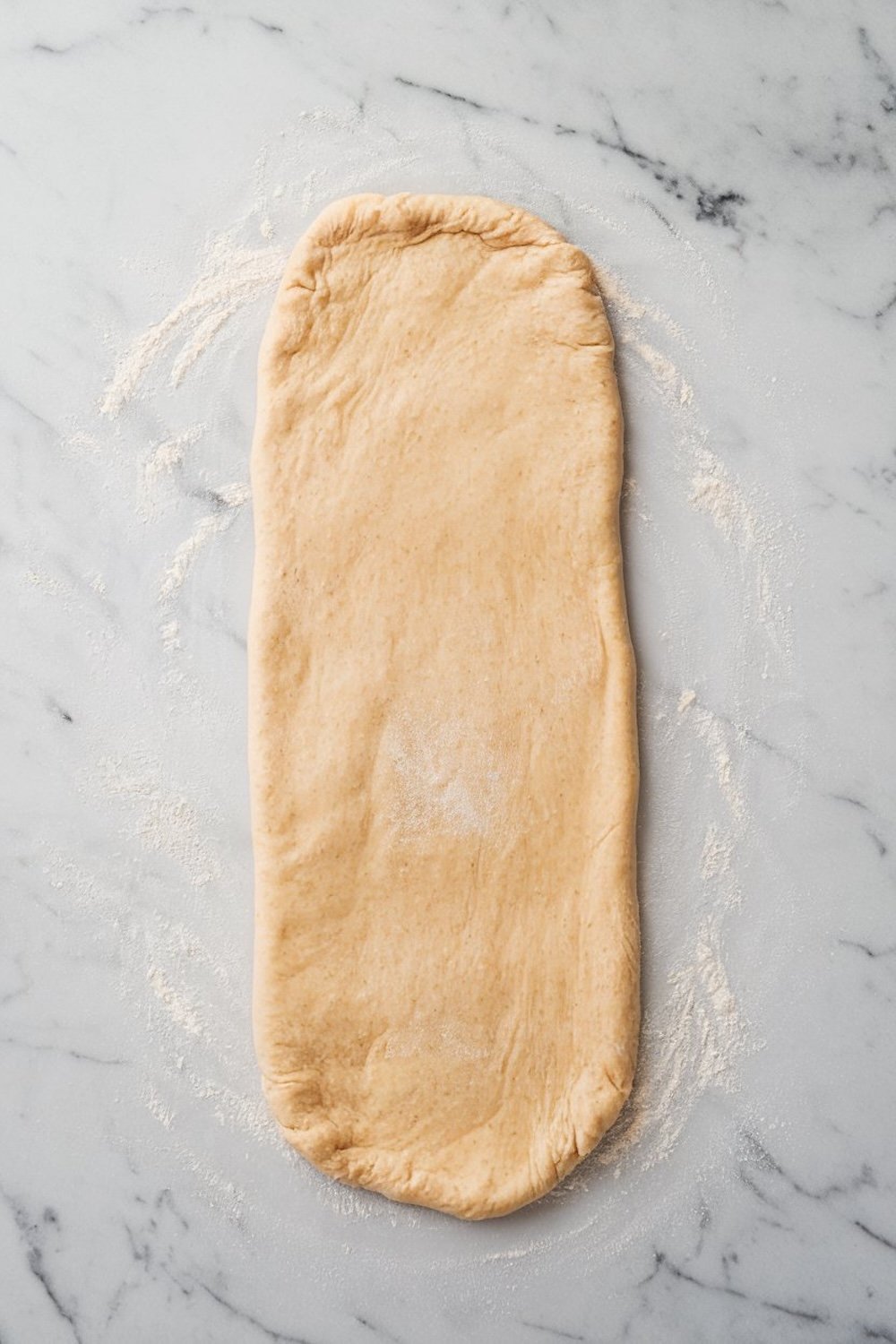
Roll the chilled dough to 16 x 10 inches, set the butter in the middle, and fold the dough over it like an envelope, pinching the seams closed. Roll the package out to 20 x 10 inches and fold it in thirds like a letter. That is fold one. Chill 30 minutes, then do it twice more, with 30 minutes in the fridge after each.
When the Butter Cracks or Goes Soft
Cracking under the pin means the butter is colder than the dough. Let the whole thing sit on the counter for 5 minutes and try again. Butter showing through the dough or feeling greasy means it is too warm. Wrap it and chill for 15 to 20 minutes before the next roll. Dough and butter should feel about the same firmness, and a light dusting of flour is all the pin needs.
Chocolate Chips or Bar Sticks Inside?
Both work, and the card allows either. Bar chocolate cut into sticks is the better pick: a stick sits in one line across the wide end of the triangle, rolls up neatly, and melts into a seam of chocolate through the middle. Chips taste just as good but roll around while you shape, and a few always try to escape. If you use chips, press about 1 tablespoon (roughly 15 g) into the dough at the wide end before rolling.
Semisweet gives a sweeter, milder center. Dark chocolate around 60 to 70 percent cocoa stands up better against all that butter.
Cutting and Rolling the Croissants
Roll the laminated dough to a 24 x 12 inch rectangle and cut it into 12 long triangles. Press a sharp knife or pizza wheel straight down rather than dragging it. A dull, dragging blade squashes the layers together at the edges, and those edges will not rise as high.
Lay the chocolate across the wide end, roll toward the tip with a light hand, and set each croissant on a parchment-lined baking sheet with the tip tucked underneath. Leave a good 2 inches between them; they nearly double.
Proofing Without Melting the Layers
Cover the tray loosely with plastic wrap and leave it somewhere warm for 1 to 2 hours. Warm means a cozy room, about 75 to 78°F (24 to 26°C). Above roughly 80°F (27°C) the butter softens and starts to slide out of the layers, so skip the spot on top of the radiator.
They are ready when they look puffy, the layers show at the sides, and the tray jiggles them a little when you nudge it. A gently pressed side should spring back slowly.
Egg Wash and the 375°F Bake
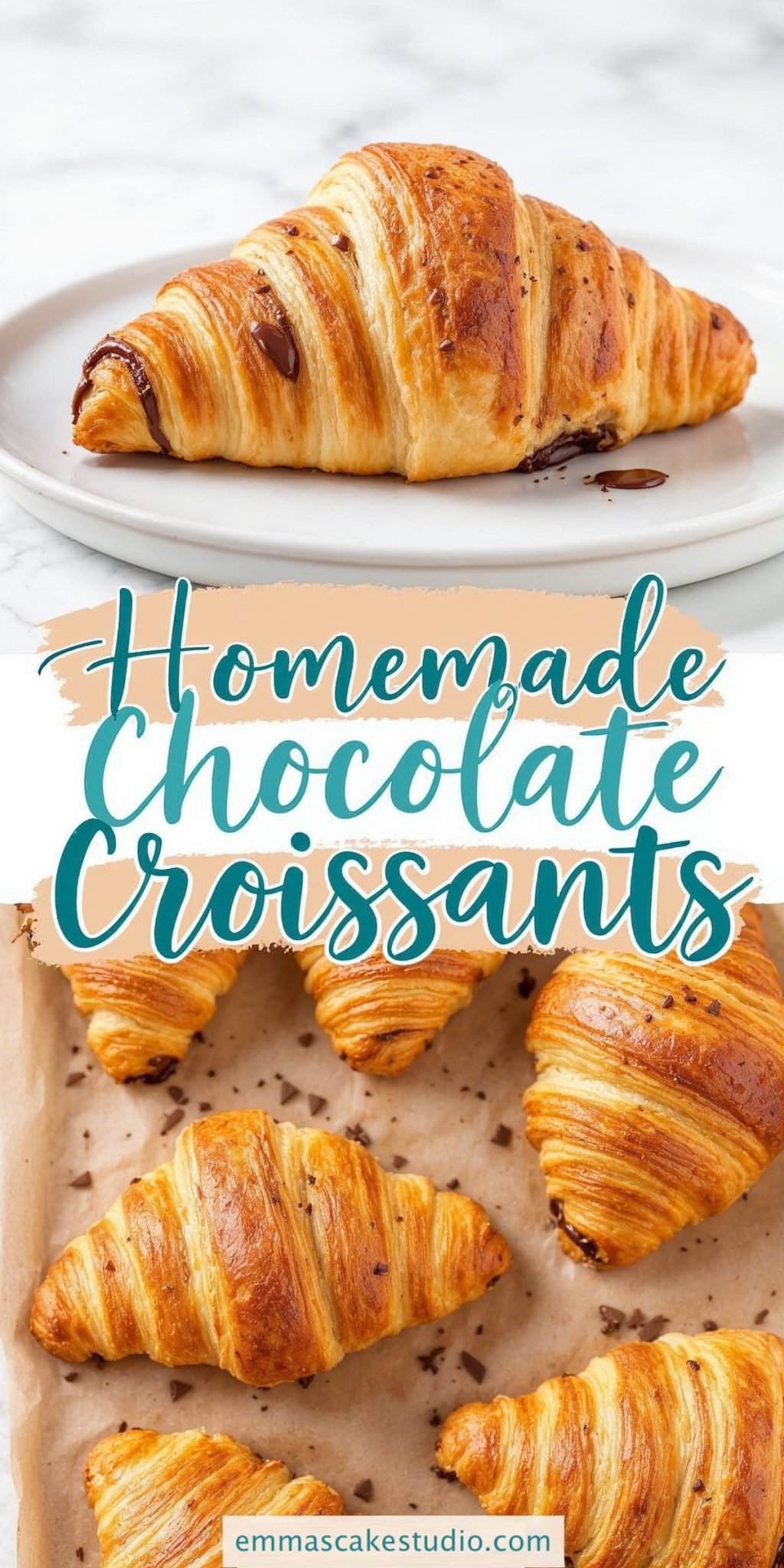
Preheat the oven to 375°F (190°C). Whisk the egg with 1 tablespoon of milk and brush it over the tops in one gentle pass, keeping it off the cut edges so it does not glue the layers shut. Bake for 15 to 20 minutes, until deep golden brown all over, including the underside.
Do not pull them at pale gold. Pale croissants are often doughy in the center. Give them 10 minutes on the tray, because the chocolate inside is hot enough to burn.
Why Butter Leaks Out of Croissants in the Oven
- A puddle of butter on the tray: the croissants were under-proofed or proofed too warm. Next batch, give them the full jiggle test at a cooler spot.
- Bready inside, no honeycomb: the butter melted into the dough during folding. Chill longer between folds and work quickly.
- Croissants unrolled while baking: the tip was not tucked under, or they were rolled too loosely.
- Pale and soft: pulled too early. Go by color, not the timer.
A Weekend Timeline for Fresh Croissants
Saturday afternoon: make the dough, chill it for 1 hour, then do the butter block and the three folds. After the last fold, wrap the dough well and leave it in the fridge overnight. Cold dough is easier to roll, so this break helps more than it hurts.
Sunday morning: roll, cut, shape and fill, then proof for 1 to 2 hours and bake. You can also freeze the shaped, unbaked croissants on a tray, bag them once firm, and keep them for up to a month. Let them thaw and proof on a lined tray (overnight in the fridge, then at room temperature until puffy) before baking.
Baked croissants are best the same day. Keep leftovers in a paper bag for a day and warm them at 350°F for about 5 minutes to crisp the outside again.
Serving Them, and What to Bake Next

Serve them warm with coffee, or dress them up with a spoon of chocolate ganache and fresh raspberries. A pinch of flaky sea salt on the chocolate before rolling is a small change that works well. Smaller triangles make mini croissants for a brunch tray; check them a few minutes early.
Day-old croissants are good in a blueberry cream cheese croissant casserole, or split and filled with almond croissant filling and baked again. For more French-style pastry, try chocolate eclairs filled with vanilla pastry cream, or the quicker chocolate dipped churros. If you like a soft, rich yeasted dough without the folding, cinnamon babka is a good next bake.
Short Answers About Chocolate Croissants
Can I make chocolate croissants from scratch in one day?
Yes. Start in the morning and you can bake by mid-afternoon: about 5 to 6 hours in total, mostly chilling and proofing.
Is this a croissant or a pain au chocolat?
These are rolled crescent-style croissants with chocolate inside. A pain au chocolat uses the same dough cut into rectangles and folded around two sticks of chocolate.
Can I use instant yeast?
Yes, use the same 1 tablespoon. You can skip the foaming wait, but warm liquid still helps the dough get going.
Homemade Chocolate Croissants Recipe

These homemade chocolate croissants are flaky, laminated yeast pastries made with all-purpose flour, warm milk, active dry yeast, cold butter and a stick of semisweet or dark chocolate rolled inside each one. The recipe makes 12 croissants and bakes at 375°F for 15 to 20 minutes; plan on about 5 to 6 hours in total, since the dough chills between three letter folds and proofs for 1 to 2 hours. The layers come from a cold butter block sealed inside the dough, so keep it firm but bendable. Serve them warm with coffee, at brunch, or split with ganache and berries. Bar sticks melt more evenly than chocolate chips. Freeze shaped, unbaked croissants for up to a month.
Ingredients
- FOR THE DOUGH
- 4 cups (500g) all-purpose flour
- 1/4 cup (50g) granulated sugar
- 2 tsp salt
- 1 tbsp active dry yeast
- 1 cup (240ml) whole milk, warmed
- 1/4 cup (60ml) water, warmed
- 1 cup (230g) unsalted butter, cold (for laminating the dough)
- FOR THE FILLING
- 1 cup (175g) semisweet or dark chocolate chips or chocolate bars, cut into sticks
- FOR THE EGG WASH
- 1 egg
- 1 tbsp milk
Instructions
Notes
Butter for laminating should bend without snapping. If it cracks while rolling, rest the dough 5 minutes; if it feels greasy or shows through, chill 15 to 20 minutes.
Warm the milk and water to 105 to 110°F (40 to 43°C). No foam after 10 minutes means the yeast is inactive.
Proof in a warm spot under about 80°F (27°C). Butter leaking onto the tray in the oven means the croissants were under-proofed or proofed too warm.
Chocolate bars cut into sticks (about 15 g per croissant) melt more evenly than chips.
Make ahead: after the third fold the dough can rest overnight in the fridge. Shaped, unbaked croissants freeze for up to 1 month; thaw and proof before baking. Baked croissants are best the same day; rewarm at 350°F for 5 minutes.
Nutrition Information
Yield
12Serving Size
1Amount Per Serving Calories 310Total Fat 10gSaturated Fat 4gTrans Fat 0gUnsaturated Fat 4gCholesterol 36mgSodium 500mgCarbohydrates 47gFiber 2gSugar 5gProtein 7g

Instead of chocolate, can you substituted for cream cheese?
Great question, Charlotte. Cream cheese won’t really work as a direct swap for the chocolate filling since it has a higher moisture content and doesn’t hold up the same way during baking. What you can do is make a sweetened cream cheese filling (like the kind used in Danish pastries) and spread a thin layer inside before rolling. It gives you a tangy, cheesecake-like croissant instead of the classic chocolate version.