
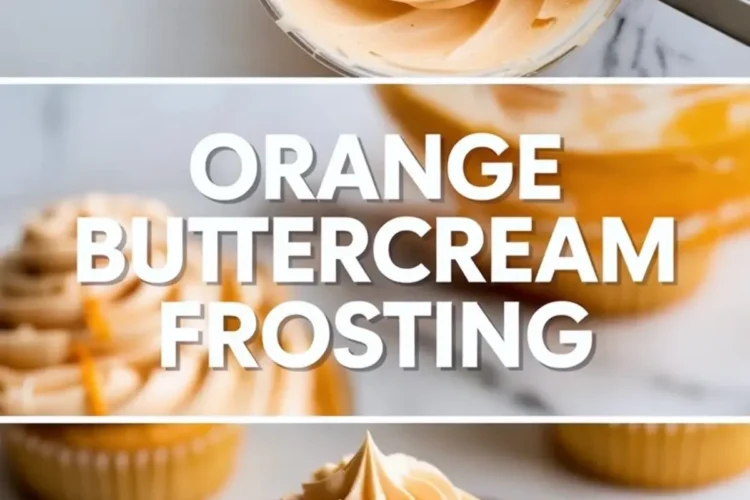
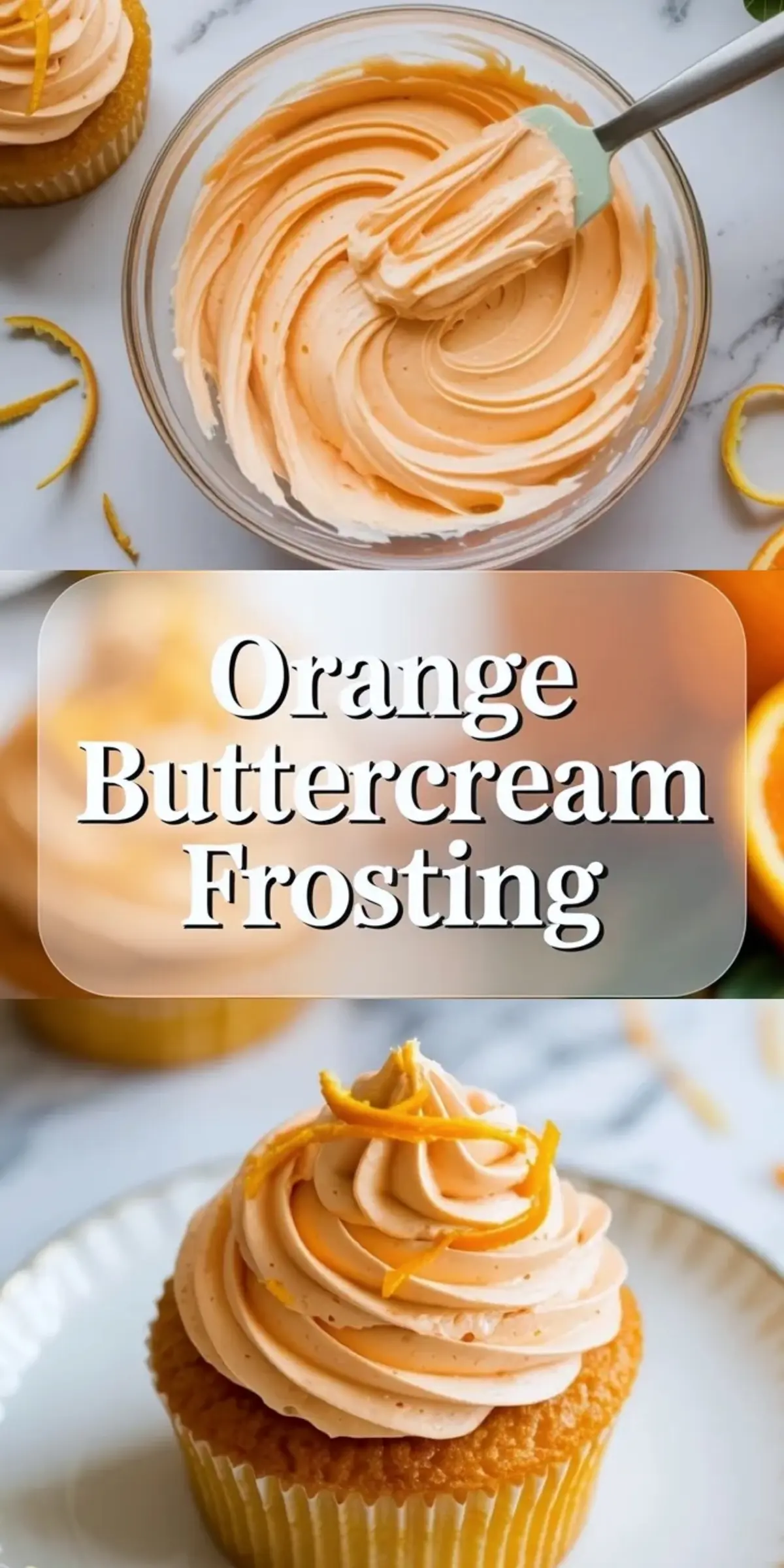
This orange buttercream frosting is 1 cup of softened butter beaten with 3 to 4 cups of powdered sugar, 2 tablespoons of fresh orange juice and 1 tablespoon of orange zest, rounded out with vanilla, a splash of cream and a pinch of salt. It takes about 20 minutes and frosts 12 to 16 cupcakes or one 8 inch layer cake.
The zest carries the flavor. Juice sharpens it. Keep that balance and you get a frosting that tastes of real orange, yet spreads and pipes like a plain vanilla buttercream.
Following a special diet?
Every recipe on this site can be converted to gluten-free, vegan, dairy-free, keto, nut-free or egg-free with adjusted ratios so nothing falls flat.
Try the Recipe Converter →Orange Zest vs Juice in Buttercream
Most of the orange taste sits in the oils of the peel, not in the juice. A tablespoon of zest gives the frosting a clear, fresh orange smell. Two tablespoons of juice add tang, and that is about as much liquid as a cup of butter takes before it starts to soften and slide.
Need more orange? Add zest, not juice. Another teaspoon of zest or a few drops of orange extract makes it stronger and leaves the texture alone. Zest only the bright orange skin, and do it straight over the bowl so the oils land in the frosting. The white pith underneath is bitter.
One medium orange usually gives you enough zest and juice for a batch, and the recipe allows for two if yours are small. Lemon buttercream frosting works the same way, with a sharper edge.
Mixing Orange Buttercream Step by Step
Beat the butter on medium for 2 to 3 minutes, until smooth, creamy and a shade paler. Take your time here. It should be soft enough to dent easily with a finger but not shiny or greasy. Melted butter never whips back up.
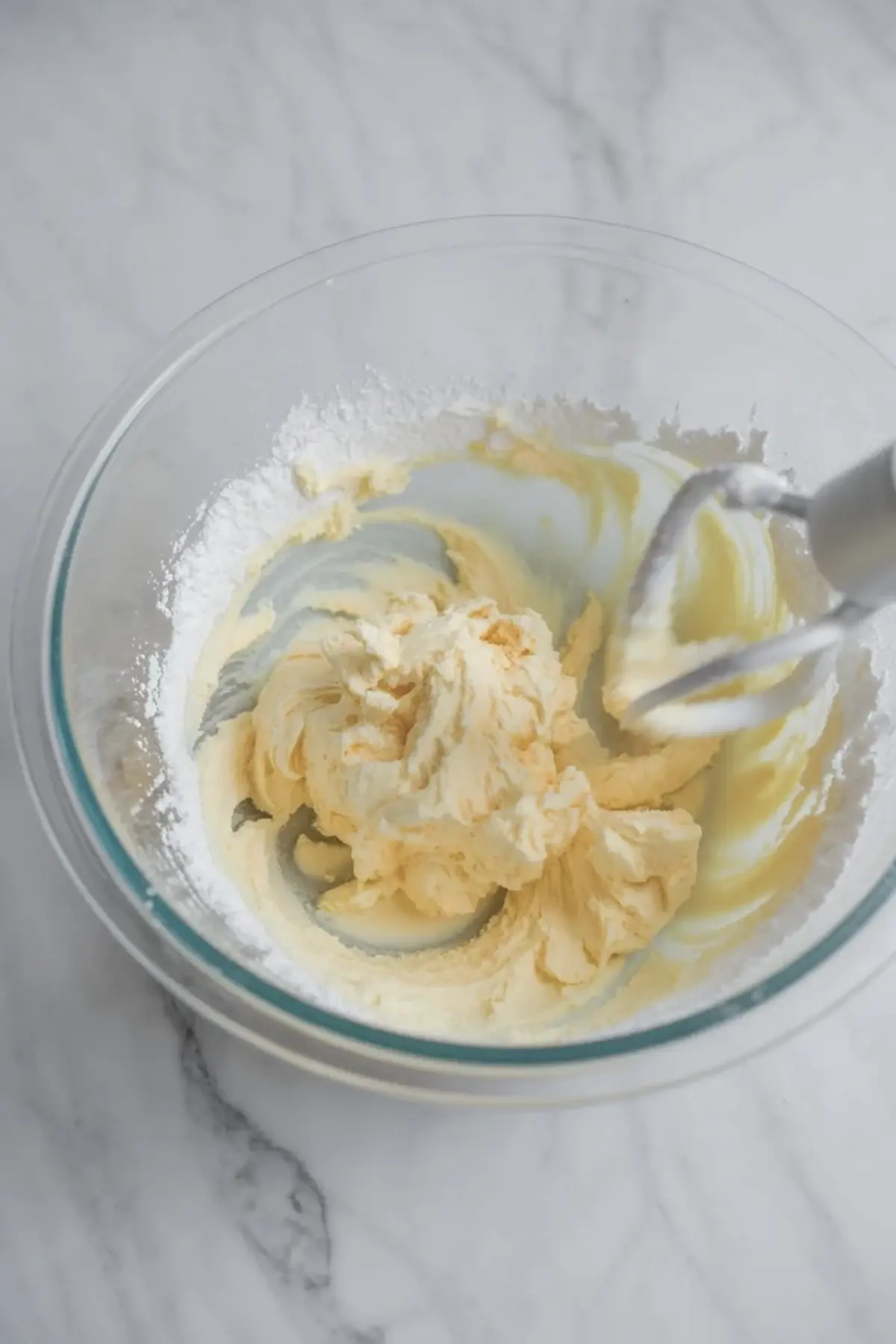
Add 2 cups of the powdered sugar and mix on low until it disappears, then on medium until smooth. Now pour in the orange juice and add the zest and vanilla. Beat until it is evenly flecked with orange.
Add the rest of the powdered sugar one cup at a time. Check after each cup. Taste, too. Then add cream or milk a tablespoon at a time, only if it needs it. The juice already loosens the frosting, so you may use less cream than the recipe lists. Finish with the pinch of salt and beat for one more minute.
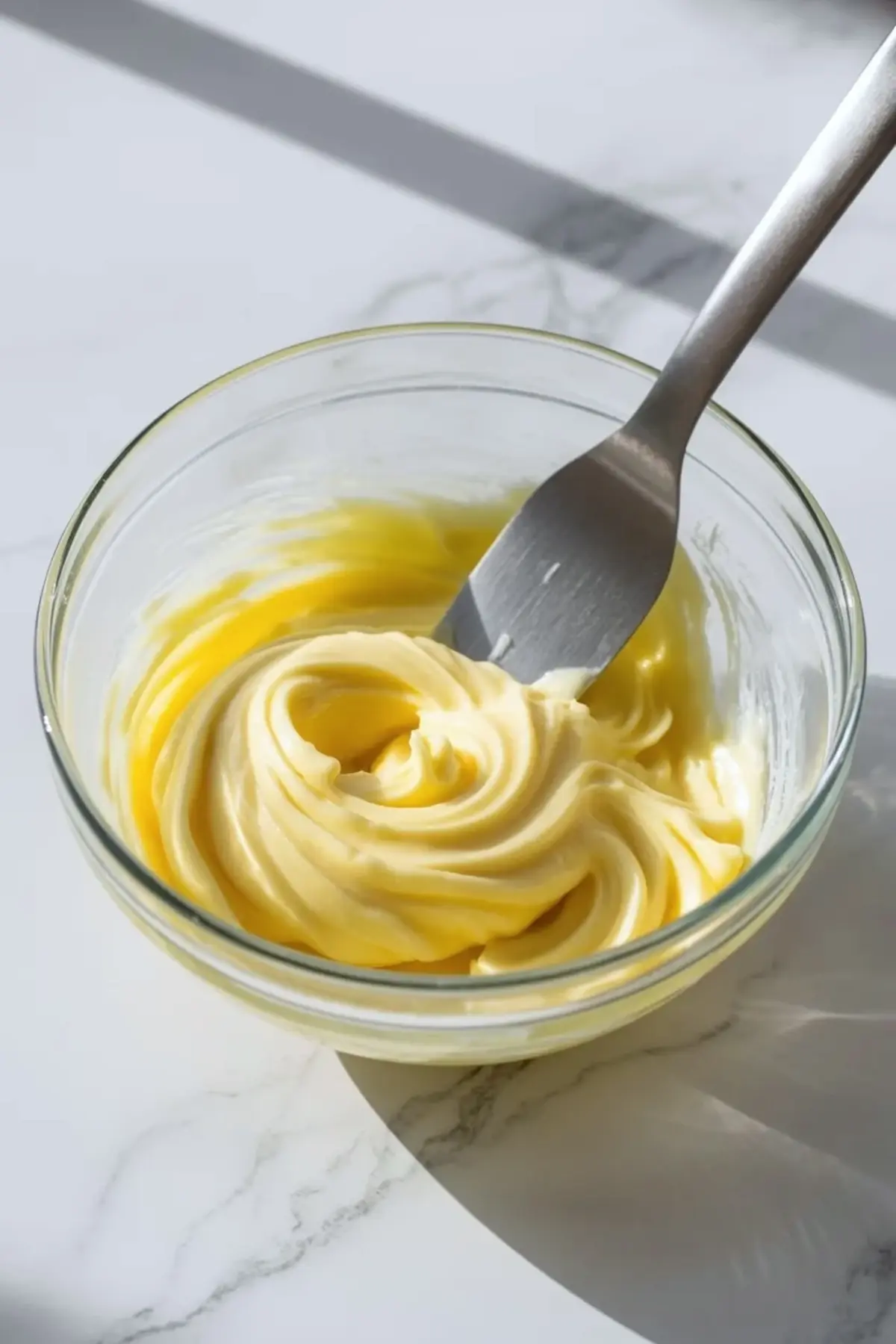
It is ready when a spoonful holds a soft peak and a swirl keeps its ridges. If it is too soft to pipe, refrigerate it for 10 to 15 minutes and beat it again briefly.
Fixing Curdled, Runny or Bitter Orange Frosting
- Looks curdled or split after the juice goes in: the juice or the butter was cold. Keep beating for a minute or two. If it stays lumpy, warm the outside of the bowl with a warm towel for a few seconds and beat again.
- Too soft or sliding off cupcakes: chill for 10 to 15 minutes and rewhip. A warm kitchen softens butter quickly, so this works better than piling in sugar.
- Too stiff to spread: beat in cream or milk a tablespoon at a time.
- Bitter aftertaste: white pith got into the zest. Use a light hand on the zester next time.
- Too sweet: stop at 3 cups of powdered sugar and add one more pinch of salt.
- Not orange enough: add zest or a little orange extract, never extra juice.
How to Make Orange Colored Frosting
Made with only zest and juice, this frosting is pale ivory with tiny orange flecks. It tastes of orange. It does not look orange.
For an orange colored frosting, use gel food coloring. Orange gel is the quickest, or mix two parts yellow gel with one part red. Go slowly. Add it on a toothpick, a little at a time, and beat after each addition. Liquid food coloring thins buttercream, so you would need to add more sugar to get the body back. Stop a shade lighter than you want; the color deepens as it sits for an hour or so.
Best Cakes for Orange Buttercream

Chocolate and orange is the pairing people come back to. Spread it over a sour cream chocolate cake or chocolate cupcakes. On a vanilla cake it gives a plain sponge a clear citrus flavor. For an orange cake, it doubles the orange, so a thin layer of orange curd between the layers and this frosting outside is a good match.
One batch covers 12 to 16 cupcakes, fewer if you pipe tall swirls, or one 8 inch layer cake, and for a thick coat with piped borders on that cake you will want one and a half batches.
For a tangier orange cream frosting, add the same tablespoon of zest to cream cheese frosting. For something less sweet and silkier, flavor Swiss meringue buttercream with zest instead.
Keeping Orange Buttercream in the Fridge
Store the frosting in an airtight container in the refrigerator for up to 3 days. Let it sit at room temperature for about an hour, until it softens, then rewhip it until fluffy. The orange smell comes back.
Frosted cupcakes can sit at cool room temperature for a few hours. In a warm room, keep them in the fridge and set them out about 30 minutes before serving.
Orange Buttercream Frosting

This orange buttercream frosting is a smooth, fluffy orange frosting made with softened butter, powdered sugar, fresh orange juice, orange zest and vanilla. It takes about 20 minutes and frosts 12 to 16 cupcakes or one 8 inch layer cake, and it holds soft piped swirls. The zest gives most of the orange flavor, so the frosting tastes clearly of orange without extra juice thinning it. Use this orange frosting recipe on chocolate cake, vanilla cake, orange cake or orange cupcakes. Add orange gel color for an orange colored frosting, or more zest for a stronger flavor. It keeps up to 3 days in the fridge; rewhip before using.
Ingredients
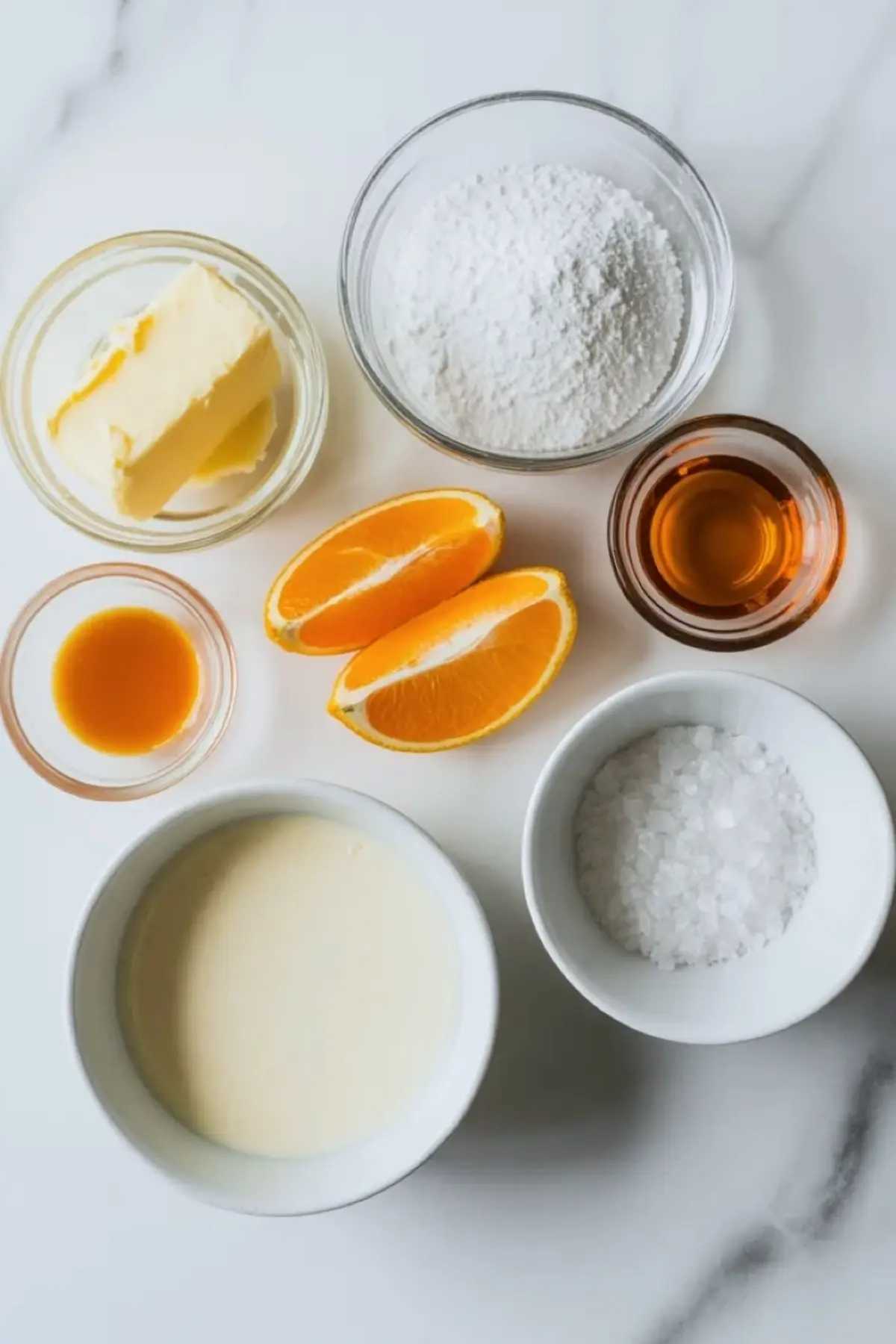
- 1 cup (226 g) unsalted butter, softened
- 3 to 4 cups (360–480 g) powdered sugar
- 2 tablespoons fresh orange juice
- 1 tablespoon orange zest (from 1–2 oranges)
- 1 teaspoon vanilla extract
- 2 to 3 tablespoons heavy cream or milk
- Pinch of salt
Instructions
STEP 1: BEAT BUTTER: Place softened butter in a large mixing bowl and beat on medium speed for 2 to 3 minutes until smooth and creamy. Ensure the butter is soft but not melted to maintain structure.
STEP 2: ADD INITIAL SUGAR: Add 2 cups of powdered sugar and mix on low speed until combined, then increase to medium speed until the mixture becomes smooth.
STEP 3: ADD FLAVORING: Pour in fresh orange juice, add orange zest, and vanilla extract. Beat on medium speed until fully incorporated and evenly flavored.
STEP 4: ADJUST SWEETNESS AND TEXTURE: Gradually add the remaining powdered sugar one cup at a time, mixing well after each addition. Add heavy cream or milk one tablespoon at a time as needed to reach a light, fluffy consistency.
STEP 5: BALANCE FLAVOR: Add a pinch of salt and beat for another minute to enhance the overall flavor and balance sweetness.
STEP 6: FINAL CONSISTENCY CHECK: Check the texture. If the frosting is too soft, refrigerate for 10 to 15 minutes before using. Frosting should be smooth and easy to spread or pipe.
Notes
Use fresh zest and juice; zest only the orange skin, the white pith is bitter.
Let the juice come to room temperature. Cold juice can make the buttercream look curdled; keep beating to bring it back.
For more orange flavor, add zest or a few drops of orange extract instead of more juice.
For an orange colored frosting, use orange gel color (or 2 parts yellow to 1 part red), a little at a time.
If the frosting is too soft, chill 10 to 15 minutes and rewhip. Store in an airtight container in the refrigerator for up to 3 days; soften and re-whip before use.
Nutrition Information
Yield
14Serving Size
1Amount Per Serving Calories 248Total Fat 16gSaturated Fat 10gUnsaturated Fat 6.0gCholesterol 43mgSodium 3.6mgCarbohydrates 26gFiber 0.1gSugar 25gProtein 0.3g
