
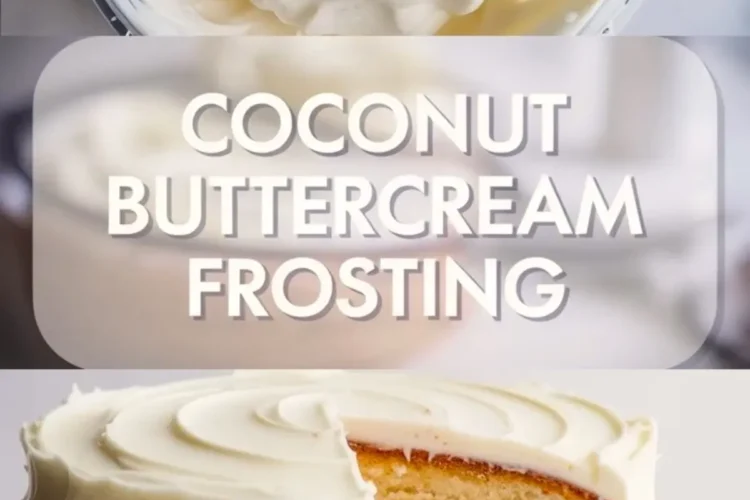
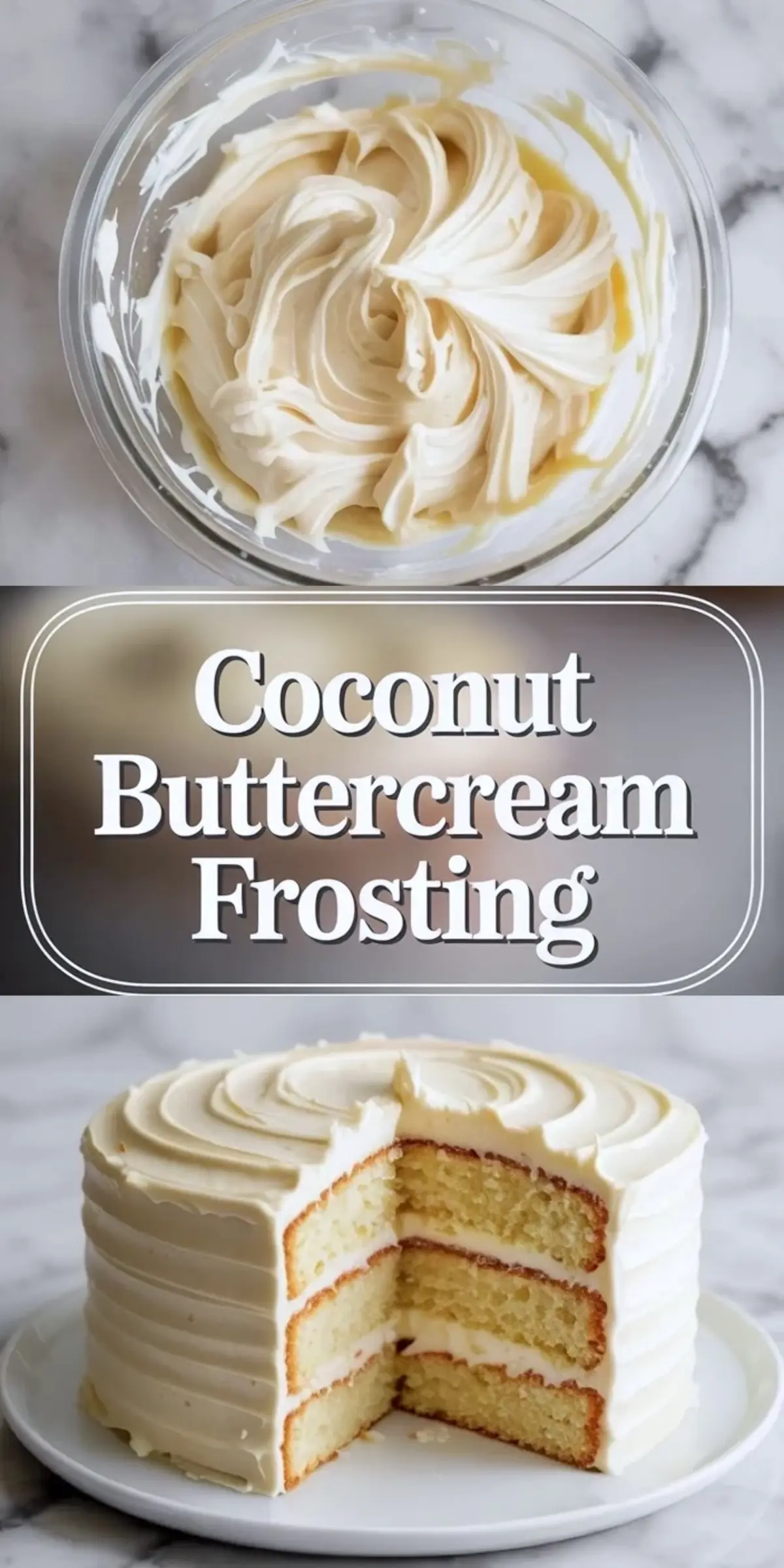
This coconut buttercream frosting is a fluffy, pipeable frosting made with 1 cup of butter, 4 cups of powdered sugar, 2 to 3 tablespoons of full fat coconut milk, and pure coconut extract. It whips up in about 15 minutes and frosts one 2 layer 8 inch cake or 12 to 18 cupcakes.
The coconut flavor comes from two places. Coconut milk gives a creamy background note, and coconut extract gives the clear, bright coconut taste that coconut milk alone cannot deliver. Whipping the butter until pale before the sugar goes in keeps the texture light instead of dense.
Following a special diet?
Every recipe on this site can be converted to gluten-free, vegan, dairy-free, keto, nut-free or egg-free with adjusted ratios so nothing falls flat.
Try the Recipe Converter →Coconut Buttercream by the Numbers
- Ratio: 1 cup (226 g) butter to 4 cups (480 g) powdered sugar
- Liquid: 2 tablespoons coconut milk, plus 1 more if too thick
- Flavor: 1 teaspoon coconut extract and ½ teaspoon vanilla
- Time: about 15 minutes
- Covers: one 2 layer 8 inch cake or 12 to 18 cupcakes
- Storage: airtight in the fridge for up to 5 days
Best Frosting for Coconut Cake
For a classic coconut layer cake, this coconut buttercream is the one I reach for. It is sturdy enough to hold three layers and clean swirls, and it tastes of coconut instead of plain sweet butter. Press toasted or shredded coconut onto the sides once it is frosted for the traditional look.
If you want a tangier icing for coconut cake, my coconut cream cheese frosting balances the sweetness with cream cheese. For a light, barely sweet finish, coconut whipped cream works on sheet cakes and summer layer cakes. This buttercream is the best choice when the cake needs structure, piping, or has to sit out at a party. It is the airy texture I want on cakes like my Southern style sour cream coconut cake.
Coconut Milk, Coconut Cream, or Cream of Coconut?
These three get mixed up constantly, and they behave very differently in frosting. This recipe uses full fat canned coconut milk: unsweetened, creamy, and just thick enough to loosen the frosting without thinning its structure. Shake the can well before measuring.
Coconut cream is the thick layer from the top of the can. Replacing 1 tablespoon of the coconut milk with coconut cream makes a richer, thicker coconut cream buttercream. Cream of coconut is a different product entirely: it is heavily sweetened, syrupy, and made for drinks. It is not a direct swap for the coconut milk in this recipe.
The Ingredients and Why They Matter
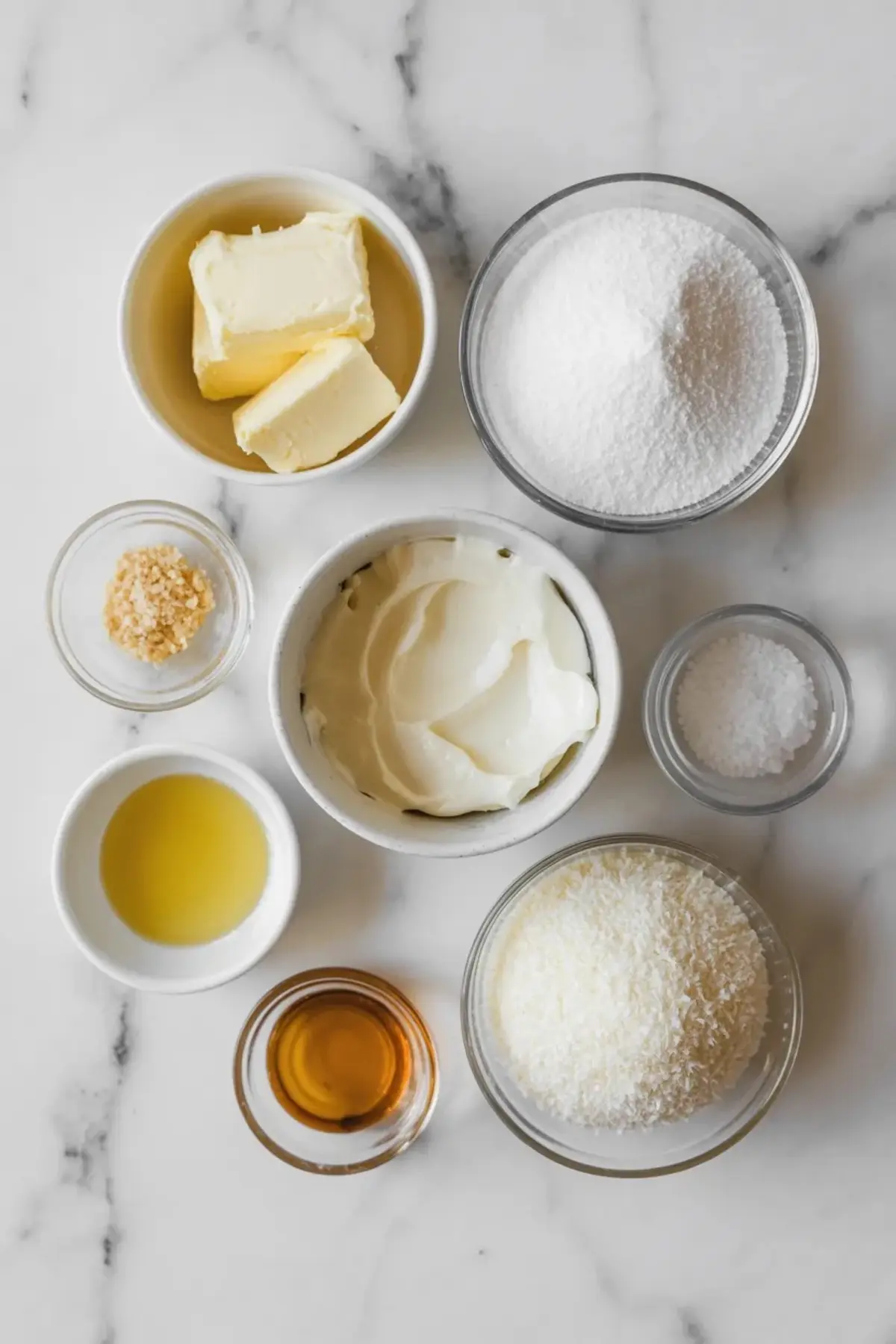
Unsalted butter carries the coconut flavor. Choose butter that feels cool but soft at room temperature; overly soft butter loses structure and makes a greasy frosting. Sift the powdered sugar, because tiny lumps show up when you pipe.
Coconut extract drives the flavor. Start with 1 teaspoon, taste, and add another ¼ teaspoon if you want it stronger. I use pure extract because imitation versions taste flat and leave a slightly bitter note. Vanilla rounds the coconut out, and a pinch of salt keeps the sweetness in check. I never skip it.
Whipping It Up
Beat the softened butter on medium speed for 2 to 3 minutes until it turns pale and fluffy. That color change tells you air has gone in, and that air is what makes the frosting light.
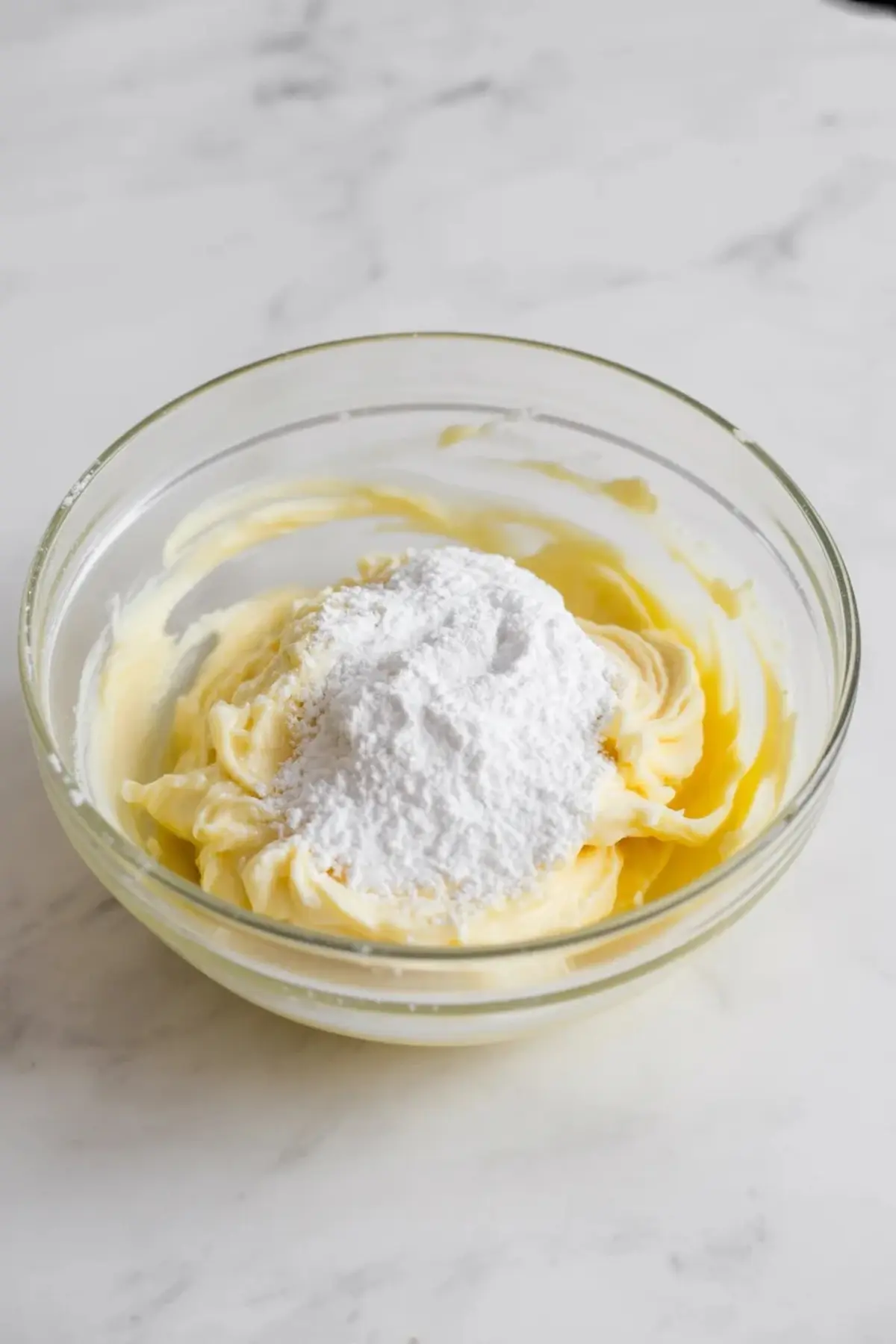
Add the powdered sugar one cup at a time, starting on low so it does not fly out of the bowl, then increase to medium. Scrape the bowl often, because hidden pockets of butter make the texture uneven.
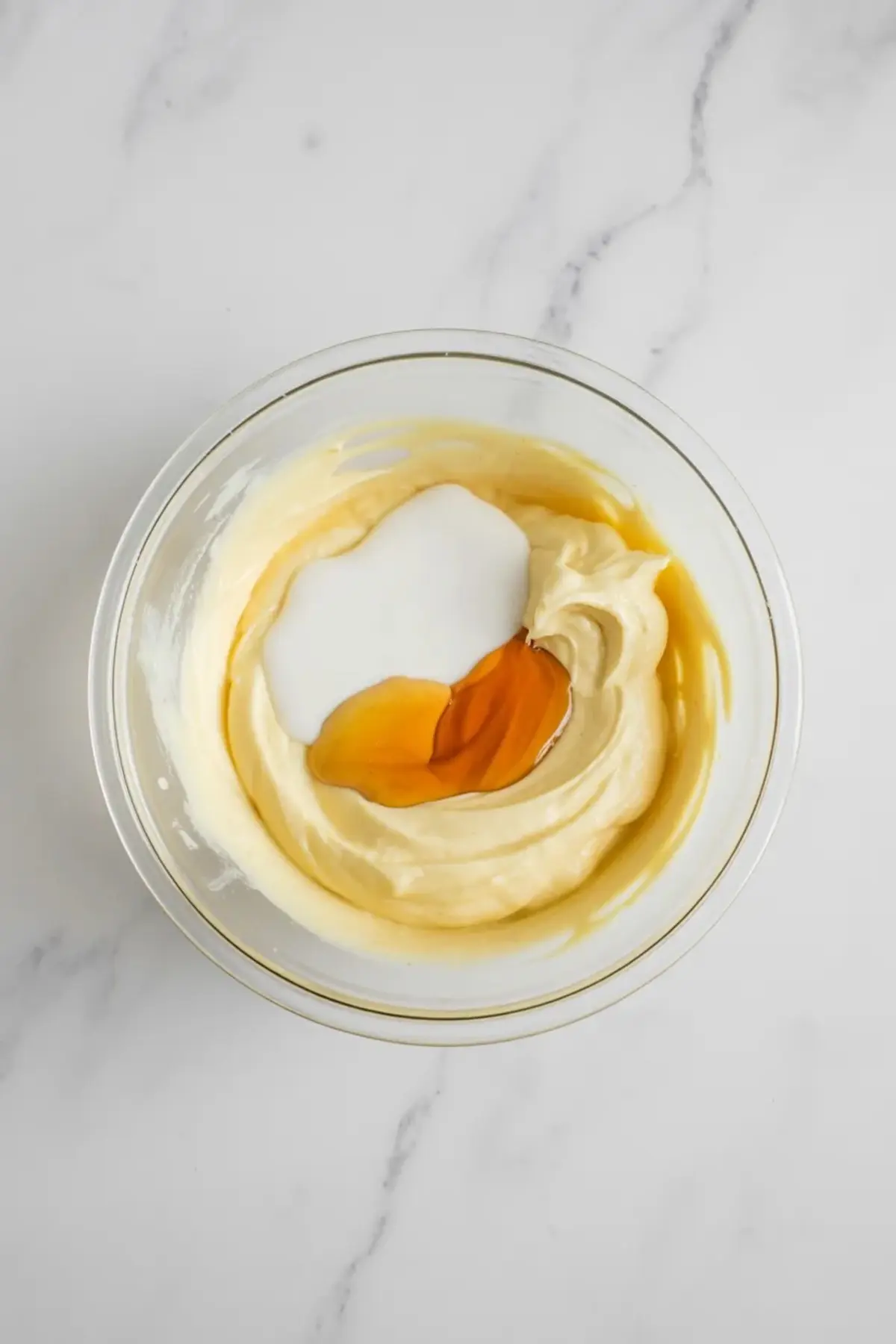
Add 2 tablespoons of coconut milk, the coconut extract, vanilla, and salt. Beat on medium high for 2 to 3 minutes until smooth and slightly glossy, then whip for 2 more minutes. If you like texture, fold in ¼ cup finely shredded coconut at the end.
Checking the Texture
The frosting is ready when it holds a soft peak on the beater and spreads easily without dragging crumbs from the cake. If it looks stiff and dull, beat in the last tablespoon of coconut milk. If it looks shiny and loose, add powdered sugar 1 tablespoon at a time. I trust the texture more than the clock.
Fixing Coconut Frosting Problems
- Too sweet: add a pinch of salt and whip again. Salt resets the flavor quickly.
- Grainy: beat longer so the powdered sugar fully blends into the butter, and always sift it.
- Too soft while decorating: chill it for 10 to 15 minutes, then rewhip briefly.
- Weak coconut flavor: add another ¼ teaspoon of coconut extract.
- Greasy or melting: the butter was too warm. Chill the bowl for 10 minutes and beat again.
The chilling trick is especially useful on tall cakes like my moist chocolate coconut cake, where the weight of the layers puts pressure on the frosting.
Three Easy Variations
For coconut cream buttercream, swap 1 tablespoon of the coconut milk for coconut cream. For a textured frosting, fold in ¼ cup finely shredded coconut. For a softer, less sweet icing, use ½ cup less powdered sugar and whip a little longer.
When I want stretch and shine instead of structure, I use marshmallow frosting. On a layered cake, I sometimes pair this buttercream with whipped cream frosting for contrast: the buttercream gives strength and the whipped layer adds softness.
Storing and Rewhipping
Store the frosting in an airtight container in the fridge for up to 5 days. Bring it back to room temperature, then rewhip for 1 to 2 minutes to restore the smooth, fluffy texture before spreading or piping.
Cakes and Cupcakes to Frost
Spread it thick over a coconut layer cake, or pipe it onto vanilla cupcakes and top with toasted coconut. It is a lovely match for white chocolate coconut cake, where the coconut stands next to white chocolate without fading, and for coconut snowball cupcakes. Use it between chocolate cake layers for contrast, or swirl it simply over a sheet cake.
If you are baking a coconut themed dessert table, add a plate of coconut macaroons and slices of coconut cream cheese pound cake.
Coconut Icing Questions
How do you make coconut icing for a cake?
Beat 1 cup butter until fluffy, add 4 cups powdered sugar, then beat in 2 to 3 tablespoons coconut milk, 1 teaspoon coconut extract, vanilla, and a pinch of salt.
What is the best frosting for coconut cake?
Coconut buttercream is the most stable choice and holds layers and piping. Coconut cream cheese frosting is tangier, and coconut whipped cream is lighter.
Can I make coconut frosting with coconut milk only, without extract?
You can, but the flavor will be mild. Coconut milk adds creaminess; the extract is what makes it taste clearly of coconut.
How much does this recipe frost?
One 2 layer 8 inch cake or 12 to 18 cupcakes, depending on how high you pipe.
Does coconut buttercream need to be refrigerated?
Store leftover frosting in the fridge for up to 5 days. A frosted cake is fine at cool room temperature for serving, but refrigerate it for longer storage.
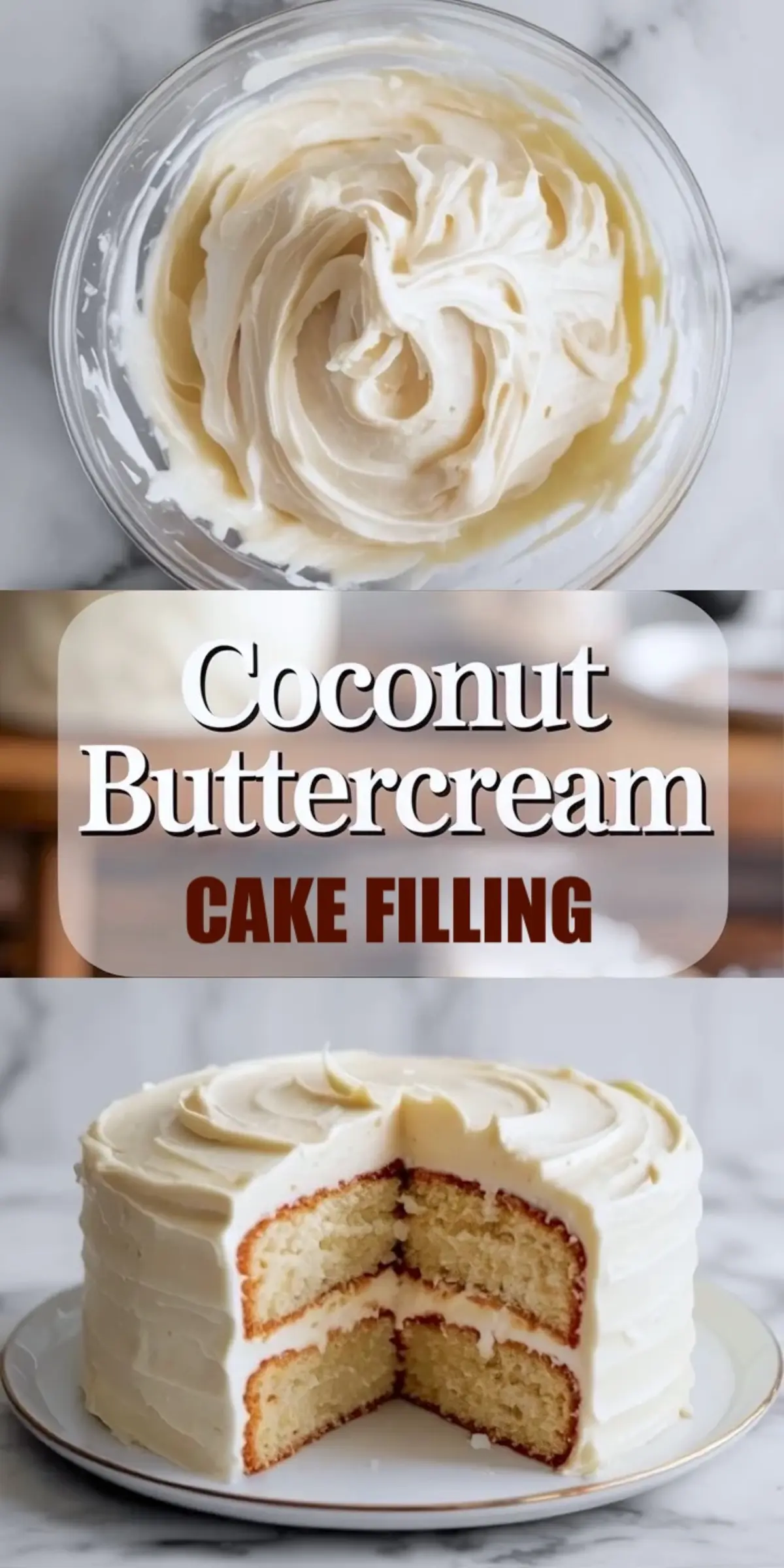
Save this coconut buttercream frosting to your cake board so it is ready for the next coconut cake. Tell me in the comments how yours turned out or which variation you tried. I read every message.
Coconut Buttercream Frosting Recipe
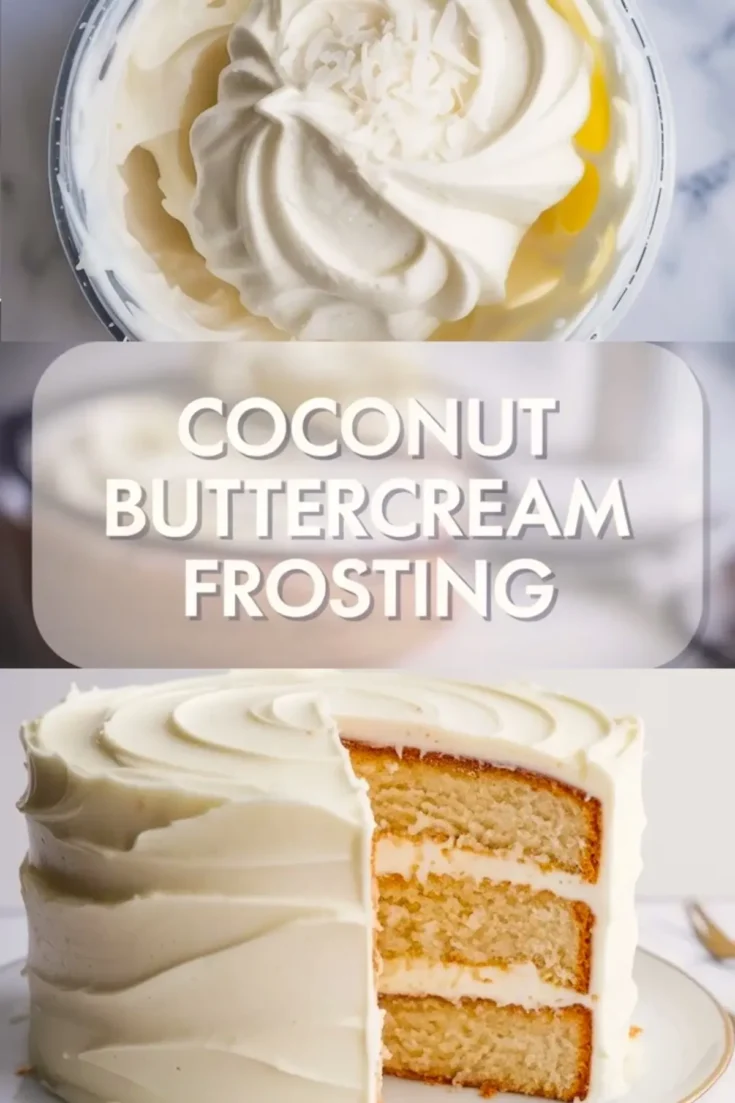
This coconut buttercream frosting is a fluffy, pipeable frosting made with unsalted butter, powdered sugar, full fat coconut milk, pure coconut extract, vanilla, and a pinch of salt. It takes about 15 minutes and frosts one 2 layer 8 inch cake or 12 to 18 cupcakes. The butter is whipped until pale before the sugar goes in, and coconut extract gives the clear coconut flavor that coconut milk alone cannot. Use it as frosting for coconut cake, coconut icing for cupcakes, sheet cakes, and chocolate layer cakes, or press shredded coconut onto the sides. For coconut cream buttercream, swap a spoon of coconut milk for coconut cream. It keeps 5 days in the fridge.
Ingredients
- 1 cup (226 g) unsalted butter, softened to room temperature
- 4 cups (480 g) powdered sugar, sifted
- 2–3 tablespoons full-fat coconut milk
- 1 teaspoon pure coconut extract
- ½ teaspoon pure vanilla extract
- Pinch of salt
- Optional: ¼ cup finely shredded sweetened or unsweetened coconut
Instructions
BEAT THE BUTTER: Place the softened butter in a large mixing bowl. Beat with a hand mixer or stand mixer on medium speed for 2–3 minutes until the butter becomes pale and fluffy. Proper creaming creates a light and smooth texture.
ADD THE POWDERED SUGAR: Add the sifted powdered sugar one cup at a time. Mix on low speed at first to prevent spills. After each addition combines, increase speed to medium. Scrape down the sides and bottom of the bowl as needed to ensure even mixing.
ADD THE COCONUT MILK AND EXTRACTS: Pour in 2 tablespoons of coconut milk, coconut extract, vanilla extract, and salt. Beat on medium-high speed for 2–3 minutes until smooth and creamy. Check consistency. Add the remaining tablespoon of coconut milk if the frosting is too thick. Add additional powdered sugar, one tablespoon at a time, if the frosting is too soft.
WHIP UNTIL FLUFFY: Increase mixer speed to medium-high and whip for 2 additional minutes. The frosting should look airy, smooth, and spreadable. Fold in shredded coconut gently if adding texture.
Notes
Store frosting in an airtight container in the refrigerator for up to 5 days. Bring to room temperature and rewhip for 1 to 2 minutes before using. For a stronger coconut flavor, add an extra ¼ teaspoon coconut extract. For piping decorations, chill the frosting for 10 to 15 minutes if it becomes too soft. Use full fat canned coconut milk, not sweetened cream of coconut.
Nutrition Information
Yield
15Serving Size
1Amount Per Serving Calories 384Total Fat 14gSaturated Fat 8.5gUnsaturated Fat 5.1gCholesterol 36mgSodium 4.2mgCarbohydrates 66gFiber 0.1gSugar 65gProtein 0.1g
