

This buttery biscoff cookies recipe turns creamy cookie butter into thick bakery style cookies with a soft center and lightly crisp edges. Bakers who enjoy biscoff cookies, biscoff cookie butter recipes, biscoff cream cookies, and other biscoff recipes easy will appreciate how quickly these homemade biscoff cookies come together. The dough relies on brown sugar and cookie butter for deep caramel flavor, which gives these biscoff recipes cookies their signature taste.
I return to this biscoff cookie recipe whenever I want easy biscoff desserts that still feel homemade and rich. The result tastes warm, slightly spiced, and soft in the middle. A simple cookie, yes. Yet cookie butter carries so much flavor that the cookies almost bake themselves.
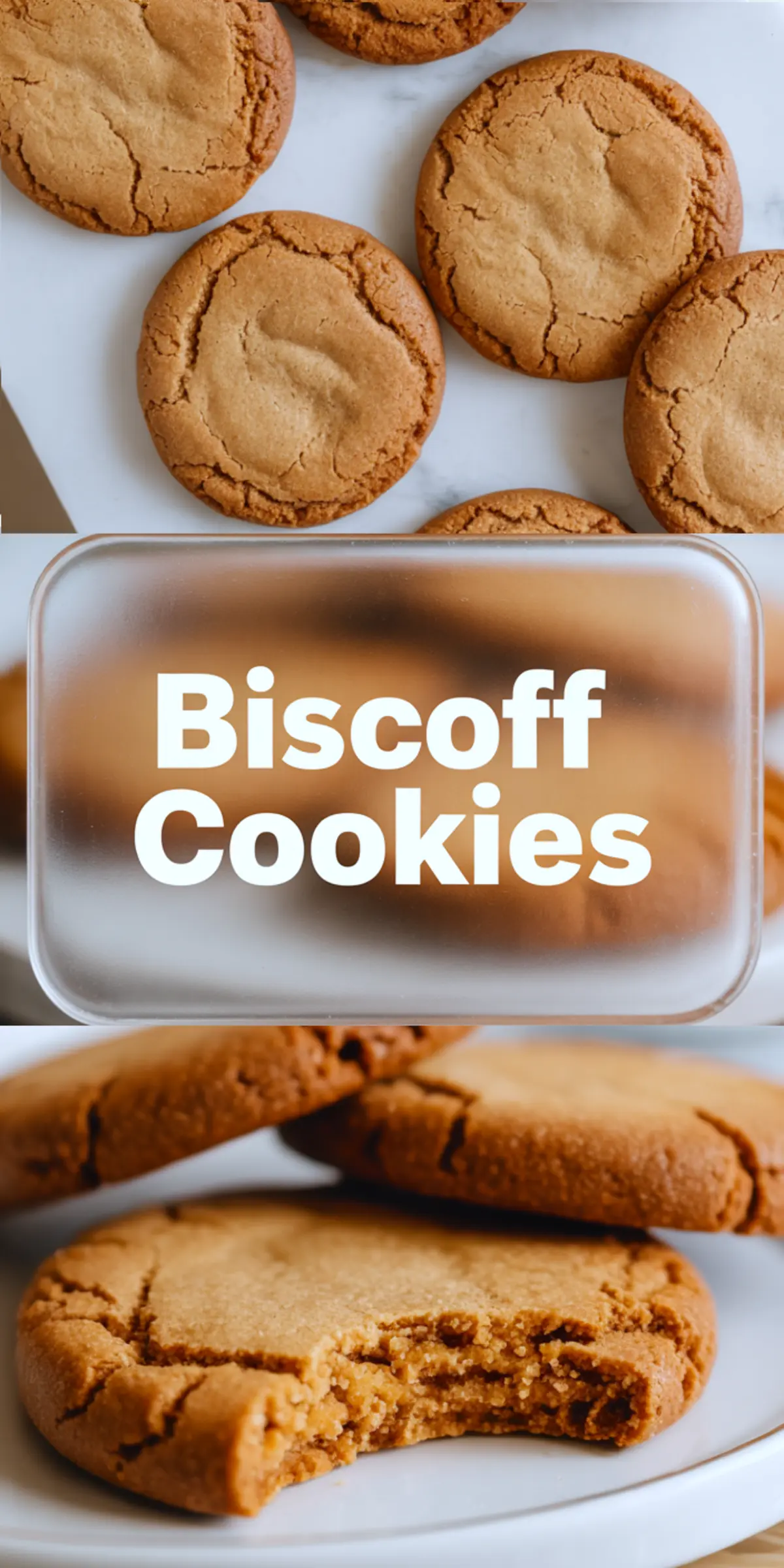
The Simple Ratio That Creates Soft Centers
This dough follows a simple balance of fat, sugar, and flour. Butter and biscoff spread provide richness, while brown sugar keeps moisture in the dough. The ratio produces cookies that hold shape yet stay tender.
Brown sugar also adds a faint molasses note that pairs well with cookie butter spices. That small detail matters. Many biscoff cookies recipe variations rely on white sugar, though I rarely use it here. The flavor feels deeper this way.
Cookie butter already contains oils and finely ground cookies, which means the dough behaves slightly softer than typical cookie dough. That softness leads to thick cookies with gentle spread. A short mix time helps maintain that texture.
If cookie butter desserts interest you, the Easy Biscoff Fudge Recipe shows how the same flavor becomes a smooth candy. A single jar produces several desserts.
Ingredients That Shape Flavor
Unsalted butter provides structure and classic cookie flavor. I soften it slightly so the mixer blends it smoothly with cookie butter. A smooth base leads to evenly baked cookies.
Biscoff spread acts as both flavor and fat in the dough. That ingredient carries caramelized biscuit notes and gentle spice. The dough smells incredible during mixing. I pause sometimes just to notice it.
Brown sugar sweetens and softens the dough. Its moisture content helps these homemade biscoff cookies stay chewy for days. I pack it firmly in the measuring cup for consistent results.
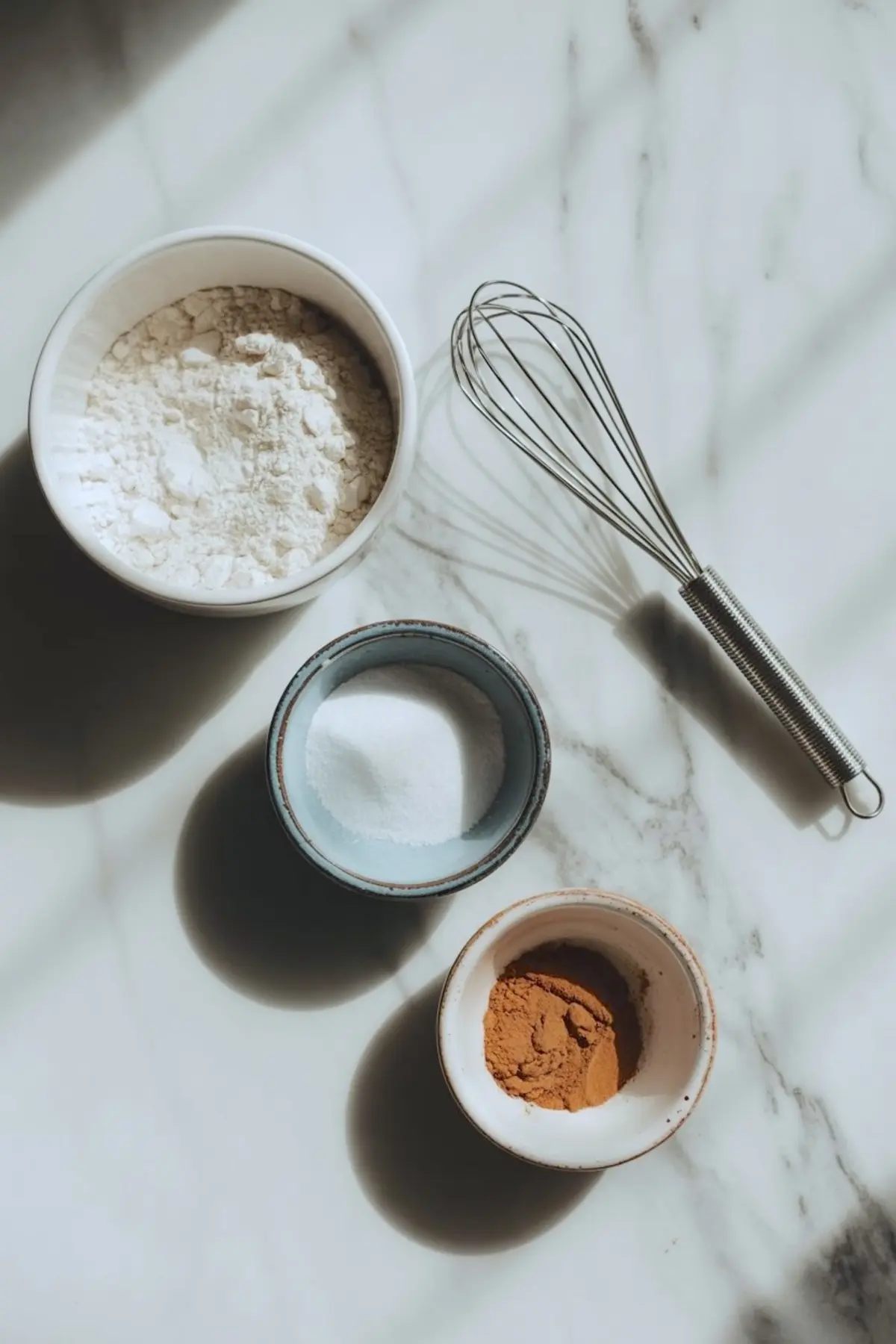
Flour builds structure. Baking soda creates lift while salt sharpens the sweetness. Cinnamon remains optional, though a small pinch highlights the spiced flavor already present in cookie butter.
A creamy dessert like Easy Biscoff Pudding Recipe uses the same ingredient for an entirely different texture. Cookie butter works in cookies, puddings, and frostings. I always keep a jar nearby.
Why Cookie Butter Matters
Cookie butter defines this recipe. The spread blends crushed spiced cookies with oils and sugar. That mixture melts into dough easily and distributes flavor evenly.
During baking, cookie butter caramelizes slightly along the cookie edges. The aroma fills the kitchen quickly. I notice that smell every time and think of bakeries.
The texture also improves. Cookie butter contains finely ground biscuits that add subtle body to the dough. The cookies stay soft but never heavy.
If cookie butter baking interests you, my Biscoff Cookie Butter Recipe explains how the spread itself works in desserts. Many readers like making the base ingredient first. It changes how you think about these cookies.
Mixing and Baking the Dough
The dough begins with butter, cookie butter, and brown sugar creamed together until fluffy. Two minutes usually works. The mixture lightens slightly and turns smooth.
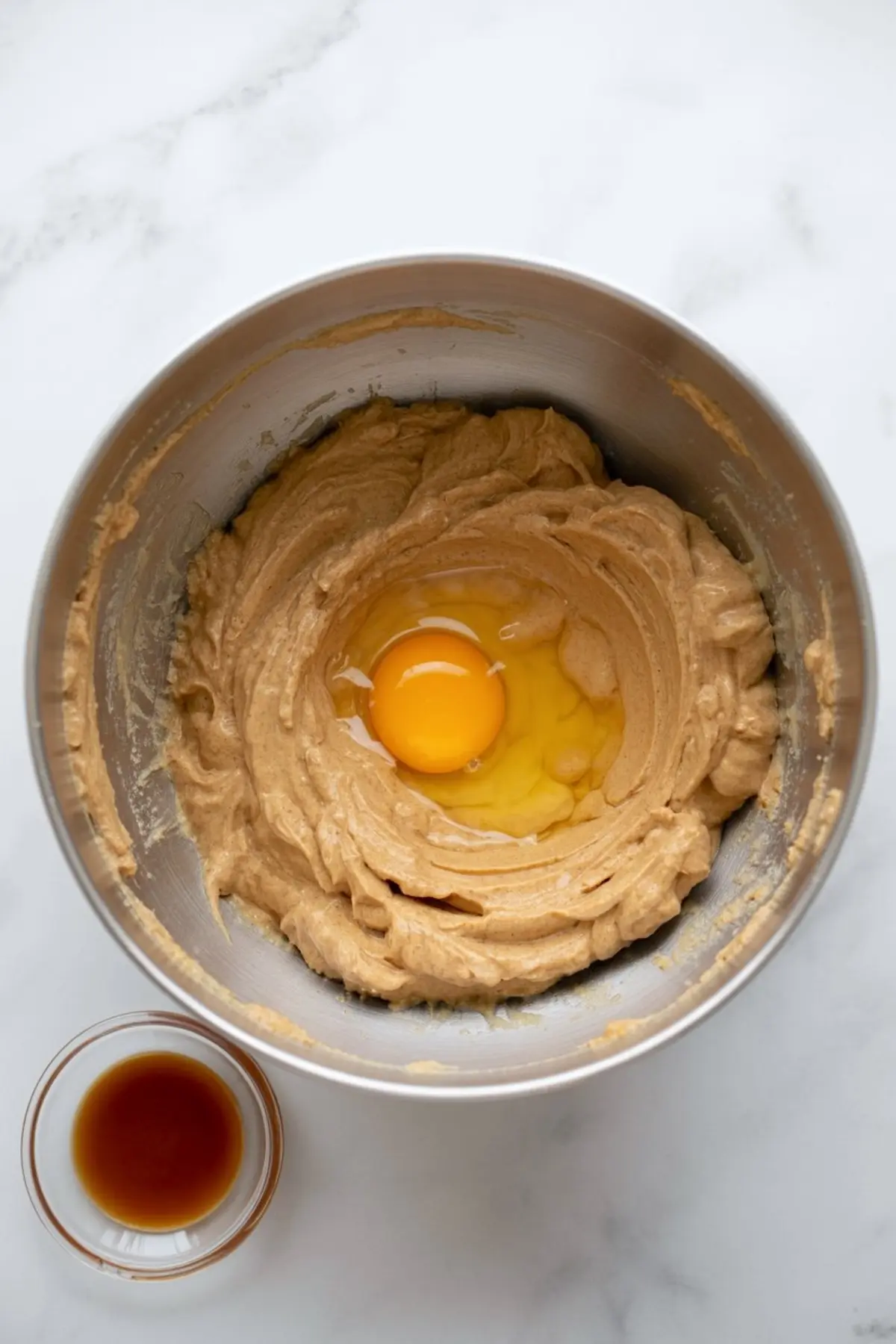
The egg and vanilla follow next. The batter looks creamy at this stage. I scrape the bowl once or twice because cookie butter sticks to the sides.
Dry ingredients mix separately before entering the dough. Flour, baking soda, salt, and cinnamon combine first. That step spreads the leavening evenly through the dough.
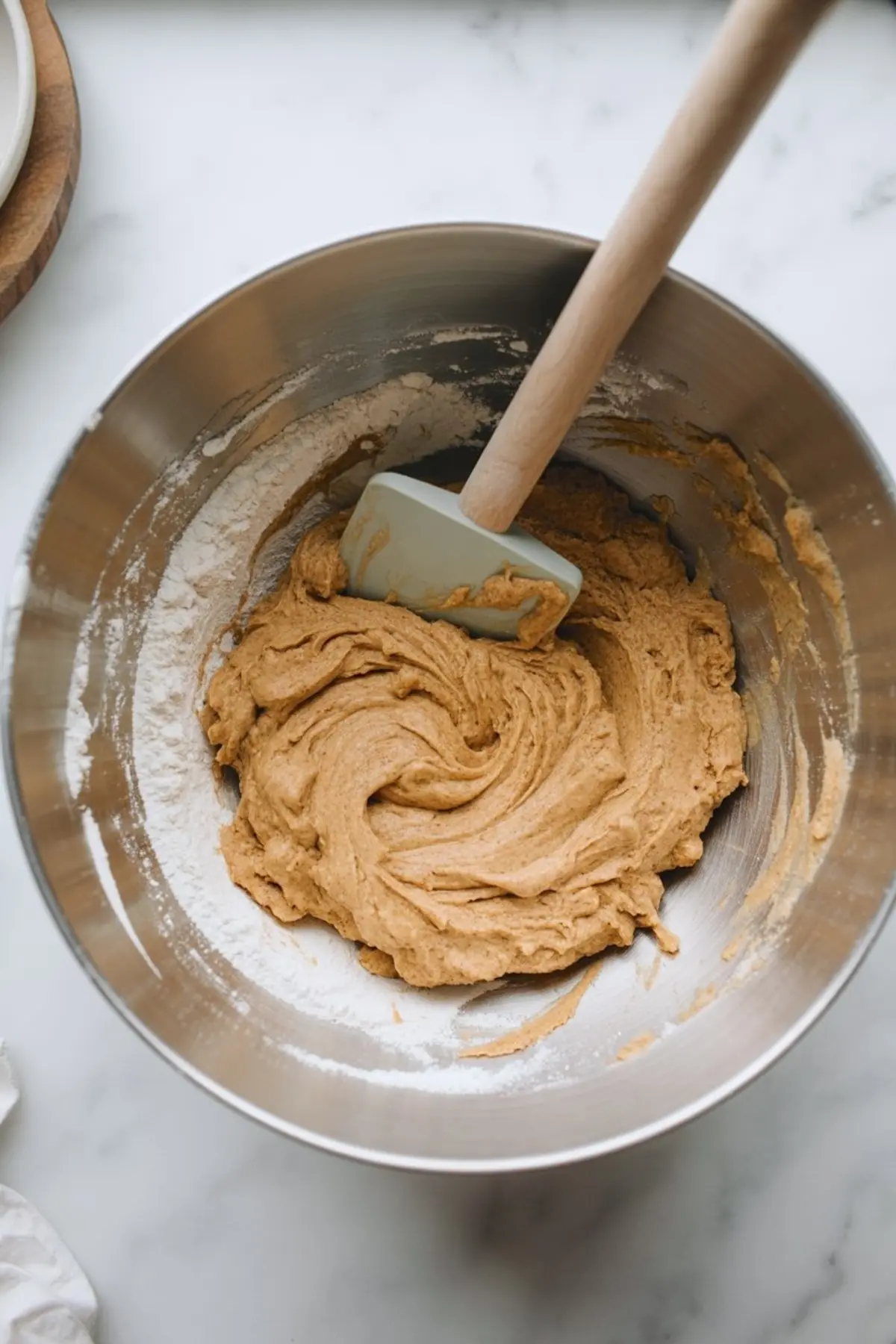
The mixer runs on low speed while flour blends in. The dough forms quickly. I stop mixing once the flour disappears.
Signs the Cookies Are Ready
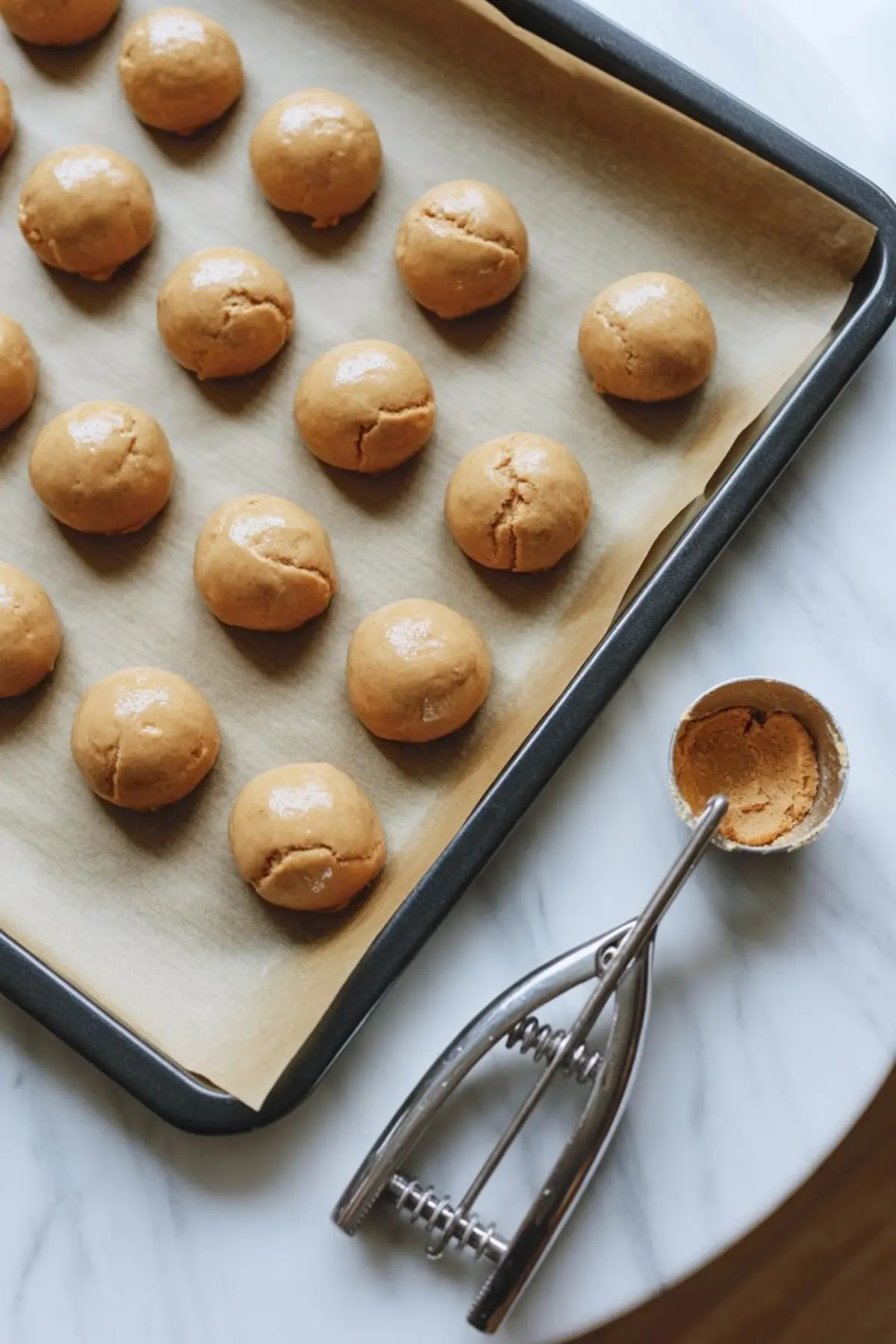
The cookies bake at 350°F for roughly ten minutes. Edges set first while the centers remain slightly soft. That contrast creates the chewy texture.
A pale golden edge signals that the cookies are done. The centers still look soft. Residual heat finishes the bake while they rest on the tray.
Overbaking dries the cookies quickly. A shorter bake keeps them thick and tender. The middle should look slightly underbaked when removed from the oven.
Common Cookie Problems and Fixes
Flat cookies usually mean the butter softened too much. A quick chill of the dough fixes this problem. Ten minutes in the refrigerator helps.
Dense cookies often come from overmixing the flour. Gentle mixing preserves tenderness. I stop the mixer early and finish with a spatula.
Pale cookies usually need one extra minute of baking. Cookie butter contains oils that slow browning slightly.
Flavor Variations to Try
White chocolate chips add sweetness and contrast. Half a cup folded into the dough works well.
Crushed biscoff cookies pressed on top create a bakery style finish. The topping turns crisp during baking.
A cinnamon sugar coating before baking adds extra spice. That version tastes slightly like spiced snickerdoodles.
How to Store Biscoff Cookies
These cookies stay soft for three days in an airtight container at room temperature. The brown sugar keeps moisture locked inside.
The refrigerator extends storage up to one week. I warm chilled cookies for a few seconds before serving.
Freezing also works well. Baked cookies freeze for two months in sealed containers.
Practical Baking Notes
A cookie scoop keeps portions even. Uniform dough balls bake at the same speed.
Parchment paper prevents sticking and helps the bottoms brown evenly. I use it on every cookie tray.
Room temperature ingredients mix more smoothly. Cold butter resists creaming with cookie butter.
Serving Ideas
Serve these cookies warm with coffee. Cookie butter flavor pairs well with roasted coffee notes.
Sandwich two cookies with vanilla buttercream. The result resembles biscoff cream cookies.
Break the cookies into pieces over ice cream for a quick dessert topping.
Save This Recipe
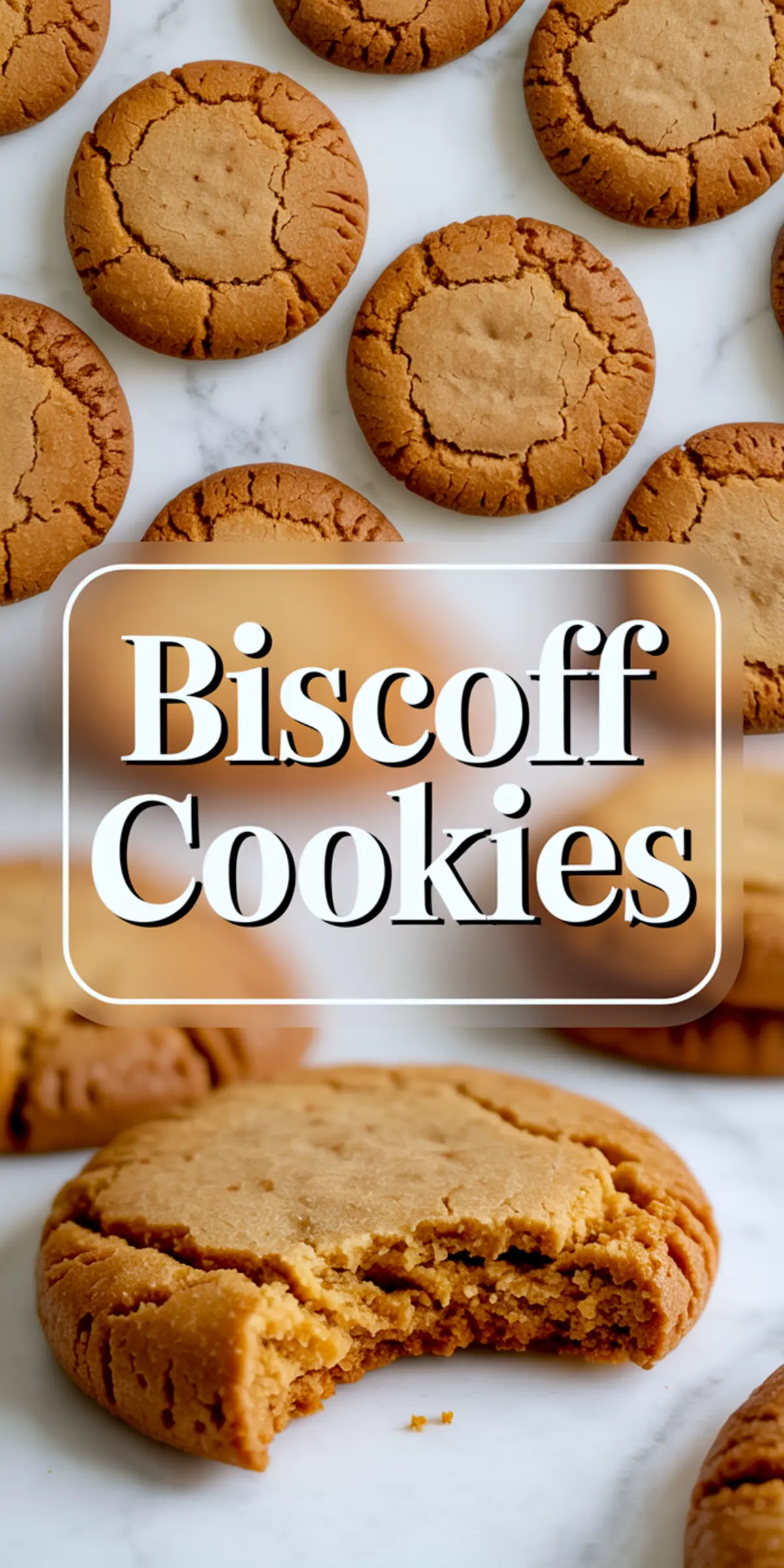
Save this buttery biscoff cookies recipe to your Pinterest baking board so you can find it later. Share your results in the comments if you try it or ask questions about the dough. I always enjoy hearing how these cookies turn out in other kitchens.
Buttery Biscoff Cookies Recipe

These soft homemade biscoff cookies are packed with warm caramelized flavor from cookie butter and baked into rich, bakery-style treats. This easy biscoff cookie recipe shows how to turn cookie butter into thick, flavorful cookies with a soft center and lightly crisp edges.
The cookies are inspired by classic biscoff cookies recipe variations and creamy biscoff cream cookies that highlight the signature spiced flavor of cookie butter. If you enjoy baking with cookie butter, this recipe belongs in your collection of biscoff cookie butter recipes and simple biscoff recipes cookies. It also fits perfectly among biscoff recipes easy and other easy biscoff desserts that transform cookie butter into irresistible homemade treats.
Ingredients
- 1/2 cup (113g) unsalted butter, softened
- 3/4 cup (180g) creamy Biscoff spread (cookie butter)
- 1 cup (200g) brown sugar, packed
- 1 large egg
- 1 teaspoon vanilla extract
- 1 1/2 cups (190g) all-purpose flour
- 1/2 teaspoon baking soda
- 1/2 teaspoon salt
- 1/4 teaspoon cinnamon (optional, for extra warmth)
Instructions
- PREHEAT THE OVEN: Set the oven to 350°F (175°C) and line two baking sheets with parchment paper to prevent sticking and promote even browning.
- CREAM THE WET INGREDIENTS: In a large mixing bowl, beat the softened butter, Biscoff spread, and brown sugar using a hand or stand mixer on medium speed until the mixture is smooth, fluffy, and lightened in color, about 2 minutes.
- ADD EGG AND VANILLA: Mix in the egg and vanilla extract until fully incorporated and the batter looks creamy and cohesive.
- WHISK THE DRY INGREDIENTS: In a separate bowl, combine the all-purpose flour, baking soda, salt, and optional cinnamon. Whisk until evenly blended.
- COMBINE DRY WITH WET: With the mixer on low speed, gradually add the dry ingredients to the wet mixture. Mix until a soft, even dough forms, being careful not to overmix.
- PORTION THE DOUGH: Use a cookie scoop or spoon to portion about 2 tablespoons of dough per cookie. Place each scoop onto the prepared baking sheets, spacing them 2 inches apart.
- BAKE THE COOKIES: Bake for 9 to 11 minutes, or until the edges are set and just beginning to brown while the centers remain slightly underdone. This ensures a soft, chewy texture.
- COOL THE COOKIES: Let the cookies rest on the baking sheet for 5 minutes to finish baking from residual heat, then transfer them to a wire rack to cool completely.
Notes
Cookies will stay soft for several days when stored in an airtight container. For a bakery-style appearance, press a few extra chips or pieces of crushed Biscoff cookies on top before baking (if desired).
