
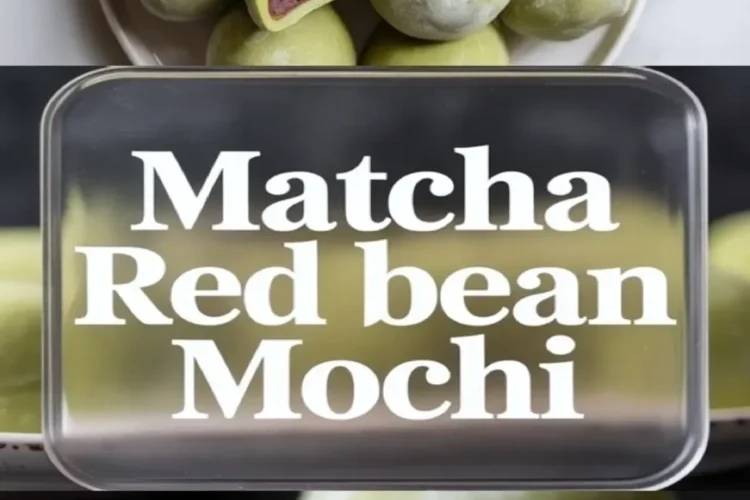
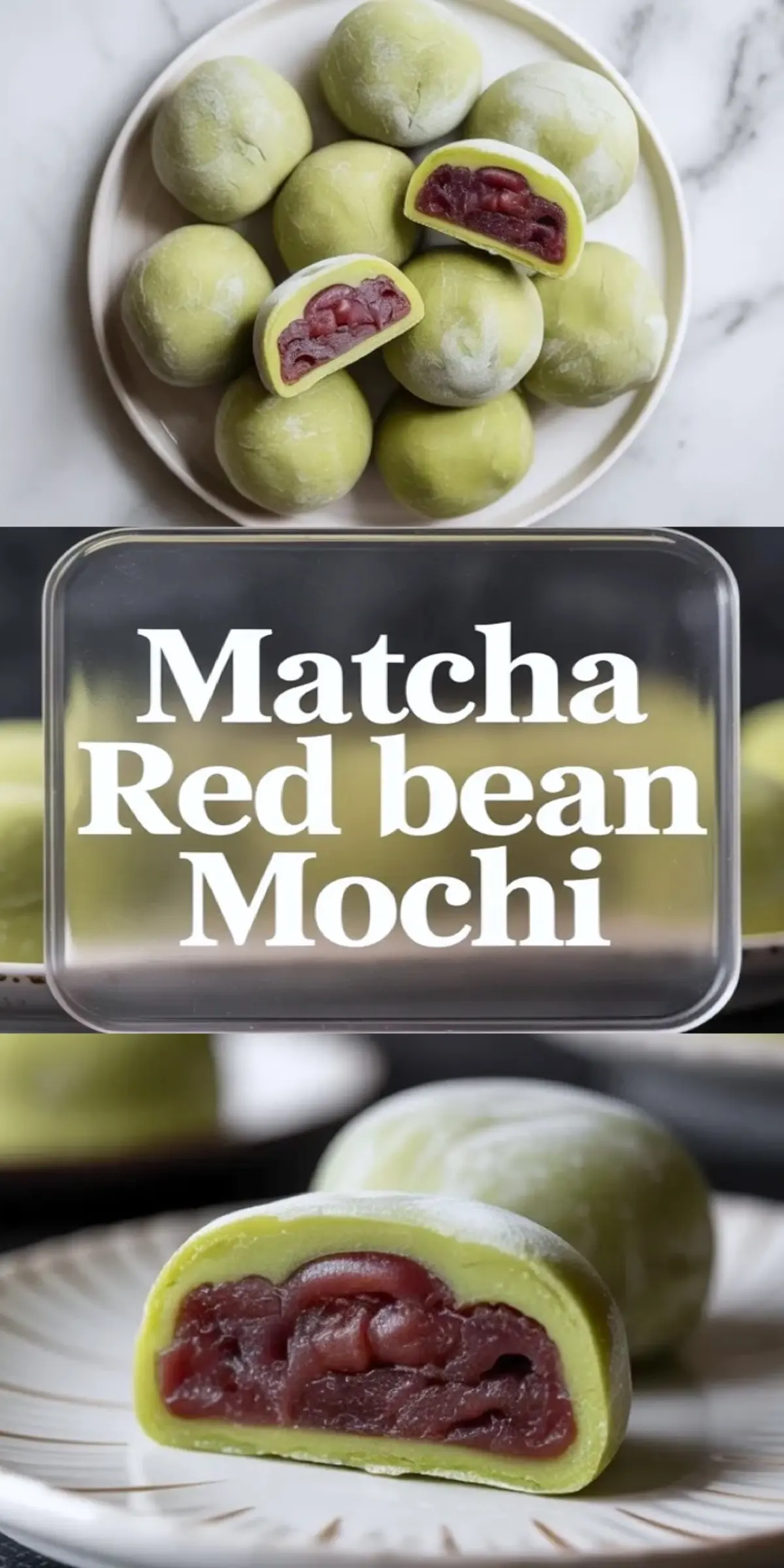
This matcha red bean mochi recipe creates soft green tea mochi filled with sweet anko, a classic japanese dessert known for its chewy texture and gentle flavor balance. Many readers search how to make matcha mochi, green tea mochi, or japanese sweets with a strong matcha mochi aesthetic, and this recipe answers that search with clear technique and reliable results.
Soft, stretchy mochi green dough wraps around smooth red bean paste to create a balanced matcha dessert that sits comfortably among traditional japanese dessert recipes and modern matcha dessert recipes. A short ingredient list and quick microwave method make this japanese treat approachable even on a busy afternoon.
Following a special diet?
Every recipe on this site can be converted to gluten-free, vegan, dairy-free, keto, nut-free or egg-free with adjusted ratios so nothing falls flat.
Try the Recipe Converter →Glutinous rice flour forms the structure of this matcha mochi recipe. The flour absorbs water and transforms into a chewy gel during cooking. That simple reaction creates the stretchy texture people expect from green mochi.
A small amount of oil improves flexibility and keeps the dough soft after shaping. A careful matcha ratio adds color and flavor without overpowering the sweet filling. A similar balance appears in Homemade Mango Mochi, where fruit sweetness replaces the earthy matcha note.
Ingredients That Shape Flavor and Texture
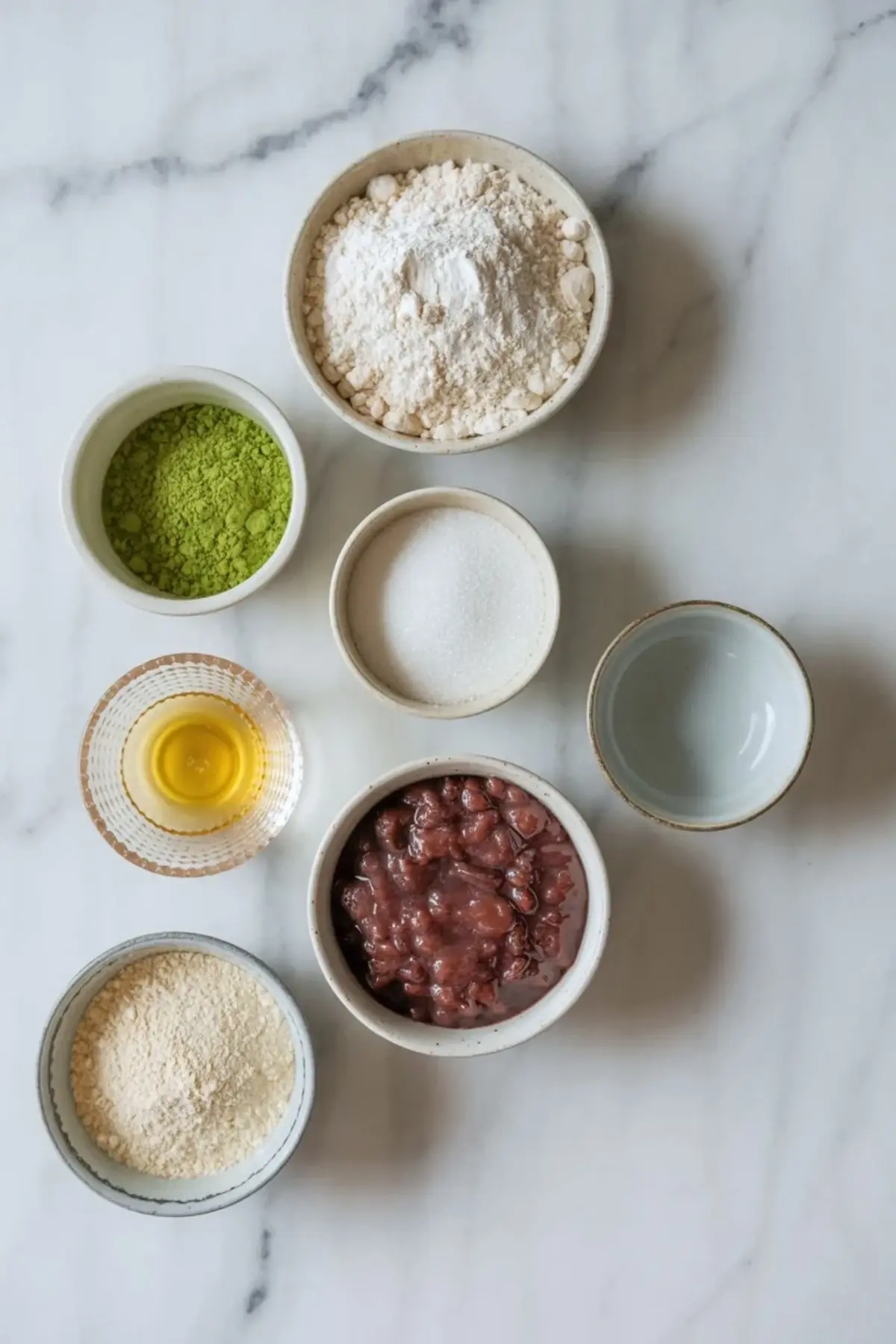
Glutinous rice flour, often labeled mochiko, creates the signature chew. Regular rice flour behaves differently and produces a crumbly result. Quality mochiko feels silky and fine in the bowl.
Matcha powder brings depth and color. Culinary grade matcha offers a bright green tone and smooth bitterness that supports the sweetness of anko. A similar tea flavor appears in Matcha Chia Pudding, which uses matcha for both color and earthy aroma.
Granulated sugar softens the matcha bitterness and stabilizes the dough. Sweet red bean paste delivers creamy sweetness with a gentle texture that contrasts the elastic dough.
Spotlight on Matcha Powder
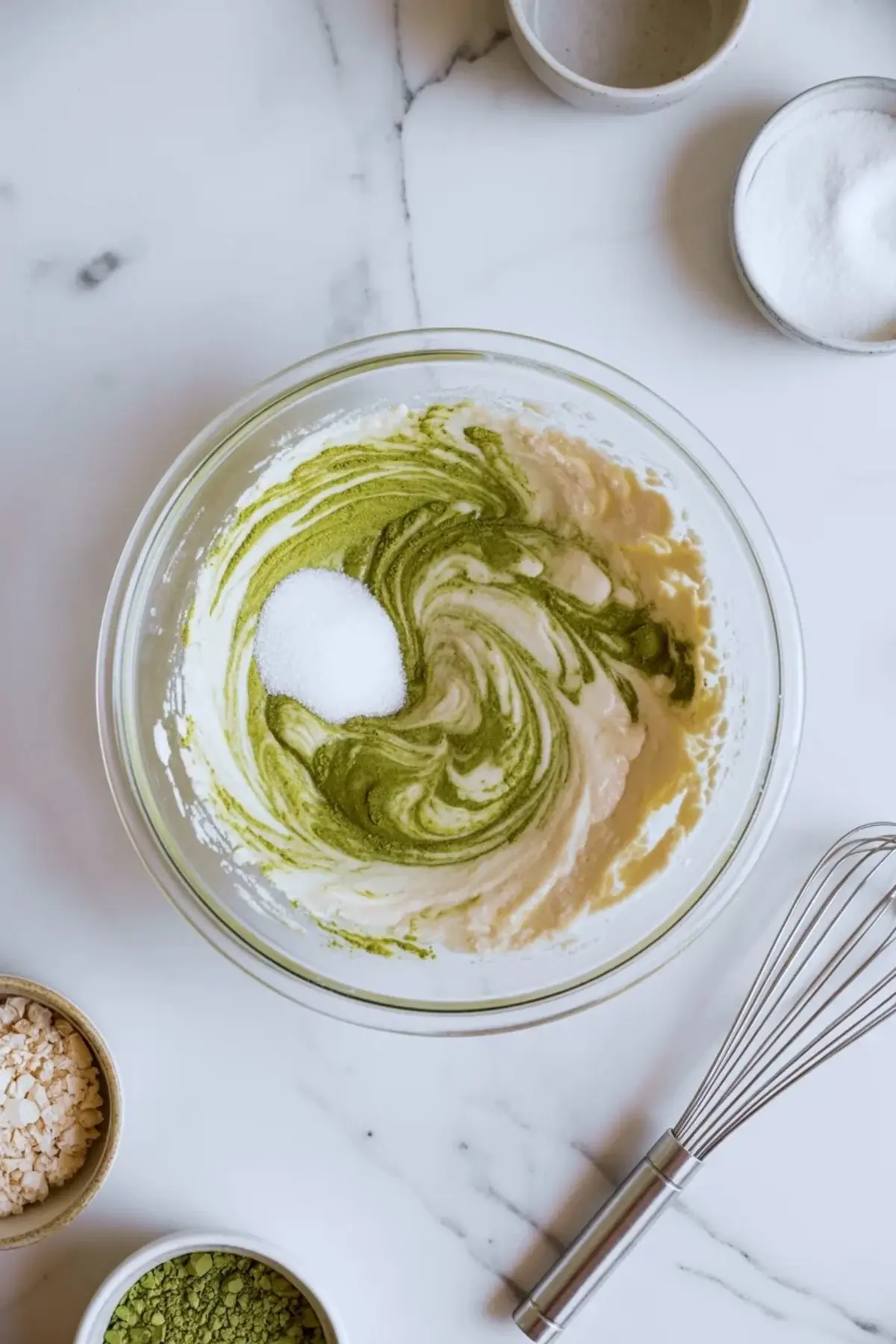
Matcha defines the personality of this dessert. The powder dissolves directly into the batter and colors the dough evenly. Good matcha produces a bright jade shade and a light grassy aroma.
Clumpy or dull matcha leads to uneven color and flat flavor. A quick whisk before adding water spreads the powder evenly through the flour. Many japanese sweets use the same step, including airy cakes like Japanese Cheesecake Recipe.
How the Mochi Dough Comes Together
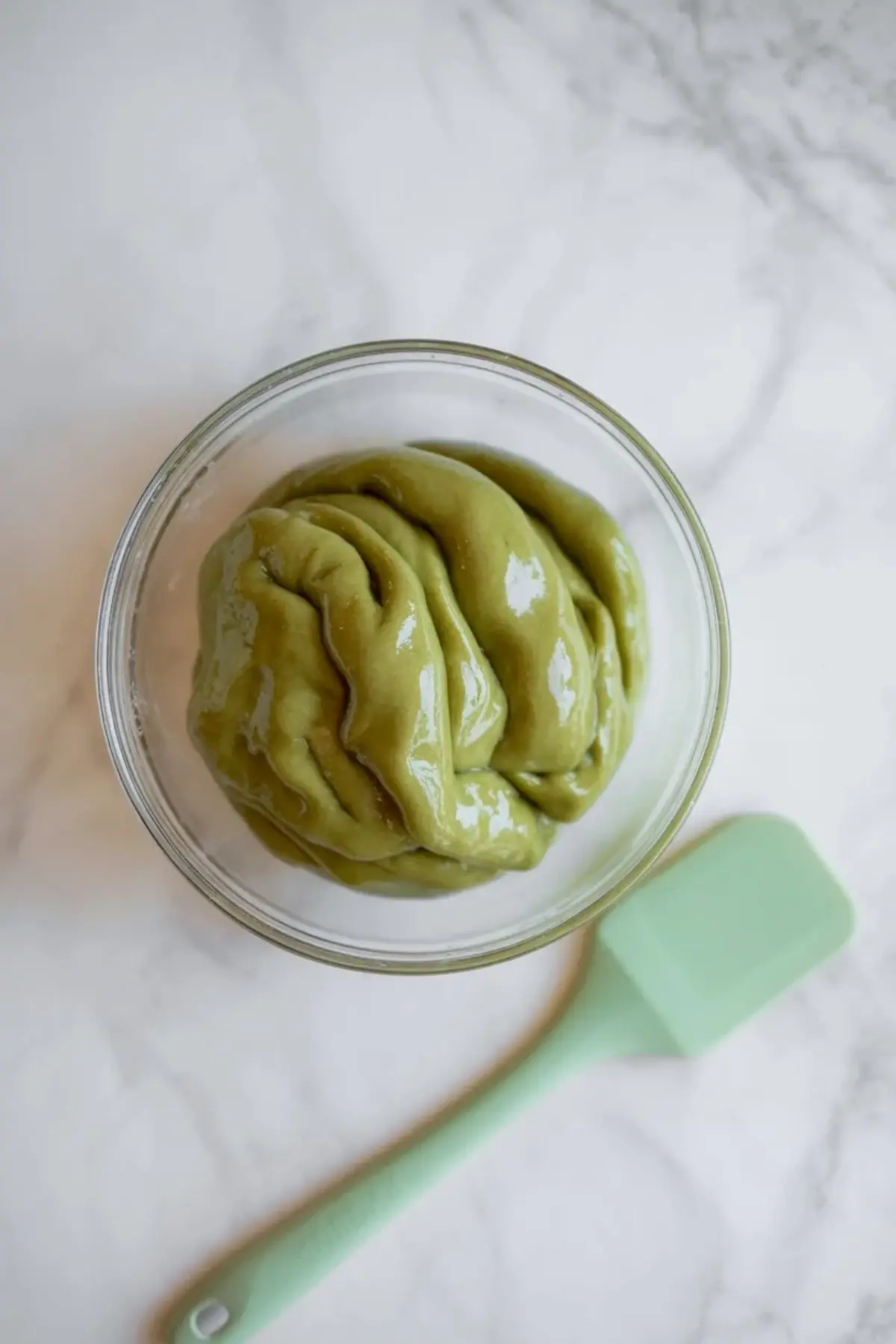
A bowl of flour, matcha, and sugar forms the base batter. Water slowly transforms the dry ingredients into a smooth mixture that resembles pancake batter. The surface looks slightly thick and glossy.
Microwave cooking activates the starch quickly. Stirring between short bursts keeps the texture smooth. The finished dough stretches when lifted with a spoon and appears slightly translucent.
Warm dough rests briefly on a surface dusted with starch. That starch barrier prevents sticking and allows easy shaping. A familiar contrast appears in Strawberry Matcha Marble Cookies, where matcha color meets sweet fruit flavor.
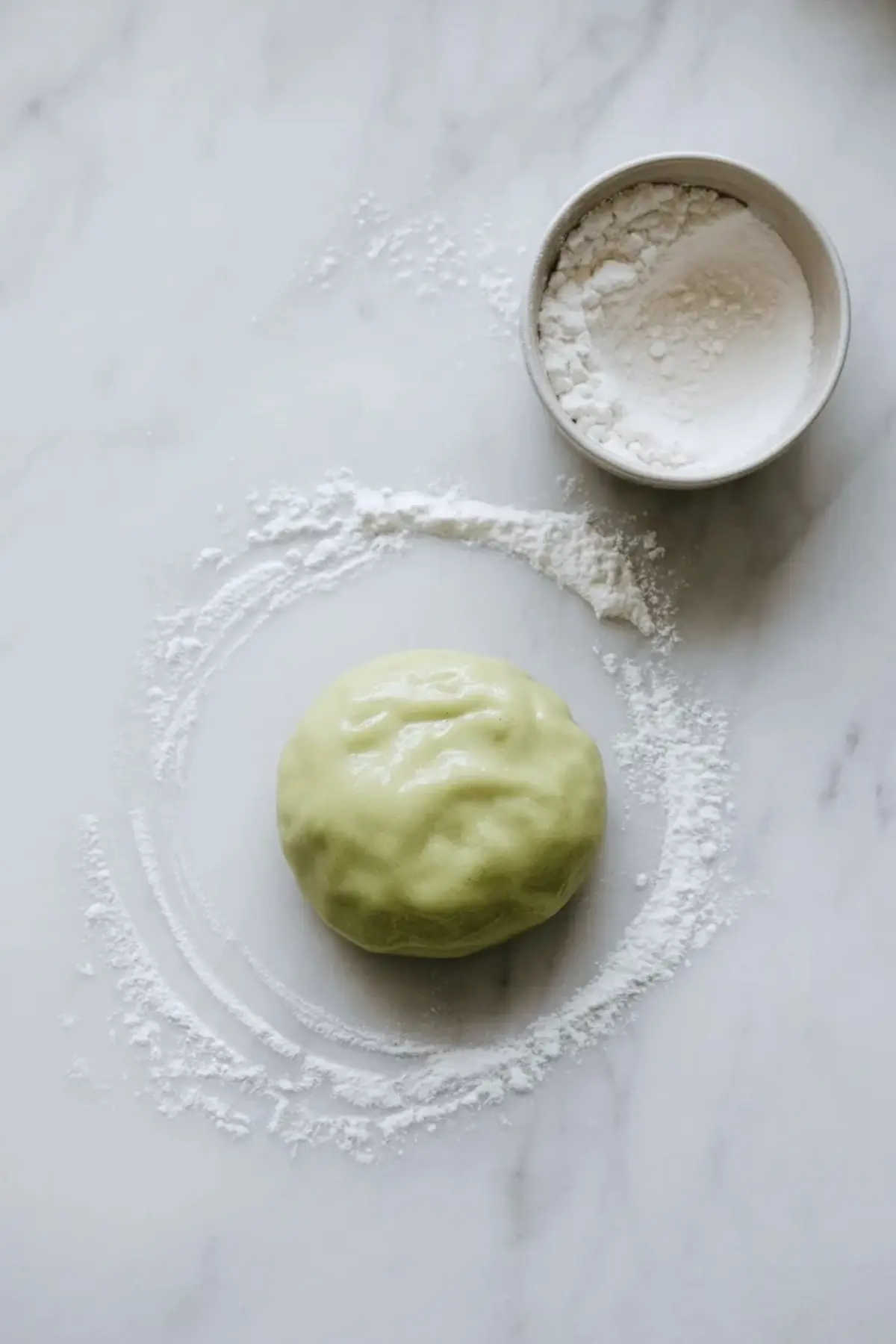
How to Recognize Proper Texture
Finished mochi dough stretches like soft taffy. The surface looks shiny and smooth. A gentle press leaves a slight indentation that slowly returns.
Undercooked dough appears thick and paste like. Overcooked dough becomes stiff and difficult to stretch. A flexible, glossy texture signals the right moment for shaping.
Common Problems and Fixes
Sticky dough usually means insufficient starch on the work surface. A generous dusting of cornstarch or potato starch solves that issue quickly.
Torn mochi often results from thin dough edges. Slightly thicker edges create a stronger seal around the red bean filling. A gentle roll between your palms finishes the shape.
Ways to Change the Flavor
Black sesame paste replaces the red bean filling for a nutty version. A tablespoon of toasted sesame seeds inside the paste increases aroma.
Strawberry jam offers a bright fruit center. Mango puree thickened with starch creates a tropical variation. Each option changes sweetness while the matcha dough stays the same.
Storage and Freshness
Fresh mochi tastes best on the same day. The chewy texture stays soft for several hours at room temperature in an airtight container.
Refrigeration firms the dough slightly but remains acceptable for one day. Gentle room temperature resting softens the texture again before serving.
Practical Tips From Testing
Fine matcha powder blends smoothly into the batter. A quick sift prevents dark green clumps.
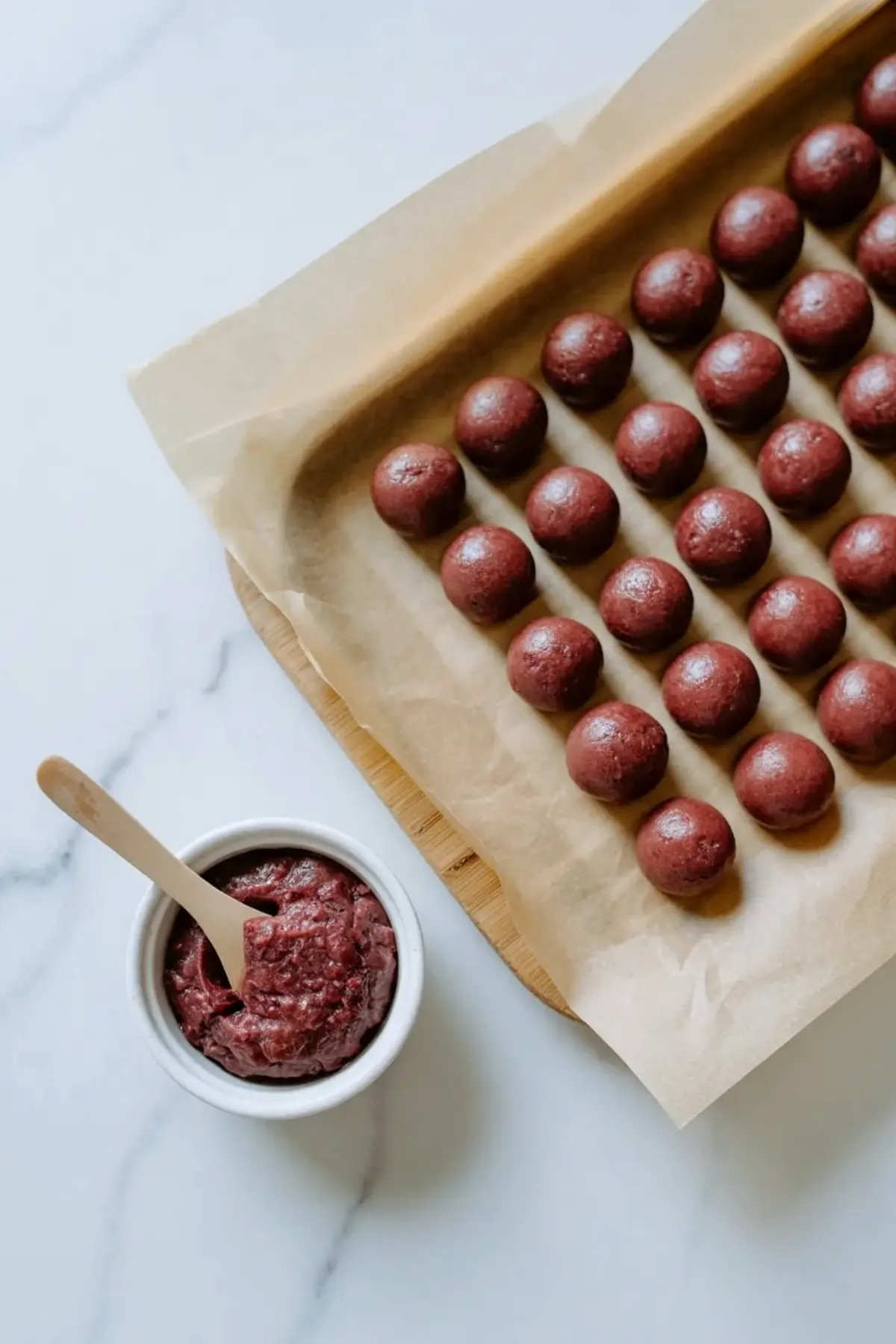
Cold red bean filling simplifies shaping. Firm filling holds its shape while the dough stretches around it.
Warm dough feels easier to shape than fully cooled dough. Slight warmth keeps the mochi flexible.
Serving Ideas
A small plate of matcha mochi pairs beautifully with hot green tea. A dessert platter with strawberries and mochi creates a colorful presentation.
A dusting of matcha powder on top strengthens the matcha aroma. A drizzle of condensed milk adds a creamy contrast.
Save This Recipe
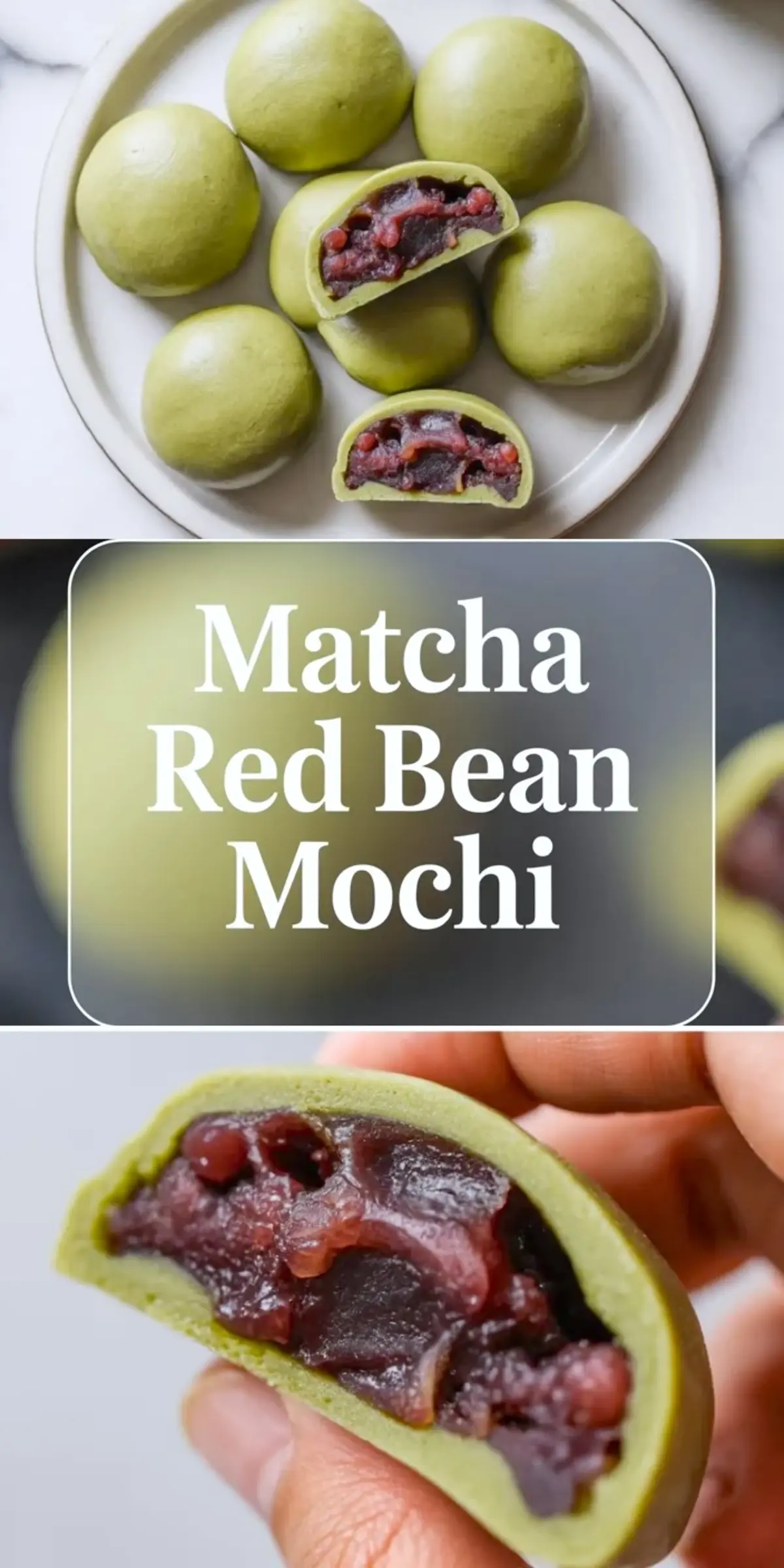
This matcha mochi recipe deserves a place on your dessert board. Save this recipe to Pinterest so it stays ready for your next japanese sweets night.
Readers often experiment with different fillings, and those ideas help the community grow. Share your results in the comments and ask questions if a step needs clarity.
Matcha Red Bean Mochi
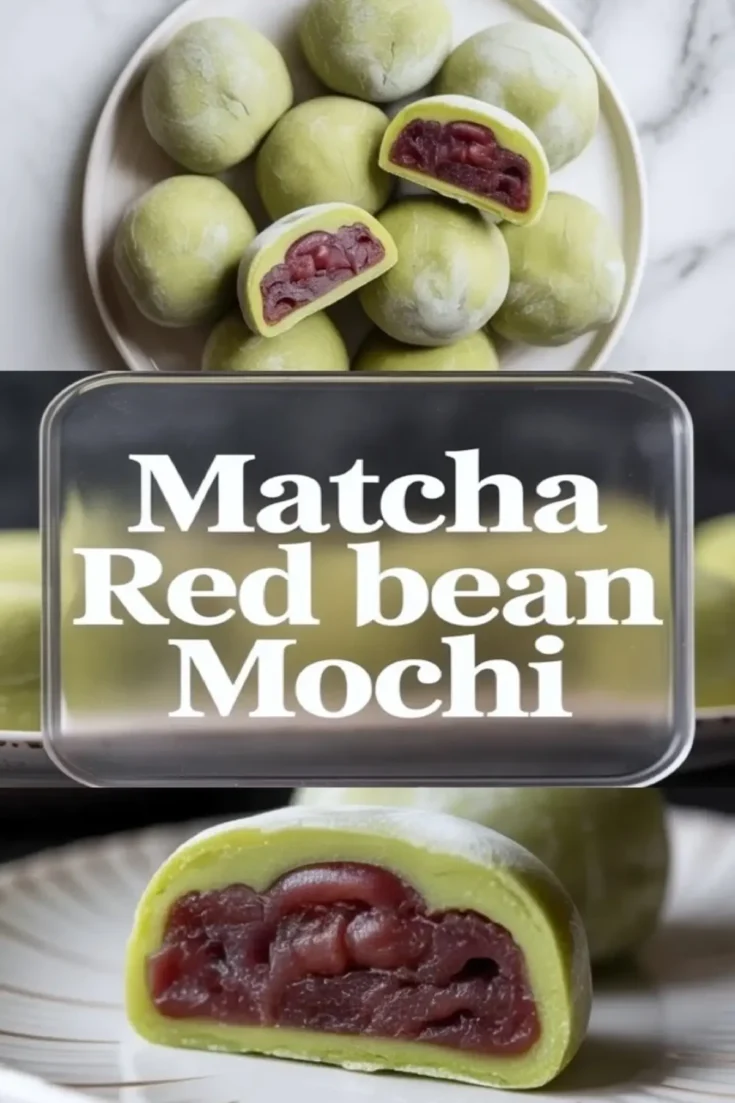
This soft matcha mochi recipe with red beans combines chewy mochi with earthy matcha flavor and sweet red bean filling. The dessert highlights the classic taste of green tea mochi, creating a delicate balance between slightly bitter matcha and smooth sweetness.
The recipe shows how to make matcha mochi using simple ingredients to create tender green mochi with a soft, stretchy texture. It is a beautiful example of matcha mochi aesthetic desserts that stand out on any dessert table.
Perfect for anyone who enjoys japanese dessert recipes, this treat belongs among traditional japanese sweets and elegant japanese treats. If you love matcha dessert recipes, this flavorful matcha dessert offers a classic take on a beloved japanese dessert.
Ingredients
- FOR THE MOCHI DOUGH
- 1 cup glutinous rice flour (mochiko)
- 2 tablespoons matcha powder
- 1/4 cup granulated sugar
- 3/4 cup water
- 1 tablespoon vegetable oil
- FOR THE FILLING
- 1 cup sweet red bean paste (anko)
- FOR DUSTING
- Cornstarch or potato starch
Instructions
PREPARE THE RED BEAN FILLING: Divide the sweet red bean paste into 8–10 equal portions, using about 1 to 1½ tablespoons for each piece. Roll each portion into a smooth ball and place the balls on a lined plate or tray. Transfer the tray to the refrigerator to keep the filling firm while preparing the mochi dough.
MIX THE MATCHA MOCHI DOUGH: Add the glutinous rice flour, matcha powder, and granulated sugar to a medium mixing bowl. Whisk the ingredients until the matcha powder distributes evenly and no clumps remain. Slowly pour in the water while stirring to create a smooth batter. Stir in the vegetable oil until fully combined.
COOK THE MOCHI DOUGH: Cover the bowl loosely with plastic wrap and place it in the microwave. Microwave the batter for 1 minute, then remove the bowl and stir thoroughly. Return the bowl to the microwave and cook for another 1 minute. Stir again, then microwave for an additional 30–60 seconds until the mixture becomes thick, sticky, and glossy. The finished dough should appear slightly translucent and stretch easily when stirred.
PREPARE THE WORK SURFACE: Dust a clean work surface generously with cornstarch or potato starch to prevent sticking. Transfer the hot mochi dough onto the surface and dust the top lightly with more starch. Allow the dough to cool for a few minutes until it is warm and comfortable to handle.
SHAPE THE MOCHI: Dust your hands lightly with starch and divide the mochi dough into 8–10 portions. Flatten one portion into a small round circle using your fingers. Place a chilled red bean ball in the center of the dough. Carefully stretch the edges of the dough around the filling and pinch the seams together to seal completely. Turn the mochi seam-side down and gently roll it into a smooth ball. Repeat the process with the remaining dough and filling.
FINISH AND SERVE: Lightly dust each mochi with additional cornstarch to prevent sticking. Serve immediately for the softest texture, or store the mochi in an airtight container at room temperature for up to one day.
Notes
Use culinary-grade matcha powder for a balanced flavor and natural green color.
Dust hands and surfaces generously with starch since mochi dough is very sticky.
Red bean paste can be homemade or store-bought as long as the texture is thick enough to roll into balls.
Mochi tastes best the day it is made because the texture becomes firmer during storage.
