

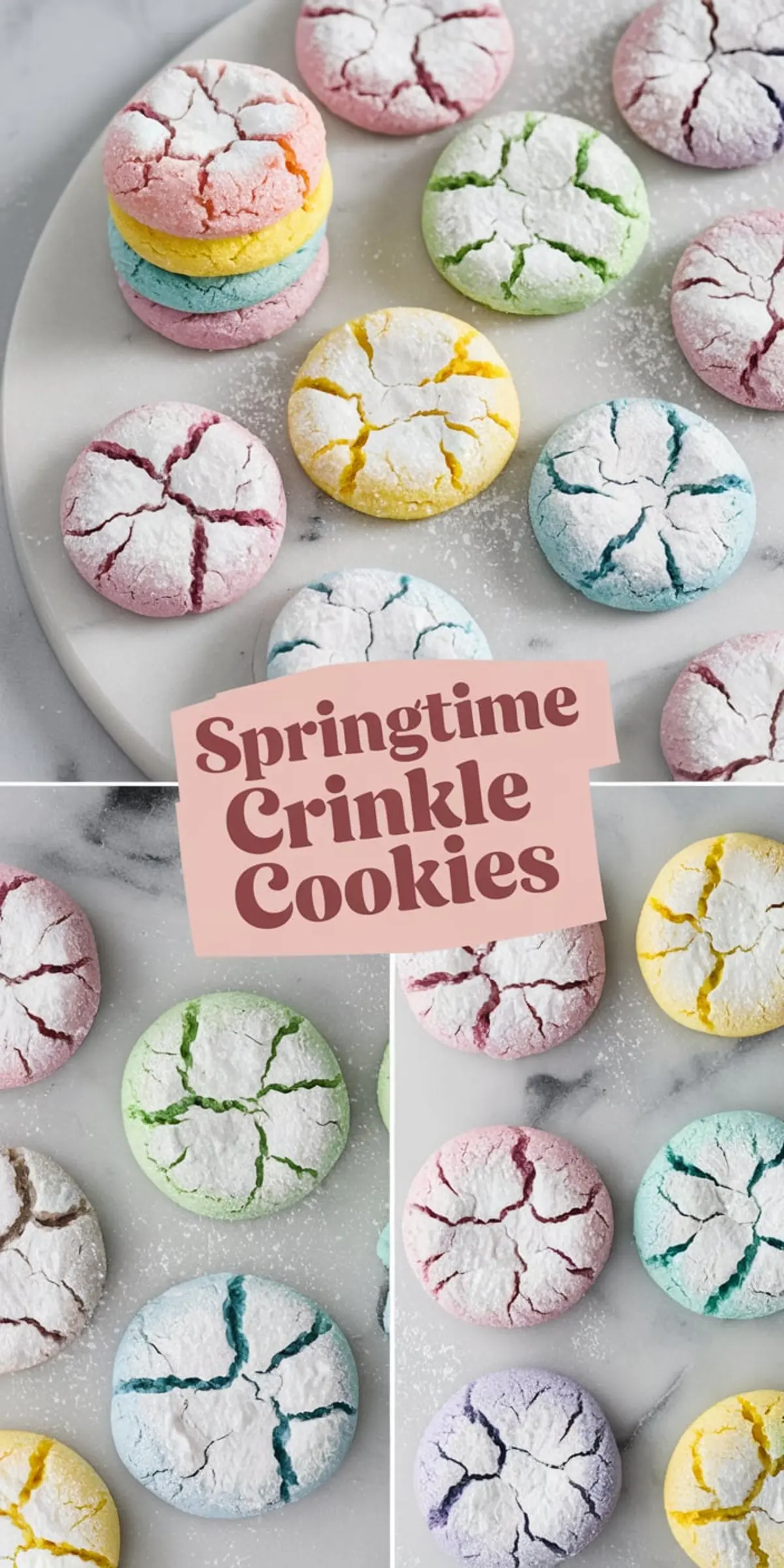
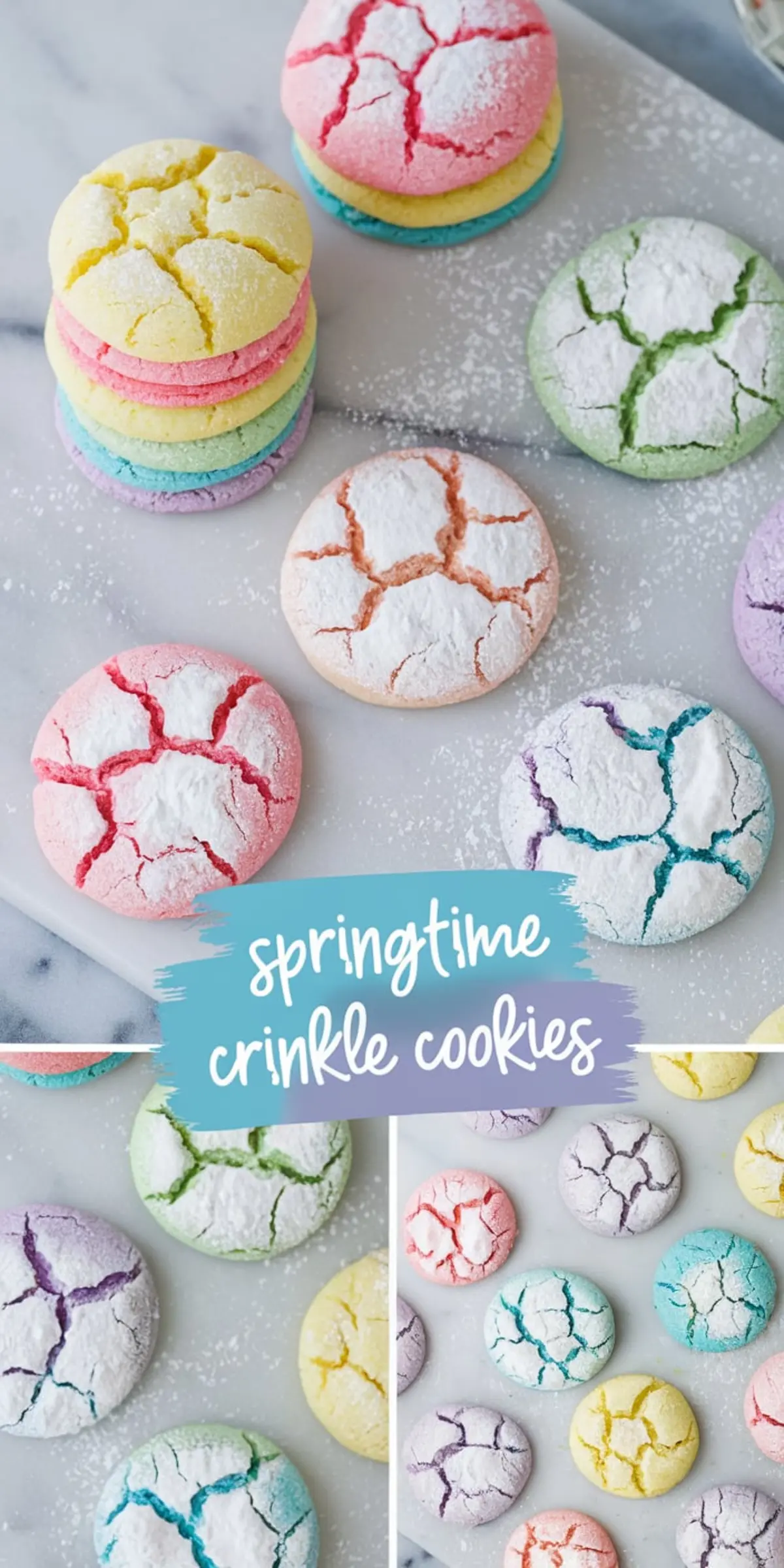
These spring crinkle cookies are soft vanilla cookies tinted in four or five pastel colors and rolled in powdered sugar, so they bake up with a white, cracked top over pink, yellow, green, blue, and purple. The recipe makes 24 cookies and takes about an hour, and half of that is the dough resting in the fridge.
That 30 minute chill is the step not to skip. Cold dough holds its shape long enough for the sugar coat to crack instead of melting, and it keeps the colors clean. I tried lemon extract once and went back to vanilla, which lets the pastel shades do the talking.
Following a special diet?
Every recipe on this site can be converted to gluten-free, vegan, dairy-free, keto, nut-free or egg-free with adjusted ratios so nothing falls flat.
Try the Recipe Converter →The Batch in Numbers
- Makes: 24 cookies from balls of about 1 tablespoon of dough
- Time: 20 minutes prep, 30 minutes chilling, 10 to 12 minutes baking
- Oven: 350°F (175°C), baking sheets lined with parchment, balls 2 inches apart
- Colors: 4 or 5 portions of dough, tinted with gel food coloring
- Done when: the cookies have spread, the tops have cracked, and the bottoms are still pale
- Keeps: 5 days in an airtight container, longer in the freezer
A Plain Vanilla Dough That Takes Color Well
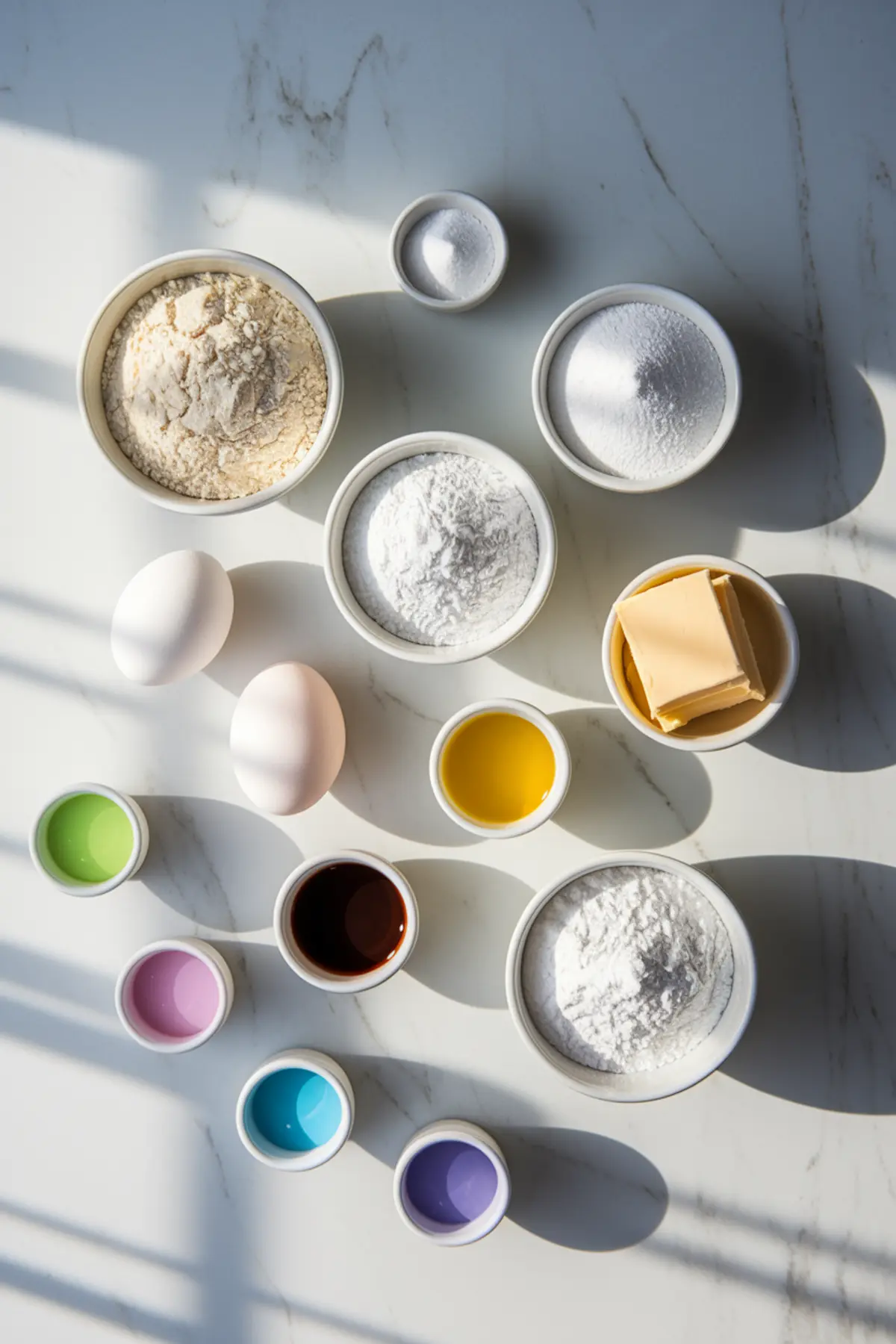
The dough is deliberately simple: 2¼ cups (280g) all-purpose flour, 1½ teaspoons baking powder, ¼ teaspoon salt, ¾ cup (170g) softened unsalted butter, 1 cup (200g) granulated sugar, 2 large eggs, and 1 tablespoon vanilla. There is no cocoa or brown sugar to tint it, so even a little color shows. You also need ½ cup (60g) powdered sugar for rolling.
Whisk the flour, baking powder, and salt in a medium bowl and set it aside. Whisking now means the baking powder is spread evenly, so one color batch does not rise more than another.
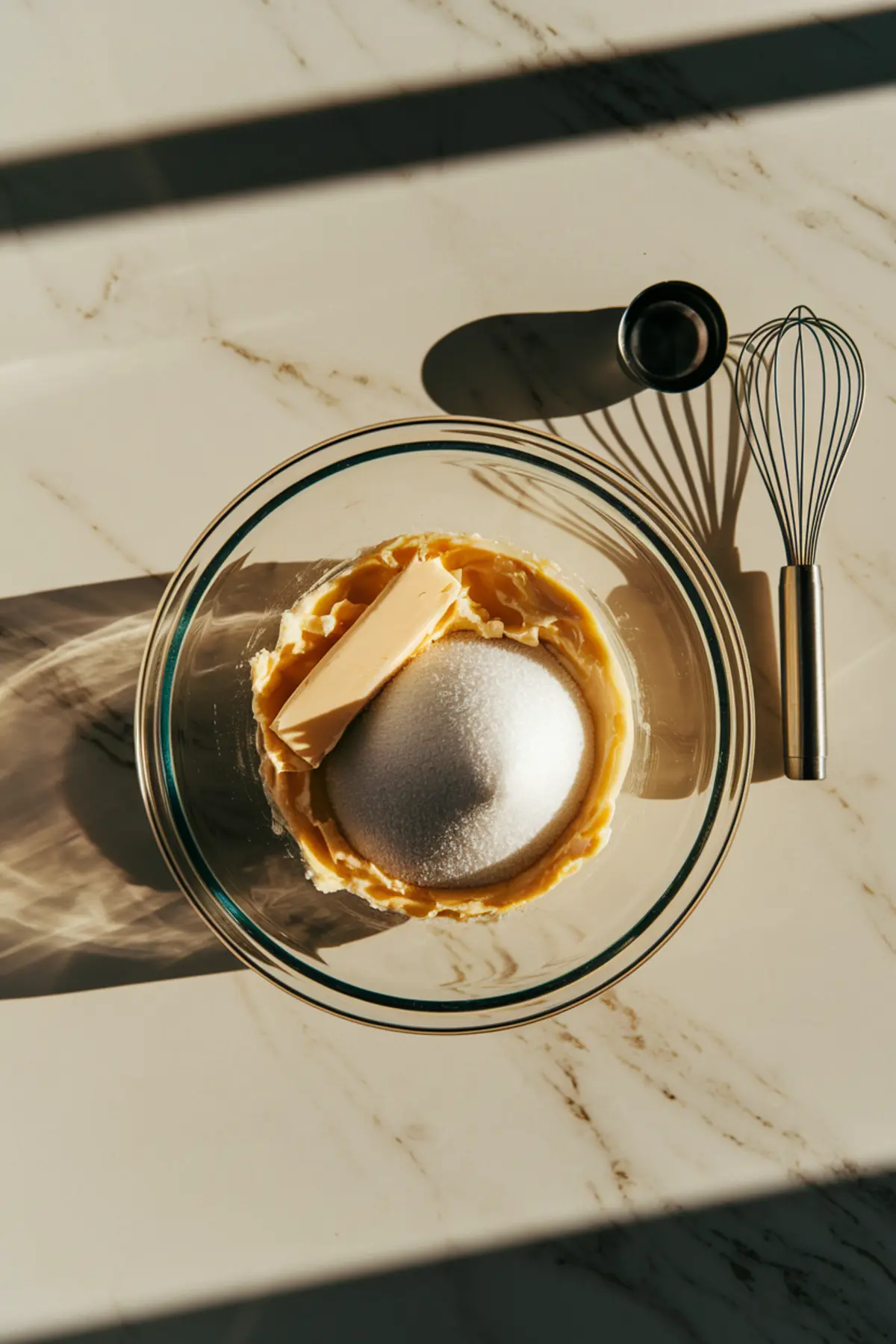
Cream the butter and sugar with a hand or stand mixer for about 2 minutes, until the mixture looks pale and fluffy. Butter that is soft enough to dent with a finger, but not shiny or greasy, creams best. Beat in the eggs one at a time, then the vanilla, and mix in the dry ingredients on low just until a soft dough forms.
Getting Pastel, Not Neon
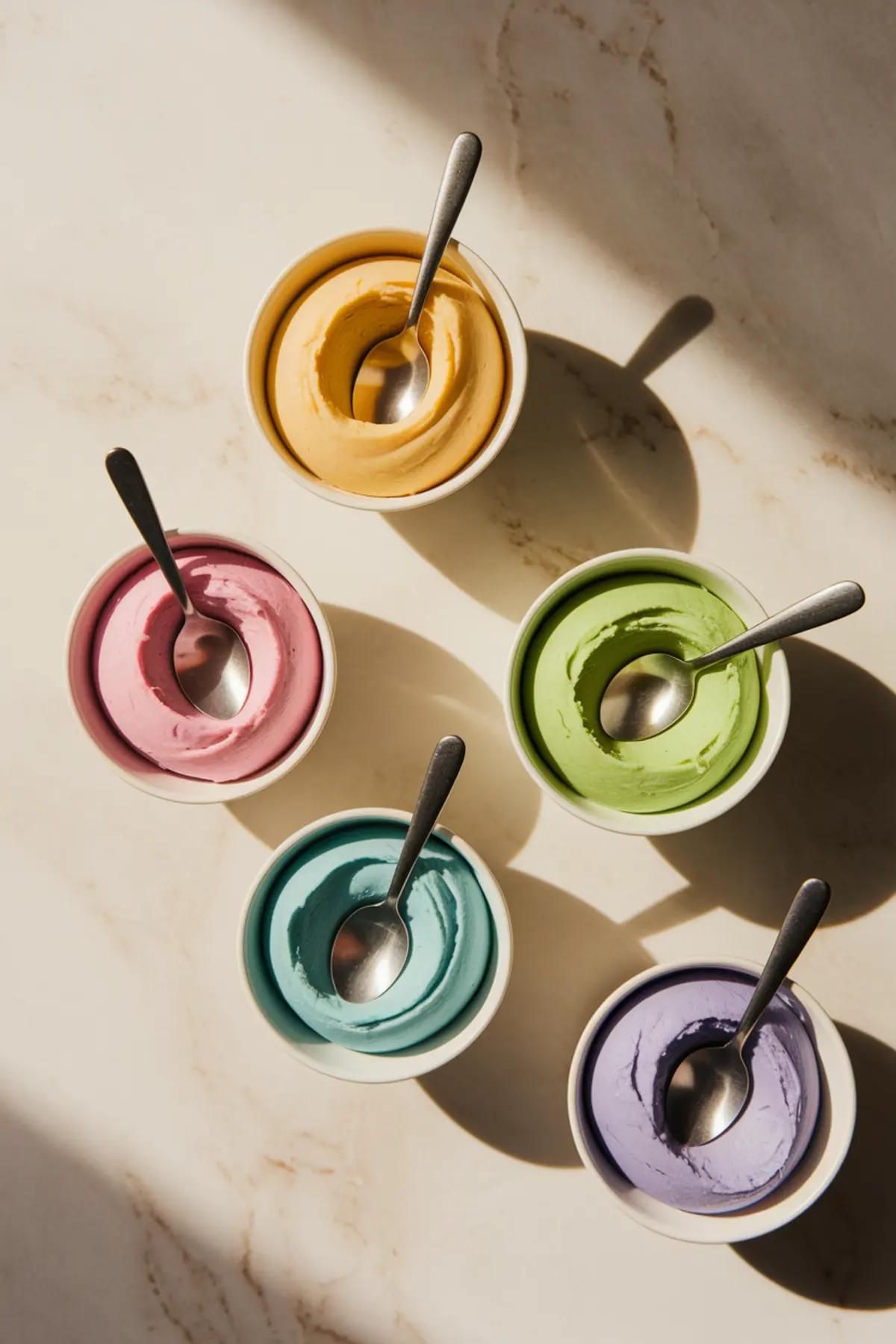
Divide the dough into 4 or 5 bowls. If you have a scale, weigh the whole batch and split it by weight. Even portions mean every color bakes in the same time.
Use gel food coloring. Dip a toothpick in the gel, swipe it on the dough, and fold it through with a spatula, adding a dab at a time. Pastel needs far less than you think, and the baked color reads about a shade lighter under the powdered sugar. Liquid coloring works in a pinch, but add it slowly because it softens the dough and makes it sticky. Mix only until the color is even. Overworked dough turns greasy and spreads more.
Flavor can follow the color if you like: a drop of almond extract in the pink or purple dough, or a little lemon zest in the yellow. For a stronger lemon cookie, my lemon crinkle cookies are built around it.
Marbled or Two Tone Crinkle Cookies
Pinch off two pieces of different colors, each about half the usual size, and press them together. Roll them into one ball with only one or two turns between your palms, then coat in powdered sugar. Roll too long and the colors blend into one muddy shade. Pink with yellow and blue with purple give the clearest swirl.
Where the Pastel Crinkles Come From
Powdered sugar dries the outside of each ball in the oven, while the baking powder pushes the soft center up and out. The dry shell cannot stretch, so it splits, and the colored dough shows through the cracks. Cold dough sets its outside before it spreads much, which is why chilled dough gives wider cracks and a whiter top.
Cover the bowls and chill for at least 30 minutes. Heat the oven to 350°F (175°C) while the dough rests. Scoop about 1 tablespoon at a time, roll it smooth, and coat it heavily in powdered sugar. A thin dusting disappears in the oven. Space the balls 2 inches apart on parchment and keep the dough you are not using in the fridge.
Bake for 10 to 12 minutes. Start checking at 10. The cookies are ready when they have spread, the tops are cracked, and the centers still look slightly soft. Let them sit on the sheet for 5 minutes, because they are fragile when hot, then move them to a wire rack.
When a Pastel Batch Goes Wrong
- The powdered sugar melted into a gray film: the dough was too warm or the coat too thin. Chill the rolled balls for 10 to 15 minutes and roll them a second time in powdered sugar right before baking.
- Flat cookies with few cracks: warm dough or butter that was melted instead of softened. Return the dough to the fridge for 10 to 15 minutes between trays.
- Colors look dull or tan: the cookies baked too long. Browned bottoms and edges muddy pastel colors, so pull them at 10 minutes in a hot oven.
- Sticky dough that will not roll: usually too much liquid coloring. Chill it longer, and dust your hands with powdered sugar as you roll.
- Uneven sizes on one tray: scoop with a tablespoon measure so every ball bakes in the same time.
For Easter Trays and Spring Parties
A jar of mixed colors is the simplest way to show them off. On an Easter dessert table they sit well next to Easter thumbprint cookies, spring flower Linzer cookies, and stained glass cross cookies, whose clear candy centers repeat the bright colors. Raspberry rose shortbread cookies add a floral note to the same plate.
For a single color version of the same idea, try strawberry crinkle cookies or purple crinkle cookies. If you want green from flavor rather than coloring, matcha crinkle cookies get theirs from green tea powder.
Keeping the Sugar Coat White
Store the cooled cookies in an airtight container at room temperature for up to 5 days, with parchment between the layers so the tops do not rub. A slice of bread in the container keeps them soft because the cookies take up its moisture. Change the bread when it turns hard.
To freeze, set the cookies in a single layer on a baking sheet until firm, then move them to a freezer bag or container. Thaw at room temperature before serving. The sugar coat holds up well this way, which makes it easy to bake a week or two before Easter.
Spring Cookies Recipе

These spring crinkle cookies are soft vanilla crinkle cookies made with butter, sugar, eggs, flour, and pastel gel food coloring, rolled in powdered sugar before baking. The recipe makes 24 cookies in about 1 hour, including a 30 minute chill, and they bake at 350°F for 10 to 12 minutes. Chilling the colored dough is the key step: cold dough sets before it spreads, so the powdered sugar cracks into a white top over pink, yellow, green, blue, and purple. Serve these pastel crinkle cookies on Easter dessert tables, at baby showers and spring parties, or packed in a jar as a gift. Press two colors together for marbled crinkle cookies. They keep 5 days in an airtight container and freeze well.
Ingredients
- FOR THE DRY INGREDIENTS:
- 2 ¼ cups (280g) all-purpose flour
- 1 ½ teaspoons baking powder
- ¼ teaspoon salt
- FOR THE WET INGREDIENTS:
- ¾ cup (170g) unsalted butter, softened
- 1 cup (200g) granulated sugar
- 2 large eggs
- 1 tablespoon vanilla extract
- FOR THE CRINKLE EFFECT:
- ½ cup (60g) powdered sugar (for rolling)
- FOR THE SPRING COLORS:
- Food coloring in pastel shades (pink, yellow, green, blue, purple)
Instructions
- PREPARE THE DOUGH: In a medium bowl, whisk together the flour, baking powder, and salt. Set aside. In a large mixing bowl, use a hand mixer or stand mixer to cream the butter and sugar together until light and fluffy, about 2 minutes. Add the eggs one at a time, mixing well after each addition. Stir in the vanilla extract.
- ADD DRY INGREDIENTS: Gradually mix in the dry ingredients until a soft dough forms.
- DIVIDE AND COLOR THE DOUGH: Divide the dough evenly into 4-5 smaller bowls, depending on how many colors you want. Add a few drops of food coloring to each portion and mix until the color is evenly distributed. Avoid overmixing.
- CHILL THE DOUGH: Cover the bowls with plastic wrap and refrigerate for at least 30 minutes. This firms up the dough for easier rolling.
- ROLL AND COAT IN POWDERED SUGAR: Preheat the oven to 350°F (175°C) and line a baking sheet with parchment paper. Scoop out about 1 tablespoon of dough, roll it into a ball, and generously coat it in powdered sugar. Place the coated dough balls on the baking sheet, spacing them about 2 inches apart.
- BAKE: Bake for 10-12 minutes, or until the cookies have spread and the tops have cracked. Let them cool on the baking sheet for 5 minutes, then transfer to a wire rack to cool completely.
Notes
Use gel food coloring and add it a dab at a time with a toothpick; the baked color looks a shade lighter under the powdered sugar. Liquid coloring softens the dough, so add it slowly.
Chill the dough for at least 30 minutes. If it softens while you work, return it to the fridge for 10 to 15 minutes. Coat each ball heavily in powdered sugar; if the coat melts into the dough, roll the balls a second time right before baking.
Bake until the tops crack and the centers still look soft, starting to check at 10 minutes. Browned bottoms dull the pastel colors.
For marbled cookies, press two half-size pieces of different colors together and roll only briefly.
Store in an airtight container at room temperature for up to 5 days. To freeze, freeze in a single layer until firm, then transfer to a freezer bag. Thaw at room temperature.
Nutrition Information
Yield
24Serving Size
1Amount Per Serving Calories 66Total Fat 1gSaturated Fat 1gTrans Fat 0gUnsaturated Fat 1gCholesterol 17mgSodium 76mgCarbohydrates 11gFiber 1gSugar 1gProtein 2g
