

This Easy Sweet Italian Easter Bread is a soft braided yeast bread wrapped around dyed eggs, lightly sweet and scented with citrus, inspired by traditional Italian Easter Bread Recipes and classic Italian Easter Egg Bread.
This Italian Easter Bread rises tall, bakes golden, and holds its shape beautifully, which makes it one of those Easy Easter Bread Recipes that feels festive yet manageable at home.
The crumb stays tender and light.

Following a special diet?
Every recipe on this site can be converted to gluten-free, vegan, dairy-free, keto, nut-free or egg-free with adjusted ratios so nothing falls flat.
Try the Recipe Converter →The crust turns shiny from the egg wash and carries a gentle sweetness that fits every spring table.
I bake this Sweet Italian Easter Bread every year because it looks intricate but follows a simple rhythm.
The dough relies on balance. Four cups of flour support three eggs, milk, and butter without turning heavy.
That ratio builds structure so the braid holds dyed eggs securely during baking. I tested looser dough once. The shape spread and lost height.
Active dry yeast at 2 ¼ teaspoons gives steady lift during the two hour rise. Slow fermentation builds flavor and keeps the crumb fine and even.
The same principle of texture control appears in my Panna Cotta Recipe where proportion shapes consistency. Bread follows the same logic.
What You Need And Why I Chose It
All purpose flour creates strength. I choose unbleached flour because it kneads smoothly and stretches without tearing.
Whole milk softens the crumb and supports browning. Warm milk at 110°F activates yeast evenly and keeps the rise predictable. I always check temperature. Precision prevents surprises.
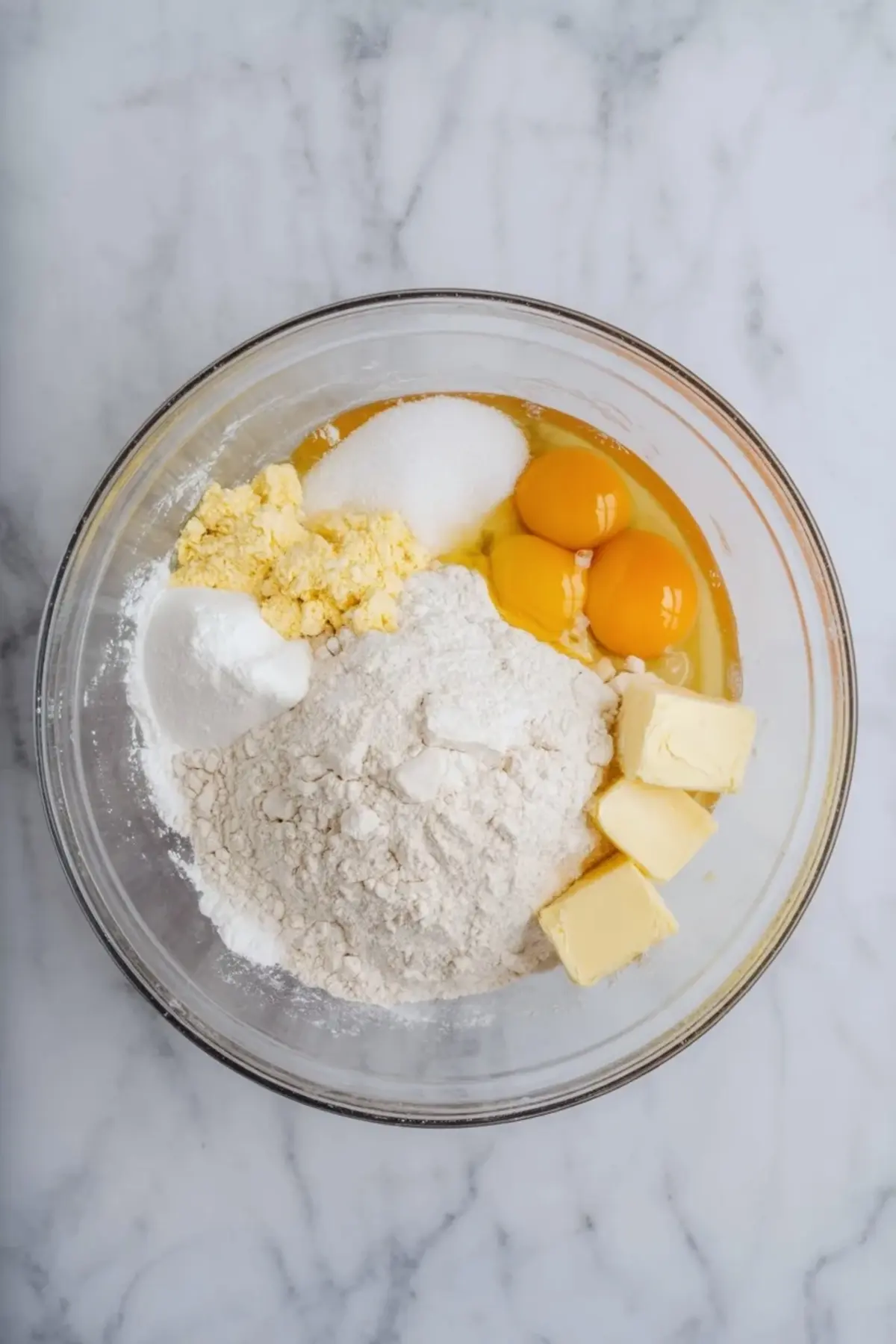
Unsalted butter adds richness and flavor depth. Melted butter disperses evenly and creates a soft bite.
Eggs enrich the dough and give natural color. Room temperature eggs blend faster and build a smoother structure. I set them out early. I forget sometimes, then remember halfway through.
Citrus zest brings brightness. Lemon or orange zest lifts the sweetness and gives this Easter Sweet Bread Italian character that feels traditional yet fresh.
For another citrus driven dessert, I often point readers to my Lemon Tiramisu Recipe With Limoncello. Citrus works magic in baked goods.
The Yeast Activation Step

Warm milk, a teaspoon of sugar, and yeast need five to ten minutes. Foam tells you the yeast is active and ready.
If bubbles form across the surface, you proceed with confidence. If the mixture stays flat, you start again. I treat this step as insurance.
This early pause sets the tone for the entire loaf.
How To Shape And Bake

After kneading for about eight to ten minutes, the dough should feel smooth and slightly tacky. It should stretch thin without tearing.
The first rise takes about 90 minutes in a warm spot. The dough should double in size and feel airy under your palm.
Divide the dough into two or three portions and roll each into ropes about 18 to 20 inches long. Braid gently and shape into a circle, then nestle dyed raw eggs into the braid without pressing deeply.
Brush the dough with egg wash, avoiding the eggs themselves, and sprinkle with nonpareils. Bake at 350°F for 25 to 30 minutes until golden brown and hollow sounding when tapped.
How To Tell It Is Done
The crust should show deep golden color. The underside should sound hollow when tapped.
The internal temperature should reach about 190°F if you check with a thermometer. That test removes doubt.
Underdone bread feels heavy and pale. Overbaked bread turns dry at the edges. I trust color and sound most.
Troubleshooting And Variations
If the braid spreads, the dough held too much moisture. Add a tablespoon of flour during kneading next time.
If the crumb feels dense, kneading time likely ran short. Full gluten development creates lift.
You can add anise extract in place of vanilla for a more traditional flavor. You can also sprinkle pearl sugar instead of nonpareils for a more classic look.
For another sweet braided option, my Nutella Bomboloni (Italian Donuts) share that same enriched dough comfort in a different shape.
Storage And Serving
Store Italian Easter Bread at room temperature for up to two days in an airtight container. The crumb stays soft during that time.
Refrigeration extends freshness to four days, though it firms slightly. Gentle reheating restores softness.
Serve slices plain with coffee. Toast lightly and spread with butter. Add a spoon of jam for a simple brunch plate.
Save This Italian Easter Bread
Save this Easy Italian Easter Bread to your spring baking board so you have it ready each year.
Share in the comments how your braid turned out or what decorations you added. I love seeing how each baker makes this bread their own.
Italian Easter Bread

Celebrate spring with this beautiful Easy Sweet Italian Easter Bread, a soft and lightly sweet dough braided around colorful eggs. This traditional Italian Easter Bread is a festive centerpiece inspired by classic Italian Easter Bread Recipes and decorated just like Italian Easter Egg Bread. The golden crust and tender crumb make it a standout among Sweet Italian Easter Bread Recipes. Follow this simple method for Easy Italian Easter Bread that looks impressive yet stays approachable for home bakers. A timeless choice from Easy Easter Bread Recipes that brings charm and tradition to your table.
Ingredients
- FOR THE DOUGH
- 4 cups all-purpose flour (plus extra for kneading)
- 1 packet (2 ¼ tsp) active dry yeast
- ½ cup whole milk, warmed to 110°F
- ¼ cup granulated sugar
- ¼ cup unsalted butter, melted and cooled slightly
- 3 large eggs, room temperature
- ½ tsp salt
- 1 tsp pure vanilla extract
- Zest of 1 lemon or 1 orange (optional but recommended)
- FOR DECORATING
- 6 dyed raw eggs
- 1 egg + 1 tbsp water, for egg wash
- Colored sprinkles (nonpareils or confetti-style)
Instructions
- ACTIVATE THE YEAST: In a small bowl, stir the yeast and 1 teaspoon of the sugar into the warm milk. Let the mixture sit for 5 to 10 minutes, or until it becomes foamy. If it does not foam, the yeast may be expired or the milk temperature may be incorrect.
- MAKE THE DOUGH: In a large mixing bowl or the bowl of a stand mixer fitted with a dough hook, combine the flour, remaining sugar, and salt. In a separate bowl, whisk together the eggs, melted butter, vanilla, and citrus zest. Pour both the egg mixture and the activated yeast mixture into the dry ingredients. Stir until a shaggy dough forms, then knead by hand or with the dough hook for 8 to 10 minutes, or until the dough is smooth and elastic. It should feel slightly tacky but not sticky.
- FIRST RISE: Place the dough in a greased bowl, cover it with a clean kitchen towel or plastic wrap, and let it rise in a warm place for 1½ to 2 hours, or until it has doubled in size.
- SHAPE THE DOUGH: Once the dough has risen, punch it down and transfer it to a lightly floured surface. Divide the dough into 2 or 3 equal portions, depending on your desired loaf size. Roll each portion into ropes about 18 to 20 inches long. Braid the ropes together and shape the braid into a circle, pinching the ends to seal. Gently nestle the dyed raw eggs into the braid, spacing them evenly. Do not press too hard, as they will settle further during baking.
- SECOND RISE: Carefully transfer the shaped dough to a parchment-lined baking sheet. Cover loosely and allow it to rise for 30 to 45 minutes.
- BAKE: Preheat the oven to 350°F (175°C). Brush the dough—avoiding the eggs—with the egg wash. Sprinkle with colored nonpareils. Bake for 25 to 30 minutes, or until the bread is golden brown and sounds hollow when tapped on the bottom. Let cool on a wire rack before serving.
Notes
The dyed eggs must be raw when placed into the braid—they will bake in the oven along with the bread. If using smaller loaves, start checking for doneness around the 20-minute mark. Avoid brushing the dyed eggs with the egg wash to maintain their color.
Nutrition Information
Yield
1Serving Size
1Amount Per Serving Calories 5068Total Fat 108gSaturated Fat 50gUnsaturated Fat 59gCholesterol 1804mgSodium 1811mgCarbohydrates 843gFiber 28gSugar 74gProtein 165g
