

This easy Biscoff cookie butter recipe blends crisp Biscoff cookies, sweetened condensed milk, and melted coconut oil into a creamy, spreadable dip you can use in dozens of ways. It’s a fast way to make your own homemade Biscoff spread recipe at home without additives or mystery ingredients. You’ll get a rich, cinnamon-scented texture that works as a Biscoff dip, a cookie butter swirl, or even a base for Biscoff toffee dip. It’s smooth, spoonable, and made for anyone who loves Biscoff recipes easy and quick.
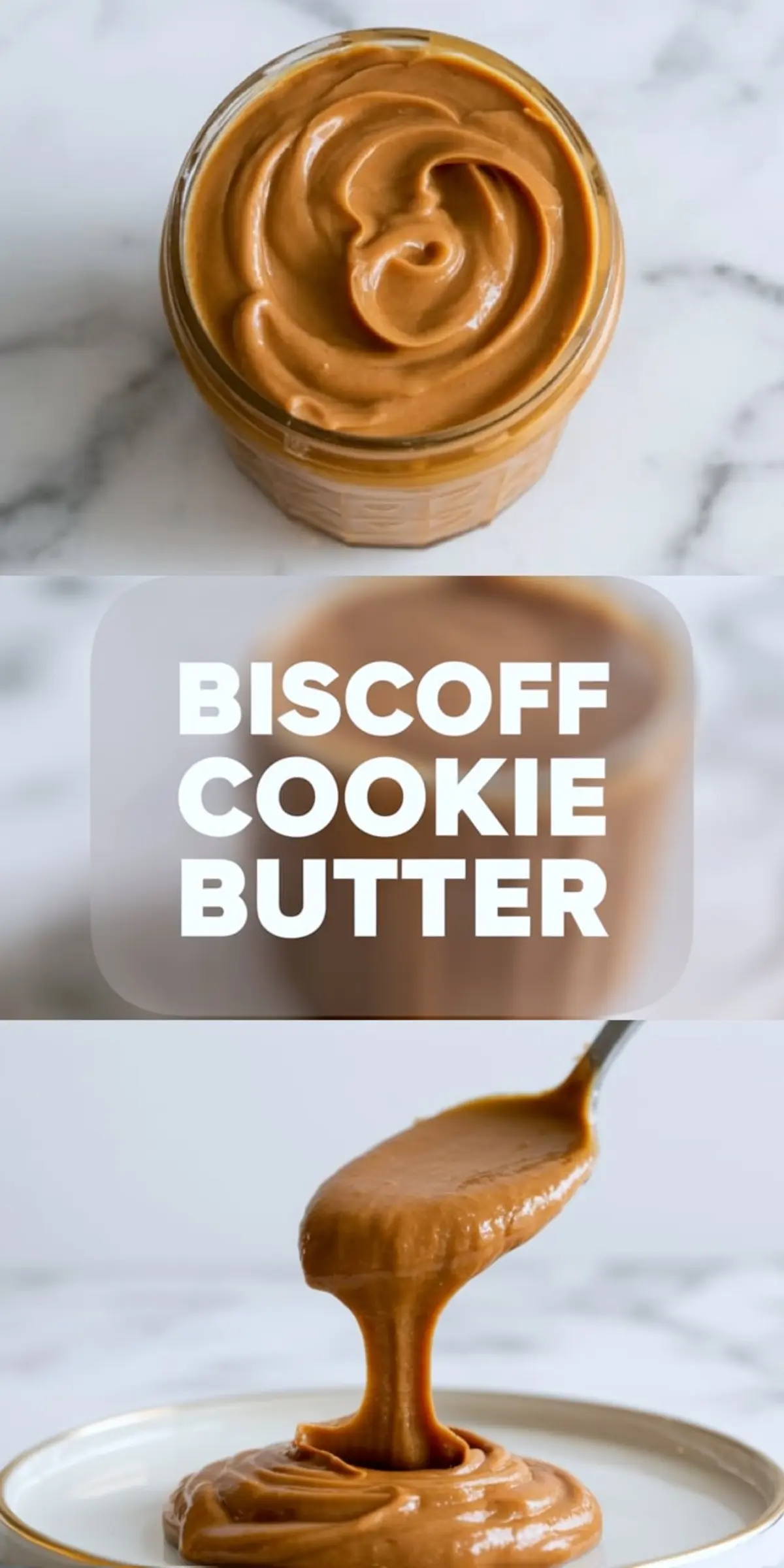
The base starts with Biscoff cookies, crushed to a fine powder. That texture gives the spread body and structure, but it’s the liquid-to-fat ratio that keeps it silky.
Sweetened condensed milk adds sweetness and smoothness. It also binds the crumbs into a thick paste without making it stiff. Using both oil and milk gives the final spread that balance between rich and spreadable.
I tested it a few different ways. Skipping the oil made it too thick. Skipping the milk left it grainy. This version hits the right texture.
Ingredient Choices That Make a Difference
Biscoff cookies create the flavor foundation. Their caramelized crunch gives the cookie butter its deep base and light spice. I used the classic version.
Sweetened condensed milk thickens and sweetens. It keeps the spread cohesive without making it dry or chalky. Choose full-fat if you want a smoother finish.
Melted coconut oil loosens the mix and gives it a clean melt-in-your-mouth finish. I’ve also used grapeseed oil or light olive oil when needed.
Brown sugar adds warmth and just a hint more sweetness. I use light brown sugar. If you want extra depth, dark brown sugar works too.
Vanilla extract rounds the flavors out. Cinnamon is optional, but it echoes the spice from the cookies and deepens the finish.
Milk controls consistency. Add it last and in small amounts. I use whole milk or oat milk, depending on what I have open.
Spotlight on Biscoff Cookies
The cookies do all the heavy lifting in this recipe. That toasted caramel flavor, the crisp snap, the warmth all comes through in the spread.
If you’ve never crushed them in a food processor before, you’ll notice how they grind into a dry, fine powder quickly. That texture helps them soak in the liquids without turning gummy.
You’ll want to use about 2 cups, which comes out to roughly 25 cookies. If you swap in another spiced cookie, like gingersnaps, the flavor and structure will shift, but it still works.
What to Watch While Blending
After crushing the cookies, the key is to blend slowly as you add liquids. Start with the condensed milk, oil, sugar, vanilla, and optional cinnamon. Let it blend a full 30 seconds.
Once that’s incorporated, drizzle in the milk one tablespoon at a time. It should go from sandy paste to creamy spread right before your eyes.
Scrape down the sides often. This helps everything blend evenly. If it looks stiff or dry, keep blending and add a splash more milk.
Stop when it’s glossy and scoopable.
Knowing When It’s Ready
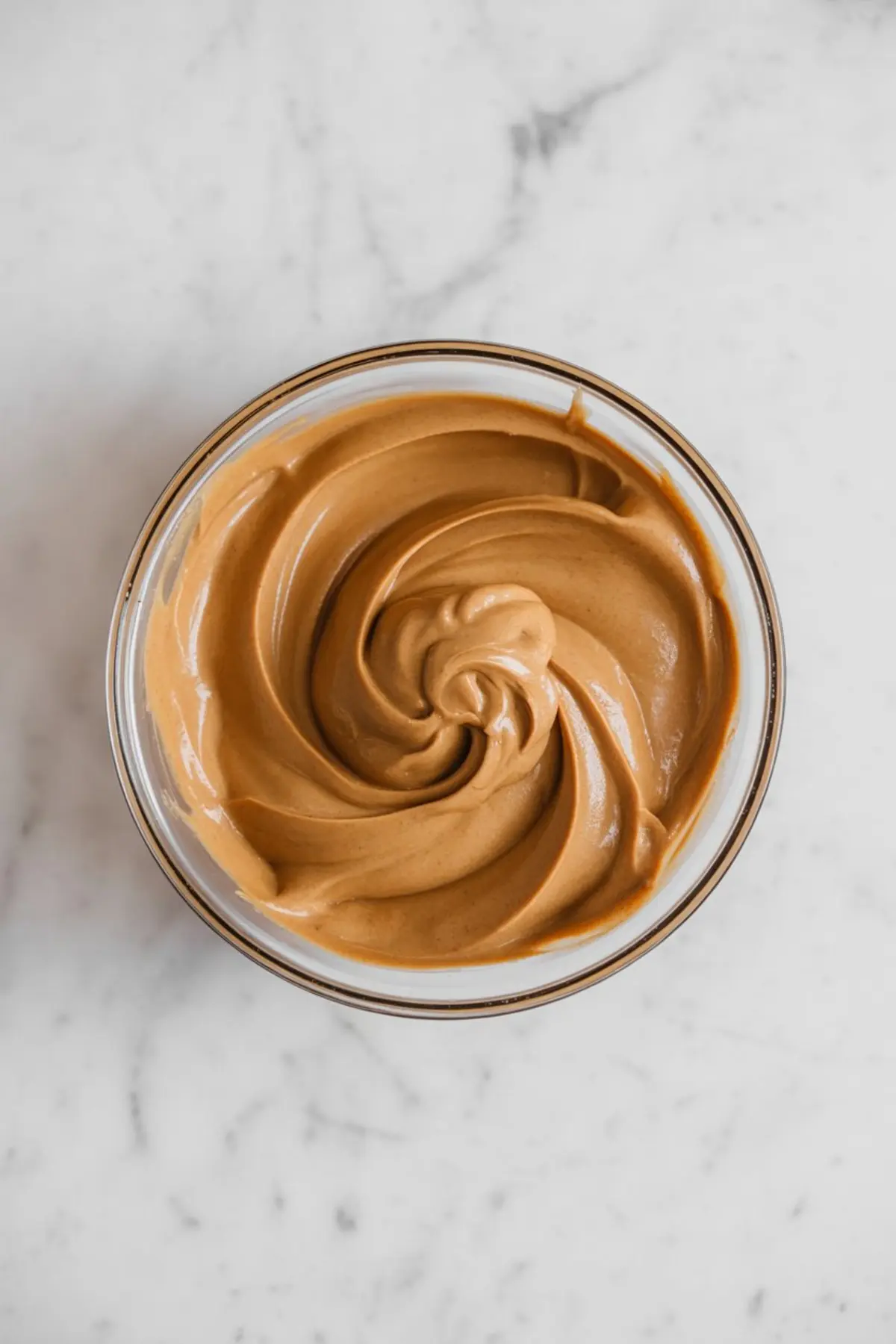
The spread should look smooth and shiny. It should move easily when stirred but still hold a shape.
If it’s too thin, let it chill. The coconut oil will firm it up in the fridge. If it’s too thick, add another tablespoon of milk and reblend.
Texture changes as it cools, so stop blending when it’s just a bit looser than you want.
If It Doesn’t Blend Right
If the mix clumps or stays grainy, check that your cookies were fully crushed. You may need to pulse a bit longer at the start.
Too thick? Add milk slowly. Too thin? Chill in the fridge 20 to 30 minutes, then stir.
If it tastes flat, a pinch more cinnamon or a drop of almond extract can brighten it.
Variations You Can Try
For a chocolate version, add 2 tablespoons unsweetened cocoa powder during blending. It becomes rich and more dessert-like.
Make a Biscoff dip for fruit by using one third cup milk instead of one quarter cup. It will be looser and more dippable.
Use peanut butter instead of coconut oil for a nutty twist. Start with 3 tablespoons and adjust to taste.
If you want a Biscoff toffee dip version, stir in crushed toffee bits after blending.
Storage Notes
Store your Biscoff spread in an airtight glass jar in the fridge.
On the counter, it keeps for 1 to 2 days if your kitchen stays cool. In the fridge, it holds for 2 weeks. The flavor develops more after 24 hours.
You can freeze it in a freezer-safe container. Thaw in the fridge and stir before using.
Practical Tips From Testing
Use a food processor over a blender if possible. It gives better control.
Weigh your cookies if possible. Two hundred grams is ideal. Too few and the spread turns runny.
Scrape down the bowl often. This helps it blend evenly and stay smooth.
Let it rest 10 minutes before storing so the texture can settle.
Serving Ideas
Spoon it over pancakes or waffles.
Use it as a layer in trifles or parfaits.
Spread it on toast with sliced banana.
Swirl it into brownie batter or cheesecake.
Dip fresh strawberries or apple slices in it.
Gift a jar with a ribbon for easy homemade gifts.
Save and Share This One

Pin this easy Biscoff cookie butter recipe to your favorite dessert board and come back to it anytime.
Let me know in the comments if you tried a twist, used it in a new way, or had a question while making it. I’d love to hear how yours turned out.
Biscoff Cookie Butter

Make your own smooth and creamy Biscoff cookie butter using simple ingredients. This homemade Biscoff spread recipe is perfect as a dip for fruit, a topping for pancakes, or a swirl into your favorite desserts. Add it to your list of easy Biscoff recipes or turn it into a rich Biscoff dip for snacking. Ideal for fans of Biscoff cookies, this versatile treat also works well as a Biscoff sauce recipe for sweet creations.
Ingredients
- 2 cups Biscoff cookies (about 25 cookies)
- ½ cup sweetened condensed milk
- 2 tablespoons brown sugar
- 1 teaspoon cinnamon (optional)
- 1 teaspoon vanilla extract
- ¼ cup melted coconut oil or neutral oil
- ¼ cup milk or non-dairy milk, more as needed for consistency
Instructions
- CRUSH THE COOKIES: Place the Biscoff cookies in a high-speed blender or food processor and pulse until they form fine, even crumbs.
- ADD WET INGREDIENTS: Add the sweetened condensed milk, melted coconut oil, brown sugar, vanilla extract, and cinnamon if using. Blend to combine the mixture evenly.
- BLEND UNTIL SMOOTH: With the motor running, slowly add the milk one tablespoon at a time until the mixture becomes creamy and spreadable. Scrape down the sides of the bowl as needed to ensure everything is fully blended.
- ADJUST CONSISTENCY: If the mixture is too thick, add more milk gradually and blend again. If it’s too thin, refrigerate the mixture until it thickens to your desired texture.
- STORE AND ENJOY: Transfer the cookie butter to a clean, airtight jar. Let it cool completely before sealing and storing in the refrigerator for up to 2 weeks.
Notes
For a dairy-free version, use sweetened condensed coconut milk and plant-based milk. The spread will thicken as it chills, so aim for a slightly loose texture when blending.
Nutrition Information
Yield
1Serving Size
1Amount Per Serving Calories 1780Total Fat 86gSaturated Fat 54gUnsaturated Fat 32gCholesterol 24mgSodium 1059mgCarbohydrates 241gFiber 5gSugar 146gProtein 22g
