
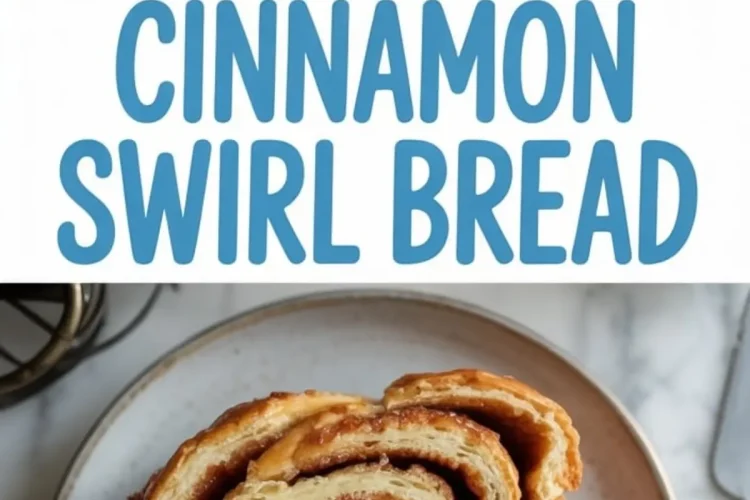
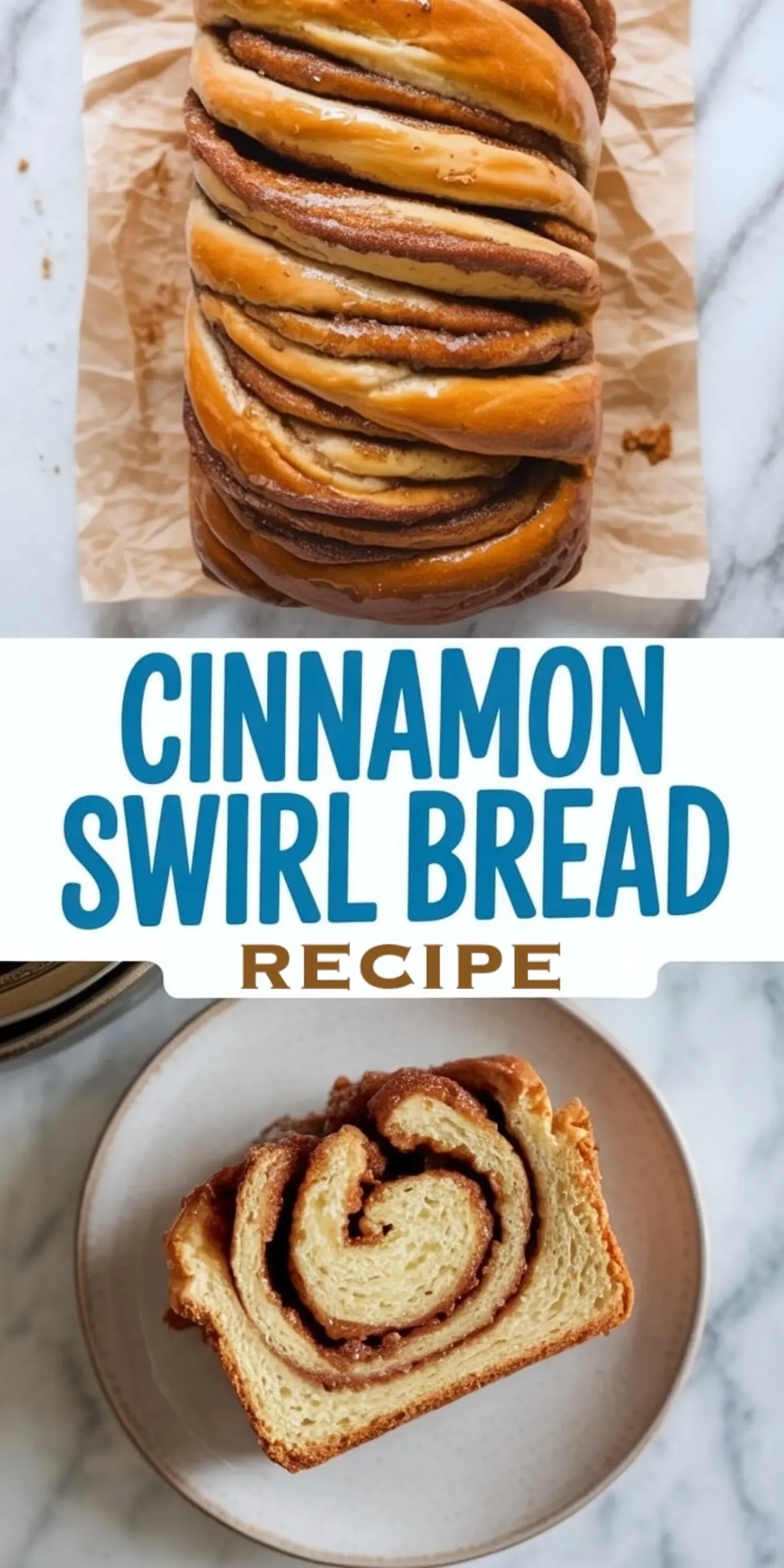
Homemade cinnamon swirl bread is a soft yeast loaf made with milk, egg, and butter, rolled around brown sugar and cinnamon, then cut and twisted so the swirl shows on top. One batch makes a single 9×5 inch loaf, about 10 slices. Plan on roughly 3¼ hours, and most of that is the dough rising on its own.
The trick is the shape. Instead of baking a plain rolled log, you slice the log lengthwise and twist the two halves with the cut sides up. The filling stays in tight ribbons, and you avoid the hollow tunnel a rolled loaf can get under its crust.
Following a special diet?
Every recipe on this site can be converted to gluten-free, vegan, dairy-free, keto, nut-free or egg-free with adjusted ratios so nothing falls flat.
Try the Recipe Converter →One Cinnamon Swirl Loaf at a Glance
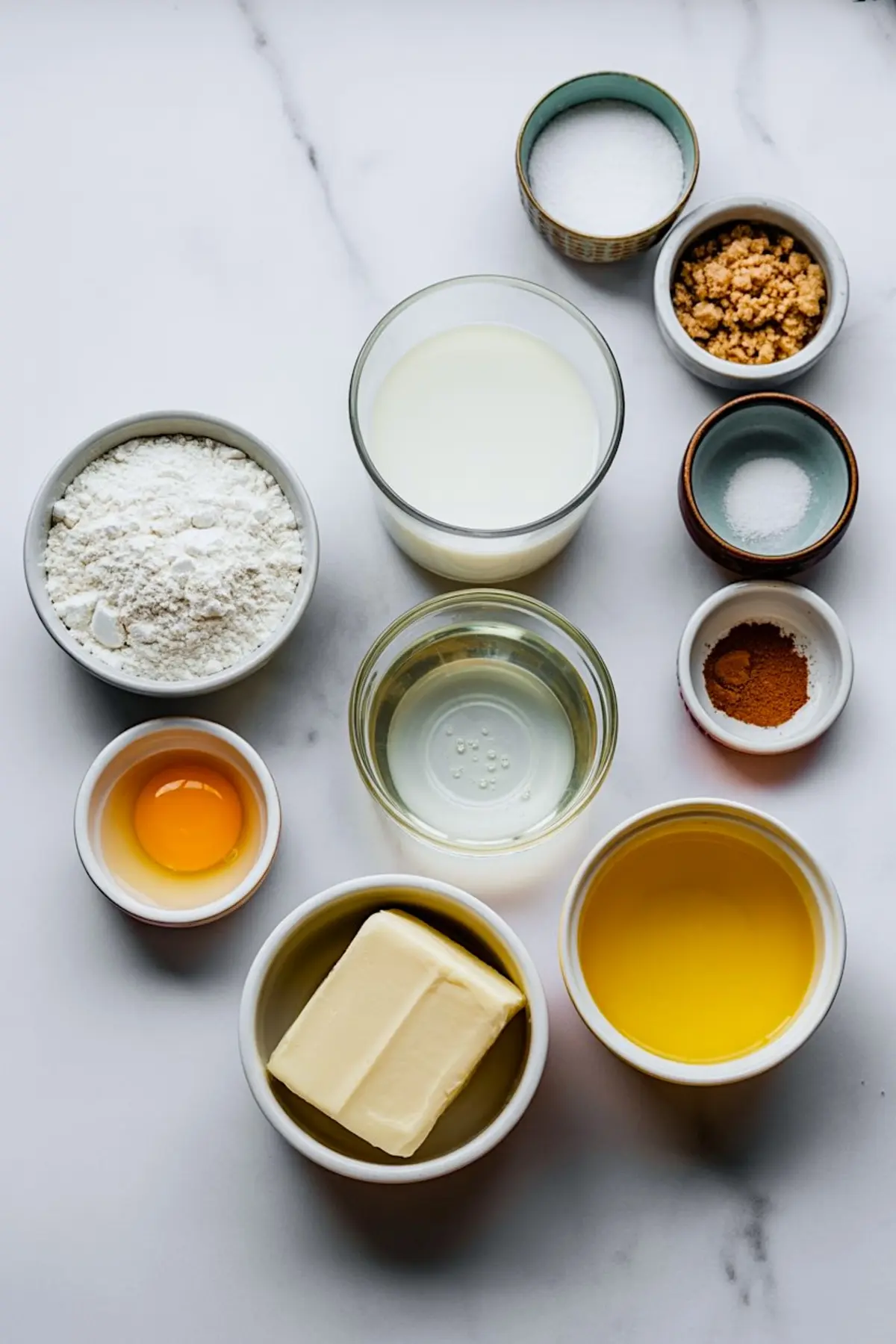
- Dough: 3½ cups (420 g) all-purpose flour, ¼ cup sugar, 1 packet active dry yeast, 1 tsp salt, ¾ cup warm milk, ¼ cup warm water, 1 egg, 4 tbsp soft butter
- Filling: ½ cup packed light brown sugar, 2 tbsp ground cinnamon, 3 tbsp melted butter
- Optional glaze: ½ cup powdered sugar, 1 to 2 tbsp milk or cream, ¼ tsp vanilla
- Milk temperature: 110°F (43°C)
- Rises: 1½ to 2 hours, then 30 to 40 minutes in the pan
- Shape: 9×18 inch rectangle, rolled, cut lengthwise, twisted into a 9×5 inch pan
- Bake: 350°F (175°C) for 35 to 40 minutes, about 190°F in the center
- Yield: 1 loaf, 10 slices
Kneading a Soft Sweet Dough
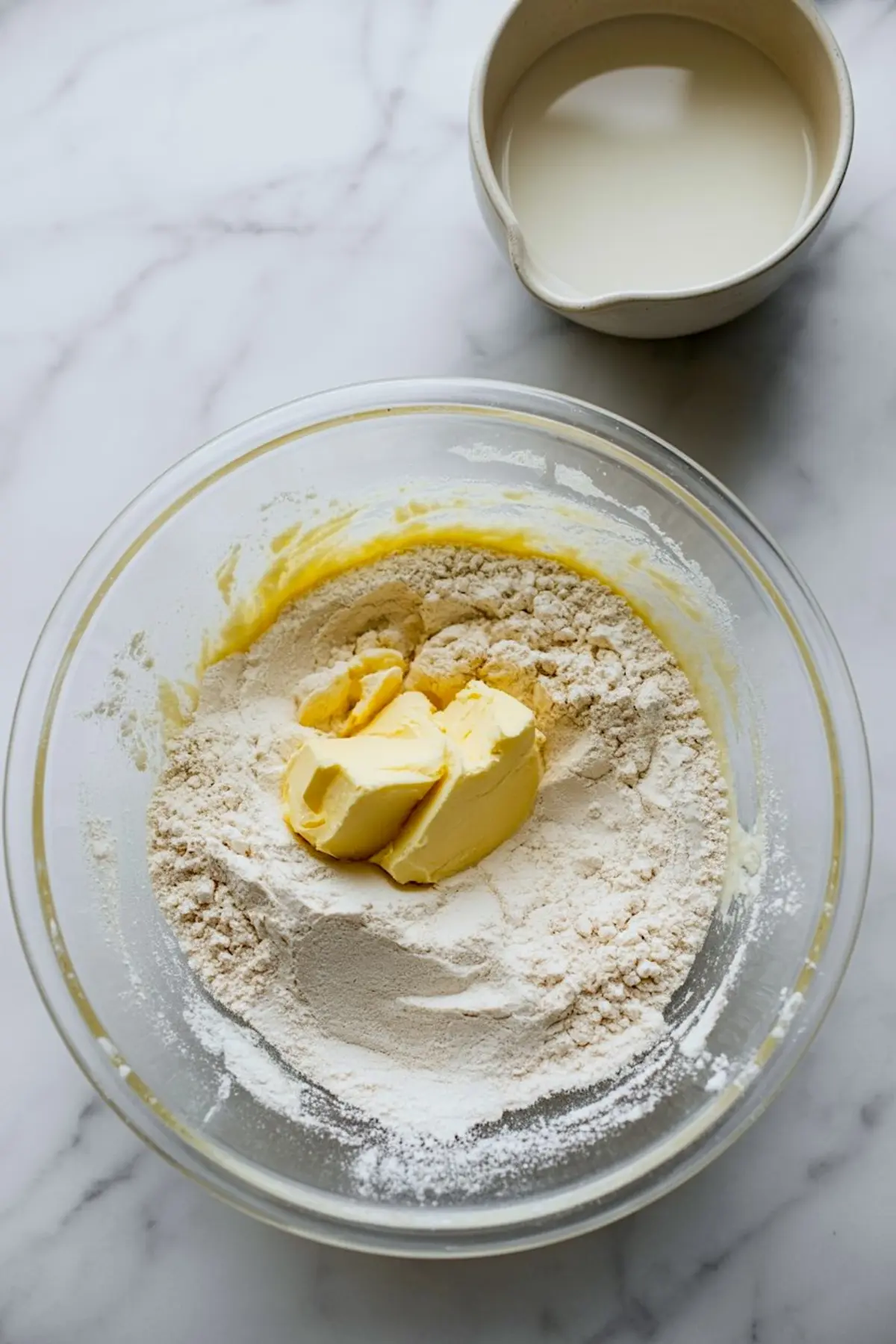
Stir the yeast into the warm milk and water and wait 5 to 10 minutes. You want a foamy, beery smelling top. At 110°F the milk feels warm on your wrist, not hot. Much hotter and you can kill the yeast, and nothing will foam.
Whisk the flour, sugar, and salt, then add the yeast mixture, the egg, and the soft butter. Knead with a dough hook on medium for 6 to 8 minutes, or by hand for about 10. The egg, milk, and butter are what make this crumb soft but still sturdy enough to hold a twist.
Finished dough is smooth and springy and feels tacky, a little like the back of a sticky note. If it still smears on your fingers, knead in a tablespoon of flour. If it tears and looks shaggy, the flour was probably packed into the cup, so add a teaspoon of milk at a time. Spooning and leveling the flour, or weighing 420 g, saves you from both.
Reading the First Rise
Cover the bowl and leave it somewhere warm, ideally 75 to 80°F, for 1½ to 2 hours. A cool kitchen sits at the long end. Go by the dough, not the clock: it should be about doubled, and a floured finger pressed in leaves a dent that fills back slowly.
Brown Sugar Cinnamon Filling That Stays Put
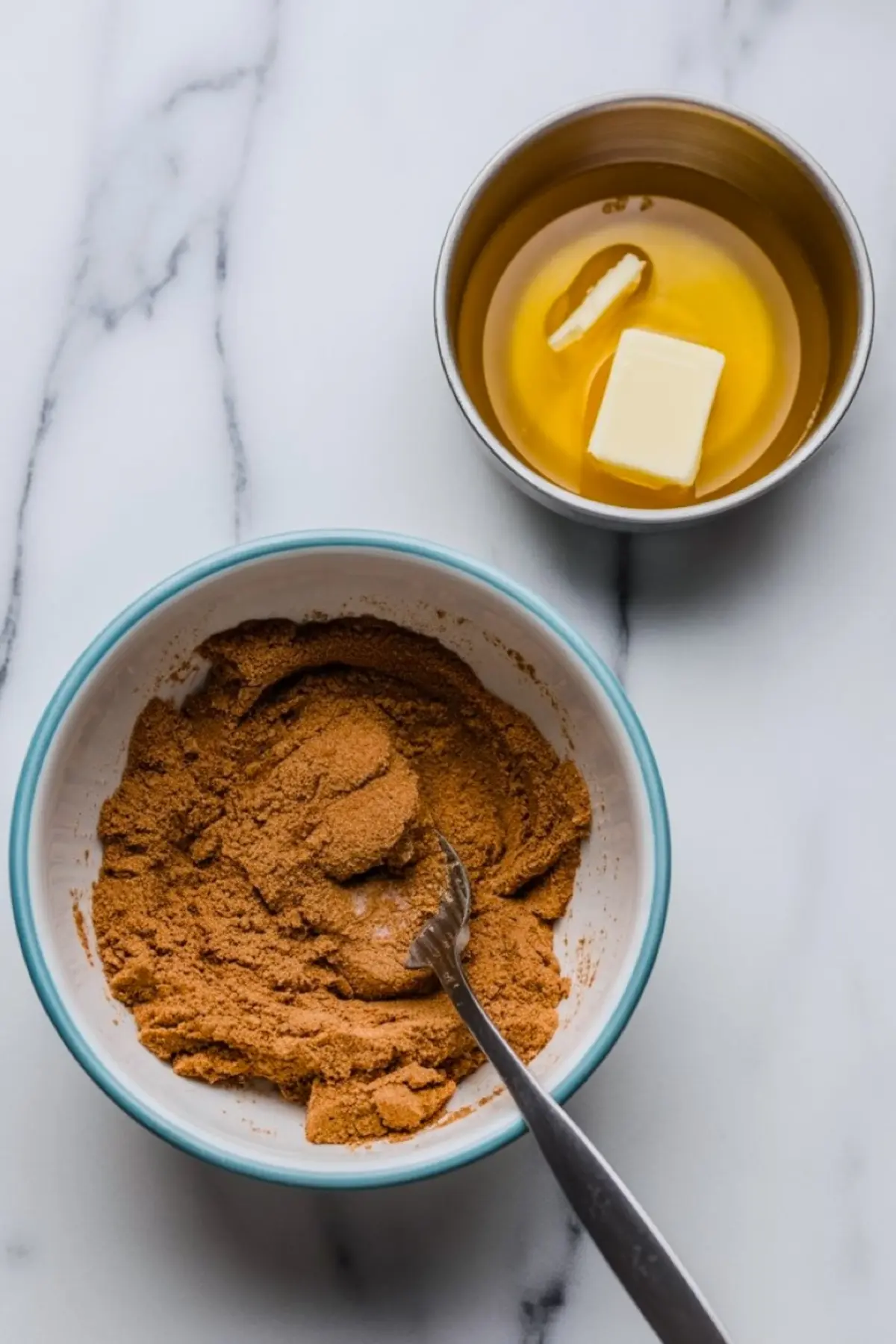
While the dough rises, stir the brown sugar and cinnamon together and melt the 3 tablespoons of butter. Let the butter cool until it is barely warm. Hot butter softens the dough surface, and then the sugar slides around when you roll.
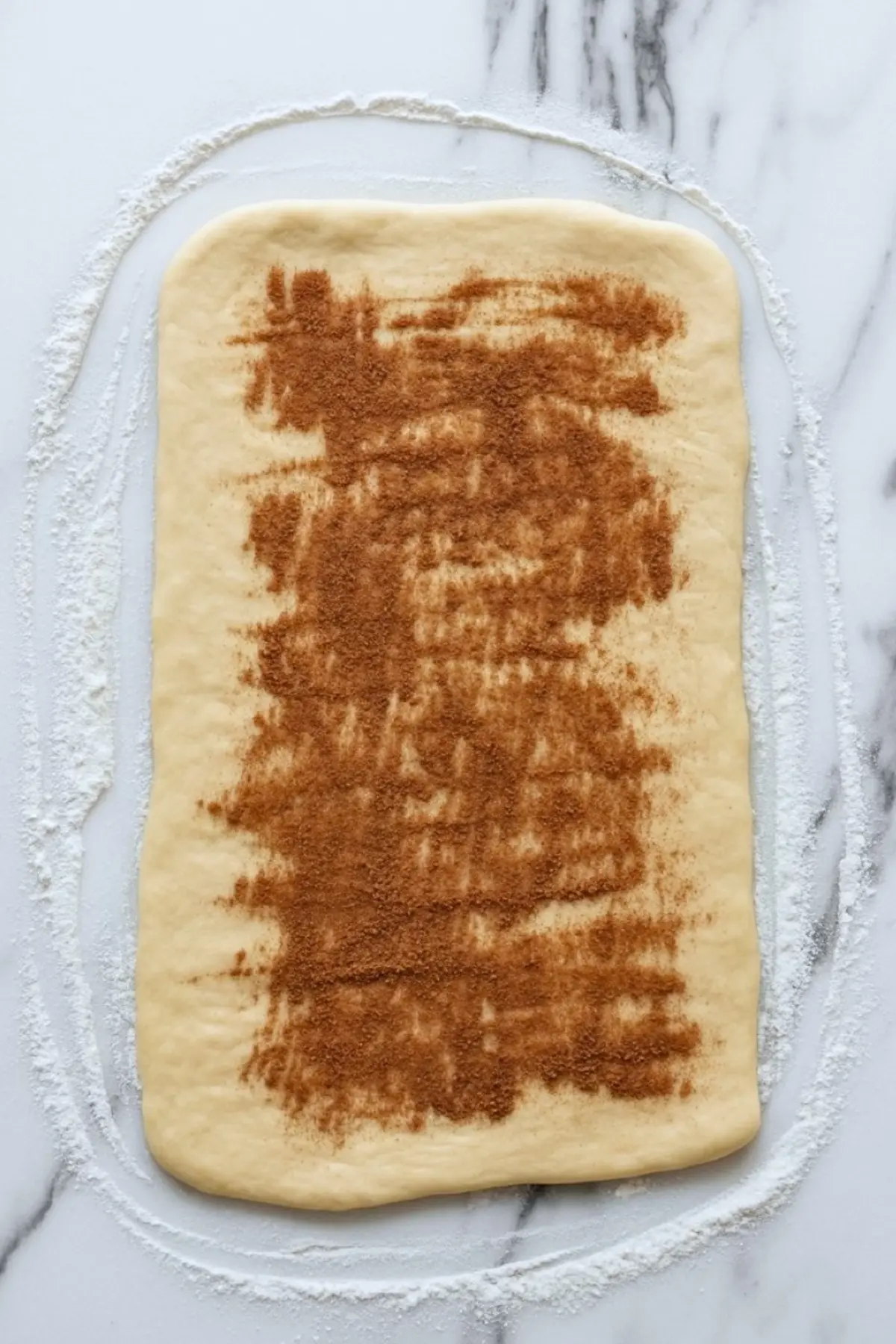
Punch the dough down and roll it on a lightly floured counter into a 9×18 inch rectangle. Brush on the butter, scatter the cinnamon sugar right out to the edges, and press it in with your palms so it sticks.
Roll it up from the long side, snugly, pressing as you go. A loose roll traps air between the dough and the sugar, and that air is what turns into a gap in the baked bread.
Twisted Loaf or Classic Rolled Swirl?
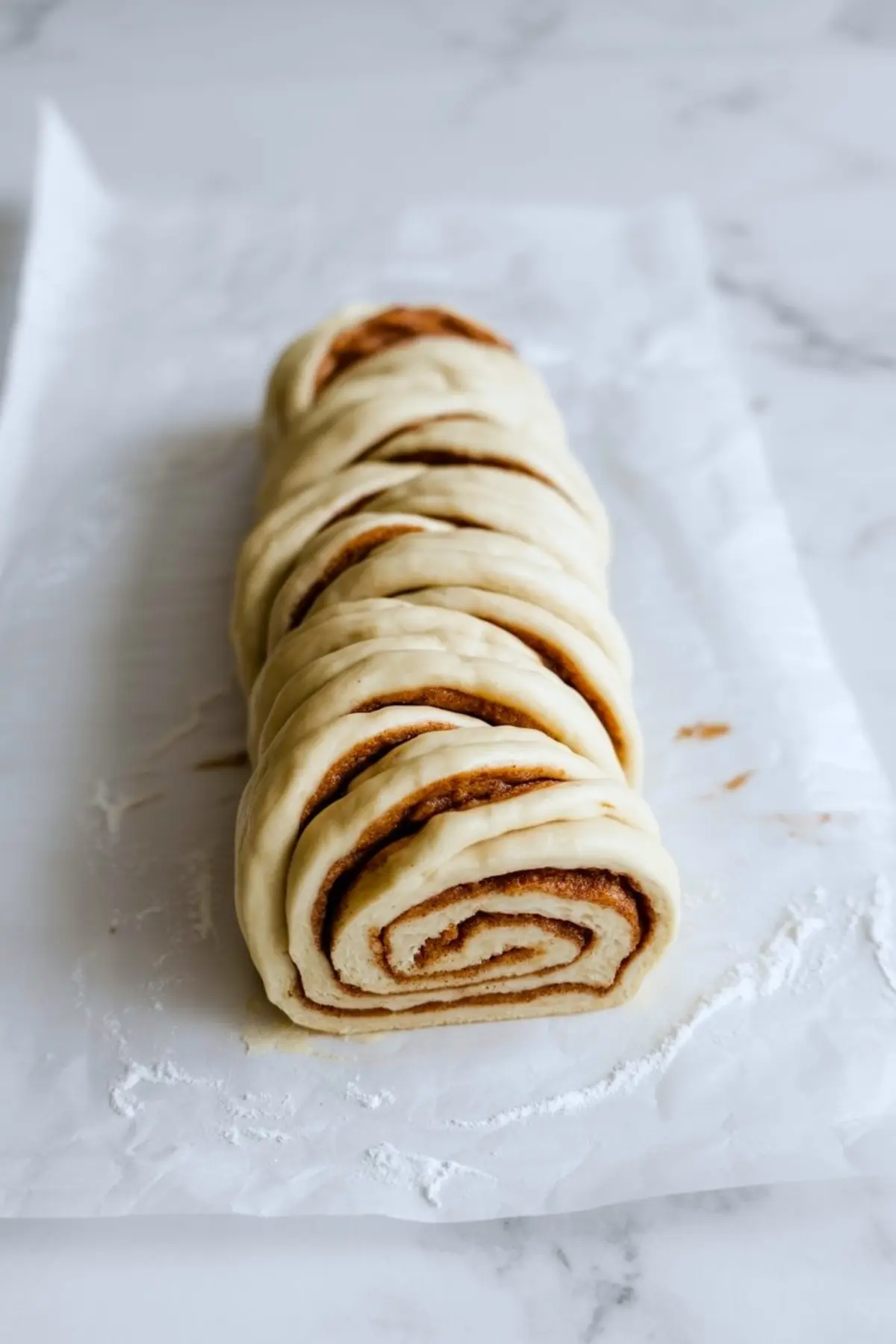
You can bake the log whole, the way most sandwich style swirl breads are made. It gives neat spiral slices, but the layers of sugar and butter are also where the dough tends to separate. That is the hollow you sometimes see between the swirl and the top crust.
This recipe cuts the log in half lengthwise with a sharp knife and twists the two strands together, cut sides facing up. The layers are anchored by the twist, the cinnamon shows on the outside, and every slice gets crisp, sugary edges. It is the same idea as a cinnamon babka, just with a simpler dough. The only trade off is looks: the slices are marbled rather than a perfect spiral.
Second Rise and Baking the Loaf
Lift the twist into a greased 9×5 inch loaf pan, tucking the ends under. Cover it loosely and let it rise for 30 to 40 minutes, until it looks puffy and has just crowned over the rim. Heat the oven to 350°F while it rises.
Bake for 35 to 40 minutes. The top turns deep golden, the loaf sounds hollow when tapped on the bottom, and an instant read thermometer pushed into the center reads about 190°F. If the top is browning fast, lay a sheet of foil over it for the last 10 minutes and keep baking. A dark top is not proof the middle is done.
Glazing and Slicing Without Tearing the Swirl
Leave the loaf in the pan for 10 minutes, then move it to a rack. For the glaze, whisk the powdered sugar and vanilla with just enough milk to make it pourable, and drizzle it once the bread has cooled for at least 15 minutes. On a hot loaf it melts straight in. If you want a thicker, sweeter topping, my cinnamon roll icing works here too.
Then wait. Give it about an hour before you cut it. Warm crumb is still setting, so a knife squashes it and drags the filling through the slice. Use a serrated knife and a gentle sawing motion.
Fixes for Gaps, Doughy Centers, and Slumped Twists
- Gap between the swirl and the bread: the log was rolled loosely or the butter was hot. Roll tighter and let the butter cool. The twisted shape already helps a lot.
- Dark top, doughy middle: the oven runs cool or the loaf came out early. Check the center for 190°F and tent with foil instead of pulling it.
- Twist slumped or spread flat: the second rise went too long. Bake as soon as it crowns the rim.
- Loaf tore open on one side: it was underproofed or the twist was pulled too tight. Give it the full 30 to 40 minutes.
- Filling leaked and burned in the pan: too much sugar sat loose on top. Press it into the butter and grease the pan well.
- Dense, dry crumb: too much flour went in. Weigh it next time, and stop adding flour once the dough is tacky rather than dry.
Keeping Cinnamon Bread Soft, Plus Day Two Ideas
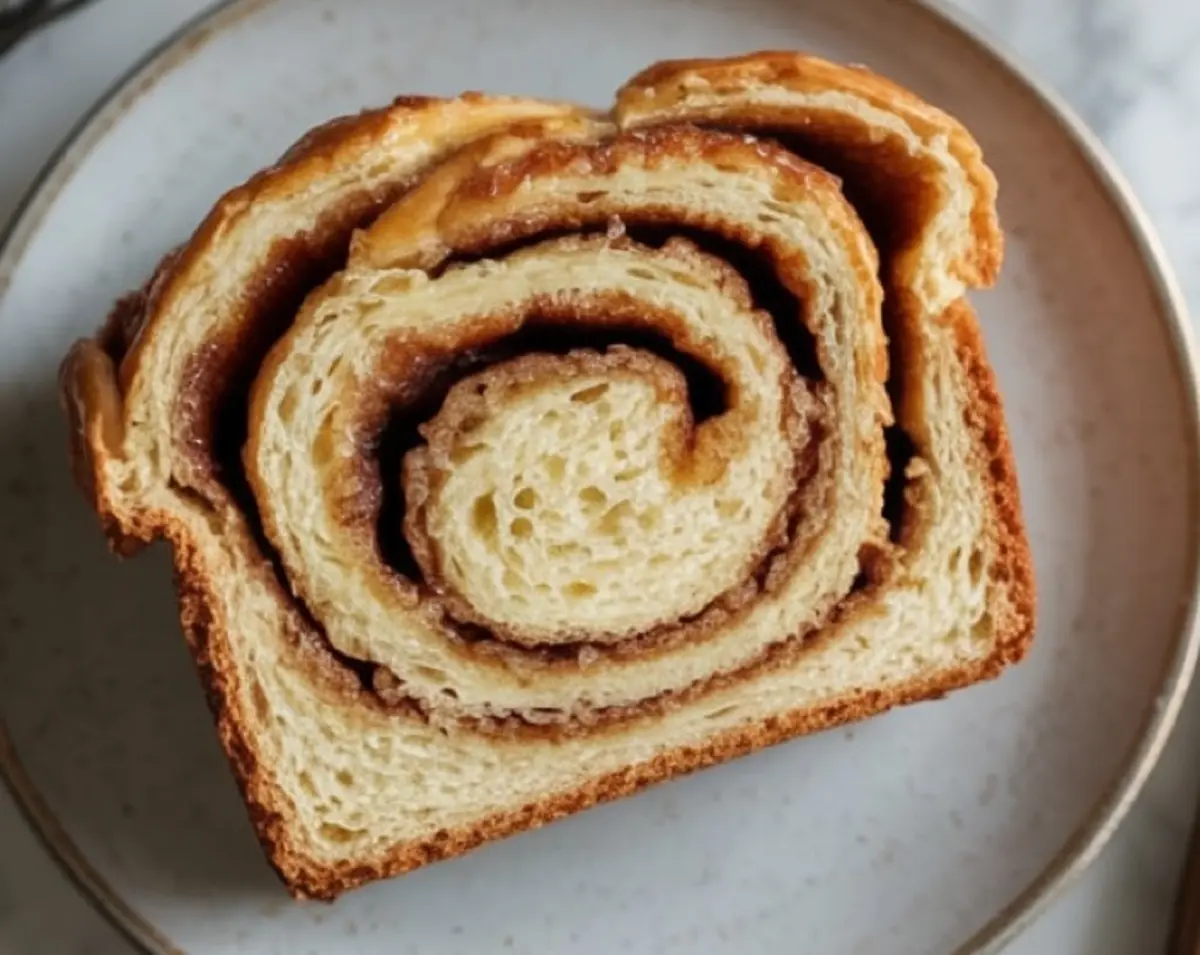
Wrap the cooled loaf tightly or keep it in an airtight container at room temperature for up to 3 days. For longer, freeze slices with parchment between them for up to 3 months and toast them straight from frozen. A toasted slice with cinnamon butter is hard to beat.
Slightly dry, day old slices are the best ones for soaking. They hold custard without going soggy, so use them in place of brioche in this brioche French toast or cube them for a Christmas bread pudding. The swirl caramelizes in the pan.
Want fruit in the dough? This cinnamon raisin bread recipe starts much the same way. For a quicker fix with the same spice, try cinnamon sugar muffins or apple cinnamon muffins.
Quick Answers for Swirl Bread Bakers
Can I use instant yeast?
Yes. Use the same 2¼ teaspoons, skip the foaming step, and mix it straight into the flour. The first rise may run a little faster.
Can I shape the loaf the night before?
Yes. Cover the shaped loaf in its pan and refrigerate it overnight instead of doing the second rise. In the morning let it sit at room temperature until puffy, usually about an hour, then bake.
Can I add raisins or nuts to the swirl?
Yes. Scatter about ½ cup raisins or chopped pecans over the cinnamon sugar before rolling. Press them in so the log still rolls tight.
Can I use bread flour instead of all-purpose?
You can. The loaf turns out a bit chewier and taller, and the dough may need an extra tablespoon of milk to feel soft.
Cinnamon Swirl Bread Recipe
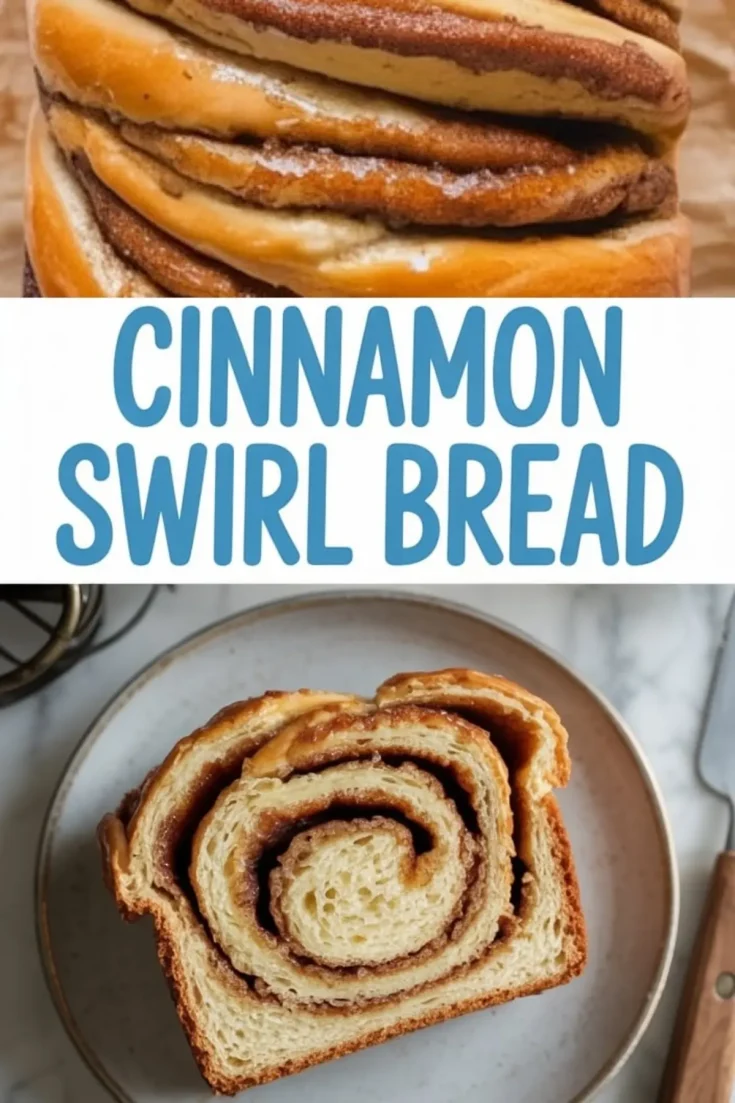
This homemade cinnamon swirl bread is a soft yeast loaf made with flour, milk, egg, and butter, rolled around a brown sugar and cinnamon filling and twisted so the swirl shows on top. It makes one 9x5 inch loaf, about 10 slices, in roughly 3¼ hours, most of it rising time. The rolled log is cut lengthwise and twisted with the cut sides up, which keeps the cinnamon swirl tight and avoids the hollow gap a plain rolled loaf can get. Toast it for breakfast with butter, use day old slices for French toast or bread pudding, or add the optional powdered sugar glaze for a sweet brunch loaf. Instant yeast works too. Keep it airtight for 3 days or freeze slices for up to 3 months.
Ingredients
- FOR THE DOUGH
- 3 ½ cups (420g) all-purpose flour
- ¼ cup (50g) granulated sugar
- 2 ¼ tsp (1 packet) active dry yeast
- 1 tsp salt
- ¾ cup (180ml) whole milk, warmed to 110°F (43°C)
- ¼ cup (60ml) water, warmed
- 1 large egg, room temperature
- 4 tbsp (55g) unsalted butter, softened
- FOR THE CINNAMON FILLING
- ½ cup (100g) light brown sugar, packed
- 2 tbsp ground cinnamon
- 3 tbsp unsalted butter, melted
- OPTIONAL GLAZE
- ½ cup powdered sugar
- 1–2 tbsp milk or cream
- ¼ tsp vanilla extract
Instructions
- PREPARE THE DOUGH: In a small bowl, combine the warm milk, warm water, and yeast. Let the mixture sit for 5 to 10 minutes until foamy, indicating that the yeast is activated.
- MIX THE DRY INGREDIENTS: In a large mixing bowl or the bowl of a stand mixer, whisk together the flour, granulated sugar, and salt until evenly combined.
- COMBINE WET AND DRY INGREDIENTS: Add the foamy yeast mixture, egg, and softened butter to the dry ingredients. Mix with a dough hook on medium speed for 6 to 8 minutes, or knead by hand for about 10 minutes, until the dough is smooth, soft, and elastic.
- LET THE DOUGH RISE: Shape the dough into a ball and place it in a lightly greased bowl. Cover with plastic wrap or a damp towel and let it rise in a warm, draft-free spot for 1½ to 2 hours, or until doubled in size.
- MAKE THE CINNAMON FILLING: In a small bowl, stir together the brown sugar and ground cinnamon until evenly combined. Melt the butter in a separate bowl and set aside for brushing.
- ROLL AND FILL THE DOUGH: After the first rise, punch down the dough and turn it out onto a lightly floured surface. Roll it into a rectangle about 9x18 inches in size. Brush the surface evenly with the melted butter, then sprinkle the cinnamon-sugar mixture over the top, spreading it out to the edges.
- SHAPE THE LOAF: Starting from the long edge, roll the dough tightly into a log. Slice the log in half lengthwise using a sharp knife. With the cut sides facing up, twist the two strands together, keeping the filling exposed.
- SECOND RISE: Transfer the twisted dough into a greased 9x5 inch loaf pan. Cover loosely and let it rise for 30 to 40 minutes, or until puffy and just risen over the rim of the pan.
- BAKE THE BREAD: Preheat the oven to 350°F (175°C). Bake the loaf for 35 to 40 minutes until golden brown and fully cooked in the center. If the top begins to brown too quickly, loosely tent it with foil during the last 10 minutes of baking.
- COOL AND GLAZE: Allow the bread to cool in the pan for 10 minutes, then remove it to a wire rack. If using the glaze, whisk together the powdered sugar, vanilla extract, and enough milk to reach a pourable consistency. Drizzle the glaze over the loaf once it has cooled for at least 15 minutes.
Notes
Warm the milk to 110°F; much hotter can kill the yeast. If using instant yeast instead of active dry yeast, skip the blooming step and mix it directly into the dry ingredients. Let the melted butter cool to barely warm before brushing, and roll the log snugly so no gap forms between the swirl and the bread. The loaf is done at about 190°F in the center; tent with foil if the top browns early. Wait about an hour before slicing. Make ahead: cover the shaped loaf in the pan and refrigerate overnight, then let it rise at room temperature until puffy before baking. Store airtight at room temperature for up to 3 days, or freeze slices for up to 3 months and toast from frozen.
Nutrition Information
Yield
10Serving Size
1Amount Per Serving Calories 430Total Fat 17gSaturated Fat 9gTrans Fat 0gUnsaturated Fat 7gCholesterol 46mgSodium 392mgCarbohydrates 63gFiber 3gSugar 16gProtein 8g
