
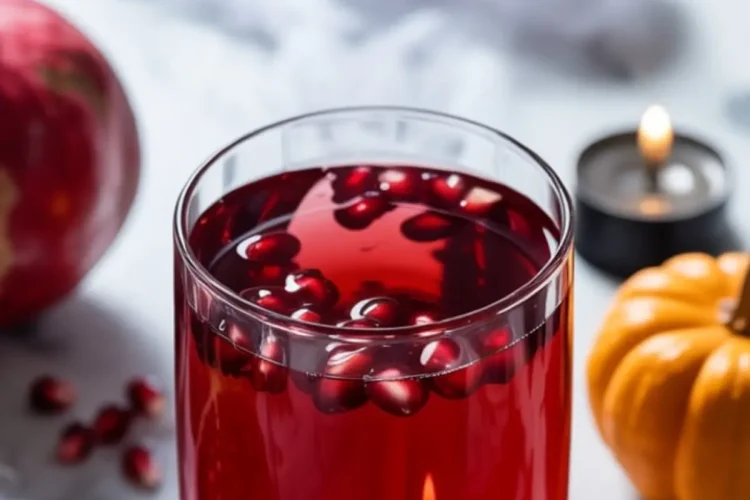
This is a recipe for homemade pomegranate juice using only fresh pomegranate seeds, a blender or a hand press, and optional lemon or salt to adjust flavor.
In this guide, you’ll learn exactly how to juice pomegranate seeds without bitterness, how to get the most flavor from the fruit, and how to use it in everyday drinks or festive recipes. Whether you’re exploring new fruit juice recipes or trying your hand at homemade juice for the first time, this one sets a high bar.
You’ll also come away with real confidence. This is a clean, simple juice with deep autumn flavor ideal for anyone wanting to understand the benefits of pomegranate juice through taste, not theory.
You’re not just blending fruit. You’re learning how to handle pomegranate seeds in a way that respects their structure. You’ll see how different juicing methods affect the texture and flavor, and how a small adjustment like a pinch of salt can shift the profile entirely.
Following a special diet?
Every recipe on this site can be converted to gluten-free, vegan, dairy-free, keto, nut-free or egg-free with adjusted ratios so nothing falls flat.
Try the Recipe Converter →Why I Make Fresh Juice from Whole Pomegranate Seeds
Pomegranate juice sold in stores often tastes dull or flat to me, even when it’s labeled cold-pressed. That missing brightness is what pushed me to make it at home.
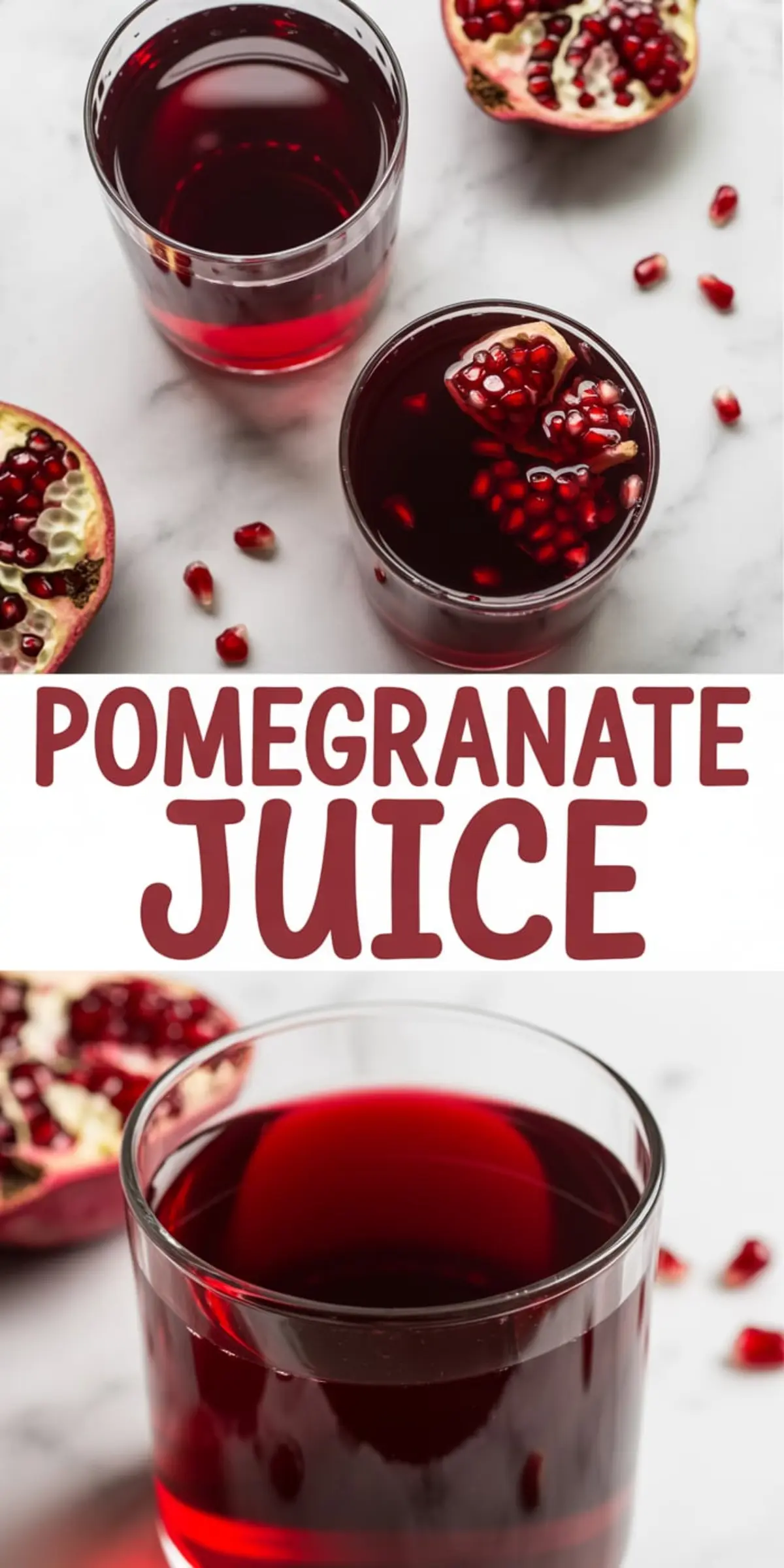
Fresh pomegranate juice has more body and more edge. It catches the light in the glass, both visually and on the tongue.
The seeds, or arils, carry more than just juice. They hold the essence of the fruit. And when you extract it without bruising the pulp too much, you get a clean flavor with no bitterness—something I’ve tested many times.
You’ll also see more color variation than with bottled juice. The shade depends on the fruit itself. Some batches come out pale ruby, others almost garnet. That variation is part of what makes this juice worth making.
How to Select the Best Pomegranates for Juicing
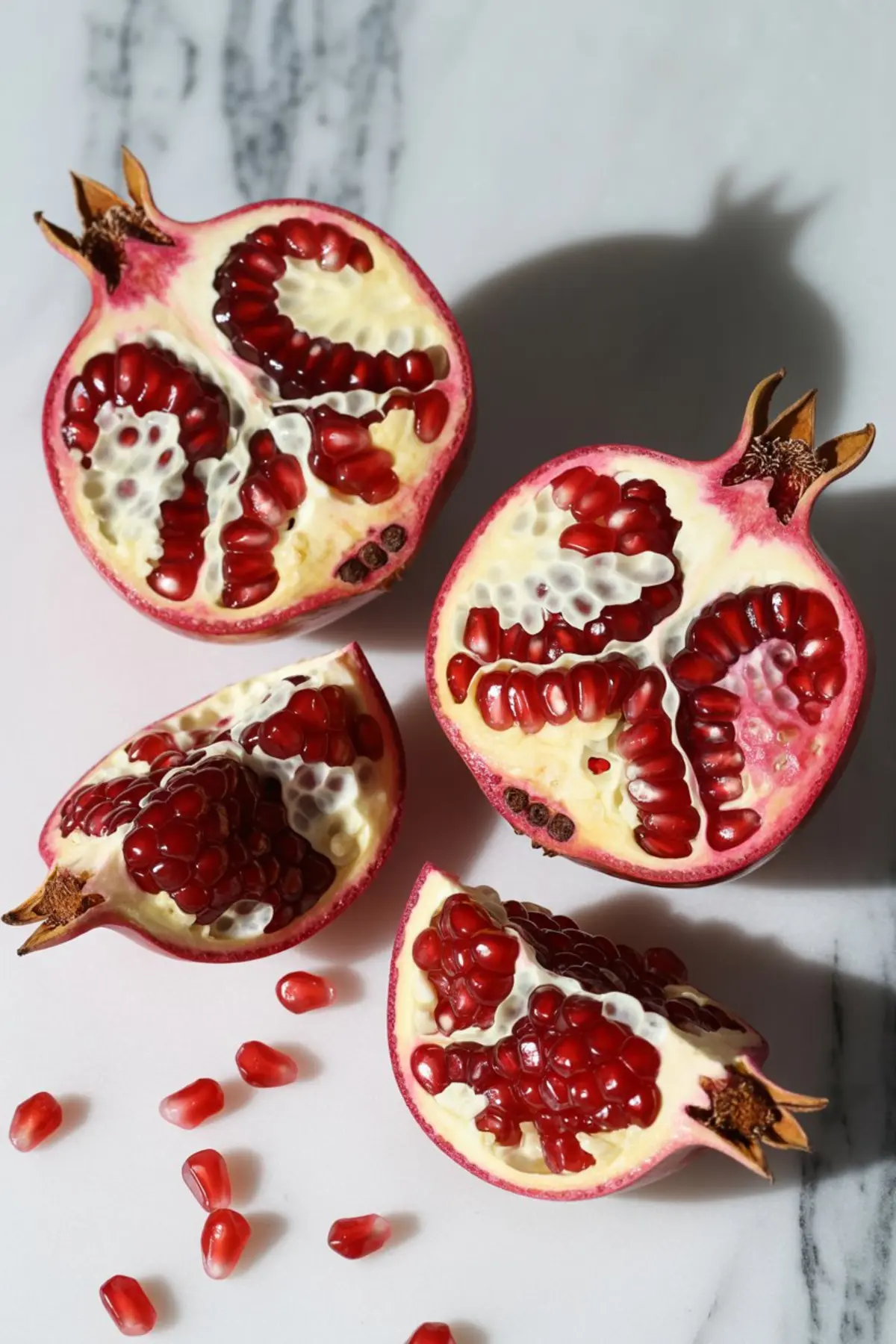
You want pomegranates that feel heavy for their size. That weight comes from juice, not just pulp. The skin should be tight and smooth, not shriveled or overly dry.
The heavier the fruit, the more juice you’ll get with less effort. And in my notes, I’ve found that slightly softer pomegranates often yield sweeter juice than very firm ones.
You might find small scratches or scuffs on the skin. That’s fine. What matters is the interior.
This recipe uses four large pomegranates. If your fruit is smaller or lighter, add an extra one to make up the difference.
I like to keep things straightforward. But I’ll add a small squeeze of lemon or pinch of salt if the fruit needs lift.
You can also blend this juice into a pomegranate margarita or swirl it into a fresh fruit spritzer. It pairs well with other fruit juice recipes, especially citrus and apple blends.
If you’re curious about savory options, mix this into a veggie juice for contrast. I’ve done that with beet and carrot, and it creates a beautiful gradient in the glass.
Juicing Methods: Press or Blender? Here’s What You Should Know
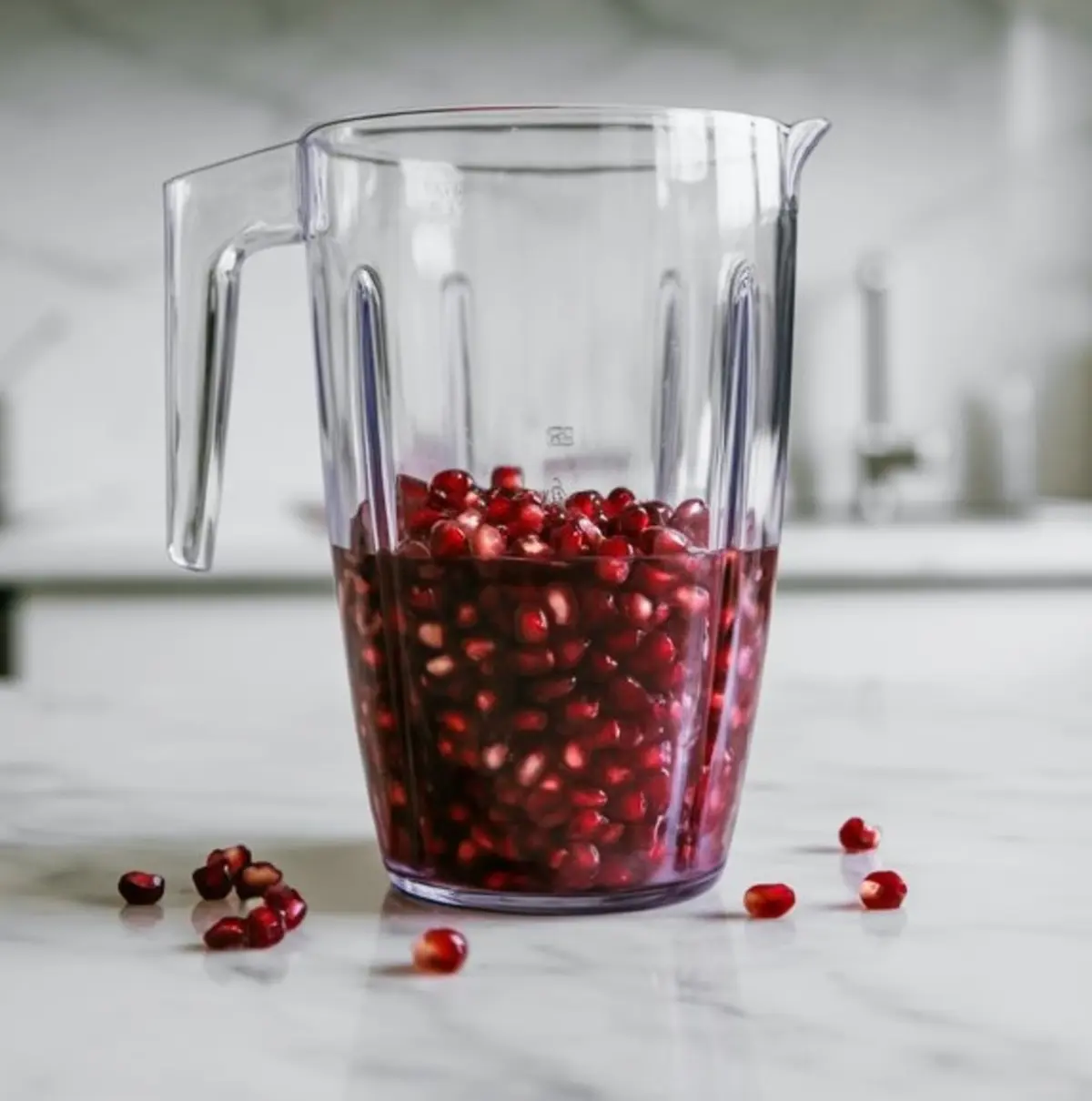
I’ve tried both the blender and the press. Each works well, but the choice affects the final result.
If you blend the arils lightly just enough to rupture them you’ll get more juice per fruit. But you must strain it carefully to avoid bitterness. Over-blending releases too much tannin from the seeds.
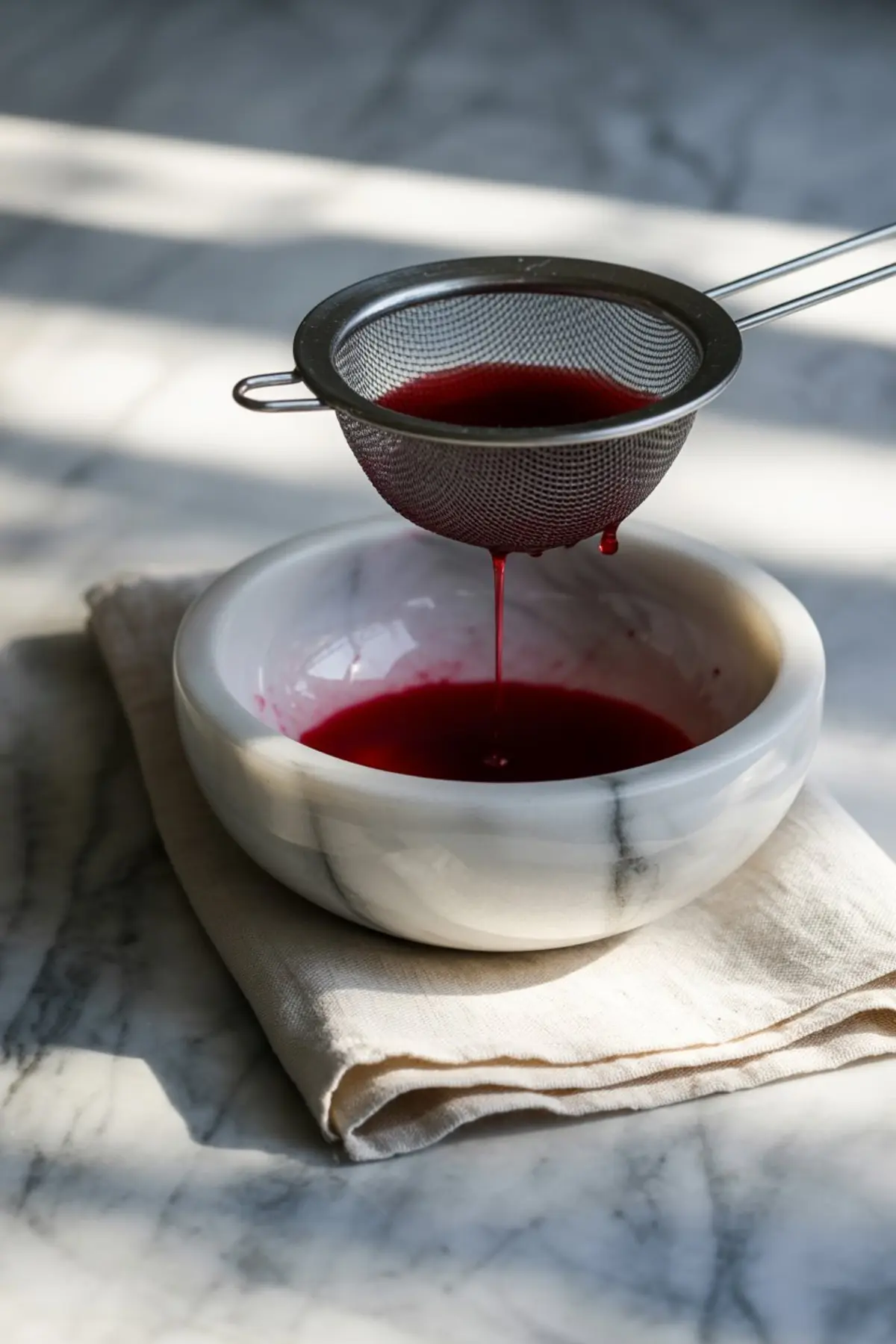
I use a fine mesh strainer and press the pulp gently with the back of a spoon. Let gravity do most of the work.
With a manual press, you squeeze a handful of arils at a time. This takes longer but feels satisfying, and the juice tends to taste slightly cleaner. If I’m making a small batch for one, I use this method.
Both approaches are effective. For larger batches, the blender wins on speed. For clarity of flavor, the press gives you more control.
Once strained, you can drink the juice right away or chill it in the fridge. The taste stays bright for 3 to 4 days, though I always find the first day is the most vibrant.
How to Serve and Store Pomegranate Juice
Fresh pomegranate juice doesn’t need much. I pour it into a chilled glass over a few ice cubes, then garnish with a twist of citrus or a couple of fresh pomegranate seeds dropped back in.
If you’re using this juice in a fruit juice blend or pomegranate cocktail, it adds color and acidity that makes other ingredients pop.
For storage, refrigerate in a glass jar or bottle with a tight lid. Shake before serving. The juice naturally separates, especially if you’ve blended it.
Freezing is another option. Pour into silicone ice cube trays and freeze. Then toss a cube or two into smoothies, tea, or sparkling water for a quick homemade drink.
If you’re working with leftover pomegranate seeds, try turning them into Homemade Cranberry and Pomegranate Jam for a sweet-tart spread that keeps for weeks.
Or, if you’re already in a fall mood, use the juice as a glaze over Apple Pie Cookies. Just warm it slightly with a spoon of sugar and brush it over the tops before serving.
A Few Notes on Stains, Timing, and Patience

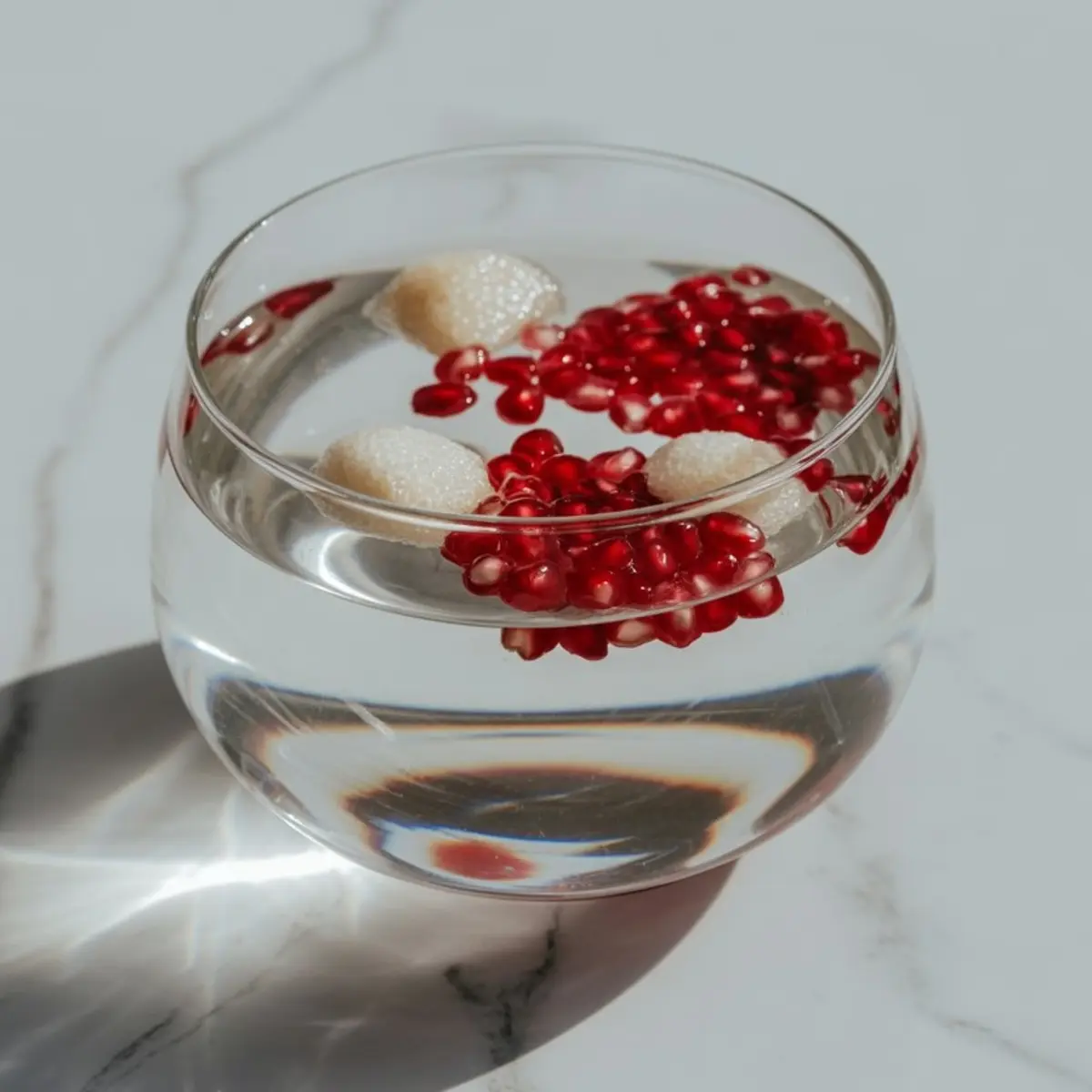
Work over a bowl of water. The seeds sink. The pith floats. It keeps the mess down and makes separating easier.
Wear dark clothing or an apron. The juice can stain—but that’s also a sign of its richness. A pale juice won’t have the same depth.
I usually make this in the afternoon, then let it sit for a bit before tasting. The flavor settles after an hour or two in the fridge.
On quiet days, I’ll even freeze it into popsicles. Just pour the juice into molds and freeze overnight.
If you’re looking for another bright autumn drink, try this Cranberry Juice as a tart base for punch or holiday mixers.
Final Thoughts: Save This Fresh Juice for Every Season
Making homemade pomegranate juice at home gives you control, flavor, and that satisfying sense that you’ve done something real with your ingredients.
Start simple. Try both juicing methods. Taste the difference between blended and pressed. Adjust the acidity with citrus or salt until it sings.
Once you’ve made it once, you’ll begin to recognize the fruit’s signals how it smells, how it feels, how it pours.
Save this pin to your Fruit Juice Recipes or Healthy Drinks board so you can come back to it.
And if you make this, share in the comments how it turned out. I’d love to hear what you served it with or how you used the leftovers. Questions are always welcome here.
Let’s keep learning from each other.
Homemade Pomegranate Juice Recipe

Pomegranate juice is one of the simplest homemade juice recipes you can make with fresh pomegranate seeds. I press or blend the fruit, then strain for a bright, tangy drink that’s naturally refreshing. Among fruit juice recipes, this one is packed with antioxidants, and the benefits of pomegranate juice make it a favorite in healthy homemade drinks. You can sip it plain, mix it into veggie juice blends, or even use it as the base for a pomegranate margarita when you want something fun. I’ve tested other pomegranate recipes, but fresh juice always tastes best. If you’ve wondered how to make drinks at home with real fruit, this fresh pomegranate juice is easy, colorful, and full of flavor.
Ingredients
- 4 large pomegranates
- Optional: pinch of salt or squeeze of lemon
Instructions
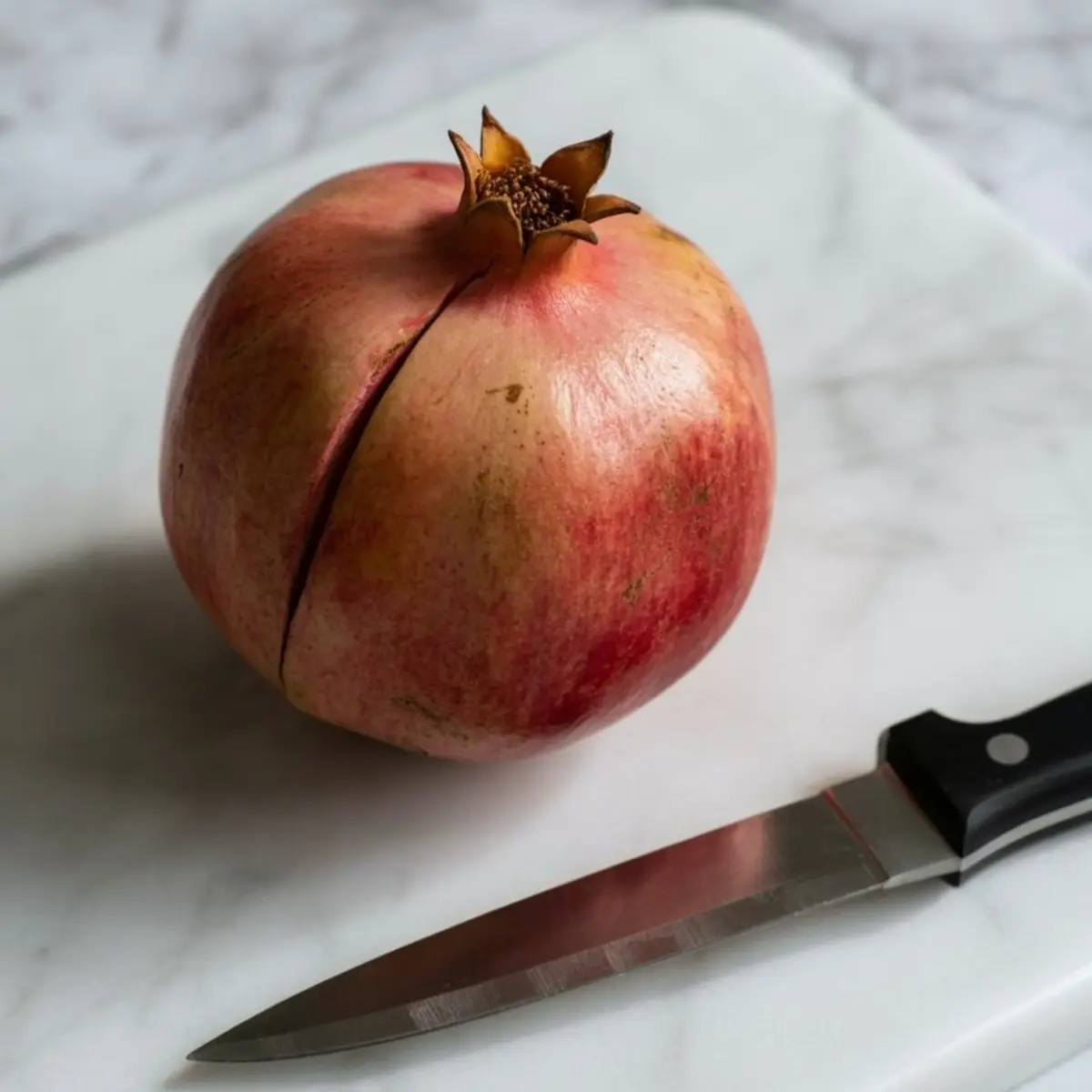
- REMOVE THE ARILS: Score the pomegranates around the middle with a sharp knife, being careful not to cut too deep. Gently break them open using your hands. Working over a large bowl of water, remove the seeds by pressing them out with your thumbs. The arils will sink while the white pith floats. Skim off the pith and drain the arils thoroughly.
- JUICE THE SEEDS (BLENDER METHOD): Place the drained arils into a high-speed blender. Pulse just a few times to break the seeds without blending them into pulp. Pour the mixture through a fine mesh strainer or cheesecloth set over a bowl. Use the back of a spoon to press and extract as much juice as possible. Avoid over-blending, which can cause bitterness.
- JUICE THE SEEDS (MANUAL PRESS METHOD): Alternatively, place a small handful of arils into a handheld citrus press or sturdy potato ricer. Squeeze firmly over a bowl to extract the juice. Repeat in batches until all juice is collected.
- TASTE AND ADJUST: Optionally, stir in a small squeeze of lemon juice to brighten the flavor or add a pinch of salt to enhance the natural sweetness. Drink immediately, chill in the refrigerator, or freeze into ice cube trays for later use.
Notes
To prevent staining, work over water and wear an apron or dark clothing. Choose pomegranates that feel heavy and have tight, smooth skin for best results. Juice keeps in the refrigerator for up to 4 days or can be frozen for longer storage.
Nutrition Information
Yield
2Serving Size
1Amount Per Serving Calories 480Total Fat 7gSaturated Fat 1gTrans Fat 0gUnsaturated Fat 1gCholesterol 0mgSodium 84mgCarbohydrates 109gFiber 24gSugar 78gProtein 10g
