
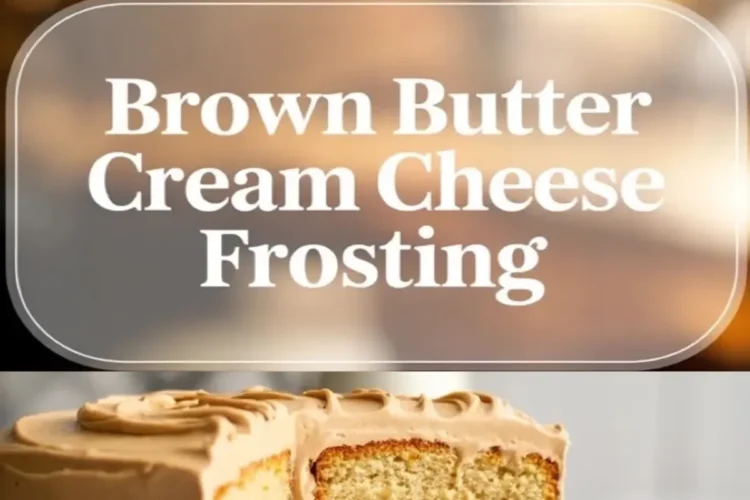
This brown butter cream cheese frosting blends toasted brown butter, tangy cream cheese, and soft powdered sugar into a smooth frosting that spreads easily on cakes and cupcakes. Many bakers search for browned butter cream cheese frosting, brown butter cream cheese icing, or butter cream cheese frosting when they want deeper flavor than classic vanilla frosting.
This recipe builds that flavor through one key step. Browned butter frosting carries warm caramel notes that turn a simple frosting into something richer and more complex. The finished homemade brown butter frosting tastes nutty, creamy, and lightly tangy, which makes it ideal for brown butter cake with cream cheese frosting, cupcakes, or bars.
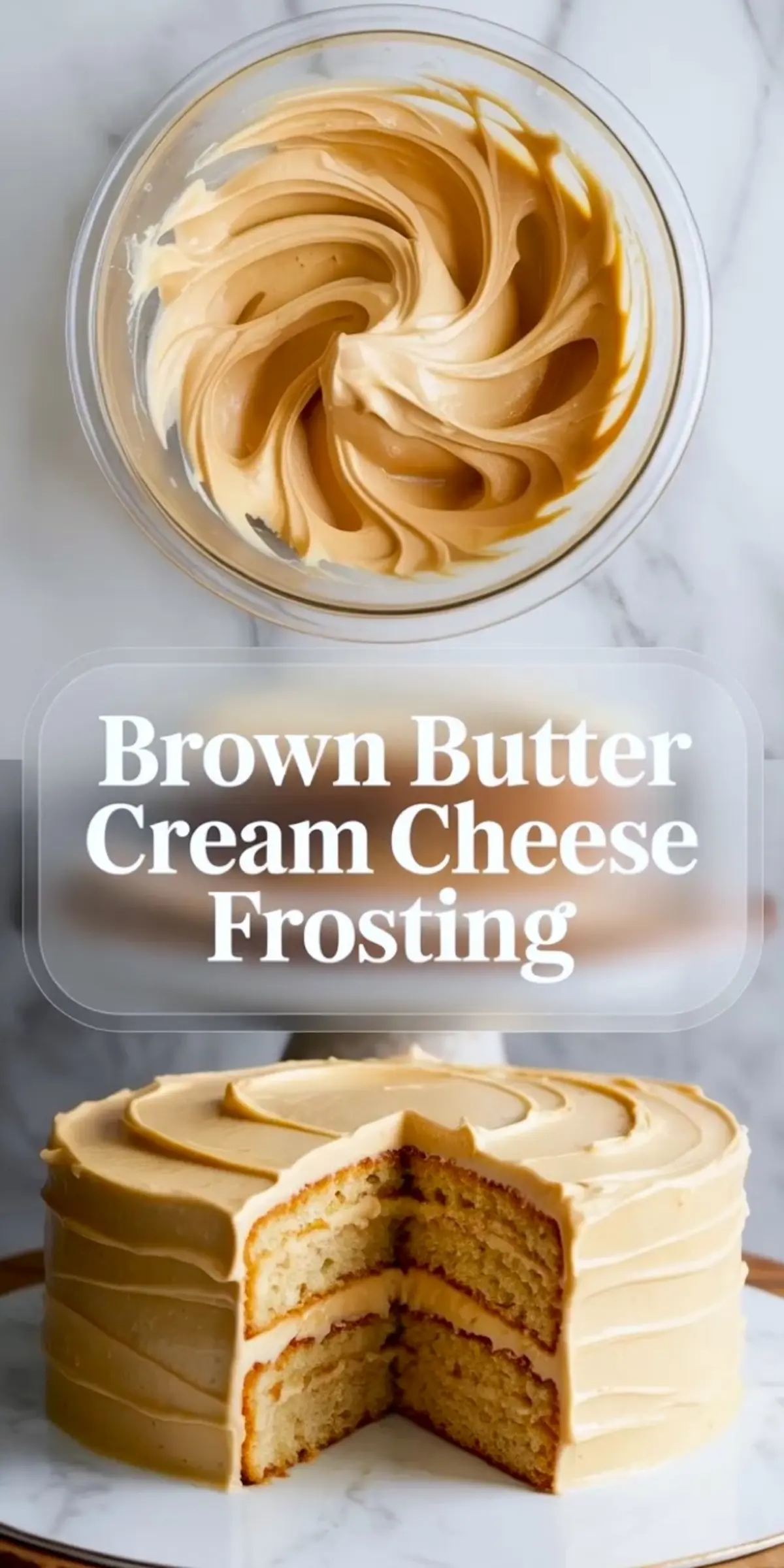
Brown Butter Changes Everything
Brown butter transforms an ordinary frosting into something layered and aromatic. Butter cooks slowly until the milk solids toast and turn golden. That step creates a nutty aroma that traditional buttercream lacks. I first tested this frosting after making a batch of Brown Butter Toffee Bars. The smell alone convinced me that browned butter belonged in frosting too.
The ratio matters. One cup butter balances well with eight ounces cream cheese. This proportion keeps the frosting creamy instead of dense. Powdered sugar stabilizes the mixture while still allowing the browned butter flavor to remain noticeable.
The texture should feel airy yet stable. The frosting spreads easily across cakes and holds gentle swirls when piped. I often pause here and taste a spoonful. That toasted butter flavor always surprises people the first time.
The Ingredients and Why Each One Matters
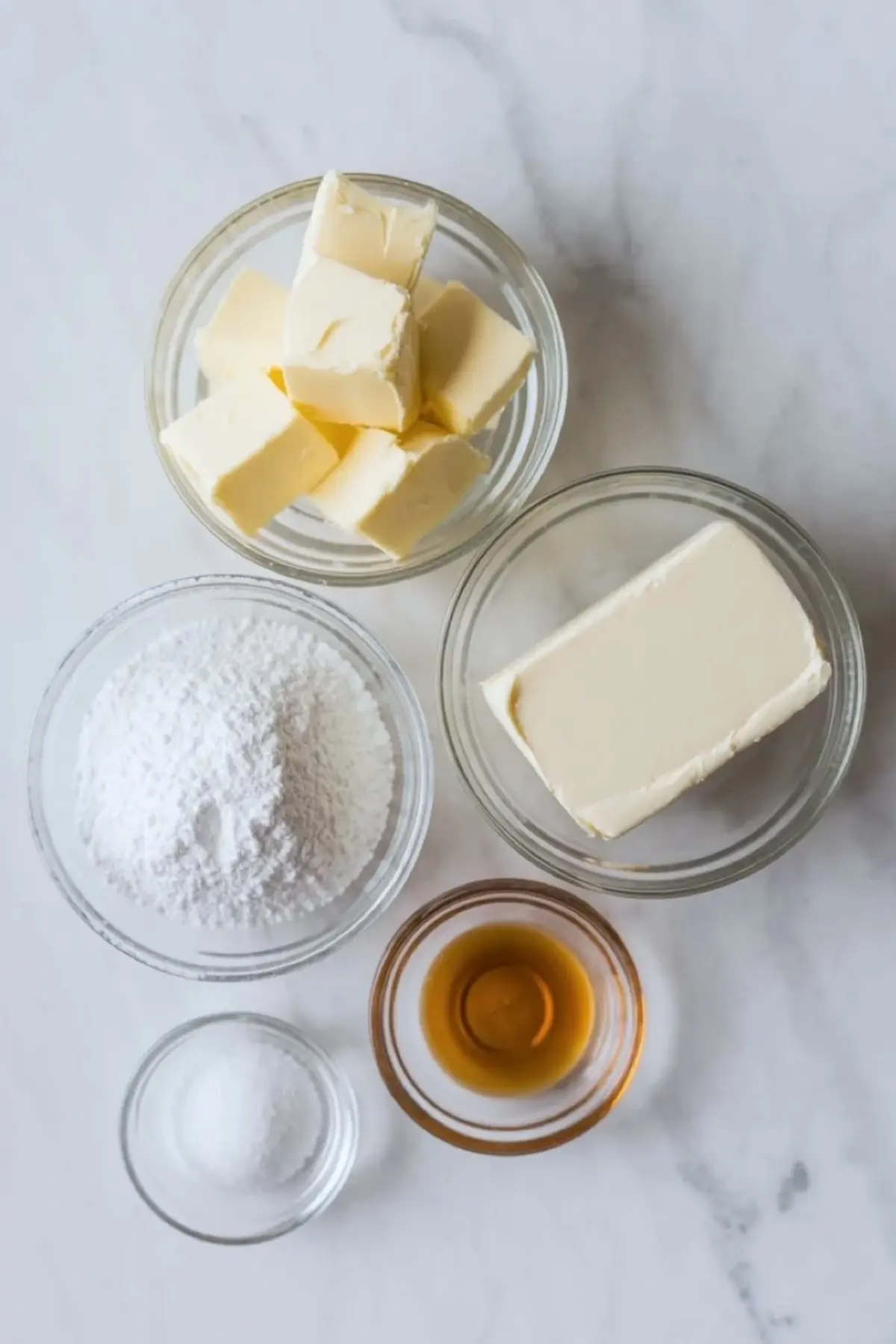
Unsalted butter creates the foundation of brown butter icing. A light colored saucepan helps you see the color shift clearly as the butter cooks. Deep golden specks at the bottom signal the moment when the butter carries its strongest flavor.
Cream cheese provides structure and gentle tang. Full fat brick style cream cheese gives the frosting stability. Tub versions contain extra moisture that loosens the texture. That small detail matters more than people expect. My Brown Butter Cake Frosting Recipe explains this butter transformation in another way.
Powdered sugar thickens the mixture while keeping the frosting smooth. Sifting removes small clumps that could interrupt the texture. Vanilla and salt round out the flavor so the browned butter notes remain clear and balanced.
The Brown Butter Technique
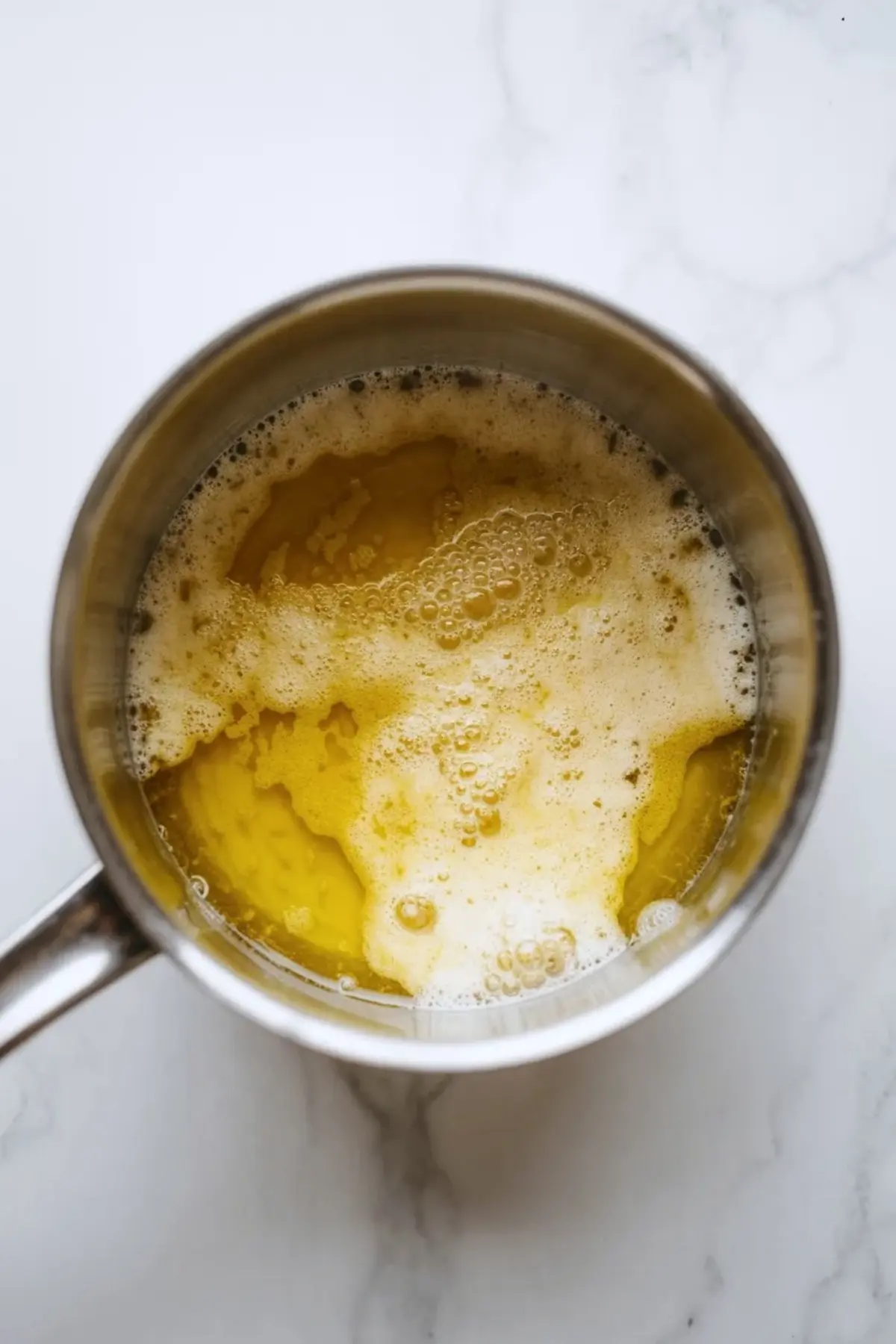
Butter browns through a simple chemical change. Heat melts the butter first. Then water evaporates and milk solids sink to the bottom. Those solids toast and develop a warm nutty aroma.
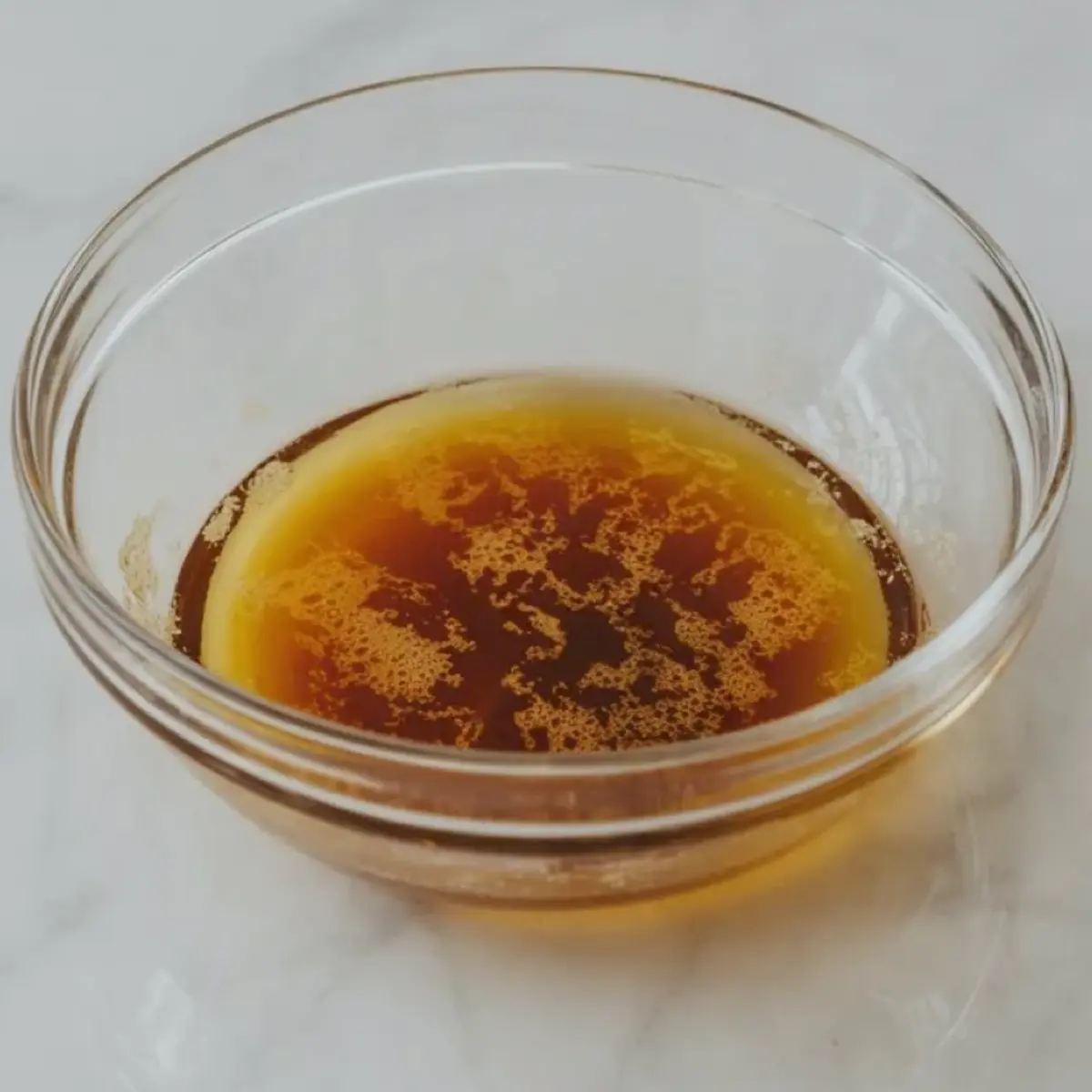
The color shift happens quickly. Golden bubbles appear first, followed by tiny brown flecks. The pan must leave the heat as soon as the butter reaches a deep amber tone. Waiting too long pushes the flavor from nutty into burnt.
Cooling the butter matters just as much. The texture should resemble soft butter again before mixing. Liquid butter melts cream cheese frosting instantly. Patience here keeps the final frosting thick and silky.
Mixing the Frosting Step by Step
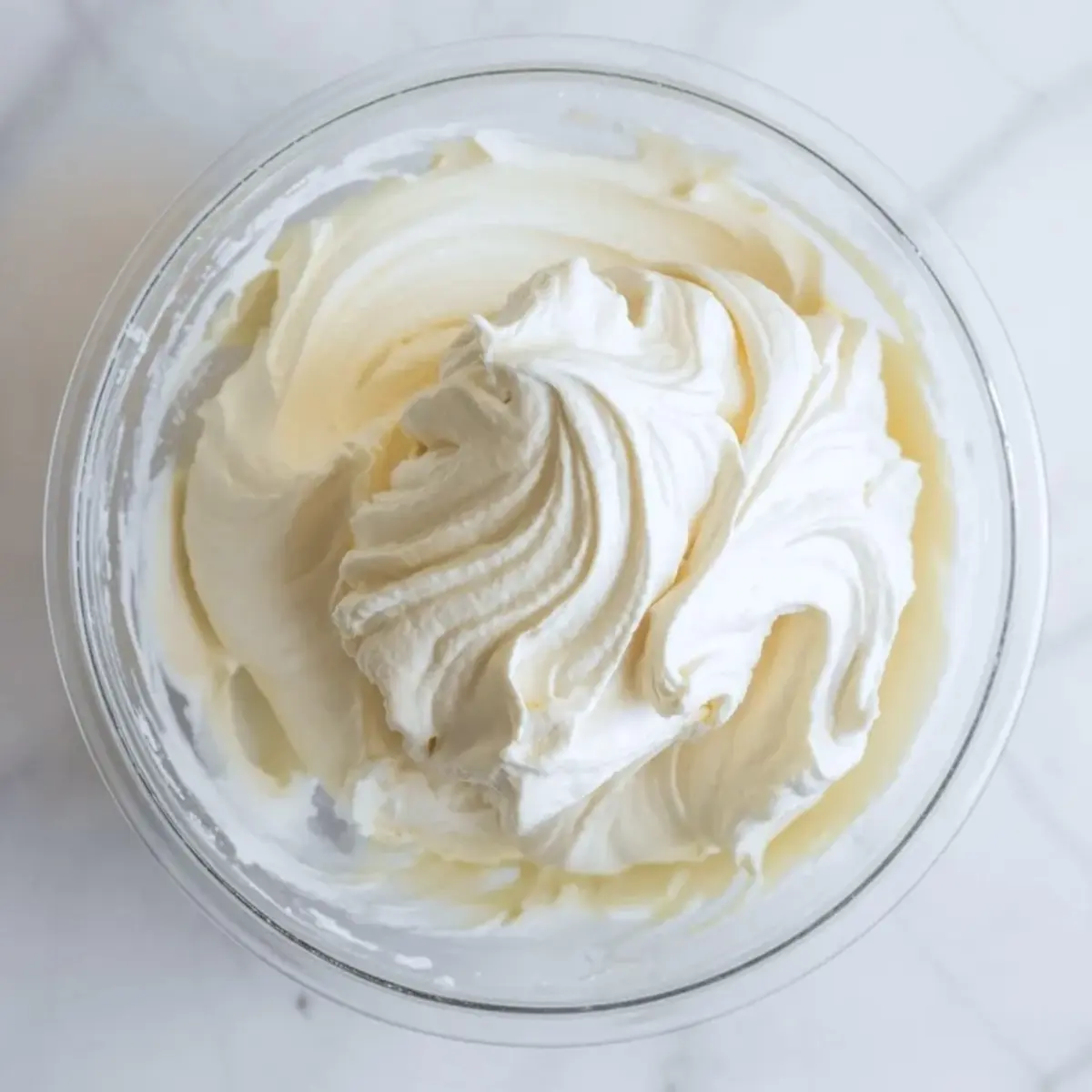
Cream cheese starts the process. The mixer beats it first until smooth and completely lump free. I scrape the bowl twice during this step. That habit saves trouble later.
The cooled brown butter blends into the cream cheese next. The mixture becomes pale and fluffy as the fats combine. That stage looks simple but it determines the final structure. I sometimes pause here and smell the bowl. Toasted butter always fills the kitchen.
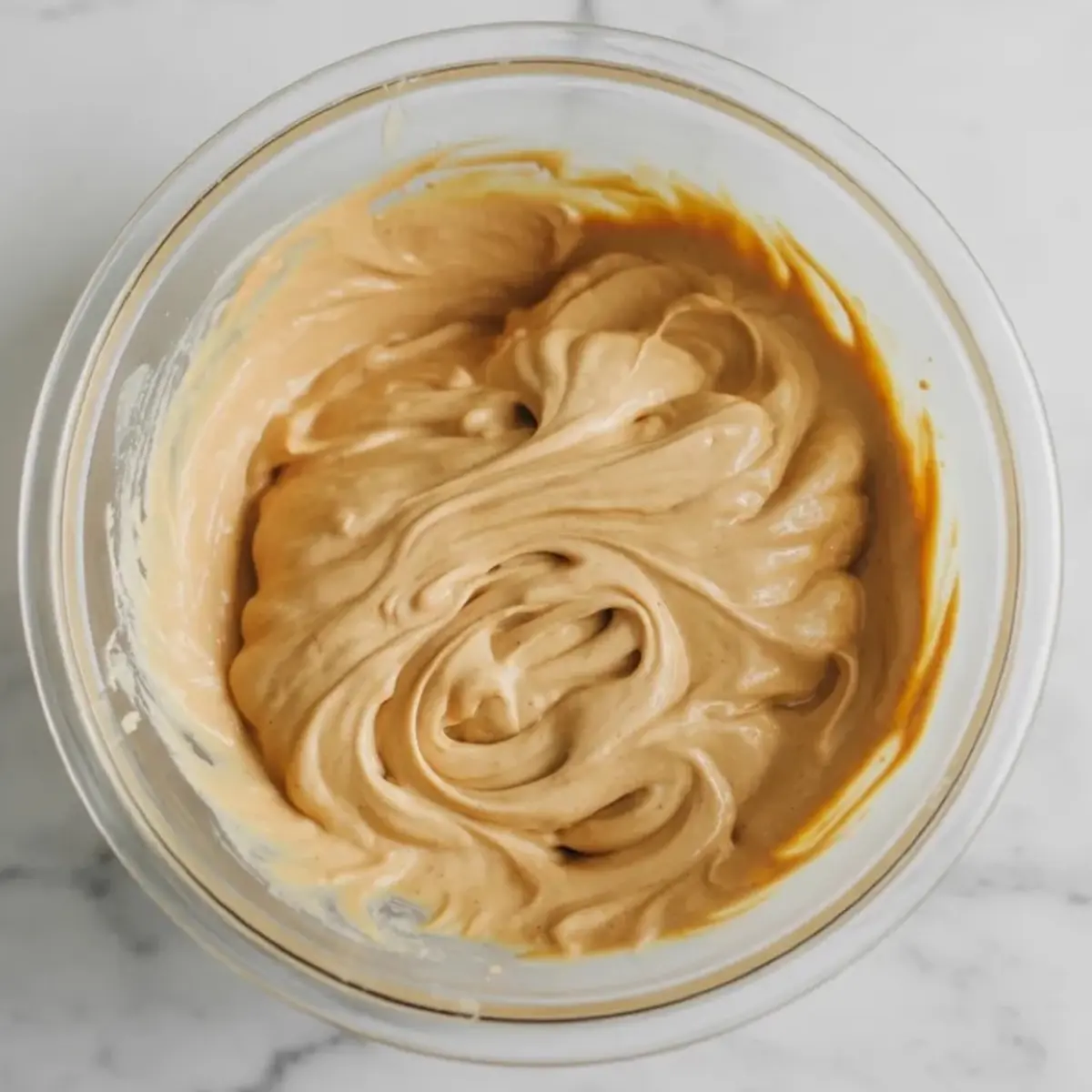
Powdered sugar enters gradually. One cup at a time works best. The frosting thickens slowly and becomes light and creamy. A final splash of vanilla and pinch of salt finishes the flavor. I often serve this frosting with cakes that use Whipped Cream Frosting as well, especially layered desserts.
How to Know the Frosting Is Ready
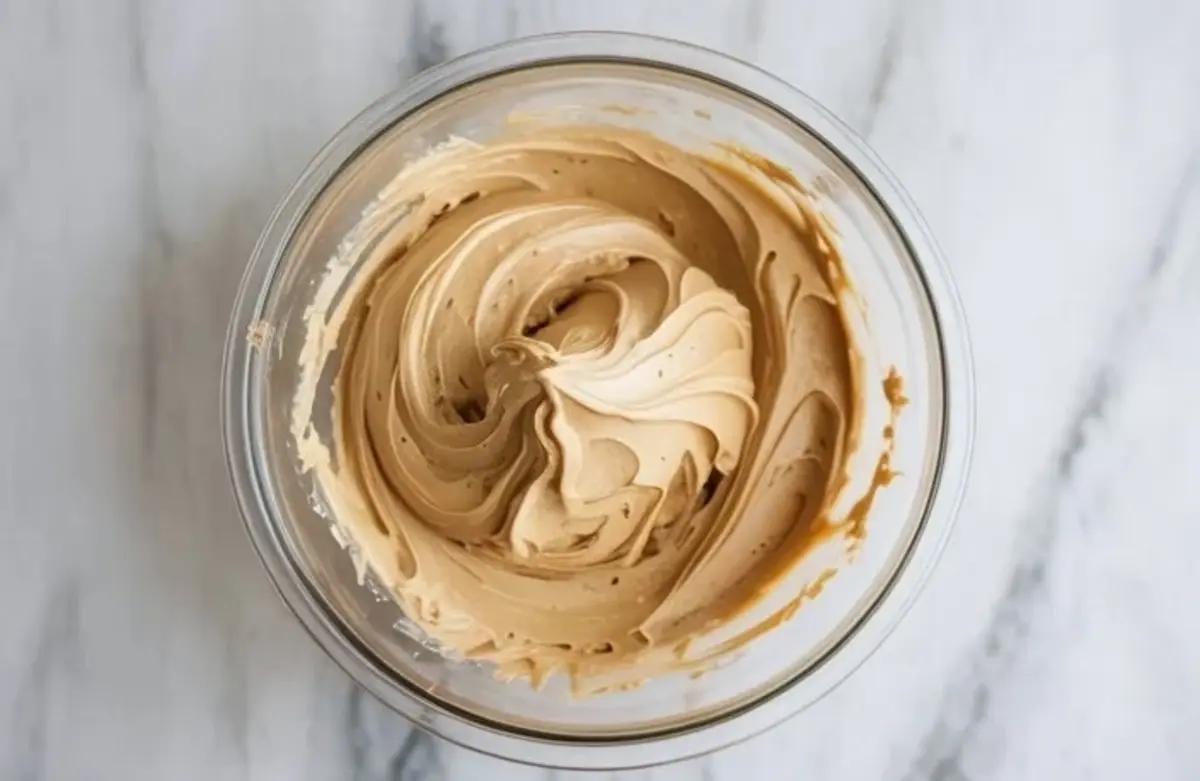
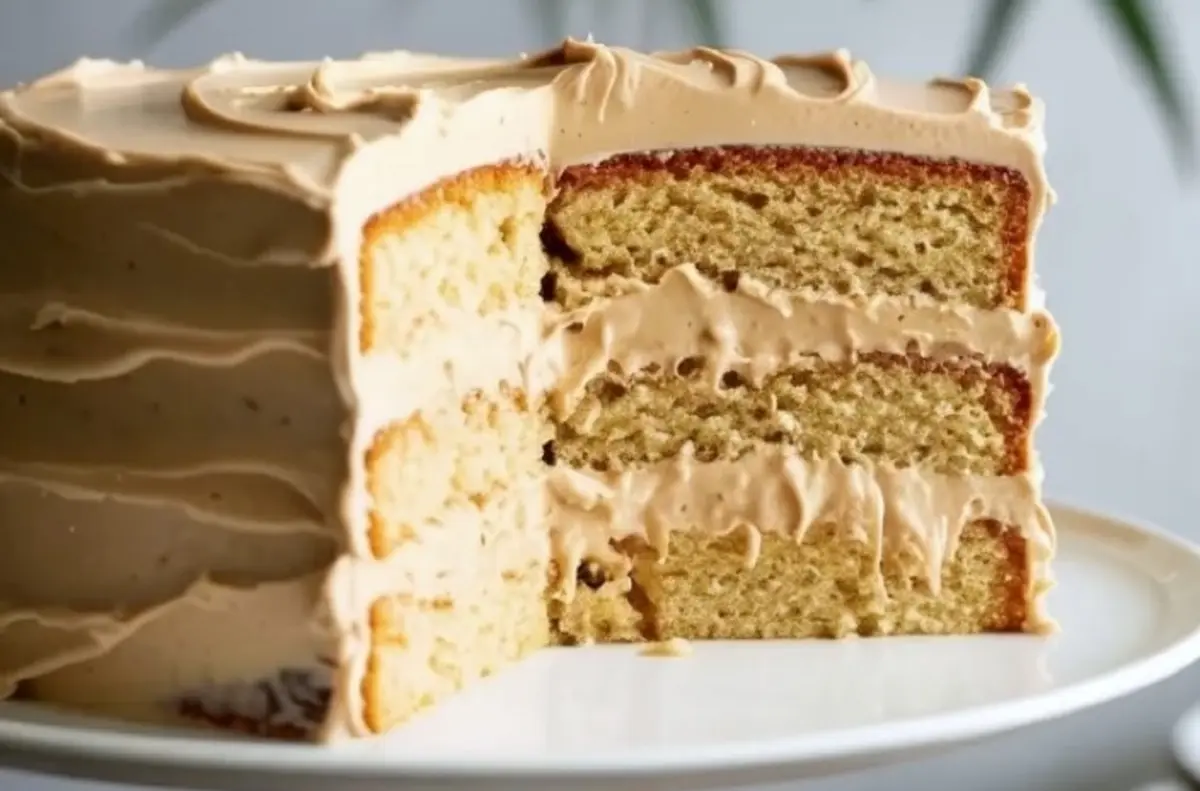
The finished frosting should look pale beige and smooth. A spatula should leave soft ridges that hold their shape. That visual cue tells you the sugar and butter have blended properly.
Texture gives the next signal. The frosting spreads easily yet holds gentle peaks. If it slides off the spatula quickly, the butter remained too warm.
Flavor also confirms success. Nutty butter notes appear first. The cream cheese follows with mild tang. That balance defines browned butter cream cheese frosting.
Fixing Common Problems
Runny frosting usually means warm butter. Chill the bowl for fifteen minutes and whip again. The texture will tighten quickly.
Grainy frosting often comes from unsifted sugar. Sifting creates a smooth texture that blends faster.
Too sweet frosting simply needs balance. A pinch of salt or a spoonful of cream cheese restores that tangy edge.
Frosting that feels dense often needs more whipping. Two extra minutes of mixing adds air and lightness. A similar texture appears in my Brown Butter Snickerdoodle Bars topping.
Flavor Variations
Maple brown butter frosting works beautifully with spice cake. Add two tablespoons maple syrup and reduce the powdered sugar slightly.
Citrus brown butter icing brightens the flavor. One teaspoon orange zest pairs surprisingly well with the toasted butter notes.
Chocolate brown butter frosting adds richness. Mix two tablespoons cocoa powder into the sugar before whipping.
Espresso brown butter frosting creates a deeper tone. Half a teaspoon espresso powder brings warmth that pairs well with chocolate cakes.
Storing and Reusing Frosting
The frosting stays fresh at room temperature for several hours during decorating. A cool kitchen helps maintain its structure.
Refrigeration extends storage up to four days. An airtight container keeps the texture smooth. Rewhipping restores its creamy consistency before spreading.
Freezing also works well. Place the frosting in a sealed container for up to two months. Thaw overnight in the refrigerator before whipping again.
Practical Baking Tips
A light colored saucepan prevents over browning. Dark pans hide the color change.
Room temperature cream cheese blends faster. Cold cream cheese forms stubborn lumps.
Sifting powdered sugar speeds mixing and protects the final texture.
Cooling the butter slowly produces the best texture. A quick stir every few minutes helps it soften evenly.
A stand mixer creates the lightest structure. A hand mixer works too with an extra minute of whipping.
Serving Ideas
Spread thick layers on vanilla layer cake. Pipe swirls onto spice cupcakes.
Use as filling for sandwich cookies. Frost carrot cake or banana cake.
Top brownies or snack cakes. Sometimes I simply spread it on a warm cupcake and call it finished. Simple desserts often win.
Save This Recipe
Save this brown butter cream cheese frosting recipe to Pinterest so it stays easy to find for your next cake or cupcake bake.
If you try this frosting, share how it turned out in the comments. I enjoy hearing how readers use it or adapt it in their own kitchens.
Brown Butter Cream Cheese Frosting Recipe
This smooth brown butter cream cheese frosting blends nutty browned butter with tangy cream cheese for a rich, balanced topping. The recipe shows how to create browned butter cream cheese frosting with a silky texture that spreads easily over cakes, cupcakes, and bars. The deep flavor of browned butter frosting adds warmth and complexity that classic frostings often lack.
This frosting also works beautifully as brown butter cream cheese icing for layered cakes or simple sheet cakes. Many bakers use it on brown butter cake with cream cheese frosting for an extra boost of flavor. If you enjoy flavorful frostings, this is one of the best brown butter frosting recipes easy to prepare at home. The recipe also works as a versatile brown butter icing or butter cream cheese frosting for many desserts.
Ingredients
- 1 cup (226 g) unsalted butter
- 8 oz (226 g) full-fat brick-style cream cheese, softened
- 3 to 3 ½ cups (360–420 g) powdered sugar, sifted
- 1 teaspoon pure vanilla extract
- ¼ teaspoon salt, or to taste
Instructions
STEP 1: BROWN THE BUTTER: Place the unsalted butter in a light-colored saucepan over medium heat. Allow the butter to melt completely, then continue cooking while stirring frequently. The butter will foam and begin to turn golden. Watch closely as brown specks form at the bottom of the pan and the aroma becomes nutty and toasted. Once the butter reaches a deep golden brown color, immediately remove the pan from the heat to prevent burning.
STEP 2: COOL THE BUTTER: Pour the browned butter, including all the browned milk solids, into a heatproof bowl. Allow it to cool at room temperature until it becomes soft and semi-solid. The texture should resemble softened butter, not melted liquid. Cooling may take 1–2 hours. To speed up the process, refrigerate the butter and stir every 10–15 minutes to ensure even cooling and to prevent it from hardening completely.
STEP 3: BEAT THE CREAM CHEESE: In a large mixing bowl, beat the softened cream cheese with a hand mixer or stand mixer until completely smooth and creamy. Scrape down the sides and bottom of the bowl to remove any lumps.
STEP 4: ADD THE BROWN BUTTER: Add the cooled, softened brown butter to the whipped cream cheese. Beat on medium speed until the mixture is fully combined, smooth, and fluffy.
STEP 5: ADD THE POWDERED SUGAR: Add the sifted powdered sugar one cup at a time, mixing on low speed at first to prevent splattering. Increase the speed after each addition and beat until smooth and fully incorporated.
STEP 6: ADD VANILLA AND SALT: Mix in the vanilla extract and salt. Beat until the frosting becomes light, creamy, and spreadable. Taste and adjust sweetness or thickness by adding more powdered sugar if needed.
Notes
Use brick-style cream cheese for proper structure. Spreadable tub cream cheese contains extra moisture and can cause a loose texture.
Ensure the brown butter is cooled to a soft consistency before mixing to prevent a runny frosting.
If the frosting becomes too soft, chill for 15–20 minutes, then rewhip before using.
Store in an airtight container in the refrigerator for up to 4 days. Bring to room temperature and rewhip before frosting cakes or cupcakes.
Nutrition Information
Yield
1Serving Size
1Amount Per Serving Calories 4017Total Fat 280gSaturated Fat 172gUnsaturated Fat 107gCholesterol 760mgSodium 1282mgCarbohydrates 366gSugar 359gProtein 16g
