
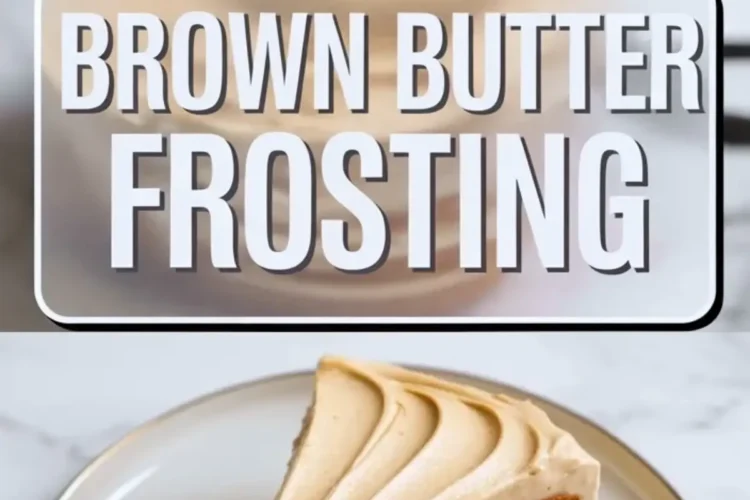
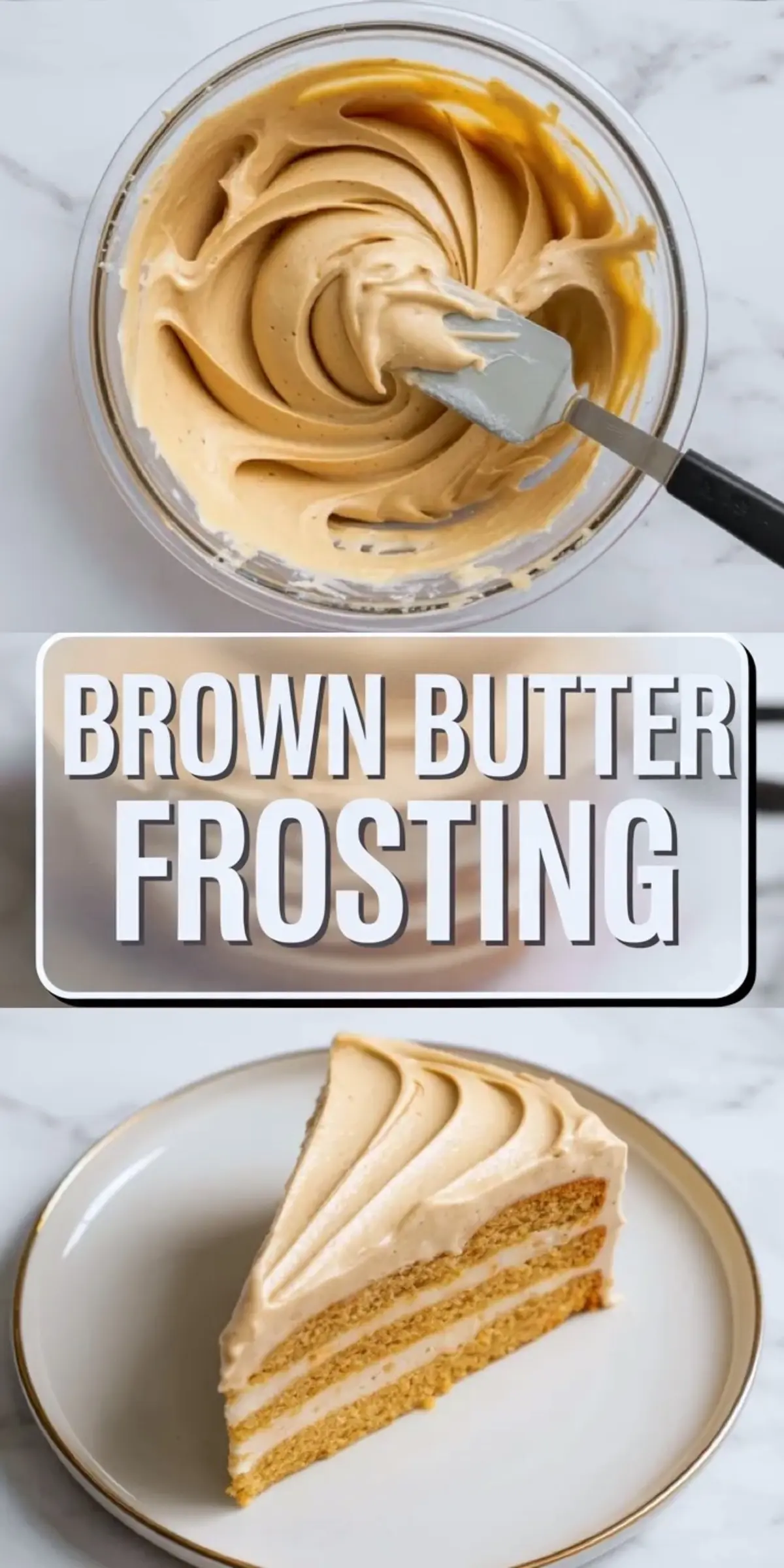
This brown butter frosting recipe starts with real unsalted butter, toasted until golden and fragrant, then whipped with powdered sugar, vanilla, and cream. The result is a creamy brown butter buttercream with rich flavor and balanced sweetness. Use it for brown butter cupcakes, layered cakes, or as a simple cake frosting recipe that adds warmth and character to any bake.
Browned butter changes the foundation of this frosting. It adds depth without extra effort and enhances the overall flavor with notes of caramel and toasted milk solids. That small extra step cooking the butter transforms a basic buttercream into something memorable.
Following a special diet?
Every recipe on this site can be converted to gluten-free, vegan, dairy-free, keto, nut-free or egg-free with adjusted ratios so nothing falls flat.
Try the Recipe Converter →Unlike standard vanilla frosting, this brown butter icing holds structure but stays soft and spreadable. It isn’t too sweet, and the salt and vanilla provide balance. This frosting holds up well on layer cakes, cupcakes, and cookie sandwiches, and it stays creamy even after chilling.
The base ratio is flexible. You’ll need between 3½ to 4 cups of powdered sugar depending on the texture you want. Less sugar gives a softer, lighter consistency, ideal for spreading. A bit more makes it firmer for piping details.
What Each Ingredient Adds
Use unsalted butter so you can control the salt later. Salted butter creates inconsistencies across batches, and the added salt can dull the flavor of browned butter.
The powdered sugar must be sifted. Lumps ruin the silky finish and interrupt the whip. Don’t skip this step.
Cream or whole milk adjusts the consistency. Start with two tablespoons, then decide if you need more. Heavy cream adds a little body, which helps if you’re piping onto cupcakes or doing tall swoops.
Vanilla adds warmth and rounds off the toasted notes of the brown butter. A full tablespoon is essential here.
Fine sea salt sharpens the other flavors. Without it, the sweetness feels flat.
For a lighter option that still pipes beautifully, try this Whipped Cream Frosting
Spotlight on Browned Butter
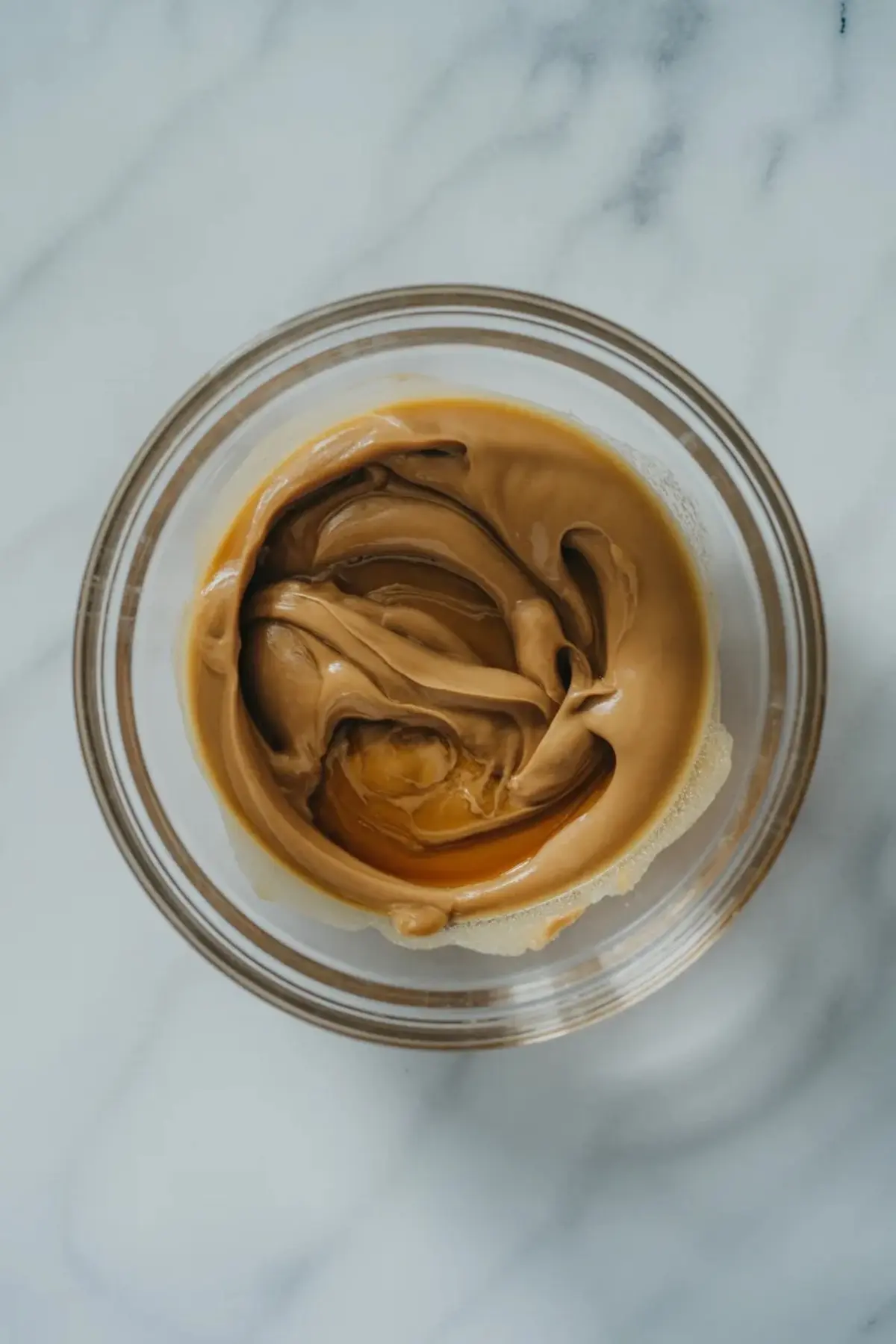
Browning the butter correctly changes everything. The goal is golden brown milk solids at the bottom of the pan and a deep, nutty aroma that fills the kitchen. Use a light-colored pan so you can watch the color change. Dark pans hide the signs, and it’s easy to go from browned to burnt without noticing.
Once the butter foams, keep stirring and stay close. You’ll see brown specks settle at the bottom. The smell will shift from buttery to nutty, and that’s your cue to remove it from heat. Pour it into a heatproof bowl, bits and all, and cool fully before whipping. If you skip the cooling stage, the frosting breaks.
If you’re short on time or want something faster for chocolate-based bakes, use this: Quick Chocolate Frosting
How to Make It Smooth and Fluffy
The butter needs to firm back up after browning. Chill it until soft but solid. When you press it, your finger should leave an indent, but it shouldn’t melt on contact.
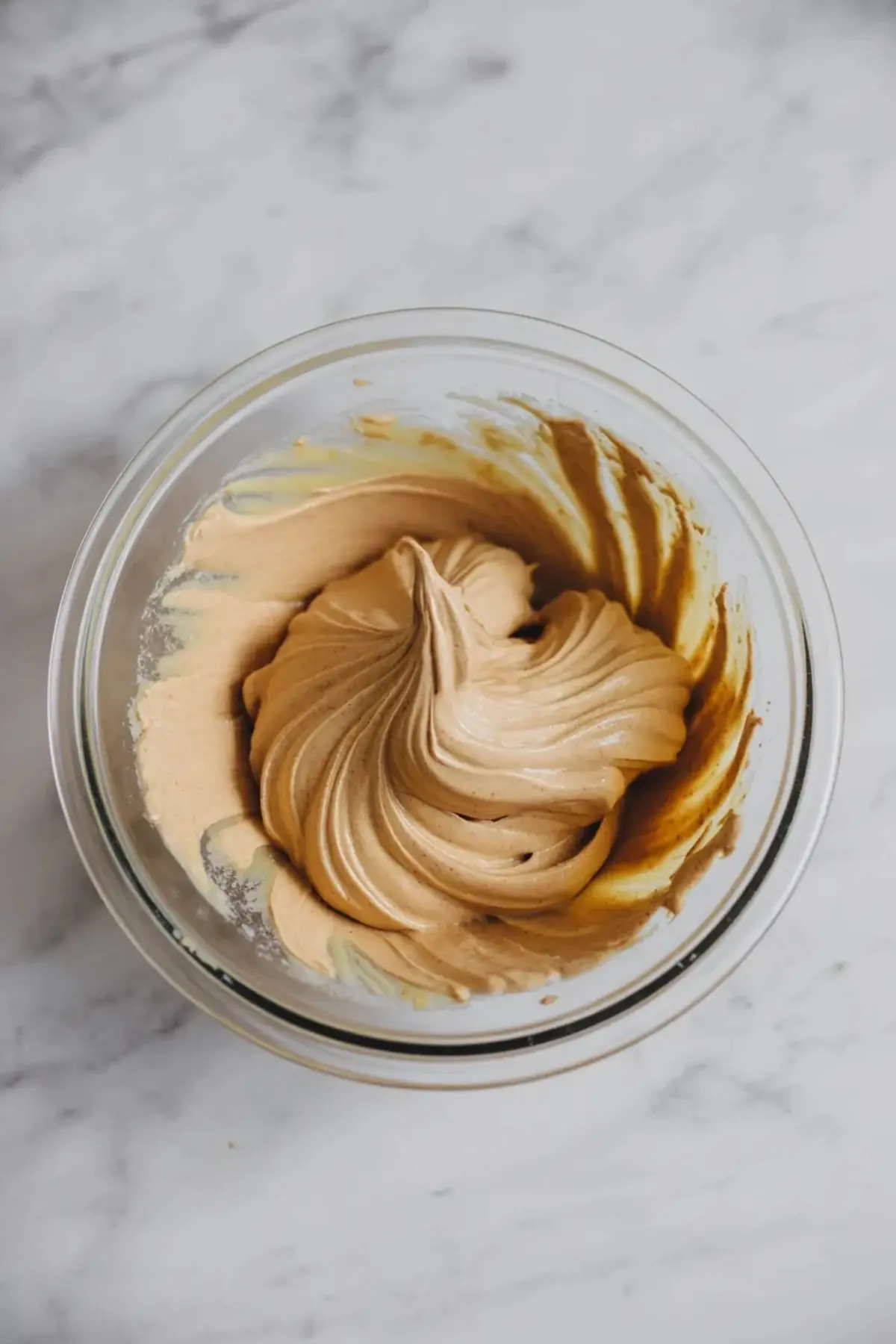
Use a stand mixer or hand mixer to beat the butter until pale and creamy. This takes two to three minutes and gives structure to the frosting. Add powdered sugar gradually so it blends without clumps. Start mixing on low speed to keep things clean.
After the sugar is fully added, beat the frosting for another two to three minutes. It should look fluffy, hold soft peaks, and glide off the spoon. Adjust with cream for softness or sugar for firmness. Stir in the vanilla and salt last. Taste and tweak.
If you like a more caramel-like flavor with a brown sugar edge, try this Brown Sugar Frosting
Knowing It’s Done
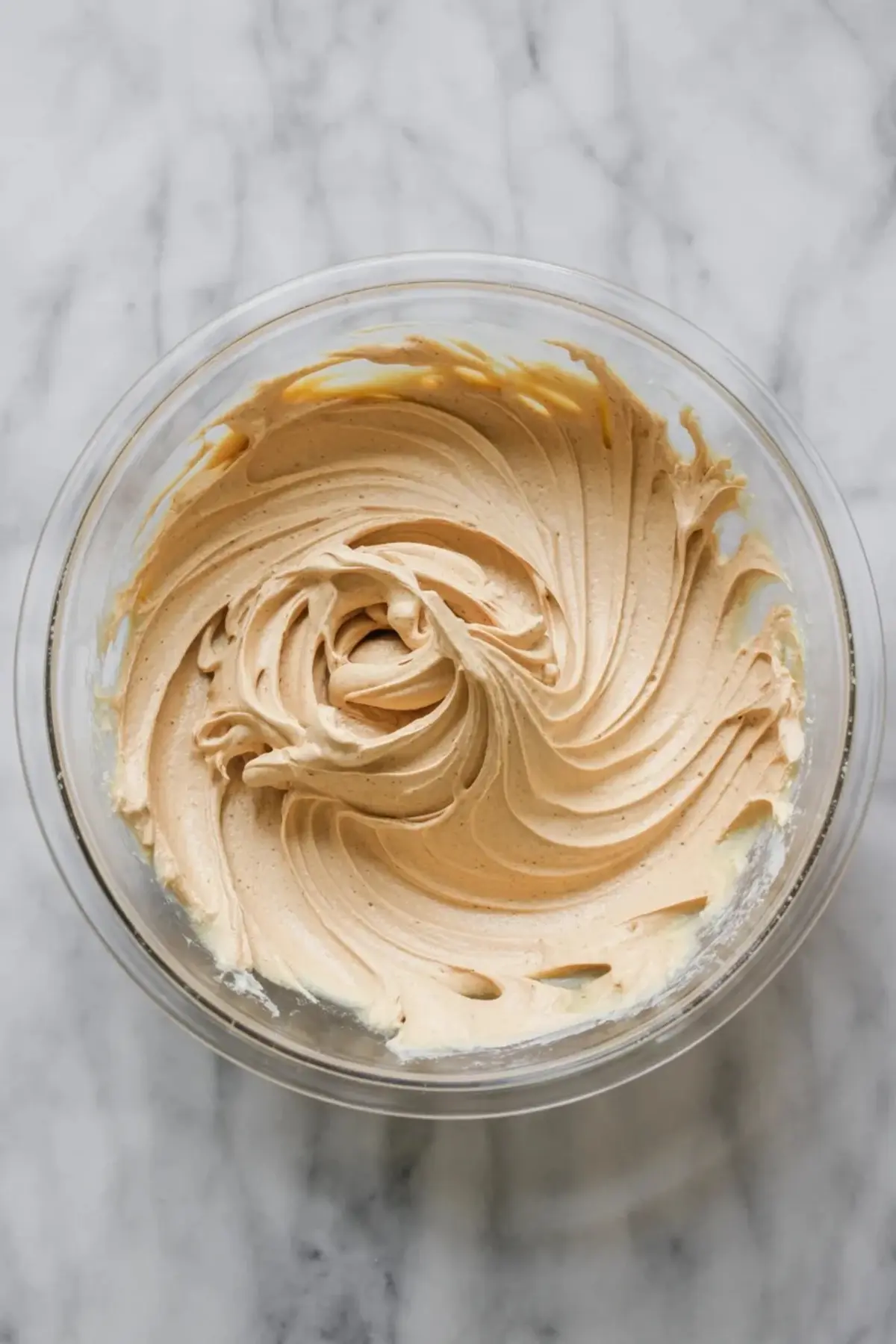
The final frosting should look pale golden and feel soft but structured. It should hold peaks but not feel dense. If it feels stiff or too sweet, add a teaspoon of cream and re-whip. If it’s too loose, chill briefly and beat again.
Avoid overbeating. If the frosting starts to look greasy or separate, it’s gone too far. In that case, chill it and re-whip from cold.
Fixing Common Issues
If the frosting separates, it’s usually from using warm butter. Start with butter that’s cool but pliable.
If it tastes overly sweet, add a pinch more salt and a teaspoon of lemon juice to cut it.
If it’s too loose to pipe, chill for ten minutes, then test again. Cold butter firms quickly.
If it looks grainy, the sugar wasn’t sifted. Re-whipping may help, but it won’t fully fix the texture.
Need a fast, salty-sweet option for cookie topping? Go for this Peanut Butter Frosting in 10 Minutes.
Easy Variations to Try
Add 2 tablespoons of cocoa powder for a chocolate brown butter twist.
Mix in ½ teaspoon cinnamon or pumpkin spice for fall cakes.
Swap vanilla for almond extract for a nuttier depth, especially good on sugar cookies.
Stir in crushed freeze-dried strawberries for a fruity pink variation.
Looking for something classic with bright colors? This Sugar Cookie Frosting Recipe gives a smooth base for piping and decorating.
Storage and Shelf Life
Store in an airtight container in the fridge for up to five days. Let it sit at room temperature for 30 minutes before re-whipping and using.
If freezing, place it in a sealed bag with air pressed out. Thaw overnight in the fridge, then re-whip before spreading.
Frosting holds its shape best when fresh, but a short chill helps keep details clean on decorated cakes.
Small Tips That Help
Use a metal bowl when whipping if your kitchen runs warm.
Keep powdered sugar in a dry place to avoid clumping.
Chill your mixing bowl briefly in summer to keep the butter cool.
Use a cookie scoop to portion frosting for cupcakes evenly.
How to Use It
Spread thickly on cooled brownies or dessert bars. Pipe tall swirls on brown butter cupcakes.
Frost a classic yellow layer cake. Sandwich between soft cookies. Spoon over warm cinnamon rolls.
Save This Recipe and Share
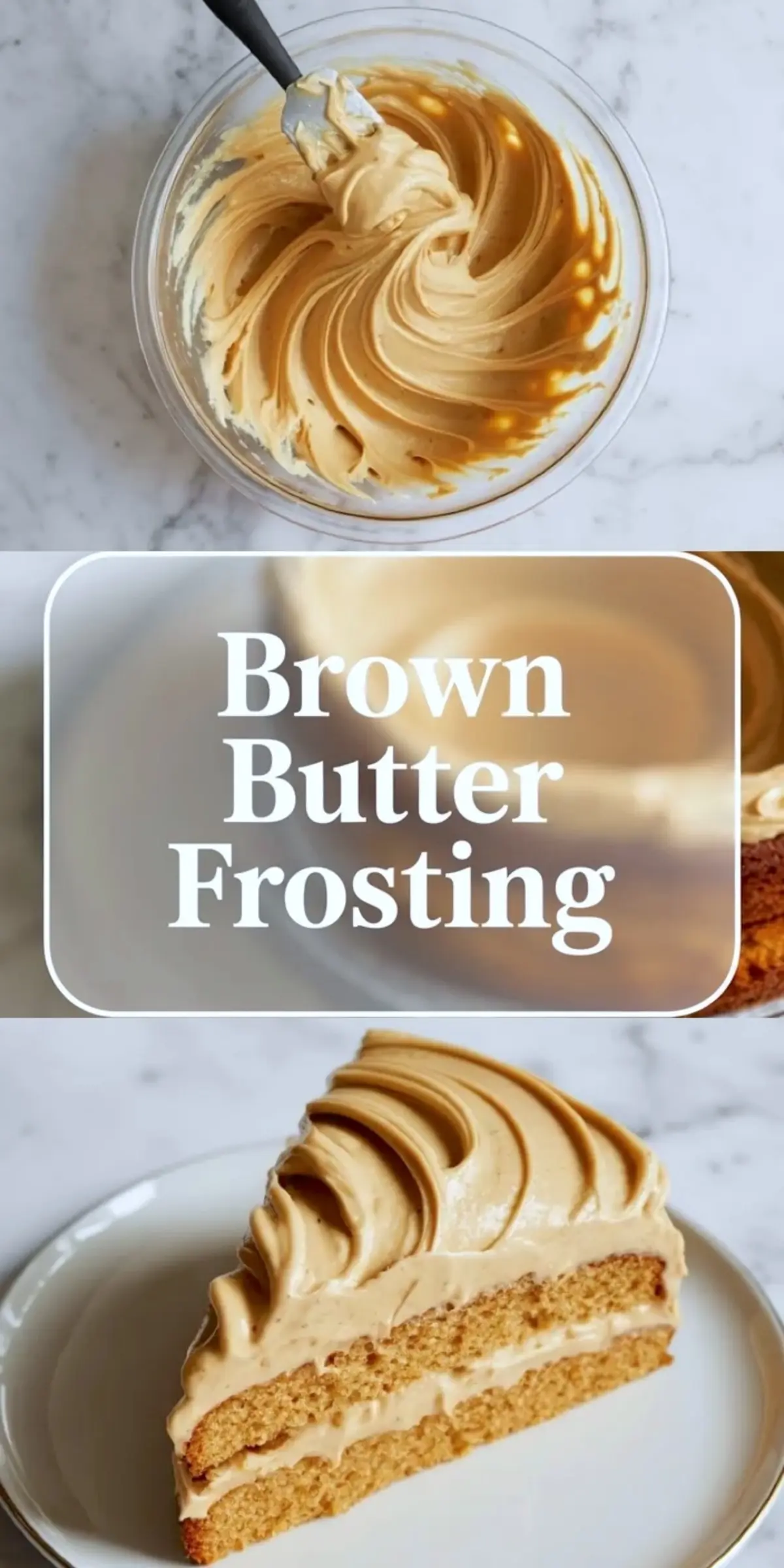
Save this recipe to your Pinterest board so you can find it again when baking cakes, cupcakes, or bars. Have you tried a twist on this brown butter buttercream? Let me know in the comments. I’d love to hear your favorite way to use it.
Brown Butter Frosting
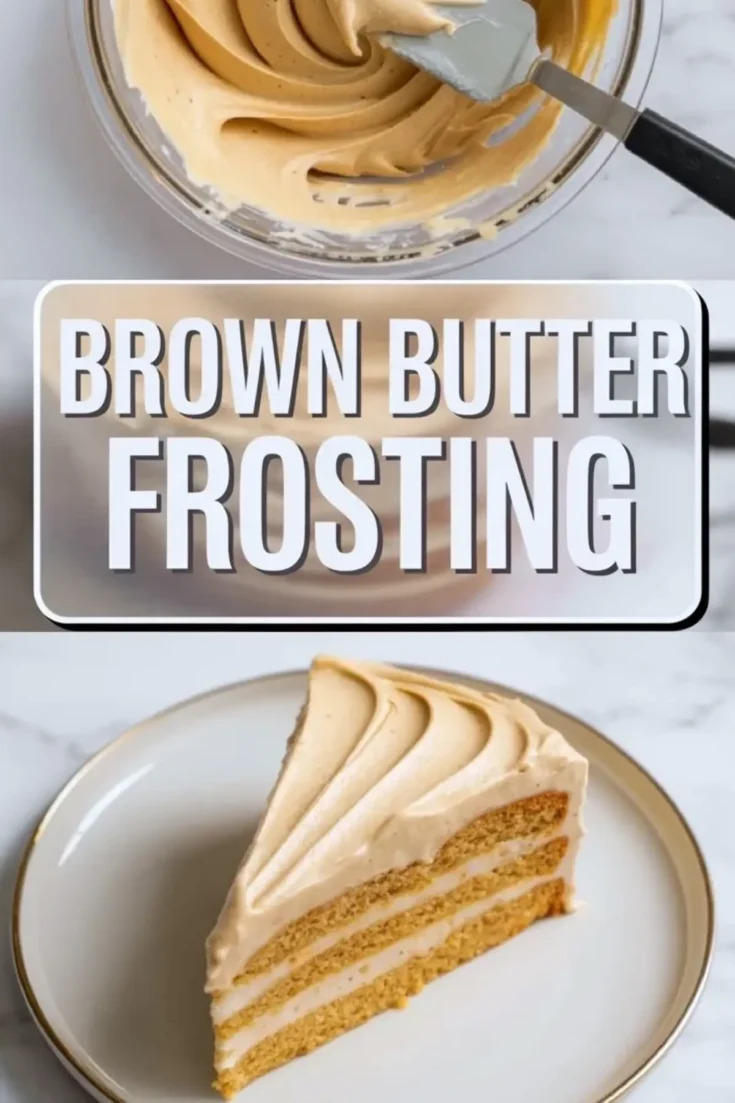
This brown butter frosting is smooth, flavorful, and perfect for cakes, cupcakes, and dessert bars. Use this easy method to create one of the best brown butter frosting recipes easy with rich, nutty depth. Works well as a topping for brown butter cupcakes, classic layer cakes, or even cookies. Learn how to make flawless brown butter icing, creamy brown butter buttercream, and well-balanced browned butter icing with the perfect texture every time. A go-to cake frosting recipe for any baking occasion.
Ingredients
- 1 cup (226g) unsalted butter
- 3 ½ to 4 cups (420–480g) powdered sugar, sifted
- 2–4 tablespoons milk or heavy cream
- 1 tablespoon vanilla extract
- ¼ teaspoon fine sea salt, or to taste
Instructions
- BROWN THE BUTTER: Melt the butter in a light-colored saucepan over medium heat, stirring frequently. After 5 to 8 minutes, the butter will begin to foam and golden brown bits will form on the bottom of the pan. When the butter smells nutty and turns a rich golden color, remove it from heat immediately. Pour the browned butter, including all browned bits, into a heatproof bowl and cool to room temperature. Chill in the refrigerator until the butter is solid but still soft enough to whip, about 45 to 60 minutes.
- WHIP THE BROWN BUTTER: Transfer the chilled brown butter to a mixing bowl. Beat with a hand mixer or stand mixer on medium-high speed for 2 to 3 minutes, until the butter is creamy and pale in color.
- ADD SUGAR AND CREAM: Add the sifted powdered sugar gradually, one cup at a time, mixing on low speed after each addition to avoid splattering. Add 2 tablespoons of milk or heavy cream to help the frosting come together. Once incorporated, beat the frosting on high speed for 2 to 3 minutes, until light and fluffy.
- ADD VANILLA AND SALT: Stir in the vanilla extract and salt. Taste the frosting and adjust as needed, adding more cream for a softer texture or more sugar for a thicker consistency.
Notes
If your kitchen is warm, chill the frosting briefly before using to help it hold shape for piping. Frosting can be made ahead and stored in an airtight container in the refrigerator for up to 5 days. Let it come to room temperature and re-whip before using.
Nutrition Information
Yield
1Serving Size
1Amount Per Serving Calories 3266Total Fat 202gSaturated Fat 127gUnsaturated Fat 76gCholesterol 534mgSodium 589mgCarbohydrates 355gSugar 351gProtein 2g
