
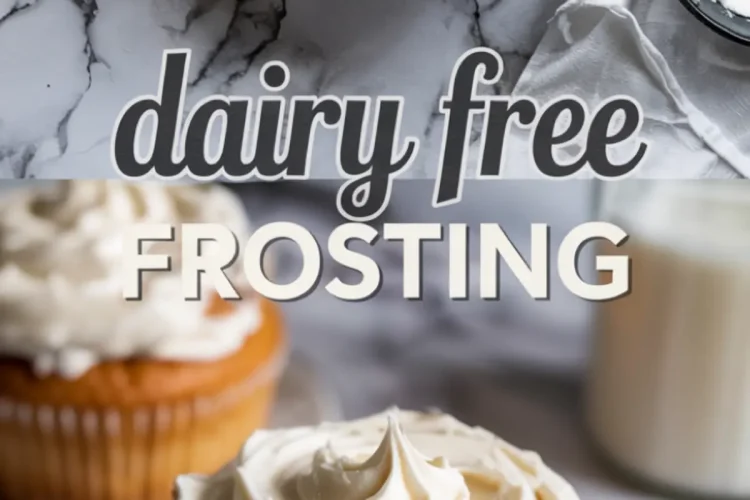
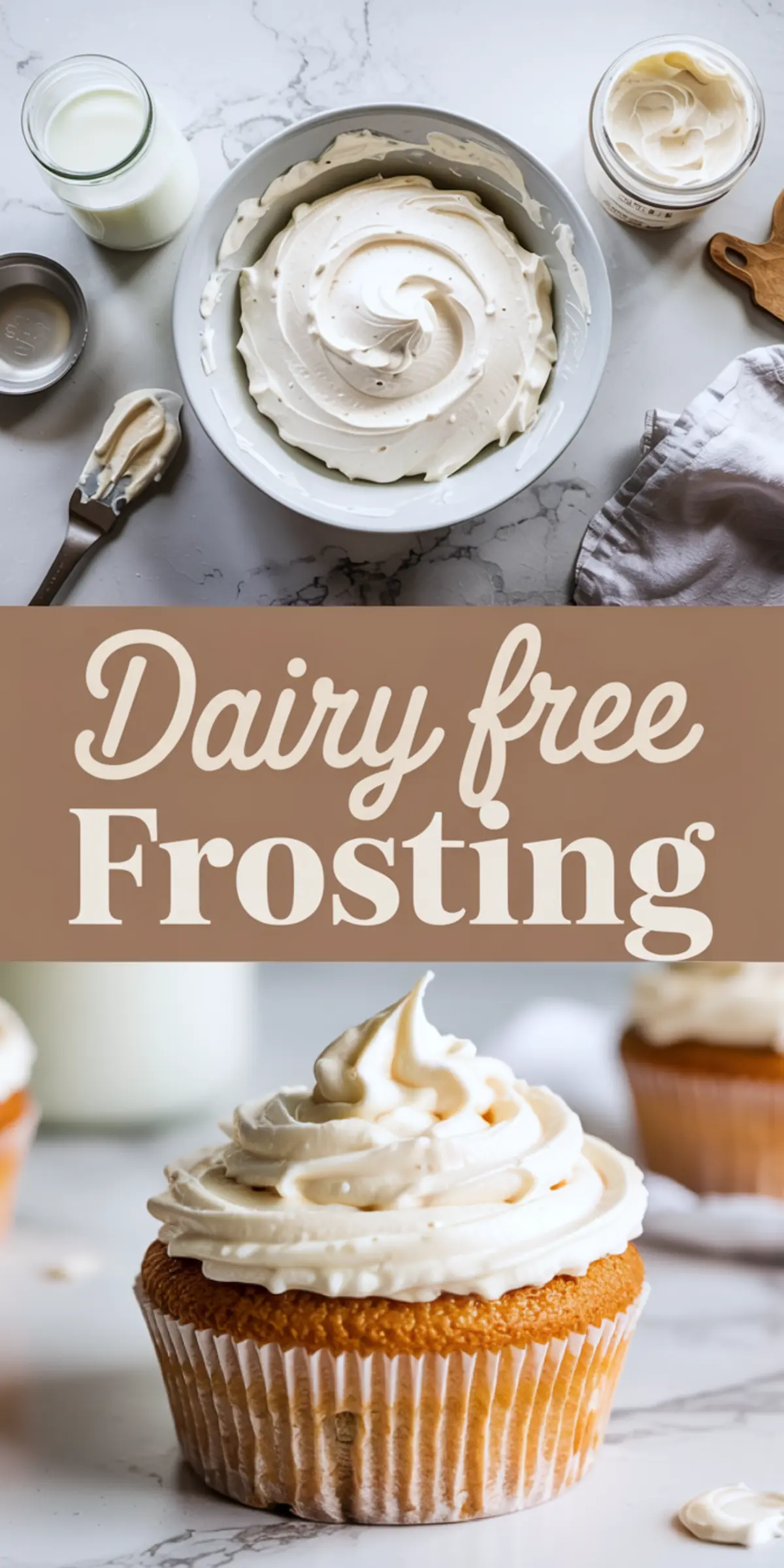
There are plenty of frosting recipes that promise softness and flavor. But when you need a dairy free option that pipes clean, holds its shape, and doesn’t taste like a compromise, this is the one I rely on.
This dairy free frosting uses chilled coconut cream and vegan butter to create a buttercream-style texture that’s smooth, light, and spreadable. You’ll learn exactly how to work with coconut cream, how to balance flavor without dairy, and why each ingredient matters.
If you’re baking a dairy free cupcake recipe or looking for a lactose free icing for cake decorating, this one delivers both texture and taste.
Following a special diet?
Every recipe on this site can be converted to gluten-free, vegan, dairy-free, keto, nut-free or egg-free with adjusted ratios so nothing falls flat.
Try the Recipe Converter →Why Coconut Cream Works in Dairy Free Buttercream
Chilled coconut cream isn’t just a substitute. It adds body and structure that mimics dairy fat, which is exactly what you want in a firm, pipeable frosting.
I’ve tested versions with just vegan butter or vegetable shortening. They spread easily but lacked the depth and airiness I wanted. Adding coconut cream gave me better volume without extra sweetness.
You must use the solidified part only. That’s where the fat content lives. Without it, the frosting will break or stay too soft.
If you’ve ever made a coconut whipped cream that flopped, it’s usually because of temperature. The same applies here. Always chill the can overnight, and avoid shaking it before opening.
For cakes that need something lighter but stable, this base is my go-to. Especially if you want a dairy free frosting for cake layers that sit out at room temperature.
Choosing the Right Vegan Butter or Shortening
Vegan butter gives better flavor. Shortening gives a bit more stiffness. I use vegan butter when I want a softer frosting, and shortening when I know the dessert will travel or sit out at a party.
In my notes, I’ve found that Earth Balance or Miyoko’s work well in this recipe. If you’re avoiding soy, opt for a soy-free blend.
You can also try a mix of both. I often do half shortening and half butter to strike a balance between texture and flavor. It pipes smoothly and still holds up well, especially in warmer rooms.
If you’re planning to top cupcakes that will sit for hours, consider this mix. It holds detail better than butter alone.
Try this base with my Cinnamon Roll Frosting recipe for a creamier swirl with no dairy.
Why Cornstarch Helps Structure
Cornstarch doesn’t just absorb moisture. It slightly firms the frosting and helps stabilize air bubbles during whipping.
Just one tablespoon can make a noticeable difference. Without it, I’ve had batches that lost volume or softened too quickly when piped.
You won’t taste it. But you’ll see the impact, especially if your kitchen runs warm. The peaks stay defined, and the frosting doesn’t slide.
I include it even in my Peanut Butter Frosting when I need a firmer swirl for piping.
The Importance of Sifting Powdered Sugar
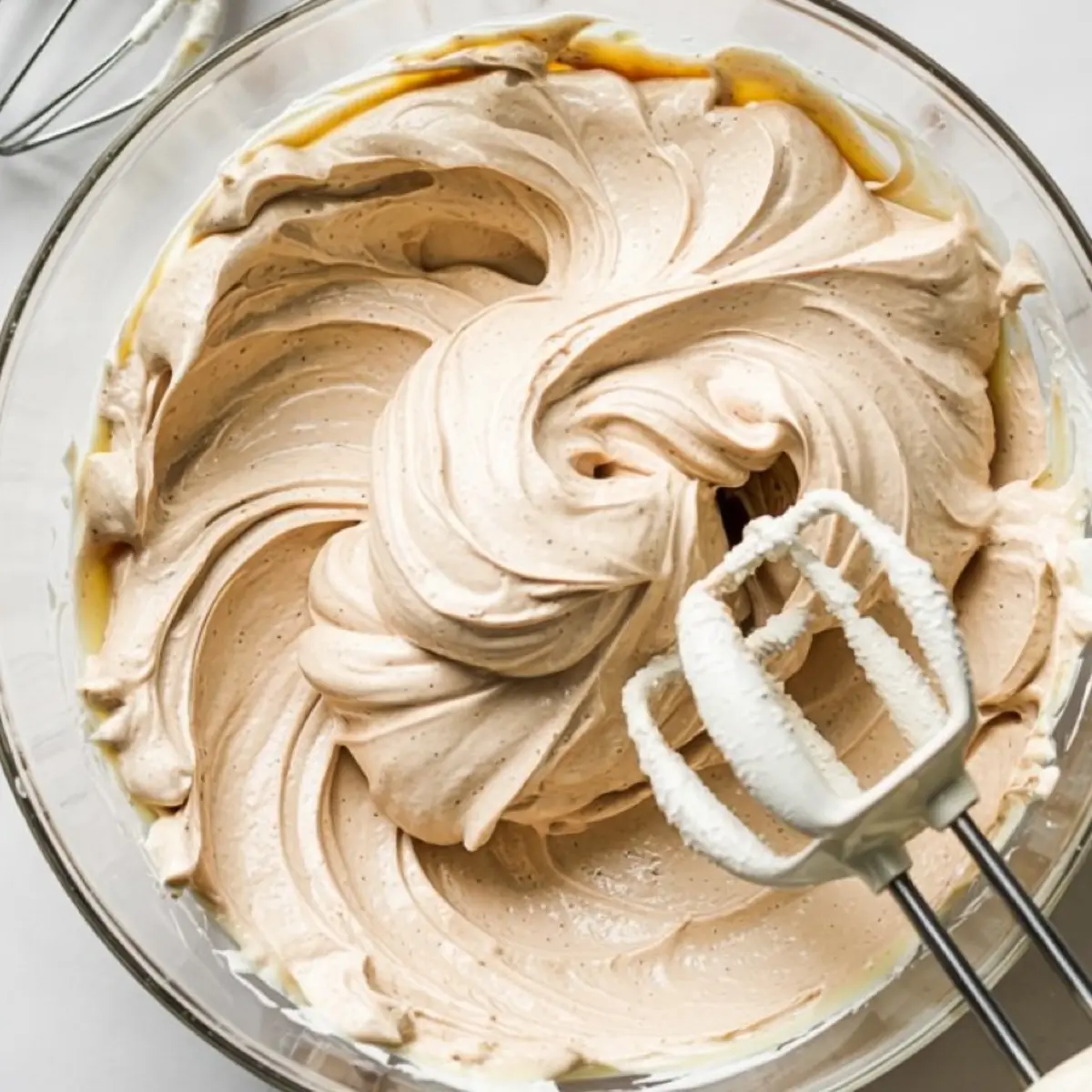
Powdered sugar can clump easily, and any lump shows up fast when you’re aiming for a smooth finish.
I always sift before measuring. The volume changes after sifting, so measure after you sift. This gives a more accurate and consistent result.
Three cups is usually enough, but depending on your coconut cream’s moisture, you might need a bit more. Add gradually and beat between each addition.
If it starts to stiffen too quickly, add a splash of almond milk or oat milk until you hit the texture you need.
Use this tip too when making my Chocolate Buttercream Frosting to prevent graininess.
Comparison: Coconut Cream vs. Vegan Butter Only
I’ve made this frosting many ways over the years. If you rely solely on vegan butter, you get more flavor but less lift. The result is creamy, but it can feel heavy and may separate under heat.
Coconut cream alone creates a light texture, but doesn’t hold well unless whipped long and paired with powdered sugar.
The best version blends the two. Coconut cream brings lightness. Vegan butter adds body and flavor. Together, they whip into a frosting that spreads beautifully and holds firm.
For those needing a dairy free frosting for cupcakes that travel or sit out, this combo performs better than either base alone.
How to Use and Store Dairy Free Icing
Use it immediately for best texture. But if your cake or cupcakes need time, this frosting holds up well at room temperature for several hours.
To prep ahead, store it covered in the fridge for up to two days. Let it come to room temperature and re-whip for a minute before using.
If it’s still too stiff after refrigeration, add a teaspoon of non-dairy milk and whip again.
I often use this dairy free buttercream on birthday cakes with fresh fruit or piped swirls. The finish stays neat and glossy.
Related Frosting Recipes to Try
Looking for other options that work with different cake flavors?
Try this Vanilla Buttercream Frosting if you’re baking with dairy. For something rich and fluffy, you’ll want the Chocolate Buttercream Frosting too.
Save This Dairy Free Frosting Recipe and Share Your Thoughts
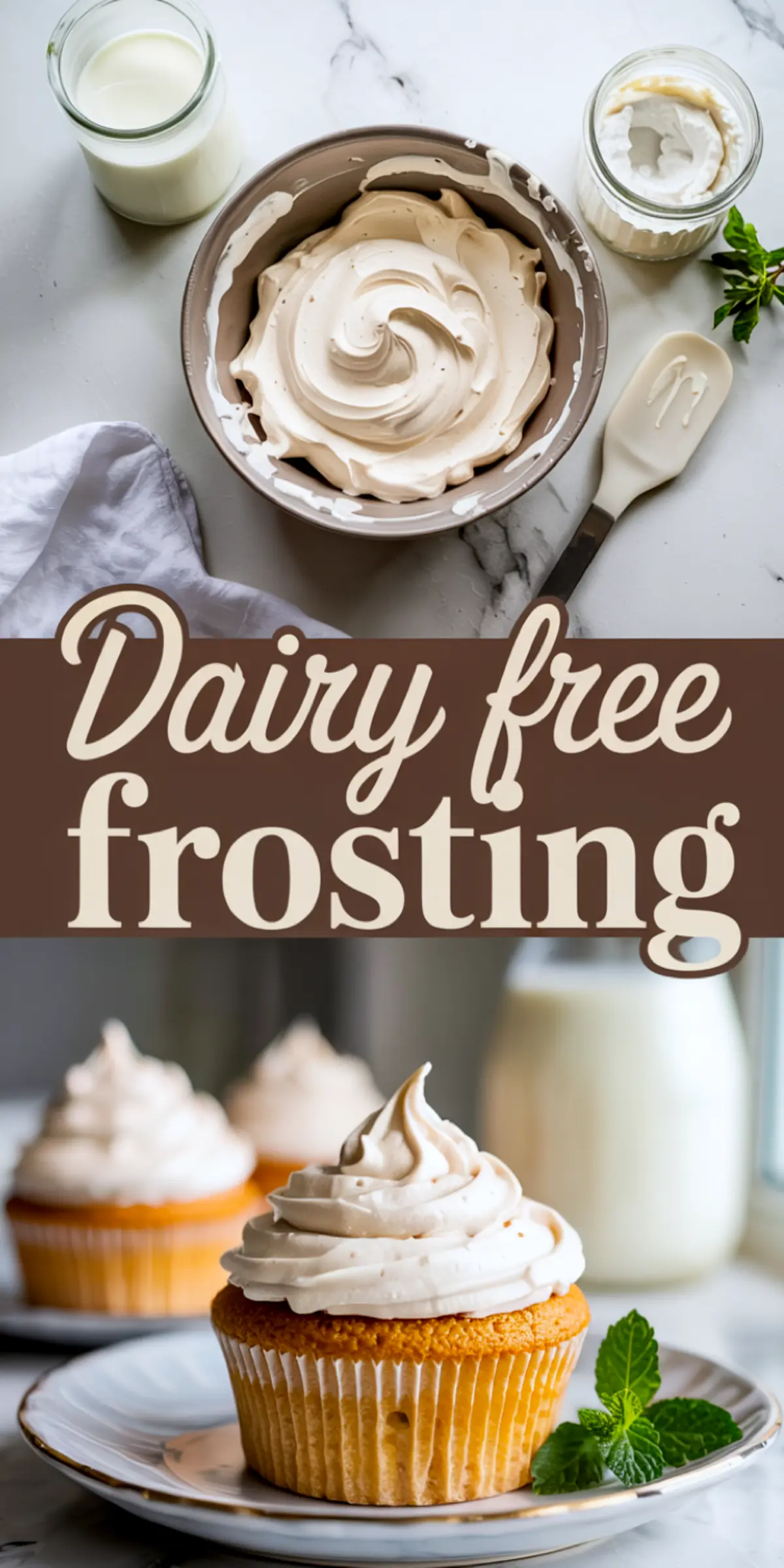
Pin this to your Frosting Recipes or Dairy Free Baking boards so it’s easy to find the next time you need a reliable topping.
Have questions about swapping ingredients? Or want to share how it turned out? I’d love to hear from you in the comments.
Let’s build a recipe library together that’s helpful and human.
Dairy-Free Frosting Recipe
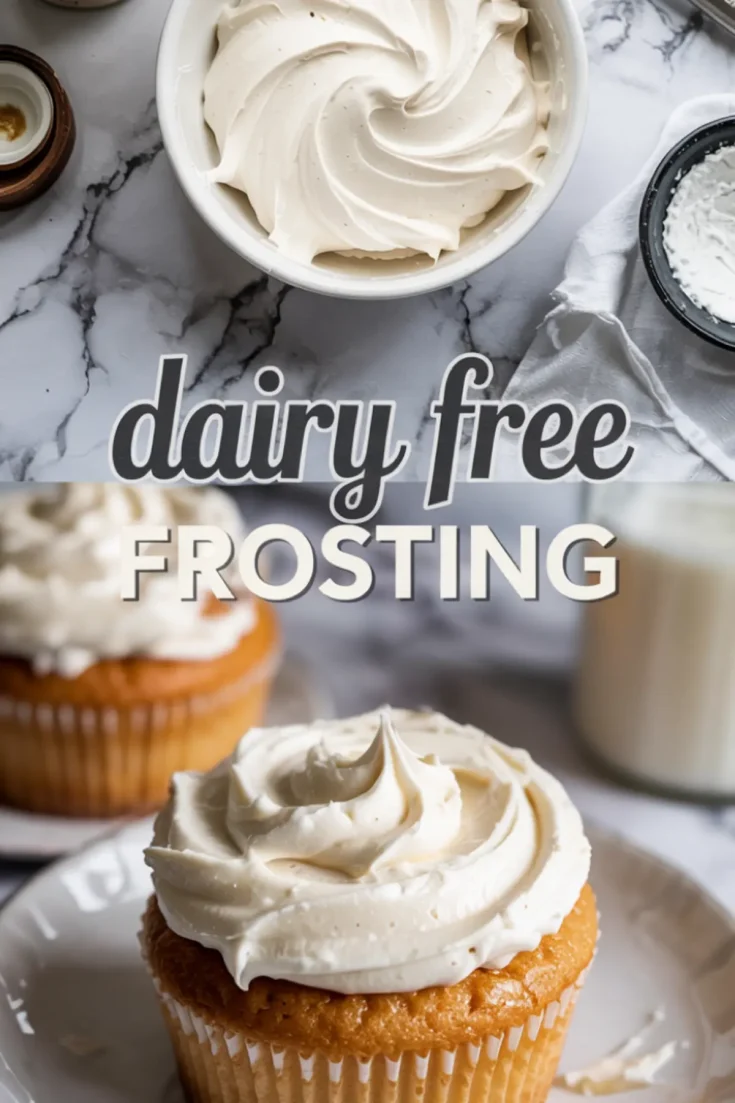
Dairy free frosting blends vegan butter with powdered sugar and vanilla for a smooth, spreadable buttercream that works on everything from cakes to cupcakes. I use this dairy free frosting recipe when I want a simple topping that holds its shape and tastes just like the classic version. It’s a great option if you’re baking for someone who needs lactose free icing or a non-dairy treat. This dairy free buttercream spreads and pipes easily, and the texture stays light and fluffy. I always save this under frosting recipes that work well with any dairy free cupcake recipe or cake flavor. It’s easy to make and holds up beautifully at room temp.
Ingredients
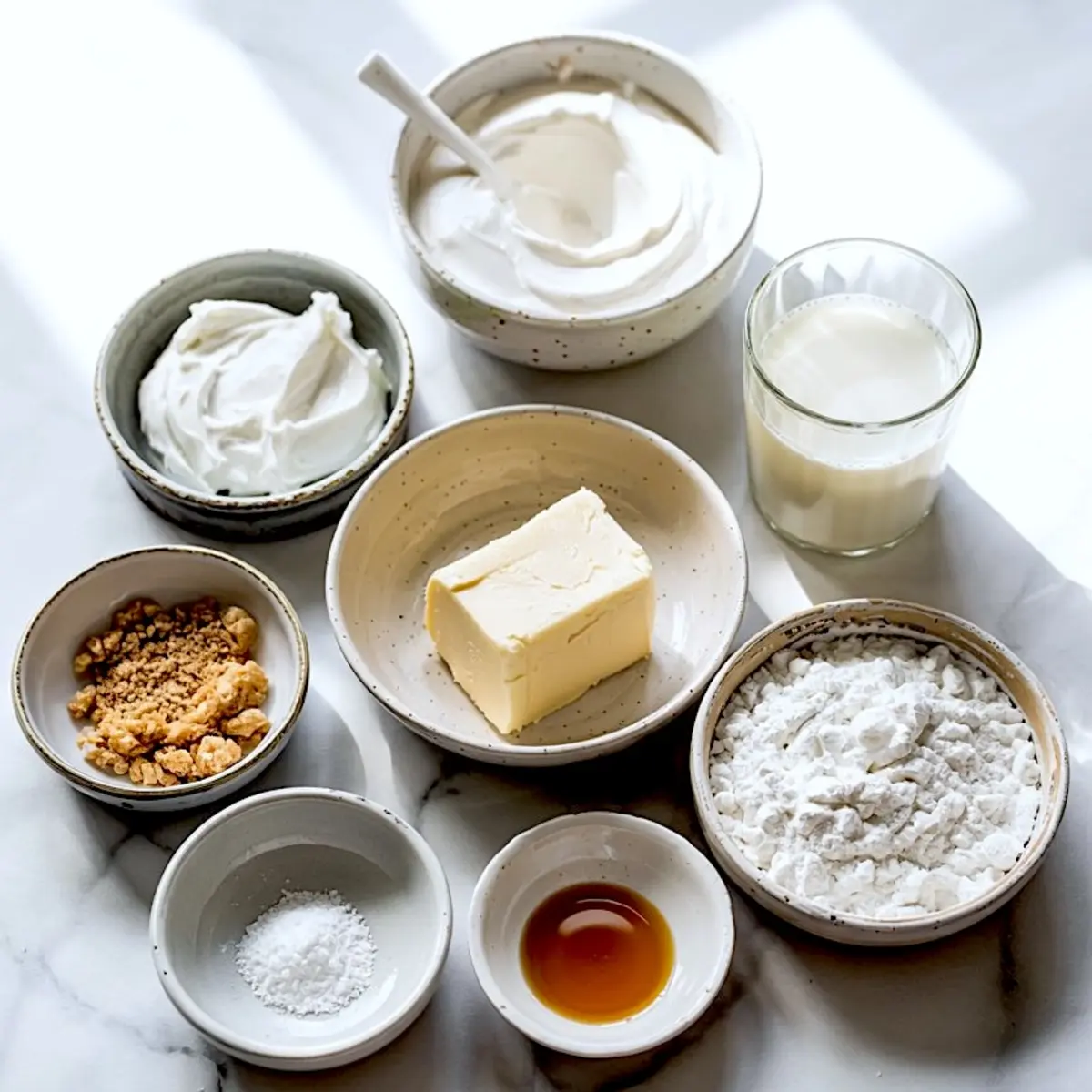
- 1 cup coconut cream (from a can, chilled overnight – use only the solid part)
- 1/2 cup vegan butter or vegetable shortening (room temperature)
- 3 to 3 ½ cups powdered sugar (sifted)
- 1 tsp pure vanilla extract
- 1 tbsp cornstarch
- Pinch of salt
- 1 to 2 tbsp non-dairy milk (such as almond, oat, or soy), optional for thinning
Instructions
- CHILL THE COCONUT CREAM: Place a can of full-fat coconut milk in the refrigerator overnight. When ready to use, open the can and scoop out only the solidified cream, leaving behind the liquid. Reserve or discard the liquid as desired.
- BEAT THE BASE: In a large mixing bowl, combine the chilled coconut cream and vegan butter or shortening. Use an electric mixer on medium speed to beat the mixture for 2 to 3 minutes until it becomes smooth and fluffy.
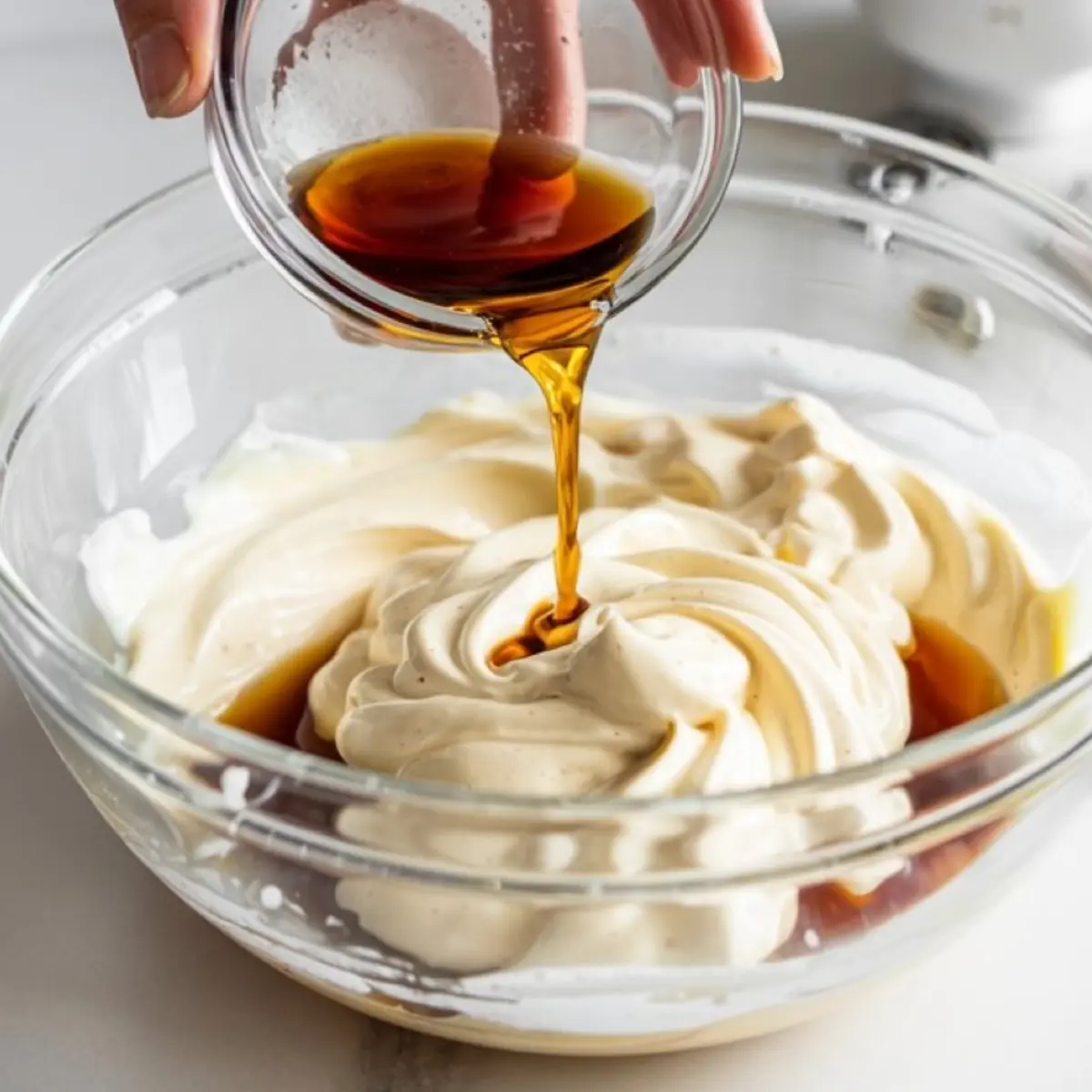
- ADD FLAVORINGS: Mix in the vanilla extract and a pinch of salt. Stir until evenly incorporated to enhance flavor and balance sweetness.
- INCORPORATE POWDERED SUGAR: Add the sifted powdered sugar gradually, beginning with 3 cups total. Mix in 1 cup at a time on low speed, then beat on high for 2 minutes once fully combined.
- ADJUST CONSISTENCY: If the frosting is too soft, add up to ½ cup additional powdered sugar. If it becomes too thick, mix in non-dairy milk 1 tablespoon at a time until the desired texture is reached.
- WHIP UNTIL FLUFFY: Beat the frosting on high speed for an additional 3 to 5 minutes until it becomes light, airy, and holds stiff peaks for piping or spreading.
- USE OR STORE: Use the frosting immediately to decorate cakes or cupcakes. If not using right away, store it covered in the refrigerator and re-whip briefly before use.
Notes
For best results, ensure the coconut cream is fully chilled and separated before use. If your kitchen is warm, refrigerate the frosting for 10–15 minutes before piping to help it hold its shape.
Nutrition Information
Yield
1Serving Size
1Amount Per Serving Calories 6537Total Fat 153gSaturated Fat 69gTrans Fat 17gUnsaturated Fat 81gCholesterol 10mgSodium 280mgCarbohydrates 1320gFiber 1gSugar 1284gProtein 5g
