
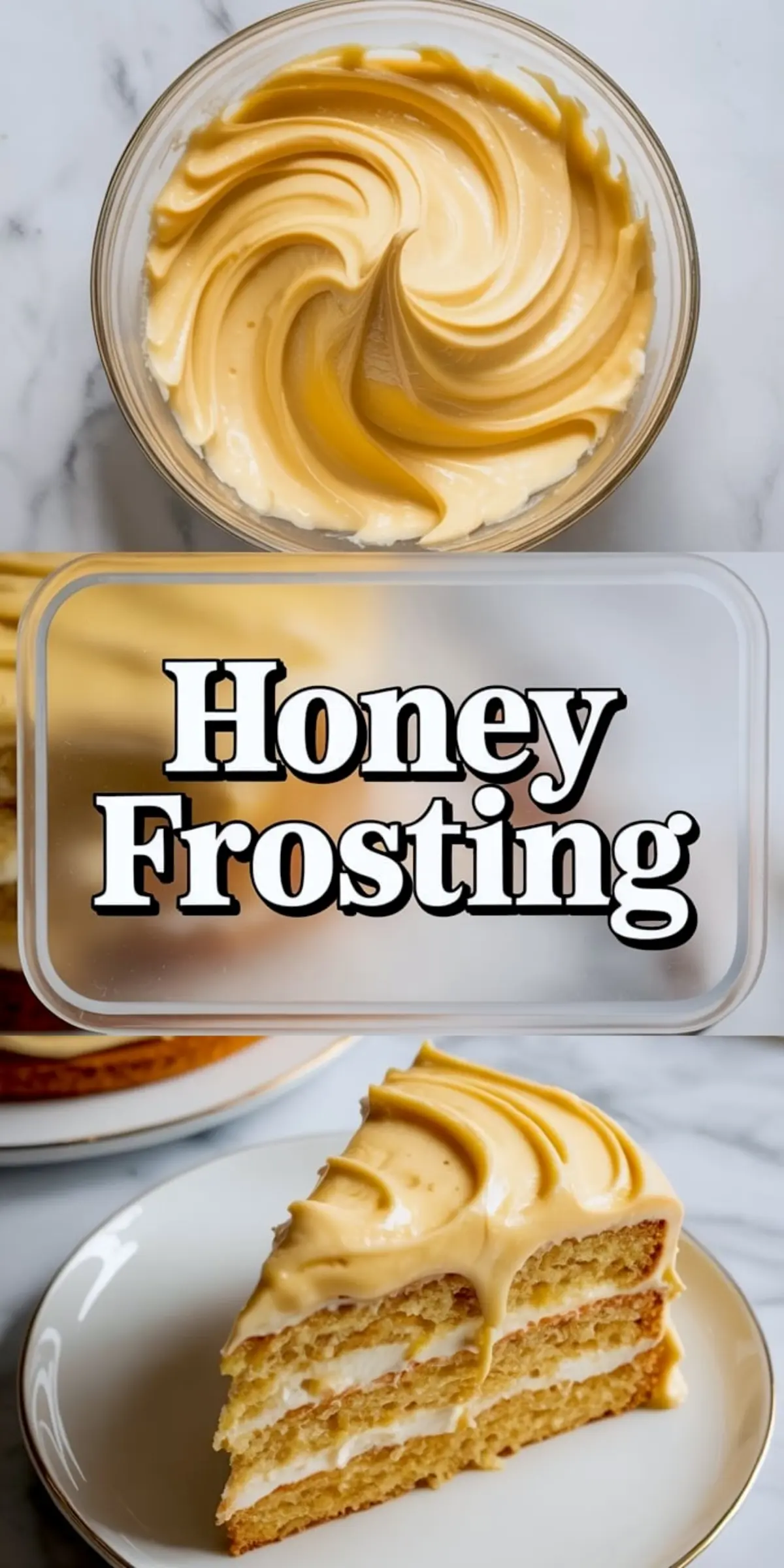
This honey buttercream frosting recipe blends softened butter, pure honey, powdered sugar, and cream into a smooth, pipeable finish that tastes gentle and balanced. If you search for a honey buttercream recipe, honey buttercream frosting, how to make honey buttercream frosting, how to make honey frosting, or even a simple butter cream frosting recipe with a natural twist, this method gives you structure, flavor, and control in one bowl.
The Ratio That Creates Structure
This frosting works because butter holds air and powdered sugar builds body, while honey adds flavor and moisture. I use one cup butter to one third cup honey, then 2½ to 3 cups powdered sugar to control firmness.
That range matters. At 300 grams sugar, the honey buttercream feels softer and spreads like silk, similar in texture to my whipped cream frosting, though richer.
At 360 grams sugar, the honey butter cream frosting pipes tall swirls that hold shape on cupcakes. I adjust based on weather, because humidity shifts texture fast in my kitchen.
Ingredients With Purpose
Unsalted butter forms the base, and room temperature butter traps air when beaten for 2 to 3 minutes. I look for butter that smells fresh and sweet, because stale butter dulls the final taste.
Raw or wildflower honey gives depth that white sugar cannot match. I choose floral honey for cakes like my honey pie, since the flavor carries through layers.
Powdered sugar thickens and stabilizes, and I always sift it to avoid small lumps. A pinch of sea salt sharpens the sweetness, and heavy cream softens the texture without thinning flavor.
Honey As The Star
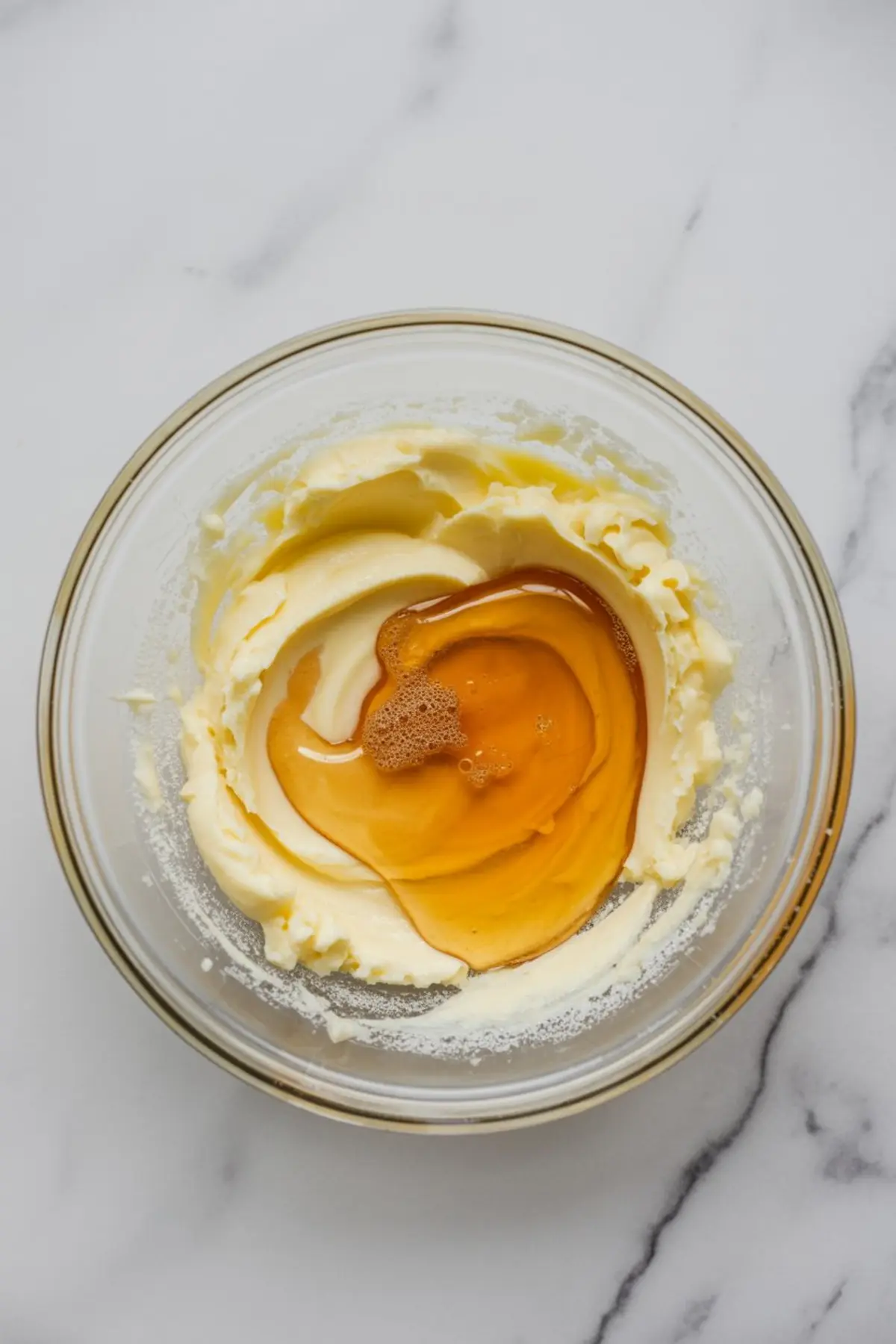
Honey changes the structure of buttercream because it contains liquid sugar. That liquid loosens the butter at first, which can surprise you if you expect instant stiffness.
I beat the honey with butter until the mixture looks glossy and slightly fluffy. It should smell warm and floral, and the color turns pale gold.
If you lack raw honey, use clear filtered honey and reduce cream slightly. Thick honey needs less extra liquid.
Building The Texture Step By Step
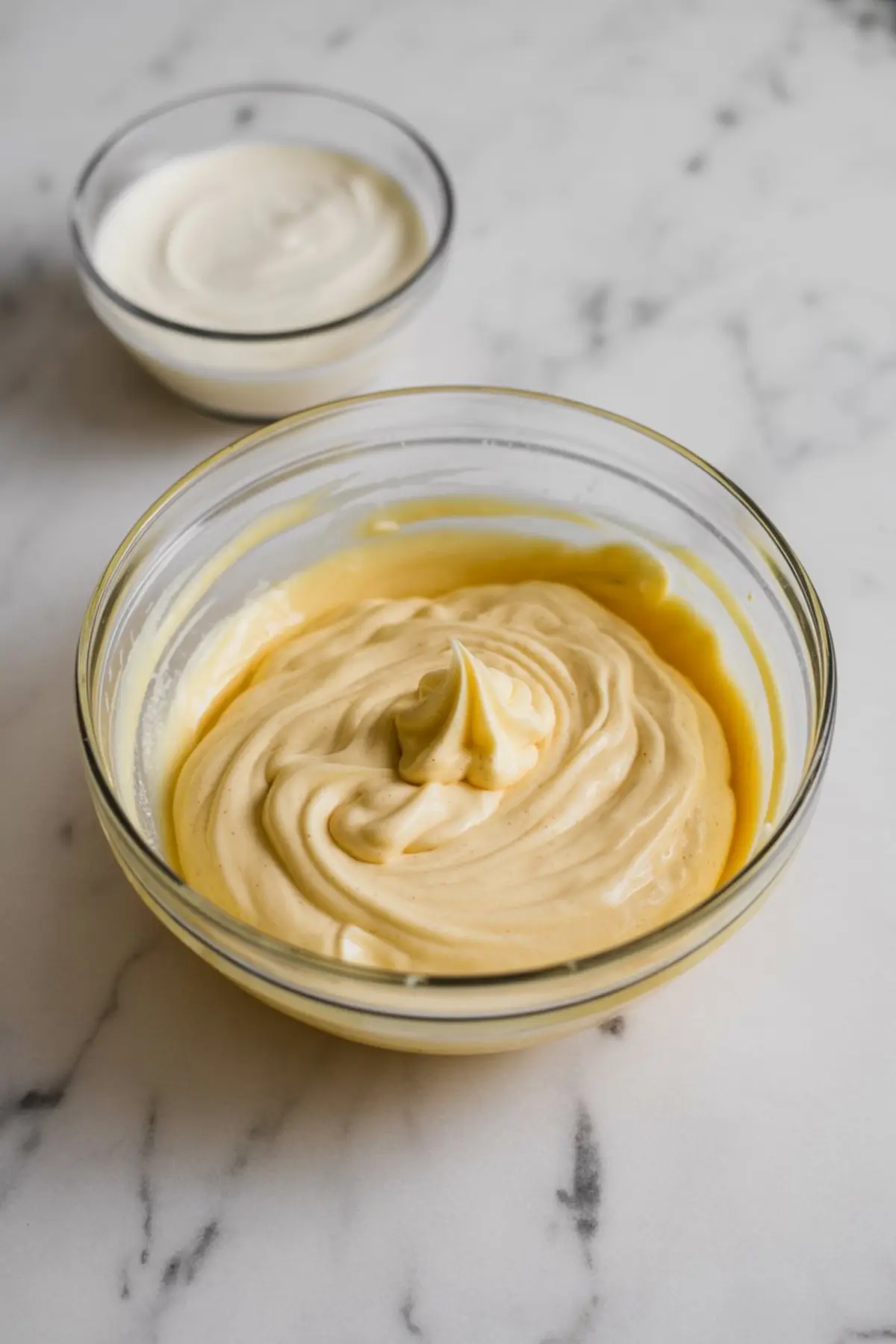
I beat the butter first on medium high speed until it turns pale and creamy. The bowl should show soft ridges, and the sound shifts from heavy to light.
I add honey, vanilla, and salt, then mix until smooth. The mixture loosens here, which feels wrong at first, yet this stage sets the flavor base.
I add powdered sugar half cup at a time and scrape the bowl often. The frosting thickens gradually, and I stop when soft peaks hold their shape, much like my pudding frosting does after whipping.
Signs It Is Ready
Finished honey buttercream holds a peak that bends slightly at the tip. It spreads without tearing cake crumbs.
Undermixed frosting looks dense and slightly yellow. Overmixed frosting feels too airy and may trap large bubbles.
I trust texture over time. Ten minutes total mixing works, yet the peak test tells the truth.
Fixing Common Issues
If the frosting looks too soft, add two tablespoons powdered sugar and whip again. Honey adds moisture, so softness often comes from under measuring sugar.
If the frosting tastes too sweet, add a pinch of salt and whip briefly. Salt resets balance quickly.
If the buttercream feels grainy, beat longer on medium speed. Powdered sugar needs time to dissolve into the butter.
Flavor Variations That Work
For lemon honey buttercream, add one teaspoon lemon zest and reduce cream slightly. The citrus brightens the honey notes.
For cinnamon honey frosting, add half teaspoon ground cinnamon. The spice deepens color and warmth.
For a lighter version, reduce powdered sugar to 2½ cups and whip longer for extra air. The result spreads easily on sheet cakes.
Storing And Using
You can keep honey frosting at room temperature for one day in a cool kitchen. In the fridge, it holds for five days in an airtight container.
Freeze it for up to two months, then thaw in the fridge and rewhip. Cold buttercream feels firm at first, yet a short whip restores softness.
Practical Kitchen Notes
I use a stand mixer for the smoothest texture, though a hand mixer works with patience. Soft butter makes the biggest difference, so I leave it out for about one hour.
I measure honey by weight when possible. Accurate weight keeps sweetness steady from batch to batch.
Serving Ideas
Spread honey buttercream on vanilla cupcakes for a floral finish. Pipe it onto layer cakes for soft golden swirls.
Use it between cake layers with fresh berries for contrast. I often spoon it over simple loaf cakes when I want quick decoration.
Save This Recipe
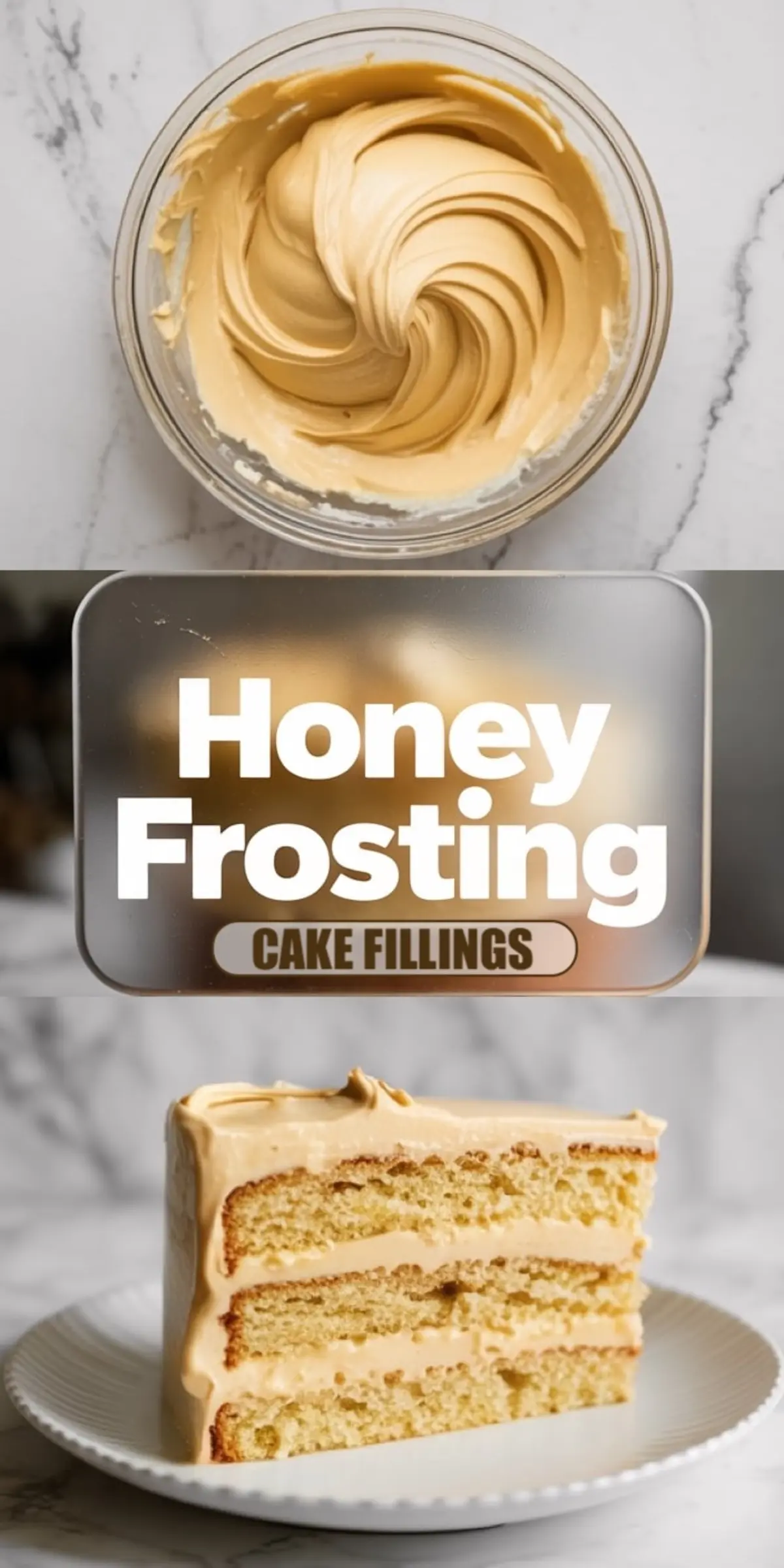
Save this honey buttercream frosting recipe to your baking board so you can find it fast before your next cake. Share in the comments how your honey buttercream turned out or ask any questions, because I read them all and I love seeing your versions.
Honey Frosting Recipe
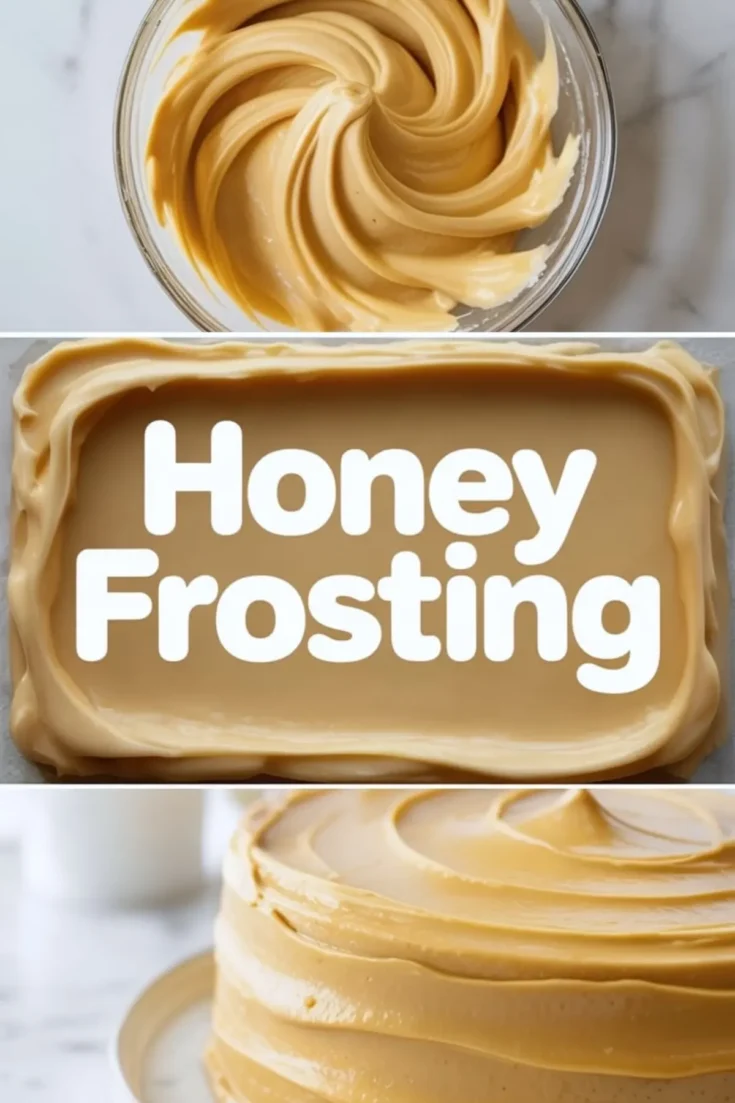
This silky Honey Buttercream Frosting Recipe blends rich butter with pure honey for a smooth, naturally sweet finish. Made as a classic Honey Buttercream Recipe, it delivers balanced flavor and a creamy texture that spreads and pipes beautifully.
Learn How To Make Honey Buttercream Frosting with simple steps that create stable, fluffy Honey Buttercream for cakes and cupcakes. This method also shows How To Make Honey Buttercream with the right consistency for layering and decorating.
Use this versatile Honey Butter Cream Frosting as an alternative to traditional icing or follow the guide on How To Make Honey Frosting for a lighter variation. Keep this reliable Honey Frosting Recipe in your collection alongside a trusted Simple Butter Cream Frosting Recipe for elegant, naturally sweet desserts.
Ingredients
- 1 cup (226g) unsalted butter, softened to room temperature
- 1/3 cup (115g) raw or pure honey
- 1 ½ teaspoons vanilla extract
- 1/8 teaspoon fine sea salt
- 2 ½ to 3 cups (300–360g) powdered sugar, sifted
- 2 to 3 tablespoons heavy cream or milk, as needed for consistency
Instructions
- BEAT THE BUTTER: In a large mixing bowl, beat the softened butter on medium-high speed for 2 to 3 minutes until it becomes pale and creamy.
- ADD THE HONEY AND VANILLA: Pour in the honey, vanilla extract, and sea salt. Beat the mixture on medium speed until smooth and slightly fluffy. The frosting may appear looser at this stage due to the honey, but it will thicken as more ingredients are added.
- INCORPORATE THE SUGAR GRADUALLY: Add the sifted powdered sugar ½ cup at a time, beating well after each addition. Scrape down the sides of the bowl frequently. Continue until the frosting becomes thick and smooth, adjusting the sugar amount for desired sweetness and consistency.
- ADJUST THE TEXTURE: Add heavy cream or milk 1 tablespoon at a time if the frosting is too thick. If it's too soft, mix in more powdered sugar. Aim for a soft peak consistency that holds shape but spreads easily.
- WHIP IT UP: Once all ingredients are combined, beat the frosting on high speed for 1 to 2 minutes to make it extra light and fluffy.
Notes
Use raw or wildflower honey for the best flavor. For piping, use the firmer end of the powdered sugar range and chill the frosting briefly before use if needed.
Nutrition Information
Yield
1Serving Size
1Amount Per Serving Calories 3228Total Fat 224gSaturated Fat 140gUnsaturated Fat 84gCholesterol 600mgSodium 327mgCarbohydrates 307gFiber 0gSugar 304gProtein 4g
