
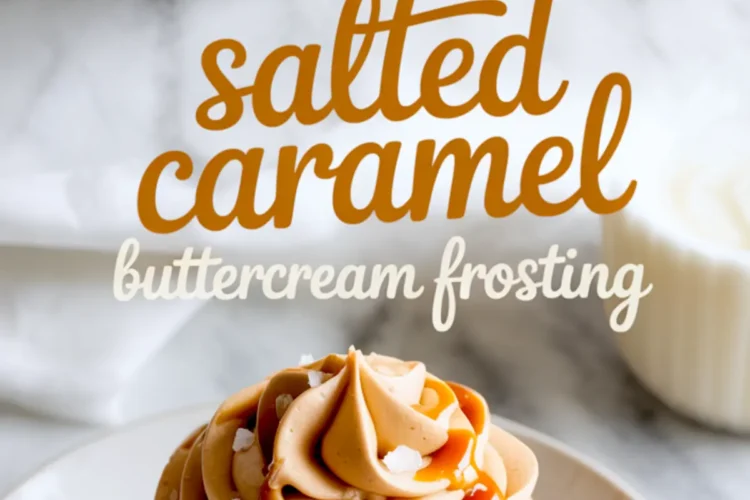
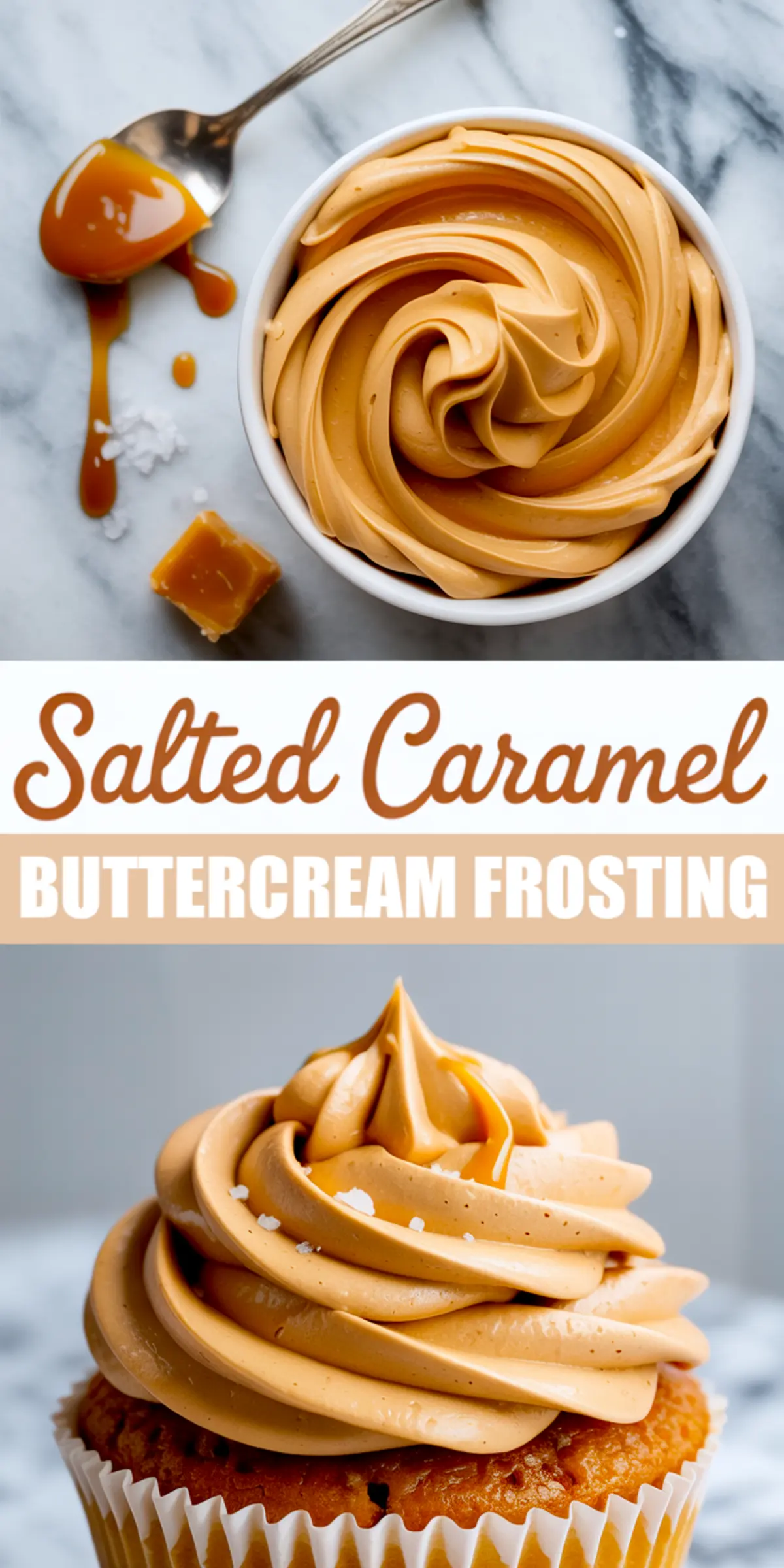
Rich, smooth, and deeply flavored, this salted caramel buttercream frosting recipe blends homemade caramel with soft whipped butter and powdered sugar. It’s the kind of frosting that pipes cleanly, holds its shape, and makes even simple cakes feel finished. The texture stays fluffy, the flavor leans toward brown sugar toffee, and with the salted caramel version, you get that hint of contrast that keeps each bite balanced. This is an easy buttercream frosting with clear steps and bold payoff.
The base of this caramel buttercream frosting relies on a classic sugar-to-fat ratio, but it gets its unique structure from the combination of two separate emulsions: first, the caramel sauce, and then the whipped buttercream.
Following a special diet?
Every recipe on this site can be converted to gluten-free, vegan, dairy-free, keto, nut-free or egg-free with adjusted ratios so nothing falls flat.
Try the Recipe Converter →Using 1 cup of sugar to create the caramel base gives enough volume for flavor without overpowering the final mix. The butter is creamed separately to preserve its aeration, which gives the final frosting a fluffier lift. I’ve found that adding the caramel once it’s fully cooled not just warm, but truly at room temperature is what stops the butter from softening too much. That part matters more than people think.
For balance, the final sea salt should be tasted and adjusted at the end. Some caramels run sweeter, so I prefer adding salt in the buttercream stage instead of fully seasoning the sauce.
Ingredient Selection
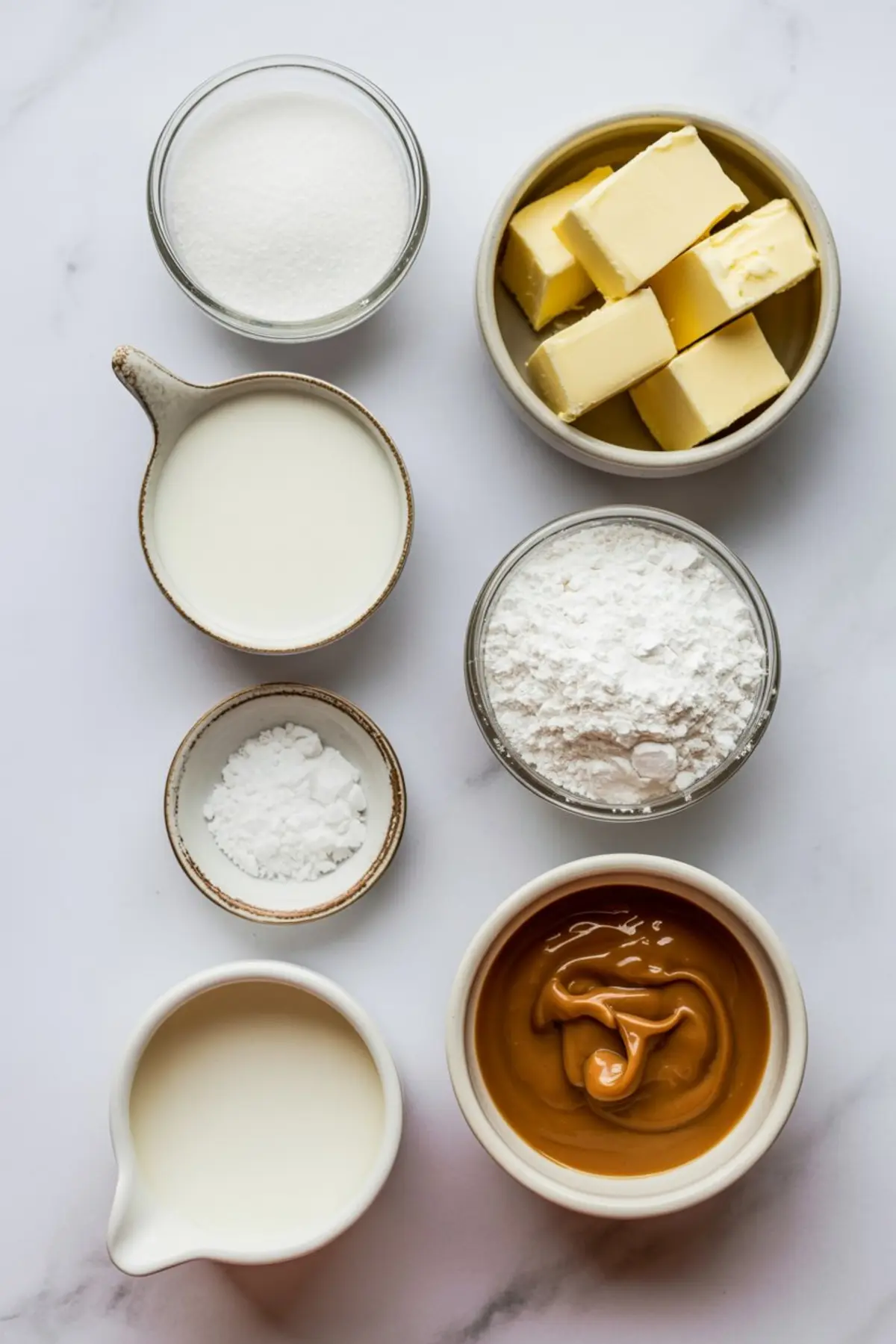
The sugar is melted alone, without water, for a deeper flavor. Dry caramelization gives you that deep amber color and avoids a boiled-syrup texture. I use 6 tablespoons of room-temperature butter to deglaze the hot sugar. Anything colder causes it to seize.
Heavy cream adds richness and helps thin the sauce so it blends evenly later. The cream needs to be warm, not hot before you pour it in. Cold cream bubbles too aggressively and can cause lumps. I used ½ cup here to keep the caramel thick enough for structure.
For the base frosting, I use 1 cup (or 2 sticks) of unsalted butter. That way, I control how much salt goes into the final mix. I always sift the powdered sugar. It’s one of those steps you think you can skip, until you don’t.
Here’s a simple buttercream that uses a similar structure: Vanilla Buttercream Frosting. Same logic, different flavor profile.
Caramel Sauce Spotlight
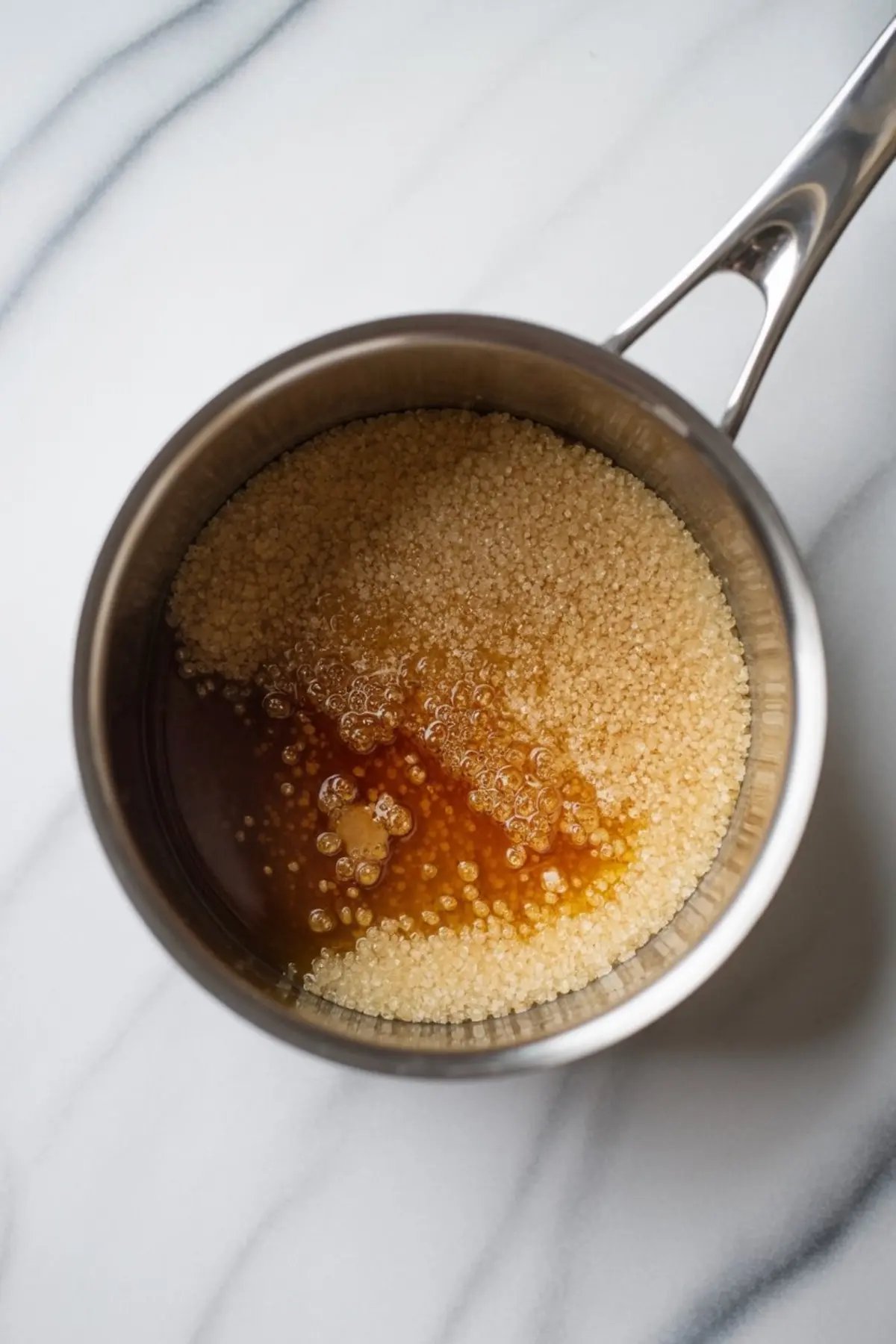
This caramel sauce is the soul of the recipe. A good one gives body, shine, and flavor to the buttercream. If your sugar isn’t fully melted before adding butter, you’ll end up with a grainy result that doesn’t blend well later. That’s why patience here matters.
The sauce should hit a deep amber color before you pull it. Too pale, and it just tastes like sugar. Too dark, and it turns bitter. Stir constantly. Don’t walk away.
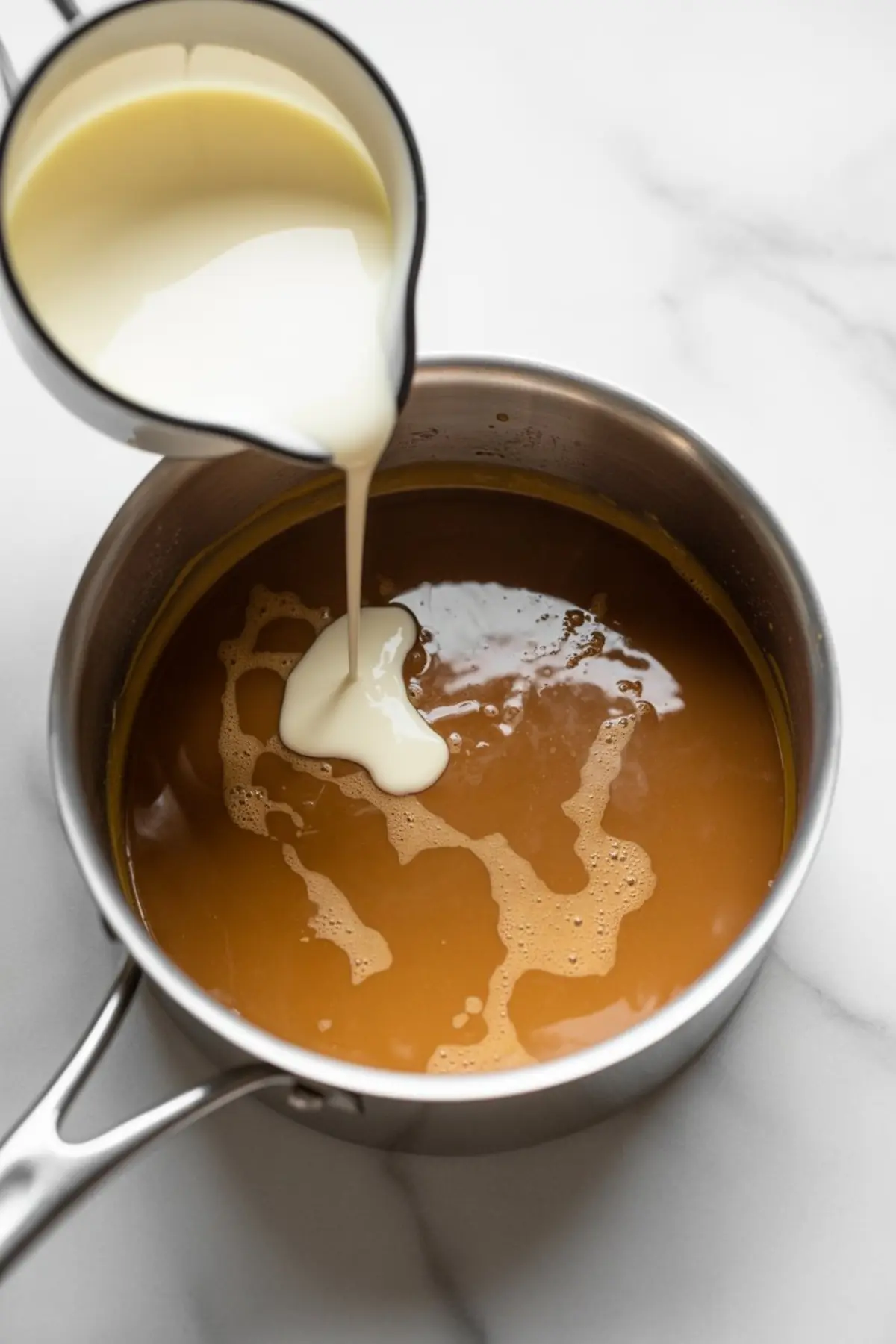
After adding butter and cream, give the whole thing a full 60-second boil. That time sets the consistency. Anything less, and it stays loose.
If you’re short on time, you could use store-bought caramel, but check the label. Skip anything with added thickeners or artificial vanilla. Those interfere with the final texture. Keep it clean.
Making the Frosting
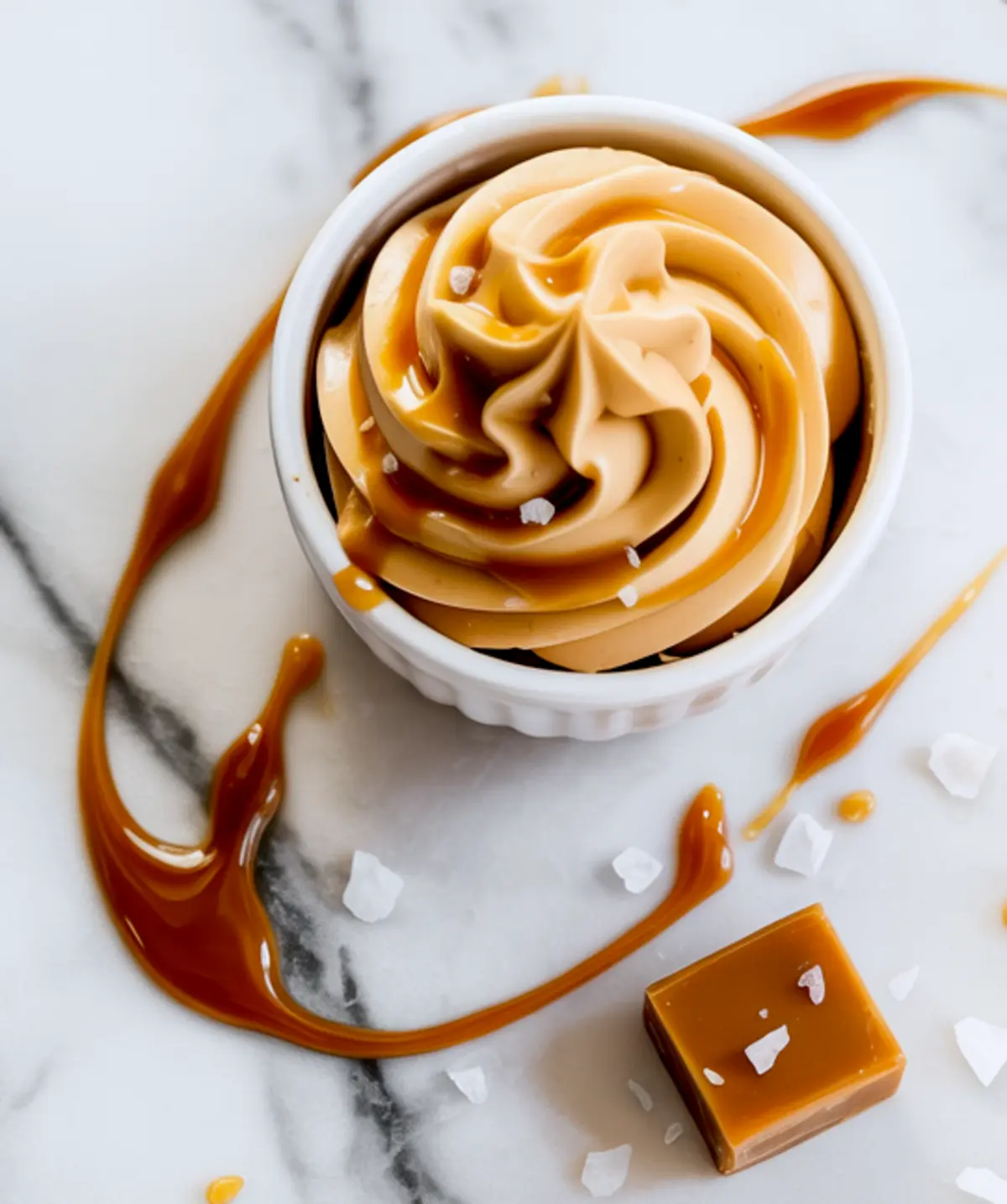
After the caramel has cooled to room temperature, cream the butter until it’s visibly paler and fluffier—about three full minutes. Don’t rush that. The air whipped in here lays the groundwork for texture later.
Gradually add powdered sugar. I go in one cup at a time to prevent clumping. The mixture should look dry between additions, then smooth out with each round. It takes about 3 ½ cups total.
Then, blend in the caramel and salt. The color deepens right away, and the texture thickens. Beat it for at least a minute to fully integrate.
If it feels too thick, add heavy cream one tablespoon at a time. I usually end up using one, maybe two. For a softer finish, especially if you’re frosting cupcakes, whip an extra minute.
Want a softer, tangier variation? Try this Maple Cream Cheese Frosting. It handles spice cakes beautifully.
Knowing It’s Done
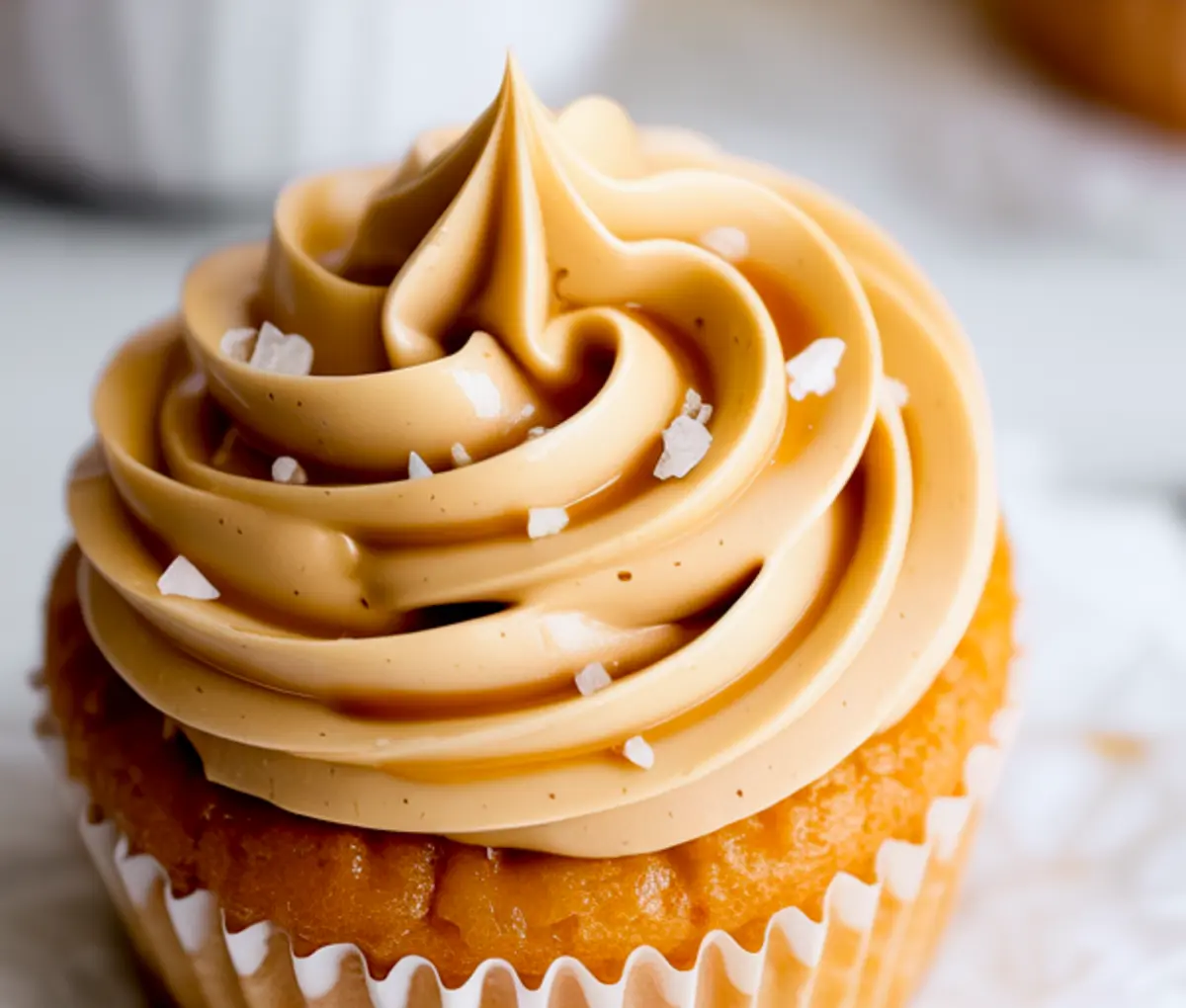
The final texture should be smooth, fluffy, and light but still hold its peaks. If it looks glossy or feels greasy, the butter may have warmed too much. Chill the bowl briefly and beat again.
Over-whipping can make it look airy but feel loose when piped. You’ll notice streaks that won’t hold shape. A quick fix is to sift in another few tablespoons of powdered sugar.
Check with a spoon swirl. The frosting should curl softly but keep definition. If it droops, it’s too loose. If it cracks, it’s too stiff.
Want a lighter base with similar depth? Try this Cool Whip Cream Cheese Frosting as a starting point.
Storage and Reuse
Store the frosting in an airtight container in the fridge for up to 5 days. Before using again, bring it to room temperature, then re-whip for 1–2 minutes to restore its texture.
For longer storage, freeze up to one month. Let it thaw overnight in the fridge, then bring to room temperature and re-whip.
If using the next day, I just leave it covered at room temperature overnight assuming it’s cool in the kitchen. Frosting made with heavy cream holds better this way.
Practical Notes from Testing
Use a heat-resistant spatula while making caramel. Wooden spoons trap sugar crystals.
Stick with unsalted butter for both parts. Salt levels vary too much in packaged versions.
If you’re short on time, make the caramel sauce the night before. That way it’s fully cool when you need it.
For piping, chill the frosting for 15 minutes before use. It sets faster on cakes that way.
For a chocolate twist, check this Chocolate Buttercream Frosting. The method overlaps with this one.
Save This Recipe
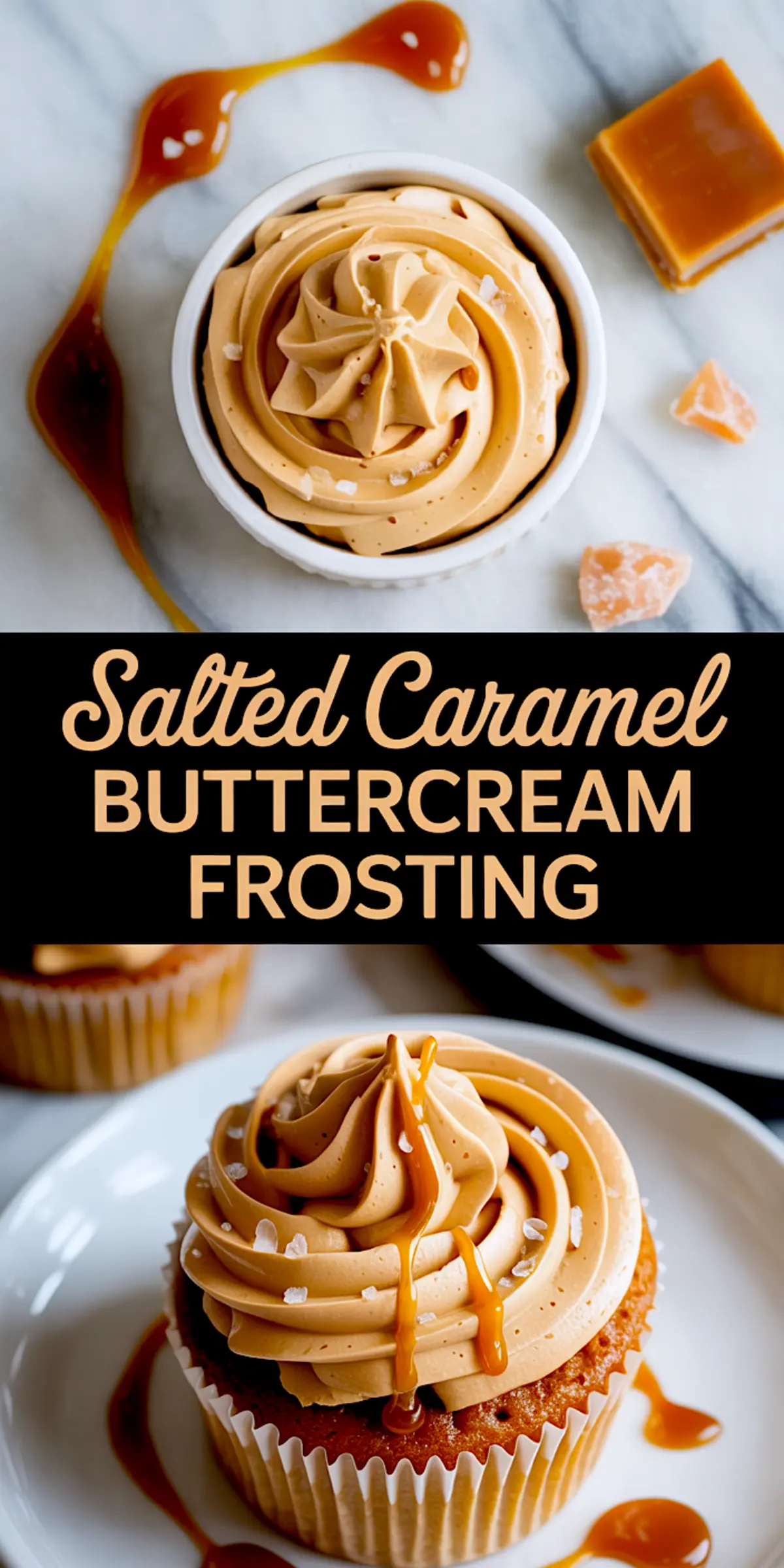
Save this salted caramel buttercream frosting for your next celebration or weekend bake. Pin it now so you don’t lose it.
Let me know in the comments how it turned out or if you gave it a twist. I always read through.
Salted Caramel Buttercream Frosting
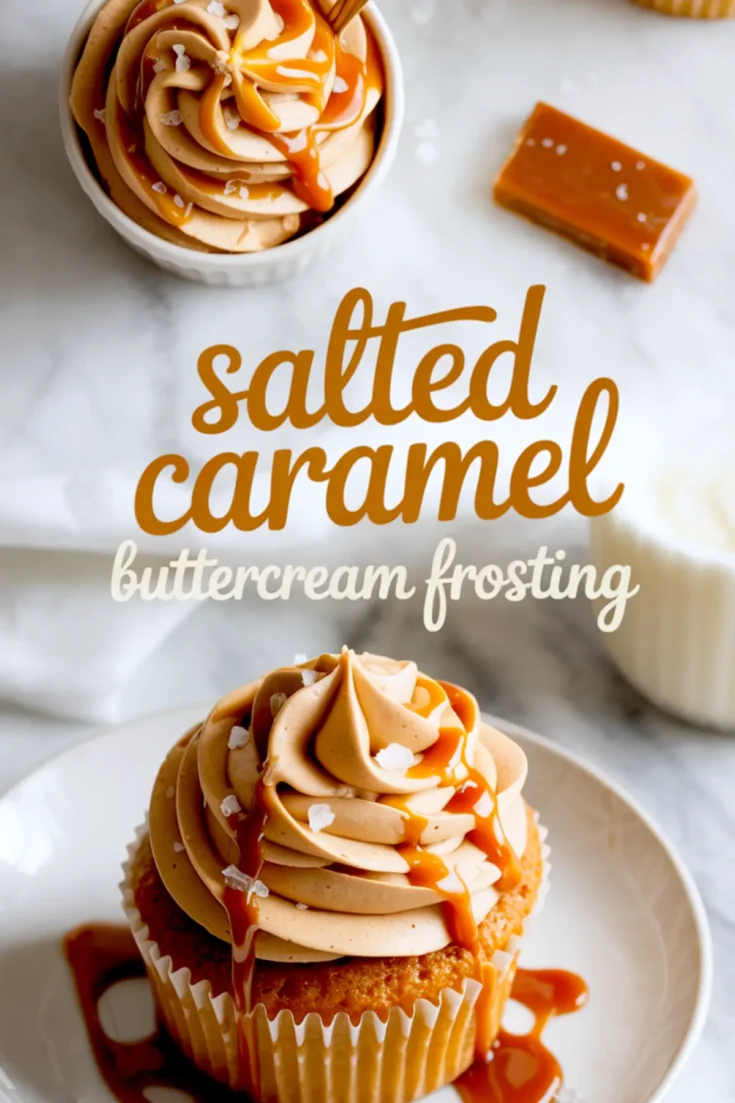
This caramel buttercream frosting is smooth, rich, and packed with deep caramel flavor. Ideal for frosting cakes, piping cupcakes, or layering between cookies, this fluffy caramel frosting adds an indulgent touch. Made with butter, caramel, and powdered sugar, it whips up in minutes and holds its shape beautifully. Try the salted caramel frosting version for extra depth, or keep it classic for an elegant finish. This easy buttercream frosting recipe belongs on your go-to list of frosting recipes easy enough for beginners but impressive enough for special occasions.
Ingredients
- FOR THE SALTED CARAMEL SAUCE
- 1 cup granulated sugar
- 6 tablespoons unsalted butter, room temperature
- 1/2 cup heavy cream, room temperature
- 1 teaspoon sea salt
- FOR THE BUTTERCREAM
- 1 cup (2 sticks) unsalted butter, room temperature
- 3 1/2 cups powdered sugar, sifted
- 1/3 cup salted caramel sauce (cooled to room temperature)
- 1–2 tablespoons heavy cream or milk (as needed)
- 1/4 teaspoon sea salt, or to taste
Instructions
- MAKE THE CARAMEL SAUCE: In a medium saucepan over medium heat, add the granulated sugar and stir constantly with a heat-resistant spatula or wooden spoon. The sugar will clump before it melts completely into a deep amber liquid.
- ADD BUTTER TO THE CARAMEL: Once the sugar is fully melted, carefully stir in the butter. The mixture will bubble rapidly—keep stirring until the butter is fully melted and combined.
- INCORPORATE THE CREAM: Slowly pour the heavy cream into the mixture while stirring. It will bubble again. Let it boil for 1 full minute, then remove from heat.
- SEASON AND COOL: Stir in the sea salt and set the caramel aside to cool completely before using it in the frosting.
- BEAT THE BUTTER: In a large mixing bowl, beat the butter on medium speed for about 3 minutes, or until light and fluffy.
- ADD POWDERED SUGAR: Gradually add the sifted powdered sugar, one cup at a time, mixing on low speed at first and then increasing to medium until fully incorporated after each addition.
- BLEND IN CARAMEL: Add the cooled salted caramel sauce and sea salt to the buttercream. Beat until smooth and well combined.
- ADJUST CONSISTENCY: If the buttercream is too thick, add heavy cream or milk one tablespoon at a time and beat until the desired consistency is reached.
- WHIP UNTIL FLUFFY: Whip the finished buttercream on medium-high speed for 2–3 minutes to make it extra light and airy.
Notes
Let the caramel cool to room temperature before mixing it into the buttercream to prevent melting the butter. If using store-bought caramel, choose one without artificial flavors or thickeners for the best texture. Store frosting in an airtight container in the fridge for up to 5 days; bring to room temperature and re-whip before using.
