
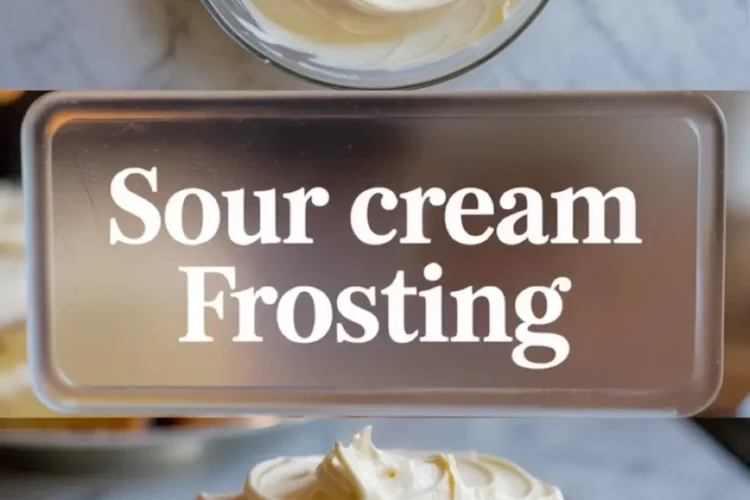
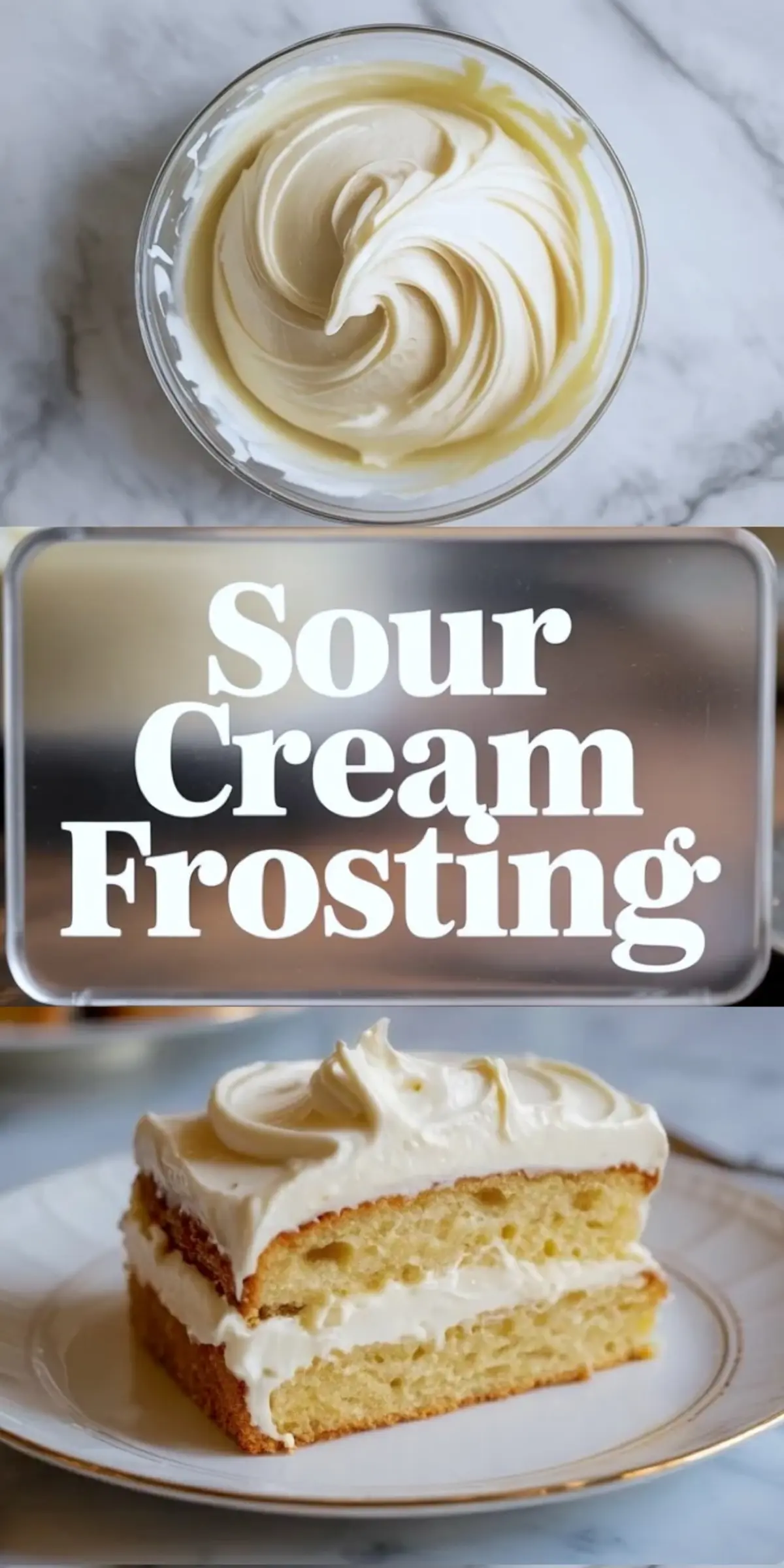
This sour cream frosting recipe blends full-fat sour cream, real butter, and powdered sugar into a creamy, tangy topping that balances rich cakes and cookies beautifully. It’s a soft, spoonable option for anyone looking for a cake frosting recipe that isn’t too heavy. Use this sour cream icing recipe for chocolate chip cookie cake, cupcakes, or a classic sour cream cake. It’s easy, fast, and a welcome shift from typical buttercream recipes.
Following a special diet?
Every recipe on this site can be converted to gluten-free, vegan, dairy-free, keto, nut-free or egg-free with adjusted ratios so nothing falls flat.
Try the Recipe Converter →This Work Better Than Standard Buttercream
Sour cream adds moisture and a distinct tang that softens the sweetness of powdered sugar. The ratio here leans into that contrast. I use one part butter to two parts sour cream, and adjust the sugar to taste.
This choice helps the texture stay light without becoming runny. A whipped butter start gives it body. The sour cream smooths out any stiffness from the sugar.
It spreads like whipped cream but holds its shape long enough to pipe swirls. For cookies or chocolate cake, I often keep it loose and cloud-like.
You’ll feel the difference instantly. It doesn’t coat the palate the same way thick buttercream does.
Why Each Ingredient Matters
Full-fat sour cream is essential. It delivers both tang and richness. Low-fat versions break or turn watery. You need that fat content for structure.
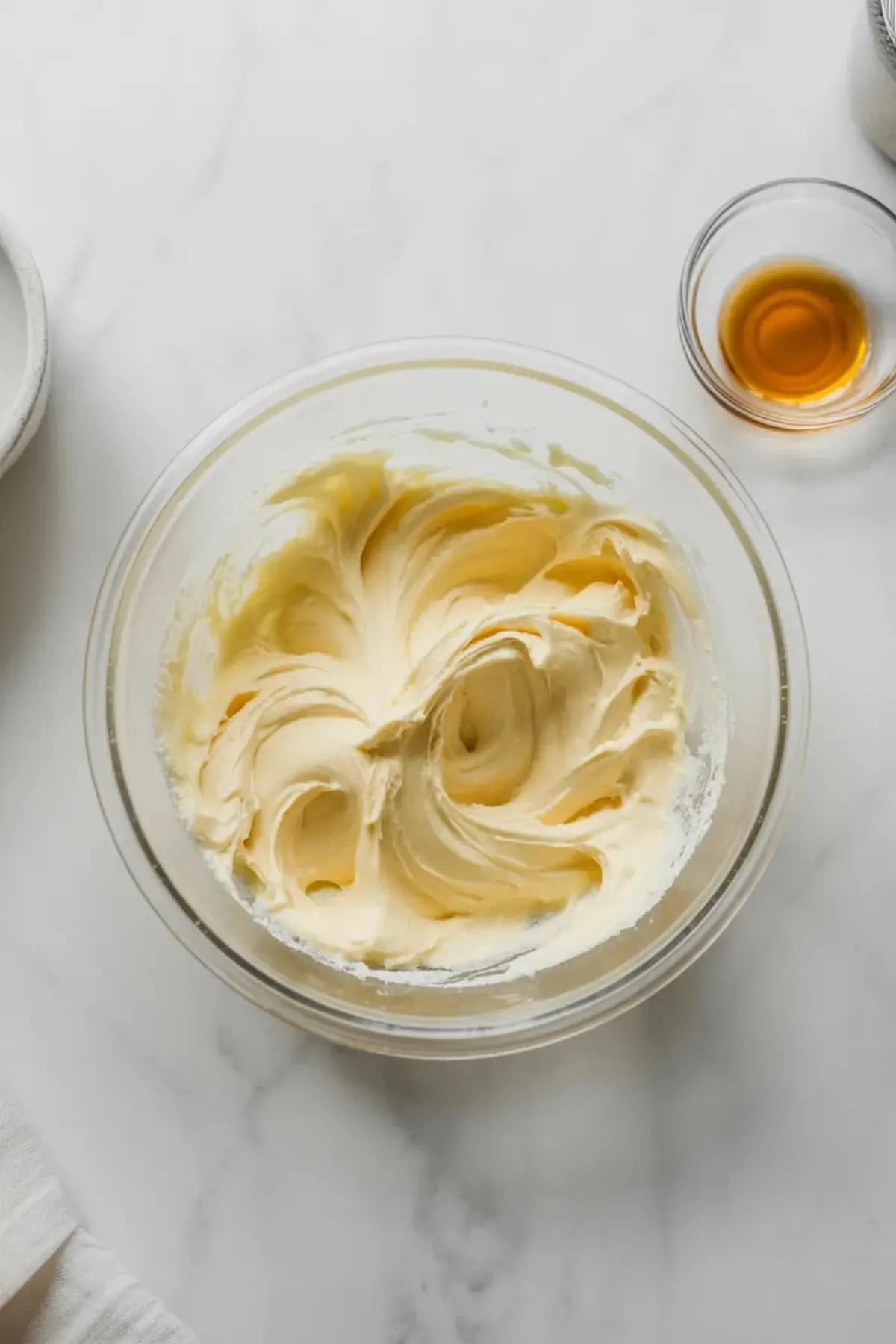
Softened unsalted butter gives the frosting its stability. I start with butter alone and beat it with vanilla. That small step gives the frosting more body later.
Powdered sugar brings structure and sweetness. Start with three cups, then work up depending on how firm you want the result.
Vanilla extract rounds out the flavor and softens the tang. I use pure extract, never imitation.
A pinch of salt pulls everything together. If I’m frosting something already salty, like my Fluffy Sour Cream Biscuits, I skip it.
For citrus versions, I love adding orange zest. It lifts the sour cream beautifully.
Spotlight on Sour Cream: Why It Works So Well
Sour cream is more than a tangy add-in. It acts as an emulsifier, pulling butter and sugar into a silky texture. It also keeps the frosting from forming a crust.
The fat and acid balance in homemade sour cream helps keep this frosting soft, even chilled. If you’ve used it in a Sour Cream Cake Recipe, you already know how well it plays with sugar and flour.
If you don’t have sour cream, use crème fraîche or full-fat Greek yogurt. Avoid substitutes like buttermilk or milk. They’ll thin the frosting too much.
If you’re curious about texture, it should hold soft peaks but still spread smoothly across a cooled cake.
How to Make This Right the First Time
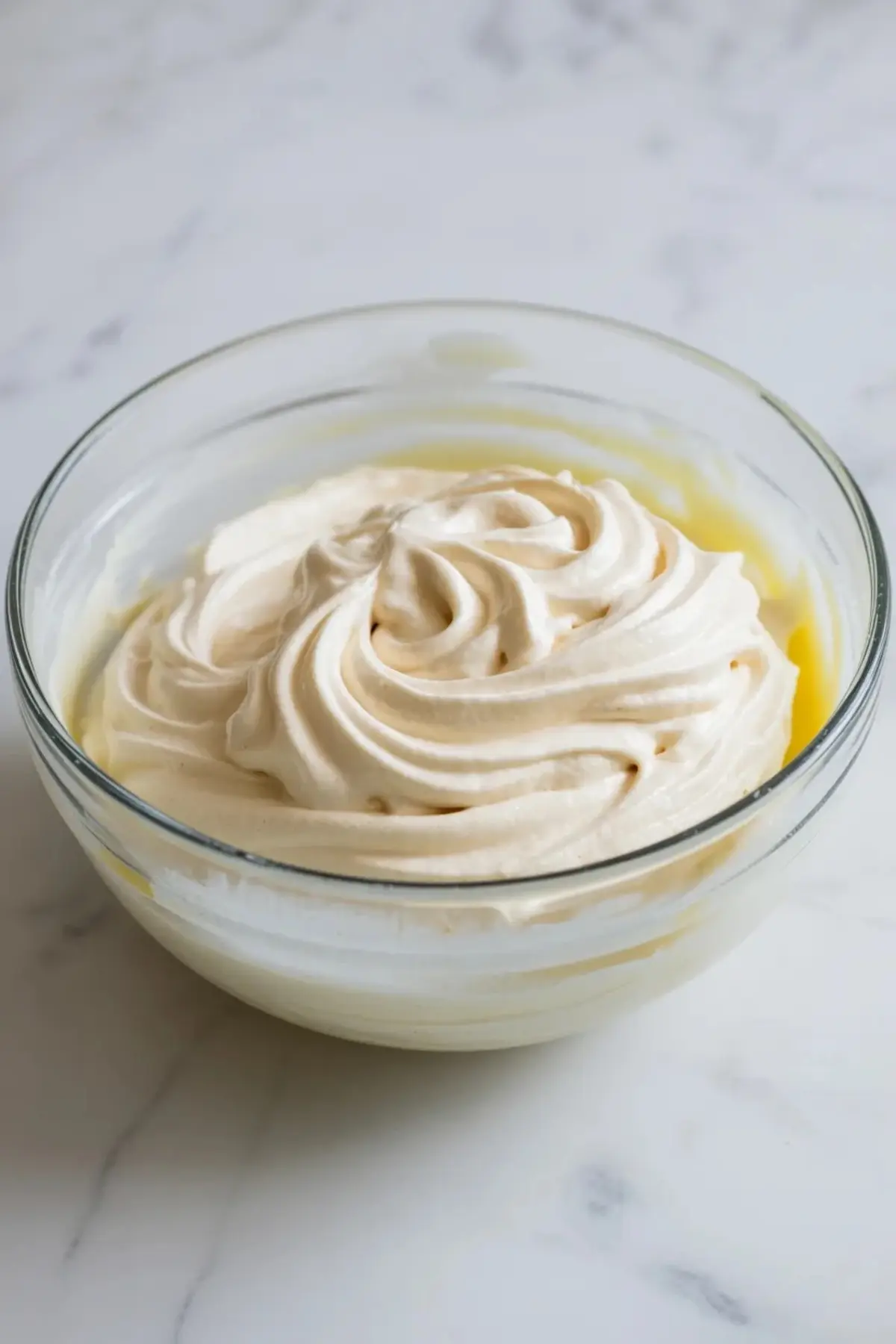
I start by letting butter soften for 30 minutes. If it’s too firm, the mix won’t whip. Too warm, and it melts.
Beat the butter with vanilla for two minutes. This gives the base volume before the sour cream goes in.
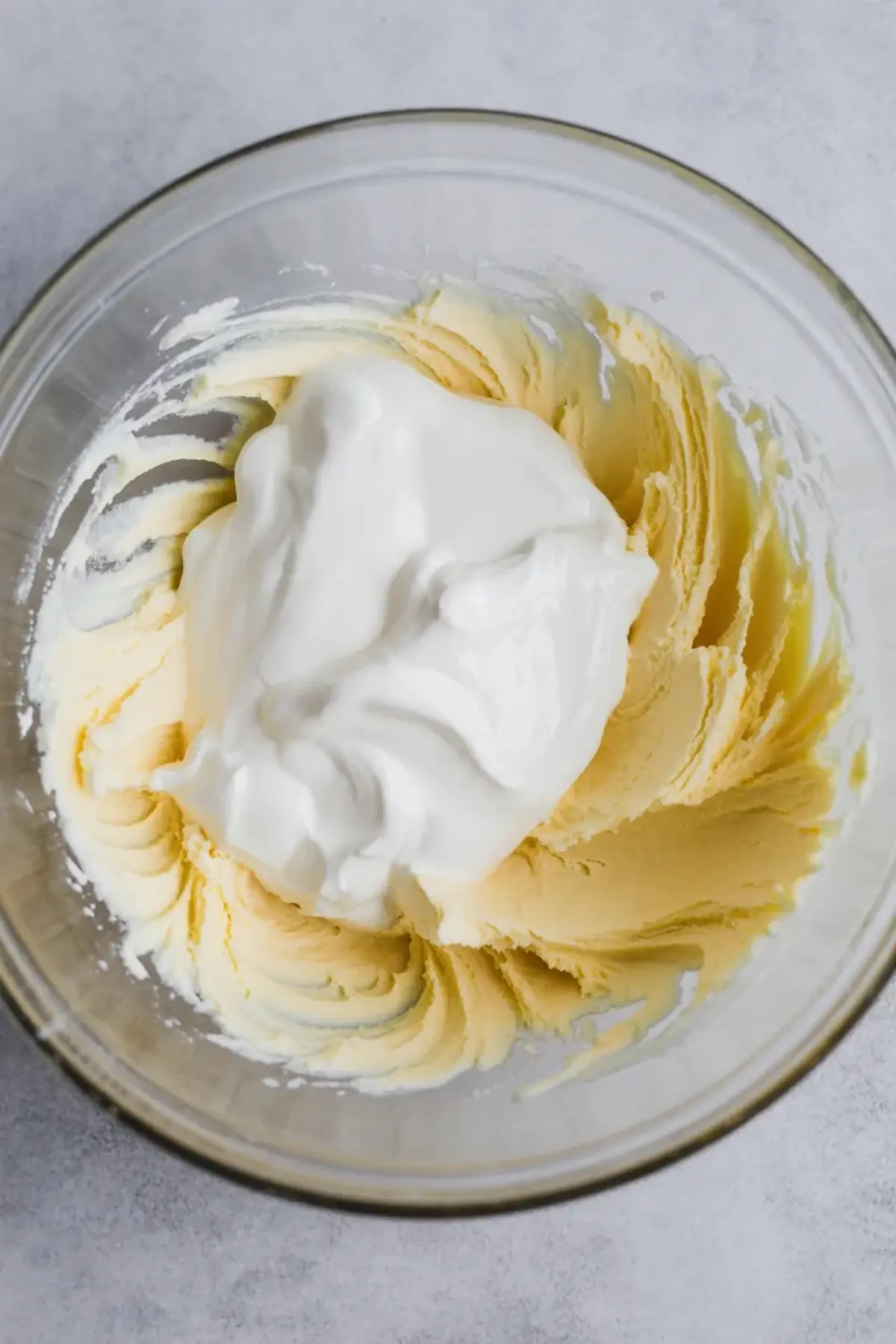
The sour cream may look curdled when it first hits the bowl. That’s normal. Once you add the sugar, it comes together fast.
I sift the powdered sugar in one cup at a time. At around three cups, it becomes spreadable. Four cups makes it pipeable.
Stop and taste. If it’s too sweet, add a pinch of salt.
How to Know It’s Ready
Look for soft peaks. The frosting should hold its shape on the whisk without sliding off. It should feel light on the tongue, not dense.
If it looks too stiff, a teaspoon of milk helps. If it’s too soft, a few more tablespoons of sugar bring it back.
Overmixing can cause graininess, so stop once it’s smooth.
Common Issues and How to Fix Them
If your frosting looks broken, it likely means the butter was too cold. Let it sit for five minutes, then beat again.
If it’s too sweet, add a touch more sour cream and a pinch of salt. Mix gently to avoid deflation.
Too runny? Add sifted powdered sugar by the tablespoon until it firms up.
Too thick? One teaspoon of cream usually loosens it just enough.
Favorite Variations I Use
For citrus frosting, add zest from one lemon or orange. It gives cakes like my whipped cream frosting cupcakes a bright finish.
For a chocolate version, mix in one tablespoon of cocoa powder. You’ll get a soft mocha color and a gentle chocolate flavor.
Add almond extract for pairing with almond cookies or shortbread. Just ¼ teaspoon is enough.
Swap vanilla for maple extract when pairing with spice cakes or apple muffins.
Storing and Using Later
In the fridge, this frosting keeps for three days. Store it in an airtight container. Before using again, let it come to room temp and re-whip for 30 seconds.
I don’t recommend freezing it. The texture becomes grainy after thawing.
If you frost a cake in advance, store it covered in the fridge, then bring it to room temp before serving.
Tips from Testing This Recipe
Always sift the powdered sugar. It makes a smoother texture.
Use a hand mixer for small batches. A stand mixer can overbeat quickly.
Don’t skip softening the butter. That’s what makes it blend smoothly with sour cream.
If you’re piping, chill the frosting for 10 minutes first. It holds peaks better.
How I Serve It
I spread it thick on chocolate loaf cake. I spoon it over sugar cookies when I want a soft set. I pipe small rosettes on cooled muffins.
For cupcakes, I like a looser version swirled on with a spoon.
I sometimes use it as a filling between two soft sugar cookies.
Save This Frosting for Later
Pin this sour cream frosting recipe to your frosting or cake boards so you have it ready when you’re baking something chocolatey or need a softer finish. Let me know in the comments how you used it or if you found a variation that worked for you. I’d love to hear your twist.
Sour Cream Frosting Recipe
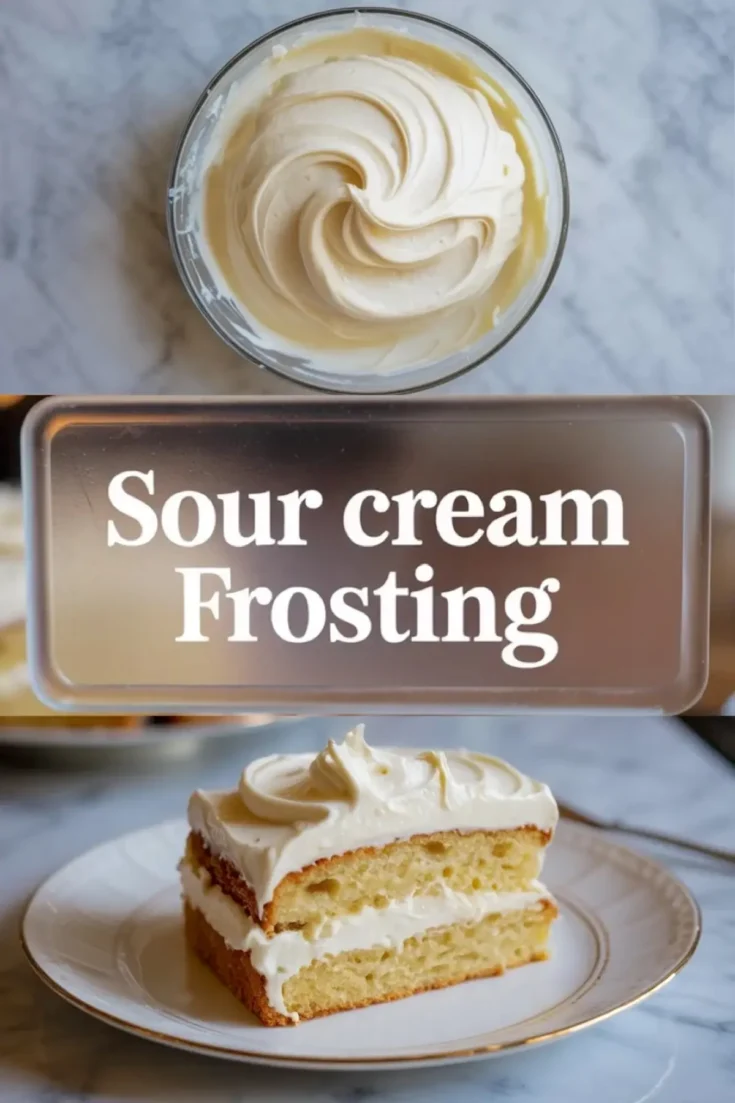
This sour cream frosting recipe creates a tangy, creamy topping that works beautifully with chocolate cakes, cupcakes, and cookies. Ideal for a classic sour cream cake recipe, it brings the perfect balance of richness and lightness. Use this smooth sour cream icing recipe on a chocolate chip cookie cake or pair it with any dessert that needs a soft, flavorful finish. Made with butter and homemade sour cream, it’s a simple and reliable cake frosting recipe. A great alternative to traditional buttercream recipes, especially if you’re looking for a slightly lighter butter frosting.
Ingredients
- 1 cup (240g) sour cream, full-fat
- 1/2 cup (115g) unsalted butter, softened
- 3 to 4 cups (360–480g) powdered sugar, sifted
- 1 ½ teaspoons pure vanilla extract
- Pinch of salt (optional, to balance sweetness)
- Optional Add-ins
- Zest of 1 lemon or orange (for citrus variation)
- 1–2 tablespoons cocoa powder (for a chocolate version)
Instructions
- SOFTEN THE BUTTER: Let the butter sit at room temperature until soft but not melting. It should yield slightly when pressed with your finger.
- CREAM THE BUTTER AND VANILLA: In a large mixing bowl, beat the butter with the vanilla extract on medium speed for about 2 minutes until light and creamy.
- ADD THE SOUR CREAM: Add the sour cream to the bowl and mix until fully incorporated. The mixture may appear slightly curdled at first but will smooth out with the addition of sugar.
- INCORPORATE THE POWDERED SUGAR: Gradually add powdered sugar, one cup at a time, mixing well after each addition. Continue until the frosting is smooth and forms soft peaks. Adjust the sugar amount depending on your preferred consistency.
- TASTE AND ADJUST: Taste the frosting and add a pinch of salt if needed to reduce sweetness. If using optional add-ins like citrus zest or cocoa powder, fold them in at this stage.
Notes
If your frosting becomes too thick, stir in a teaspoon of milk or cream to loosen it slightly. For best results, use full-fat sour cream to ensure a smooth, rich texture. Store leftovers in the refrigerator for up to 3 days and re-whip before using.
Nutrition Information
Yield
1Serving Size
1Amount Per Serving Calories 2810Total Fat 150gSaturated Fat 89gUnsaturated Fat 62gCholesterol 413mgSodium 96mgCarbohydrates 365gSugar 359gProtein 7g
