
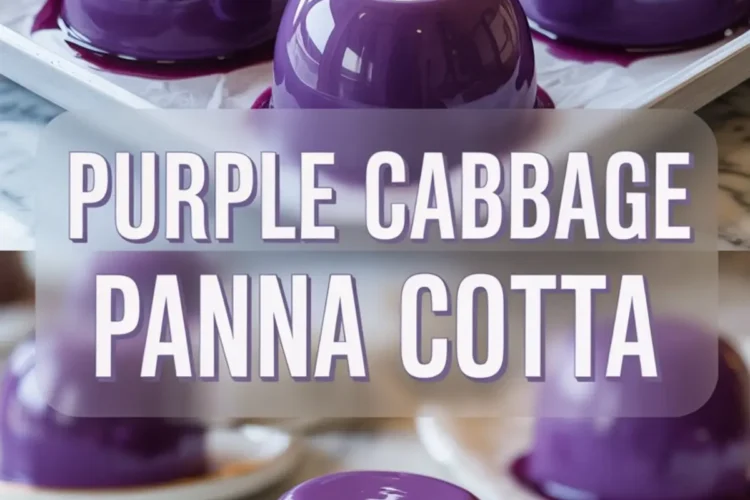
A Naturally Colored, Boldly Flavored Healthy Dessert
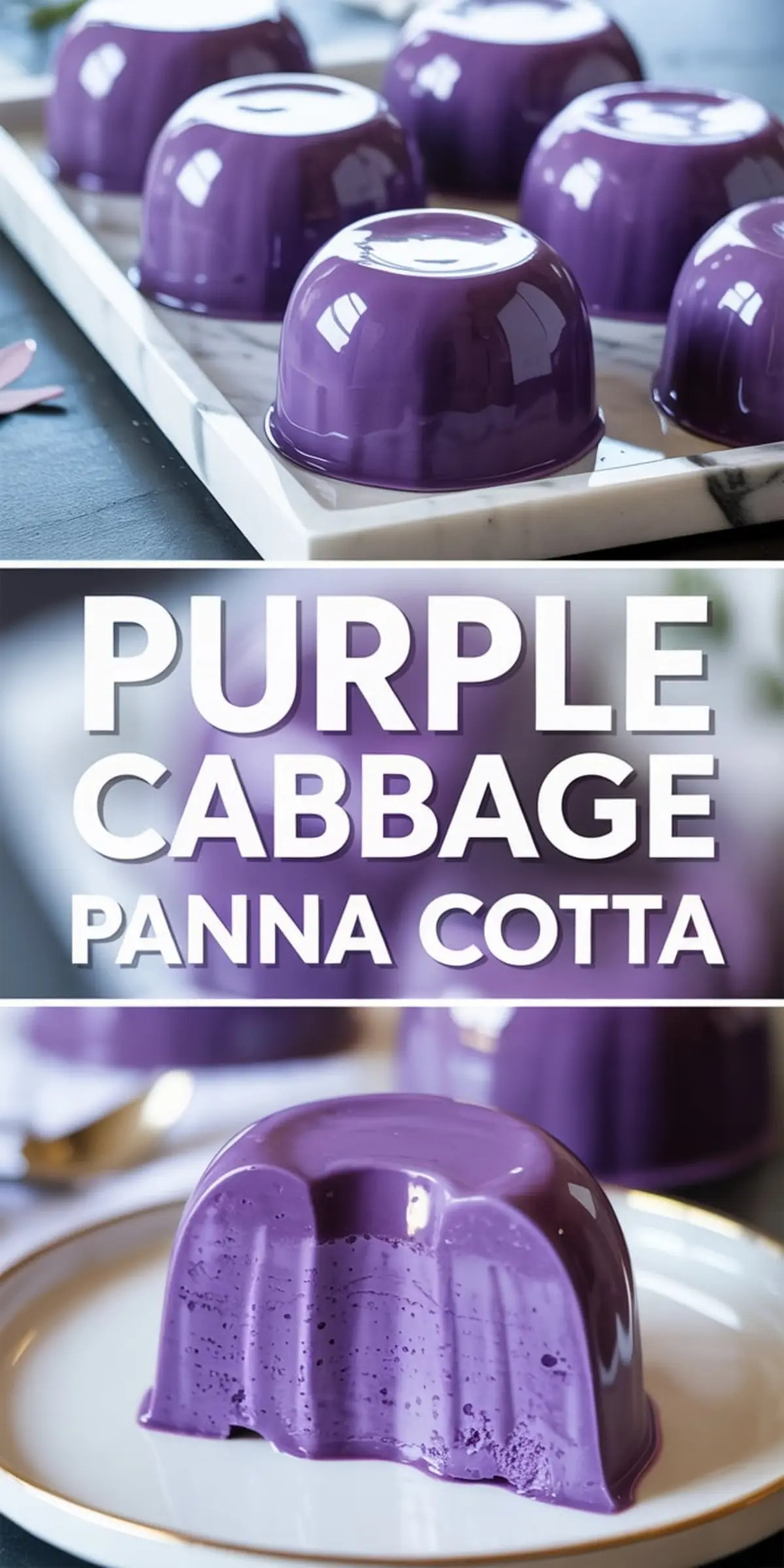
This purple cabbage panna cotta uses red cabbage to create a naturally vibrant color and smooth, creamy texture. It’s a gluten free option with a twist, combining antioxidant-rich ingredients with the soft set of traditional panna cotta. If you’ve been looking to experiment with vegetable-based sweets or curious healthy desserts, this recipe bridges curiosity and flavor in a surprising way.
At first glance, it seems unusual to use cabbage in a dessert. But once you extract its dye, the flavor fades and the color shines. That pigment, anthocyanin, is pH-sensitive and lends a beautiful bluish-purple hue without overpowering the dish. Unlike some vegetable-based sweets where flavor dominates, here the cabbage functions visually. The color stays, the taste steps aside.
Following a special diet?
Every recipe on this site can be converted to gluten-free, vegan, dairy-free, keto, nut-free or egg-free with adjusted ratios so nothing falls flat.
Try the Recipe Converter →The structure relies on a classic dairy to gelatin ratio. For every 3 cups of liquid, this version uses 2½ teaspoons of powdered gelatin. That ratio keeps it smooth but firm, avoiding the rubbery bounce you get with more gelatin or the slump of under-setting. The small detail of blooming the gelatin correctly is what gives this dessert its clean, sliceable texture.
The addition of milk tempers the richness of heavy cream, which helps the vanilla and subtle earthiness of the cabbage dye come forward. Once chilled, the panna cotta has a clean finish with just enough sweetness to feel like dessert, not breakfast.
You can see that same texture in this Classic Panna Cotta Recipe, where balance is the quiet key.
What Each Ingredient Brings
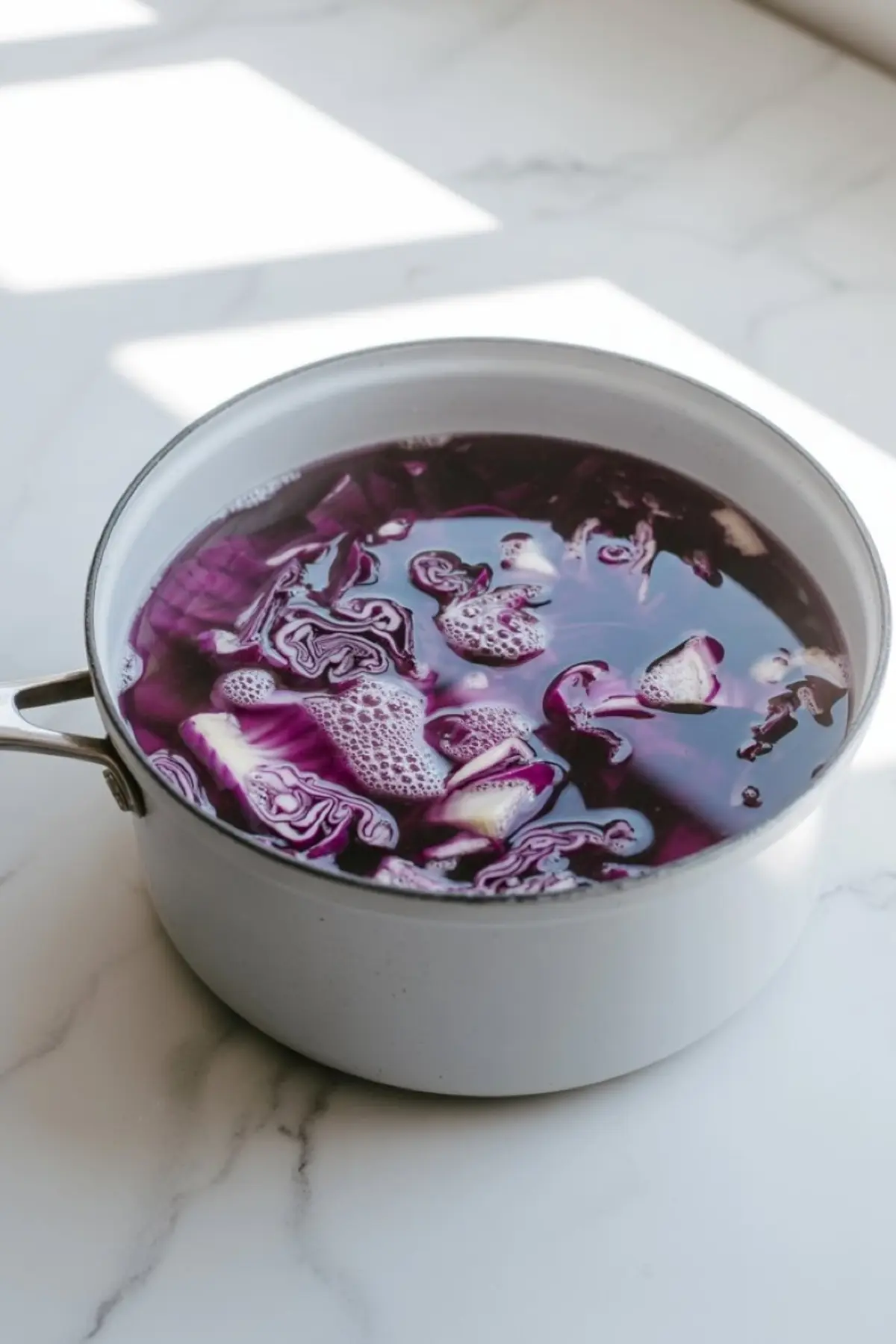
Red cabbage is boiled in water to produce a dye that ranges from deep violet to almost magenta, depending on your water and cabbage variety. You’ll need half a small head chopped finely. Don’t overboil. A 10 to 15-minute simmer releases the color without turning the liquid bitter. Once strained and cooled, the liquid acts more like a natural food coloring than a flavor component.
Heavy cream gives panna cotta its body and richness. It’s non-negotiable here. Avoid low-fat substitutes unless you want to sacrifice texture.
Whole milk lightens the cream without diluting its silkiness. You can substitute with oat milk for a dairy-free version, though the final texture will shift slightly.
Unflavored gelatin is essential for setting. Blooming it properly in cold water allows it to dissolve evenly later. If it’s not fully bloomed, you’ll get grainy streaks in the final dessert.
Granulated sugar adds sweetness without masking the vanilla or cabbage tones. It also stabilizes the dairy slightly when heated.
Vanilla extract adds softness and familiarity. It fills in the flavor gap left by the cabbage, which doesn’t contribute much taste after cooking. A scraped vanilla bean pod would elevate it further.
If you’ve played around with bold combinations before, like in these Sweet and Salty Pickle Cookies, you’ll know how unexpected ingredients can still land well.
Spotlight on the Cabbage Dye
This is the showpiece. You’re not tasting cabbage. You’re seeing it. The color comes out differently based on your water, cook time, and how acidic your cream is. A drop of food coloring helps if your dye looks dull or too blue.
To test your cabbage dye, hold a spoon of it over a white plate. If it appears more gray than violet, you’ve likely boiled it too long or your cabbage was older. Try a second batch with fresher leaves and a tighter simmer.
Store extra dye in a sealed jar in the fridge for up to five days. You can stir it into frostings or doughs for other desserts like Dill Pickle Cupcakes if you want to keep the color play going.
Texture and Visual Cues While Cooking
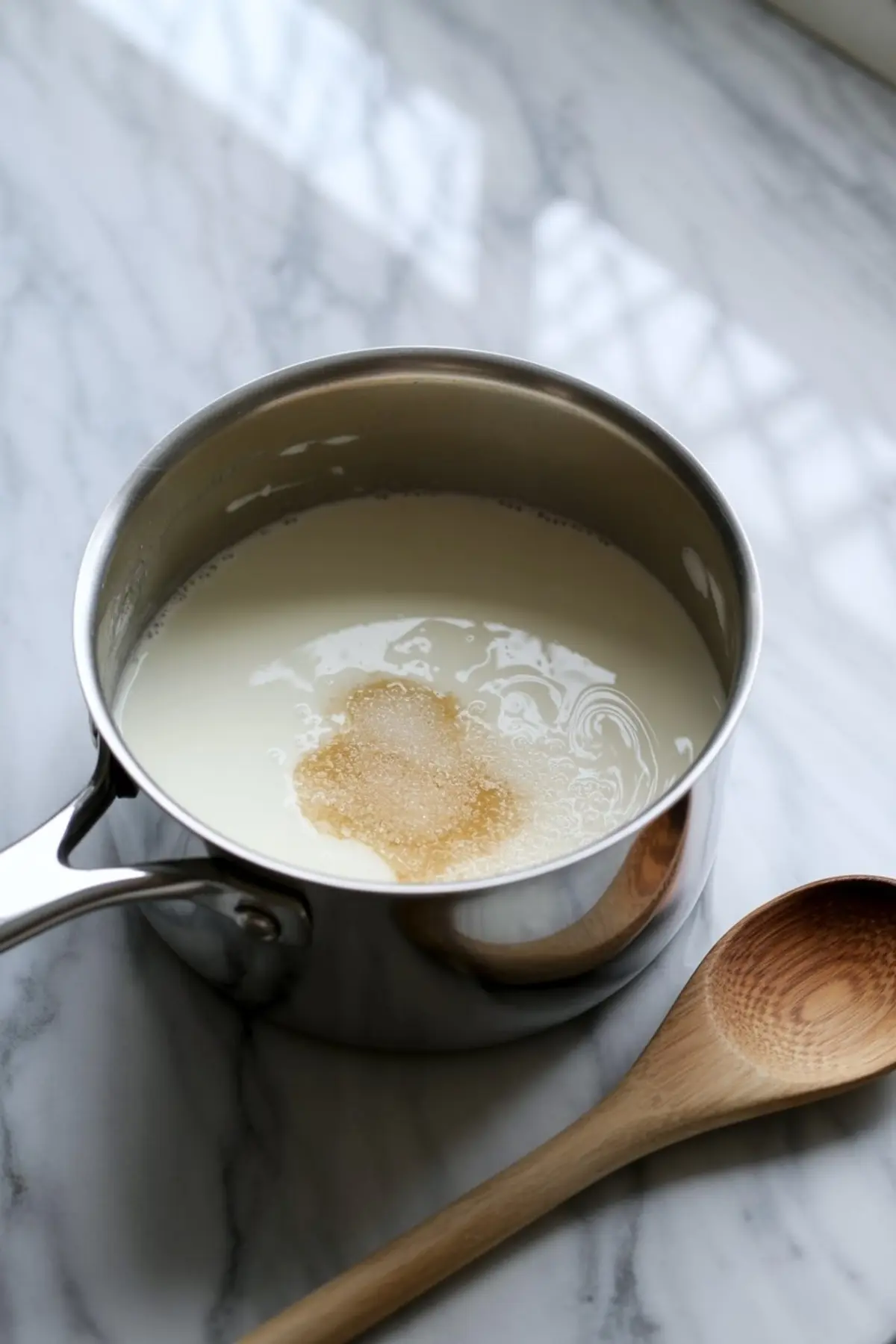
The base mixture should heat just enough to melt the sugar. You’re looking for steam and a gentle bubble at the edge. If it boils, you’ll risk breaking the cream and setting the gelatin unevenly.
After adding the bloomed gelatin, stir until it disappears completely. That’s your sign it’s fully incorporated. The liquid should look glossy, not milky. At this point, mix in the cabbage dye and optional food coloring. Taste before chilling. The sweetness should be present but soft.
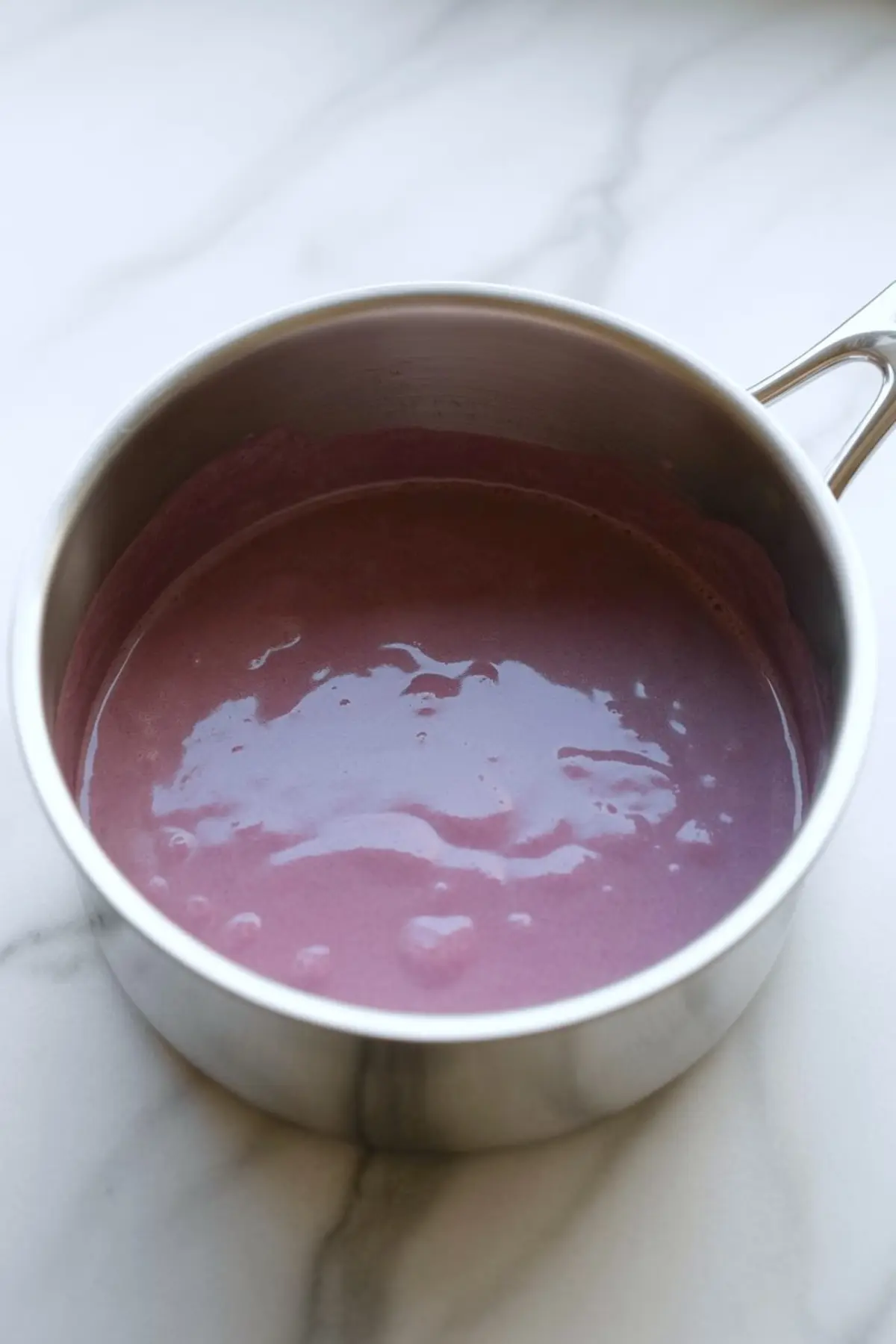
Pour into ramekins while still warm. Let them rest for 10 minutes at room temperature before refrigerating. This prevents condensation rings at the base.
Need something lighter or fruitier? You might also enjoy this tropical variation: Mango Panna Cotta
Serving and Styling
Serve chilled, straight from the mold. If you want a smoother unmold, dip the ramekin bottoms in warm water for 3 seconds, then invert. A small plate works better than a large one, so the panna cotta doesn’t slide. You can garnish with edible flowers, fresh mint, or a single blueberry for contrast.
This dessert sits well alongside more playful dishes, like Dill Pickle Cupcakes or even these vegetable-sweet inspired treats. The mix of savory undertones with sweet finish draws curious eaters in.
Save This Recipe for Later
Pin this bold, beautiful panna cotta to your healthy dessert or vegetable-based sweets board. If you try it with other natural dyes or want to share a variation, I’d love to hear how it turned out. Questions, swaps, and comments are always welcome!
Purple Cabbage Panna Cotta Recipe
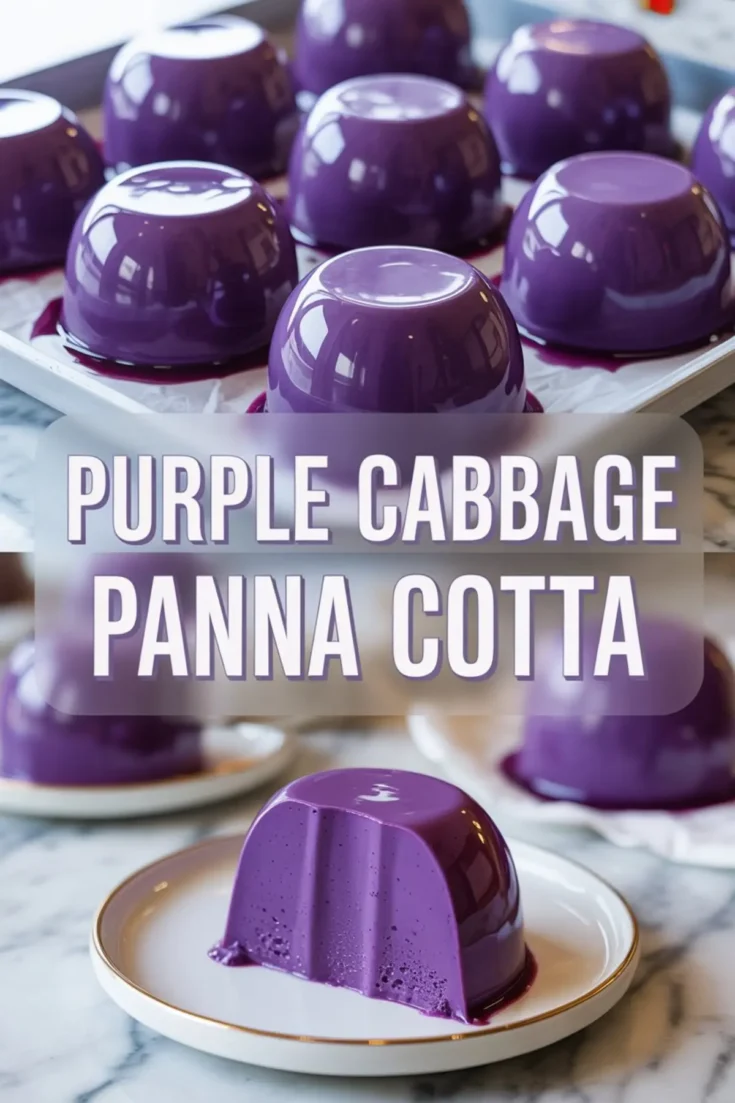
This purple cabbage panna cotta might sound surprising, but it delivers on both nutrition and visual wow-factor. Naturally colored with red cabbage, this light, silky dessert is packed with antioxidants and gut-friendly ingredients. It’s a creative, healthy dessert perfect for those who love unusual recipes and unexpected flavor pairings. If you enjoy taking bold turns in the kitchen or exploring offbeat ideas like vegetable-based sweets, this is your next must-try.
Ingredients
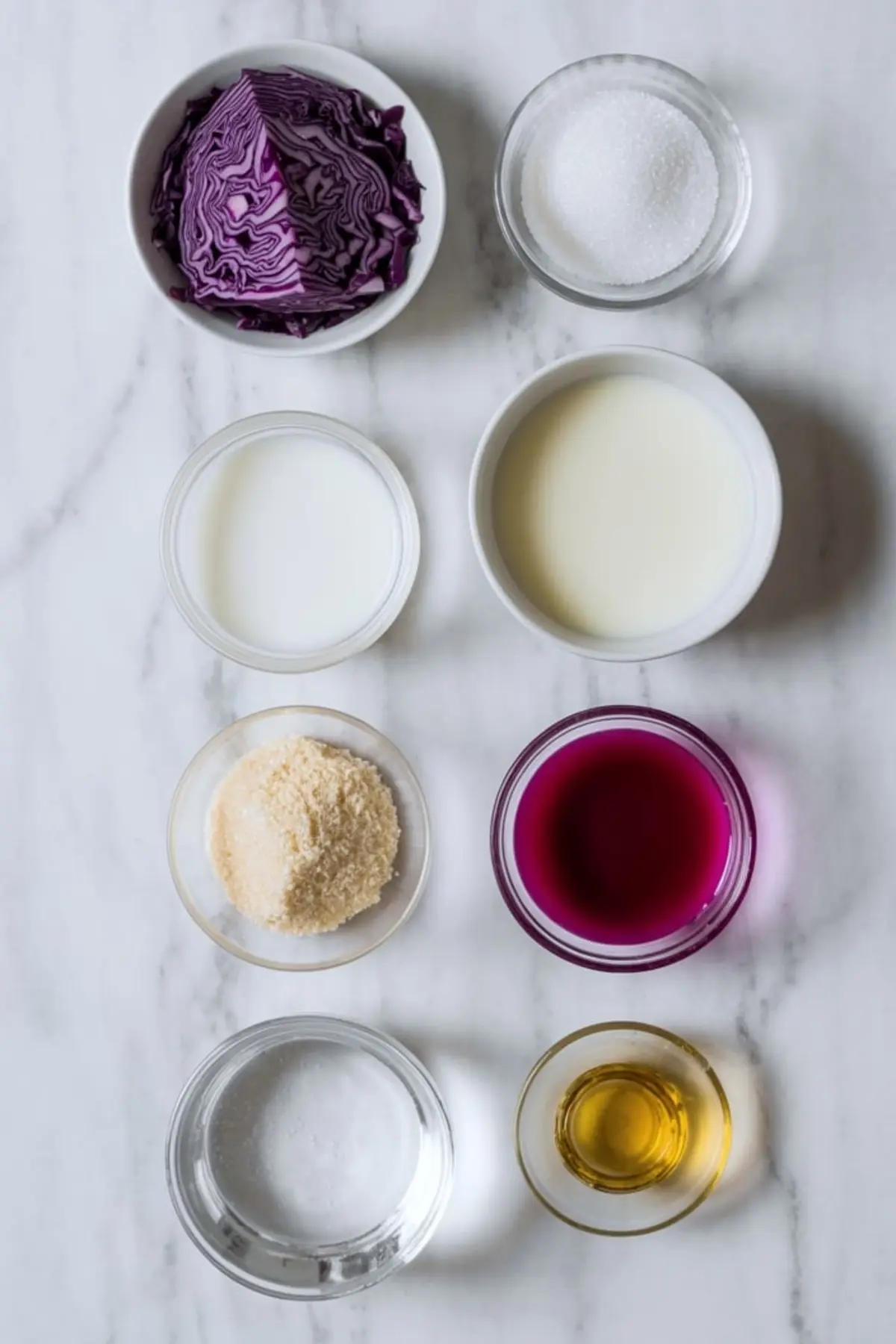
- FOR THE CABBAGE DYE
- 1/2 small head purple cabbage, chopped
- 2 cups water
- FOR THE PANNA COTTA
- 2 cups heavy cream
- 1 cup whole milk
- 1/2 cup granulated sugar
- 2 1/2 teaspoons unflavored powdered gelatin (1 packet)
- 1/4 cup cold water (for blooming gelatin)
- 1 teaspoon vanilla extract
- 1/2 cup cooled cabbage dye (from above)
- Optional: 1 to 2 drops purple gel or liquid food coloring
Instructions
- MAKE THE CABBAGE DYE: Combine the chopped purple cabbage and water in a medium saucepan. Bring to a boil over medium-high heat, then reduce the heat and simmer for 10 to 15 minutes, until the liquid becomes a deep purple. Strain the mixture through a fine mesh sieve into a bowl, discarding the cabbage. Let the liquid cool completely, and measure 1/2 cup for the recipe.
- BLOOM THE GELATIN: In a small bowl, pour the cold water and sprinkle the gelatin evenly over the surface. Let it stand for 5 to 10 minutes until fully bloomed, appearing thick and wrinkled.
- MAKE THE PANNA COTTA BASE: In a medium saucepan, combine the heavy cream, milk, and granulated sugar. Heat over medium-low, stirring gently until the sugar dissolves and the mixture is hot but not boiling. Remove from heat and add the bloomed gelatin, stirring until completely dissolved. Stir in the vanilla extract and 1/2 cup cooled cabbage dye. If desired, add 1 to 2 drops of purple food coloring to enhance or adjust the final color. Mix until evenly combined.
- CHILL AND SET: Lightly grease six ramekins or silicone molds with neutral oil. Pour the panna cotta mixture evenly into each mold. Transfer to the refrigerator and chill for at least 4 hours, or overnight, until fully set.
- UNMOLD AND SERVE: To unmold, briefly dip the bottoms of the ramekins into warm water for a few seconds to loosen. Invert each ramekin onto a serving plate and lift gently. Serve chilled.
Notes
The natural cabbage dye provides a unique purple base, but its tone can vary slightly depending on cabbage freshness and pH. Add a small amount of food coloring to create a more consistent or vivid shade. Store leftover cabbage dye in the refrigerator for up to 5 days.
Nutrition Information
Yield
6Serving Size
1Amount Per Serving Calories 415Total Fat 32gSaturated Fat 20gUnsaturated Fat 12gCholesterol 97mgSodium 51mgCarbohydrates 27gFiber 1gSugar 26gProtein 6g
