
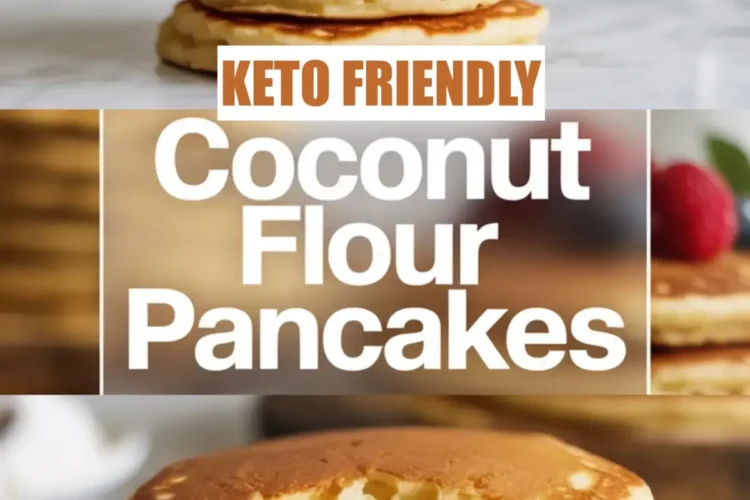
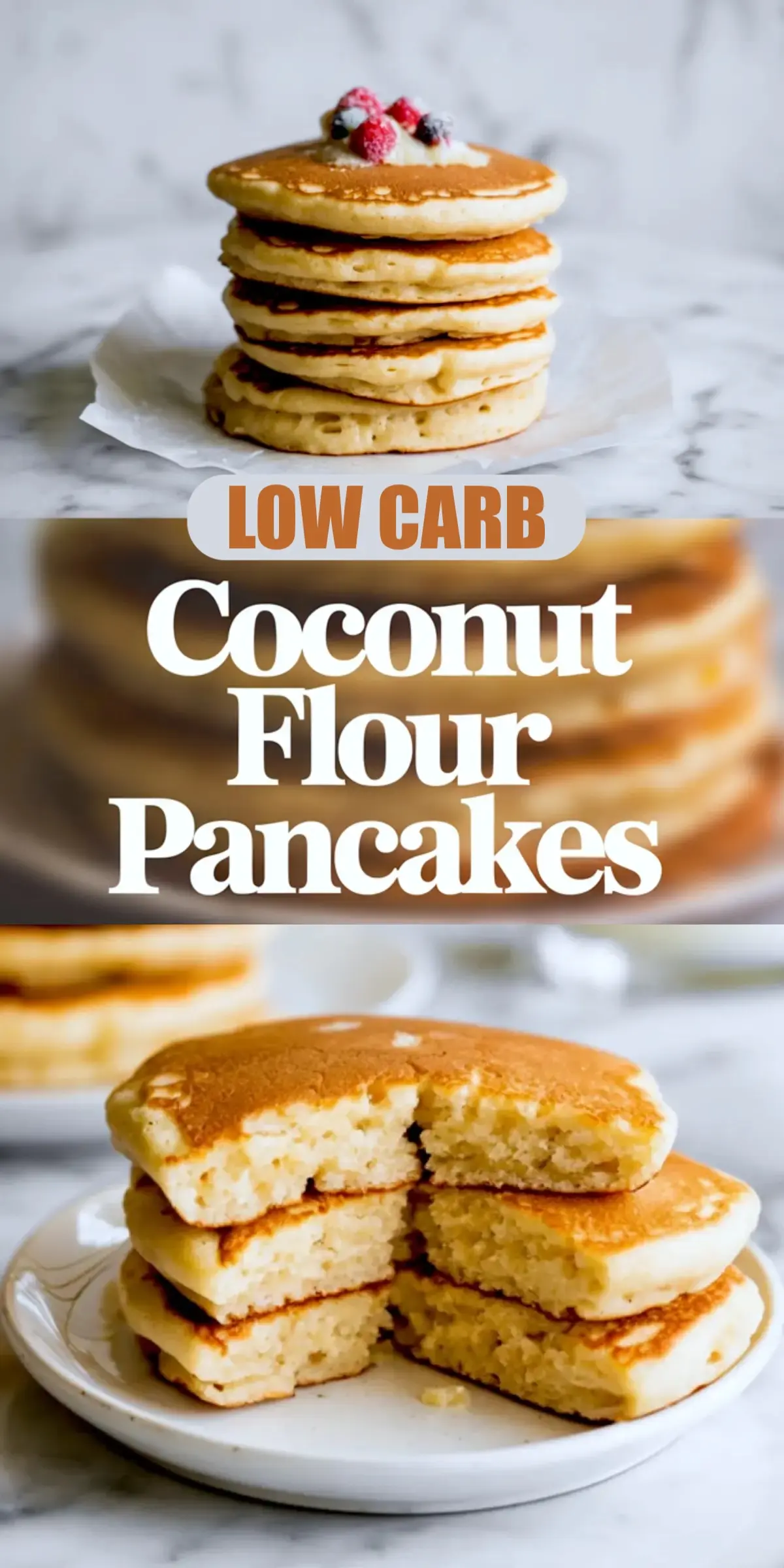
Soft, quick, and made with everyday ingredients, these coconut flour pancakes are a low-carb breakfast that works with keto, gluten-free, and dairy-free diets. The batter blends coconut flour, eggs, almond milk, and a touch of sweetener to create fluffy, golden rounds that hold together well in the pan. If you’re after easy coconut pancakes, low carb pancakes with coconut flour, or just new coconut flour recipes to try, this one gets you there fast and without fuss.
This recipe balances the high absorbency of coconut flour with the right ratio of liquid and eggs.
Following a special diet?
Every recipe on this site can be converted to gluten-free, vegan, dairy-free, keto, nut-free or egg-free with adjusted ratios so nothing falls flat.
Try the Recipe Converter →Using four eggs for just one-third cup of flour may seem unusual, but it’s the key to structure. Coconut flour soaks up liquid quickly and thickens fast, so the almond milk and melted fat help keep the batter workable while still resulting in a tender bite.
You’ll notice the batter doesn’t spread much on its own. That’s normal for gluten free pancakes with coconut flour. A gentle push with the spoon gives them the right size without affecting texture.
Try my Coconut Flour Cookies if you want a crispier, snackable option that uses the same pantry staple.
Choosing Ingredients That Actually Work
The coconut flour does the heavy lifting in this recipe. Look for one that feels light and powdery, not gritty. It should smell faintly sweet and clean, not oily.
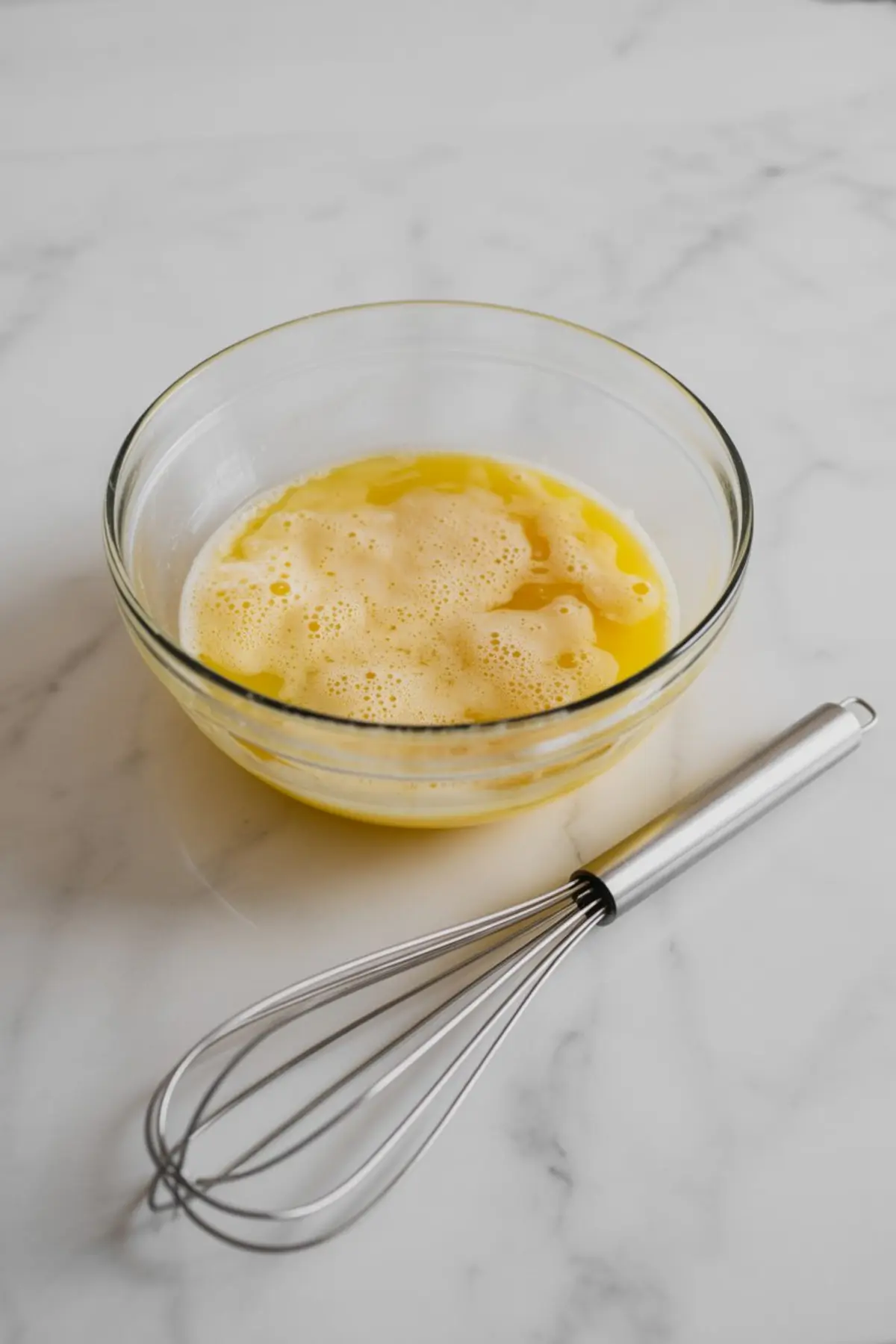
Eggs bind everything and build height. No need to separate the yolks here. Just beat until airy.
Almond milk thins the batter without adding carbs. Unsweetened is important. Even the “vanilla” versions often add sugar.
Butter adds richness, but coconut oil works just as well. I go with whichever I have softened that morning.
Erythritol or monk fruit gives you flexibility. Use one tablespoon if you want a subtle sweetness. Leave it out if you’re topping with syrup.
For flavor, I always add cinnamon and vanilla. They help round out the coconut and bring a warm base to whatever toppings I use.
These Date Almond Coconut Balls also build flavor from pantry ingredients, no oven needed.
The Coconut Flour Advantage
Coconut flour behaves differently from anything else in the pantry.
It absorbs liquid like a sponge, so don’t try to substitute it one-to-one for wheat flour or even almond flour. That one-third cup here would equal over a cup of all-purpose in performance.
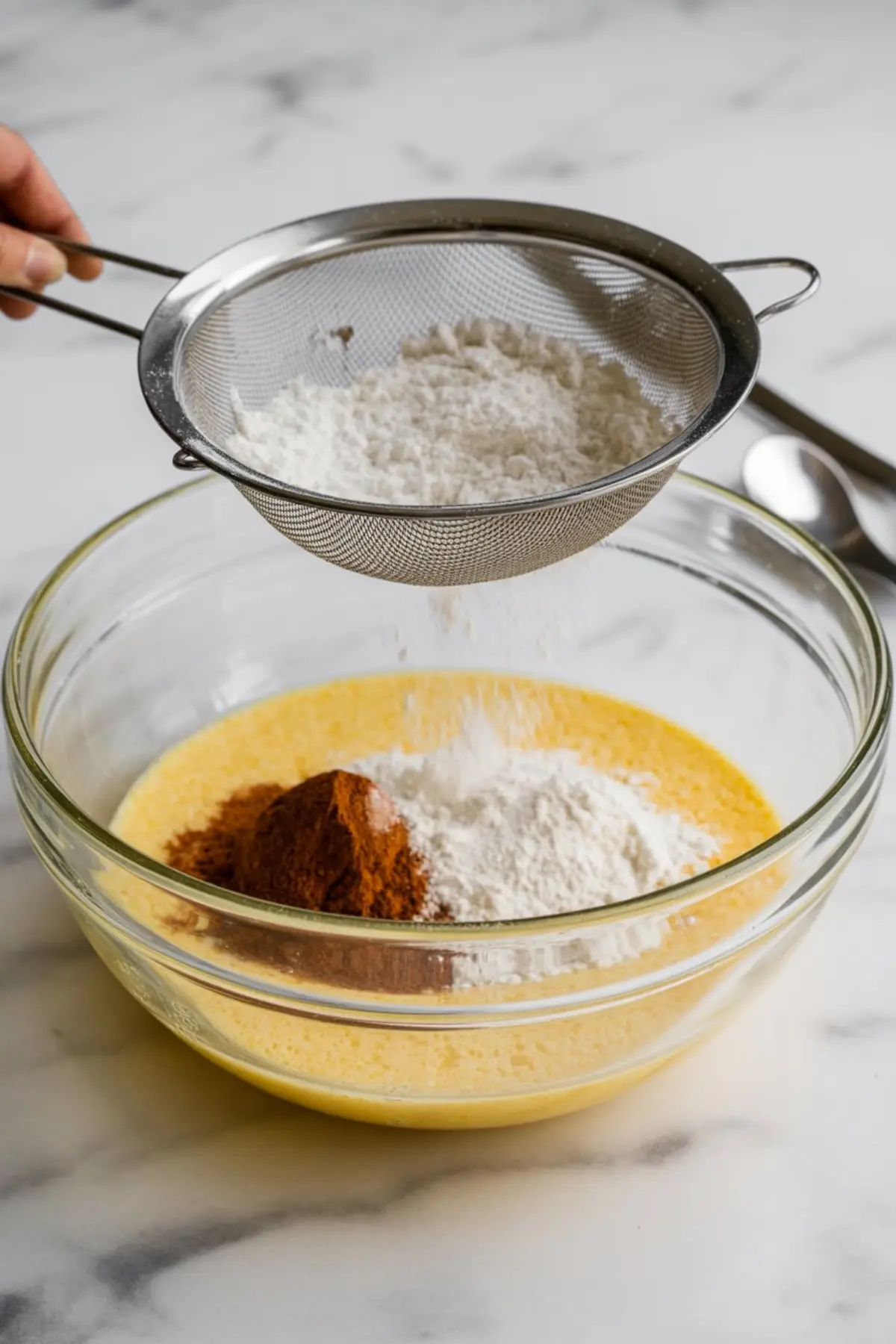
It also tends to clump. That’s why I sift it directly into the wet mix, even if it doesn’t look lumpy. That one step prevents grainy batter.
Letting the batter rest for a minute is essential. It thickens as the flour swells, which helps you control the shape and keeps the pancakes from falling apart.
If your batter seems too thin, wait 30 more seconds. Still too thin? Give it one teaspoon more flour—but that’s rare.
For another way to use protein-rich flours, I often make Protein Chocolate Quinoa Crunch Bars as part of meal prep.
Step-by-Step Details That Help
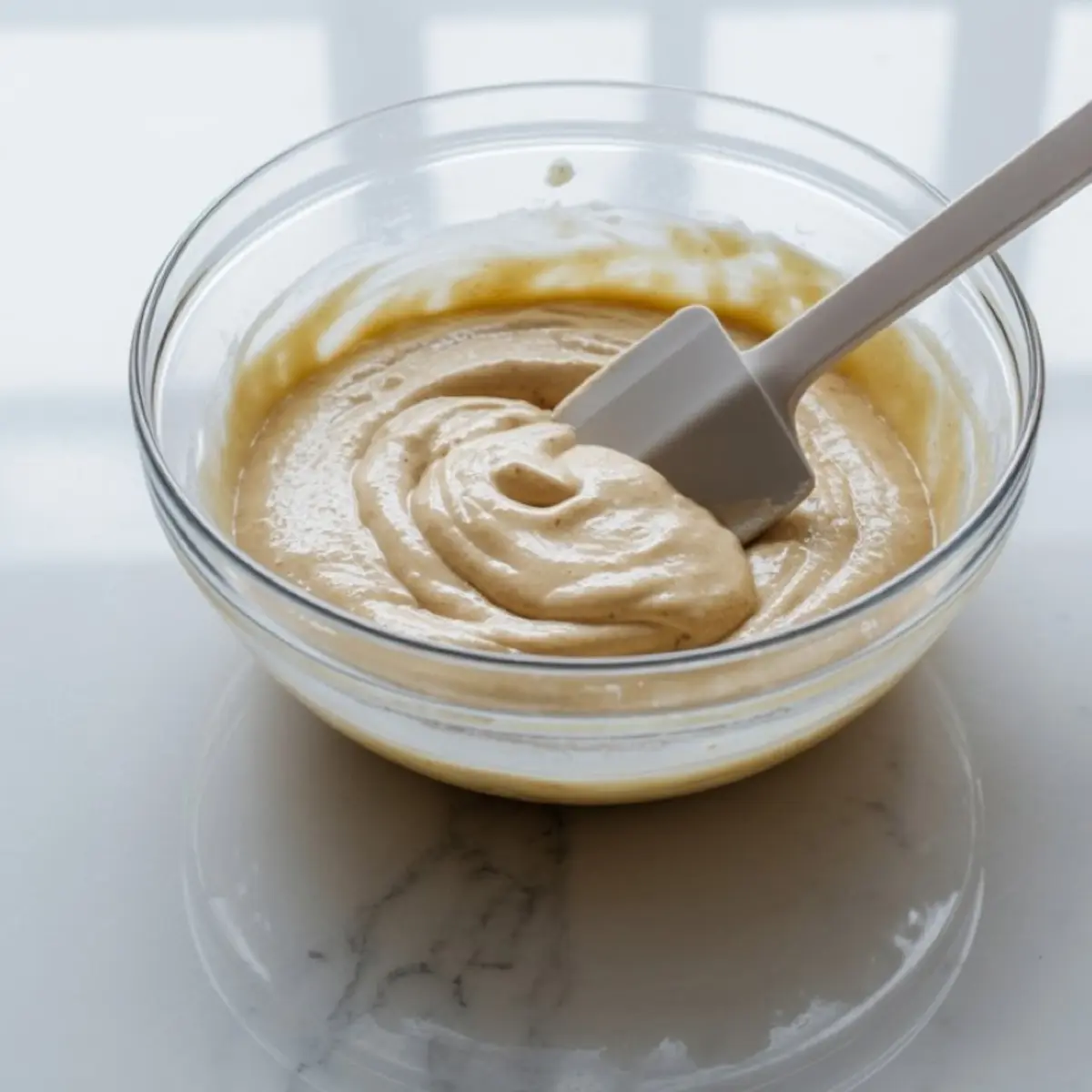
Once you’ve whisked the eggs until frothy, everything comes together in one bowl.
Adding the wet ingredients first helps the fat emulsify and the batter stay smooth. Mix until glossy.
After you sift in the dry ingredients, whisk gently. You don’t want lumps, but you also don’t want to overmix.
Let the batter sit. You’ll see it thicken on its own. Stir once before scooping.
Cook on a skillet set to medium-low. These brown fast, and coconut flour burns quicker than wheat. Grease lightly between batches to keep things consistent.
Use 2–3 tablespoons of batter per pancake. That size flips easily and cooks evenly. I use the back of a spoon to nudge it into a circle. Not a wide one small rounds hold their shape best.
Knowing When They’re Ready
Watch for small bubbles and a matte surface. That means the bottom has firmed up and it’s safe to flip.
If the pancake tears, it needed 30 seconds more. If it sizzles loudly or smells toasted, the pan is too hot. Lower it before the next round.
When flipped, the second side needs just over a minute. Don’t press down.
They’re done when both sides are golden and they bounce slightly when tapped.
This is the same technique I use for my Keto Brownies to keep them tender without falling apart.
Ways to Adjust It
Want a dairy-free version? Swap butter for coconut oil in equal measure.
For a nut-free option, use unsweetened oat milk. The texture will stay close.
Add two tablespoons of shredded coconut for chew. Or a sprinkle of chopped nuts for crunch.
To boost protein, stir in a tablespoon of collagen powder or unflavored whey.
How to Store and Reheat
Let leftovers cool completely before storing. On the counter: 1 day in a sealed container.
Fridge: up to 3 days, stacked with parchment in between. Freezer: wrap tightly in pairs, freeze flat, and reheat in the toaster.
They reheat fast and stay soft. Just avoid the microwave. It makes them spongy.
Tips from My Testing
Use a heat-safe non-stick pan. Skip cast iron here, it holds too much heat.
Sift the flour every time, even from a fresh bag.
Use a small offset spatula or thin silicone turner for clean flipping.
Letting the batter rest is not optional. The texture depends on it.
Measure the milk with care. Even 2 tablespoons more will make the batter too thin.
Save This Recipe and Share What You Tried
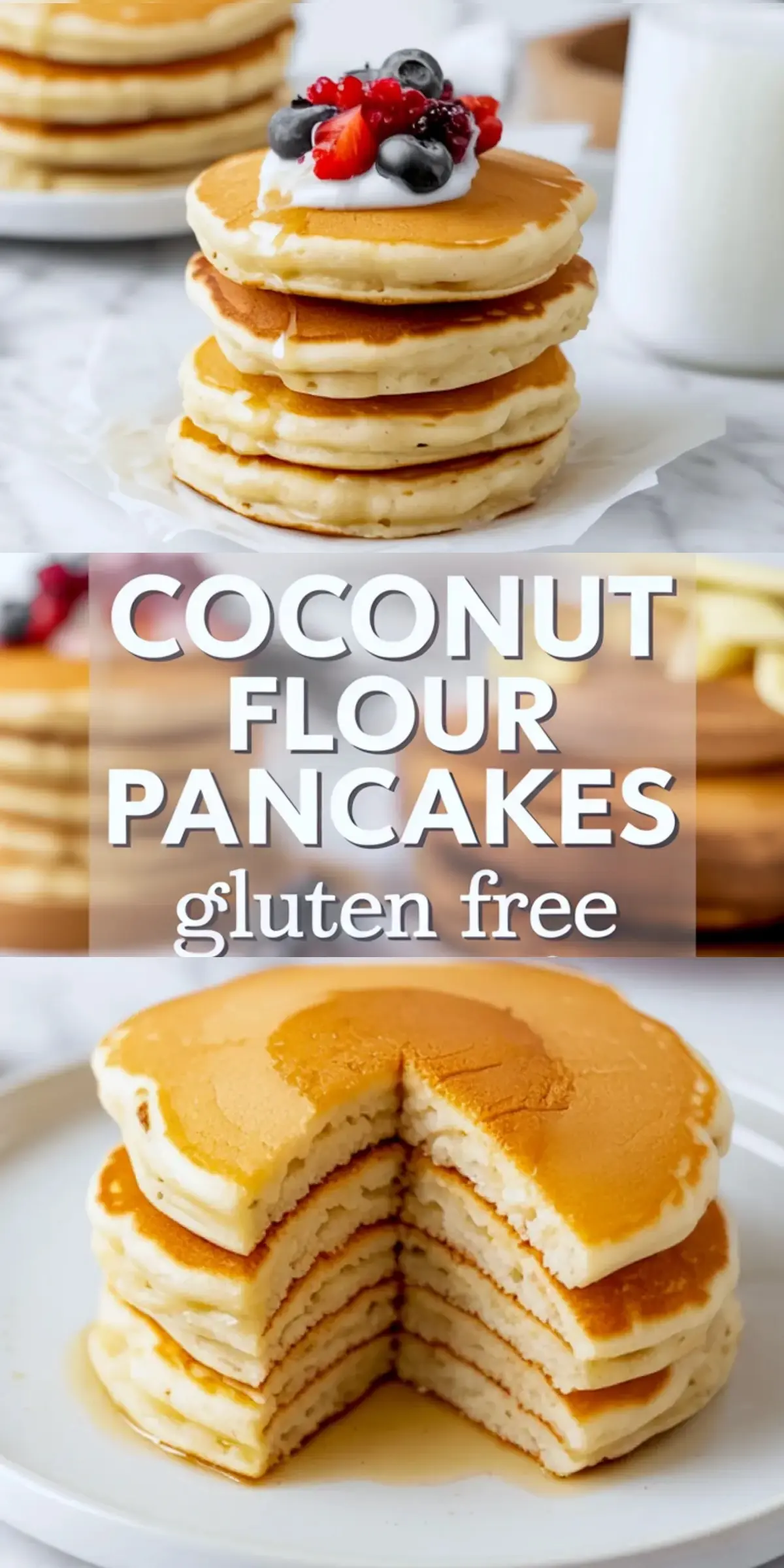
If you found this helpful, save it to your Keto Breakfast or Gluten-free board for next time. These are the kind of pancakes that surprise you with how reliable they are.
Tried a variation? Have a tip of your own? Share it in the comments—I’d love to hear how they turned out.
Coconut Flour Pancakes
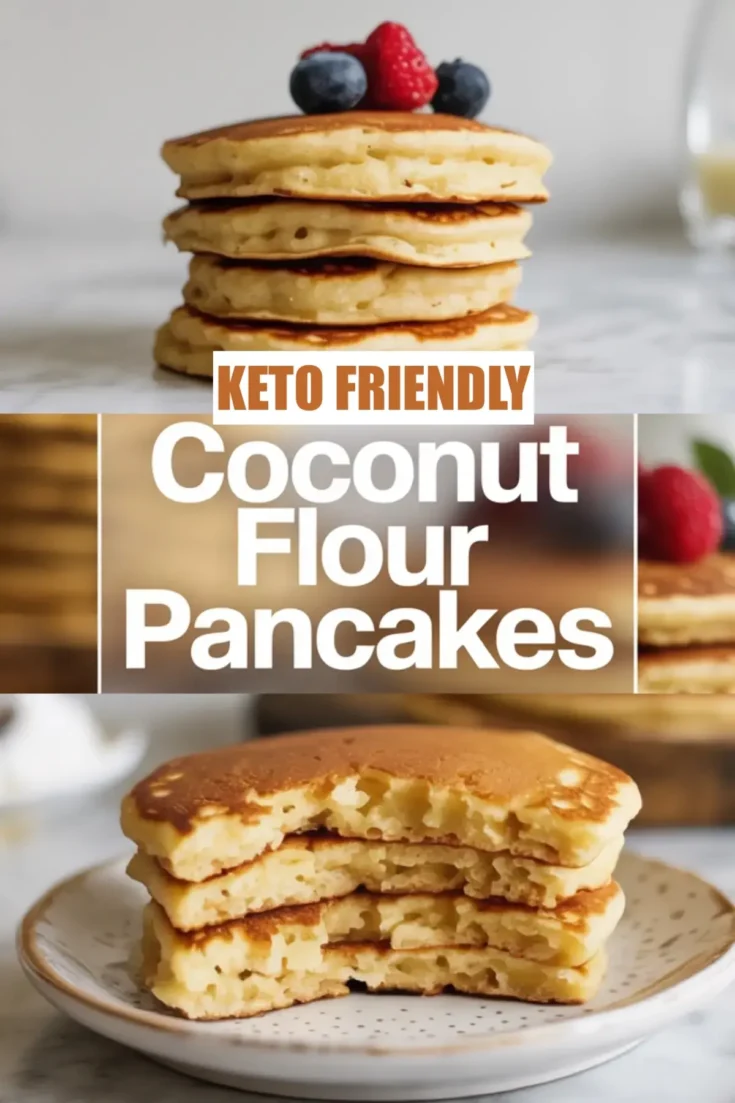
These soft and fluffy coconut flour pancakes make a satisfying breakfast without the extra carbs. Made with wholesome ingredients, they fit a variety of dietary goals including keto, gluten free, and low carb. The subtle coconut flavor pairs well with your favorite toppings, from berries to sugar-free syrup. This is one of the easiest coconut flour recipes to keep on hand for a quick morning option. Great for those looking for keto pancakes coconut flour, gluten free pancakes coconut flour, or just a healthy alternative to traditional flapjacks.
Ingredients
- 4 large eggs
- 1/3 cup coconut flour, sifted
- 1/2 cup unsweetened almond milk
- 2 tablespoons melted butter or coconut oil
- 1 tablespoon erythritol or monk fruit sweetener (optional)
- 1 teaspoon vanilla extract
- 1/2 teaspoon baking powder
- 1/4 teaspoon salt
- 1/4 teaspoon cinnamon (optional)
- Butter or oil for the pan
Instructions
- WHISK THE EGGS: In a medium mixing bowl, whisk the eggs until light and frothy to help give the pancakes a fluffy texture.
- ADD WET INGREDIENTS: Stir in the almond milk, melted butter or coconut oil, vanilla extract, and sweetener if using. Mix until smooth and well combined.
- ADD DRY INGREDIENTS: Sift in the coconut flour, baking powder, salt, and cinnamon. Whisk until the batter is smooth with no lumps, then let it rest for 1–2 minutes to allow the coconut flour to absorb the liquid and thicken.
- PREHEAT THE SKILLET: Warm a non-stick skillet or griddle over medium-low heat and lightly grease with butter or oil.
- COOK THE PANCAKES: Pour 2–3 tablespoons of batter onto the skillet for each pancake. Use the back of a spoon to gently spread into a small circle if needed.
- FLIP THE PANCAKES: Cook for 2–3 minutes or until small bubbles form on the surface and the edges appear dry. Flip carefully and cook the second side for 1–2 minutes until golden.
- REPEAT: Continue with the remaining batter, greasing the skillet between batches as needed.
- SERVE: Serve warm with your favorite low-carb toppings such as Greek yogurt, fresh berries, or sugar-free syrup.
Notes
Coconut flour is highly absorbent, so the batter will thicken quickly. Don’t add extra flour. For dairy-free, use coconut oil instead of butter. Pancakes are delicate—flip gently for best results.
Nutrition Information
Yield
8Serving Size
1Amount Per Serving Calories 134Total Fat 10gSaturated Fat 2gUnsaturated Fat 8gCholesterol 94mgSodium 218mgCarbohydrates 4gFiber 2gSugar 1gProtein 7g
