

This Mango Float is a chilled Filipino dessert made with ripe mangoes, whipped cream, sweetened condensed milk, and graham crackers. It comes together fast, sets in the fridge, and creates layered mango dessert magic with no baking required. You get creamy, fruity, and cold in one bite. It works well for potlucks, summer gatherings, or quick float recipes that don’t require a stove.

Following a special diet?
Every recipe on this site can be converted to gluten-free, vegan, dairy-free, keto, nut-free or egg-free with adjusted ratios so nothing falls flat.
Try the Recipe Converter →Layering works because each element behaves differently once chilled. The graham crackers absorb moisture slowly from the cream and condensed milk mixture. Instead of falling apart, they soften just enough to become tender and cake-like while still holding structure.
Using equal parts whipped cream and condensed milk keeps the filling light but stable. Some recipes lean too heavily on the milk and end up runny. Here, the whipped cream holds air, and the sweetened milk adds richness. No gelatin. Just balance.
For visual layering, sliced mangoes give both color and flavor separation. When the spoon slides down, each section stays visible. That’s what makes this a standout among Filipino mango dessert recipes.
Mango Smoothie is another way I enjoy ripe mangoes. In this recipe, though, they shine even more.
The Ingredients and What Each One Does
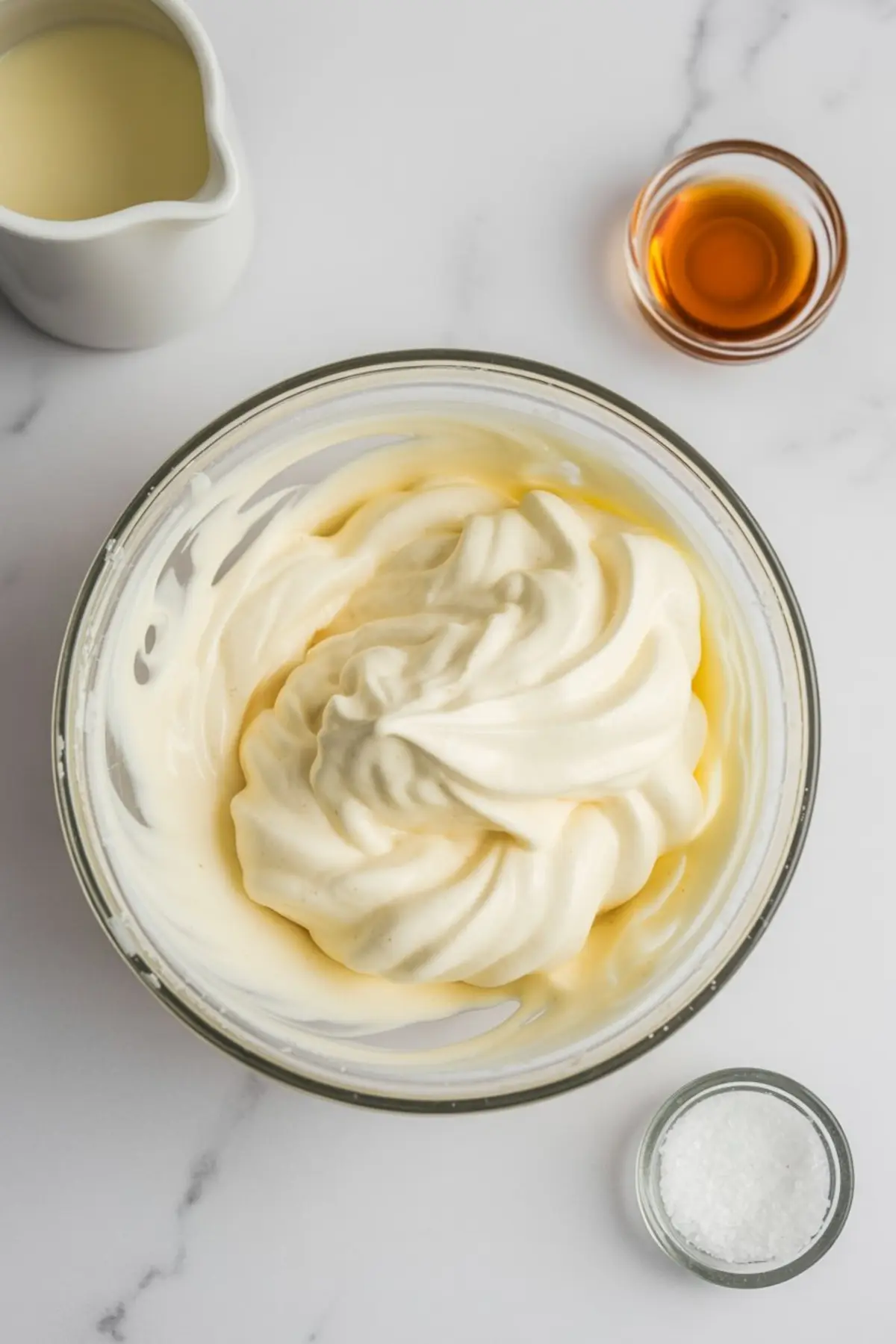
Start with ripe Carabao or Ataulfo mangoes. These varieties are naturally sweet, low in stringy fibers, and slice cleanly. Overripe mangoes collapse too quickly and make the layers soggy. I usually press the fruit gently near the stem. If it yields slightly and smells fragrant, it’s ready.
Heavy cream forms the base of the whipped layer. It must be cold. Warm cream won’t whip, and room temperature affects structure. I chill both the bowl and beaters ahead of time. That’s not a fancy trick. It just works.
Sweetened condensed milk blends in without thinning the cream too much. It gives the float a dense, almost custard-like flavor. You could reduce the quantity slightly for less sweetness, but I find 300 ml balances well with 2 cups of cream.
Graham crackers form the backbone of this float. Any brand will do, as long as they’re plain and not cinnamon. I’ve tried using ladyfingers once. It wasn’t the same. Stick with grahams.
For another mango dessert with a firmer base, try my Mango Cake Recip.
Why Ripe Mangoes Make or Break the Recipe
The sliced mangoes aren’t just decoration. They’re the highlight of the entire float. If they’re too firm, they don’t release enough juice to meld into the cream. If they’re too soft, they turn mushy and vanish between layers.
I slice mine thin, around 3 to 4 millimeters thick. That lets them bend into place without tearing. I always set aside the prettiest slices for the top. Those visible strips create the signature mango float finish.
No ripe mangoes on hand? You can substitute canned mango slices in syrup. Drain and pat them dry. Expect a sweeter outcome with less natural acidity.
For a mango dessert that holds its shape, see my Mango Panna Cotta.
Step-by-Step Walkthrough of the Process
Start by preparing all components before assembly. Slice mangoes, whip cream, and open the can of condensed milk. Everything goes faster this way.
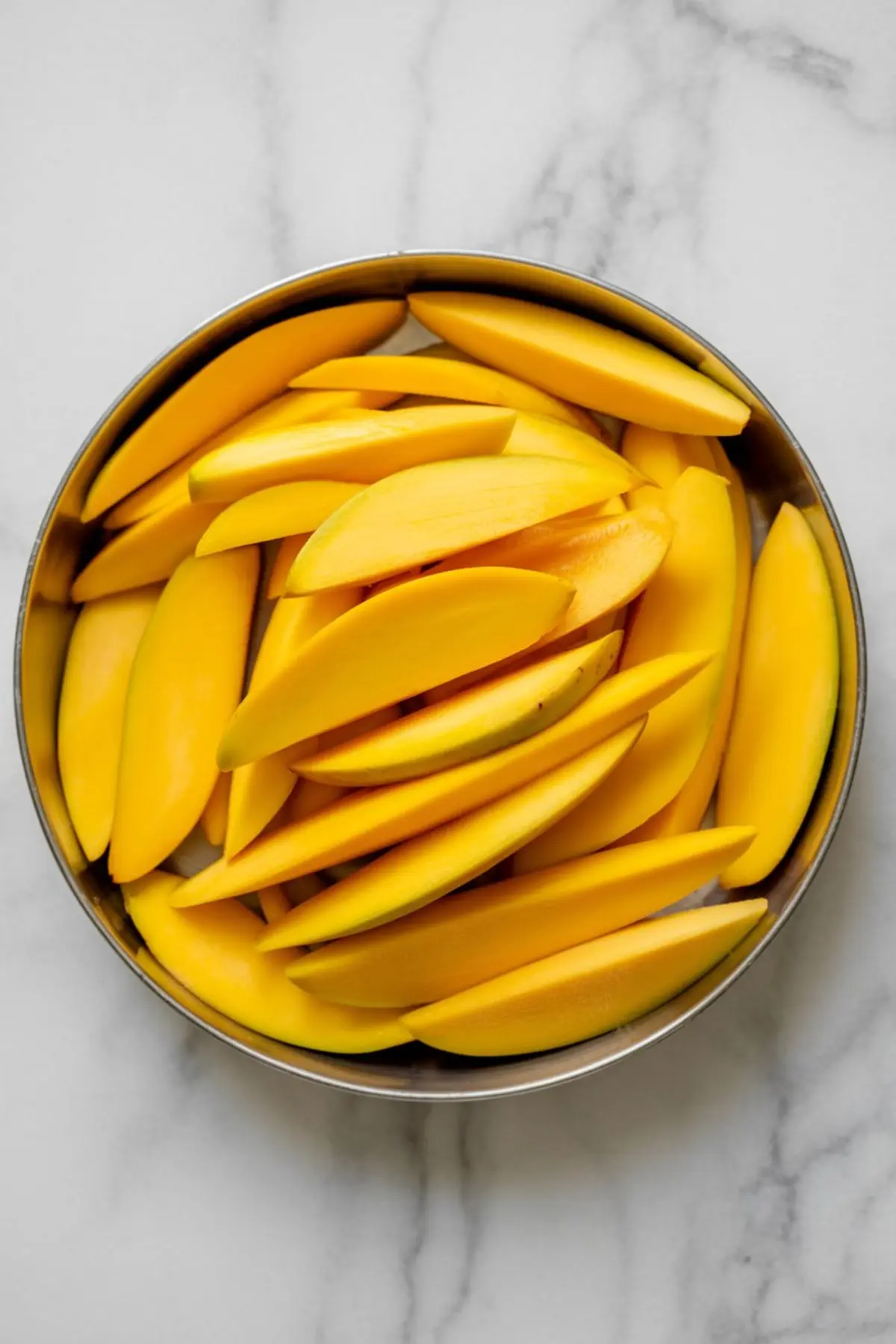
Whipping the cream takes about 3 to 4 minutes on high speed. I stop once soft peaks form. Then I slowly add the condensed milk and vanilla. The mixture thickens slightly and turns glossy.
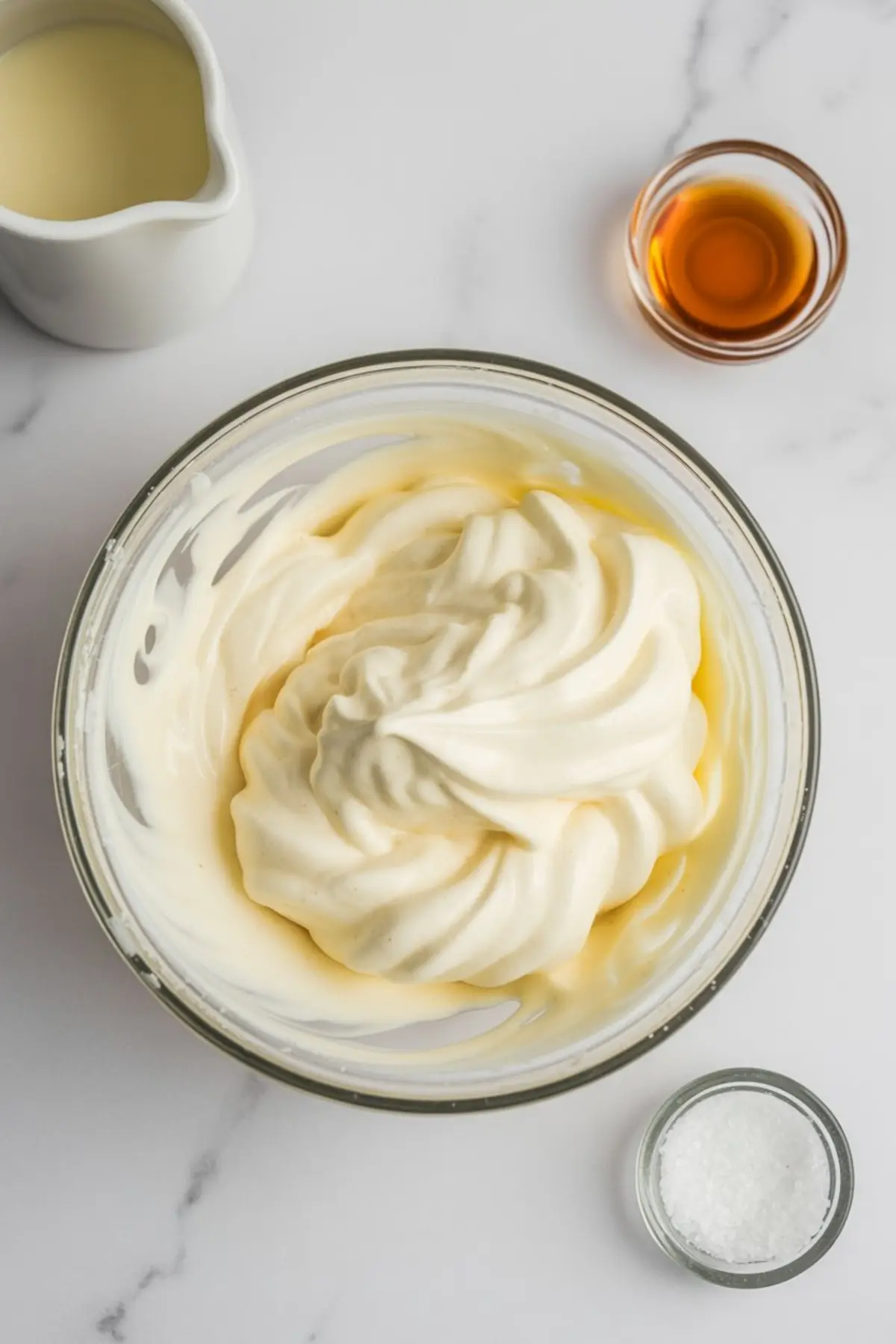
Layering begins with graham crackers at the bottom of the dish. A single, even layer is enough. But fine to have an extra graham layer. I break pieces by hand to fit the corners. The first layer always looks rough. Don’t worry. It disappears under the cream.
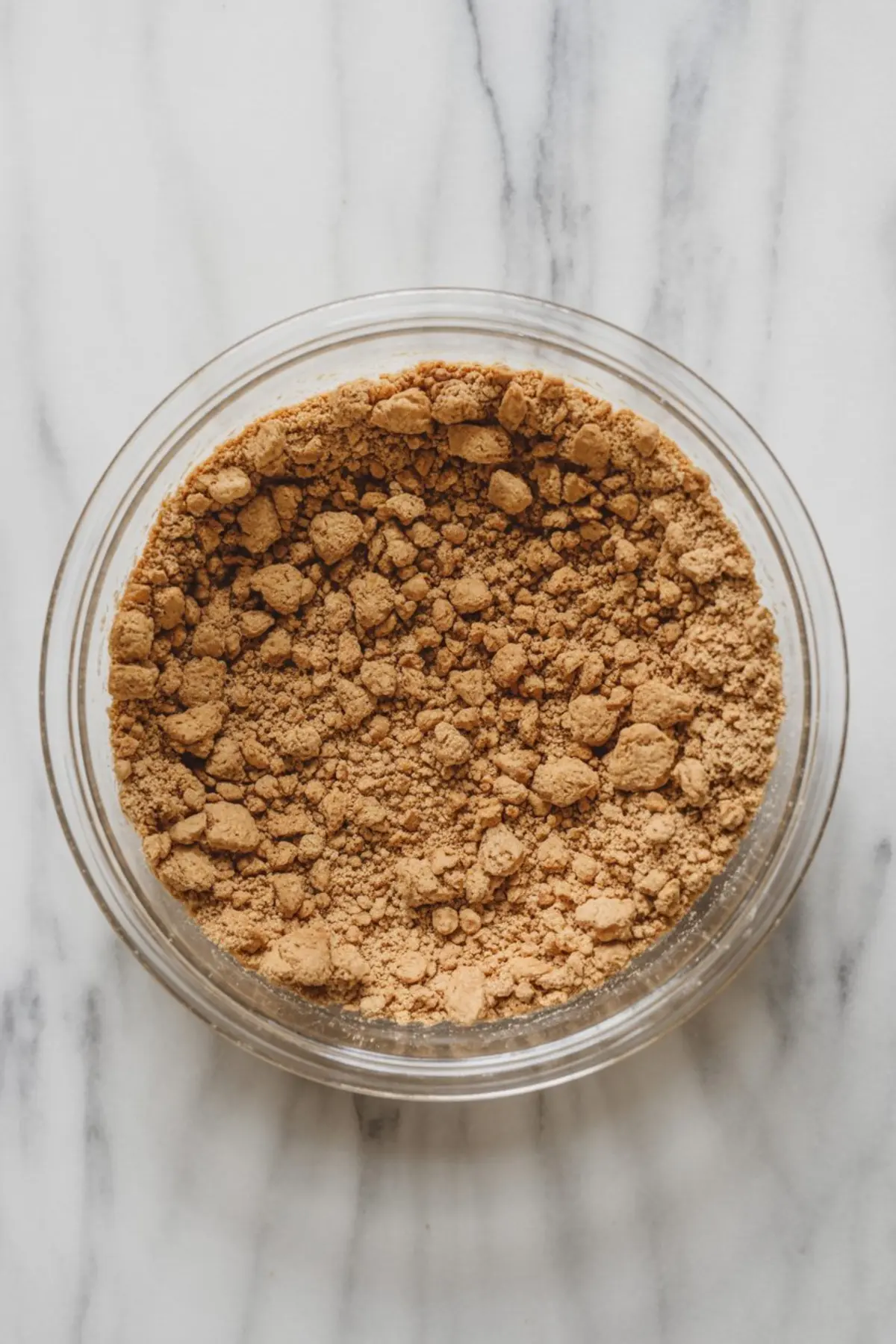
Spread half the cream over the crackers. It doesn’t have to be perfect. You just want even coverage. Lay down mango slices tightly across the top. Repeat with more graham crackers, cream, and finish with the reserved mango slices.
I like to finish with crushed graham sprinkled loosely across the top. It adds texture and gives the float that finished look.
How To Tell It’s Set and Ready
After 6 hours in the fridge, the float should feel firm to the touch. Press gently. If the top springs back slightly and the mangoes don’t shift, it’s ready.
Too soft means the cream layer was under-whipped. Too stiff might mean it chilled too long and started to separate. That’s rare. If it happens, let it sit at room temp for 10 minutes before slicing.
Each slice should show visible layers. Mango, cream, graham. No slumping. That’s your sign you got it right.
Storage Notes and Make-Ahead Tips
Refrigerate tightly covered for up to 3 days. After day 2, the mangoes begin to release more moisture, softening the layers further. Still good, but the visual contrast fades.
Freezing isn’t recommended. The cream doesn’t hold its texture once thawed.
You can prep the whipped cream mixture a few hours ahead and store it separately. Assemble just before chilling if needed.
Tips That Help Every Time
Use a glass dish. It shows the layers and helps with even chilling.
Always taste your mangoes before layering. If they’re too tart, balance with a touch of sugar.
Crush your graham crackers in a bag with a rolling pin. It makes for finer topping dust.
For clean slices, use a long knife and wipe it clean between cuts.
How I Serve Mango Float
At summer barbecues, chilled and sliced straight from the fridge. In small glass jars for single-serve treats.
With extra mango slices and fresh mint on top. As part of a dessert buffet for potlucks.
Cut into squares, then frozen briefly for a firmer texture. Drizzled with a spoonful of coconut cream for variation.
Save This Filipino Mango Float for Later
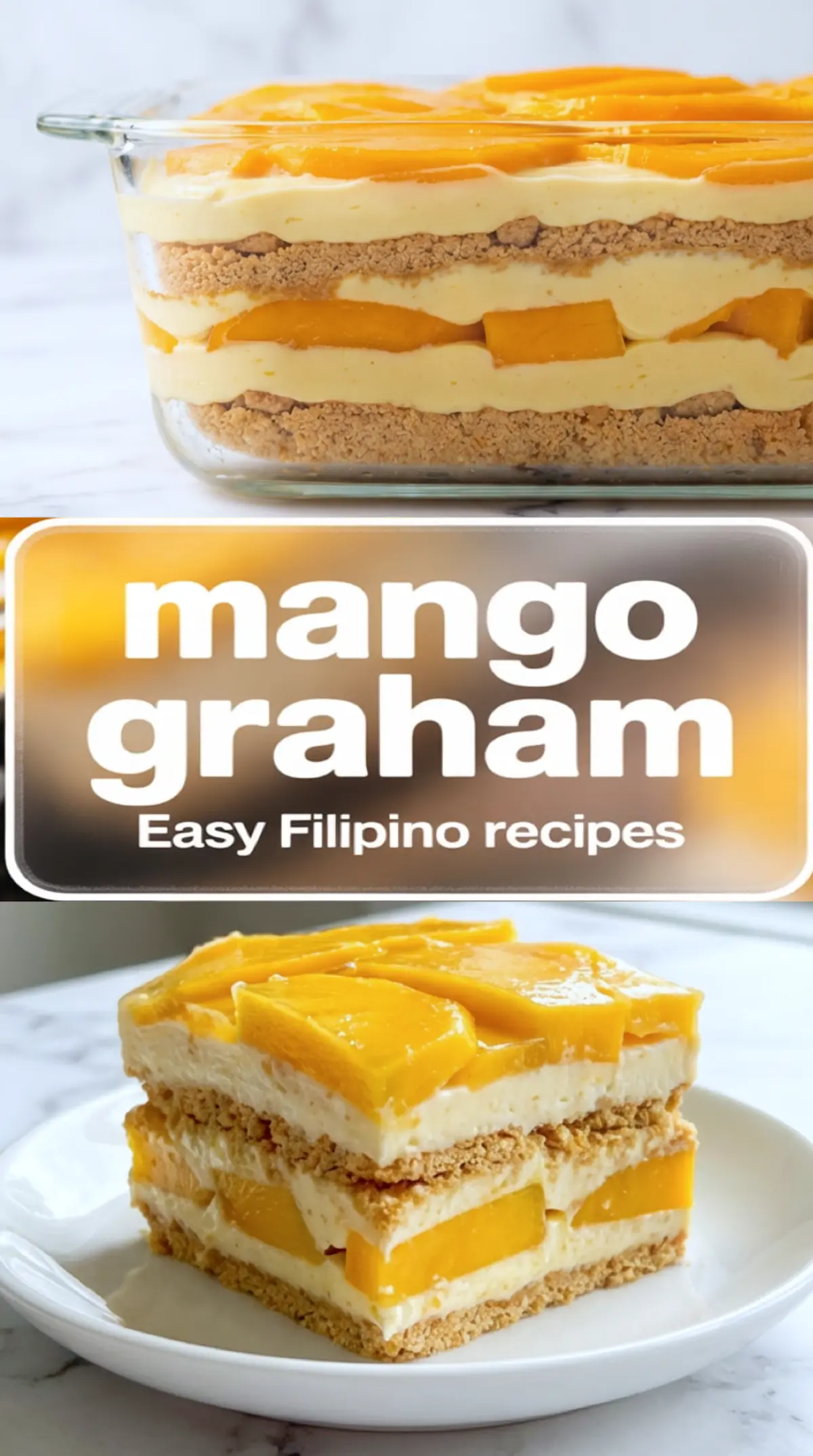
Pin this Mango Float Filipino recipe to your favorite dessert board so you can come back to it during mango season.
Let me know in the comments how it turned out, or if you added a personal twist. I’d love to hear how you make it your own.
Mango Float Recipe
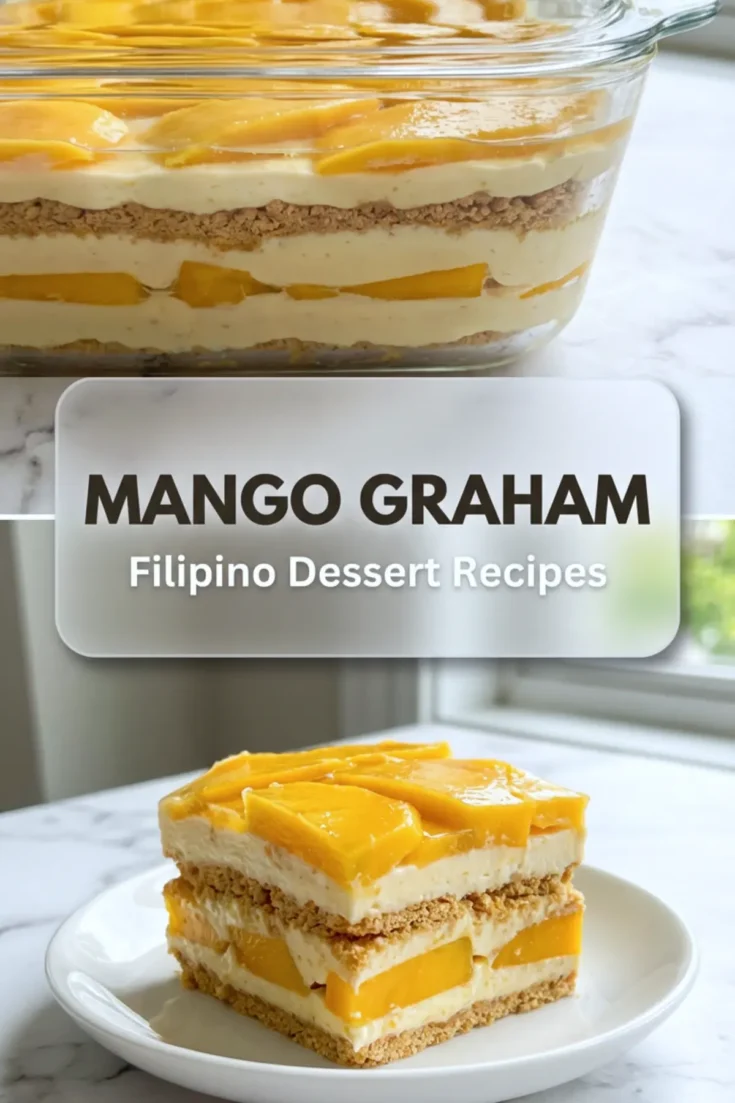
This chilled mango float is a creamy, no-bake treat made with layers of graham crackers, whipped cream, and sweet ripe mangoes. A classic Filipino mango float that’s light, fruity, and perfect for summer or potlucks. If you’re craving traditional Filipino dessert recipes or refreshing mango dessert recipes, this is a must-try. Learn how to make this easy mango float recipe at home using only a few ingredients. A go-to for quick float recipes, tropical mango desserts, or unique mango recipes everyone will love.
Ingredients
- 3 large ripe mangoes (Carabao or Ataulfo mangoes preferred)
- 2 cups heavy whipping cream, chilled
- 1 can (300 ml) sweetened condensed milk
- 1 tsp vanilla extract (optional)
- 1 pack graham crackers (around 200g)
- 1/3 cup crushed graham crackers (optional topping)
- Pinch of salt
Instructions
- SLICE THE MANGOES: Peel the mangoes and slice them into thin strips for layering. Set aside a handful of the most even, attractive slices for the top layer of the dessert.
- WHIP THE CREAM: In a chilled mixing bowl, beat the cold heavy cream using an electric mixer until soft peaks form. Slowly pour in the sweetened condensed milk, add vanilla extract if using, and a pinch of salt. Continue whipping until the mixture becomes smooth and fluffy but not stiff.
- CREATE GRAHAM BASE: Arrange whole graham crackers in a single layer at the bottom of an 8x8-inch glass or ceramic dish. Break crackers as needed to fill gaps evenly.
- ADD CREAM LAYER: Spoon and spread a generous layer of the whipped cream mixture over the graham cracker base, smoothing the surface with a spatula to cover all edges.
- ADD MANGO LAYER: Lay mango slices in a single, even layer over the cream. Use enough to mostly cover the surface, placing the strips close together without overlapping too much.
- ADD FINAL CREAM LAYER: Spread another layer of the whipped cream mixture over the mangoes, completely covering the fruit. Smooth out the top surface.
- ADD DECORATIVE MANGO TOPPING: Arrange the reserved mango slices neatly on top for presentation. If desired, sprinkle the surface with crushed graham crackers for added texture and visual appeal.
- CHILL: Cover the dish tightly with plastic wrap and refrigerate for at least 6 hours, or overnight, to allow the graham crackers to soften and the layers to set properly before serving.
Notes
For best flavor, use ripe but firm mangoes. The dessert can be stored in the refrigerator for up to 3 days.
