
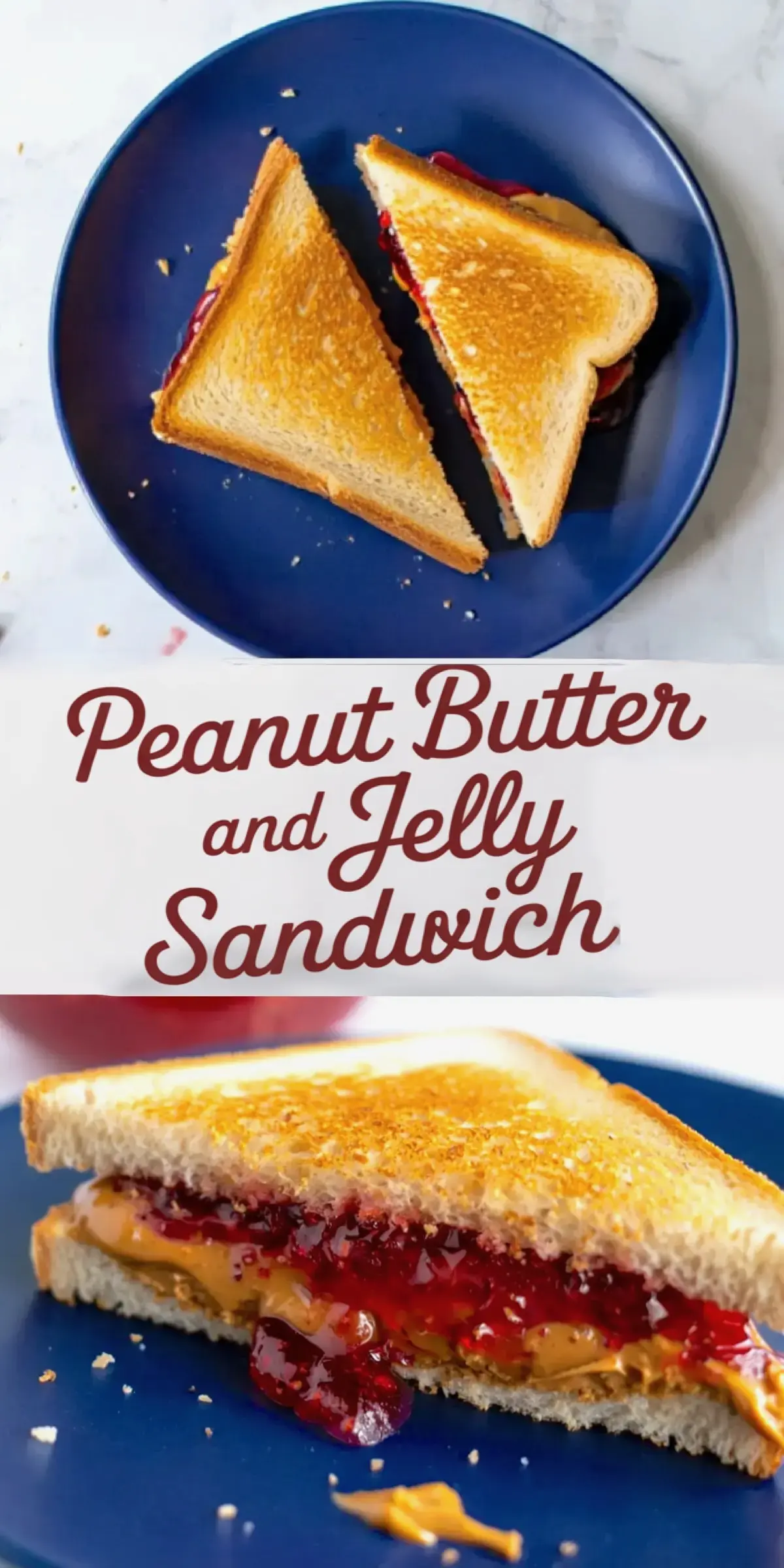
To make a peanut butter and jelly sandwich, spread 2 tablespoons of peanut butter on one slice of sandwich bread and 2 tablespoons of jelly or jam on the other, then press them together. For the toasted version I make most often, butter the outside with 1 tablespoon of softened butter and cook it in a skillet over medium heat for 2 to 3 minutes per side, until the bread is crisp and the middle is warm.
That is one sandwich, about 5 minutes of work plus a few minutes in the pan. The small detail that matters most is spreading the peanut butter right to the crust. It keeps the jelly where it belongs.
Following a special diet?
Every recipe on this site can be converted to gluten-free, vegan, dairy-free, keto, nut-free or egg-free with adjusted ratios so nothing falls flat.
Try the Recipe Converter →The Sandwich in Numbers
- Makes: 1 sandwich, cut into 2 triangles
- Filling: 2 tablespoons peanut butter and 2 tablespoons jelly or jam, a 1 to 1 ratio
- Outside: 1 tablespoon softened unsalted butter, both slices
- Pan: non-stick skillet or griddle over medium heat, preheated for a minute or two
- Cook: 2 to 3 minutes per side, then 30 seconds of rest before slicing
Plain or Toasted: Two Ways to Make a PB&J
The classic soft PB&J is just the first three steps of the recipe card. Peanut butter on one slice, edge to edge. Jelly on the other, corner to corner. Press the two together, filling sides facing, and cut. Nothing else is needed, and it is still the best version for a lunchbox.
The toasted one keeps going. Butter the outside of both slices, set the sandwich in a warm skillet, and press it gently with a spatula while the bottom browns. The heat softens the peanut butter until it turns glossy and loosens the jelly, so every bite is crisp on the outside and soft in the middle. My youngest once asked for a “grown-up PBJ,” and this is the one that stuck.
Which Bread Makes the Best PB&J?
Soft white or whole wheat sandwich bread is the best bread for a peanut butter and jelly sandwich, plain or toasted. The slices are even, they press together without gaps, and they brown fast in a pan before the filling gets too hot.
- White sandwich bread: the softest bite and the most familiar PB&J. Toasts quickly, so watch the heat.
- Whole wheat: a little nuttier and sturdier. It holds wet jam better in a lunchbox.
- Sourdough: good tang against sweet jelly, but the holes let jelly escape. Spread the peanut butter thicker at the edges.
- Brioche or other enriched bread: the sugar and butter in the dough burn sooner, so cook it over medium-low.
Very fresh, very thin bread tears under cold peanut butter. Day-old slices, or peanut butter at room temperature, spread without ripping.
Creamy, Crunchy, or Natural Peanut Butter
Creamy peanut butter spreads in a thin, even layer and melts smoothly in the pan. Crunchy works too and gives the sandwich more texture. Both are fine at 2 tablespoons.
I have made this with natural peanut butter and with the stabilized kind, and for the toasted sandwich I go back to the stabilized jar. Natural peanut butter has more roasted flavor, but its oil separates when heated and can seep through the bread. If natural is what you have, stir the jar well first and eat the sandwich straight away. If you like making your own, here is how to make peanut butter at home.
Jelly, Jam, or Preserves Under Heat
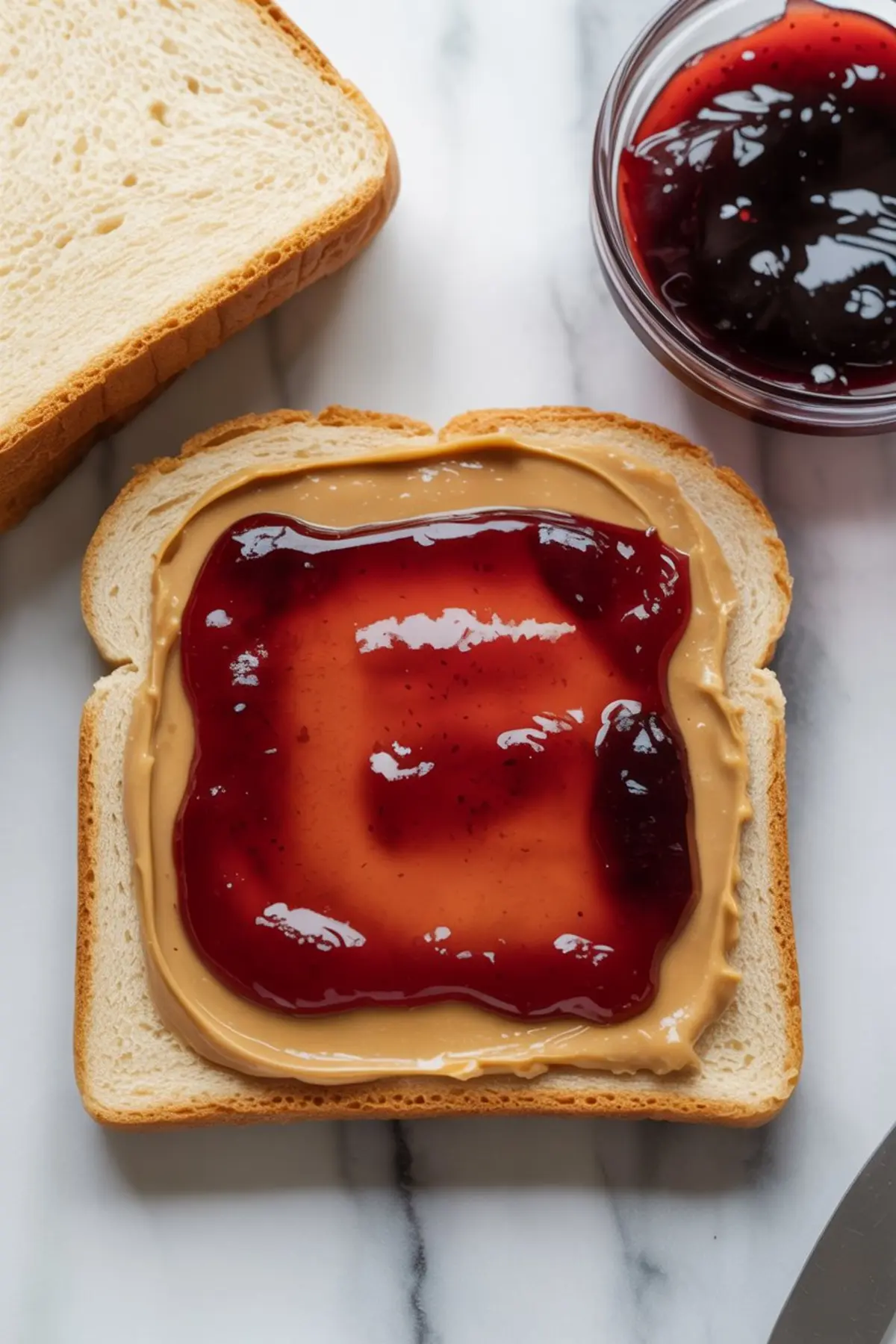
For a plain sandwich, use whatever you love. In a hot pan they behave differently:
- Jelly (grape is the usual) is made from fruit juice. It turns runny when warm, so keep it to 2 tablespoons and do not spread it to the very edge.
- Jam has crushed fruit in it and stays put better. A thick strawberry jam is my first choice for toasting.
- Preserves have whole pieces of fruit. Raspberry or apricot jam with chunks gives a sharper, fruitier middle.
Homemade works well here. A jar of strawberry freezer jam is softer than cooked jam, so use a little less, and chia seed jam is a thick, lower sugar option that hardly runs at all.
Toasting It in a Skillet, Step by Step
Warm a non-stick skillet or griddle over medium heat for a minute or two. A pan that is too hot burns the bread before the inside softens. One that is too cool lets the butter soak in instead of frying the surface.
Lay the buttered sandwich in the pan and leave it for 2 to 3 minutes, pressing lightly with a spatula so the whole surface touches the pan. Flip when the bottom is evenly golden and crisp, then give the second side the same 2 to 3 minutes. You will see the peanut butter go shiny at the edges when the middle is warm.
Move it to a board and wait 30 seconds. Then cut it on the diagonal and serve it warm.
When the Jelly Leaks or the Bread Burns
- Jelly runs into the pan: the peanut butter did not reach the crust, or the jelly was spread too thick. Take the peanut butter right to the edges so it seals the sandwich.
- Bread darkens before 2 minutes: the pan is too hot. Lower the heat and wipe out any burnt butter before the next sandwich.
- Pale, greasy patches: the butter was melted instead of softened, or it missed the corners. Spread soft butter over the whole slice.
- Filling still cold in the middle: the heat was too high for too short a time. Medium heat and the full 2 to 3 minutes per side warm it through.
- Filling slides out when you cut: it was sliced straight out of the pan. Those 30 seconds of rest let the jelly firm up a little.
Add-Ins and What to Serve With It
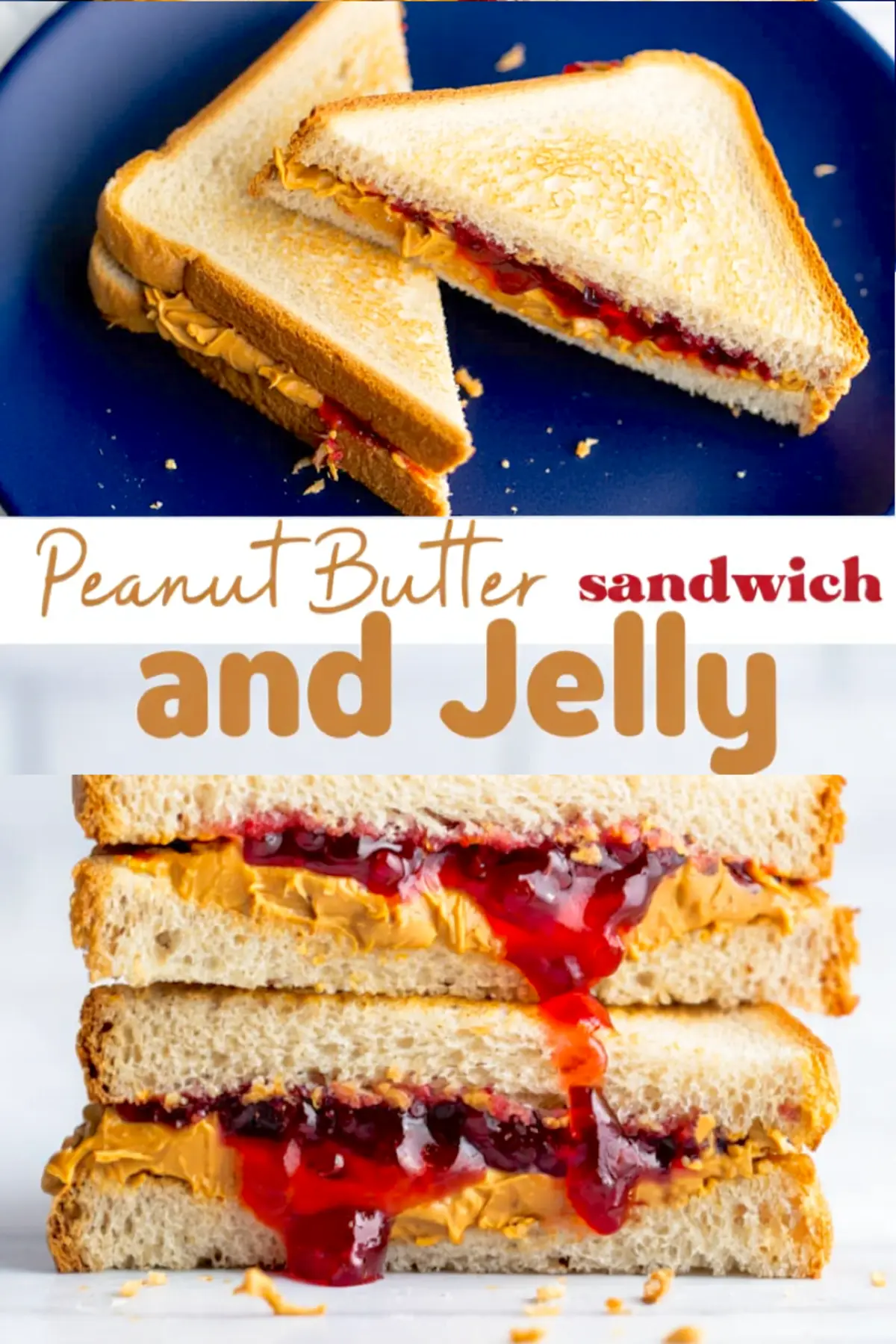
A pinch of flaky sea salt over the peanut butter before you close the sandwich takes the edge off a very sweet jam. Thin slices of banana laid over the peanut butter before toasting turn it into a peanut butter, banana and jelly sandwich.
With a bowl of tomato or creamy squash soup, a toasted PB&J makes a proper lunch. Sliced bananas with a little cinnamon on the side work for an after-school snack. If you want the same flavors in a bake, try peanut butter and jelly thumbprint cookies or a loaf of peanut butter jelly banana bread.
Packing It for Lunch or Prepping Ahead
For a lunchbox, make the plain version and spread a thin layer of peanut butter on both slices with the jelly in between. The peanut butter acts as a barrier, so the bread is not soggy by noon.
For the toasted version, assemble the sandwich, butter the outside, wrap it tightly, and keep it in the fridge overnight. Toast it straight from the fridge over medium-low heat and give each side a little longer so the cold center warms through. Skip the microwave for leftovers. It softens the crust, and a minute or two back in a dry pan brings the crunch back.
Short Answers About PB&J
What is the best way to make a peanut butter and jelly sandwich?
Spread peanut butter to the edges of one slice, jelly or jam on the other, and press them together. For a warm version, butter the outside and toast it over medium heat for 2 to 3 minutes per side.
How much peanut butter and jelly goes in one sandwich?
About 2 tablespoons of each. Equal amounts keep the sandwich balanced and stop the jelly from overflowing.
Can I make a toasted PB&J in a sandwich press?
Yes. A press cooks both sides at once, so butter the outside as usual and check it after about 2 to 3 minutes.
Should the peanut butter go on both slices?
For a packed lunch, yes, a thin layer on both slices keeps the bread dry. For a toasted sandwich eaten right away, one slice of peanut butter and one of jelly is enough.
More peanut butter ideas from my kitchen: peanut butter no bake cookies, no bake peanut butter bars, and a chilled no bake peanut butter pie.
Peanut Butter and Jelly Sandwich Recipe
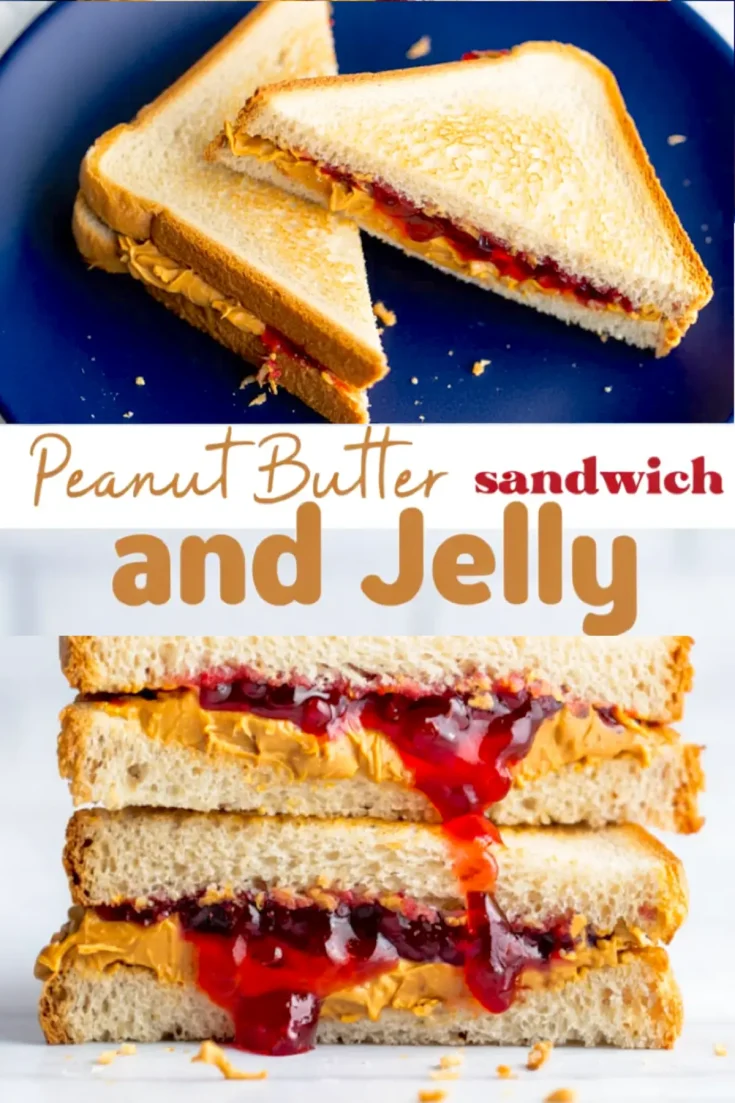
This toasted peanut butter and jelly sandwich is a PB&J made with 2 slices of sandwich bread, 2 tablespoons of peanut butter, 2 tablespoons of strawberry or grape jelly or jam, and 1 tablespoon of softened butter on the outside. It takes about 5 minutes to put together and 2 to 3 minutes per side in a skillet over medium heat, and makes 1 sandwich with crisp bread and a warm, soft middle. Spreading the peanut butter right to the edges seals the jelly in, so it does not leak into the pan. Serve it with tomato soup, sliced bananas, or as a quick lunch or after school snack. Stop before the pan for a plain PB&J sandwich, or add banana slices or a pinch of flaky salt before toasting.
Ingredients
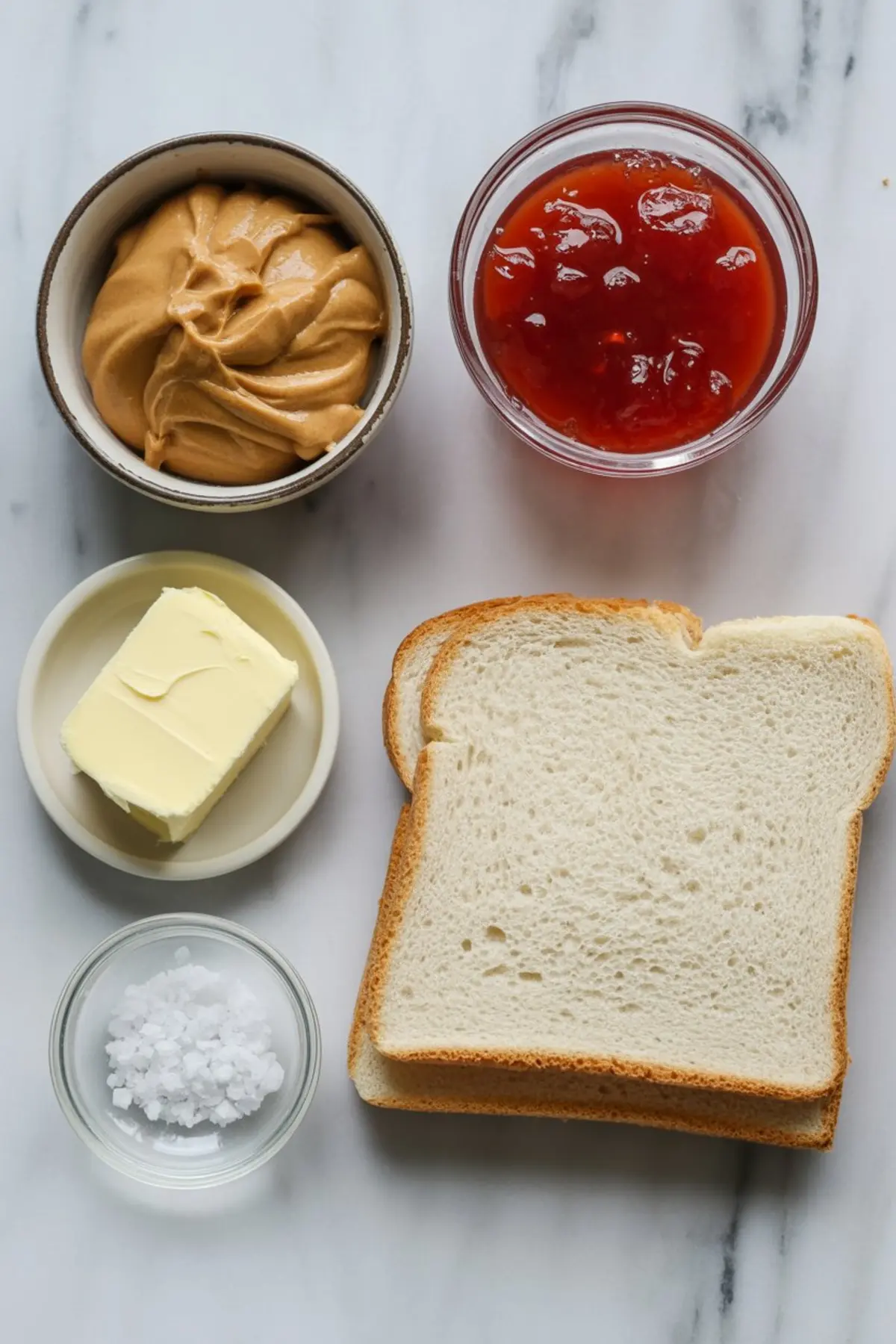
- 2 slices sandwich bread (white or whole wheat)
- 2 tablespoons creamy or crunchy peanut butter
- 2 tablespoons strawberry or grape jelly or jam
- 1 tablespoon softened unsalted butter
- Optional: small pinch of flaky sea salt
Instructions
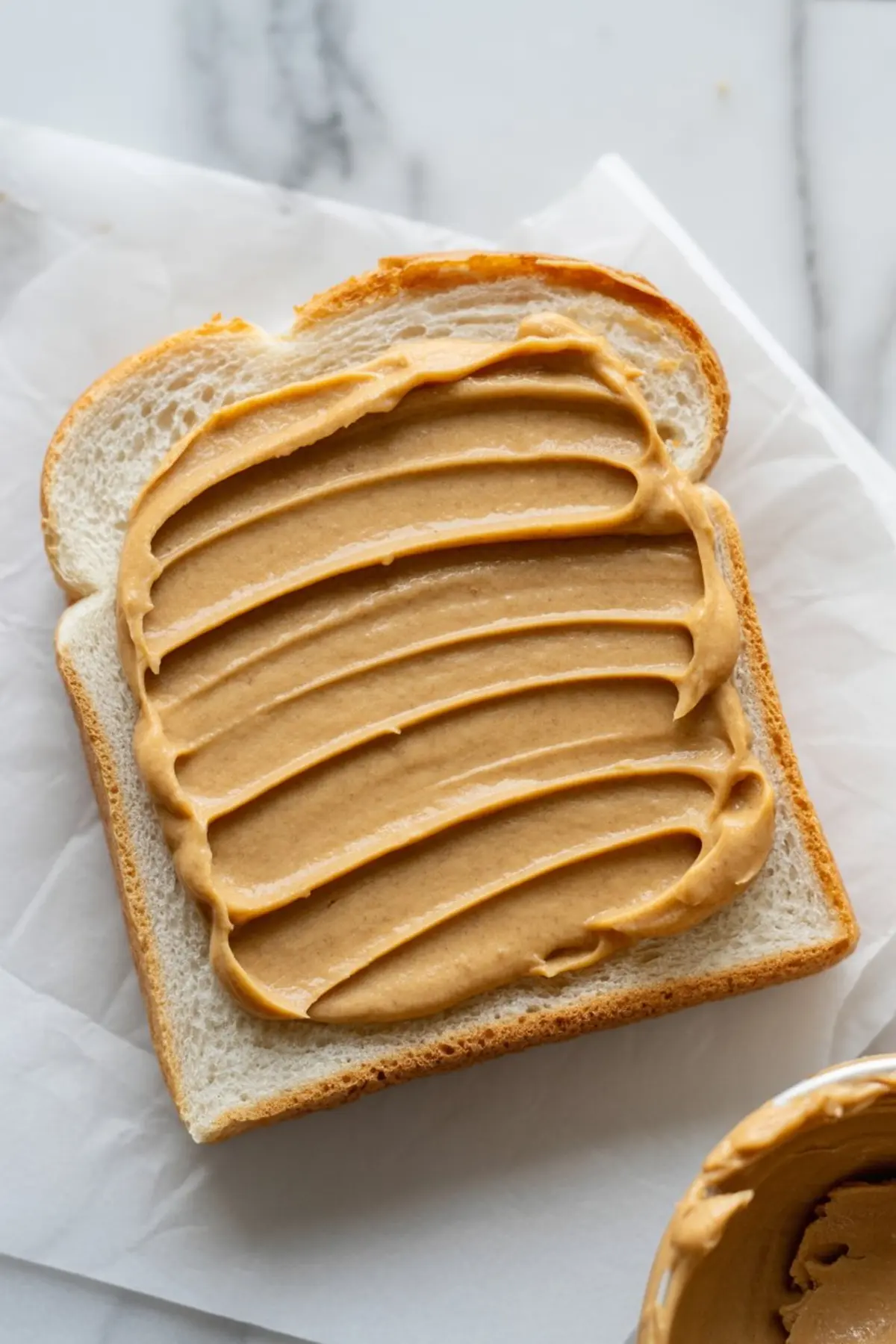
- SPREAD THE PEANUT BUTTER: Place one slice of bread on a clean surface and spread the peanut butter evenly across the entire surface, making sure to reach the edges for consistent flavor in every bite.
- SPREAD THE JELLY: Take the second slice of bread and spread the jelly or jam evenly from corner to corner, ensuring full coverage.
- ASSEMBLE THE SANDWICH: Press the two slices together with the peanut butter and jelly sides facing each other. Press lightly to help them stick together.
- BUTTER THE OUTSIDE: Spread the softened butter on the outside of both slices of bread using a butter knife or the back of a spoon. Cover the full surface to promote even browning.
- HEAT THE PAN: Warm a non-stick skillet or griddle over medium heat. Give it a minute or two to reach temperature to ensure a good sear without burning the bread.
- TOAST THE SANDWICH: Place the sandwich in the skillet and cook for 2 to 3 minutes, or until the bottom is golden brown and crisp. Flip carefully and toast the other side for another 2 to 3 minutes. Use a spatula to press down gently for even contact with the heat.
- COOL AND SLICE: Remove the sandwich from the pan and let it rest for 30 seconds. Slice diagonally and serve warm.
Notes
Use softened butter, not melted, so the bread browns evenly instead of soaking up fat. Jam or preserves hold up better in a hot pan than thin jelly. Let the sandwich rest 30 seconds before slicing so the warm jelly stays inside. Natural peanut butter can leak oil when heated; stir it well first. To prep ahead, assemble and butter the sandwich, wrap it tightly, refrigerate overnight, and toast it straight from the fridge over medium-low heat, a little longer per side. For a packed lunch, skip toasting and spread a thin layer of peanut butter on both slices so the bread stays dry. Add a pinch of flaky sea salt on the peanut butter for contrast with sweet jam.
Nutrition Information
Yield
1Serving Size
1Amount Per Serving Calories 575Total Fat 30gSaturated Fat 10gTrans Fat 0gUnsaturated Fat 17gCholesterol 31mgSodium 607mgCarbohydrates 68gFiber 5gSugar 28gProtein 14g
