
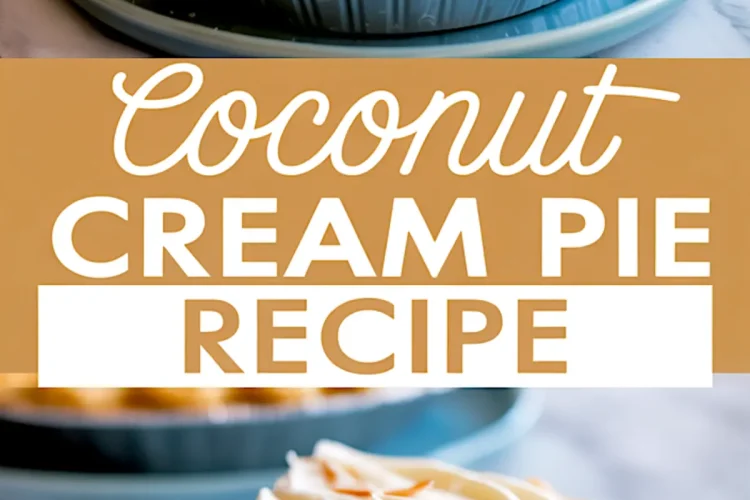
If you’re craving a coconut cream pie recipe that delivers soft, cool custard inside a buttery shell—this one’s been through enough of my kitchen tests to earn its place.
This pie comes from years of notes and mistakes. From crusts that shrank to custards that refused to thicken, I’ve worked through every common mishap so you won’t have to.
You’ll walk away knowing exactly how to balance coconut milk with dairy, how long to cook the filling, and what makes the topping stay cloudlike after a full day in the fridge.
This coconut cream dessert doesn’t rely on shortcuts. You’ll get a smooth filling, not a pour-and-set mix. And the toasted coconut on top gives that crisp edge every bite needs.
This is the kind of coconut pie recipe that stays with people—light, rich, and confident. Like the version your aunt used to make, but cleaner.
I keep this recipe close to my heart. And every time I revisit it, I learn something new.
Following a special diet?
Every recipe on this site can be converted to gluten-free, vegan, dairy-free, keto, nut-free or egg-free with adjusted ratios so nothing falls flat.
Try the Recipe Converter →Choosing the Right Crust for a Stable Coconut Custard Pie
You’ll need a crust that holds firm but stays tender enough to slice cleanly.
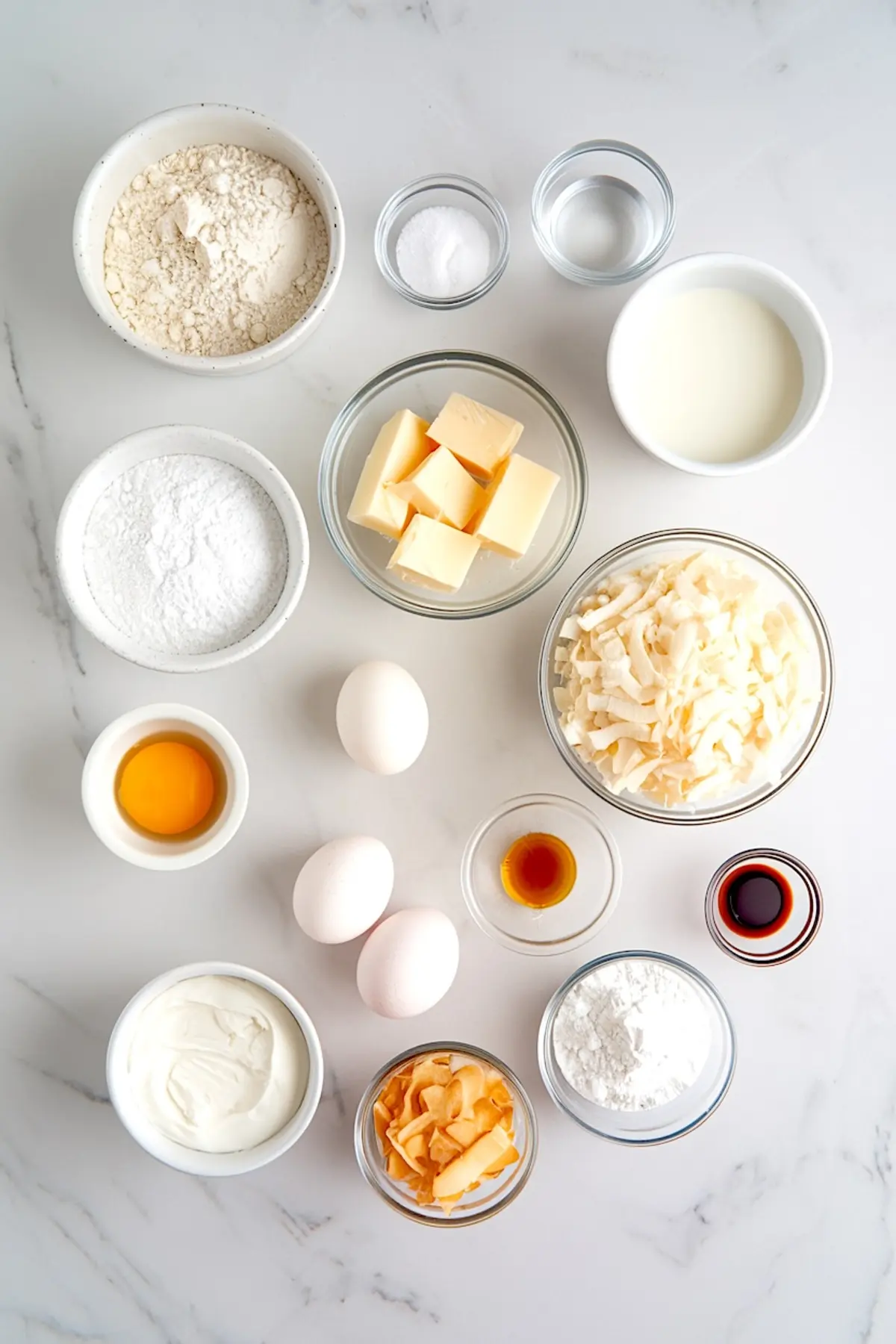
I usually start with a homemade shell. The dough comes together with just flour, salt, sugar, cold butter, and a splash of ice water. But if you’re short on time, there’s no shame in using a high-quality store-bought crust.
A few readers who’ve tried my Lemon Coconut Tassies will recognize the base structure—it’s crisp, buttery, and plays well with soft fillings.
Blind baking is essential here. The coconut pudding needs a cold, fully set crust. Otherwise, it melts into the shell, and you’ll lose the defined layers that make a proper coconut custard pie recipe so satisfying.
Building a Silky Coconut Cream Filling from Scratch
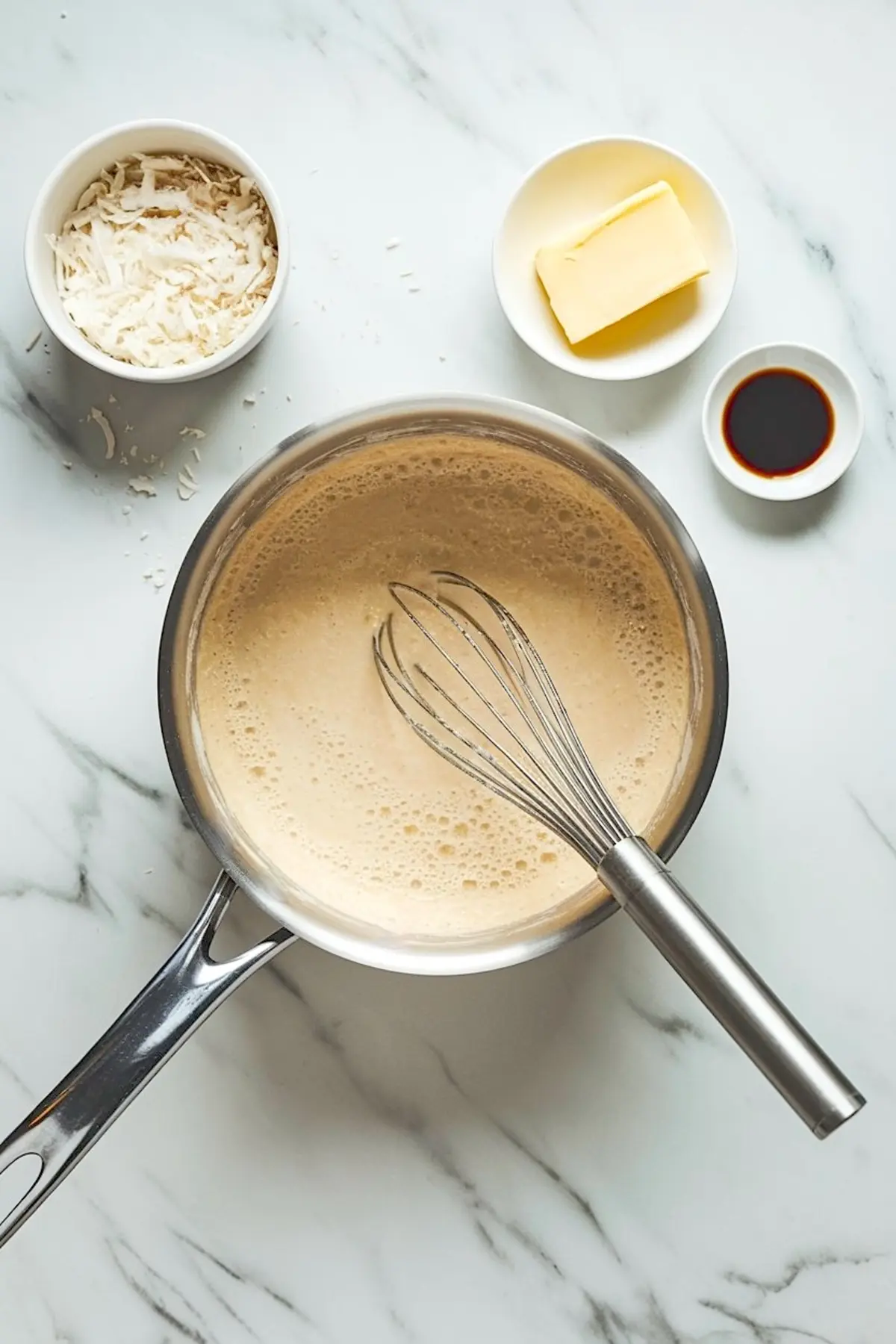
The filling leans on both whole milk and canned coconut milk. That’s not just for flavor—using the combination gives the custard more body without adding heaviness.
The egg yolks do the work of thickening, and the cornstarch smooths it out. Stir constantly, and be patient once the bubbles start—another full minute helps set the structure properly.
You’ll stir in the shredded coconut once it comes off the heat. Sweetened works best here. It softens slightly as it cools and adds that familiar texture without overpowering the cream.
I used to add coconut extract, but I found it too harsh. Real canned coconut milk gives the right flavor. I’ve tested both full-fat and light versions, and the full-fat gives a cleaner, more stable set.
For another tropical option that skips the oven, I also recommend trying the Pineapple Coconut Balls. No baking, but still full of flavor.
Ingredient Comparison: Whole Milk vs. Half-and-Half in the Filling
I’ve tested this recipe with both whole milk and half-and-half. The whole milk wins for balance.
Half-and-half thickens too quickly, which can give the custard a gummy texture. Whole milk lets you cook slowly and gives better control.
You need time for the cornstarch and egg yolks to work together. Too much fat, and the filling can break. Whole milk supports the coconut cream flavor instead of dulling it.
This is especially noticeable after chilling overnight. The texture holds without becoming rubbery or overly dense.
Topping with Real Whipped Cream and Toasted Coconut
Once the pie chills for a few hours, whip your cream fresh. I always use powdered sugar to sweeten—granulated doesn’t dissolve cleanly and can leave the topping gritty.
Add just a bit of vanilla and stop at stiff peaks. Overbeating makes it grainy, and that will clash with the custard’s smoothness.
A few readers who’ve made my Coconut Mango Cookies asked if they could use coconut whipped topping. I’ve tried it, but it lacks structure here. Stick with dairy cream unless you need a vegan alternative.
Toast your coconut in a dry pan, never in the oven. The stovetop gives you more control and avoids burning. Stir constantly. It turns golden fast—don’t walk away.
Once cool, sprinkle it over the whipped topping just before serving. That’s what keeps the texture crisp, even on day two.
Serving and Storing This Coconut Cream Pie
You can make this pie the night before. It slices best after a full 6–8 hours in the fridge.
Use a sharp, thin knife for slicing. Wipe between cuts for the cleanest presentation. That matters if you’re serving guests or photographing it for a celebration table.
I recommend storing it uncovered for the first hour to prevent condensation. After that, use a dome or inverted bowl rather than plastic wrap to avoid smudging the topping.
This recipe holds up well for two full days in the fridge. The crust softens slightly by day three, but the filling keeps its shape.
And if you’re planning a dessert table with more coconut options, this Pineapple Coconut Dump Cake adds great contrast—it’s baked but layered, with no need to chill.
Related Recipes You’ll Love if You Enjoy Coconut
If you’re collecting coconut dessert recipes for spring or summer, I recommend:
Coconut Churro Cookies — crisp edges, chewy center, cinnamon sugar finish.
Lemon Coconut Tassies — small bites with a citrus lift.
Pineapple Coconut Balls — no-bake, kid-friendly, and easy to transport.
These pair beautifully with a simple vanilla cream pie or lemon cream pie for a balanced dessert spread.
Before You Go, Save This Coconut Pie Recipe for Later
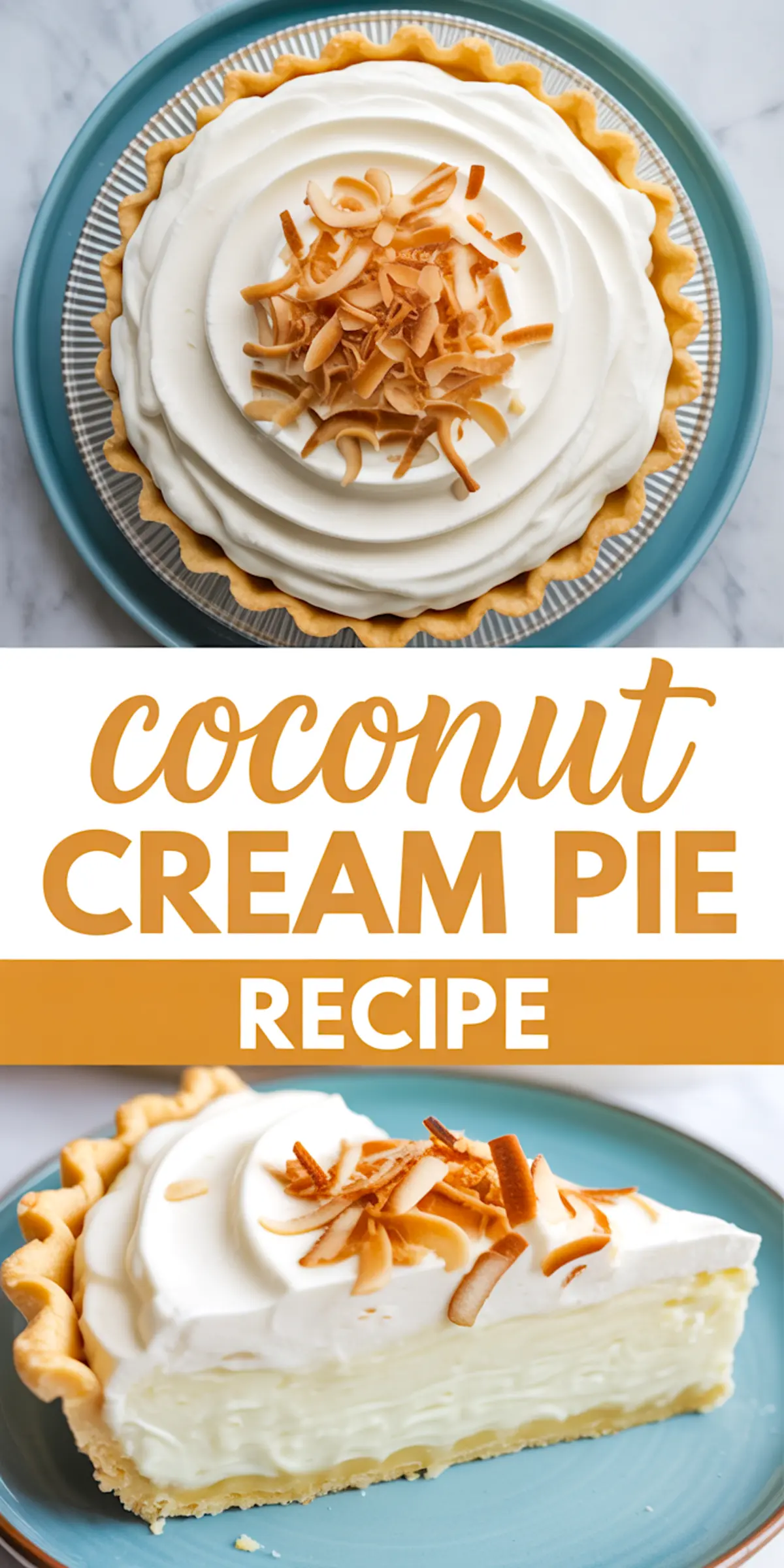
If this pie earns a spot in your recipe box, pin it so you can find it again next time you’re planning a gathering or craving something creamy and cool.
And I’d love to hear from you. Did you toast your coconut extra dark? Did you swap in a graham crust? Share your version in the comments—I always read them, and I learn just as much from your tweaks as from my own.
Let’s make this recipe a shared tradition.
Coconut Cream Pie
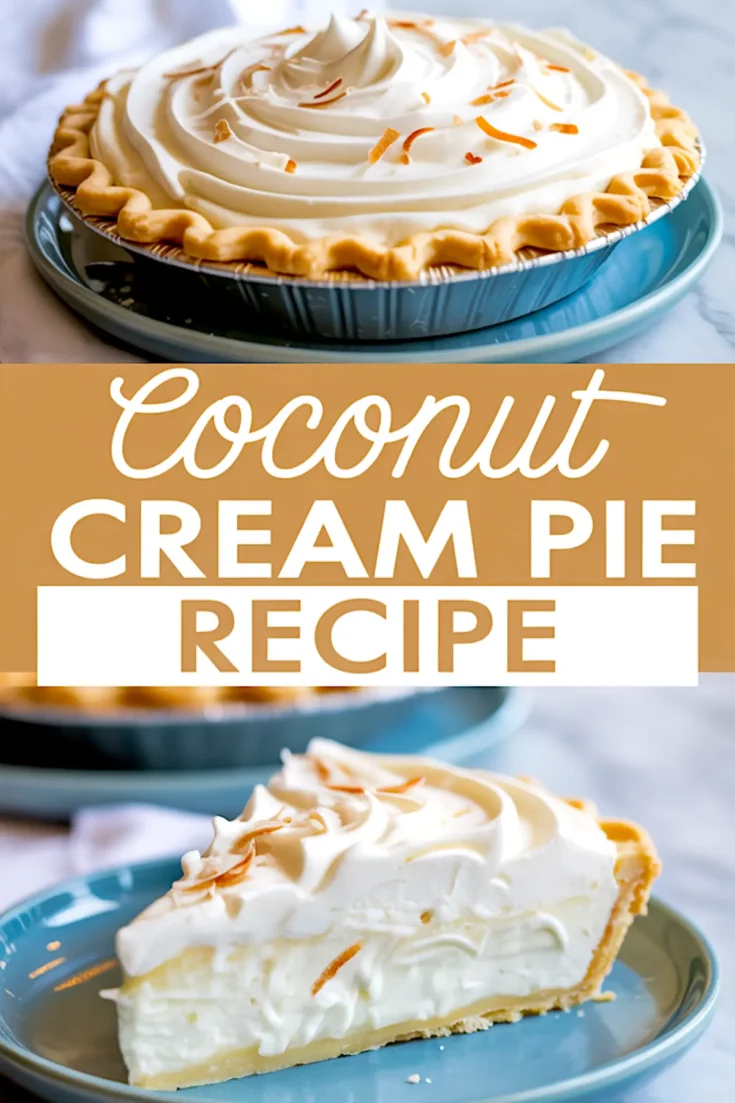
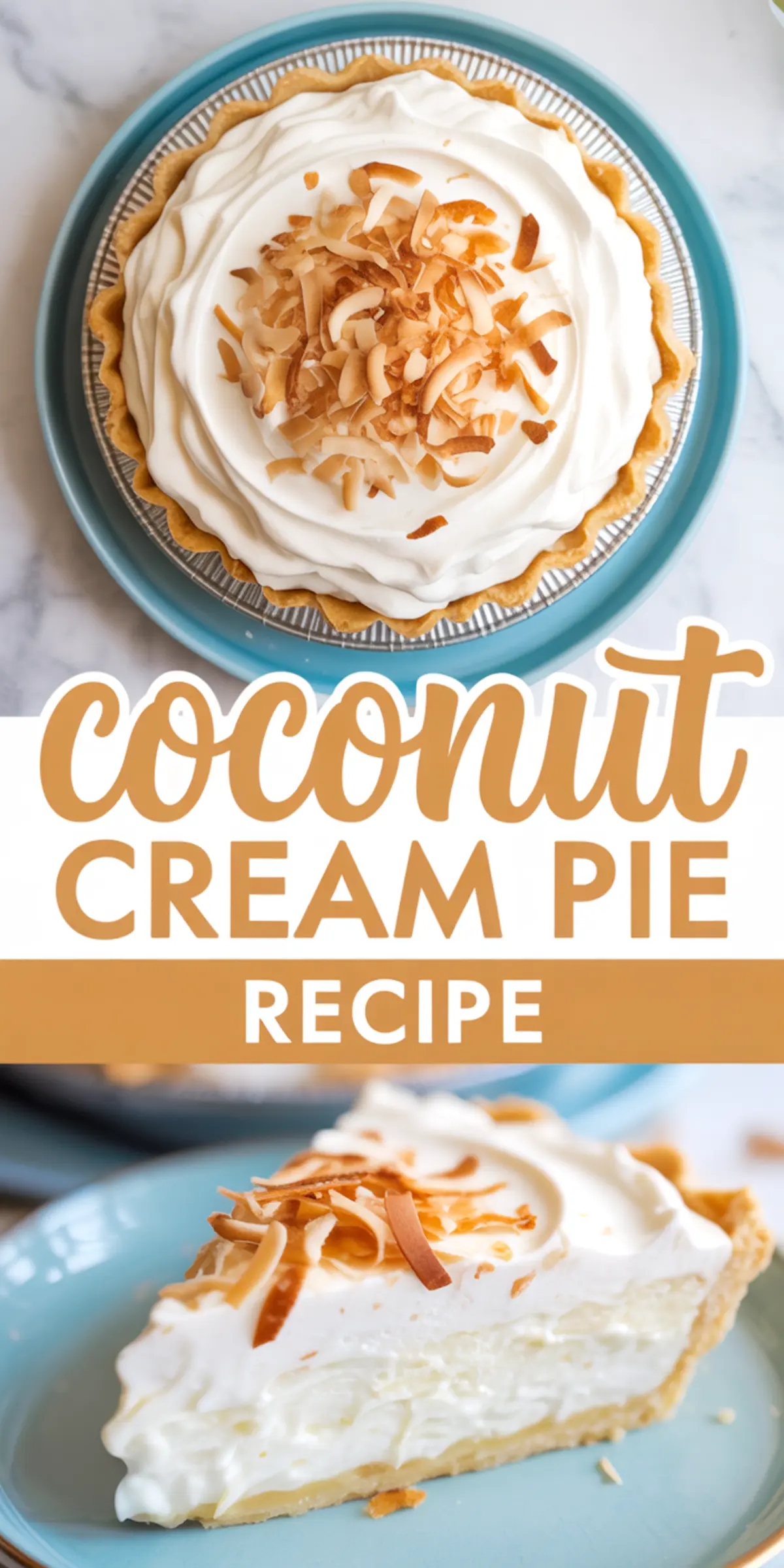
A classic coconut cream pie made with a flaky, buttery crust, smooth coconut custard filling, and freshly whipped cream. Toasted coconut flakes add a crisp finish to every bite. This pie is fully homemade for the best flavor and texture.
Ingredients
- FOR THE CRUST
- 1 ¼ cups all-purpose flour
- ½ teaspoon salt
- 1 tablespoon granulated sugar
- ½ cup cold unsalted butter, cubed
- 3–5 tablespoons ice water
- Alternatively, use a high-quality store-bought pie shell if preferred.
- FOR THE COCONUT CREAM FILLING
- 1 cup whole milk
- 1 cup canned coconut milk (unsweetened)
- ¾ cup granulated sugar
- ¼ cup cornstarch
- ¼ teaspoon salt
- 4 large egg yolks
- 2 tablespoons unsalted butter
- 1 teaspoon vanilla extract
- 1 cup sweetened shredded coconut
- FOR THE WHIPPED CREAM TOPPING
- 1 cup heavy whipping cream
- 2 tablespoons powdered sugar
- ½ teaspoon vanilla extract
- GARNISH
- ½ cup toasted coconut flakes (sweetened or unsweetened)
Instructions
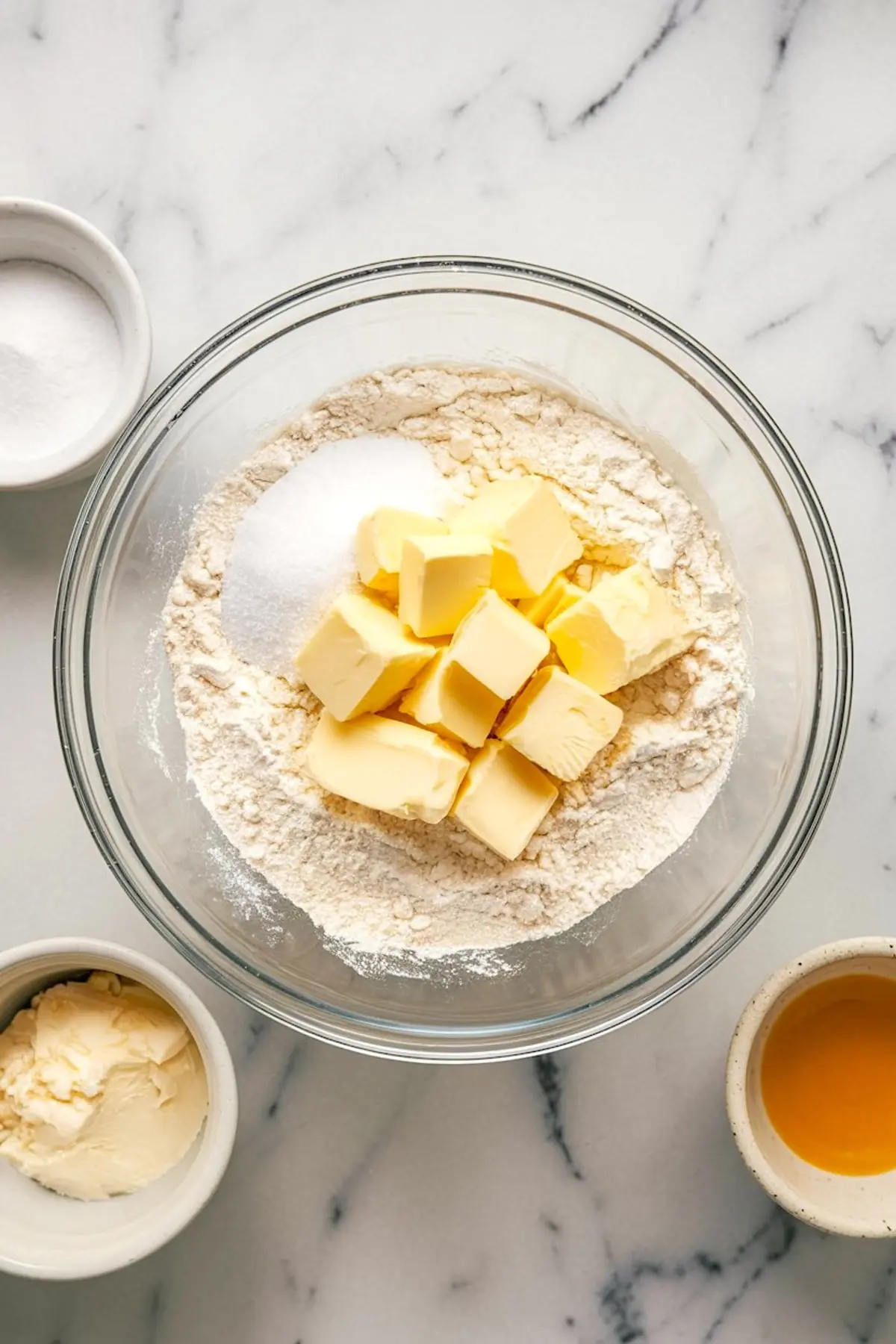
- MAKE THE PIE CRUST: In a medium bowl, combine flour, salt, and sugar. Add the cold, cubed butter and cut it into the dry ingredients using a pastry cutter or fork until the mixture resembles coarse crumbs. Gradually add ice water, 1 tablespoon at a time, mixing just until the dough holds together. Shape into a disk, wrap in plastic wrap, and chill for at least 1 hour.
- ROLL OUT AND BAKE THE CRUST: On a lightly floured surface, roll out the chilled dough and press it into a 9-inch pie plate. Trim and crimp the edges. Preheat oven to 375°F (190°C). Line the crust with parchment paper and fill with pie weights or dried beans. Bake for 15 minutes. Remove weights and parchment, then bake for another 10–15 minutes or until golden brown. Cool completely before filling.
- PREPARE THE COCONUT CREAM FILLING: In a medium saucepan, whisk together sugar, cornstarch, and salt. Add whole milk, coconut milk, and egg yolks. Whisk until smooth. Cook over medium heat, whisking constantly, until the mixture thickens and bubbles, about 7–10 minutes. Remove from heat and stir in butter, vanilla, and shredded coconut until fully incorporated. Pour the filling into the cooled crust, smoothing the top with a spatula. Press plastic wrap directly onto the surface to prevent a skin from forming. Chill for at least 4 hours or overnight.
- MAKE THE WHIPPED CREAM TOPPING: In a chilled mixing bowl, whip the heavy cream with powdered sugar and vanilla until stiff peaks form. Spread or pipe the whipped cream evenly over the chilled coconut filling.
- TOAST THE COCONUT GARNISH: In a dry skillet over medium heat, toast the coconut flakes, stirring constantly, until golden brown, about 3–5 minutes. Let cool completely before sprinkling over the whipped cream topping.
Notes
The pie crust can be made up to two days in advance and stored in the refrigerator. Toasted coconut can be prepared ahead and stored in an airtight container. Use full-fat canned coconut milk for best results in the filling.
Nutrition Information
Yield
12Serving Size
1Amount Per Serving Calories 440Total Fat 28gSaturated Fat 19gTrans Fat 0gUnsaturated Fat 8gCholesterol 128mgSodium 229mgCarbohydrates 42gFiber 2gSugar 23gProtein 6g
