

There’s something quietly confident about a classic custard pie. It doesn’t need decorations. It doesn’t need height, frosting, or flourish. The golden top and the pale, trembling center do all the talking. You know what you’re getting just by looking at it, a soft vanilla custard that tastes like memories.
This is the kind of dessert that whispers, not shouts. A butter pie that comforts without showing off. It’s the sort of thing you bring to Sunday lunch because your uncle still talks about your grandmother’s version, and you’re quietly trying to match it. Or maybe better it. You’ll learn how to make the best custard pie recipe in this article, using ingredients you already have. I’ll also share how I keep the crust crisp and the custard creamy, because both matter.
You’ll finish reading with full confidence to bake a pie that slices clean, tastes like home, and disappears fast.

Following a special diet?
Every recipe on this site can be converted to gluten-free, vegan, dairy-free, keto, nut-free or egg-free with adjusted ratios so nothing falls flat.
Try the Recipe Converter →Ingredients That Matter for Custard Texture and Flavor
This pie uses only what you probably already keep in your kitchen: eggs, sugar, milk, vanilla, salt, and a crust. I always use whole milk—not half-and-half, not cream. Whole milk gives the custard enough richness without tipping into heaviness.
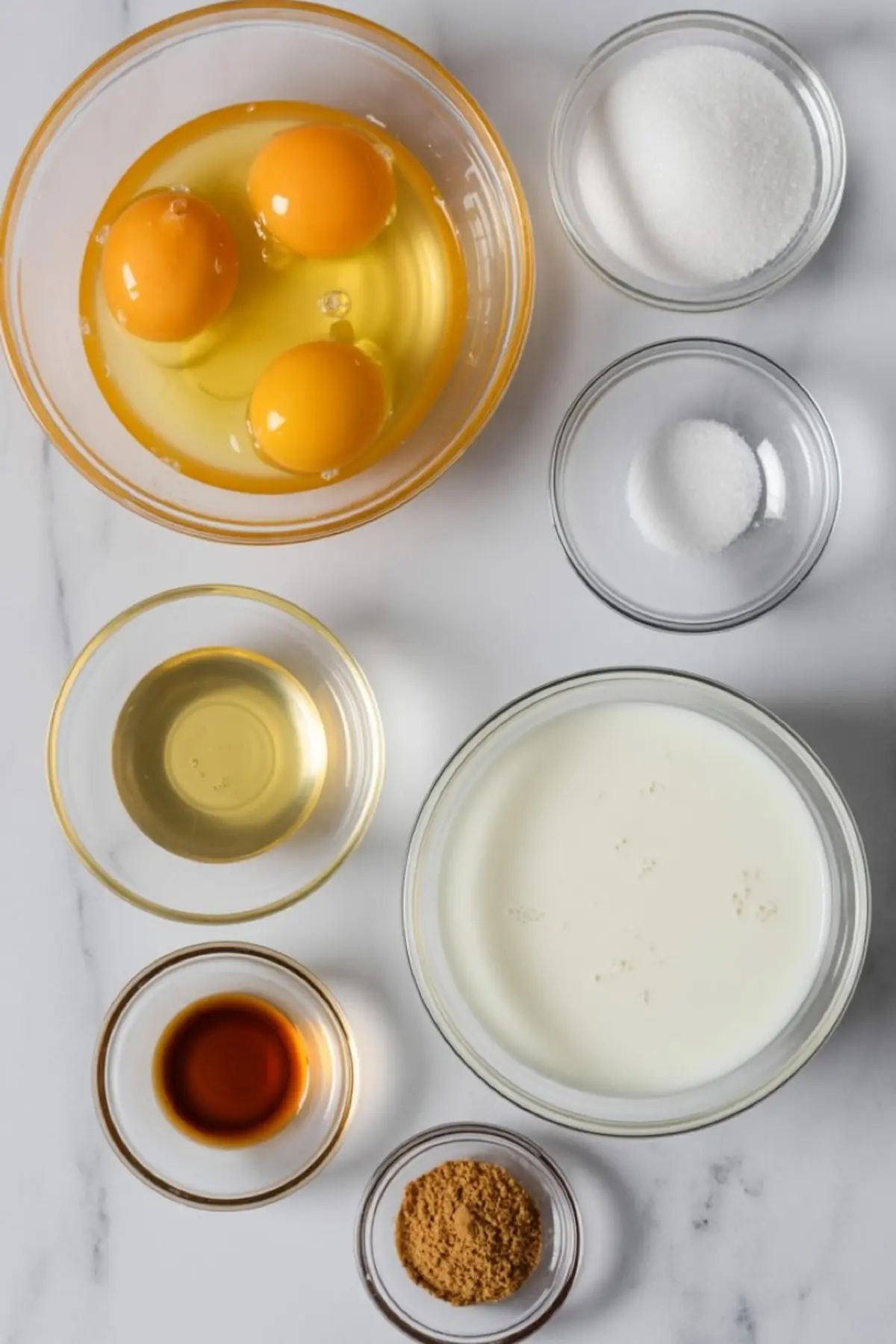
A small pinch of salt sharpens the sweetness just slightly, giving the custard depth. I use pure vanilla extract, and if you’re lucky enough to have a bean, scrape it in. But extract works beautifully. The nutmeg on top is more than decoration. It brings warmth, but use a light hand.
About the pie shell: I often make my own pie crust recipe, but if time is short, a good-quality store-bought deep-dish shell holds up well. Just don’t skip pre-pricking the base with a fork to avoid bubbles.
Custard Mixing Tips for Smooth Results
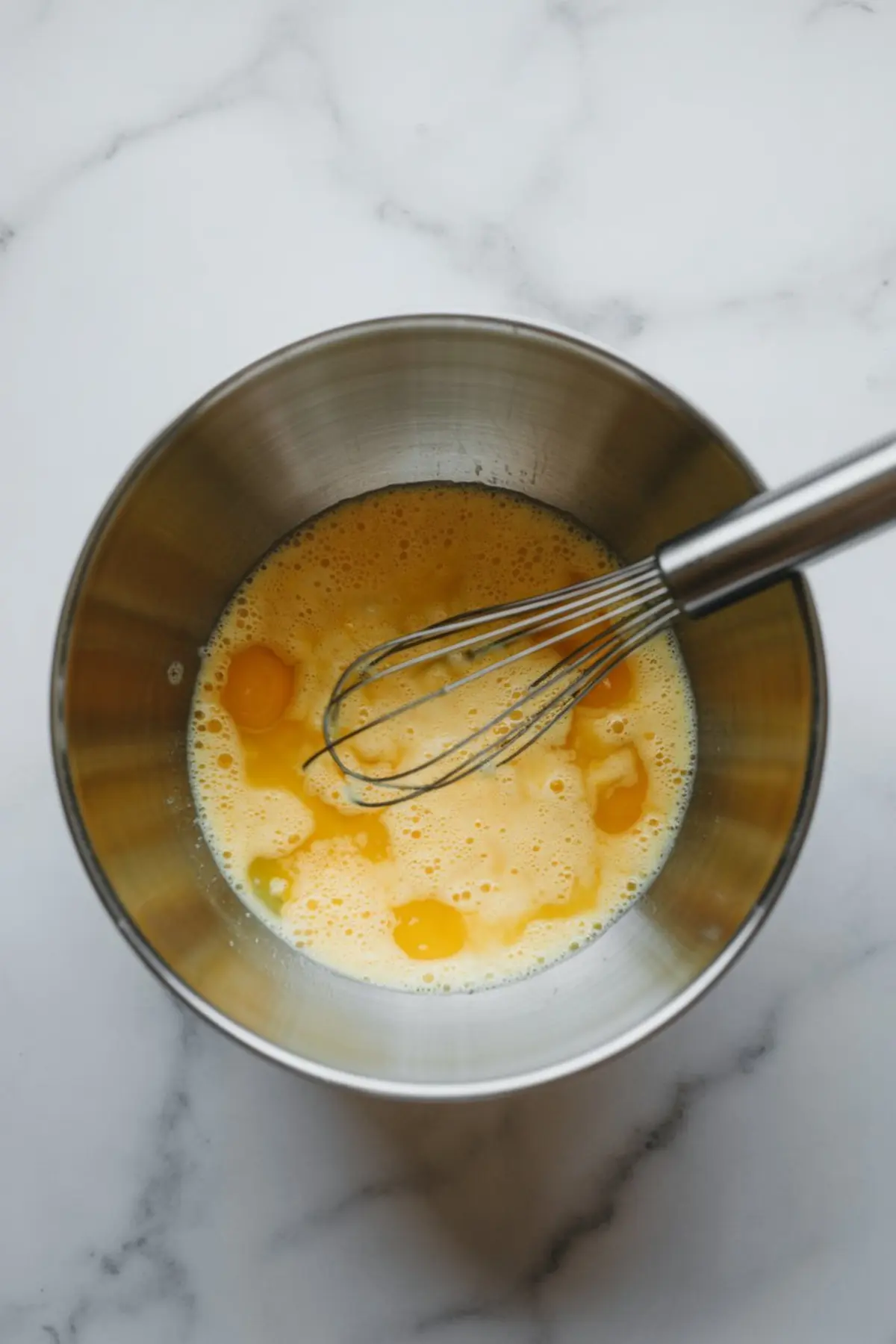
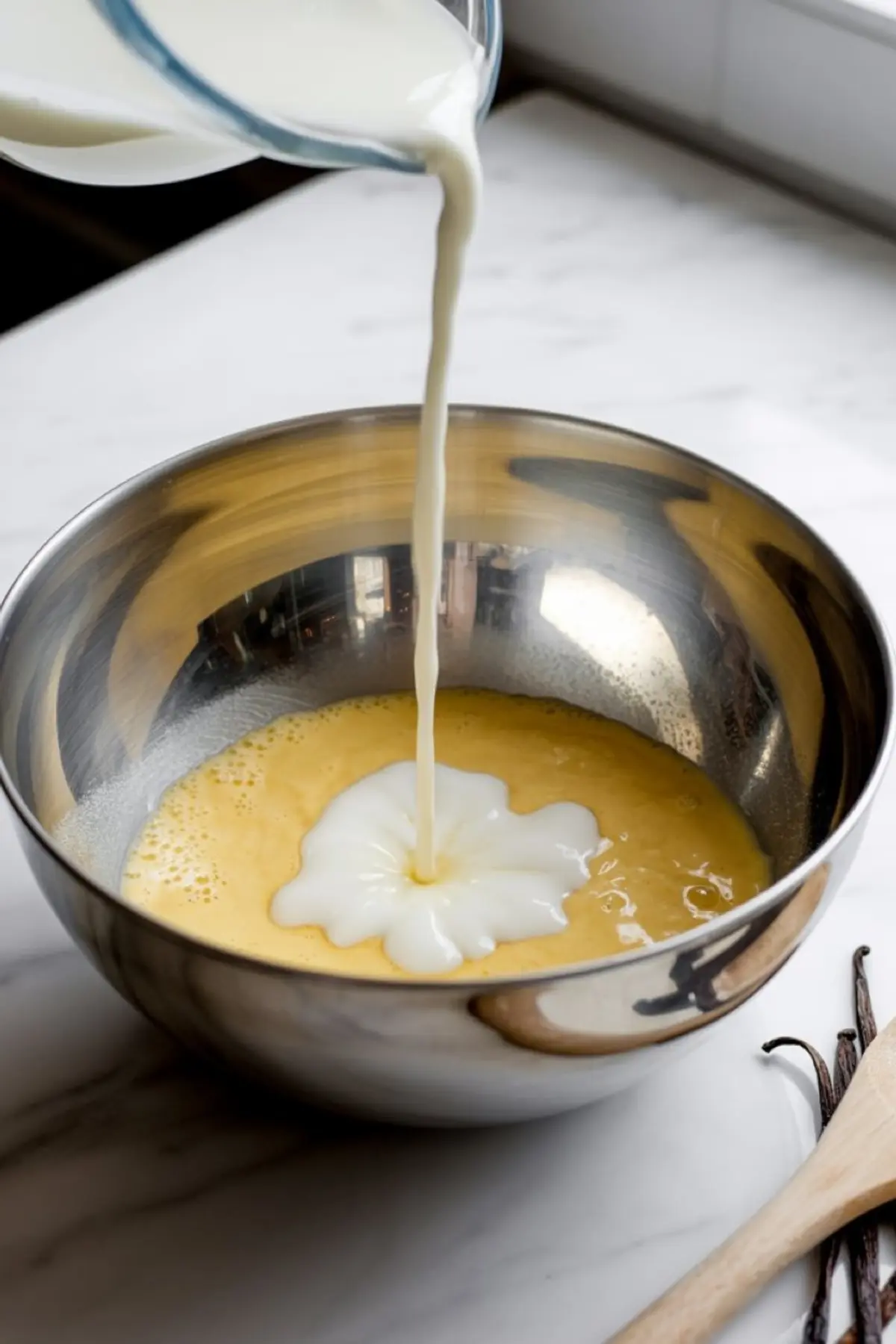
Whisking the eggs first is key. Don’t skip that step. Get them well-beaten before adding the sugar. It helps the custard stay silky. After adding sugar and salt, whisk again before slowly adding milk. Room temperature milk blends more easily. Cold milk can shock the eggs and cause curdling around the edges.
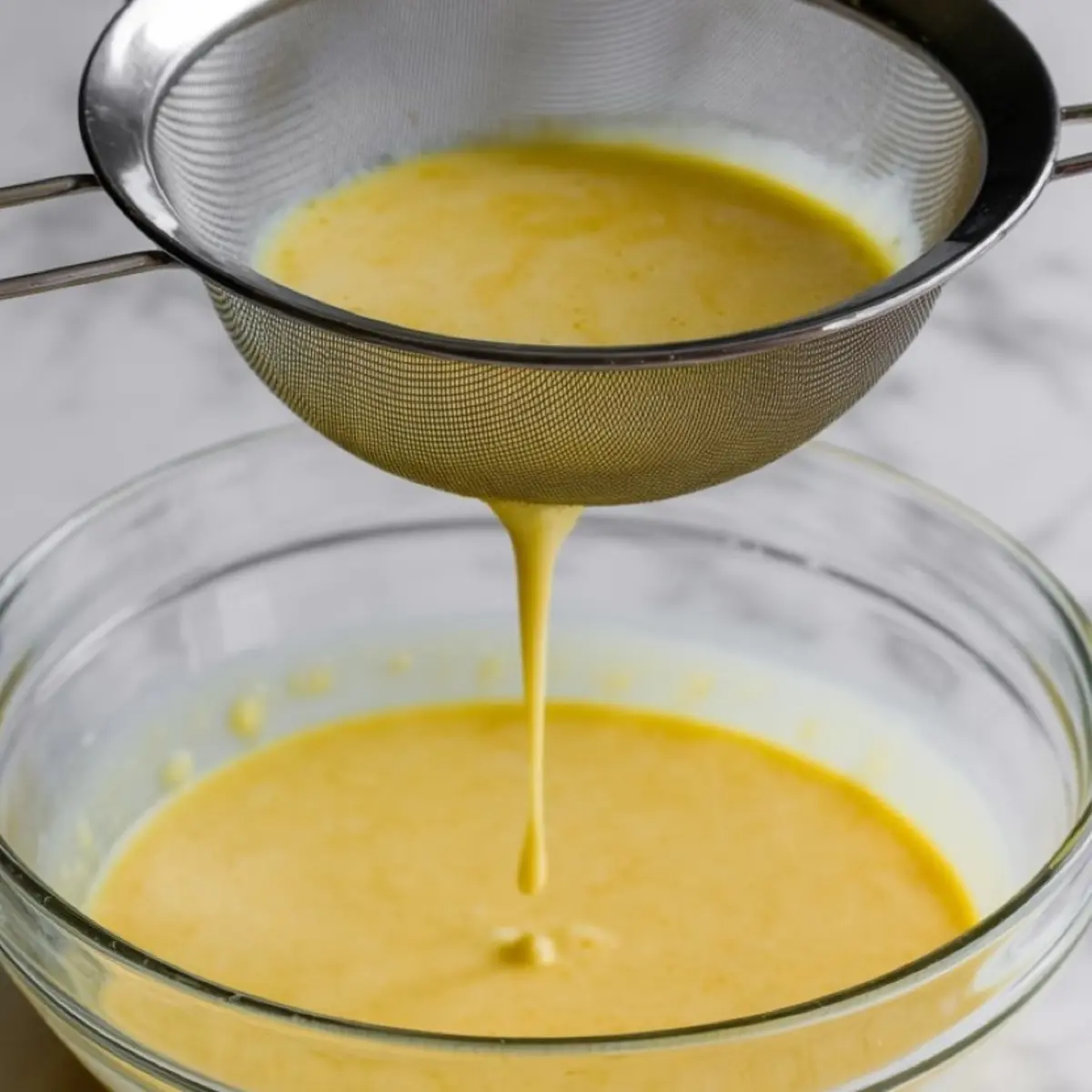
Once the vanilla goes in, I sometimes strain the custard through a sieve, especially if I’m making this for company. It’s optional, but I find it removes stray bubbles and any unmixed threads of egg white.
Here’s the one decision you’ll need to make: homemade crust or store-bought? I’ve tested both. Homemade crust gives you full control over flake and flavor. But a store crust can be useful for quick pies. Just choose a deep-dish version to handle the volume of this custard.
If you’d like a reference, see my apple pie recipe where I always use a buttery, homemade crust for best structure.
How to Bake and Cool for Clean Slices
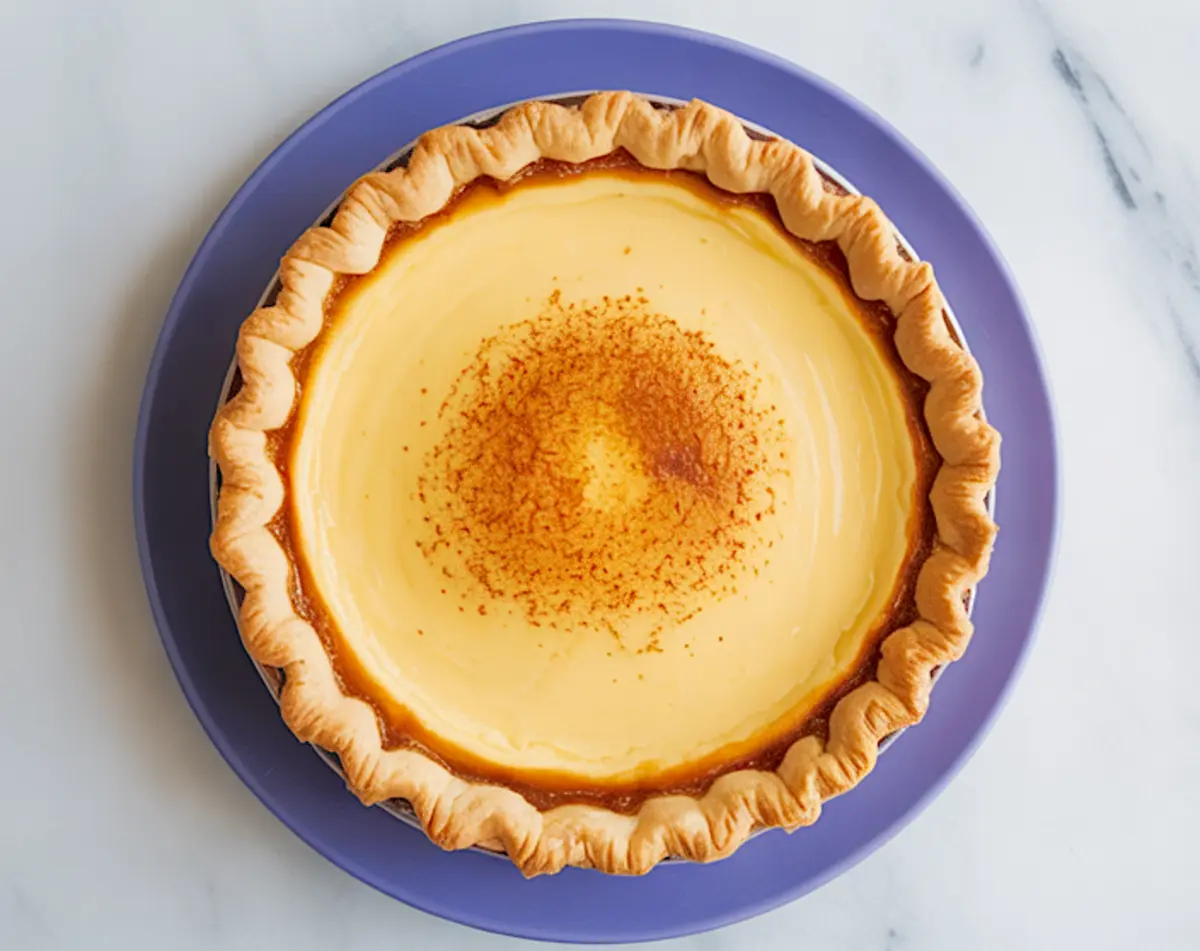
Bake the pie on a baking sheet to catch any spill, but more importantly, to stabilize the heat. Mid-rack, 350°F. The edges will firm up first, and the center will still jiggle a bit when it’s ready. Don’t wait for it to fully firm up in the oven. Overbaking leads to weeping and grainy texture.
Let the pie cool fully on a rack. Then refrigerate for two hours or more before slicing. I sometimes chill it overnight for the best set. Use a sharp knife, wipe between slices, and you’ll get those neat, clean wedges that sit tall on a plate.
This is the same approach I use in my egg custard pie recipe, and it makes a noticeable difference in presentation.
Serving Notes and Storage Advice for Custard Desserts
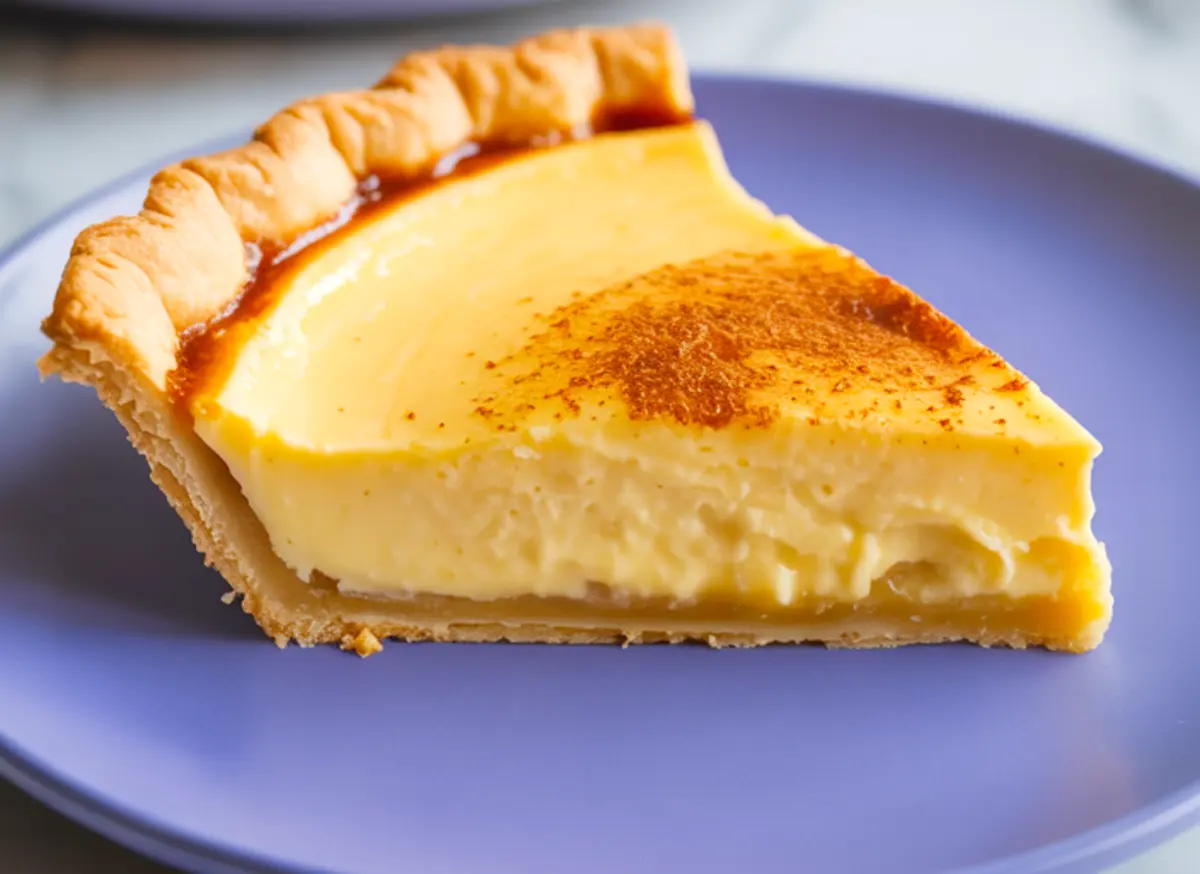
Serve this pie chilled or at cool room temperature. I prefer it cold, straight from the fridge, especially in summer. A little whipped cream on the side isn’t traditional, but it doesn’t hurt.
For storing, keep it covered in the fridge for up to three days. Don’t freeze. The custard will break. If you need to prep ahead, bake it the night before and keep chilled.
Want a more seasonal variation? Try a pumpkin pie recipe that uses similar techniques with deeper spice and density.
One Small Comparison That Makes a Big Difference
In my notes, I’ve compared using warm versus room temperature milk. Room temperature wins every time. Warm milk can overheat the eggs too fast during mixing, while cold milk keeps them too separate. Room temperature allows for gentle blending without clumps.
It’s a small detail, but the texture tells on you if you rush it. Custard doesn’t hide anything. It reveals your care.
Try This Butter Pie and Share Your Slice

This is a dessert pie that doesn’t chase trends. It settles into tradition and does it well. If you bake it, I’d love to know how it turned out. Did your edges stay soft? Did the center set just right? Share in the comments and help others get it right, too.
And if you’re saving ideas for your next weekend bake, go ahead and pin this for later to your favorite dessert board.
Classic Custard Pie Recipe

A creamy vanilla egg custard is baked in a flaky, buttery pie shell and topped with a light dusting of nutmeg. This simple yet satisfying dessert has a soft, silky texture and nostalgic flavor that makes it a long-standing favorite for home bakers. It uses basic pantry staples and requires minimal prep.
Ingredients
- FOR THE CUSTARD FILLING
- 3 large eggs
- ¾ cup granulated sugar
- ¼ teaspoon salt
- 2 ½ cups whole milk (room temperature)
- 1 ½ teaspoons pure vanilla extract
- Ground nutmeg (for topping)
- FOR THE CRUST
- 1 unbaked 9-inch deep dish pie shell (homemade or store-bought)
Instructions
- PREHEAT OVEN: Set the oven to 350°F (175°C) and position a rack in the center.
- PREPARE PIE SHELL: If using a frozen pie crust, let it thaw slightly. Prick the bottom gently with a fork and place the shell on a baking sheet to catch any overflow during baking.
- MIX THE CUSTARD: In a large bowl, whisk the eggs until fully beaten. Add the sugar and salt, then whisk again until smooth and combined.
- ADD MILK AND VANILLA: Slowly pour in the room temperature milk while whisking continuously to blend evenly. Stir in the vanilla extract.
- STRAIN THE MIXTURE (OPTIONAL): For a smoother custard, pour the mixture through a fine mesh sieve into a large measuring cup or clean bowl.
- POUR INTO PIE CRUST: Pour the custard carefully into the prepared pie shell. Do this while the shell is on the baking sheet to prevent spilling.
- ADD NUTMEG: Lightly sprinkle ground nutmeg evenly over the surface of the custard.
- BAKE: Transfer the pie to the oven and bake for 45 to 55 minutes. The edges should be set, and the center should still have a gentle jiggle.
- COOL: Remove the pie from the oven and place it on a wire rack to cool completely. Chill in the refrigerator for at least 2 hours before slicing for clean cuts and best texture.
Notes
Use whole milk for the creamiest texture. To prevent a soggy crust, avoid overfilling the pie shell. For clean slices, use a sharp knife and wipe between cuts. Store leftovers in the refrigerator for up to 3 days.
Nutrition Information
Yield
8Serving Size
1Amount Per Serving Calories 229Total Fat 7gSaturated Fat 3gTrans Fat 0gUnsaturated Fat 3gCholesterol 86mgSodium 172mgCarbohydrates 35gFiber 1gSugar 26gProtein 7g
