
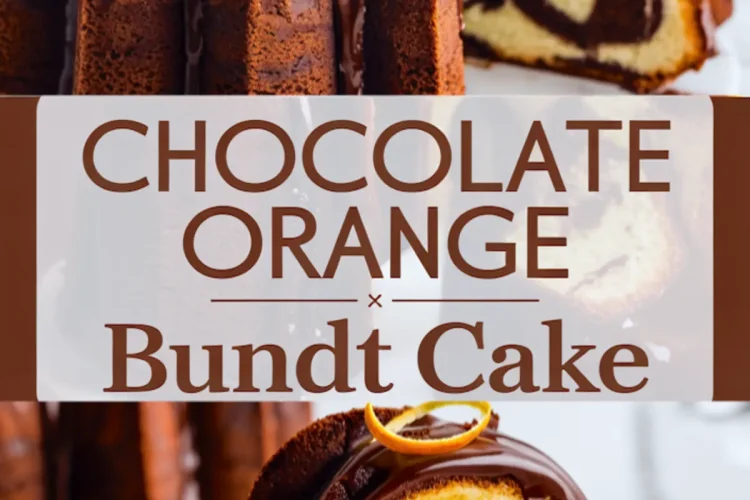
This Chocolate Orange Bundt Cake is rich, structured, and unexpectedly bright. The base has the density of a traditional chocolate pound cake, but the citrus cuts through with clarity. You’ll taste orange in the batter, in the air as it bakes, and again in the final ganache, balanced with bittersweet chocolate.
This recipe gives you more than a standard orange chocolate cake. It gives you control over texture, flavor strength, and presentation. You’ll learn how to achieve a true marbled crumb without blending the batters into one muted flavor. If you’re tired of bundt cakes that either taste like plain chocolate or barely hint at orange, this version won’t waste your time.
You’re working with ingredients you know, but with a new structure. This cake keeps its lift from a butter-sugar creaming method, holds its shape with balanced flour ratios, and gains moisture from sour cream. The result is a sturdy, moist orange bundt cake that slices clean and stays fresh for days.

Following a special diet?
Every recipe on this site can be converted to gluten-free, vegan, dairy-free, keto, nut-free or egg-free with adjusted ratios so nothing falls flat.
Try the Recipe Converter →Why Orange Stands Out Here
Orange and chocolate have long been paired in confections. But not all recipes get the ratio right. I’ve found that fresh orange juice alone doesn’t hold its weight once baked, so this recipe uses both juice and zest. The zest, finely grated and folded into the batter, builds the real flavor profile. It stays sharp, fragrant, and visible in the crumb.
The orange also lightens the cake’s density. Chocolate bundt cake tends to lean heavy, but orange brightens each bite, even with a rich ganache glaze. Compared to a standard chocolate pound cake like this one, this version feels fresher, more layered, and more festive.
Why Sour Cream is Better than Yogurt
I’ve used both in bundt cakes, and the outcome differs. Yogurt offers moisture, but sour cream provides stability and a finer crumb. It also helps the chocolate layer hold its own when marbled through the orange batter. My test notes showed that the yogurt version baked slightly uneven, while the sour cream loaf held height and sliced evenly.
So while yogurt works in many cases, for this particular orange chocolate cake recipe, sour cream gives the better result. It offsets the acidity of the orange juice and helps the cake stay tender without becoming soggy.
Creating a Strong Marbled Pattern

Marbling can look impressive or messy. It depends on restraint. This batter splits evenly into two parts, then gets flavored separately. The chocolate side gets depth from cocoa and just a touch of milk to balance the consistency. Don’t rush the swirling. Use a butter knife, drag once in a slow S-shape, and stop. Too many passes will blend the colors instead of marbling them.
That small control makes the difference between a cake that looks bakery-ready and one that just looks brown.
Ganache, with One Important Adjustment
The ganache uses a base of warm cream poured over chopped chocolate. I add a tablespoon of butter at the end—not for richness, but for shine. It helps the glaze flow without crusting over. Let it sit for a minute or two before you pour, so it clings instead of running off.
I’ve tried thinner versions, but they soak into the cake too quickly. This version holds. It coats. It finishes the dessert like a proper glaze should. If you like a more intense ganache layer, double the amount and let it cool slightly more before pouring.
You can compare this finish to the thinner glaze I use in my Lemon Pound Cake, which needs to soak in. Here, the ganache needs to stay on the surface, glossy and set.
Serving and Slicing Notes from My Kitchen
This cake slices best after it’s cooled and chilled slightly. If you’re serving for a party, refrigerate it for 20 minutes before cutting. The ganache won’t smear, and you’ll get clean wedges that show the swirl pattern.
I usually serve it on a simple white platter with fresh orange curls along the edge. For a holiday table, candied orange peel looks beautiful and adds a small burst of citrus right at the end of the bite.
As for leftovers, this orange chocolate bundt cake holds up for three days at room temperature in an airtight container. If you’re baking in advance, wrap it tightly in cling film and chill. Warm slices briefly before serving to revive the crumb and aroma.
Related Recipes You’ll Want to Try
If you’re a fan of flavor combinations like this, you might enjoy my Chocolate Orange Balls as a bite-sized variation on the theme.
Save for Later, Share if You Bake

Pin this recipe so it’s ready for your next baking day or when a holiday table needs something with structure and shine. If you make it, I’d love to hear how it turned out. Did you lean heavier on the orange or chocolate side? Share your version in the comments. This space is for all of us who bake thoughtfully and tweak along the way.
Chocolate Orange Bundt Cake

This Chocolate Orange Bundt Cake blends deep cocoa flavor with zesty orange in the most delicious way. If you’re a fan of orange chocolate cake or need an elegant dessert for the holidays or a dinner party, this moist and rich orange bundt cake hits all the right notes. With hints of citrus throughout and a smooth chocolate glaze, it’s a standout among bundt cakes recipes. Perfect for gifting, sharing, or indulging, this easy-to-slice chocolate orange bundt cake recipe is ideal for anyone craving a bakery-worthy treat. Save this for your next baking day if you love chocolate pound cake, chocolate orange marble bundt cake, or beautiful orange chocolate bundt cakes.
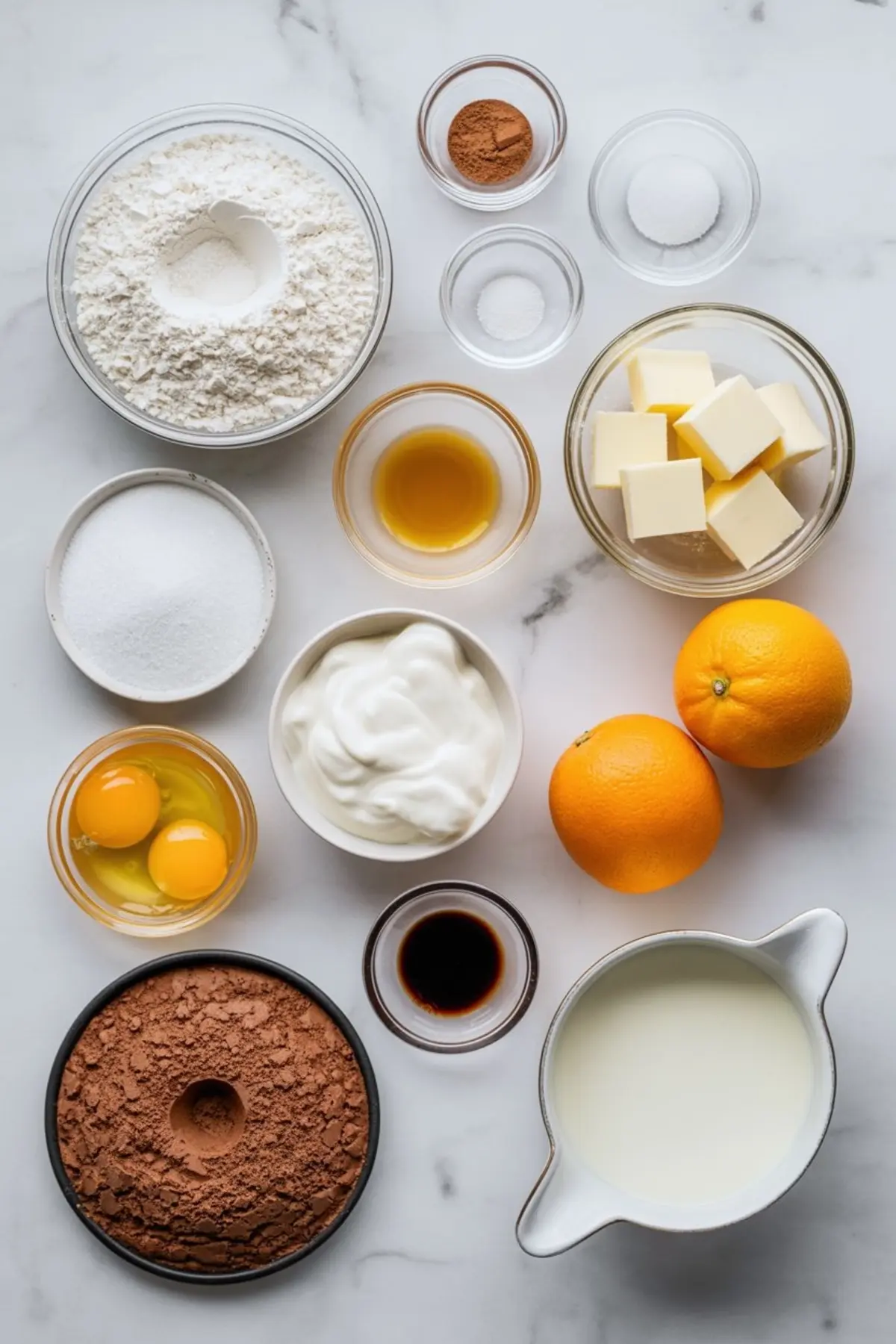
Ingredients
- FOR THE CAKE
- 2 ½ cups (315g) all-purpose flour
- 2 tsp baking powder
- ½ tsp baking soda
- ½ tsp salt
- 1 cup (226g) unsalted butter, room temperature
- 1 ¾ cups (350g) granulated sugar
- 4 large eggs, room temperature
- 1 tbsp orange zest (from about 2 large oranges)
- ½ cup (120ml) fresh orange juice
- 1 tsp vanilla extract
- ¾ cup (180ml) sour cream
- ⅓ cup (30g) unsweetened cocoa powder
- 2 tbsp milk
- FOR THE CHOCOLATE GANACHE
- ½ cup (120ml) heavy cream
- ¾ cup (130g) semi-sweet chocolate chips or chopped chocolate
- 1 tbsp unsalted butter (for extra shine)
Instructions
- PREHEAT AND PREP: Preheat the oven to 350°F (175°C). Grease a 10–12 cup bundt pan thoroughly with butter and dust lightly with flour, making sure to cover every crevice to prevent sticking.
- MIX DRY INGREDIENTS: In a medium bowl, whisk together the flour, baking powder, baking soda, and salt. Set aside.
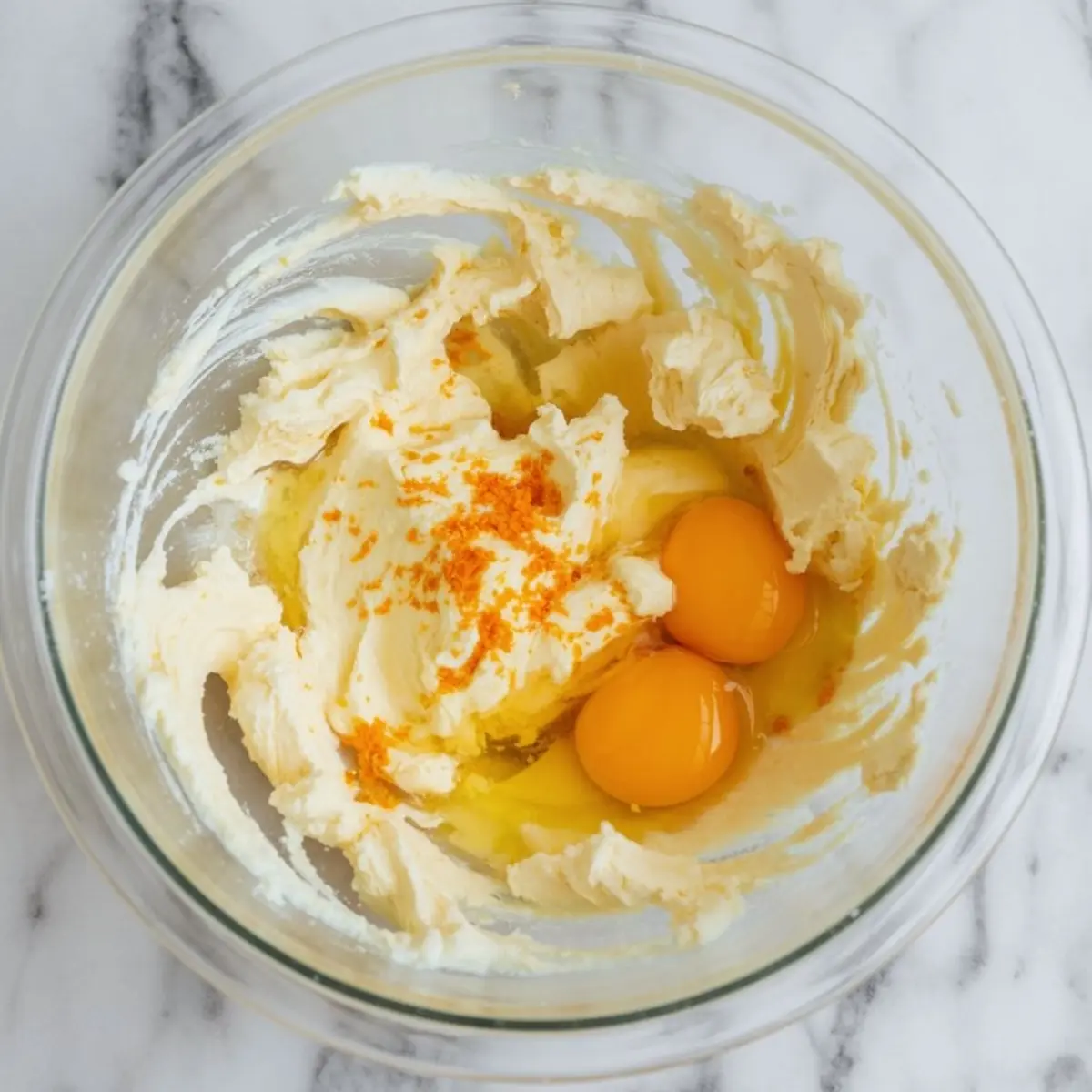
- CREAM BUTTER AND SUGAR: In a large mixing bowl, beat the butter and sugar together on medium speed for 3 to 4 minutes, or until light and fluffy.
- ADD EGGS AND FLAVORINGS: Add the eggs one at a time, beating well after each addition. Stir in the orange zest, orange juice, and vanilla extract until fully combined.
- ADD FLOUR AND SOUR CREAM: Add the dry ingredients in three parts, alternating with the sour cream. Begin and end with the dry mixture. Mix until just combined, being careful not to overbeat.
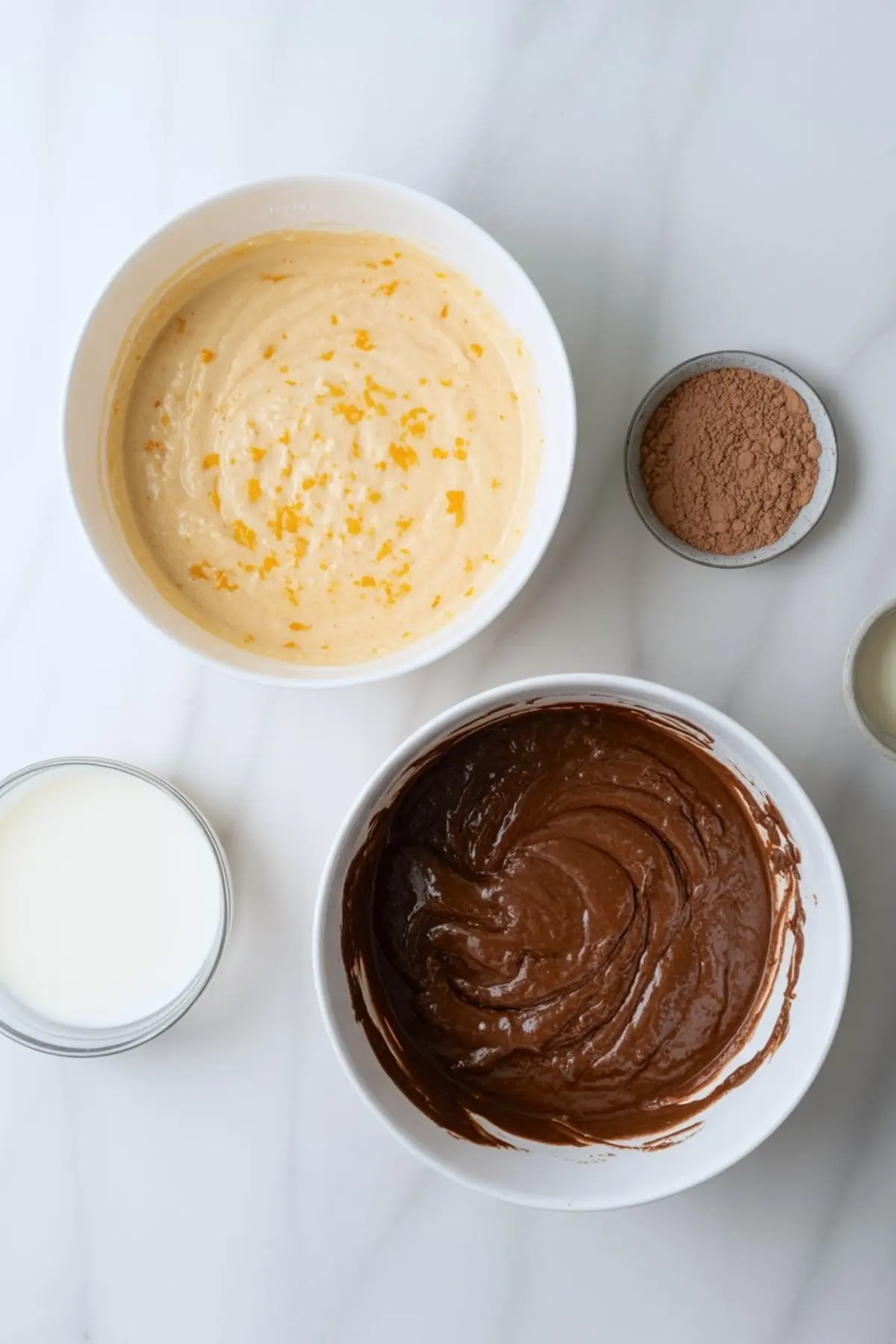
- DIVIDE AND FLAVOR BATTER: Transfer half of the batter to a separate bowl. Stir the cocoa powder and milk into one portion until evenly blended to create the chocolate layer.
- MARBLE THE BATTER: Spoon alternating scoops of the orange and chocolate batters into the prepared bundt pan. Use a butter knife to gently swirl the two batters together for a marbled effect without overmixing.
- BAKE THE CAKE: Bake for 50 to 60 minutes, or until a skewer inserted into the deepest part of the cake comes out clean. Let the cake cool in the pan for 15 minutes before inverting onto a wire rack to cool completely.
- MAKE THE GANACHE: While the cake cools, heat the cream in a small saucepan until steaming but not boiling. Pour it over the chocolate in a bowl and let sit for 2 minutes. Stir until smooth, then add the butter and stir again until glossy.
- GLAZE THE CAKE: Drizzle the ganache over the cooled cake, allowing it to drip naturally down the sides. Garnish with orange zest curls or candied orange peel if desired.
Notes
Store at room temperature in an airtight container for up to 3 days. For cleaner slices, chill the cake slightly before serving.
Nutrition Information
Yield
12Serving Size
1Amount Per Serving Calories 535Total Fat 29gSaturated Fat 17gTrans Fat 0gUnsaturated Fat 10gCholesterol 130mgSodium 283mgCarbohydrates 64gFiber 2gSugar 40gProtein 7g

Hi ..made this today. It taste delicious, however it’s kind of grainy. Almost has a crunch on the outside. I’m guessing it has to do with the butter and sugar?
Suzanne, graininess usually points to one of two things, and your guess is close 😊
A slight crunch on the outside often comes from sugar crystals that never fully blended with the butter. I’ve run into this when the butter was a bit too cold. The mixture looks creamy, yet tiny crystals stay intact and create that texture after baking. Fully softened butter tends to fix it. I press a finger into the stick. A deep mark means it’s ready.
Another possibility comes from zest. Larger shreds can create a faint chew or crunch on the surface. A microplane gives a finer texture that blends into the batter easily.
Your flavor turned out great, which means the base recipe worked. Adjusting the butter softness and giving the creaming step an extra minute usually smooths the texture for the next round.