
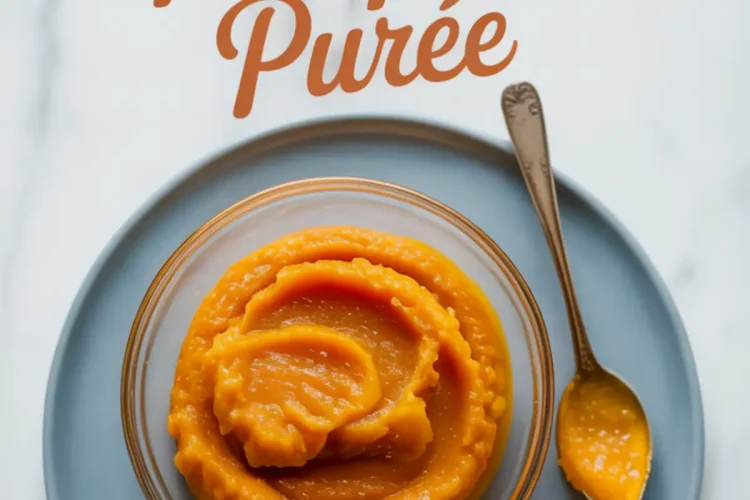
To make pumpkin puree, cut a sugar pumpkin in half, scoop out the seeds, and roast the halves cut side down at 375°F (190°C) for 40 to 50 minutes. Scoop out the soft flesh and blend it until smooth. One medium pie pumpkin gives about 2 cups, a little more than a 15 ounce can.
The only part that needs judgment is thickness. Homemade pumpkin puree is often wetter than canned, so check it with a spoon before it goes into a pie, and drain it if it spreads.
Following a special diet?
Every recipe on this site can be converted to gluten-free, vegan, dairy-free, keto, nut-free or egg-free with adjusted ratios so nothing falls flat.
Try the Recipe Converter →Pumpkin Puree in Numbers
- Oven: 375°F (190°C), 40 to 50 minutes, cut side down
- Total time: about 55 minutes, 10 of them hands-on
- Yield: about 2 cups from 1 medium sugar pumpkin
- Swap for canned: 1¾ cups replaces one 15 ounce can
- Keeps: up to 1 week in the fridge, up to 3 months in the freezer
Which Pumpkins Work Best
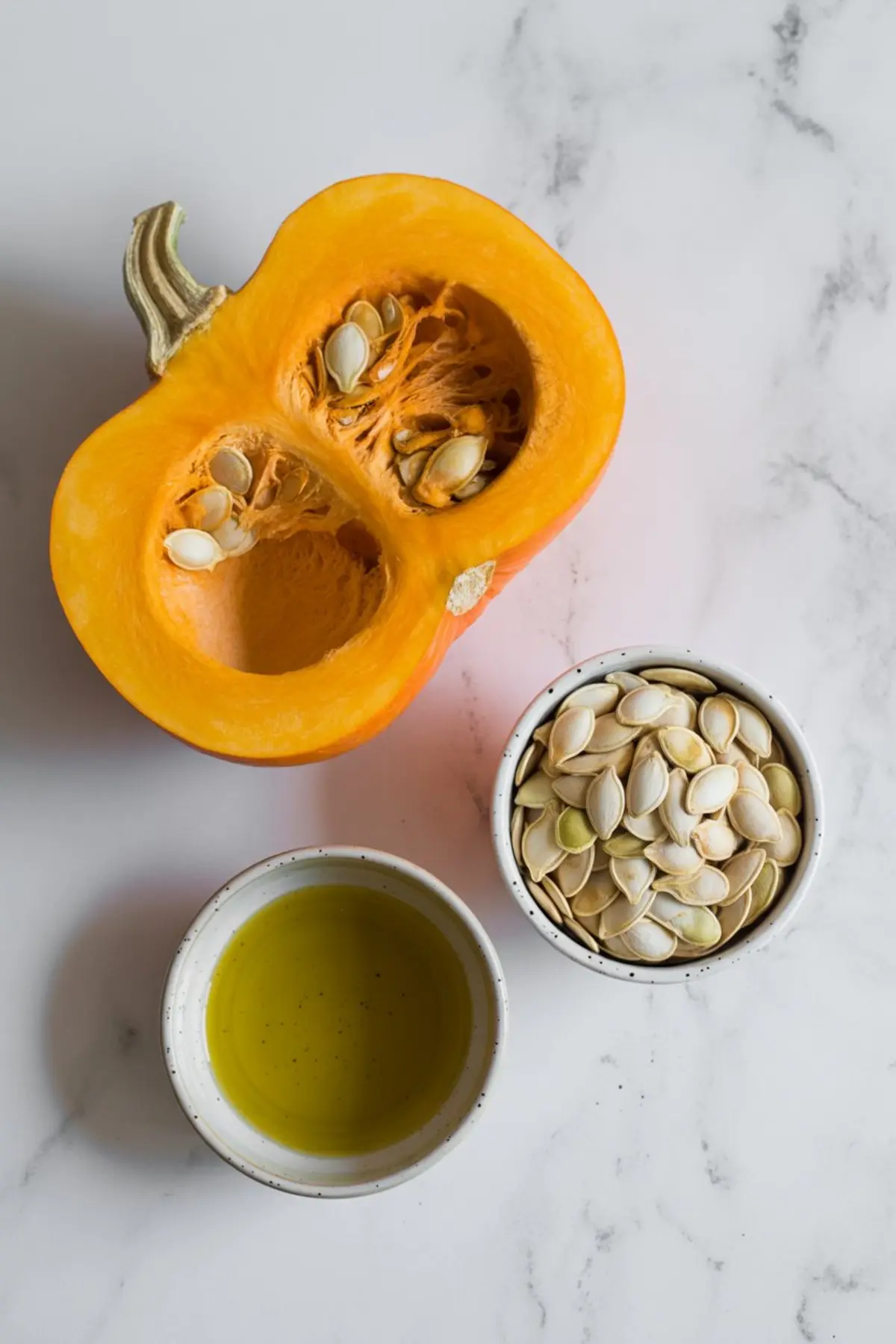
Buy a sugar pumpkin, also sold as a pie pumpkin. It is small and heavy for its size, with firm, fine-grained flesh that blends smooth and holds less water than a big carving pumpkin. I have tried making puree from larger field pumpkins, and it came out thin and watery however long I strained it.
Carving pumpkins are edible, just stringy and bland. If you want puree for baking, leave the jack-o-lantern for the porch. Butternut squash makes a very good stand-in: it is sweet, dense and smooth, and you roast it the same way.
Cutting and Roasting a Sugar Pumpkin
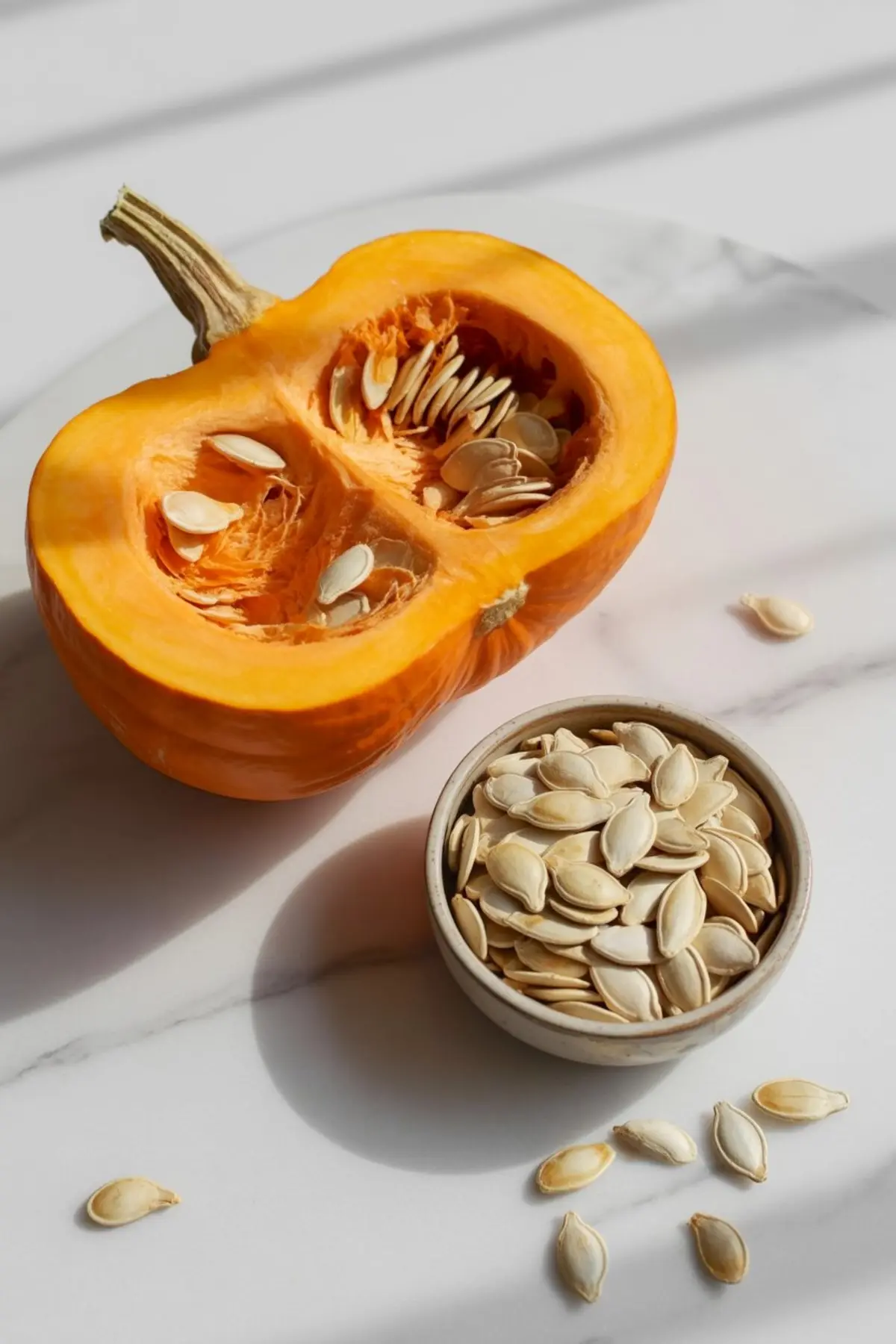
Wash and dry the pumpkin, then cut off the stem so the knife has a flat place to start. Set the pumpkin on a damp kitchen towel so it cannot roll, and halve it from top to bottom with a heavy, sharp knife. If the skin is too hard to get through, microwave the whole pumpkin for 2 to 3 minutes to soften it.
Scrape out the seeds and the stringy pulp with a metal spoon. Those guts are too fibrous for puree, but you can rinse the seeds and roast them later.
Lay the halves cut side down on a parchment-lined baking sheet. A drizzle of olive oil is optional; I usually skip it so the puree stays neutral for sweet recipes. Roasting cut side down traps the steam, so the flesh cooks in its own moisture. Roast for 40 to 50 minutes, until a fork slides into the thickest part with no resistance and the skin looks wrinkled and starts to sag. Let the halves cool for about 10 minutes before you handle them.
Blending and Checking the Thickness
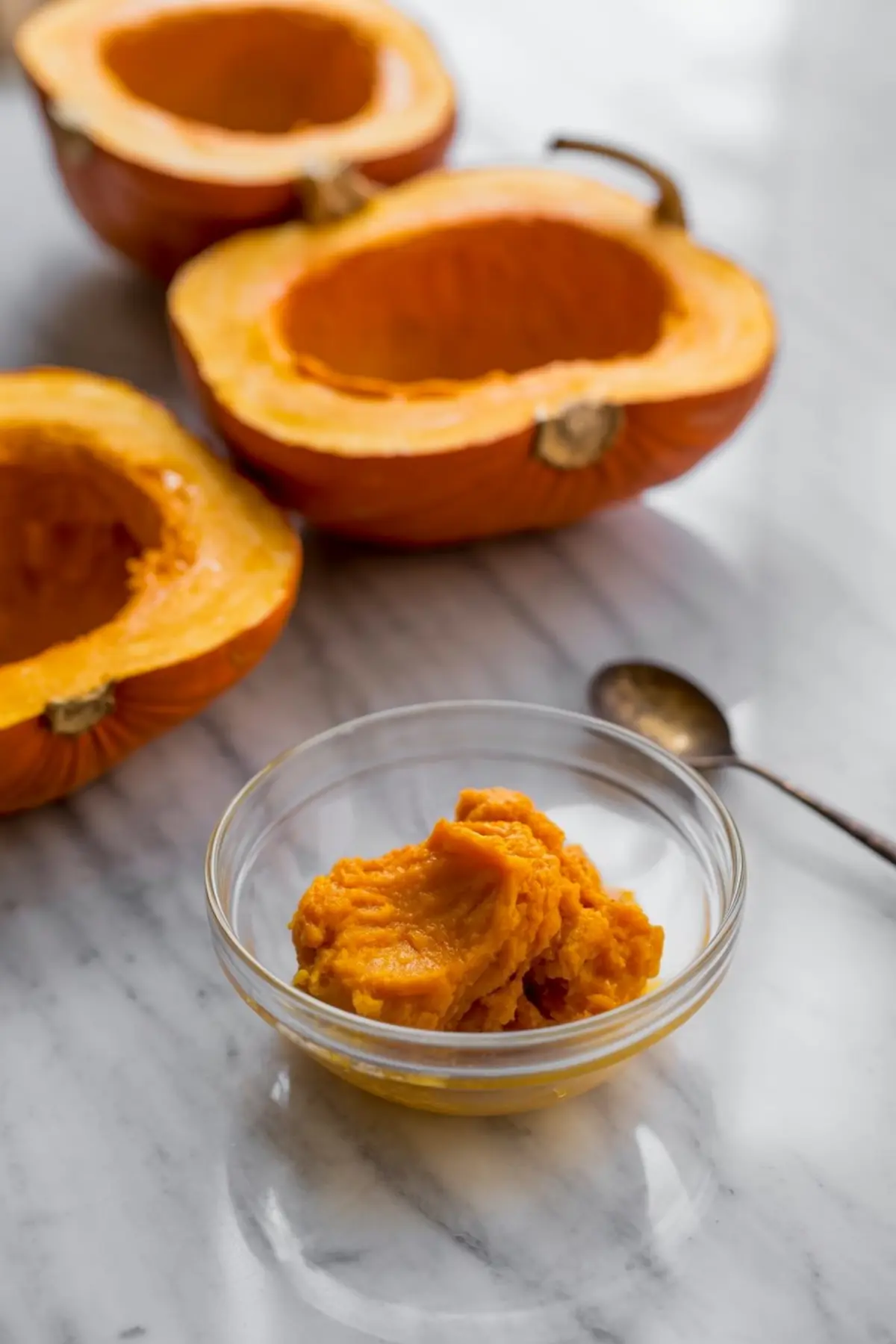
Scoop the flesh away from the skin with a spoon and blend it in a food processor or blender until completely smooth. I use the blender because it is quicker. If the blades stall, add 1 to 2 tablespoons of water, and no more than that.
Then do the spoon test. Puree ready for pie or cheesecake holds a soft mound on a spoon, like canned pumpkin. If it slumps into a puddle, it has extra water that will make a pie weep or a cake gummy. Fix it one of two ways:
- Drain it: spoon it into a fine mesh sieve lined with cheesecloth, set over a bowl, and leave it in the fridge for 1 to 2 hours.
- Cook it down: stir it in a wide pan over low heat for a few minutes until it thickens and stops looking wet.
Straining through a fine sieve also catches any last strings, which matters most in smooth bakes like cheesecake.
Roasting or Steaming?
I have steamed pumpkin, and it works, but the flavor is flatter. Roasting concentrates the natural sugars and adds a light caramel note. Steamed pumpkin also holds more water, so it needs longer draining before it is thick enough to bake with. For soup, either method is fine. For pie, bread and muffins, roast it.
Using It in Place of Canned Pumpkin
Measure 1¾ cups of thick homemade puree for every 15 ounce can a recipe asks for. Canned pumpkin is very consistent, so the drained, mounding texture matters more than the exact amount. Once it passes the spoon test, use it in pumpkin pie, pumpkin bread, pumpkin muffins or pumpkin blondies.
For leftovers, I keep a short list on my fridge: a spoonful in oatmeal, in pancake batter, or stirred into Greek yogurt with maple syrup. It also goes into pumpkin butter, pumpkin jam, a no bake pumpkin mousse or pumpkin cheesecake, and blended with broth and warm spices it makes a quick soup.
Storing and Freezing Homemade Puree
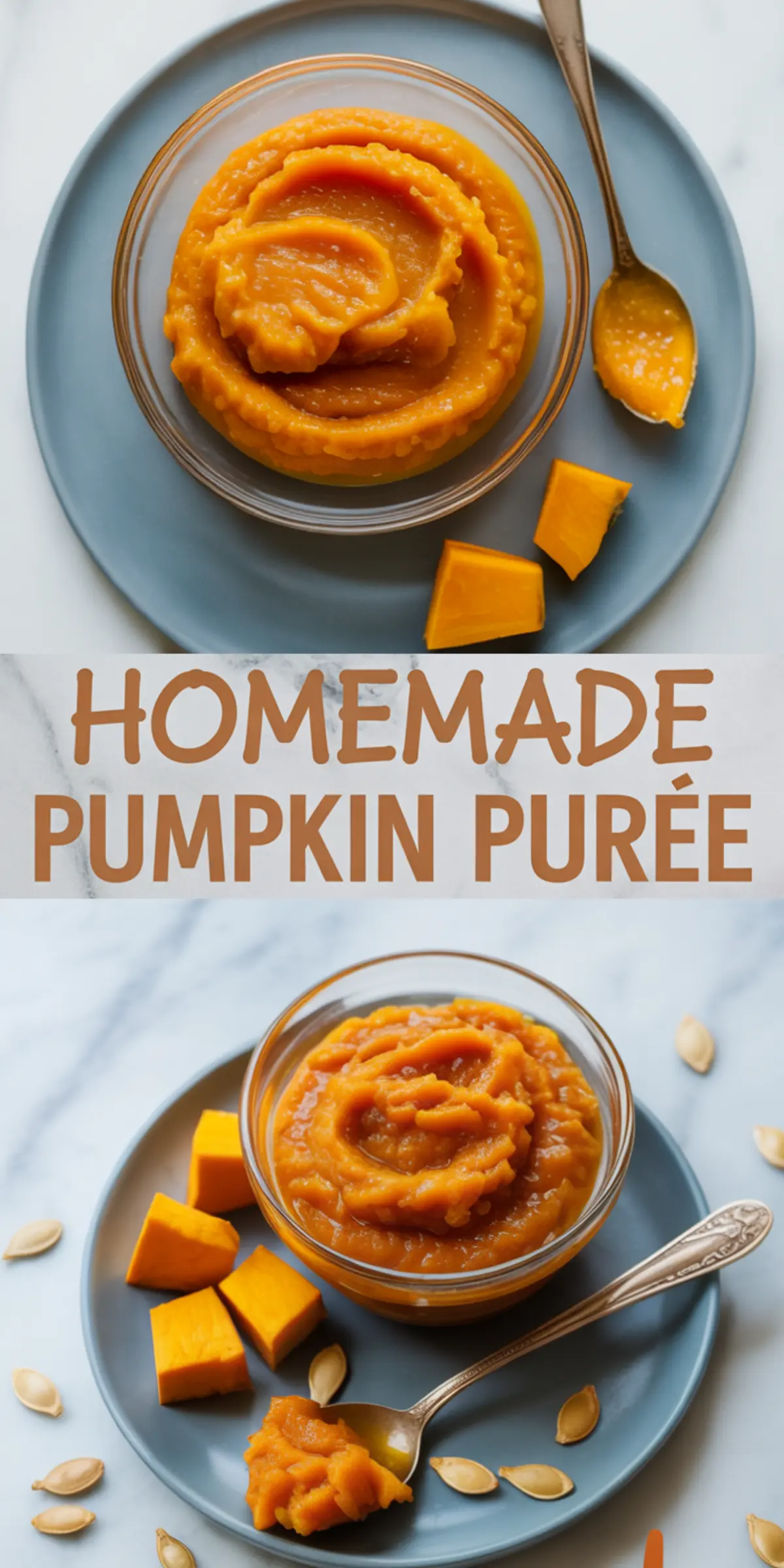
Keep the puree in a sealed jar or container in the fridge for up to 1 week. To freeze, portion it into zip bags or silicone molds, press out the air, and label each one with the date. I freeze mine in 1 cup portions; bags of 1¾ cups match one can exactly. Use it within 3 months. Thaw overnight in the fridge and stir well, because a little water separates out.
Do not home can pumpkin puree. It is too thick for heat to reach the center reliably, so tested canning guidelines do not include it. The fridge and freezer are the safe options.
Quick Answers on Fresh Pumpkin
Can you make pumpkin puree from any pumpkin?
Any pumpkin is edible, but small sugar or pie pumpkins give the smoothest, least watery puree. Large carving pumpkins turn out stringy and thin.
Is homemade pumpkin puree the same as canned?
It tastes fresher and is usually wetter. Drain it until it holds a mound on a spoon, and it works cup for cup in recipes written for canned pumpkin.
Do I need to peel the pumpkin first?
No. Roast it in the skin, then scoop the soft flesh out. Peeling a raw pumpkin is harder and gives you nothing extra.
Save this to your fall baking board on Pinterest, and tell me in the comments what you baked with your first batch.
Pumpkin Purée Recipe
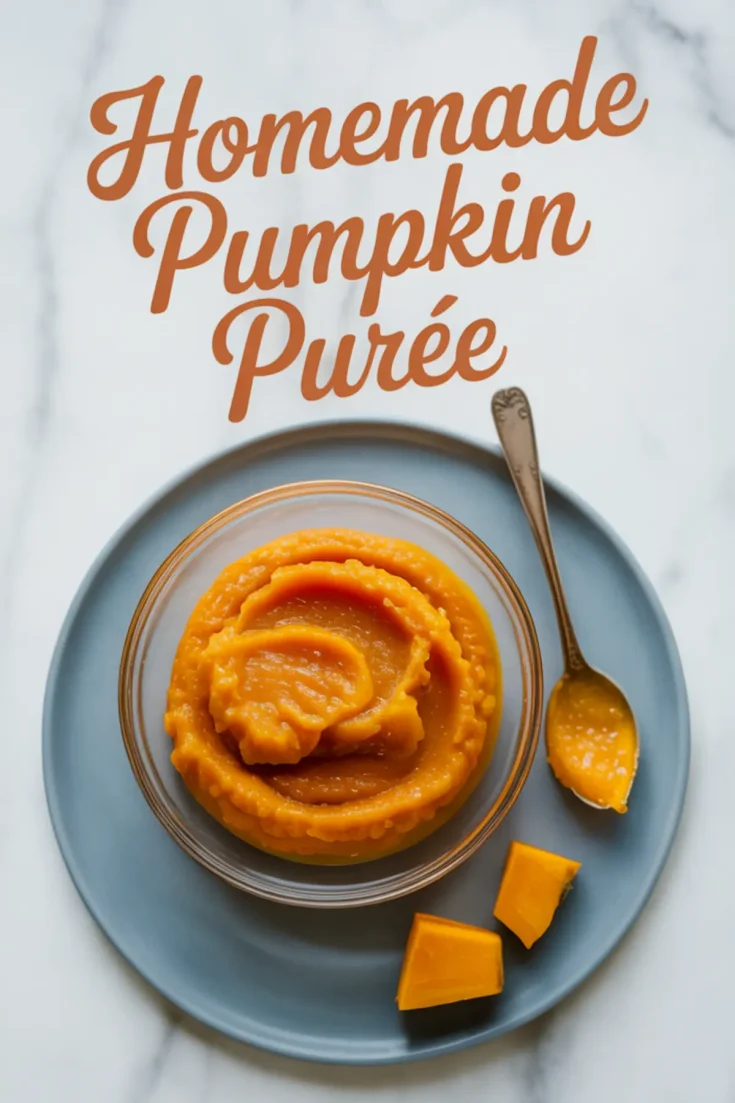
This homemade pumpkin puree is made from one roasted sugar pumpkin, also called a pie pumpkin, with an optional drizzle of olive oil and nothing else. Halve and seed the pumpkin, roast it cut side down at 375°F for 40 to 50 minutes, then blend the soft flesh until smooth; it takes about 55 minutes and makes about 2 cups. Check the thickness before baking: it should hold a soft mound on a spoon like canned pumpkin, and straining it through cheesecloth removes extra water. Use 1 3/4 cups in place of a 15 ounce can in pumpkin pie, pumpkin bread, muffins, cheesecake or soup. Butternut squash works the same way. Keep it 1 week in the fridge or freeze it for 3 months.
Ingredients
- 1 medium sugar pumpkin (also called pie pumpkin)
- A drizzle of olive oil (optional, for roasting)
Instructions
PREP THE PUMPKIN: Preheat the oven to 375°F (190°C). Wash and dry the pumpkin thoroughly. Slice it in half with a sharp knife, then scoop out the seeds and stringy fibers. Set the seeds aside if you would like to roast them later.
ROAST UNTIL TENDER: Place the pumpkin halves cut-side down on a parchment-lined baking sheet. Roast for 40 to 50 minutes, or until the flesh is soft enough to be pierced easily with a fork. Allow the pumpkin to cool for about 10 minutes before handling.
SCOOP AND BLEND: Use a spoon to scoop out the tender flesh and place it into a food processor or blender. Blend until the mixture is completely smooth. If the purée is very thick, add 1 to 2 tablespoons of water to adjust the consistency.
STRAIN (OPTIONAL): For an extra smooth texture and to remove excess liquid, strain the purée through cheesecloth or a fine mesh sieve.
Notes
Sugar pumpkins are best because they are sweet and hold less water than large carving pumpkins. To cut a hard pumpkin, trim the stem, set it on a damp towel, and microwave it for 2 to 3 minutes if the skin resists the knife. The pumpkin is done when a fork slides into the thickest part with no resistance. If the puree spreads instead of holding a mound, drain it in a cheesecloth-lined sieve in the fridge for 1 to 2 hours or stir it over low heat until thick. 1 3/4 cups replaces one 15 ounce can. Store in an airtight container in the fridge for up to 1 week or freeze in portions for up to 3 months. Do not home can pumpkin puree.
Nutrition Information
Yield
2Serving Size
1Amount Per Serving Calories 92Total Fat 7gSaturated Fat 1gTrans Fat 0gUnsaturated Fat 6gCholesterol 0mgSodium 1mgCarbohydrates 8gFiber 1gSugar 5gProtein 1g
