
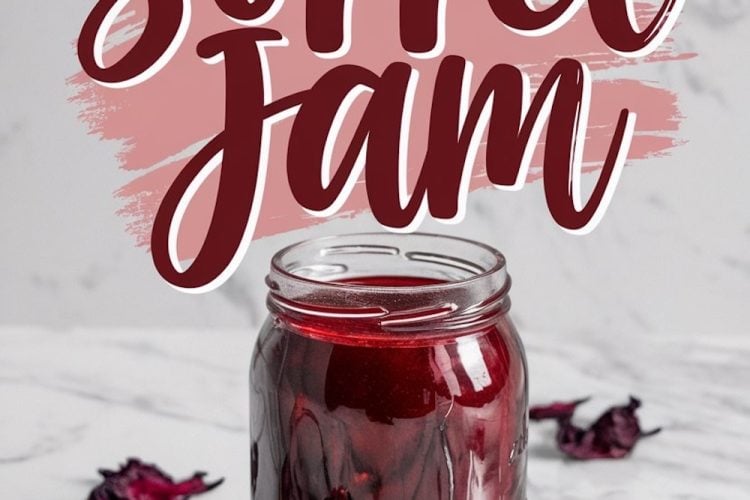
Sorrel jam brings a bright splash of color and flavor to the table. I remember sipping sorrel drinks as a child, mesmerized by the deep red hue and bold taste. That experience moved me to experiment with dried hibiscus flowers in my kitchen, and I discovered this jam. It tastes tangy, sweet, and a bit floral. My friends often request a jar whenever they spot it in my pantry, and I rarely turn down that request because I enjoy sharing this treat.

Following a special diet?
Every recipe on this site can be converted to gluten-free, vegan, dairy-free, keto, nut-free or egg-free with adjusted ratios so nothing falls flat.
Try the Recipe Converter →Sorrel is known in some regions as hibiscus or flor de Jamaica, and its dried blossoms carry a pleasant tartness. This tang works well in spreads and glazes. My first attempt at making sorrel jam involved trial and error with sweetness levels. I tried honey at one point, but I now prefer sugar and orange juice because this combination brings a balanced sweetness and citrus depth. A little beet can boost the color, though I sometimes leave it out if I don’t have one on hand. The end result still bursts with red intensity and rich flavor.
Key Ingredients That Transform Sorrel into Jam

Dried sorrel flowers, also known as hibiscus, lead this recipe. They infuse each spoonful with a tart essence. My approach requires a quick rinse under cool water, which removes stray grit. Spices like cinnamon, cloves, and a little ginger add a warm note that pairs well with the citrus from fresh orange juice. I find that the beet (when used) intensifies the color. That small detail matters if you want a deeper shade of red. Pectin gives the jam a firm consistency, and I rely on a powdered form for simplicity.
Sugar sweetens the sharp notes of sorrel and spices. Some folks reduce sugar to achieve a puckering tang. Others might increase it to smooth out the hibiscus flavor. I settle on a moderate amount that suits my palate, though I invite you to adjust based on personal preference. Orange juice also adds a touch of acidity that mingles with the floral qualities of sorrel. This mix sets a bright, sunny undertone in every spoonful.
Preparing the Sorrel Base with Warm Spices
My process begins with a quick rinse of the dried sorrel flowers. A pot of simmering water awaits them, along with a cinnamon stick, a few cloves, and a little ground ginger. That gentle simmer pulls color and flavor from the flowers. The beet, if included, sits in there too. My father taught me that a fresh beet can boost hues in a natural way, and it always reminds me of that childhood memory of homemade juices and jams.
Once the pot has simmered, I strain the liquid. That step removes the petals and spice solids, leaving behind a brightly colored broth. It might look almost too red, but that is normal, especially if a beet was added. The smell at this stage is pleasingly aromatic. I smile at the idea of a fresh jam forming right before my eyes.
Sweetening and Adding the Citrus Note
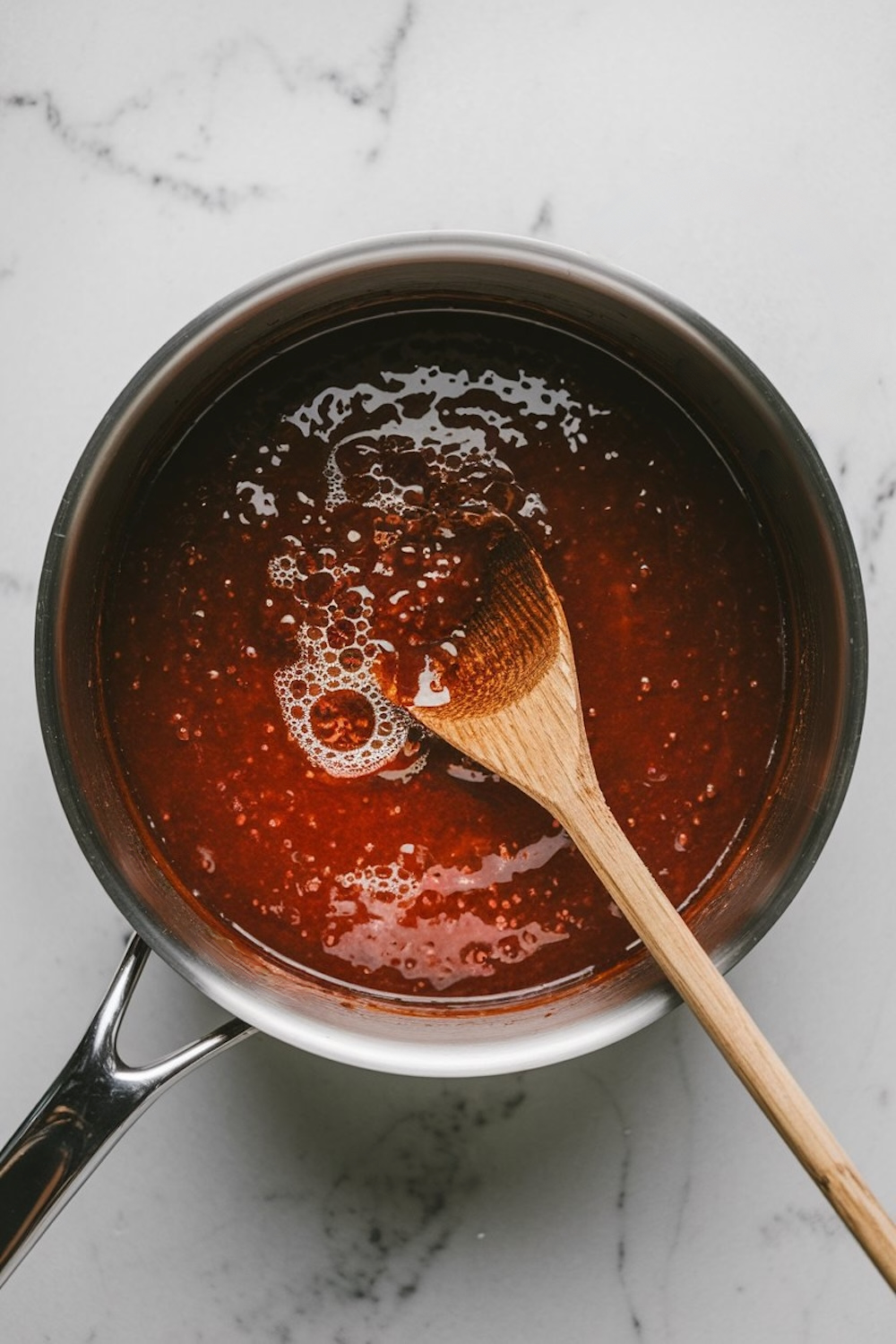
The pot returns to the stove with the strained liquid. Sugar goes in slowly, along with orange juice and a sprinkle of orange zest. The steam smells fruity and floral, which makes my kitchen feel festive. I keep my spoon moving in small circles to prevent any sugar lumps. A gentle boil forms, and I keep an eye on the bubbles. That slow boil helps the flavors melt together.
Pectin joins the pot next. The powder dissolves with steady stirring, and the liquid thickens bit by bit. My first few tries involved lumps, but I discovered that sprinkling the pectin rather than dumping it all at once prevents clumping. This step requires a little patience. A lower heat setting helps avoid burning, and I test the jam’s thickness on a chilled plate. A good jam usually wrinkles slightly when nudged, which signals readiness.
Personal Experience with Sorrel Jam Making
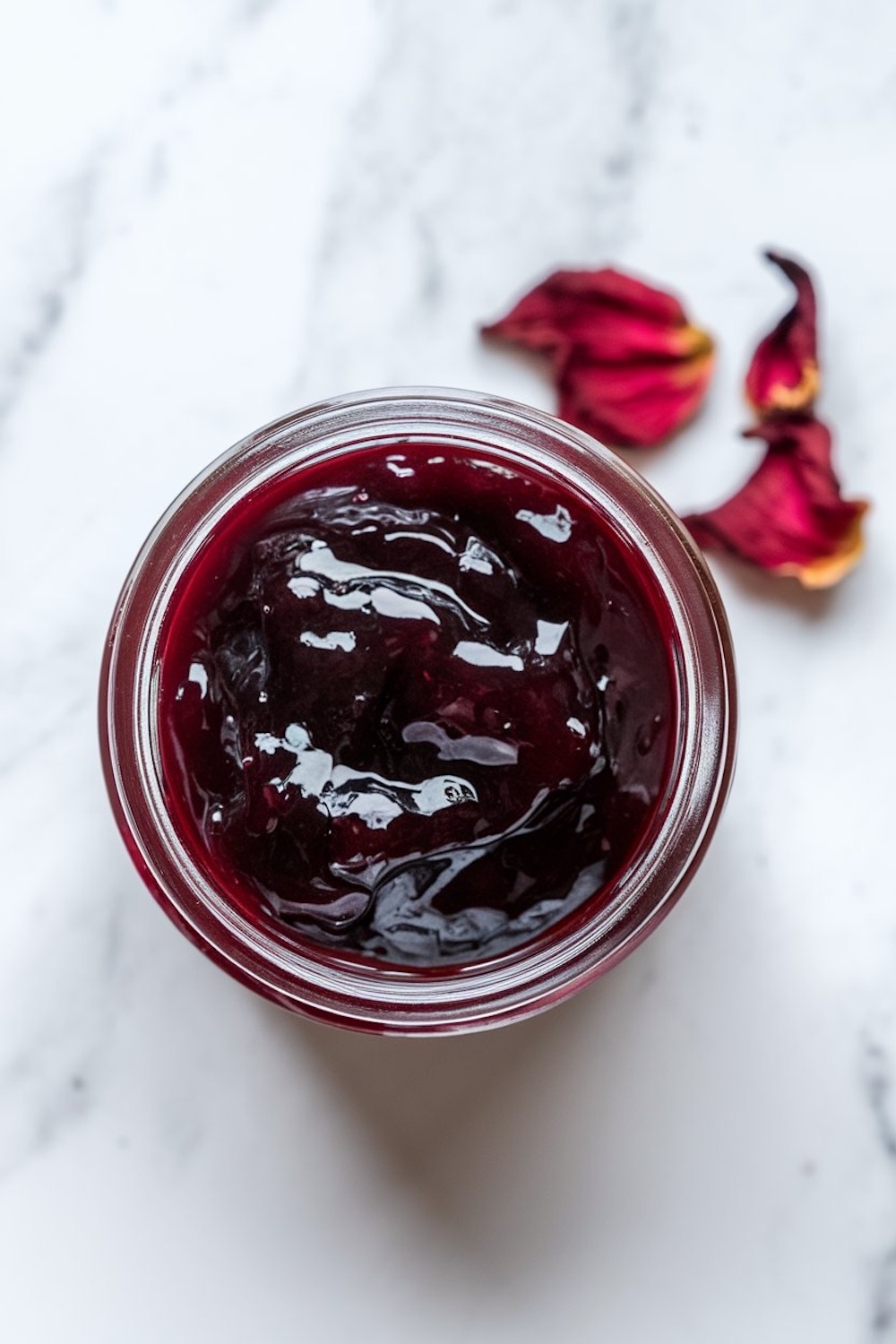
I had a few stumbles when I first attempted sorrel jam. One batch ended up too runny because I rushed the simmering stage. Another batch tasted overly sweet. I learned that the right balance comes from low and slow cooking, plus an awareness of how the jam sets. My partner prefers a slightly thicker consistency, while I like a bit of a pour. Those preferences can shift the cooking time by just a few minutes.
Friends and family enjoy receiving a small jar as a gift. My grandmother used to do something similar with her homemade fruit preserves, and I cherish that tradition by handing out carefully labeled jars. That personal touch transforms a simple jar into a thoughtful present. I place a small piece of fabric over the lid, tie it with a ribbon, and scribble a note if I feel extra warmhearted.
Reasons Sorrel Jam Deserves a Spot in Your Kitchen
Sorrel jam serves as a sweet-tart companion for breakfast items. A smear on warm toast brightens an otherwise plain morning routine. My niece likes to drizzle it on pancakes, which delights everyone at the table because it looks so cheerful. Cheese boards also benefit from a tangy jam, and I find that the color provides a striking contrast to mild cheeses or crackers. It works well as a glaze for certain savory dishes, especially those that favor a hint of sweetness.

Any jar of homemade jam feels like a small piece of comfort, and sorrel jam stands out with its bright color and flavor. My Jamaican friend introduced me to sorrel-based drinks many years ago, and I carry that memory into each new batch. That background story infuses my jam-making with nostalgia. I sometimes think about the people who taught me about hibiscus, or the time I visited a local farmers’ market and saw a vendor selling hibiscus drinks. Moments like these inspire me to keep sharing my jam recipe.
More Flavorful Jam Recipes to Explore
Your kitchen might be ready for a variety of spreads. I often rotate between homemade creations depending on the season. A quick scan of the pantry might reveal strawberries, peaches, cherries, cranberries, or oranges waiting for transformation. You can find diverse ideas by checking out the following recipes:
Balsamic Strawberry Jam features sweet berries and a bold vinegar note:
Bourbon Peach Jam includes a gentle boozy warmth:
Cherry Amaretto Jam brings a subtle almond aroma to succulent cherries:
Cranberry and Pomegranate Jam suits festive occasions with a bright ruby color:
Orange Jam offers a citrus punch and pairs nicely with pastries:
Raspberry Jam stands as a classic choice for those who adore a vibrant berry spread:
These recipes might spark ideas for your own flavor experiments. I have fun testing different spices or adding a hint of vanilla in certain jams. I believe in trusting your palate and making adjustments that suit your tastes.
Storage and Serving Suggestions
My jars of sorrel jam rest in the pantry until I open them, and then they chill in the refrigerator. A shelf life of up to six months means you can enjoy a slow approach to finishing each jar. A little jam with yogurt or oatmeal brightens breakfast. A smear on a simple sponge cake adds color and flavor. A brush of sorrel jam glaze over grilled meats or roasted vegetables turns an ordinary meal into something special.
Kids and adults alike show enthusiasm for sorrel jam. My nephew loves swirling a teaspoon of this jam into vanilla ice cream, which creates a pretty pink swirl and a tangy finish. Friends have suggested making small tarts with sorrel jam or using it as a filling for macarons. Those ideas make me dream up future baking adventures.

Pin This Sorrel Jam Idea and Share Your Experience
I encourage you to save this jam concept as a pin on Pinterest and share your thoughts. You might pass the link along to a friend who appreciates a unique spread on toast. A recipe like this helps build a sense of community. People often return to let me know how their jar turned out. That feedback sparks inspiration for me and keeps the jam conversation flowing.
I appreciate reading about any personal twists you might try. Some folks swap out orange zest for lemon zest, or experiment with star anise instead of cinnamon. These small changes can lead to a fresh take on the same base recipe. Your feedback might inspire others who crave variety in their jam-making adventures. Feel free to jump into the comments and let us know about your results or your questions.
Homemade Sorrel Jam Recipe
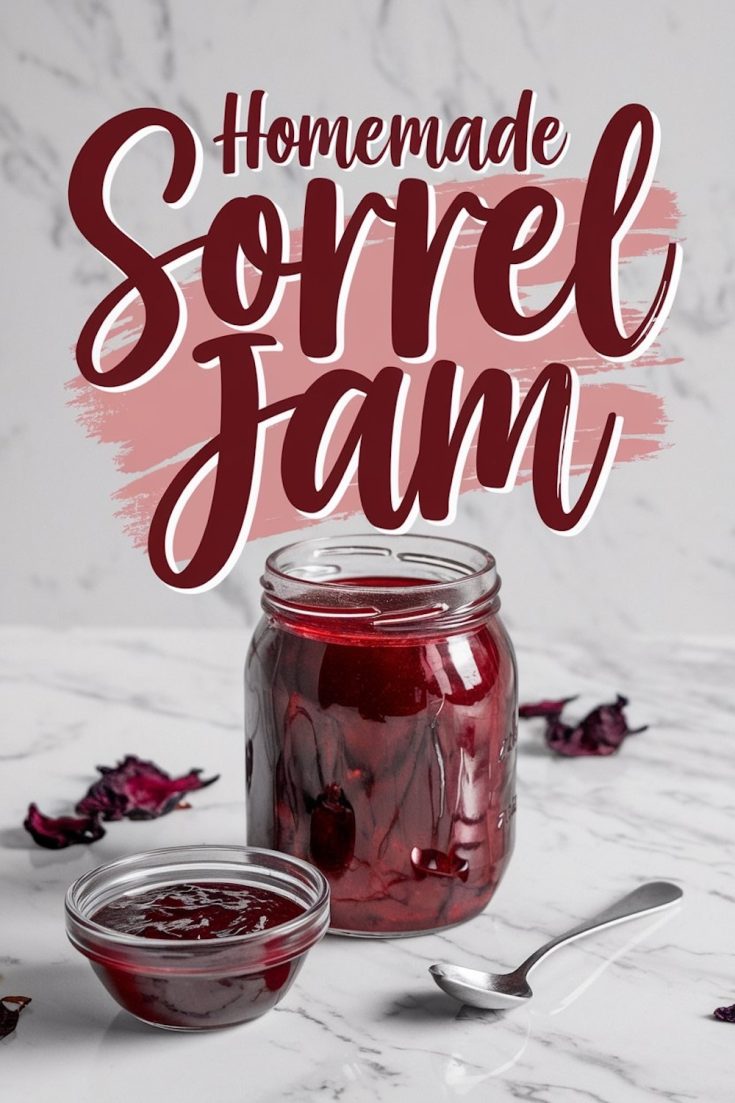
Homemade sorrel jam offers a vibrant and tangy flavor, created by steeping dried hibiscus flowers with warming spices, orange juice, and sugar. The addition of pectin ensures a perfectly spreadable consistency. This recipe produces a rich, deep red jam perfect for enjoying on toast or as a glaze.
Ingredients
- 2 cups dried sorrel flowers (hibiscus)
- 3 cups water
- 2 ½ cups granulated sugar
- 1/2 cup orange juice (freshly squeezed)
- 1 tbsp orange zest
- 1 small beet (peeled and chopped, optional for enhanced red color)
- 1 cinnamon stick
- 2 cloves
- 1/2 tsp ground ginger
- 1 tbsp powdered pectin (or 1 packet pectin)
Instructions
Notes
The optional beet enhances the red color but does not alter the flavor significantly.
Store unopened jars in a cool, dry place for up to 6 months. Refrigerate after opening.
Nutrition Information
Yield
3Serving Size
1Amount Per Serving Calories 692Total Fat 0gSaturated Fat 0gTrans Fat 0gUnsaturated Fat 0gCholesterol 0mgSodium 35mgCarbohydrates 178gFiber 2gSugar 171gProtein 1g
