
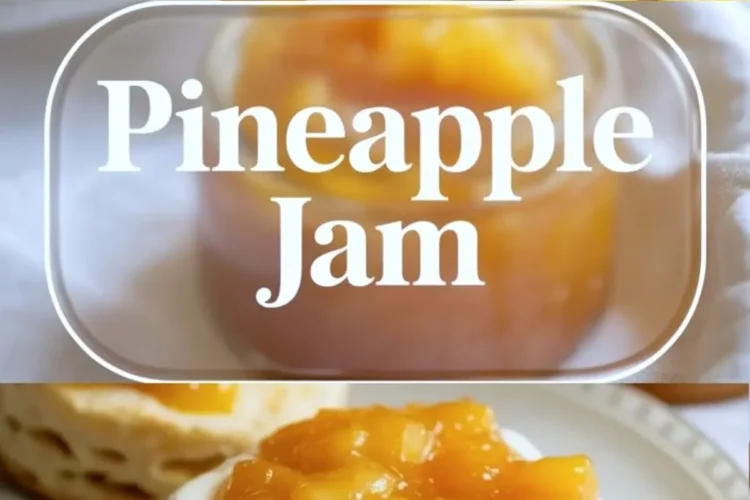
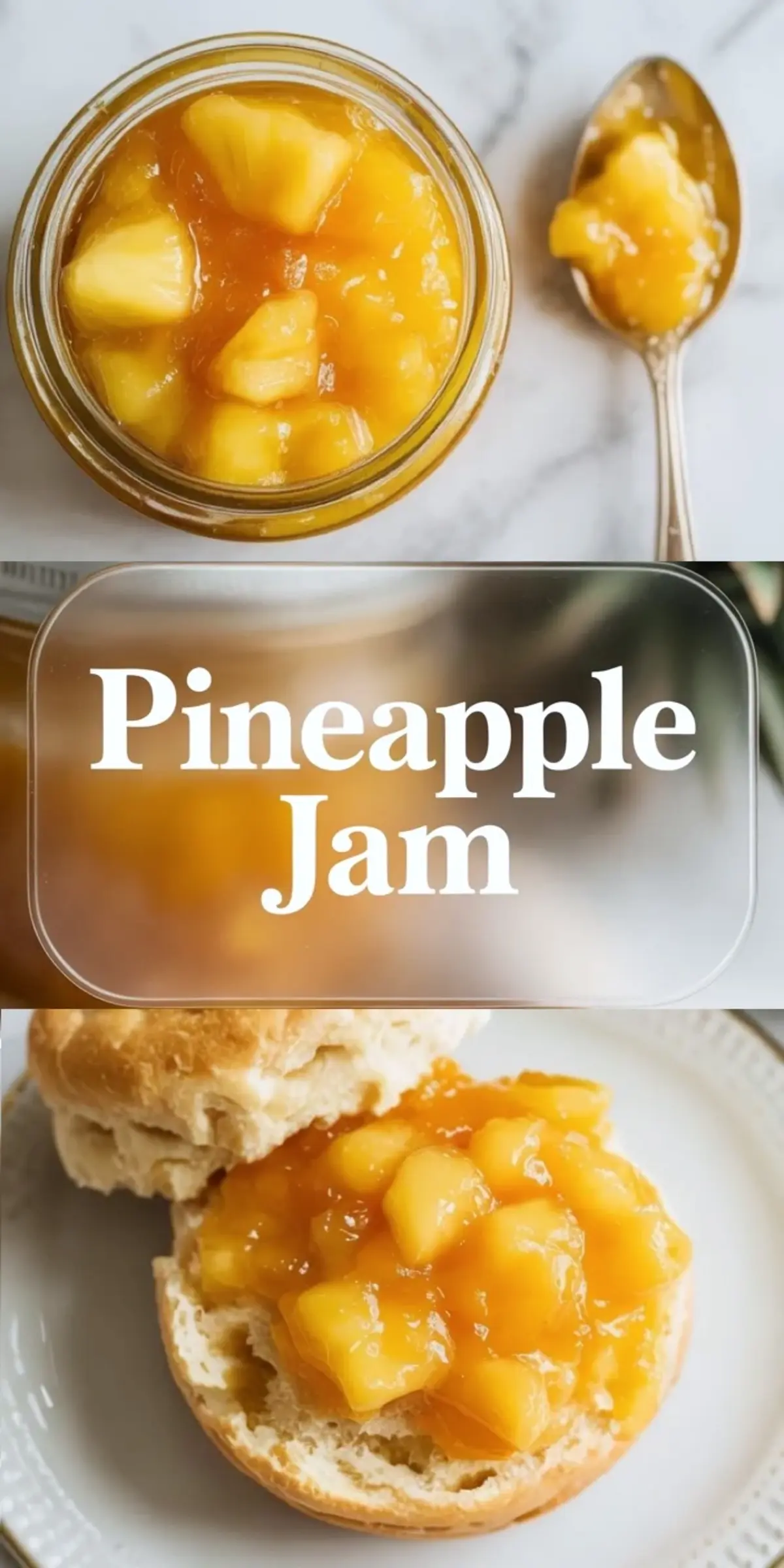
This pineapple jam is the kind of recipe that makes sense the moment you taste it. Pineapple already has enough sweetness, sharpness, and fragrance to carry a preserve on its own, so once it cooks down properly, the result feels bright, glossy, and far more useful than people expect. It is sweet, but not flat. Tropical, but still practical.
If you like homemade jam that tastes clearly of the fruit it came from, this is a good one to keep around. Pineapple jam works on toast and biscuits, obviously, but it also fits into yogurt bowls, simple desserts, and cake fillings without much effort. That range is part of the appeal. One jar, a lot of uses.
Following a special diet?
Every recipe on this site can be converted to gluten-free, vegan, dairy-free, keto, nut-free or egg-free with adjusted ratios so nothing falls flat.
Try the Recipe Converter →Why Pineapple Jam Works So Well
Pineapple brings both sweetness and acidity, which is exactly what helps a jam taste balanced instead of heavy. Some fruit preserves need extra help to feel lively. Pineapple usually does not. It already has brightness built in, so the finished jam keeps a fresher edge even after cooking.
That is what makes pineapple jam different from heavier berry or stone fruit preserves. It feels sunnier, sharper, and a little lighter on the palate. If you enjoy fruit-forward spreads with a clean finish, this one earns its place quickly.
What the Texture Should Feel Like
A good pineapple jam should be soft and spoonable, thick enough to spread but not so stiff that it starts feeling gummy. The fruit should cook down into a glossy mixture that still feels like jam rather than syrup. That texture is what makes it useful beyond breakfast.
When the consistency is right, it sits nicely on toast, folds into yogurt, and works as a simple topping for cakes or cheesecake. If the jam stays too loose, it feels unfinished. If it cooks too far, it can lose some of the fresh pineapple character that makes it worth making in the first place.
Fresh Pineapple Makes the Biggest Difference
This is one of those recipes where the fruit matters immediately. Fresh ripe pineapple gives the jam better flavor, better aroma, and a cleaner finish than a version made from fruit that is tired or overly processed. The brighter the pineapple tastes before cooking, the better the jam usually tastes after.
That does not mean the recipe needs to feel fussy. It just means the fruit is doing most of the work. A pineapple jam recipe is simple at heart, so the ingredient quality shows up fast. Good fruit in, better jam out.
How the Flavor Comes Together
The best pineapple jam should taste clearly of pineapple first. Sweetness matters, but it should not drown the fruit. A little acidity helps sharpen the edges, while the cooking process deepens the fruit into something softer, richer, and more spreadable.
That combination is why homemade pineapple jam feels more interesting than many basic fruit spreads. You get brightness and depth at the same time. It tastes cheerful, but still grounded enough to use in more than one way.
Simple Ways to Use Pineapple Jam
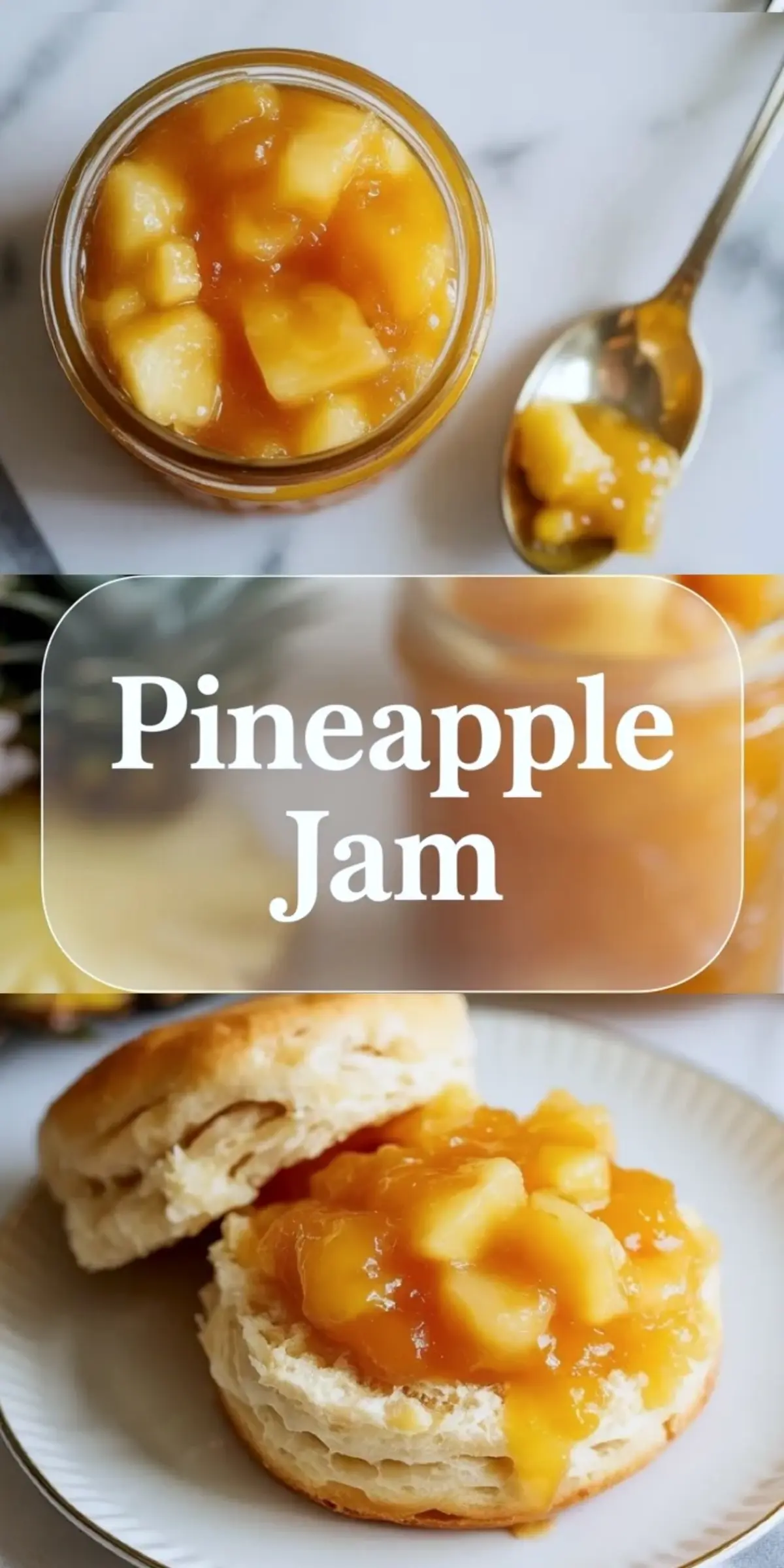
Toast is the obvious place to start, but it is not the only one. Pineapple jam works well on biscuits, layered into cakes, swirled into yogurt, spooned over cheesecake, or added to breakfast boards when you want something fruitier than the usual berry option. It can also be used in thumbprint cookies or dessert bars if the recipe suits it.
If you already make fruit-forward bakes like pineapple cupcakes, this kind of jam can also make sense as a filling or side component. And for a breakfast-style pairing, something like sweet condensed milk bread gives it a soft, lightly rich base that works especially well.
Why Homemade Pineapple Jam Is Worth Keeping
Store-bought jam can do the job, but homemade pineapple jam gives you more control over the texture, sweetness, and overall flavor. You can keep it brighter, softer, and closer to real fruit instead of ending up with something that tastes mostly of sugar.
It is also one of those small-batch kitchen wins that feels useful right away. Once the jar is in the fridge, you keep finding reasons to use it. That alone makes it worth more than a novelty preserve you try once and forget.
How to Tell When the Jam Is Ready
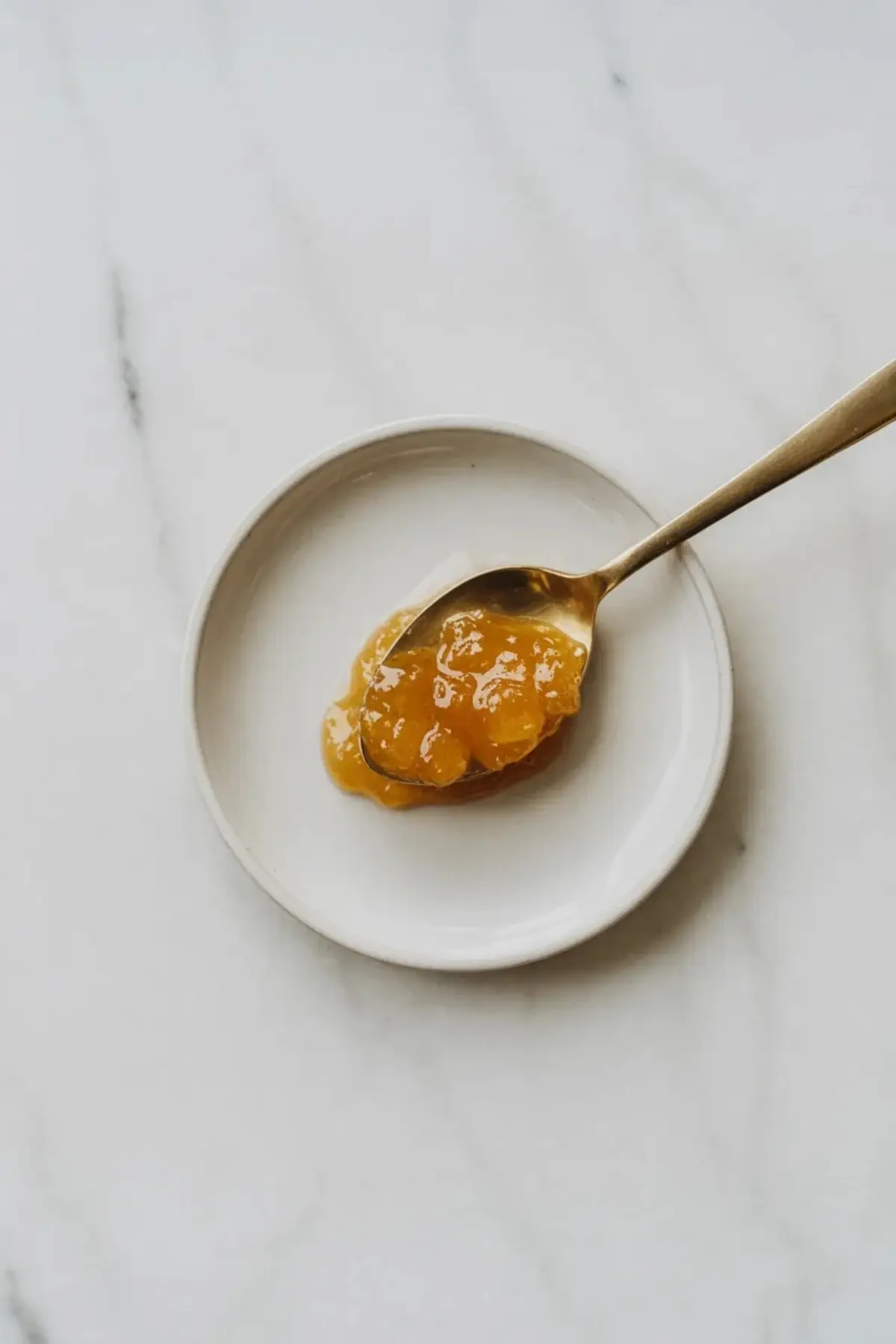
The mixture should look glossy and noticeably thicker than when it started, with the fruit broken down enough to spread easily. It should mound slightly on a spoon instead of running off like juice. That is usually the moment when it starts acting like jam rather than cooked fruit.
The key is to stop while it is still soft enough to loosen slightly as it cools. Jam keeps changing as it rests. If you wait for it to feel very thick in the pot, it may finish firmer than you wanted once chilled.
Storage and Everyday Use
Once cooled and stored properly, pineapple jam becomes one of those little refrigerator extras that quietly improves everything around it. It can brighten breakfast, rescue plain toast, or give a simple dessert a much more finished look with almost no extra effort.
If you like keeping homemade spreads around, it also pairs naturally with other fruit ideas. Something like caramelized bananas can sit in the same casual dessert lane, while a brighter dessert such as strawberry rhubarb crisp gives the same fruit-forward energy in baked form.
Why This Is a Useful Recipe to Save
Pineapple jam is easy to underestimate because it sounds simple, but that is exactly why it works. It gives you a homemade fruit preserve with strong flavor, plenty of uses, and a texture that can move between breakfast and dessert without feeling out of place.
That kind of flexibility is worth keeping. It is not just a jar for toast. It is a small recipe that keeps finding new jobs once you make it, and those are usually the recipes worth repeating.
Save This Recipe
Save this pineapple jam for the next time you want an easy homemade preserve with bright fruit flavor and more range than the usual spread. It is simple to make, easy to use, and useful far beyond breakfast once you have a jar ready.
If you try it, leave a comment and say how you used it first. Toast is the obvious answer, but I would not be surprised if it ended up in yogurt, cake filling, or somewhere slightly more creative by the second spoonful.
Pineapple Jam Recipe
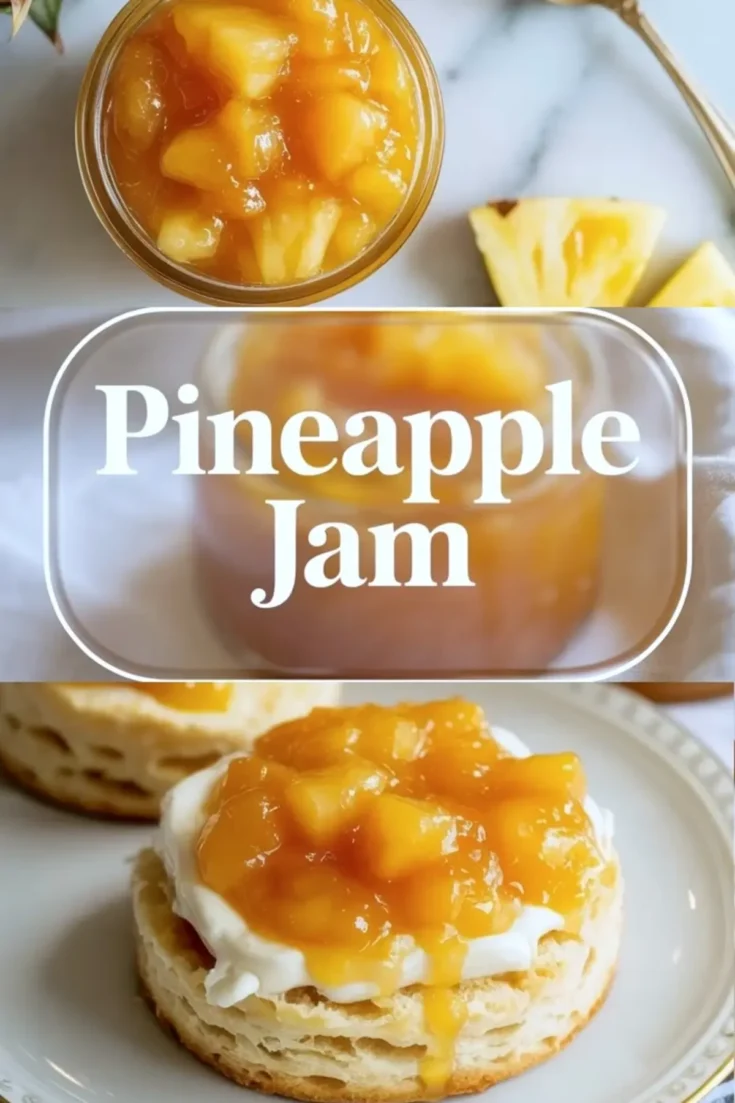
Save this Pineapple Jam for a bright, fruity spread made with fresh pineapple and cooked down into a soft, glossy jam with bold tropical flavor. It is easy to make, works beautifully on toast, biscuits, yogurt, or desserts, and gives you a practical homemade preserve that feels both simple and special. If you love pineapple jam recipe ideas, homemade pineapple jam, and easy fruit preserves you can make again and again, this one is worth keeping. The texture stays soft and spoonable, the flavor remains fresh and sunny, and the finished jam is versatile enough for breakfast, baking, dessert boards, and simple everyday treats.
Ingredients
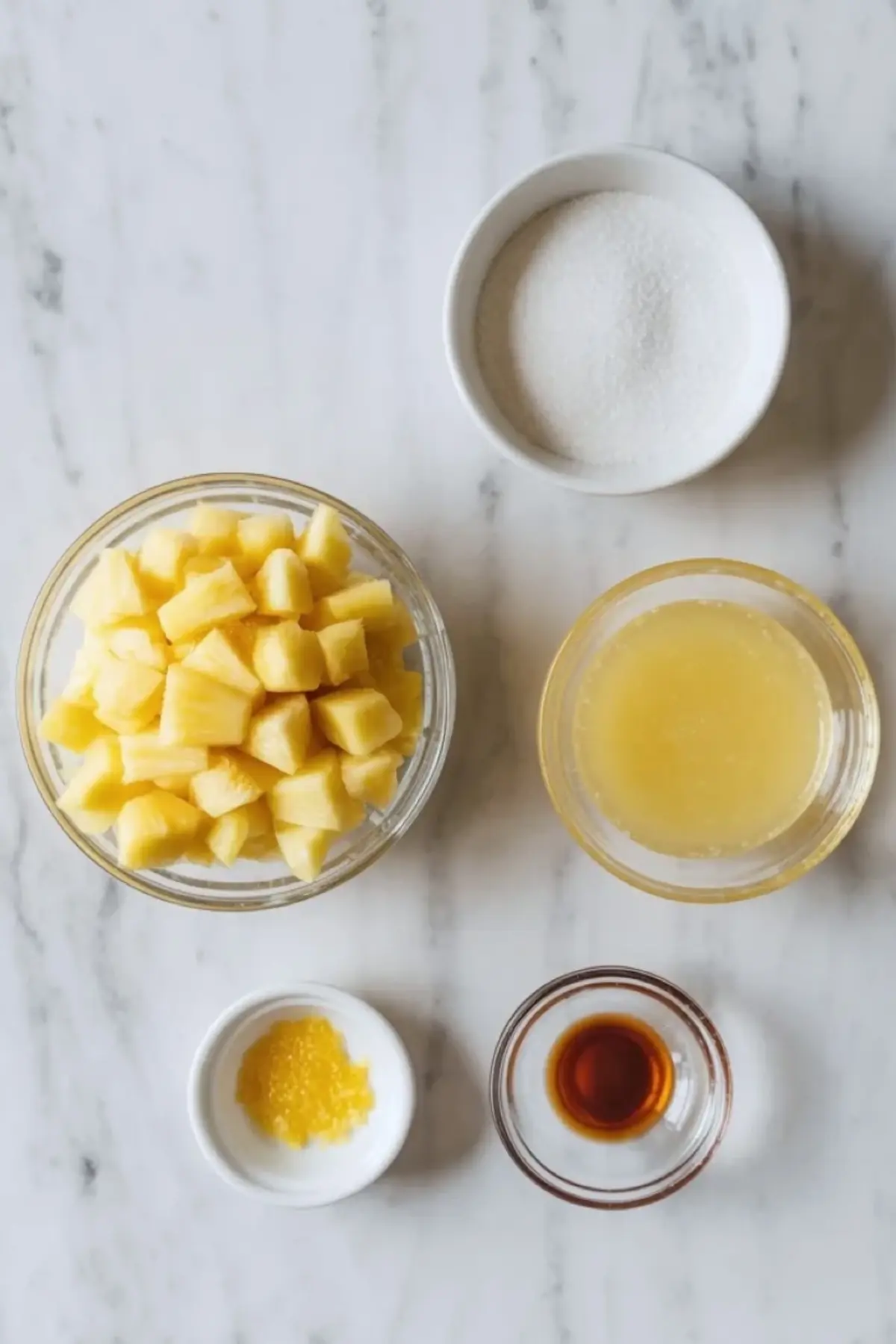
- 4 cups fresh pineapple, finely chopped (about 1 large pineapple)
- 2 to 2 ½ cups granulated sugar, adjusted to taste
- 2 tablespoons fresh lemon juice
- 1 tablespoon lemon zest (optional)
- 1 to 2 teaspoons vanilla extract (optional)
Instructions
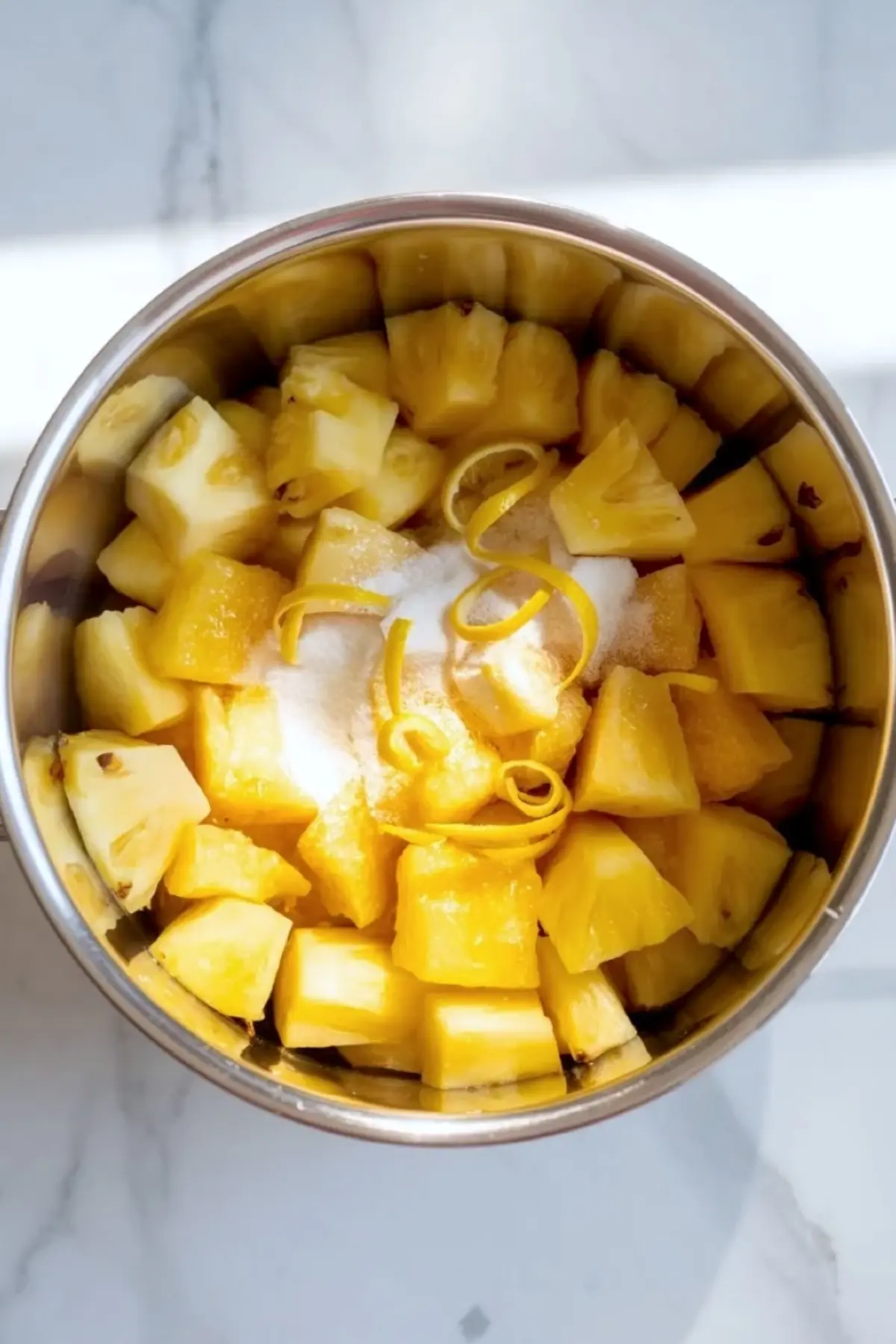
PREPARE THE PINEAPPLE: Peel the pineapple, remove the core, and chop the flesh into small pieces. For a smoother texture, pulse the chopped pineapple briefly in a food processor. For a chunkier jam, leave small pieces intact.
COMBINE THE INGREDIENTS: Place the chopped pineapple, sugar, lemon juice, and lemon zest in a large heavy-bottomed pot. Stir until evenly mixed. Let the mixture rest for 15 to 20 minutes to draw out the natural juices from the fruit.
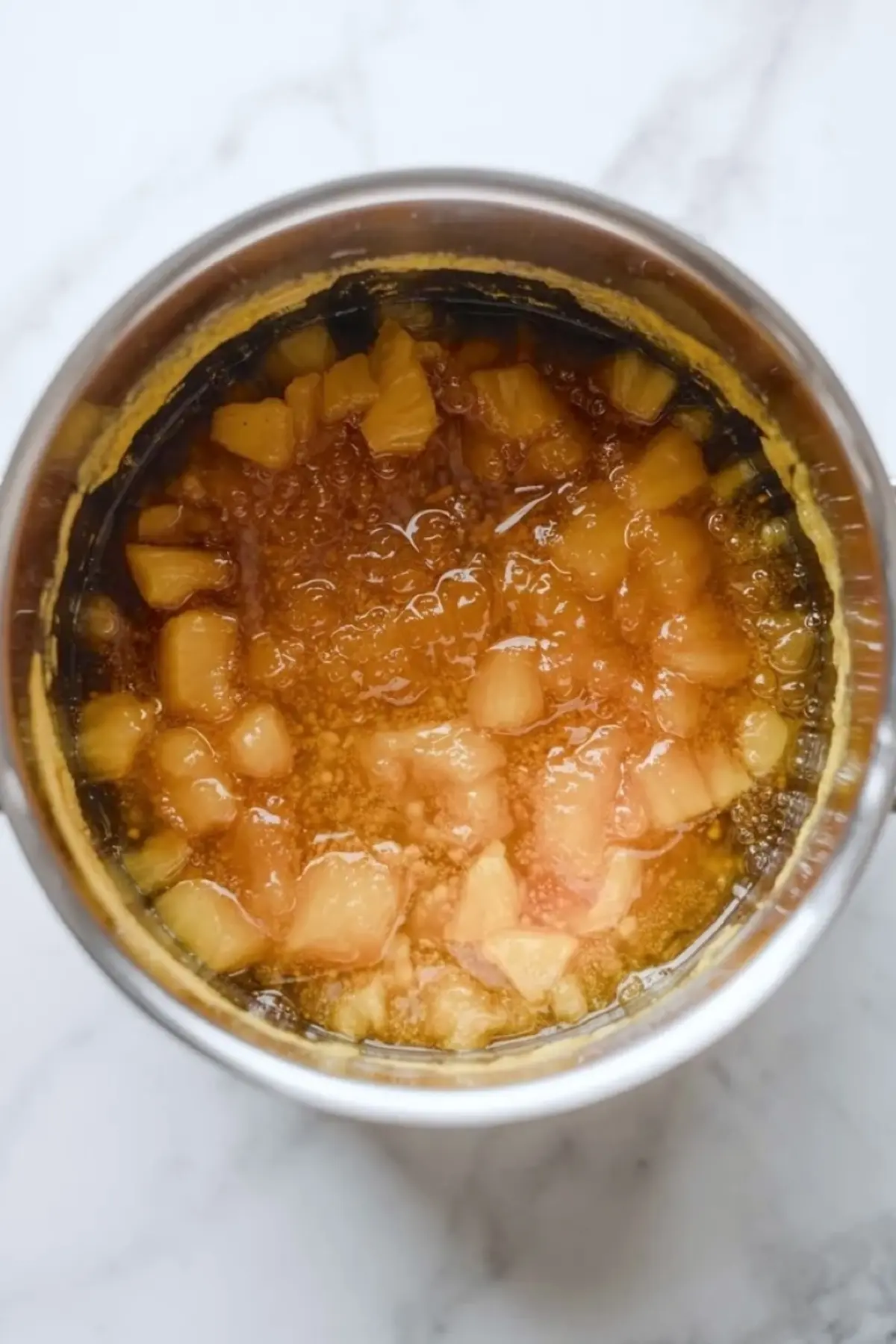
COOK THE JAM: Set the pot over medium heat and stir frequently until the sugar fully dissolves. Once the mixture begins to simmer, reduce the heat slightly to maintain a steady gentle boil. Cook for 25 to 35 minutes, stirring often to prevent sticking or scorching. The mixture will bubble and gradually thicken as excess moisture evaporates.
TEST FOR DONENESS: Place a small spoonful of jam on a chilled plate. Let it sit for about 30 seconds, then run your finger through the center. If the surface wrinkles slightly and the line holds its shape without quickly filling in, the jam is ready. If it remains thin, continue cooking for 5 to 10 more minutes and test again.
FINISH AND STORE: Remove the pot from the heat and stir in the vanilla extract, if using. Carefully pour the hot jam into sterilized jars, leaving a small amount of headspace. Allow the jars to cool completely at room temperature before sealing and refrigerating.
Notes
Use fully ripe pineapple with golden skin and a sweet aroma at the base for the best flavor.
Start with 2 cups of sugar and adjust after tasting during cooking if a sweeter jam is desired.
Store refrigerated jam for up to 3 weeks, or process in a water bath for longer shelf storage if following safe canning guidelines.
