
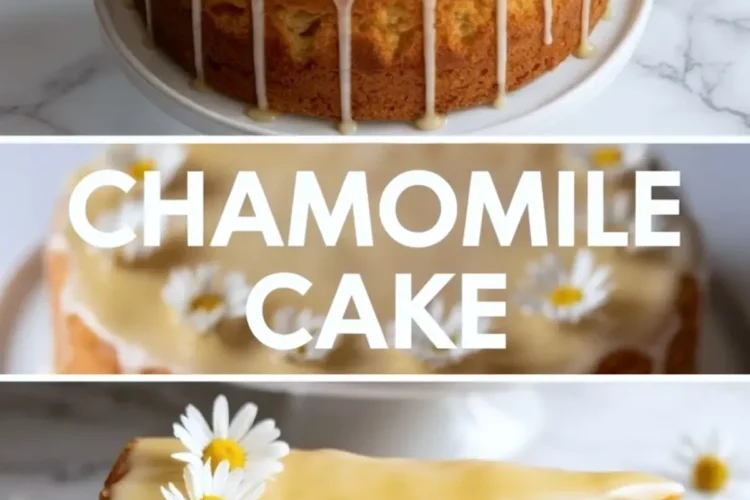
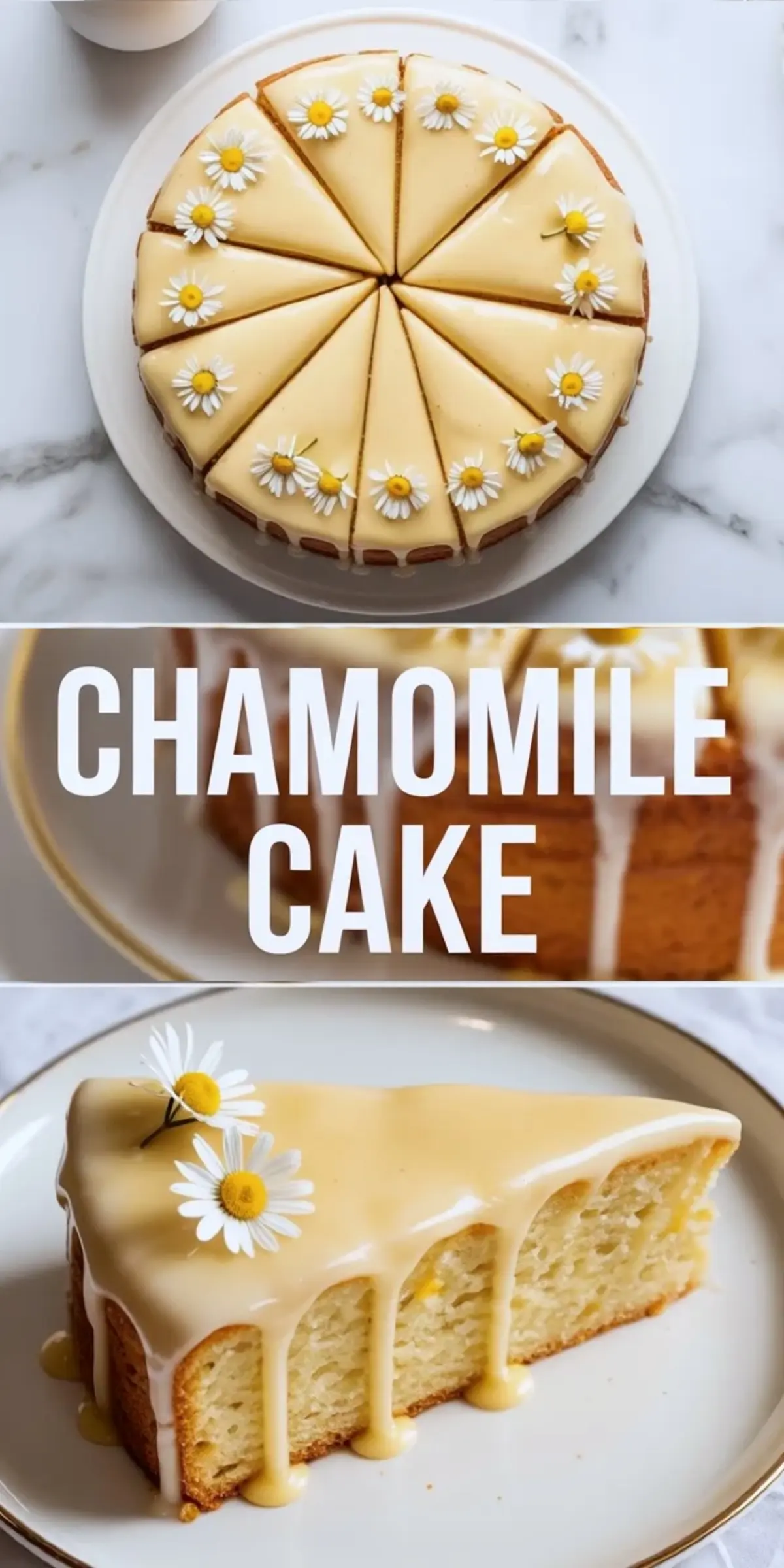
A good chamomile cake should taste floral without turning soapy, tender without feeling fragile, and sweet enough to feel like dessert without covering the tea completely. That balance is what makes this one worth baking. The chamomile comes through softly in the crumb, then the honey vanilla glaze rounds it out so the cake still feels complete and inviting.
It is a quiet kind of cake rather than a loud one. The flavor lands gentle, warm, and a little old fashioned in the best way, which makes it especially good for spring tables, tea gatherings, and anyone who likes desserts that feel elegant without being complicated. The daisy finish gives it charm, but the real strength is the texture.
Following a special diet?
Every recipe on this site can be converted to gluten-free, vegan, dairy-free, keto, nut-free or egg-free with adjusted ratios so nothing falls flat.
Try the Recipe Converter →Why the Chamomile Flavor Stays Delicate Instead of Perfumey
Chamomile can go wrong quickly if it is treated like a strong spice. Here, the tea is infused into warm milk instead of dumped straight into the batter, which gives the cake a softer floral note and keeps the flavor more even. That matters because the goal is a calm honey chamomile cake, not something that tastes like potpourri.
Honey and vanilla help finish the flavor in a natural way. They make the floral edge feel warmer and rounder instead of sharp. If you like gentle cake flavors with a polished finish, blueberry sour cream coffee cake has the same kind of soft crumb appeal with a more familiar fruit profile.
The Ingredients That Carry the Texture
Butter, sour cream, and eggs are doing most of the texture work here. Butter gives the cake richness, sour cream helps the crumb stay moist and tender, and the eggs provide structure so the cake can hold the glaze without turning dense. The flour and leaveners need to stay balanced because this is meant to be soft, not fluffy like a sponge.
The honey is subtle in the batter, but it matters. It adds a little warmth and helps bridge the floral notes with the sweeter glaze on top. That is one reason the finished cake tastes more complete than a plain vanilla tea cake with flowers added for show.
Infusing the Milk the Right Way
The chamomile milk step is where the cake gets its identity, so it is worth doing patiently. Warm the milk gently, let the tea steep long enough to pull real flavor, and cool it before mixing it into the batter. Hot milk can throw off the texture later, while weakly steeped milk leaves the whole cake tasting flatter than it should.
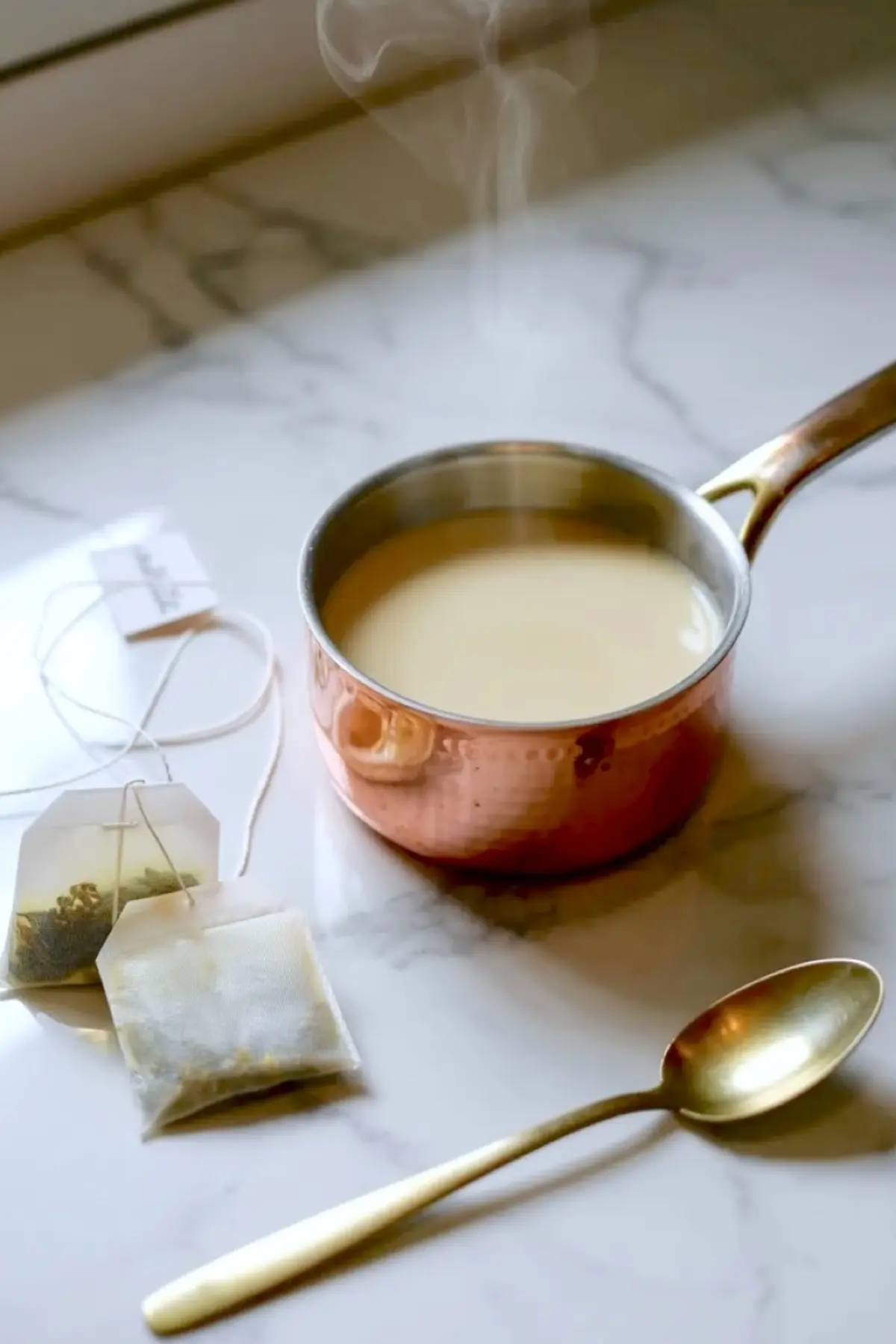
This is also the easiest place to control the floral strength. A longer steep pushes the chamomile forward, while a shorter one keeps it softer and more background. Either way, the cake works best when the tea flavor stays graceful rather than dominant.
How to Mix the Batter Without Toughening It
Once the butter, sugar, eggs, sour cream, and honey are combined, the batter should come together in a smooth thick ribbon when the dry ingredients and chamomile milk are alternated in. Mix gently at the end. Overworking the batter can tighten the crumb and make a delicate cake feel heavier than it should.
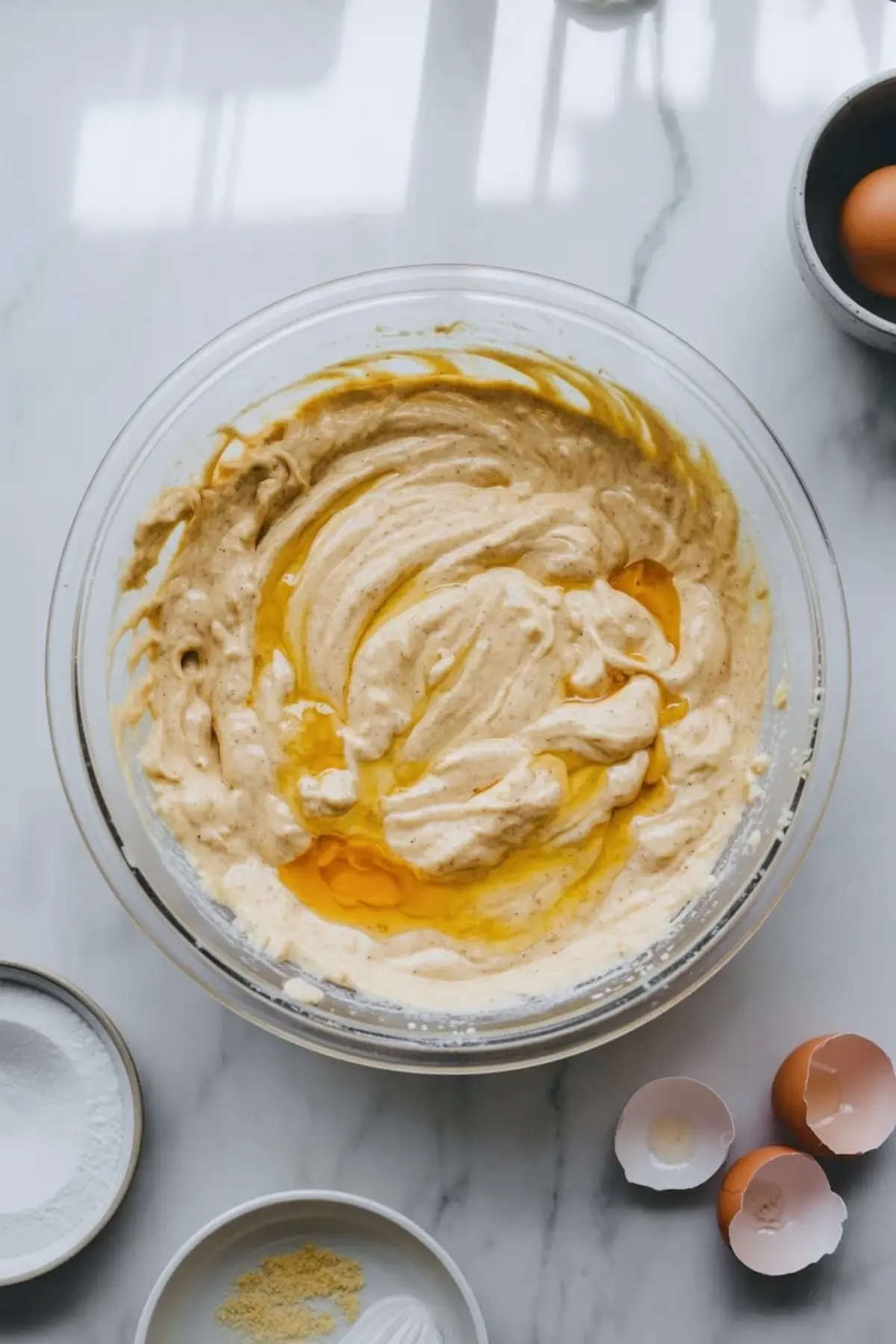
A smooth slightly thick batter is the target. If it looks curdled early on, keep mixing until it evens out before moving forward. That small correction usually fixes itself once the dairy and dry ingredients finish coming together.
When the batter is right, it should spread into the pan without needing much force from the spatula, but it should still hold soft ridges for a moment before leveling out. That texture is a reliable sign that the crumb will bake up tender instead of tight.
Why the Honey Vanilla Glaze Works So Well
This glaze is not just there for sweetness. It gives the cake a soft finish, reinforces the honey note already in the batter, and adds a gentle sheen that makes the top feel more special without covering the crumb in a heavy frosting layer. That lighter finish suits chamomile better than a thick buttercream would.
Let the cake cool fully before glazing so the top can hold the drizzle cleanly. If you want another bake where a simple finish does a lot of the work, snickerdoodle bundt cake is a useful comparison because it also relies on a lighter topping instead of dense frosting.
Serving and Storage Tips That Actually Help
This cake is especially nice the day it is glazed, but the chamomile flavor settles in even more after a little rest, which makes the second day surprisingly good too. Serve it in modest slices because the flavor is gentle and meant to feel calm rather than oversized or overly rich.
Keep it covered so the crumb stays soft, and save this chamomile cake recipe for spring birthdays, tea tables, or any moment when you want a floral cake that feels thoughtful but still easy to pull off. It looks delicate, but the method is straightforward once the milk infusion is done.
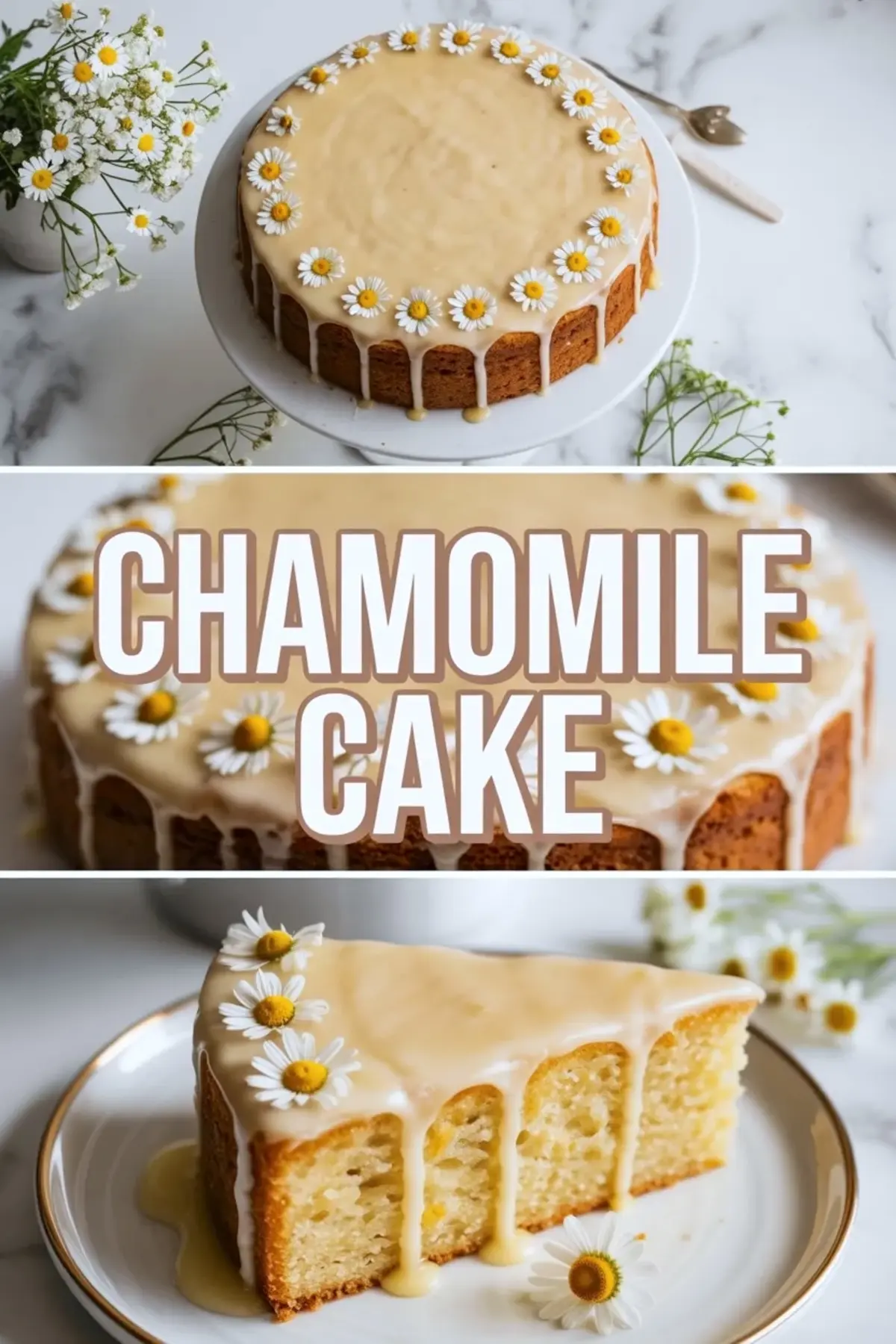
Chamomile Cake With Honey Vanilla Glaze
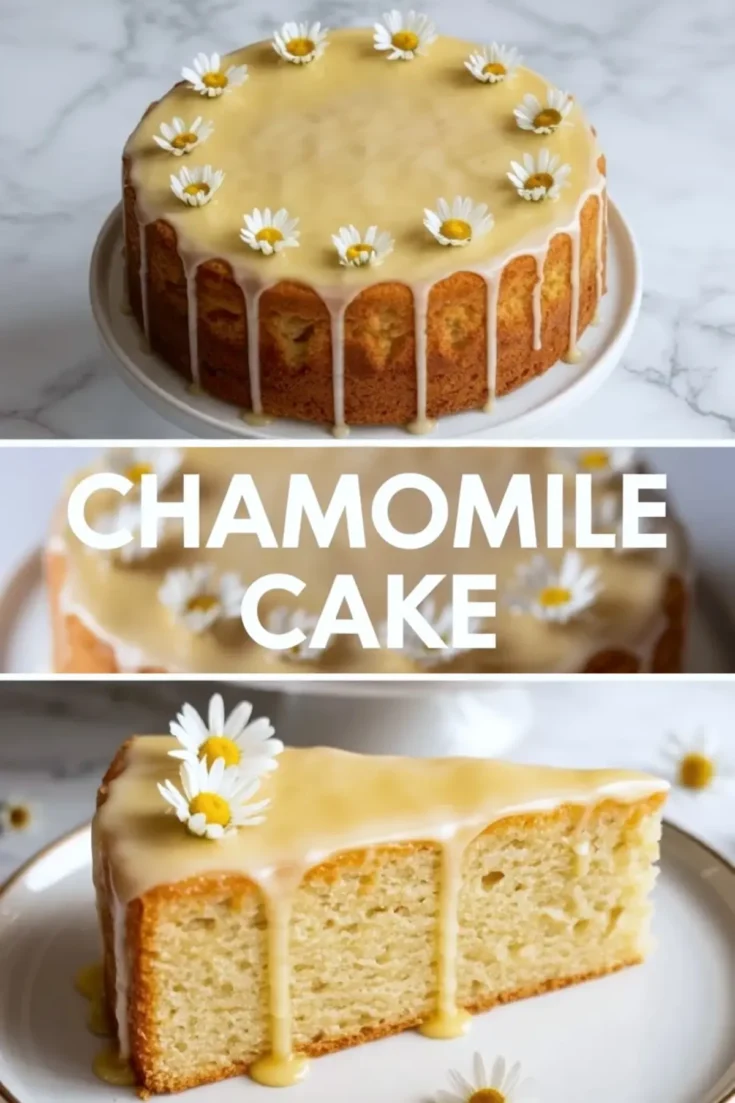
This chamomile cake recipe makes a soft floral cake with a tender crumb and a light honey vanilla glaze that settles into the top without feeling heavy. Chamomile tea infused into the milk gives the cake its calm, delicate flavor, while sour cream and butter keep the texture rich and moist instead of dry or airy. The honey in both the batter and glaze adds warmth that pairs naturally with the floral notes, and the daisy-style finish gives the cake a pretty cottagecore look without changing the simple method. If you want a honey chamomile cake that feels elegant, gentle, and easy to serve for spring gatherings or tea time, this one stays balanced from the first slice to the last.
Ingredients
- FOR THE CHAMOMILE CAKE
- 2 ½ cups all-purpose flour
- 2 teaspoons baking powder
- ½ teaspoon baking soda
- ½ teaspoon salt
- 1 cup whole milk
- 4 chamomile tea bags
- 1 cup unsalted butter, softened
- 1 ¼ cups granulated sugar
- 4 large eggs
- 2 teaspoons vanilla extract
- ½ cup sour cream
- 1 tablespoon honey
- FOR THE HONEY VANILLA GLAZE
- 2 cups powdered sugar
- 3 tablespoons heavy cream
- 1 tablespoon honey
- 1 teaspoon vanilla extract
- 1–2 tablespoons reserved chamomile milk, if needed
- FOR DECORATION
- Edible chamomile flowers or daisies
- Extra honey drizzle, if desired
Instructions
INFUSE THE MILK: Pour the milk into a small saucepan and warm it over low heat until hot but not boiling. Remove the saucepan from the heat and add the chamomile tea bags. Let the tea steep for 10–15 minutes to fully infuse the milk with floral flavor. Gently press the tea bags before removing them, then allow the milk to cool completely before using.
PREPARE THE PAN: Preheat the oven to 350°F (175°C). Grease a 9-inch round cake pan and line the bottom with parchment paper to help the cake release easily after baking.
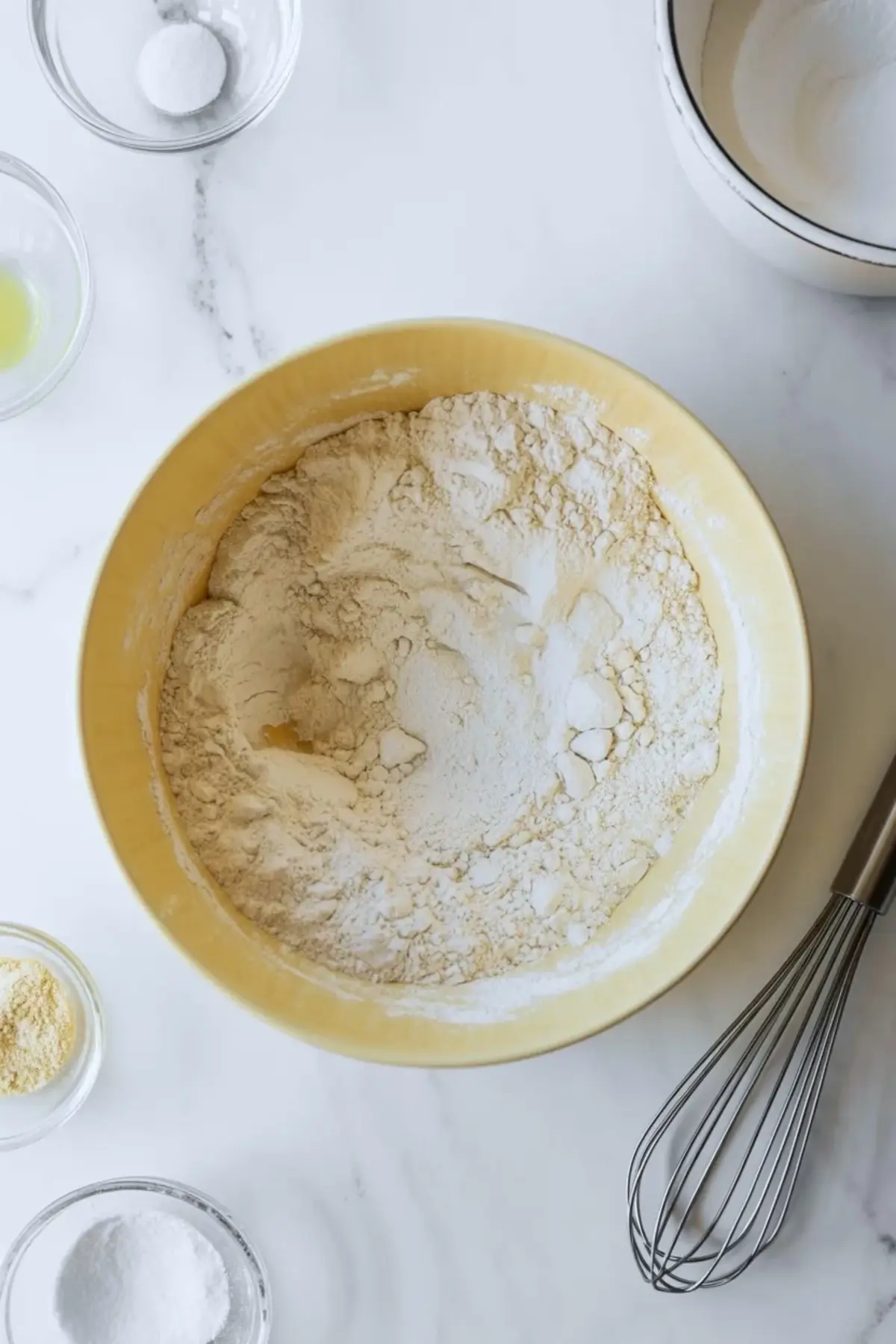
MIX THE DRY INGREDIENTS: In a medium mixing bowl, whisk together the flour, baking powder, baking soda, and salt until evenly combined. Set the bowl aside.
CREAM THE BUTTER AND SUGAR: In a large mixing bowl, beat the softened butter and granulated sugar together for 3–4 minutes until pale and fluffy. Add the eggs one at a time, mixing well after each addition. Mix in the vanilla extract, sour cream, and honey until smooth.
COMBINE THE BATTER: Add the dry ingredients to the butter mixture in three additions, alternating with the cooled chamomile milk. Mix gently after each addition until the batter is just combined. Avoid overmixing to keep the cake soft and tender. The finished batter should look smooth and slightly thick.
BAKE THE CAKE: Pour the batter into the prepared cake pan and smooth the top evenly. Bake for 40–45 minutes or until a toothpick inserted into the center comes out clean. Let the cake cool in the pan for 15 minutes, then transfer it to a wire rack and cool completely before glazing.
MAKE THE GLAZE: In a medium bowl, whisk together the powdered sugar, heavy cream, honey, and vanilla extract until smooth. Add 1–2 tablespoons of reserved chamomile milk if needed to create a pourable consistency.
GLAZE AND DECORATE THE CAKE: Pour the honey vanilla glaze over the cooled cake, allowing it to drip naturally down the sides. Decorate the top with edible chamomile flowers or daisies and finish with an extra drizzle of honey if desired.
Notes
Store the cake covered at room temperature for up to 2 days or refrigerate for up to 5 days.
The chamomile flavor becomes slightly stronger after the cake rests overnight.
For extra floral flavor, steep the tea bags a few minutes longer while infusing the milk.
Nutrition Information
Yield
10Serving Size
1Amount Per Serving Calories 567Total Fat 27gSaturated Fat 16gUnsaturated Fat 11gCholesterol 143mgSodium 357mgCarbohydrates 74gFiber 1gSugar 53gProtein 6g
