
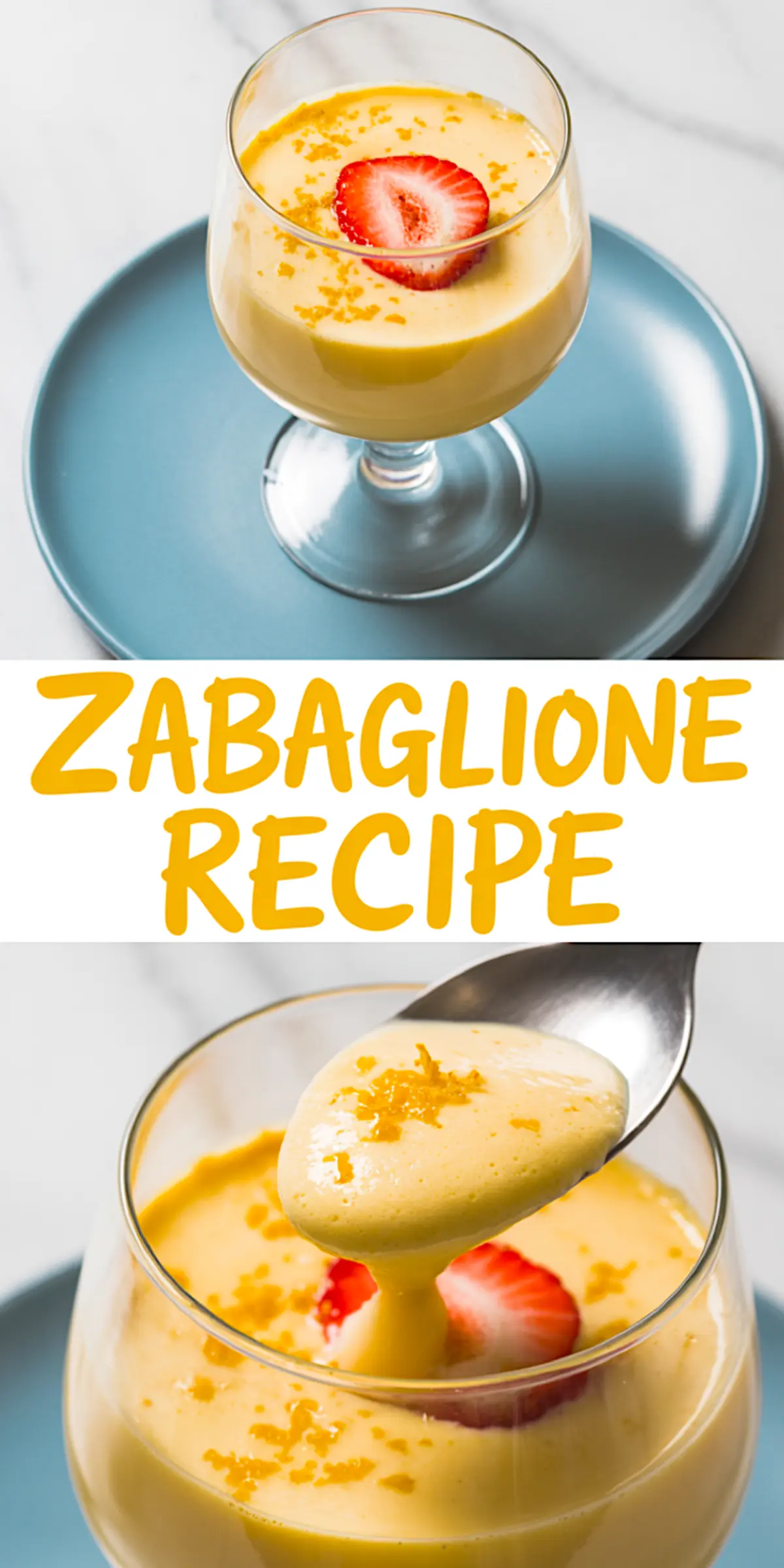
You’re not looking for another pudding. You want something warm. Something lifted by hand, not whipped by machine. Zabaglione fits that need like few other Italian sweets. It’s simple, but not forgettable. Quick, but never rushed. And it teaches you to trust your whisk more than your timer.
In this guide, you’ll learn exactly how to make a zabaglione that tastes like it came from a kitchen in Piemonte. Light, creamy, gently sweet, and ready in under twenty minutes. I’ll walk you through the steps, compare sweet wine options, and show you how to serve it like an experienced Italian home cook.
Following a special diet?
Every recipe on this site can be converted to gluten-free, vegan, dairy-free, keto, nut-free or egg-free with adjusted ratios so nothing falls flat.
Try the Recipe Converter →Why Zabaglione Matters Among Traditional Italian Recipes
Zabaglione isn’t flashy. But that’s the point. It’s one of those authentic Italian desserts that depends on your attention more than your ingredients.
I’ve made it for decades now, and I still find the rhythm of whisking the yolks over simmering water oddly calming. This isn’t a dessert you can walk away from. It asks for your full attention, then rewards you with texture no cream can fake.
If you’re working your way through classic Italian pastries or want something different from mascarpone recipes like tiramisu, this is your next move.
Ingredients That Matter for This Zabaglione Recipe
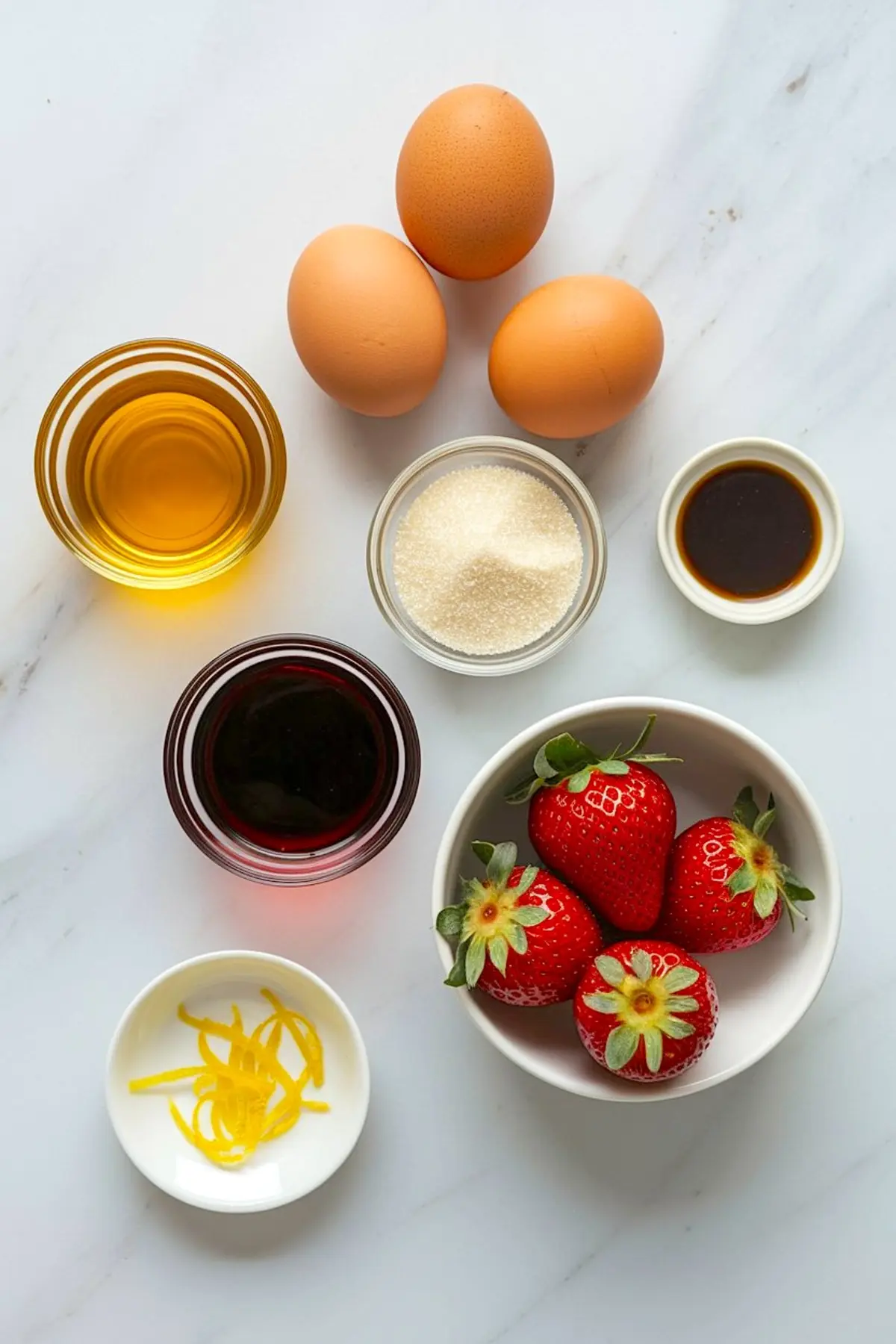
Start with six egg yolks. They carry the whole structure. I separate mine straight into the mixing bowl—fewer dishes, fewer chances for error.
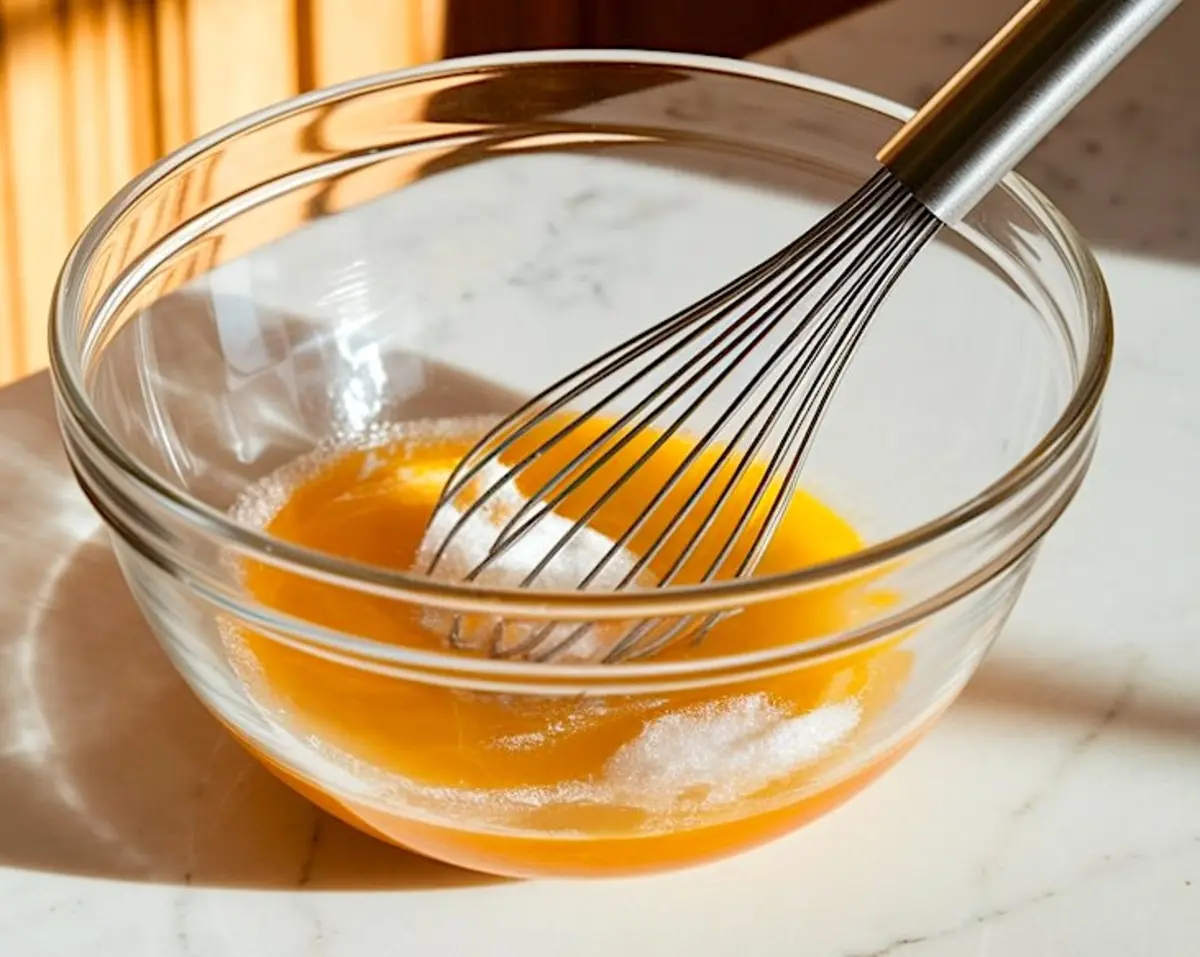
Add sugar next. Half a cup works just right for balance. Too little and the yolks overpower. Too much and it dulls the wine.
Now the wine. Marsala sweet is traditional. Moscato gives a fruitier note. A splash of brandy adds weight and warmth. I’ve used all three, and I keep coming back to Marsala. It builds depth without shouting.
A touch of vanilla is optional. Sometimes I add it, sometimes not. If your wine sings enough on its own, leave it out.
Fresh strawberries or mixed berries go on top. Lemon zest gives brightness, especially if you’re serving this after a rich meal.
Wine Comparison: Marsala vs. Moscato in Authentic Italian Desserts
I’ve tested this more than once: Marsala brings structure and a slightly nutty finish. It’s what I use for dinner guests.
Moscato leans lighter, almost floral. It softens the custard and makes it feel more playful. Great for spring. I suggest you try both, then stick with what matches your kitchen rhythm.
The key is not to overdo the alcohol. Let the yolks lead.
How to Cook Zabaglione
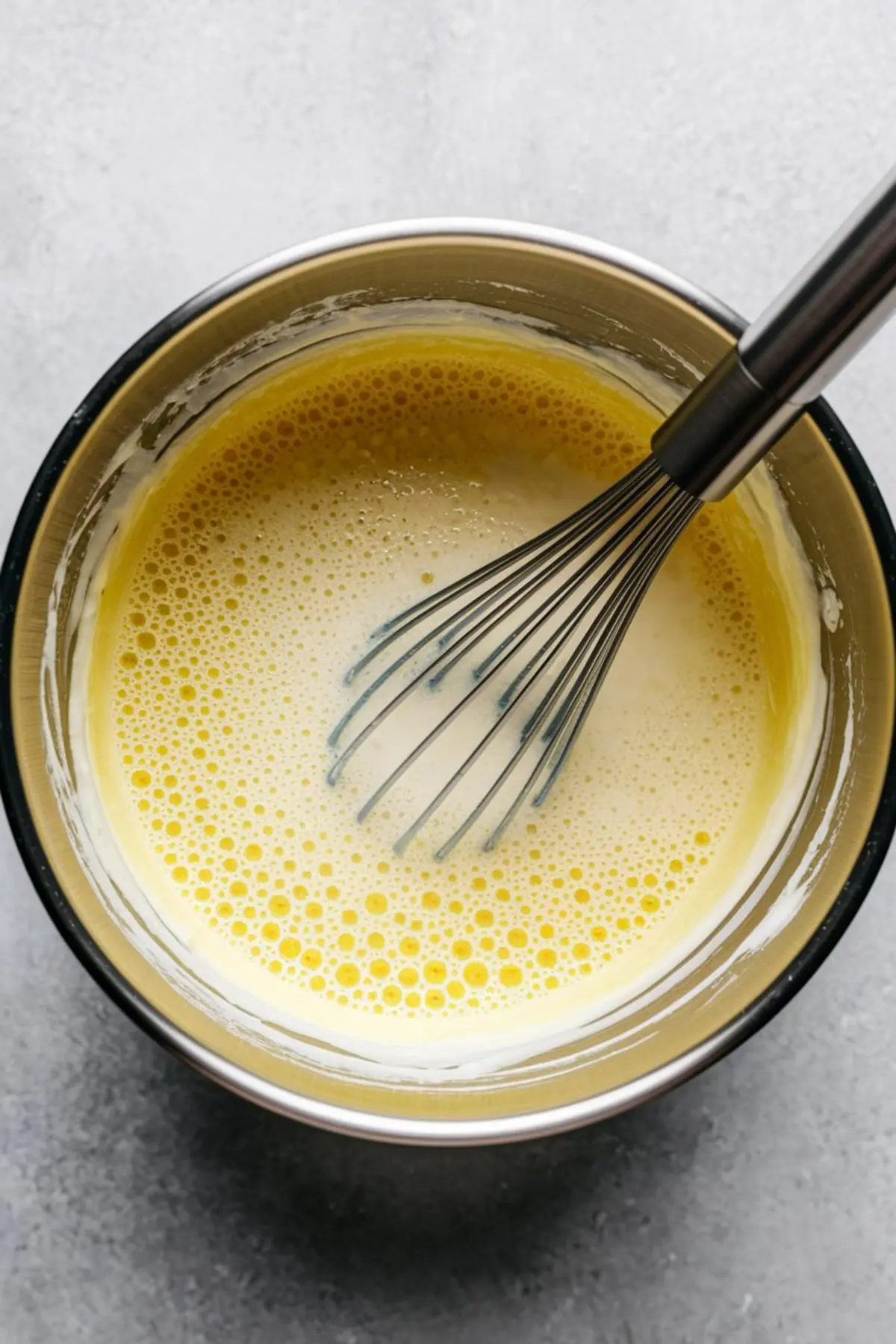
Fill your pan with a shallow layer of simmering water. Just one inch. The bowl must never touch the water directly. I’ve seen people rush this part and scramble the yolks. Slow and steady wins here.
Whisk the yolks with sugar until thick and pale. Don’t stop early. This stage builds air. Your arm will ache if you’re doing it by hand—but that’s how the texture develops.
Add the wine slowly. I do it in three stages. Each pour disappears into the yolks before I add the next. You should see ribbons form as you whisk. That’s when you know it’s emulsifying.
Place the bowl over the steam. Not in it. Keep the whisk moving the whole time. Eight to ten minutes, maybe less if your kitchen is warm. It should triple in volume and coat the back of a spoon.
Serving Zabaglione Like an Italian Home Cook
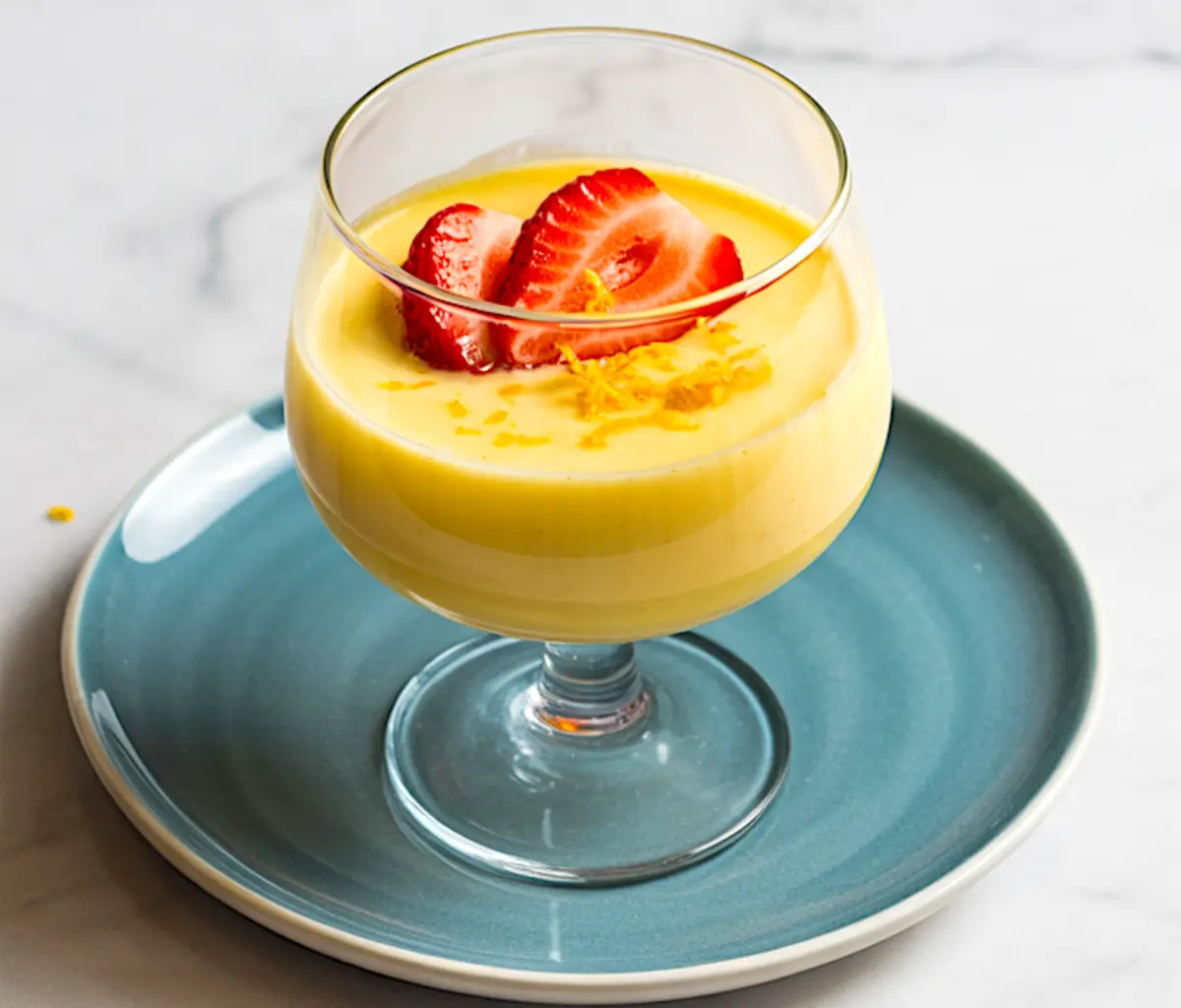
Spoon it warm into glass cups. Tall or wide, both work. I like to chill the glasses slightly—just a five-minute sit in the fridge—so the contrast in temperature plays well.
Top with fresh berries. Add lemon zest if your wine is on the heavy side. You can even crumble a biscotto on top. I don’t always, but it adds a bit of bite.
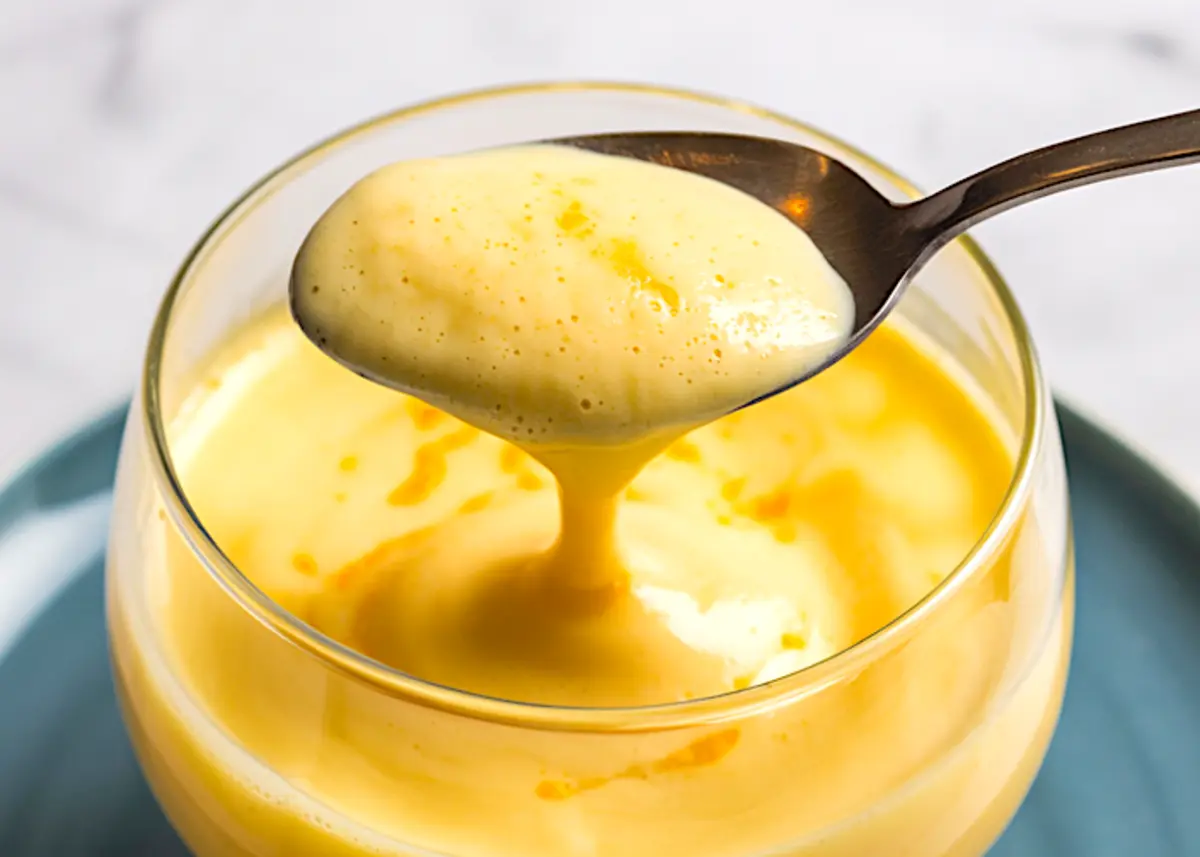
Sometimes I swirl in a spoonful of mascarpone. It thickens the body slightly and ties in with other mascarpone recipes on the table.
If you’re serving multiple Italian sweets, this plays well beside Mango Panna Cotta or Classic Tiramisu. It brings warmth where those bring cool cream.
How to Store Zabaglione (And Why You Might Not Need To)
This is a dessert made to be eaten immediately. But if you must prep ahead, transfer it to a glass container, cover tightly, and refrigerate. Re-whisk gently over warm water before serving.
Avoid microwaving. It will split the custard.
Leftovers rarely make it past the next morning in my house. I’ve spooned it cold over warm banana bread and never regretted it.
Italian Sweets to Try Next
If this zabaglione recipe spoke to your hands the way it spoke to mine, there’s more to explore:
- Easy Tiramisu Recipe uses mascarpone in a chilled format, great for contrast.
- Classic Panna Cotta Recipe is another stovetop custard, simpler but equally refined.
- Mango Panna Cotta brings a brighter fruit note to the table.
- Cannoli with Pistachio adds crunch and richness, balancing out a zabaglione-focused menu.
Save This Recipe and Share Your Experience
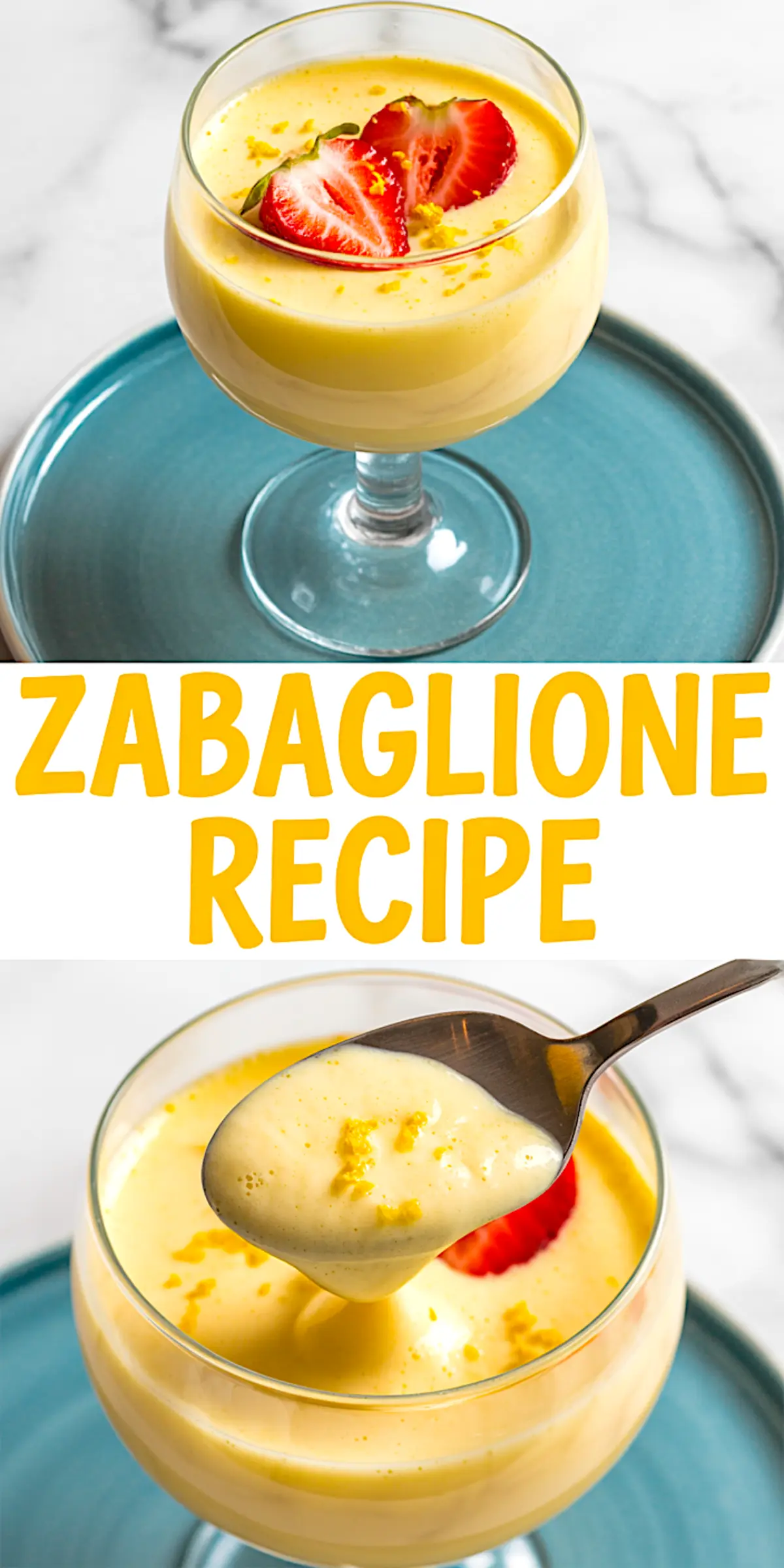
Pin this recipe to your Authentic Italian Desserts board so you can return to it next time you crave something warm and creamy.
I’d love to hear how yours turned out. Share your notes or questions in the comments—I always check.
Zabaglione Recipe (Zabaione Recipe)
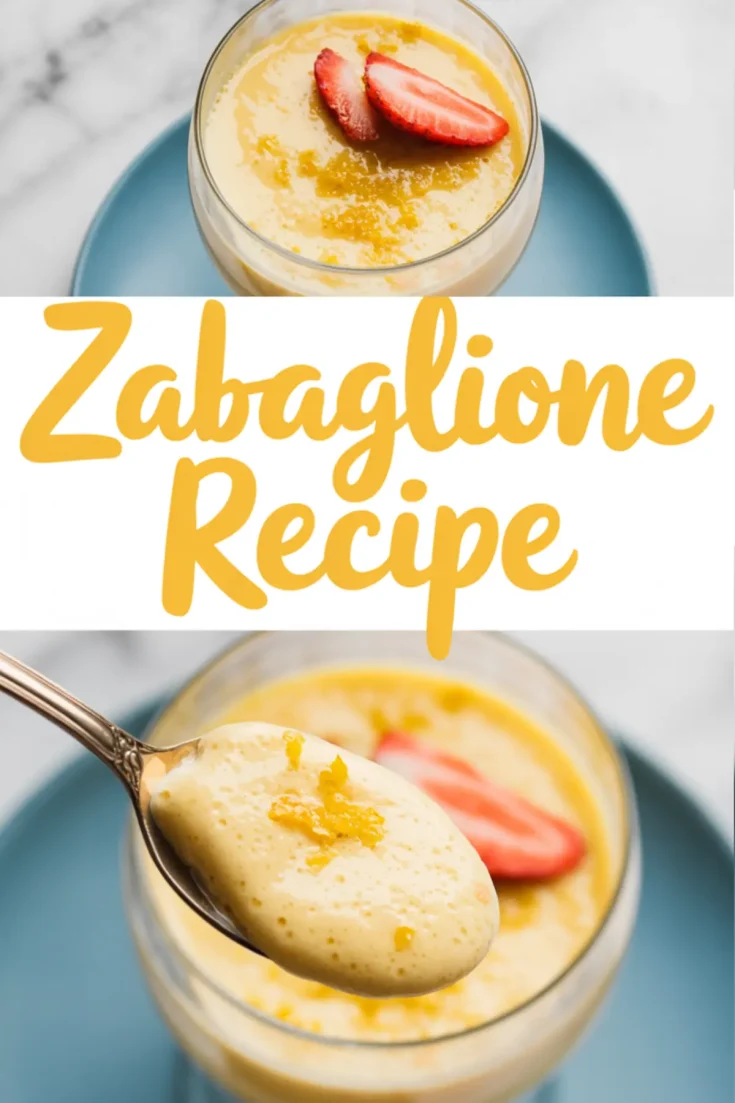
A warm and airy Italian custard made from egg yolks, sugar, and sweet wine. Zabaglione has a rich texture with a light, foamy consistency. It’s typically served warm in glasses and topped with berries or lemon zest for a bright finish.
Ingredients
- 6 large egg yolks
- 1/2 cup granulated sugar
- 1/2 cup sweet Marsala wine (or Moscato or a splash of brandy)
- 1/2 teaspoon vanilla extract (optional)
- Fresh strawberries or berries for garnish
- Lemon zest (optional)
Instructions
- SET UP THE DOUBLE BOILER: Fill a medium saucepan with about 1 inch of water and bring it to a gentle simmer. In a large heatproof glass or metal bowl that fits snugly over the saucepan without touching the water, whisk together the egg yolks and sugar vigorously until the mixture is thick and pale yellow, about 2 to 3 minutes by hand.
- ADD THE WINE: Gradually whisk in the Marsala wine a little at a time, allowing it to fully incorporate into the yolk mixture without cooking the eggs prematurely.
- COOK THE ZABAGLIONE: Place the bowl over the saucepan with simmering water, ensuring the bottom of the bowl does not touch the water. Whisk constantly for 8 to 10 minutes until the mixture thickens, becomes frothy, and triples in volume. It should form soft peaks when the whisk is lifted. Maintain steady whisking and gentle heat to avoid curdling or undercooking.
- FINISH AND SERVE: Remove the bowl from heat and stir in the vanilla extract if using. Immediately spoon the warm zabaglione into serving glasses. Garnish with fresh berries and a touch of lemon zest, if desired. Serve right away for the best texture.
Notes
For a slightly tangier flavor, you can add a splash of lemon juice along with the zest. Zabaglione is best served warm but can be cooled and gently re-whisked before serving. Avoid overheating to prevent scrambling the yolks.
Nutrition Information
Yield
4Serving Size
1Amount Per Serving Calories 258Total Fat 8gSaturated Fat 3gTrans Fat 0gUnsaturated Fat 5gCholesterol 325mgSodium 292mgCarbohydrates 33gFiber 2gSugar 29gProtein 11g
