
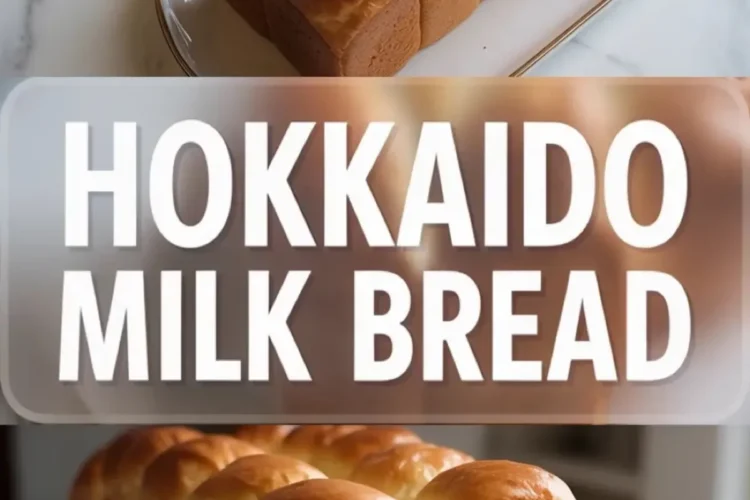
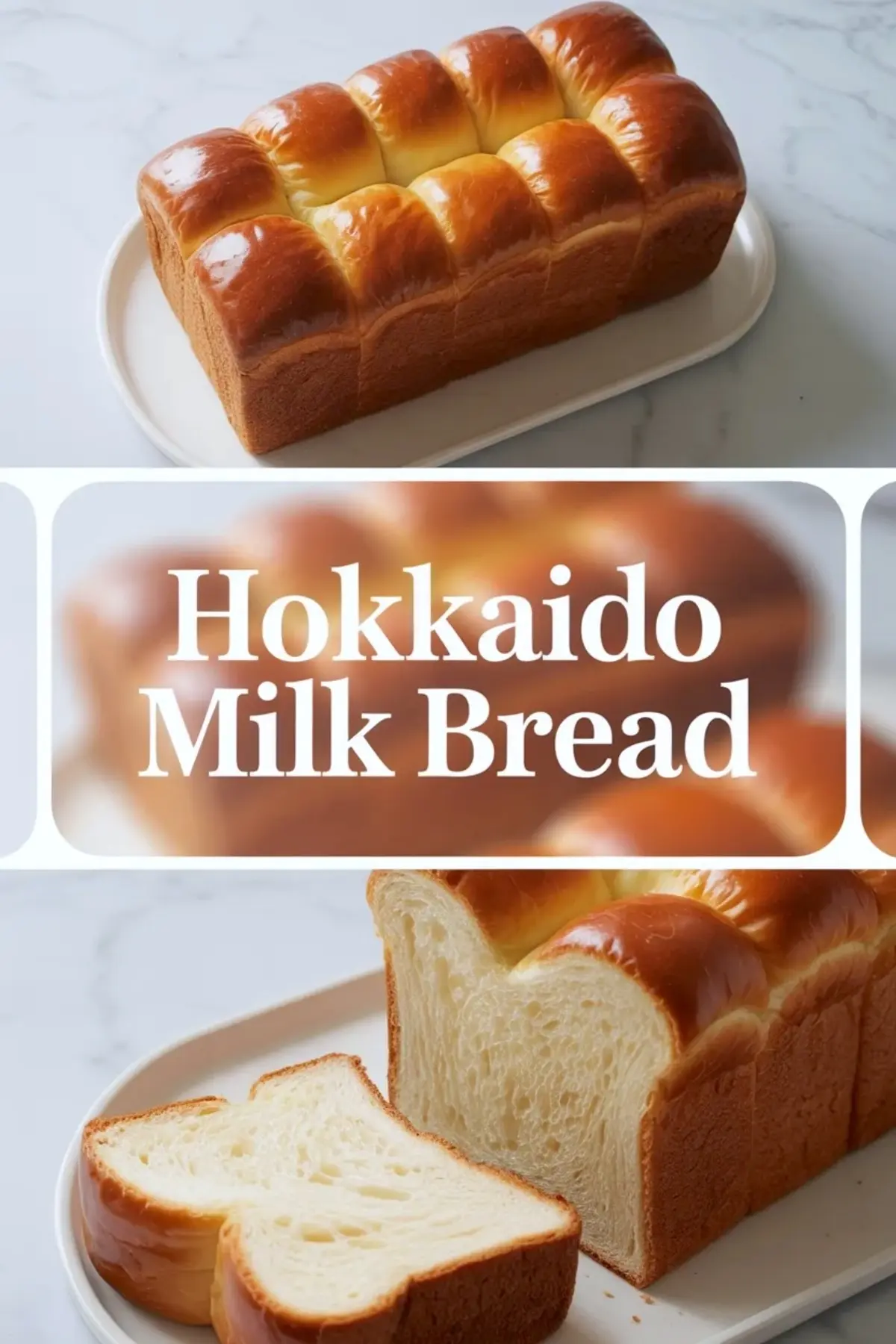
Hokkaido milk bread is the kind of loaf that makes people stop after the first slice because the texture is so soft it almost feels cottony. The crumb pulls apart in long fine strands, the crust stays thin and tender, and the flavor lands in that sweet spot between rich bread and everyday loaf. It is easy to see why this style of Japanese milk bread has become such a favorite for home bakers.
This Hokkaido milk bread recipe gets that texture from tangzhong, the simple cooked flour paste that helps the dough hold more moisture and stay soft for longer. The result is a fluffy Japanese milk loaf that works for breakfast toast, tea-time snacking, or even sandwiches when you want something softer than a standard white loaf. If you already enjoy tender enriched breads like lemon milk bread, this plain version is the one to master first.
Following a special diet?
Every recipe on this site can be converted to gluten-free, vegan, dairy-free, keto, nut-free or egg-free with adjusted ratios so nothing falls flat.
Try the Recipe Converter →Why Tangzhong Makes Such a Difference
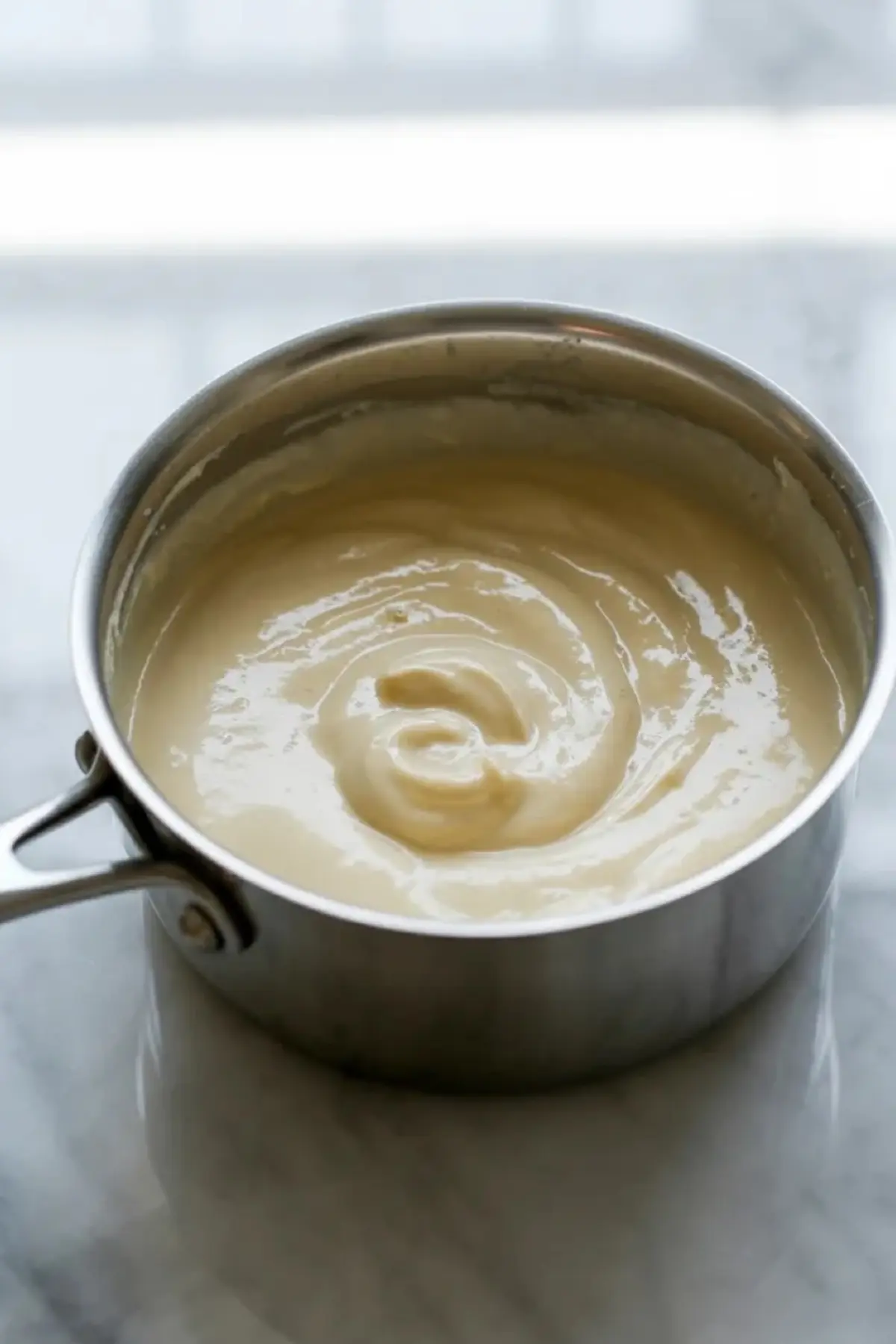
Tangzhong is what gives Hokkaido milk bread its signature softness. By cooking a small portion of flour with milk and water before mixing the full dough, you gelatinize the starches early, which lets the final dough absorb and hold extra moisture. That is why the loaf stays soft, springy, and fresh tasting instead of drying out quickly after baking.
It also improves the way the dough feels while kneading and shaping. A well made tangzhong helps the dough stretch more smoothly, which supports the fine shreddable crumb people want from Japanese milk bread recipe styles and shokupan-inspired loaves. The step adds a few minutes, but it changes the texture enough to be worth it every time.
The Ingredients That Build a Soft Japanese Milk Loaf
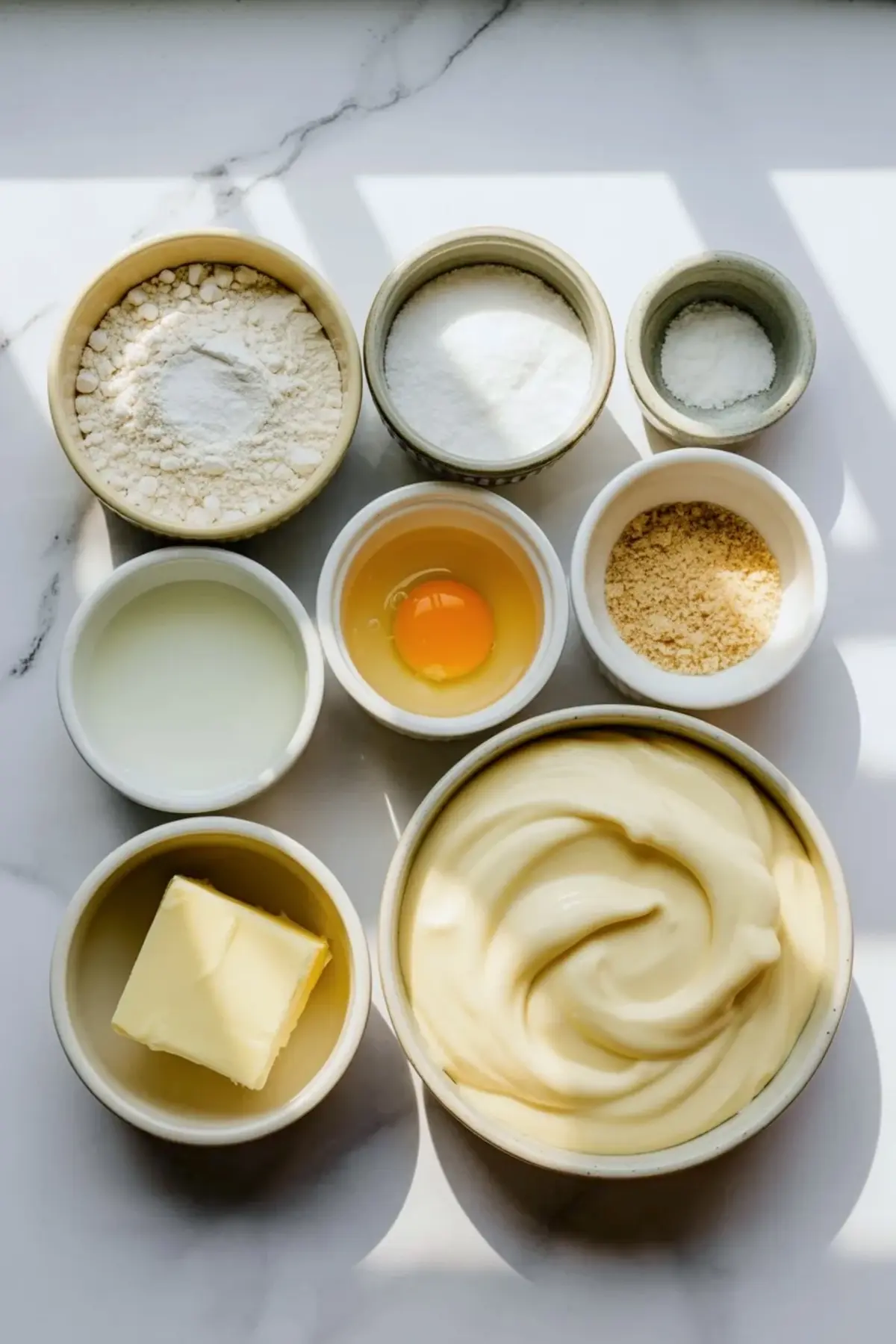
Bread flour gives the loaf enough strength to rise high while still staying tender, and milk adds richness that plain water dough does not have. Egg and butter push the bread further into that soft enriched category, while sugar adds just enough sweetness to support the bakery style flavor without making the loaf taste like dessert. Salt keeps the overall flavor balanced so the milkiness stays pleasant instead of flat.
Instant yeast keeps the rise simple, but the dough still needs time to develop properly. Because this is a moist enriched dough, each ingredient matters to the final texture more than it would in a rustic lean loaf. If you like other soft bread bakes with a cozy sweet profile, cardamom bread is another good one to save after this.
How to Build the Dough Without Losing Structure
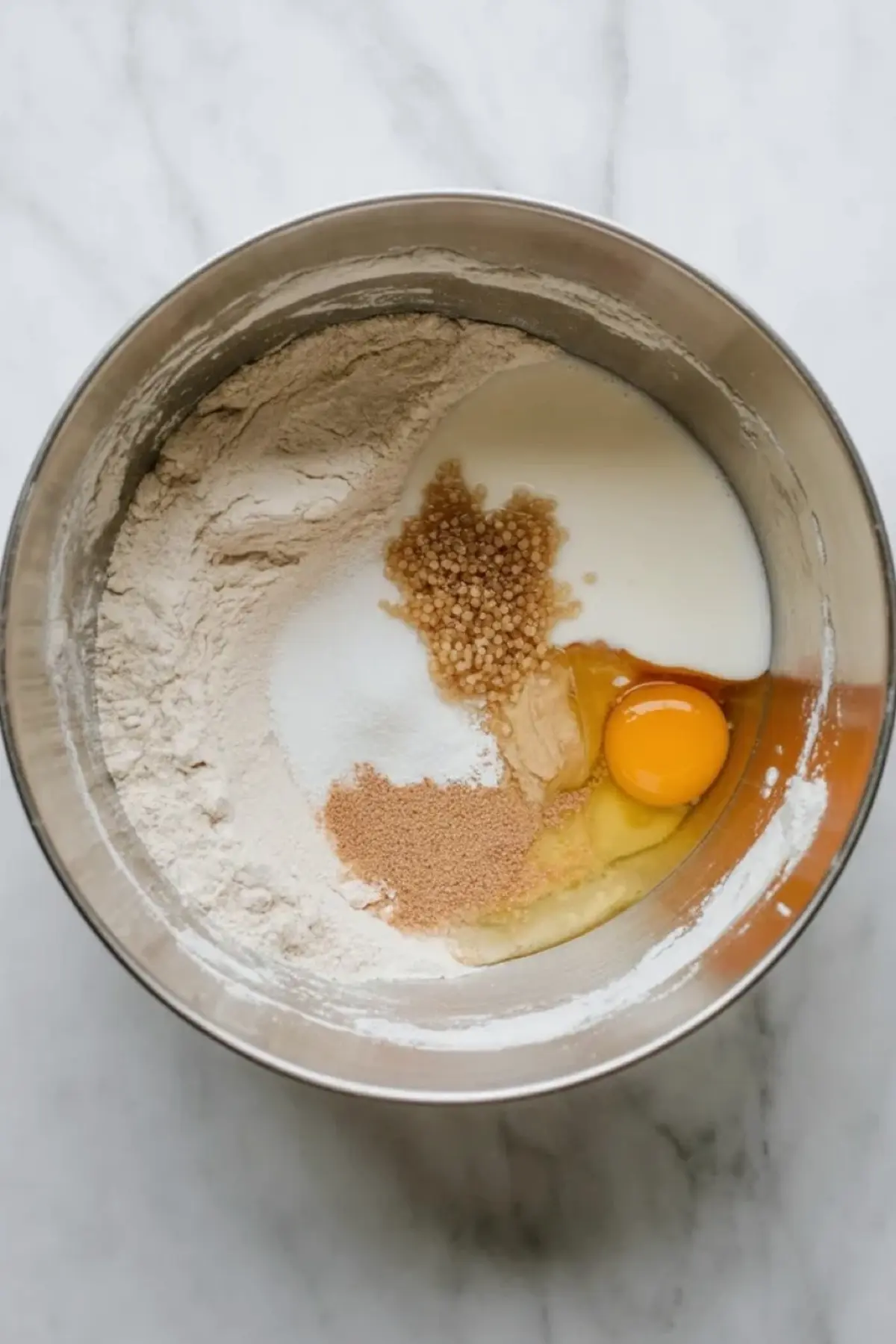
Once the tangzhong has cooled, it gets mixed with the rest of the dough ingredients to create a soft shaggy mass that looks sticky before kneading smooths it out. This is normal. Hokkaido milk bread dough should feel supple and slightly tacky rather than dry, because that moisture is part of what gives the loaf its tender interior.
Butter is best added after the dough has already started coming together so the gluten can begin forming before the fat fully coats the flour. Then the kneading does the rest. Keep going until the dough is smooth, elastic, and able to stretch thinly without tearing right away. That development is what allows the loaf to bake up lofty instead of dense.
Getting the Rise and Shape Right
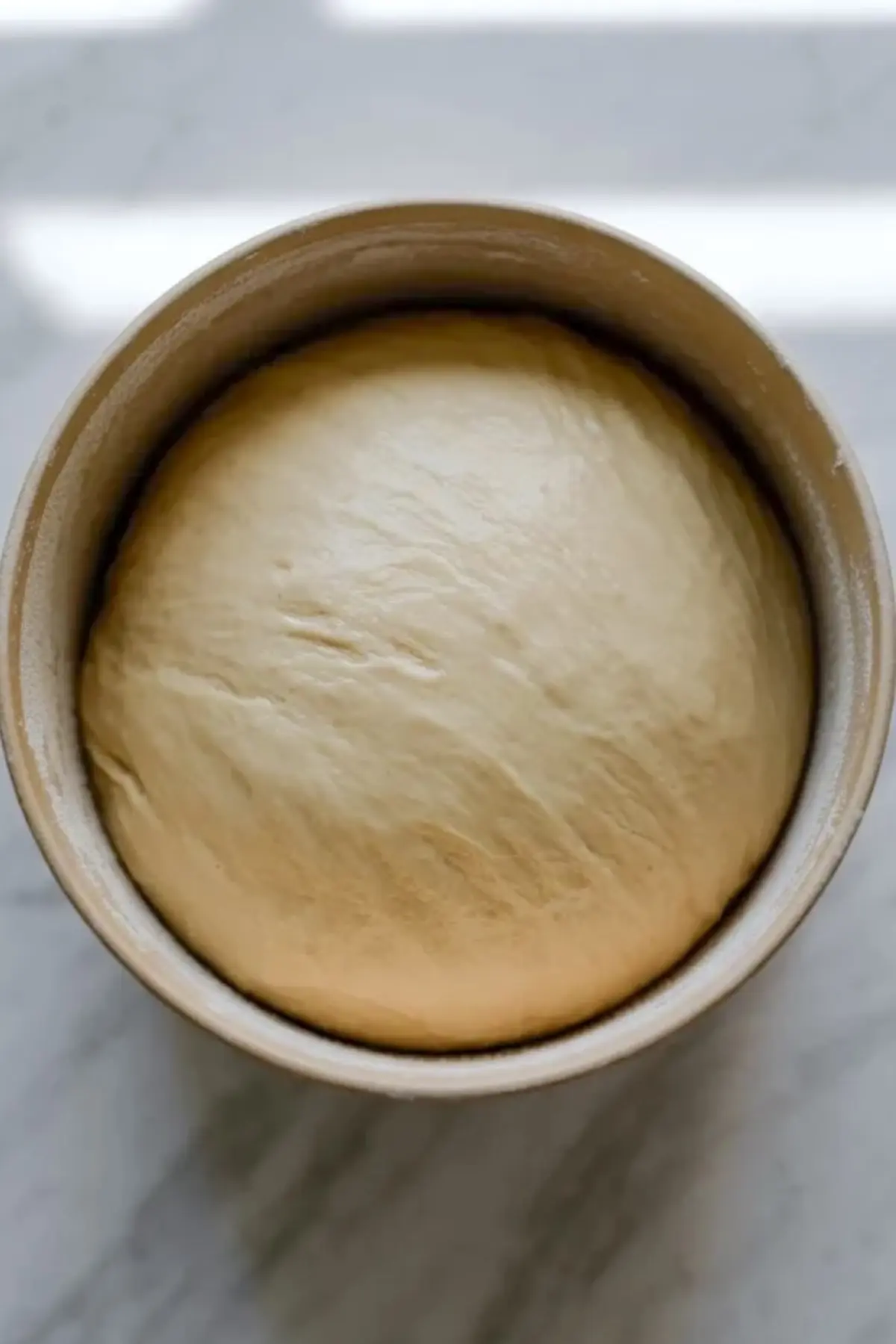
The first rise should leave the dough noticeably puffy, airy, and easy to handle without collapsing. After that, shaping into separate logs gives the loaf its classic pull-apart structure and a neater domed top once baked. Whether you divide into three or four pieces, keep the tension even so the loaf rises uniformly in the pan.
The second rise matters just as much as the first. If the dough goes into the oven too early, the crumb can turn tight and heavy. If it overproofs, the loaf can lose definition and bake up too fragile. You want the pan to look full and well expanded, with dough that feels light and slightly springy when gently touched.
How to Serve Hokkaido Milk Bread
Fresh slices are excellent with butter, fruit jam, or a little condensed milk, but the loaf is just as good toasted the next day. Because the crumb stays so soft, it also works beautifully for sandwiches, French toast, and tea-time plates where a bakery style bread feels a little more special than a standard loaf. It is the kind of bread that disappears faster than expected once it is on the counter.
If you want another breakfast style way to use soft enriched bread, brioche French toast is a good follow-up bake or serving idea. Hokkaido milk bread has a lighter structure than brioche, but it gives you that same rich homemade feeling when it is toasted and served warm.
Save This Hokkaido Milk Bread for Weekend Baking
Save this Hokkaido milk bread recipe for the next time you want a soft fluffy Japanese milk loaf that feels bakery worthy but still practical at home. Between the tangzhong, the tender crumb, and the light golden finish, it is one of those breads that looks impressive without asking for complicated shaping or specialty equipment. Keep it pinned for breakfast bakes, milk bread toast, or any weekend when a fresh loaf sounds better than store-bought.
Hokkaido Milk Bread
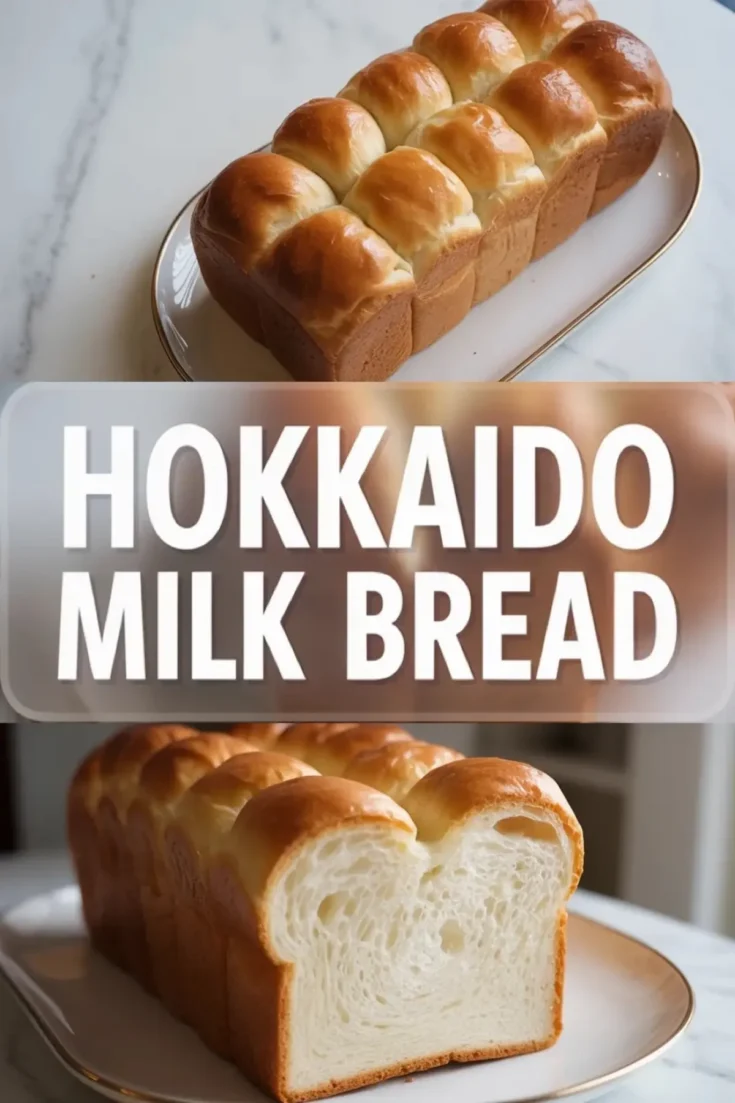
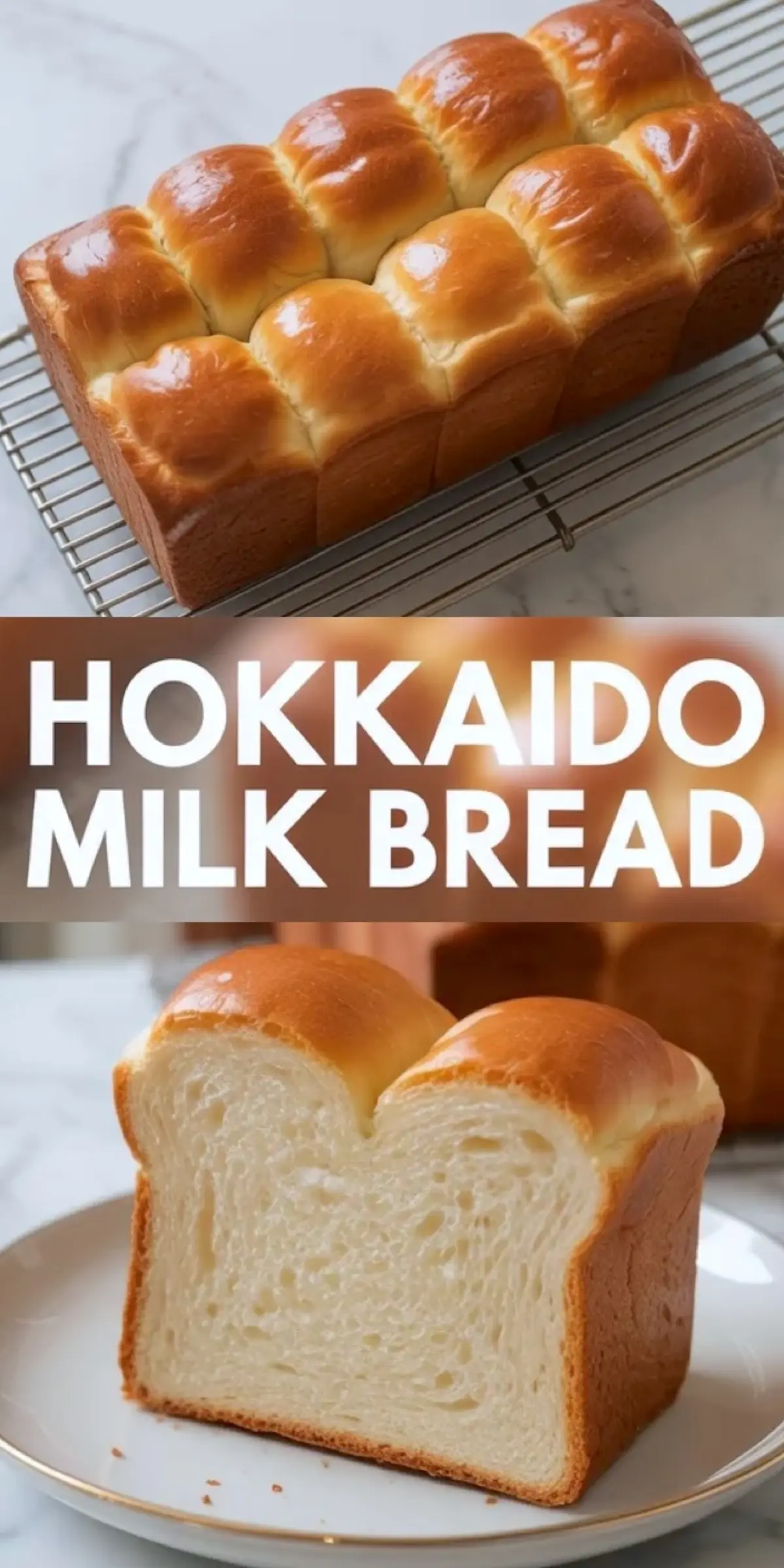
Save this Hokkaido milk bread recipe when you want a soft fluffy Japanese milk loaf with a feathery crumb, light sweetness, and that pull-apart texture that makes fresh milk bread so hard to stop slicing. This Japanese milk bread recipe uses tangzhong to keep the dough tender and moist, while bread flour, milk, butter, and egg build the rich bakery-style texture that gives Hokkaido milk bread its signature softness. The loaf bakes up with a thin golden crust, a delicate milky flavor, and an airy interior that works for toast and sandwiches. If you have been looking for Hokkaido milk bread, Japanese milk bread recipe, or a homemade shokupan-style loaf for breakfast, sandwiches, or toast, this is the one to keep and bake again.
Ingredients
- FOR THE TANGZHONG
- 3 tablespoons bread flour
- 1/2 cup milk
- 1/4 cup water
- FOR THE DOUGH
- 2 1/2 cups bread flour
- 1/4 cup sugar
- 1 teaspoon salt
- 2 teaspoons instant yeast
- 1/2 cup warm milk
- 1 large egg
- 1/4 cup unsalted butter, softened
- FOR THE EGG WASH
- 1 egg
- 1 tablespoon milk
Instructions
MAKE THE TANGZHONG: In a small saucepan, combine bread flour, milk, and water. Cook over medium heat while stirring constantly until the mixture thickens into a smooth, pudding-like paste. Remove from heat and allow it to cool completely before using.
PREPARE THE DOUGH: In a large mixing bowl, combine bread flour, sugar, salt, and instant yeast. Add warm milk, egg, and the cooled tangzhong. Mix until a shaggy dough forms and all ingredients are incorporated.
KNEAD THE DOUGH: Knead the dough by hand or with a mixer. After a few minutes, add softened butter in small portions, allowing it to fully absorb before adding more. Continue kneading for 10–15 minutes until the dough becomes smooth, elastic, and slightly tacky. The dough should stretch thin without tearing when tested.
FIRST RISE: Place the dough in a lightly greased bowl and cover it. Let it rise in a warm area for 1 to 1.5 hours, or until it doubles in size.
SHAPE THE DOUGH: Gently deflate the risen dough and divide it into 3 or 4 equal portions. Shape each portion into a ball, then flatten and roll each into a log. Arrange the logs in a greased loaf pan.
SECOND RISE: Cover the pan and allow the dough to rise again for 45 to 60 minutes until it expands and fills the pan.
BAKE THE BREAD: Preheat the oven to 350°F (175°C). Whisk egg and milk together, then brush the mixture over the top of the dough. Bake for 25–30 minutes until the crust turns golden brown. Remove from the oven and let the bread cool slightly before taking it out of the pan.
Notes
Use bread flour for best structure and texture.
Ensure the tangzhong cools fully before mixing into the dough to avoid affecting yeast activity.
Store the bread in an airtight container at room temperature for up to 3 days or freeze for longer storage.
Nutrition Information
Yield
8Serving Size
1Amount Per Serving Calories 428Total Fat 10gSaturated Fat 5gUnsaturated Fat 5gCholesterol 66mgSodium 311mgCarbohydrates 72gFiber 2gSugar 8gProtein 13g
