
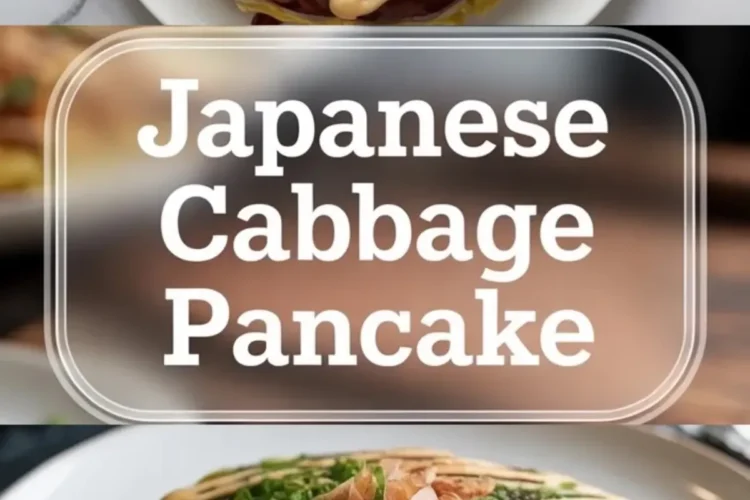
If you want a savory pancake that feels comforting, crisp at the edges, and packed with flavor, this Japanese Cabbage Pancake recipe is a great place to start. Often compared to an okonomiyaki recipe, this style of Japanese pancake uses a simple batter, lots of shredded cabbage, and a few classic toppings to turn everyday ingredients into something deeply satisfying. It is one of the easiest ways to bring Japanese food into your kitchen without needing special equipment or hard to find ingredients.
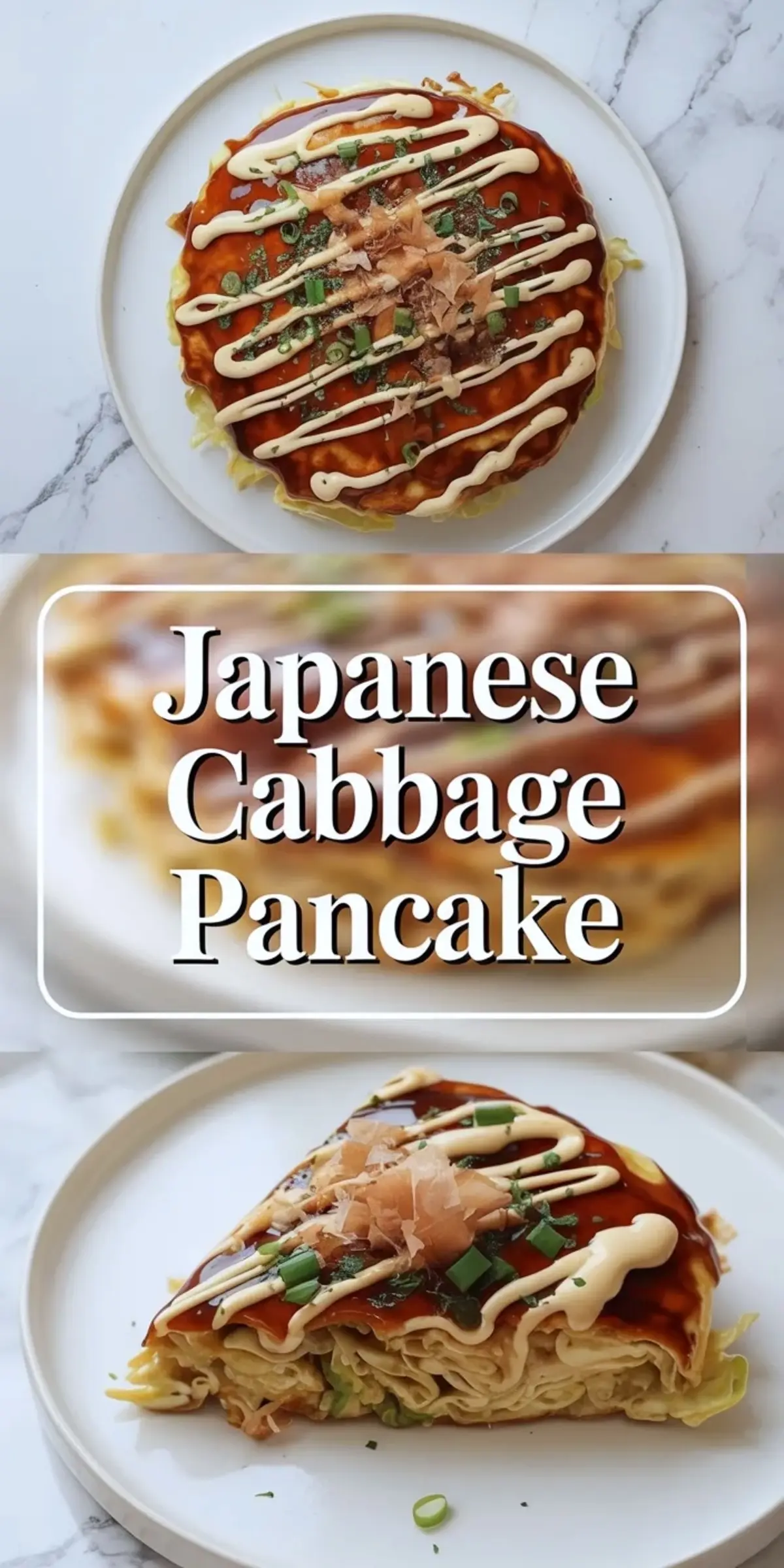
This cabbage based pancake cooks into a golden round with a tender center and a lightly crisp crust. The cabbage softens as it cooks, so the texture stays delicate instead of heavy. A drizzle of sauce and Japanese mayonnaise gives the finished pancake the sweet, savory, tangy finish that makes Japanese street food so memorable. If you already enjoy breakfast style Japanese soufflé pancakes, this savory version is a fun contrast to try next.
Following a special diet?
Every recipe on this site can be converted to gluten-free, vegan, dairy-free, keto, nut-free or egg-free with adjusted ratios so nothing falls flat.
Try the Recipe Converter →What Makes It Work
The key to a good Japanese Pancake Recipe is the balance between cabbage and batter. You want enough batter to bind everything together, but not so much that the pancake turns doughy. In this recipe, the shredded cabbage does most of the work. It creates volume, moisture, and a soft interior while the flour and eggs hold the mixture in place.
Cooking over medium heat also matters. Heat that is too high browns the outside before the cabbage turns tender. Moderate heat gives the pancake time to set, develop a golden crust, and cook through without tasting raw in the center. That balance is what gives a good Cabbage Pancake Recipe its signature texture.
What You Need
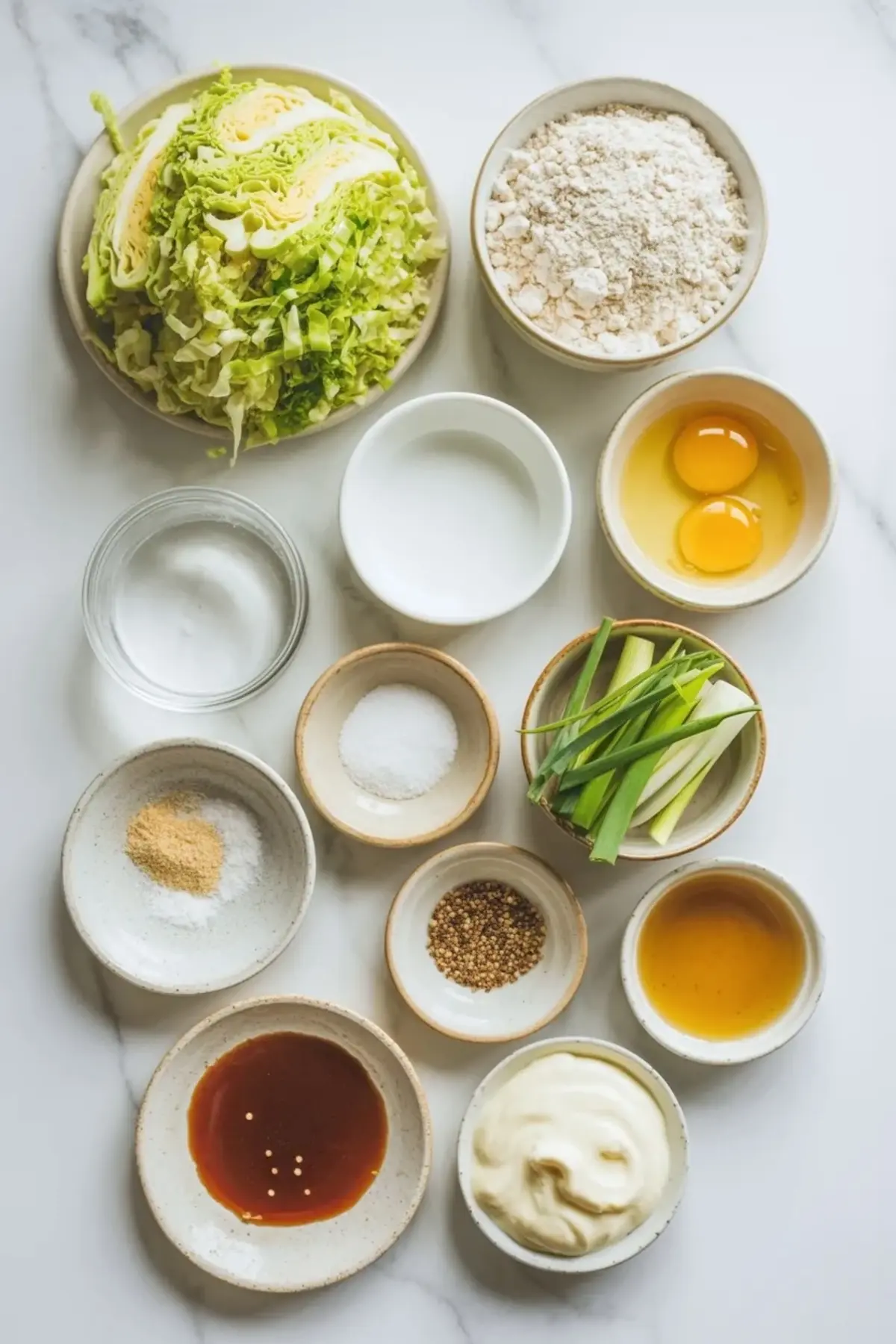
Green cabbage is the main ingredient, so slice it thinly. Fine shreds soften faster and mix more evenly into the batter. Eggs add structure, flour builds the base, and water or dashi loosens the batter so it coats the cabbage instead of clumping. Green onions add freshness and a gentle sharpness that keeps the pancake from tasting flat.
The toppings matter too. Okonomiyaki sauce brings sweet and savory depth, while Japanese mayonnaise adds richness and a little tang. Bonito flakes and dried seaweed are optional, but they give the pancake a more classic finish. If you want another recipe that uses bold topping contrast well, Emma’s black sesame cookies show how a strong finishing flavor can completely shape the final bite.
Why Cabbage Is The Star
Cabbage may sound humble, but it is the ingredient that gives this recipe its identity. As it cooks, it turns sweet and tender while still keeping a little bite. That texture is what separates this dish from standard pancakes. Instead of a fluffy breakfast stack, you get something savory, layered, and full of substance.
Because cabbage holds moisture, it also helps the pancake stay tender inside. That means you can make a satisfying savory pancakes style meal without needing cheese, cream, or a long list of extras. It is simple food, but it does not taste plain.
How To Make It
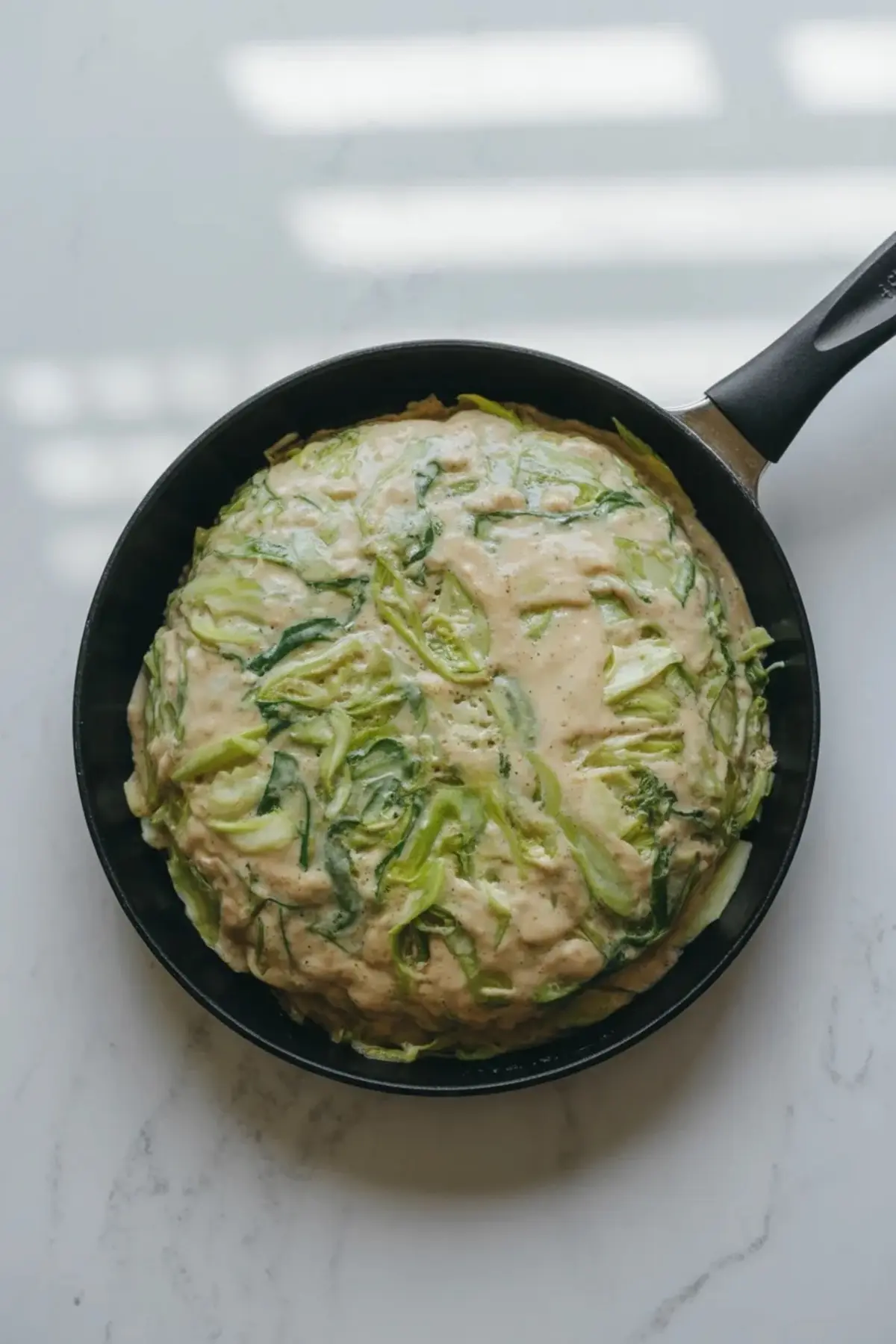
Start by whisking the batter until it is smooth enough to coat the cabbage evenly. Then fold in the shredded cabbage and green onions. The mixture should look cabbage heavy, and that is exactly right. It will seem fuller than a standard pancake batter, but that is how you get the right texture after cooking.
Heat a lightly oiled skillet over medium heat, then mound the mixture into a thick round. Once it hits the pan, resist the urge to flatten it too much. Let the bottom set and brown before flipping. A wide spatula helps, but you can also use a plate to assist if the pancake feels delicate. After the second side cooks, the inside should feel tender and the outside should look deeply golden.
Finish with sauce, mayonnaise, green onions, and any classic toppings you like. The final result should taste balanced, savory, and rich without feeling greasy. If you enjoy exploring the sweeter side of Japanese inspired baking too, Japanese cheesecake is another recipe worth saving for later.
How To Tell It Is Done
A finished Japanese cabbage pancake should hold together easily when lifted with a spatula. The outside should be browned and lightly crisp, while the center should feel set instead of wet. If you cut into the middle, the cabbage should be tender and steamy, not raw or watery.
If the surface browns too fast while the center still looks loose, lower the heat slightly and give it more time. This recipe rewards patience more than speed.
Troubleshooting
If the pancake falls apart, the cabbage pieces may be too large or the batter may not be mixed well enough. If it feels dense, too much flour is often the cause. If the center stays wet, the pancake may be too thick for the heat level you are using.
When in doubt, make the pancake a little smaller and keep the heat moderate. Smaller rounds are easier to flip and cook more evenly, especially on the first try.
Ways To Change It
This Okonomiyaki Recipe style pancake is flexible. Shrimp, pork belly, bacon, or shredded carrots all work well as add ins. You can also swap the water for dashi to build more savory depth. For a vegetarian version, keep the seafood toppings off and lean on extra green onions, seaweed, and sauce for flavor.
You can even turn the batter into smaller pancakes for a snack or party plate. They cook faster and are easy to top just before serving.
Storage And Reheating
Leftovers keep well in the fridge for a few days. Store the pancake in an airtight container and reheat it in a skillet so the outside crisps again. The microwave works in a pinch, but the texture will be softer.
For the best flavor, store toppings separately and add them after reheating. That keeps the sauce fresh and prevents the surface from turning soggy.
How To Serve It
Serve this Japanese pancake hot as a light lunch, casual dinner, or savory weekend brunch. It is filling on its own, but it also works with a crisp salad, quick pickled vegetables, or a simple bowl of soup. If you want a sweet finish after a savory meal, something bright like mango chutney can add a fresh contrast on the table.
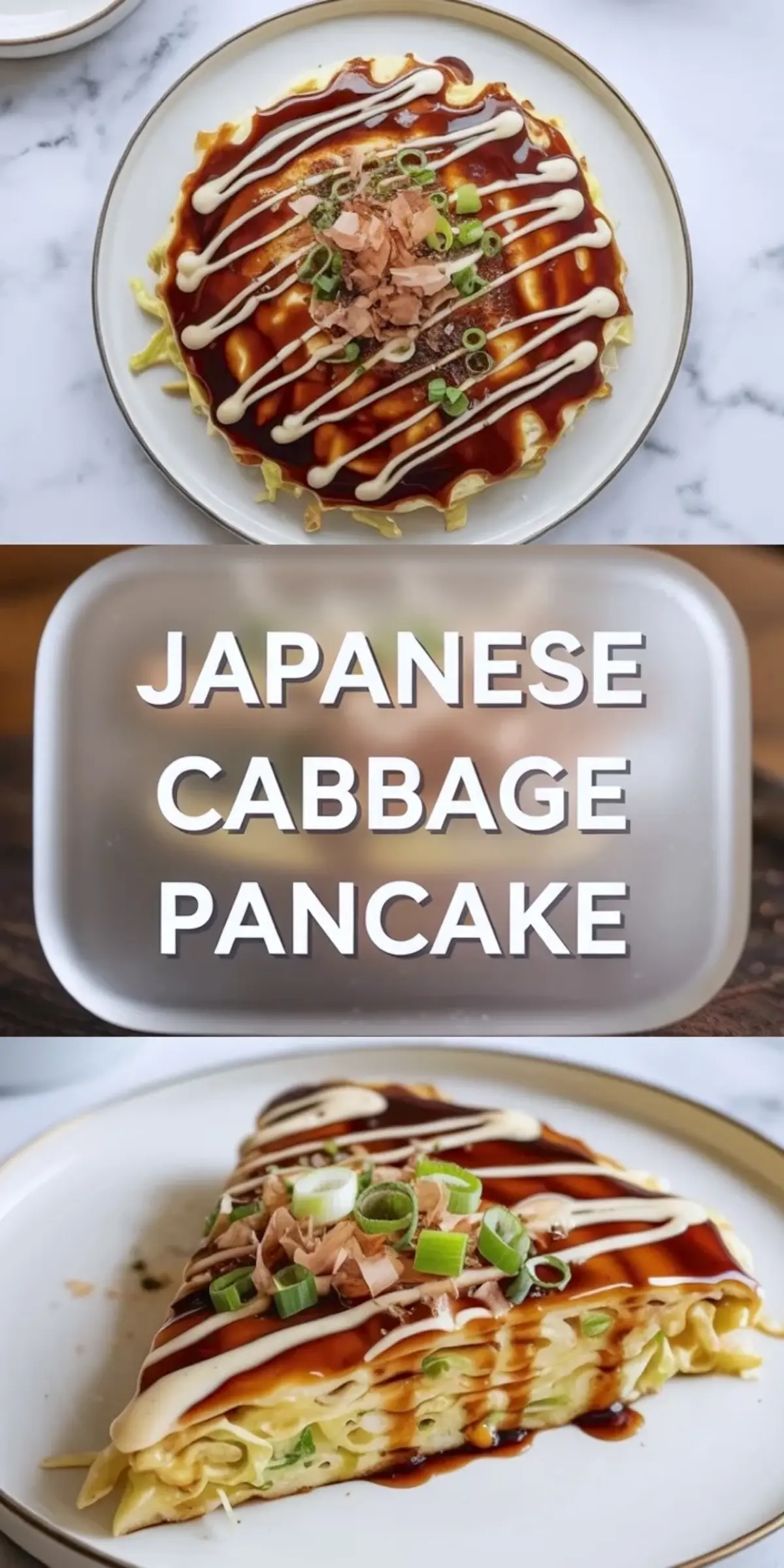
Save this Pancake Recipe if you want a fast way to try Japanese flavors at home. It is easy, deeply satisfying, and a smart choice when you want a savory break from sweet pancakes.
Japanese Cabbage Pancake Recipe
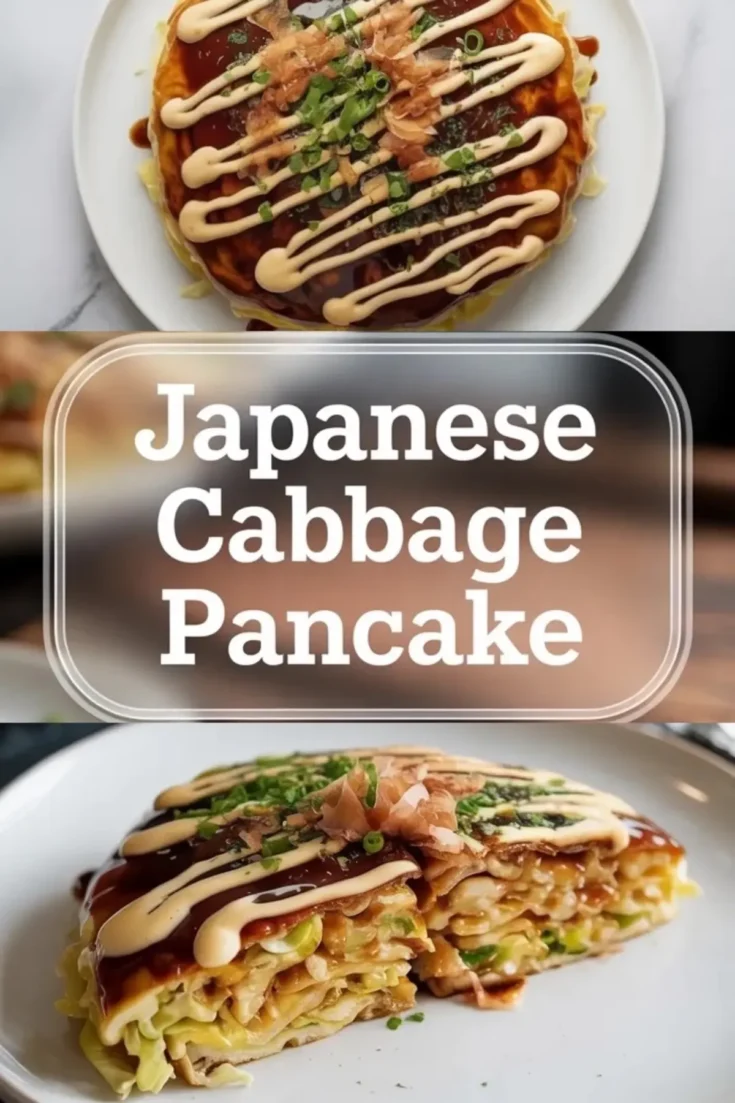
This Japanese Cabbage Pancake Recipe brings together shredded cabbage, a simple savory batter, and the classic flavor people love in an okonomiyaki recipe. It cooks into a tender pancake with crisp edges and a soft center, which is why this dish stands out in Japanese food and Japanese street food. If you are looking for savory pancakes, a reliable cabbage pancake recipe, or an easy Japanese pancake recipe, this version keeps the method simple while giving you the rich, comforting flavor that makes this style of Japanese pancake so popular.
Ingredients
- FOR THE PANCAKE BATTER
- 2 cups finely shredded green cabbage
- ¾ cup all-purpose flour
- 2 large eggs
- ½ cup water or dashi stock
- 2 green onions, sliced
- ½ teaspoon salt
- ¼ teaspoon black pepper
- FOR OPTIONAL ADD-INS
- ½ cup cooked shrimp
- ½ cup thinly sliced pork belly
- ½ cup shredded carrots
- ½ cup cooked bacon pieces
- FOR THE TOPPINGS
- 2 tablespoons okonomiyaki sauce or thick sweet barbecue sauce
- 2 tablespoons Japanese mayonnaise
- 1 tablespoon chopped green onions
- 1 tablespoon bonito flakes (optional)
- 1 teaspoon dried seaweed flakes (optional)
- FOR COOKING
- 1–2 tablespoons vegetable oil
Instructions
PREPARE THE CABBAGE: Finely shred the green cabbage using a sharp knife. Thin slices help the cabbage soften quickly during cooking and blend evenly into the batter. Place the shredded cabbage into a large mixing bowl.
MIX THE BATTER: In a separate bowl whisk together the flour, eggs, water or dashi stock, salt, and black pepper until a smooth batter forms. A few small lumps are acceptable as long as the mixture is evenly combined.
COMBINE THE INGREDIENTS: Pour the batter over the shredded cabbage. Add sliced green onions and any optional add-ins such as shrimp, pork belly, carrots, or bacon. Gently fold the mixture together until the cabbage is evenly coated with batter. The mixture should appear heavy with cabbage, which creates the correct texture after cooking.
HEAT THE PAN: Place a large nonstick skillet or frying pan over medium heat. Add about 1 tablespoon of vegetable oil and allow it to heat until it lightly shimmers.
COOK THE FIRST SIDE: Scoop the cabbage mixture into the hot skillet and shape it into a round pancake about 1 inch thick. Cook for 5–6 minutes without pressing it down so the bottom develops a golden crust. If using pork belly slices, place them on top of the pancake while the first side cooks.
FLIP THE PANCAKE: Slide a large spatula under the pancake and carefully flip it over. Cook the second side for another 5–6 minutes until the pancake is golden brown and the cabbage inside becomes tender.
ADD THE TOPPINGS: Transfer the cooked pancake to a serving plate. Drizzle okonomiyaki sauce in zigzag lines across the surface, then drizzle Japanese mayonnaise over the sauce. Sprinkle chopped green onions, bonito flakes, and dried seaweed flakes on top before serving.
Notes
Thinly sliced cabbage cooks more evenly and creates a lighter texture inside the pancake.
Medium heat helps cook the cabbage fully while allowing the outside to brown.
If flipping feels difficult, place a plate over the skillet, invert the pan so the pancake lands on the plate, then slide it back into the skillet to cook the second side.
Leftover pancakes can be stored in an airtight container in the refrigerator for up to 3 days and reheated in a skillet over medium heat to restore crisp texture.
