

These gluten free donut holes are baked in a mini muffin pan and finished with a simple butter sugar coating for a soft, classic bite. This gluten free baked donut recipe gives you gluten free donuts easy enough for beginners, using a balanced batter that works every time. If you collect gluten free doughnut recipes or need a reliable gluten free donut hole recipe for breakfast or snacking, this easy gluten free donut recipe delivers tender gf donut holes without frying.

The structure comes from a precise ratio of 1 1/2 cups gluten free flour blend to two eggs and 3/4 cup total dairy. That balance gives lift without dryness, and the crumb stays soft even the next day. I use the same principle in my Easy Gluten Free Coffee Cake Recipe, where moisture and structure need to coexist without wheat gluten.
The steady 350 F oven temperature sets the edges quickly, so the center rises evenly instead of collapsing. The mini muffin pan supports the batter from all sides, which creates rounded tops and a uniform bake. Small bakes demand control. This method gives it.
What You Need and Why I Chose It
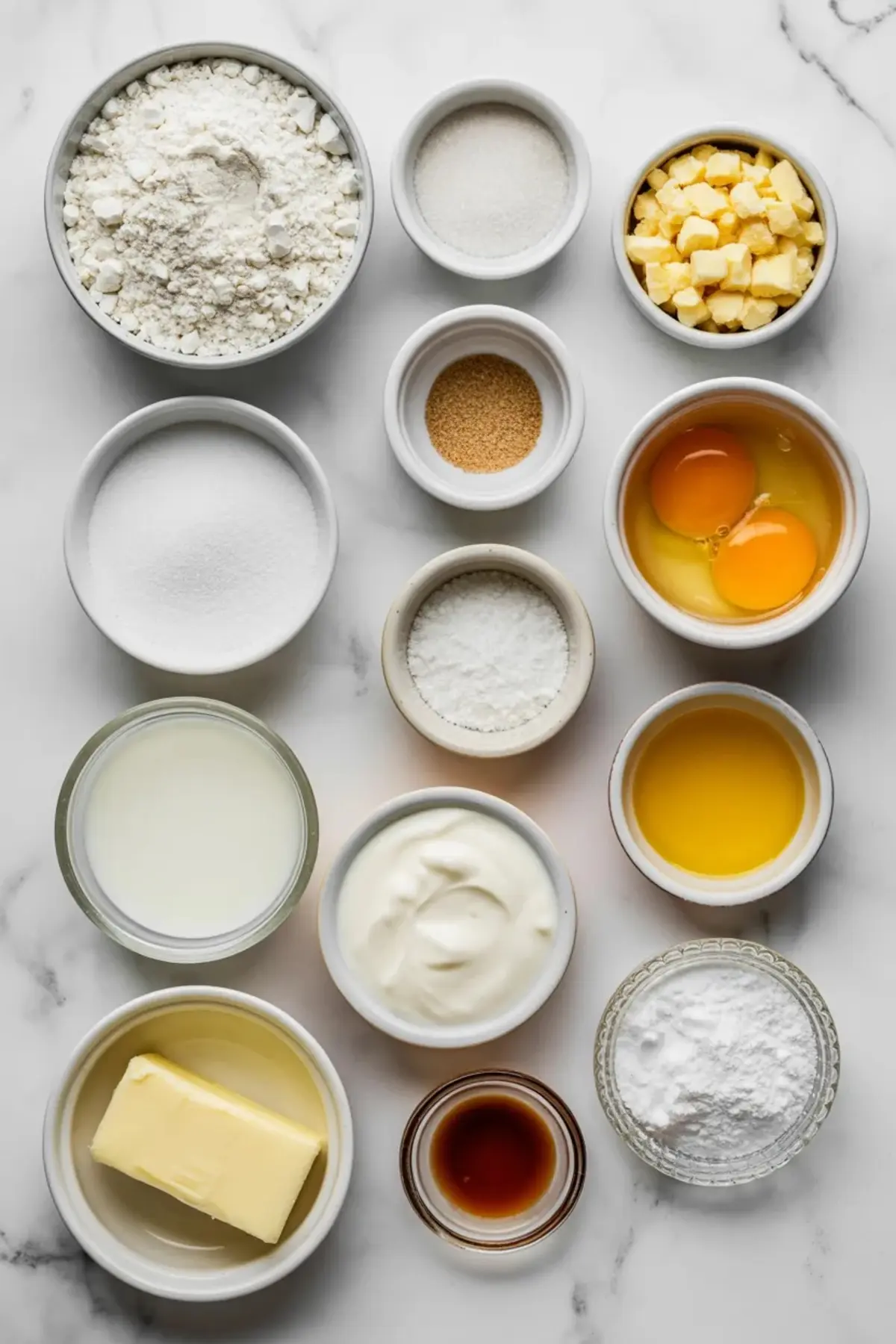
A gluten free all purpose flour blend with xanthan gum builds the base. Xanthan gum replaces elasticity that wheat flour would normally provide, and it prevents crumbling in small formats like donut holes. If your blend lacks gum, the added 1/2 teaspoon makes a visible difference in height and texture.
Baking powder lifts, and baking soda reacts with the Greek yogurt to create extra tenderness. That reaction softens the crumb and keeps the flavor balanced. Salt sharpens sweetness and supports vanilla, so the donut tastes full instead of flat.
Whole milk adds richness, and Greek yogurt adds moisture plus gentle tang. The yogurt makes the interior feel almost creamy when warm. Melted butter gives aroma and depth, similar to what you taste in my Glazed Chocolate Donut Cake, where butter carries the flavor through each bite.
Key Technique Spotlight: Mixing and Texture
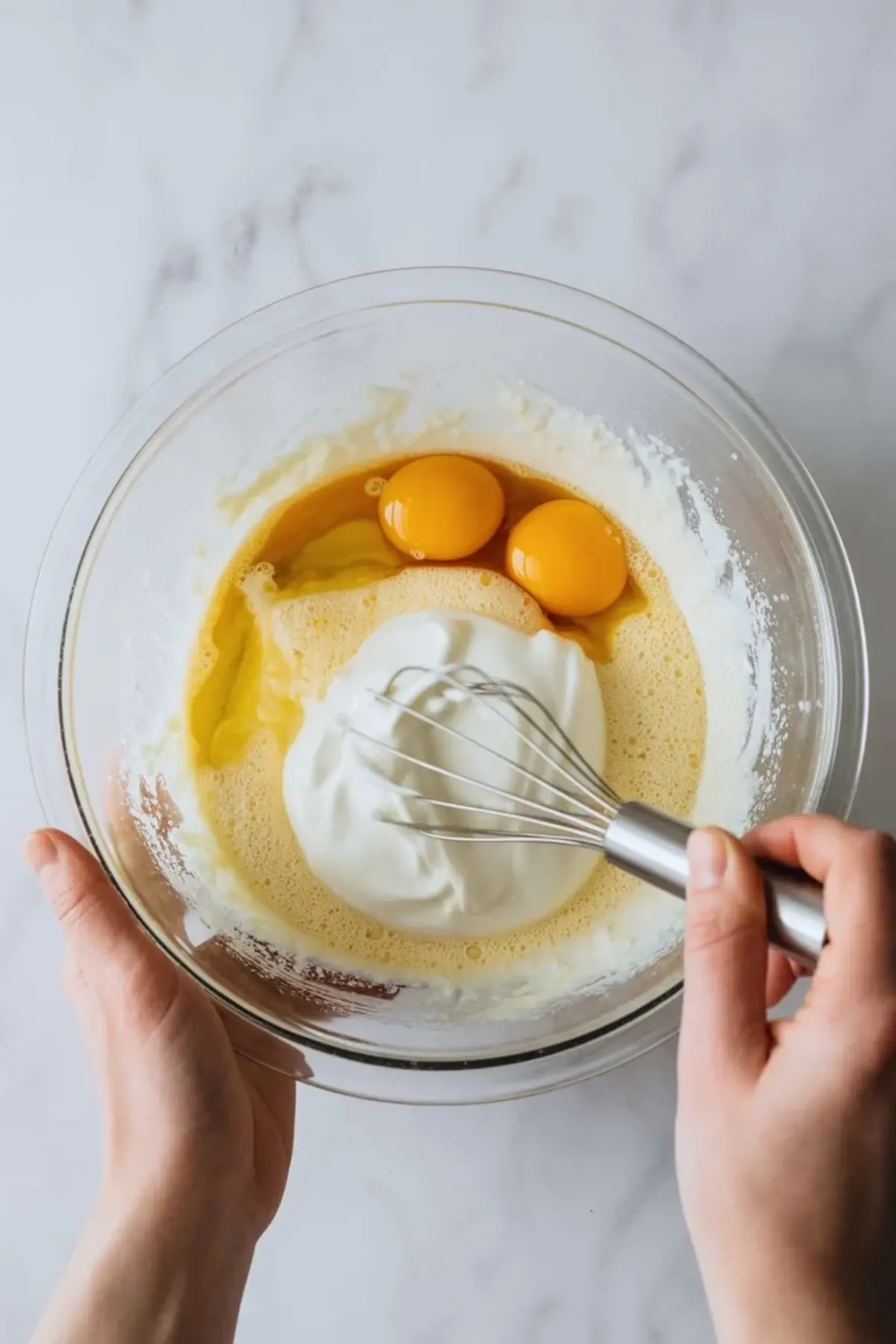
The wet mixture needs a full whisk until no streaks of yogurt remain. A smooth liquid base ensures even distribution in the flour, which leads to a uniform crumb. The batter should look thick but glossy, and it should fall from the spoon slowly.
Gentle folding keeps the texture light. Overmixing compresses gluten free batters and creates density. Fried yeast styles such as my Italian Donuts rely on kneading for structure, but this baked donut hole recipe depends on restraint. Stop as soon as the flour disappears.
How To Make It
The oven must reach full temperature before baking begins. A lightly greased mini muffin pan allows clean release and rounded tops. Even a thin film of butter or oil prevents sticking and protects shape.
The dry ingredients need a thorough whisk so leavening spreads evenly. The wet mixture should look unified and smooth before combining. Once together, the batter should feel soft and slightly thick without resistance when stirred.
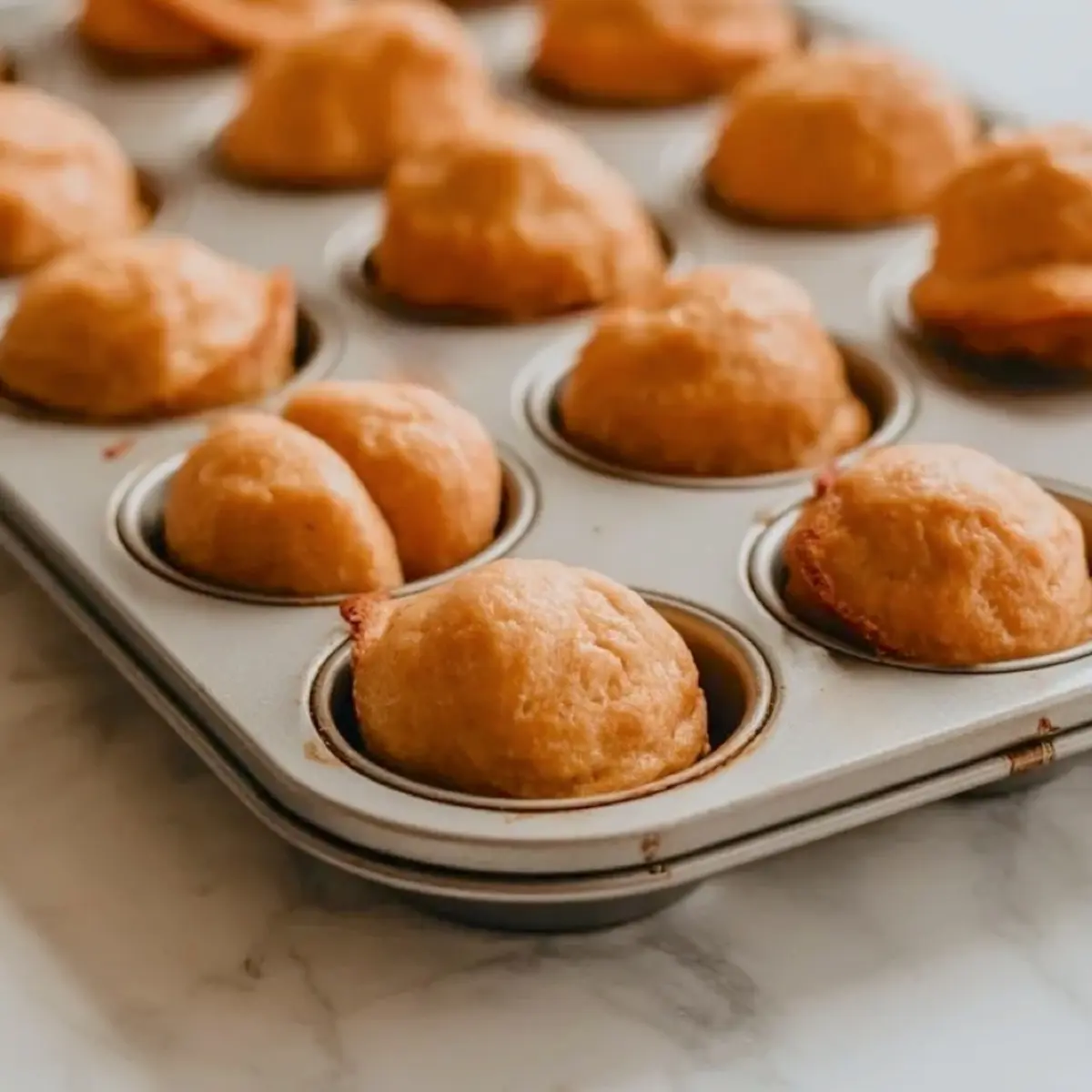
Each cavity should be filled about three quarters full. This space allows lift without overflow. Bake for 12 to 15 minutes until lightly golden and set. Warm donut holes accept the butter sugar coating best, since the surface remains slightly porous.
How To Tell It’s Done
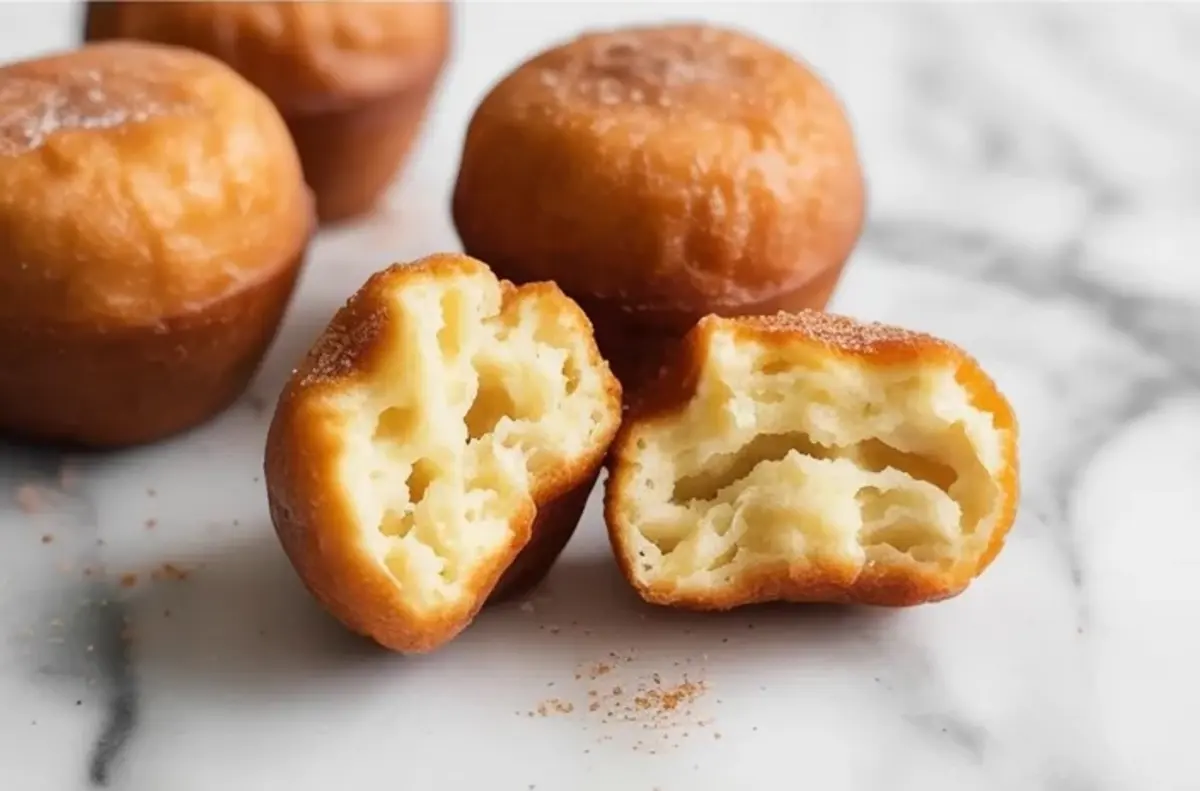
A toothpick inserted in the center should come out clean. The tops should spring back when pressed gently. The edges should show light golden color without browning deeply.
An underbaked center feels damp and sinks after cooling. An overbaked batch feels dry and firm. The gentle spring test gives the clearest answer. Trust that texture.
Troubleshooting
Dense texture usually comes from excess mixing or packed flour. Measure flour with a spoon and level method to avoid compression. Stir only until combined.
Flat tops can result from expired baking powder. Fresh leavening restores lift. Sticky bottoms often mean insufficient greasing or removing too early. A five minute rest in the pan improves release.
Ways To Change It
A cinnamon sugar variation works by adding 1 teaspoon cinnamon to the sugar coating. A lemon version works with 1 teaspoon lemon zest in the batter. A chocolate glaze uses 1/2 cup melted chocolate mixed with 1 teaspoon oil for shine.
A dairy free option replaces milk and yogurt with full fat coconut milk and dairy free yogurt. The texture stays soft with that substitution. The flavor shifts slightly richer, which works well.
Storage
Store at room temperature in an airtight container for up to two days. Warm briefly before serving to refresh softness. The crumb softens again with gentle heat.
Freeze for up to two months in a sealed bag. Thaw at room temperature and warm lightly. The coating may soften, so a quick roll in fresh sugar restores texture.
Practical Tips
Room temperature eggs mix more smoothly and trap air better. A small scoop creates even sizing and consistent bake time. A wire rack prevents steam from softening the exterior.
Coat while warm for even sugar coverage. Brush lightly with butter instead of dipping to control the layer. Small adjustments improve finish.
How To Serve It
Serve warm with coffee for a balanced breakfast plate. Pair with fresh berries for contrast. Stack on a platter for gatherings or brunch tables.
A simple glaze drizzle adds a polished touch for guests. Keep them plain for everyday snacking. Warm and simple often wins.
Save This Recipe

Save this gluten free donut holes recipe to your breakfast or gluten free baking board so you can return to it easily. Share in the comments how your gluten free donut hole recipe turned out or ask any questions about flour blends or texture. Your feedback helps other readers bake with confidence.
Gluten-Free Baked Donut Holes

These soft and fluffy gluten free donut holes are baked, not fried, making them a simple homemade treat. This easy gluten free donut hole recipe delivers tender texture and classic flavor without gluten. If you’re searching for gluten free donuts easy enough for beginners, this method keeps things straightforward. Made using a simple donut hole recipe base, these gf donut holes are perfect for breakfast or snacking. Add this to your collection of gluten free doughnut recipes and save this easy gluten free donut recipe for when you want fresh gluten free donuts without the hassle of deep frying.
Ingredients
- FOR THE DONUT HOLES
- 1 ½ cups gluten-free all-purpose flour blend (with xanthan gum included)
- 1 teaspoon baking powder
- ½ teaspoon baking soda
- ¼ teaspoon salt
- ½ cup granulated sugar
- 2 large eggs, room temperature
- ½ cup whole milk or dairy-free milk
- ¼ cup plain Greek yogurt
- 3 tablespoons unsalted butter, melted
- 1 teaspoon pure vanilla extract
- FOR THE TOPPING
- 2 tablespoons unsalted butter, melted
- ¼ cup granulated sugar
Instructions
PREPARE THE PAN: Preheat the oven to 350°F (175°C). Lightly grease a mini muffin pan to prevent sticking and to help create evenly shaped donut holes with rounded tops.
MIX THE DRY INGREDIENTS: Add the gluten-free flour blend, baking powder, baking soda, salt, and granulated sugar to a medium bowl. Whisk thoroughly to distribute the leavening agents evenly and to remove any lumps in the flour.
COMBINE THE WET INGREDIENTS: Crack the eggs into a separate bowl and whisk until slightly frothy. Add the milk, Greek yogurt, melted butter, and vanilla extract. Whisk until the mixture looks smooth and fully combined with no streaks of yogurt remaining.
COMBINE WET AND DRY MIXTURES: Pour the wet ingredients into the bowl of dry ingredients. Stir gently with a spatula until just combined. Stop mixing as soon as the batter becomes smooth and slightly thick to avoid overworking the gluten-free flour.
FILL THE PAN: Spoon the batter into the prepared mini muffin cavities, filling each about three-quarters full. Leave space at the top of each cavity to allow the donut holes to rise evenly.
BAKE THE DONUT HOLES: Place the pan in the preheated oven and bake for 12–15 minutes. Check for doneness by inserting a toothpick into the center of a donut hole; it should come out clean. The tops should appear lightly golden.
COOL AND COAT: Allow the donut holes to cool in the pan for 5 minutes. Transfer them to a wire rack. While they are still slightly warm, brush each donut hole with melted butter and roll in granulated sugar until evenly coated. Serve warm for the best texture.
Notes
If the gluten-free flour blend does not contain xanthan gum, add ½ teaspoon to the dry ingredients to improve structure.
Do not overmix the batter, as excessive stirring can create dense donut holes.
Store leftovers in an airtight container at room temperature for up to 2 days. Warm briefly before serving to refresh texture.
Nutrition Information
Yield
20Serving Size
1Amount Per Serving Calories 99Total Fat 4gSaturated Fat 2gUnsaturated Fat 2gCholesterol 27mgSodium 108mgCarbohydrates 15gFiber 0gSugar 10gProtein 2g
