

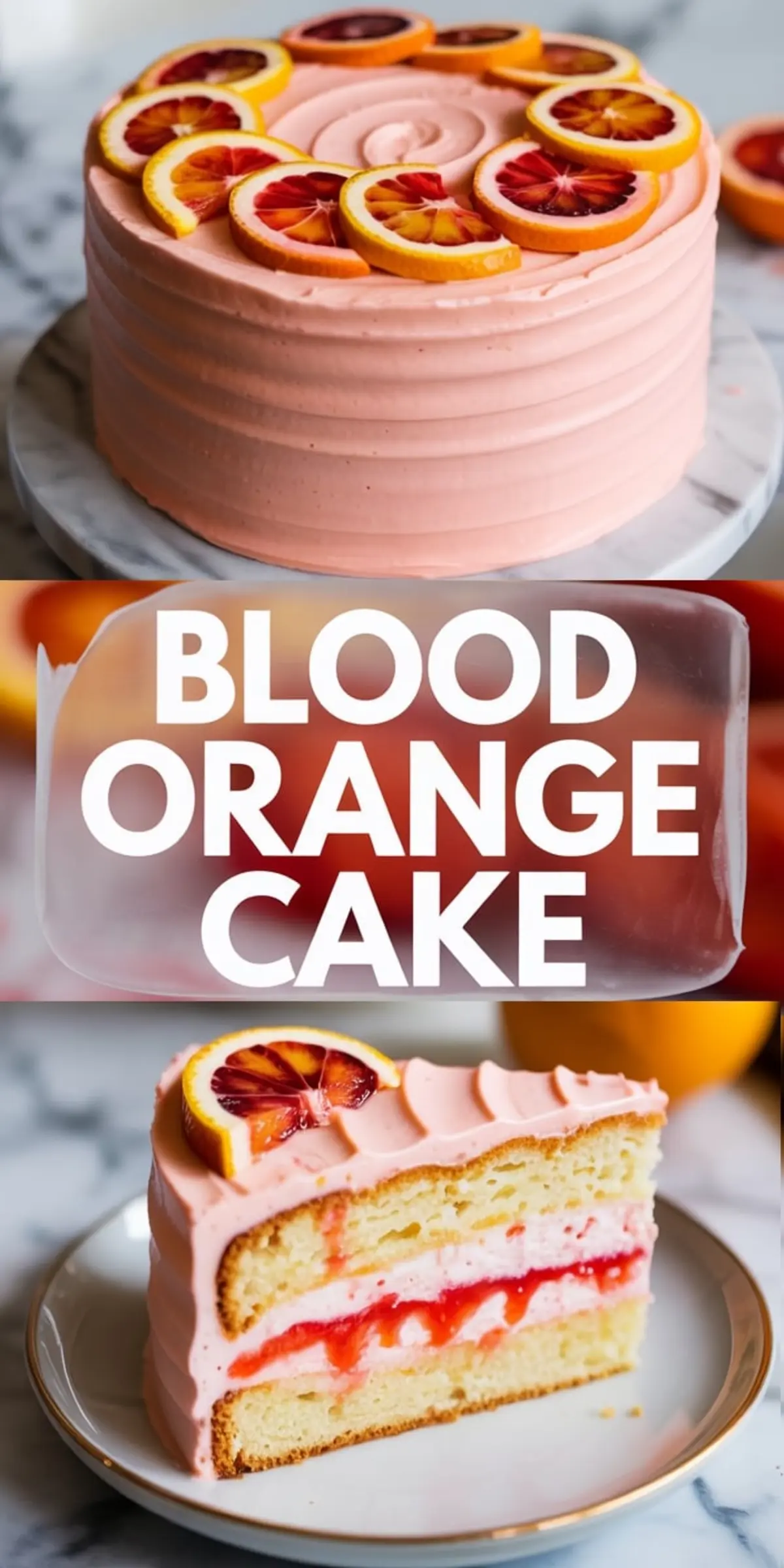
This Blood Orange Cake brings together fresh blood orange juice, vibrant zest, and a bright homemade curd filling to create a citrus-forward specialty cake that stands out. The sponge layers use buttermilk for softness, the buttercream carries a subtle tang, and the natural blush color makes this cake an eye-catcher for birthdays, brunches, or anyone searching for bold orange baking ideas. If you’re after an orange cake recipe that uses real fruit flavor without shortcuts, this one delivers.
Following a special diet?
Every recipe on this site can be converted to gluten-free, vegan, dairy-free, keto, nut-free or egg-free with adjusted ratios so nothing falls flat.
Try the Recipe Converter →The balance of flavor rests on three core techniques. First, the cake batter combines buttermilk with blood orange juice. That pairing helps keep the crumb soft and slightly tangy without turning too acidic. I’ve tested this ratio over and over. One cup of buttermilk to a quarter cup of citrus juice holds the structure while bringing moisture and flavor depth.
The curd is another key piece. Unlike typical jams or marmalades, it’s made fresh with egg yolks, whole eggs, sugar, and butter. That creates a silky, spoonable center that layers beautifully between the sponges. Finally, the buttercream uses just enough zest and juice to hint at citrus without making it runny.
Most orange cake recipes don’t bother with all three components. But once you’ve made this full version with curd and buttercream, you’ll notice how each layer builds flavor on the last.
Ingredients That Bring Out the Best Citrus Flavor
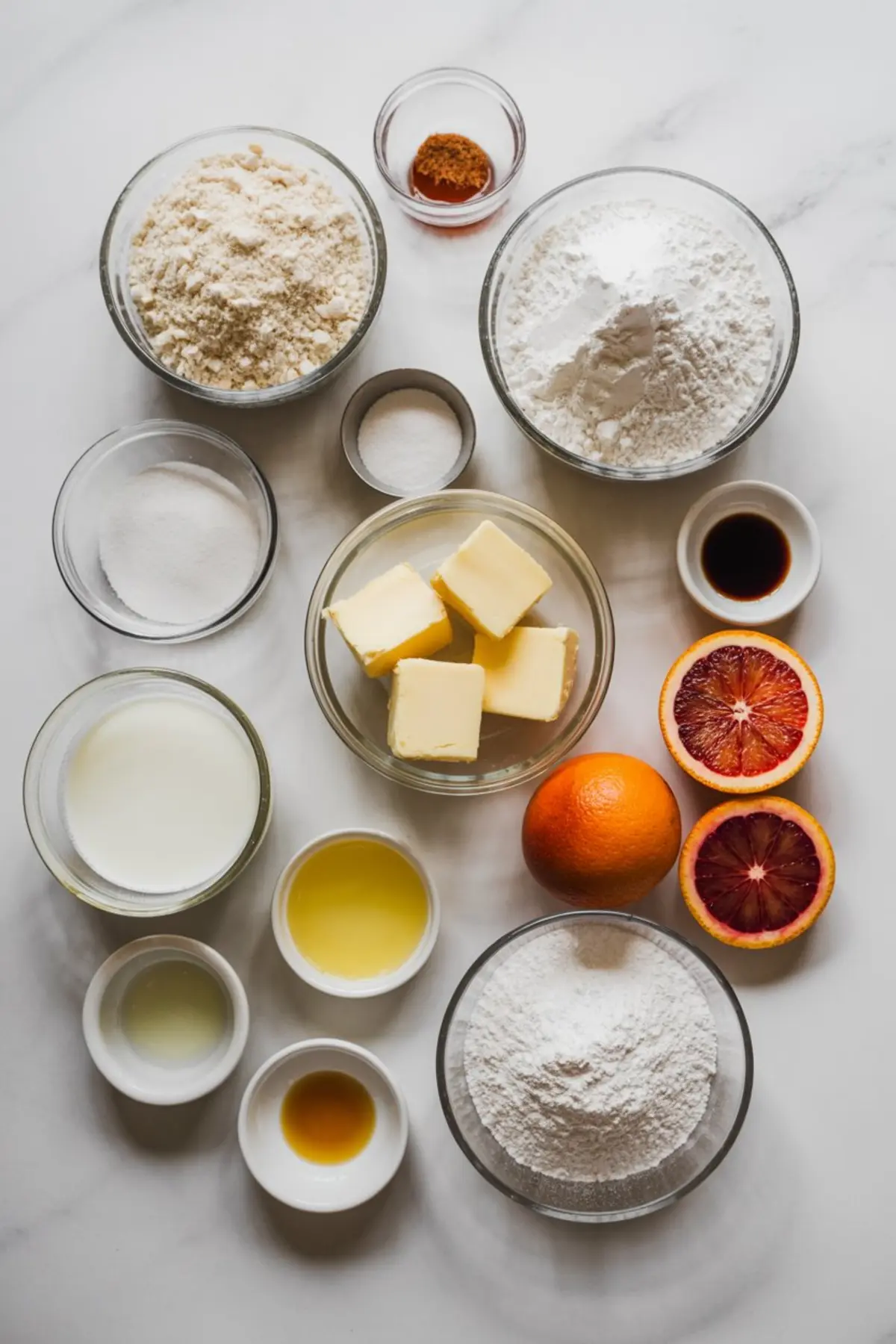
Blood orange juice tastes different from regular orange juice. It’s more floral, with a hint of raspberry and a deeper color that tints the batter naturally. I always use freshly squeezed juice from 3–4 blood oranges to get both juice and zest. Bottled juice doesn’t taste the same and doesn’t offer that vibrant blush hue.
All-purpose flour gives the best structure for this type of sponge. Cake flour turns too delicate once you layer and fill it, especially with curd. I add almond extract alongside vanilla to bring out the fruitiness of the citrus. Just half a teaspoon. It deepens the background flavor without overpowering it.
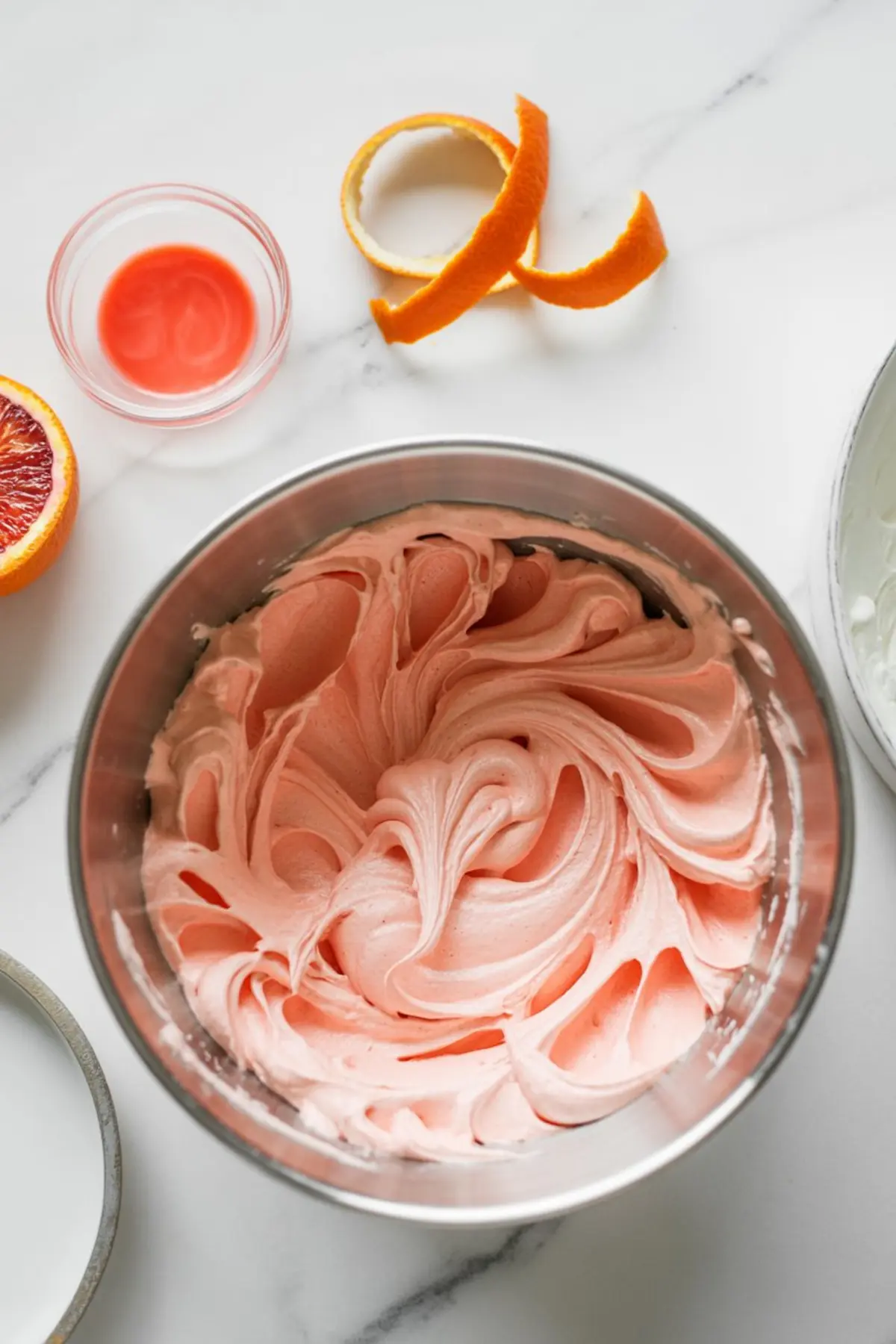
Buttercream comes together with softened unsalted butter and powdered sugar. I use a splash of juice and a pinch of zest to tie it back to the cake, and I mix it until it’s light and airy. You can see that method used again in my Moist Vanilla Cake Recipe which relies on whipped butter for its structure.
Spotlight on the Blood Orange Curd Filling
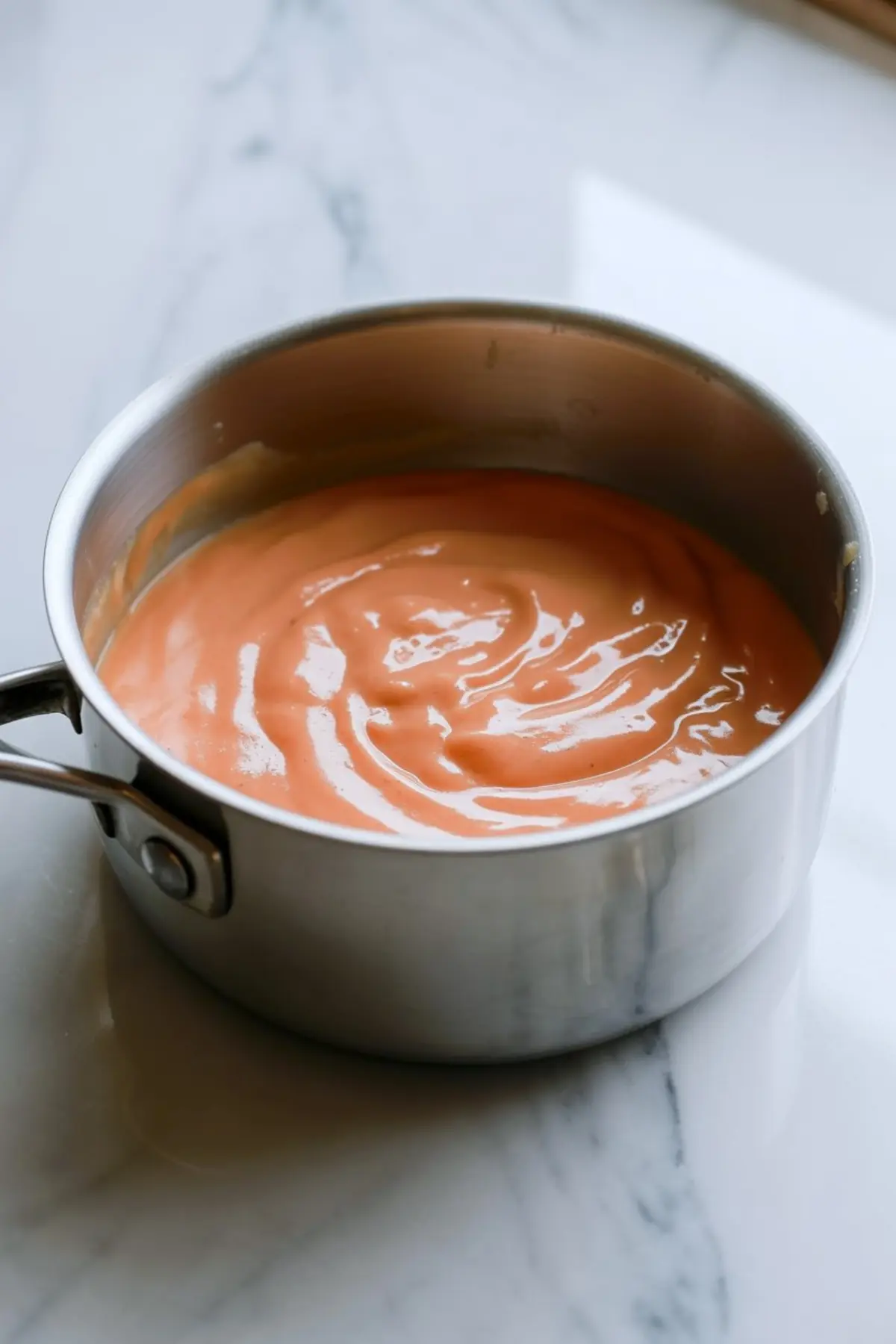
This curd makes the difference. Most cakes rely on frosting alone, but the curd adds brightness and contrast between the layers. I make mine with fresh juice, lemon juice for balance, whole eggs and yolks for richness, and just enough butter to make it smooth.
You’ll know it’s ready when it coats the back of a spoon and doesn’t drip. That usually takes about 8 minutes over low heat. Keep the whisk moving so you don’t scramble the eggs. And always chill it for an hour before filling the cake.
If you don’t have blood oranges, you can use regular oranges, but the flavor will shift. You can see how I adapted a similar concept in the Orange Cardamom Cake with spice as the complement instead of curd.
Making the Cake from Start to Finish
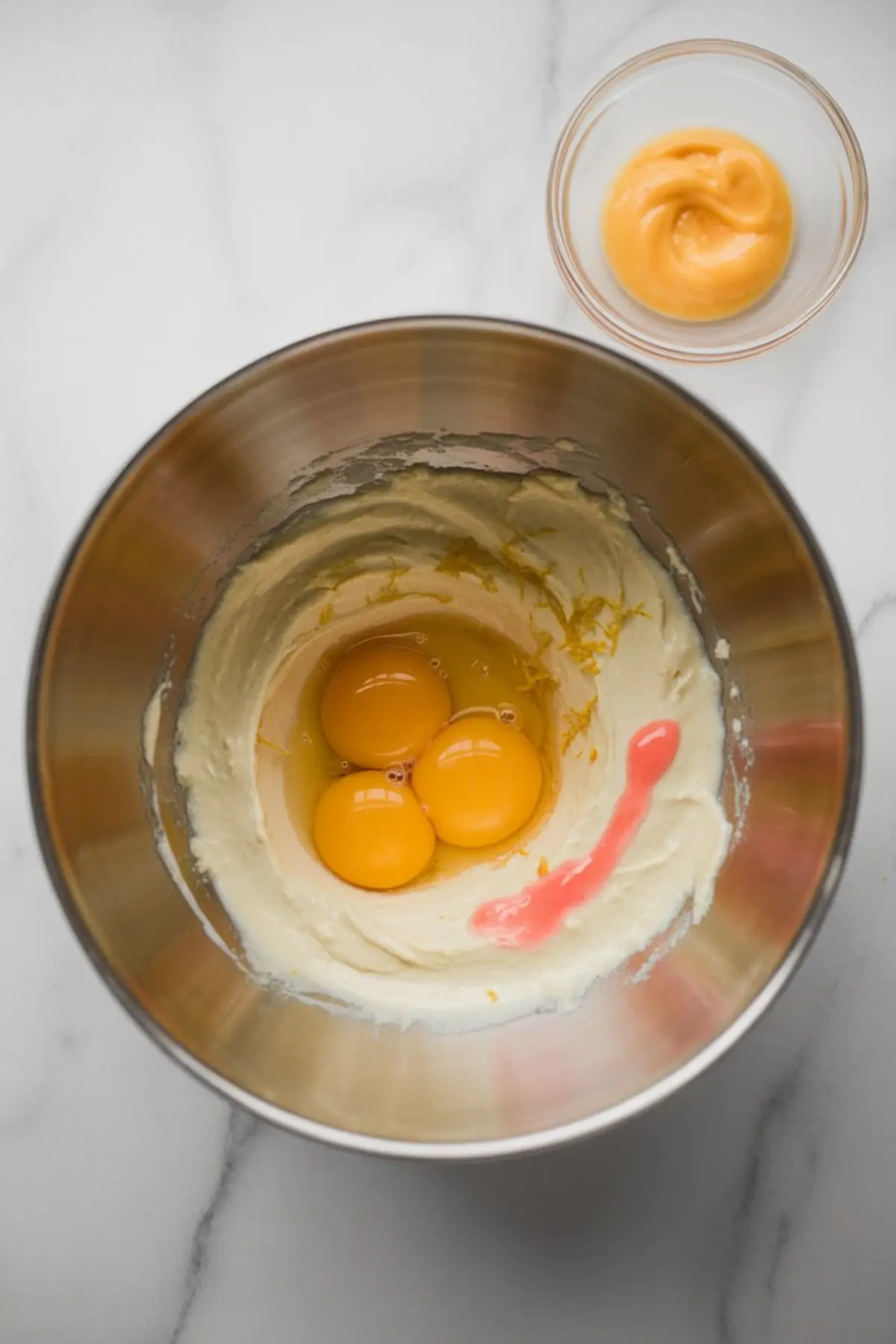
The batter comes together quickly once everything is prepped. Cream the butter and sugar until fluffy, then beat in eggs one at a time. That gives lift. I stir the blood orange zest right into the wet ingredients so the oils release early.
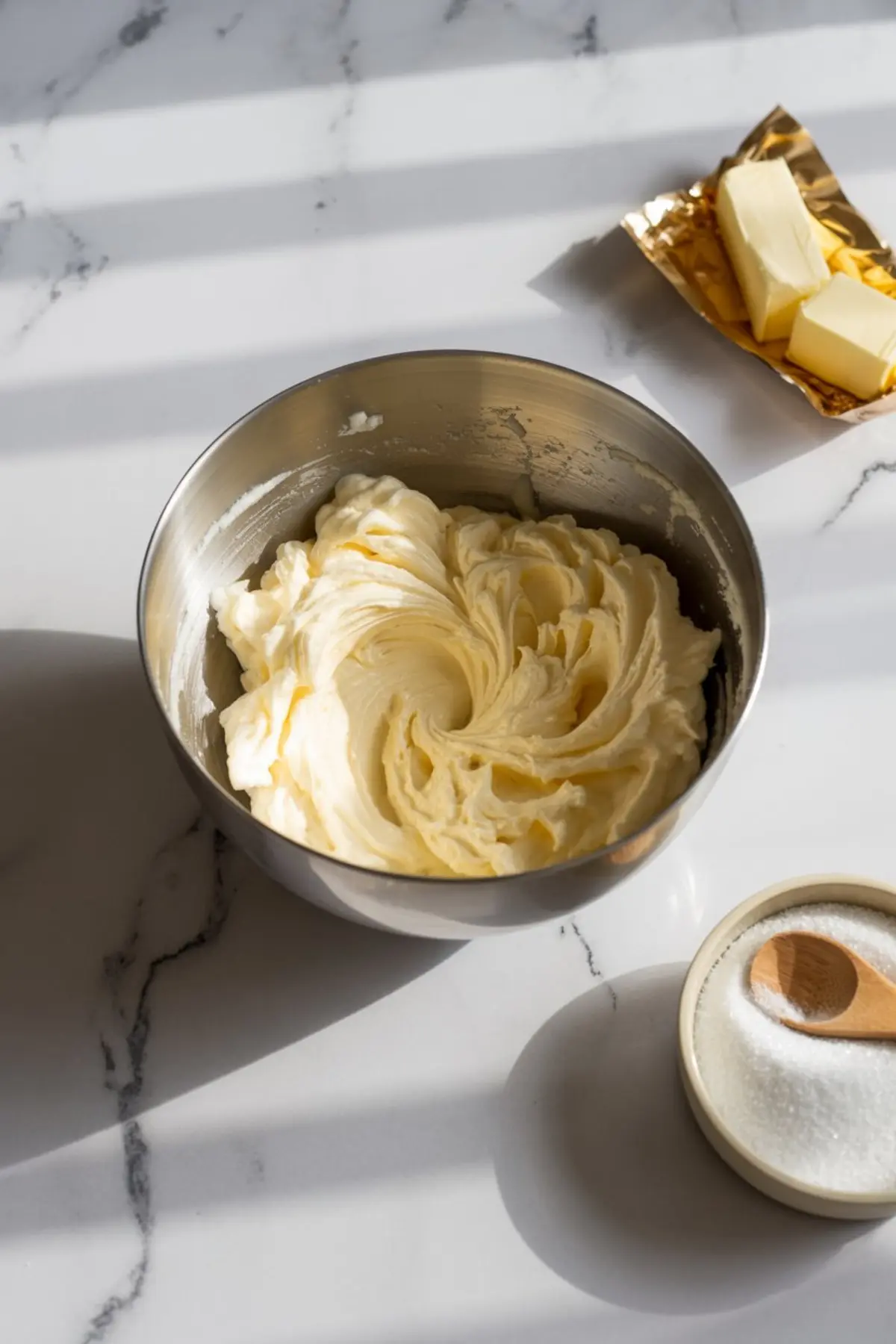
When alternating dry ingredients with the buttermilk-juice mix, I always start and end with dry. That keeps the batter from breaking or thinning out. Once mixed, the batter should be thick, pale peach in color, and smooth. Divide evenly between three pans and bake until the tops spring back and a toothpick comes out clean.
Cooling the layers completely is crucial before you fill with curd. Warm layers will melt the buttercream and slide.
Signs Your Cake Is Fully Baked
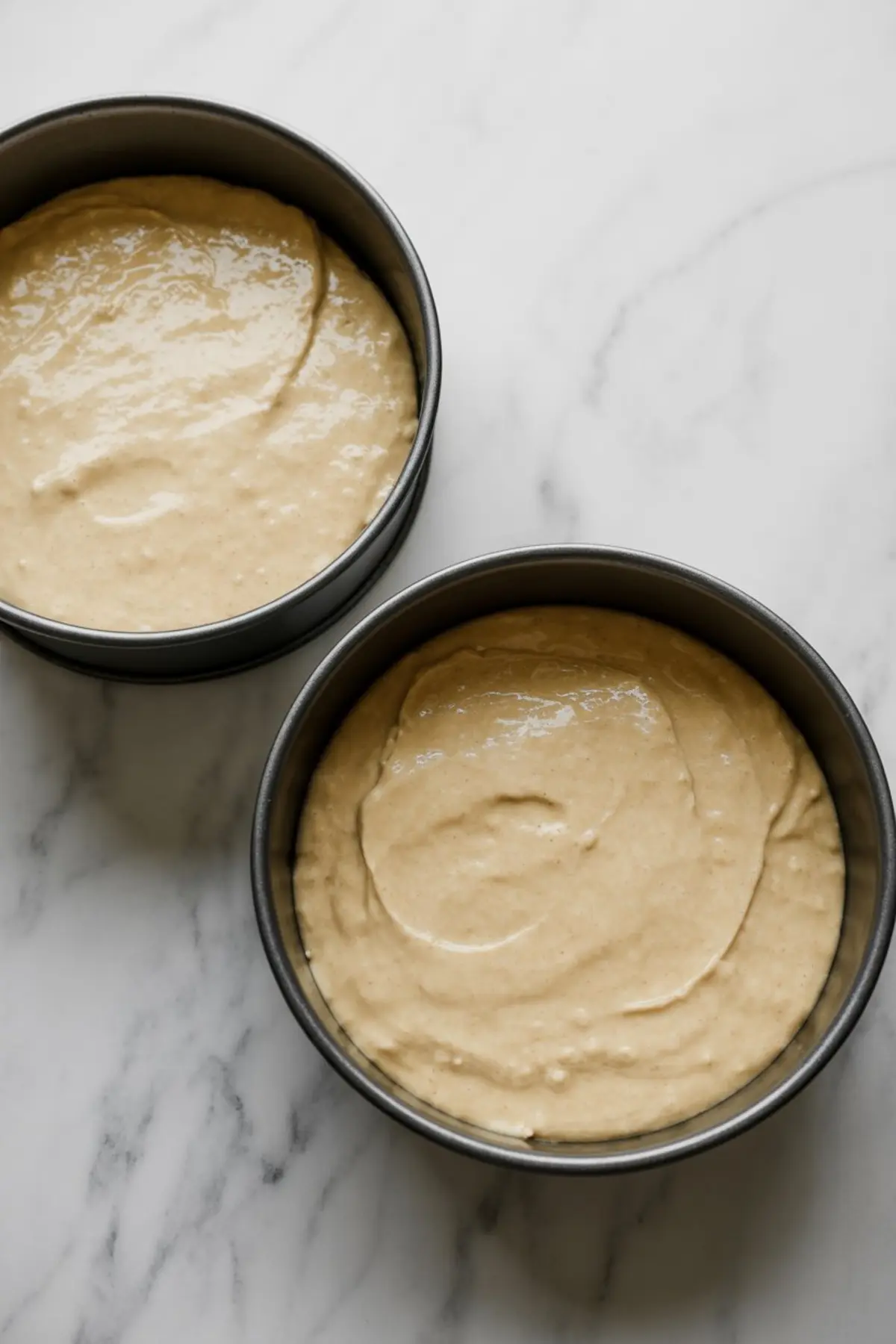
Each layer should rise evenly with a light golden edge and slightly domed center. A toothpick inserted should come out with just a crumb or two. If it’s wet, it needs more time. If it pulls the crumb or browns too dark, it’s overdone.
I check at 25 minutes, then every 2–3 minutes after. Oven heat can shift quickly depending on how many pans are inside. You’ll start to smell the orange once it’s nearly there.
Common Issues and How to Fix Them
If your cake layers sink, you may have added too much liquid. Stick to the exact juice and buttermilk measurements. A dense cake means the butter or eggs were too cold. Let them come to room temperature before mixing.
Buttercream too loose? Chill it for 10 minutes and rewhip. If the curd runs, it wasn’t cooked long enough. It should hold its shape like soft jam when spread.
If you want a more beginner-friendly citrus cake without curd, the Lemon Cake Recipe follows a simpler structure and bakes well in just two layers.
How to Store and Keep Fresh
This cake keeps well. Leave it covered on the counter for 24 hours, or refrigerate up to 5 days. The curd holds best chilled. To freeze, wrap slices tightly and store for up to 1 month. Defrost in the fridge overnight. The sponge stays moist, but the buttercream may need a quick rewhip if you freeze the whole cake.
Testing Notes and Practical Tips
Use a zester, not a grater, for the blood oranges to avoid bitterness. If you want deeper color, build the gel food coloring gradually. I use Ateco or AmeriColor. Avoid using liquid dye, as it thins the batter. Always line your pans with parchment to prevent sticking.
Bake the curd and buttercream ahead of time if needed. I often make both the night before and assemble the next day.
Serving Ideas for Blood Orange Cake
Serve with hot tea or coffee at brunch. Slice small for a citrus dessert table. Add edible flowers for a shower or birthday cake. Pair with raspberry compote or a dollop of whipped cream. I often keep it simple and serve chilled straight from the fridge.
Save and Share This Recipe
Pin this Blood Orange Cake recipe on your specialty cakes board to come back to it every citrus season. Let me know in the comments how yours turned out or if you tried a variation. I always love hearing what you bake with it!
Blood Orange Cake Recipe
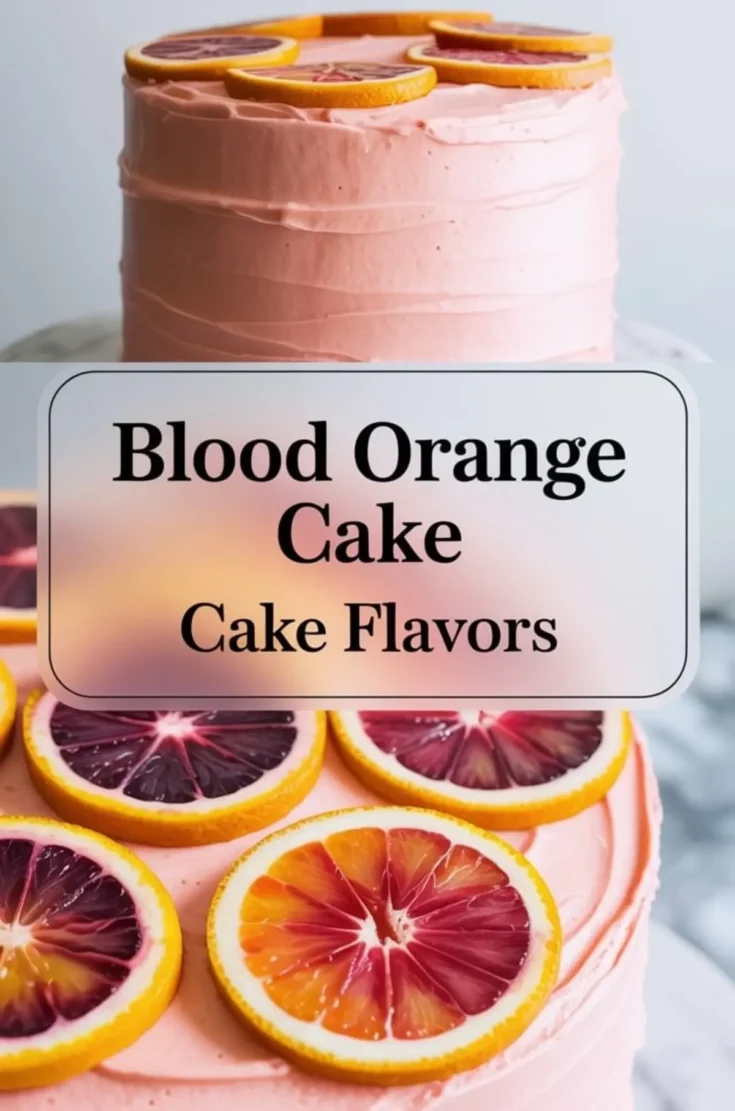
This blood orange cake recipe brings citrus season to life with bold flavor and vibrant color. Fresh blood orange juice and zest create a naturally sweet, tangy crumb that’s perfect for brunch, special occasions, or when you’re craving unique orange baking ideas. Finished with a light glaze or cream cheese frosting, this orange cake recipe is both eye-catching and delicious. A must-try for anyone who loves blood orange recipes and standout specialty cakes.
Ingredients
- FOR THE CAKE LAYERS
- 2 ½ cups all-purpose flour
- 2 ½ teaspoons baking powder
- ½ teaspoon baking soda
- ½ teaspoon salt
- ¾ cup unsalted butter, room temperature
- 1 ¾ cups granulated sugar
- 3 large eggs
- Zest of 2 blood oranges
- 1 teaspoon vanilla extract
- ½ teaspoon almond extract
- 1 cup buttermilk
- ¼ cup fresh blood orange juice
- Optional: 1 drop pink or peach gel food coloring
- FOR THE BLOOD ORANGE CURD FILLING
- ½ cup fresh blood orange juice
- 1 tablespoon lemon juice
- ½ cup granulated sugar
- 2 large egg yolks
- 1 large whole egg
- ¼ cup unsalted butter, cubed
- Optional: 1–2 drops pink or coral gel food coloring
- FOR THE BLOOD ORANGE BUTTERCREAM
- 1 cup unsalted butter, softened
- 3 ½ cups powdered sugar
- 2–3 tablespoons fresh blood orange juice
- Zest of 1 blood orange
- Pinch of salt
- 1–2 drops pink gel food coloring, to preference
- DECORATION
- Fresh blood orange slices
- Optional: candied blood orange slices or edible flowers
Instructions
- PREHEAT AND PREPARE CAKE PANS: Preheat oven to 350°F (175°C). Grease and line three 8-inch cake pans with parchment paper to ensure the cakes release cleanly after baking.
- MIX DRY INGREDIENTS: In a medium bowl, whisk together the flour, baking powder, baking soda, and salt until well combined. Set aside.
- CREAM BUTTER AND SUGAR: In a large mixing bowl, beat the butter and granulated sugar on medium-high speed until light and fluffy, about 3–4 minutes.
- ADD EGGS AND FLAVORINGS: Add eggs one at a time, mixing well after each addition. Mix in the blood orange zest, vanilla extract, and almond extract until fully incorporated.
- COMBINE WET INGREDIENTS: In a small bowl or measuring cup, stir together the buttermilk and blood orange juice. If using, add a drop of pink or peach gel food coloring to the mixture to enhance the color of the cake batter.
- ALTERNATE MIXING WET AND DRY: With the mixer on low speed, add the dry ingredients in three additions, alternating with the buttermilk mixture in two additions. Begin and end with the dry ingredients, mixing just until combined after each addition.
- DIVIDE AND BAKE: Divide the batter evenly between the prepared cake pans. Smooth the tops and bake for 25–30 minutes, or until a toothpick inserted into the center comes out clean.
- COOL CAKES: Let the cakes cool in the pans for 10 minutes, then turn them out onto wire racks to cool completely before assembling.
- MAKE BLOOD ORANGE CURD: In a small saucepan over low heat, whisk together the blood orange juice, lemon juice, sugar, egg yolks, and whole egg until smooth. Stir constantly with a heatproof spatula or whisk for 7–10 minutes, or until the mixture thickens and coats the back of a spoon.
- ADD BUTTER AND COLOR: Remove the curd from heat and whisk in the cubed butter until fully melted and smooth. Stir in food coloring if using. Transfer to a container and chill until thickened, about 1 hour.
- MAKE BLOOD ORANGE BUTTERCREAM: In a large bowl, beat the softened butter on medium-high speed until pale and fluffy, about 3 minutes. Gradually add the powdered sugar, mixing on low speed until incorporated, then increase to medium speed.
- ADD LIQUIDS AND COLOR: Mix in the blood orange juice, zest, salt, and gel food coloring. Beat until smooth, fluffy, and fully tinted to your desired shade.
- LEVEL AND FILL: If needed, level the cooled cake layers with a serrated knife. Place the first layer on a cake board or stand. Pipe a ring of buttercream around the edge and fill the center with a generous spoonful of blood orange curd. Repeat with the second layer.
- CRUMB COAT AND CHILL: Add the final cake layer on top. Apply a thin crumb coat of buttercream over the entire cake and chill for 20 minutes to set.
- FROST AND DECORATE: Apply the final layer of buttercream evenly over the chilled cake. Decorate the top with fresh blood orange slices, and if desired, candied slices or edible flowers for an added touch.
Notes
Chill the curd ahead of time to ensure it's thick enough for filling. For deeper frosting color, use gel food coloring sparingly and build up gradually. The buttercream can be made up to a day ahead and stored in an airtight container at room temperature. Let it re-whip briefly before use if needed.
Nutrition Information
Yield
14Serving Size
1Amount Per Serving Calories 507Total Fat 31gSaturated Fat 19gUnsaturated Fat 12gCholesterol 157mgSodium 273mgCarbohydrates 51gFiber 1gSugar 36gProtein 6g
