
This Lemon Mascarpone Cake brings together soft lemon cake layers, a whipped mascarpone filling, and a creamy lemon frosting in one balanced, vibrant dessert. It has the texture of a moist lemon cream cake, the ease of a lemon cake recipe that skips shortcuts, and the flavor profile of a limoncello mascarpone cake without the alcohol. If you’re searching for a lemon cake easy enough to make but elegant enough to serve, this one fits. It works just as well for birthdays as it does for spring holidays or light summer celebrations.
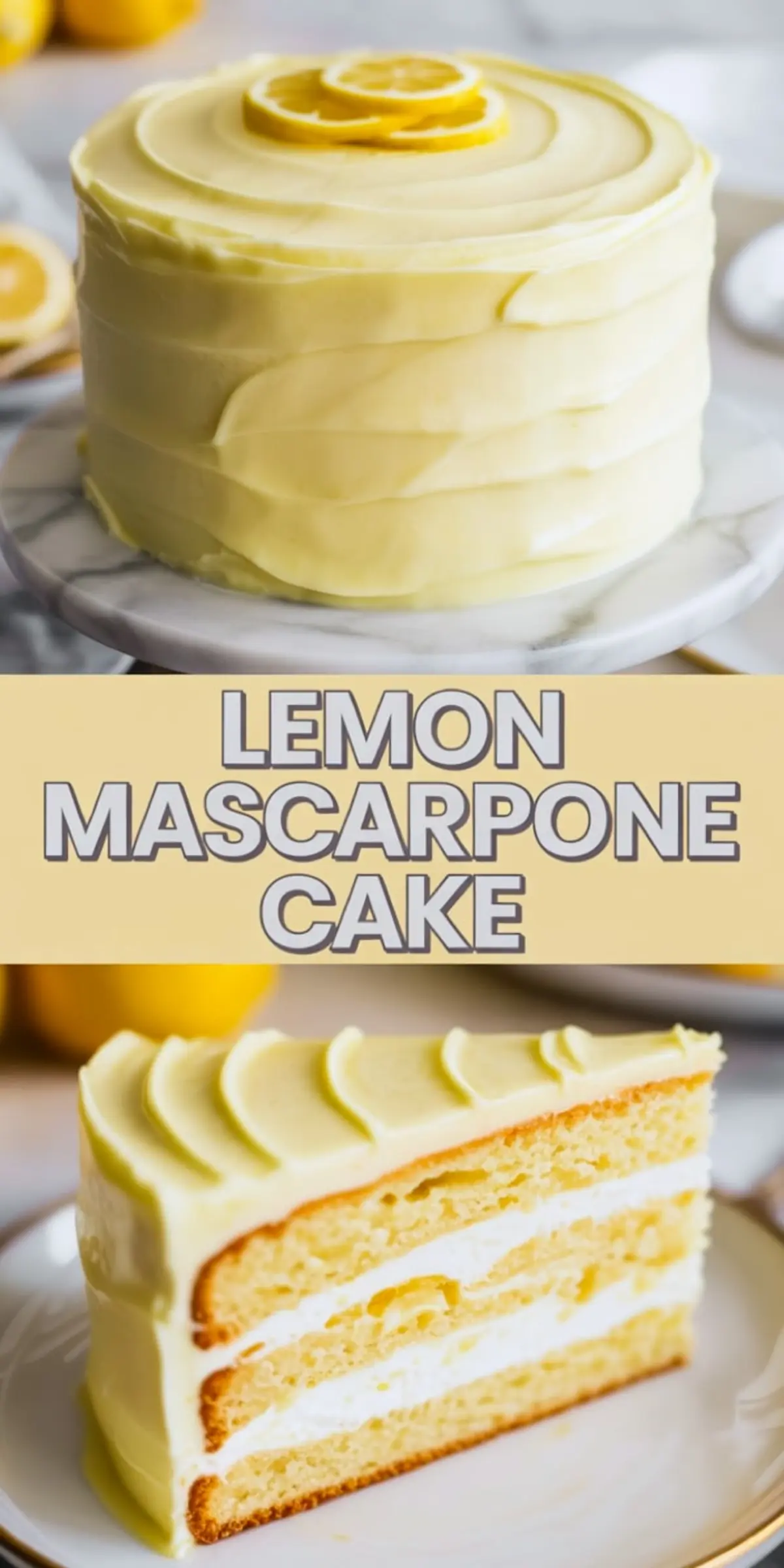
There’s a balance at play here. The cake has just enough acidity from lemon juice to brighten the flavor without interfering with structure. Buttermilk adds moisture and softness without heaviness. You get height from both baking powder and baking soda, but they’re measured with restraint. The mascarpone filling brings richness, but it’s stabilized by cold heavy cream and powdered sugar. I’ve made lemon cakes that either collapse or dry out. This one holds. It slices clean and keeps its shape.
The batter uses the creaming method for butter and sugar, which traps air for lift. I keep the mixing time short after the flour goes in. That small habit keeps the crumb fine and the texture soft. It’s a common mistake to overbeat this step and end up with a chewy or dense lemon cake.
Each Ingredient Has a Purpose Here
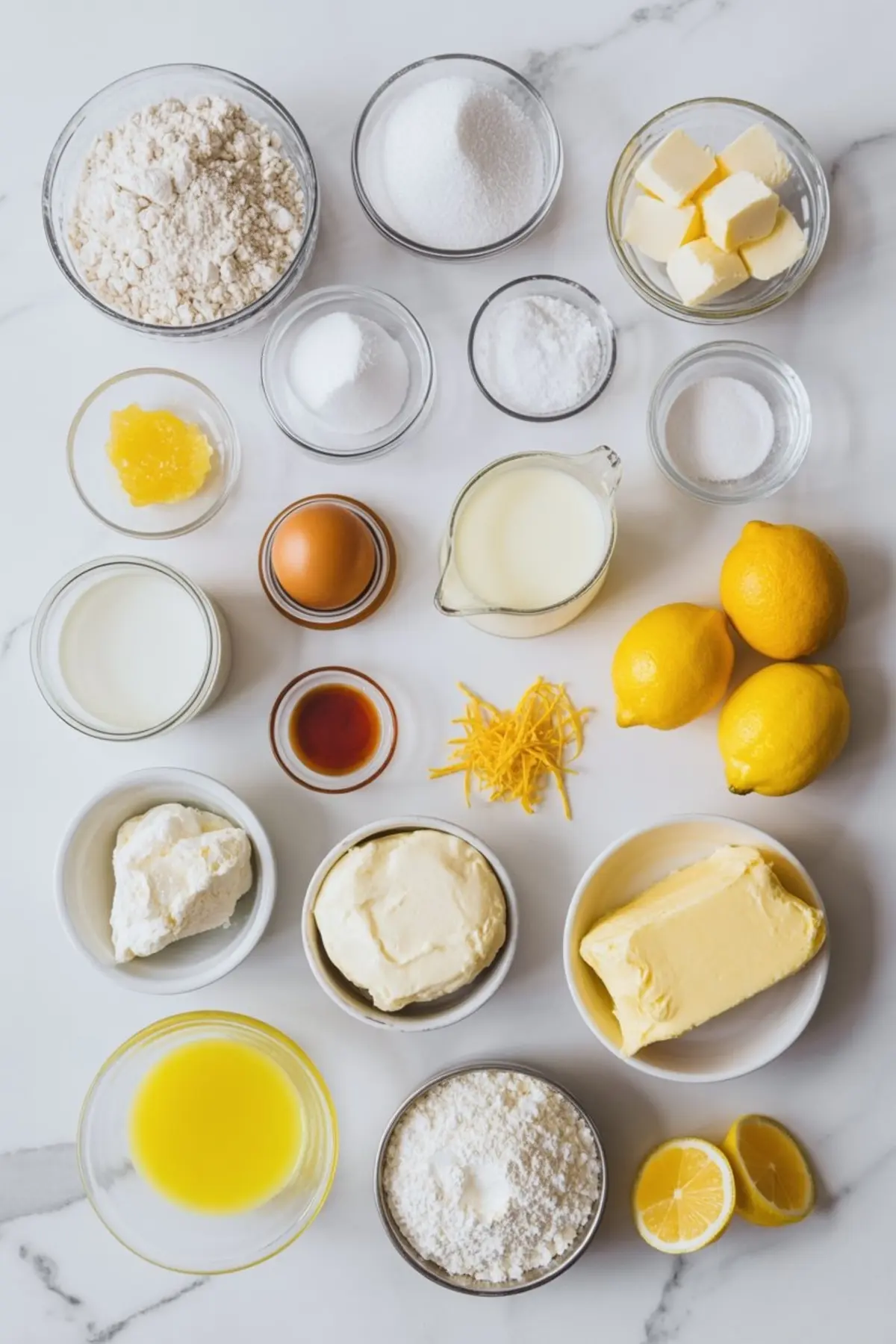
I chose all-purpose flour because it gives enough structure to hold up the filling without becoming dry. Cake flour can be too delicate here, especially with multiple layers. The full cup of butter provides richness and helps with the golden crust. I use fresh lemon juice and zest, no bottled flavoring, for a cleaner citrus note.
Buttermilk is essential. It adds tang and moisture, but it also reacts with the baking soda for a better rise. You’ll notice the cake layers bake evenly and don’t dome as much. That’s the acid in the buttermilk doing its job. If you’re out, sour cream thinned with milk will work.
For the mascarpone filling, use cold ingredients. That texture depends on starting with properly chilled heavy cream and mascarpone. The powdered sugar adds sweetness but also helps hold the peaks. A small amount of lemon zest brings the citrus flavor through without overpowering the creaminess.
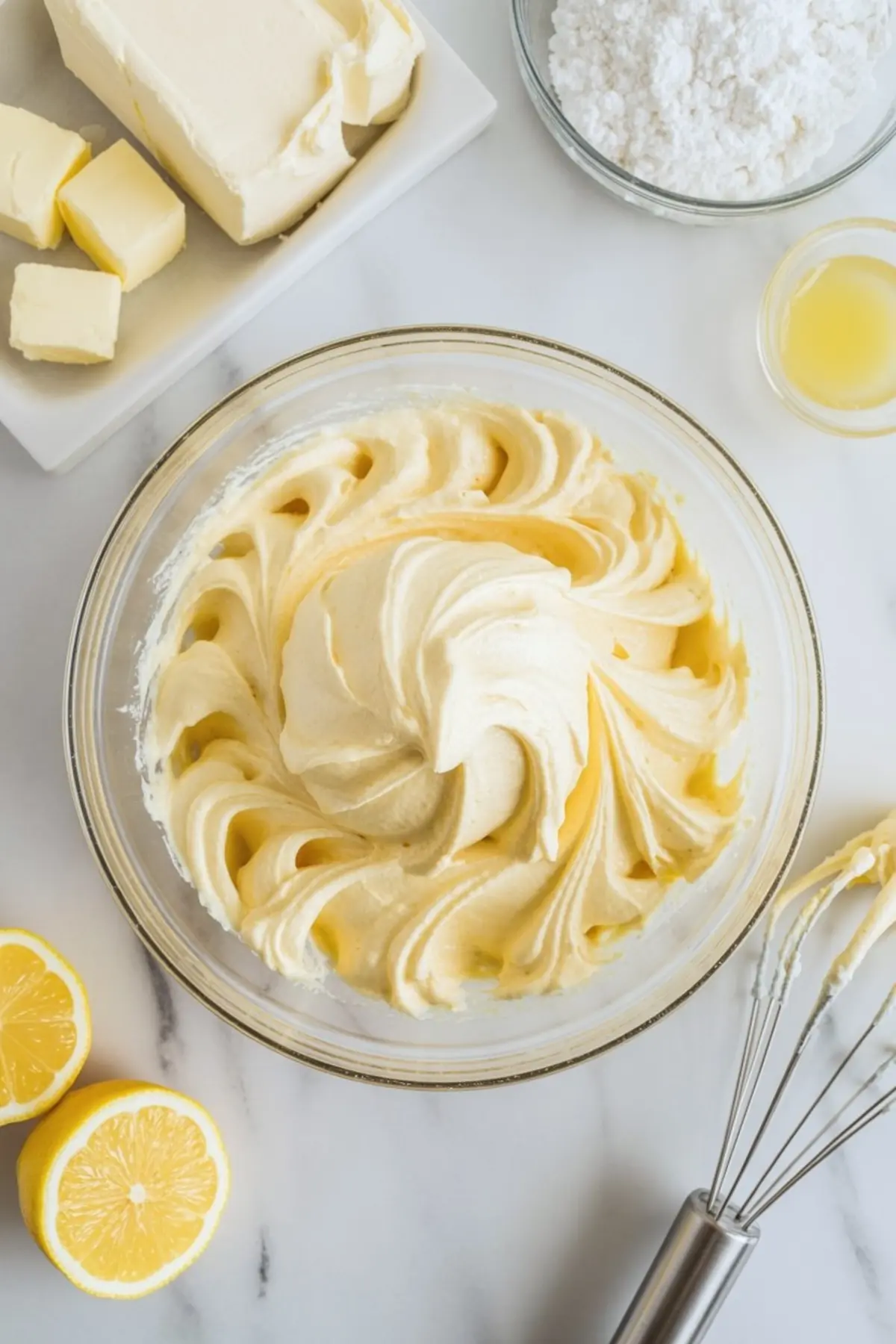
Mascarpone: The Silent Hero of This Cake
Mascarpone adds a creamy body to the filling without making it heavy or overly sweet. It tastes clean. Not tangy like cream cheese, and not greasy like whipped butter. It blends smoothly with cold cream and gives structure that doesn’t collapse under cake layers.
If you’ve never used it before, look for full-fat Italian mascarpone in the refrigerated section. It should be firm but spreadable. If it looks watery or grainy in the tub, skip it. That texture won’t whip properly. In a pinch, you could use cream cheese, but reduce the lemon juice slightly or it will taste sharp.
What You’ll Notice While Making the Cake
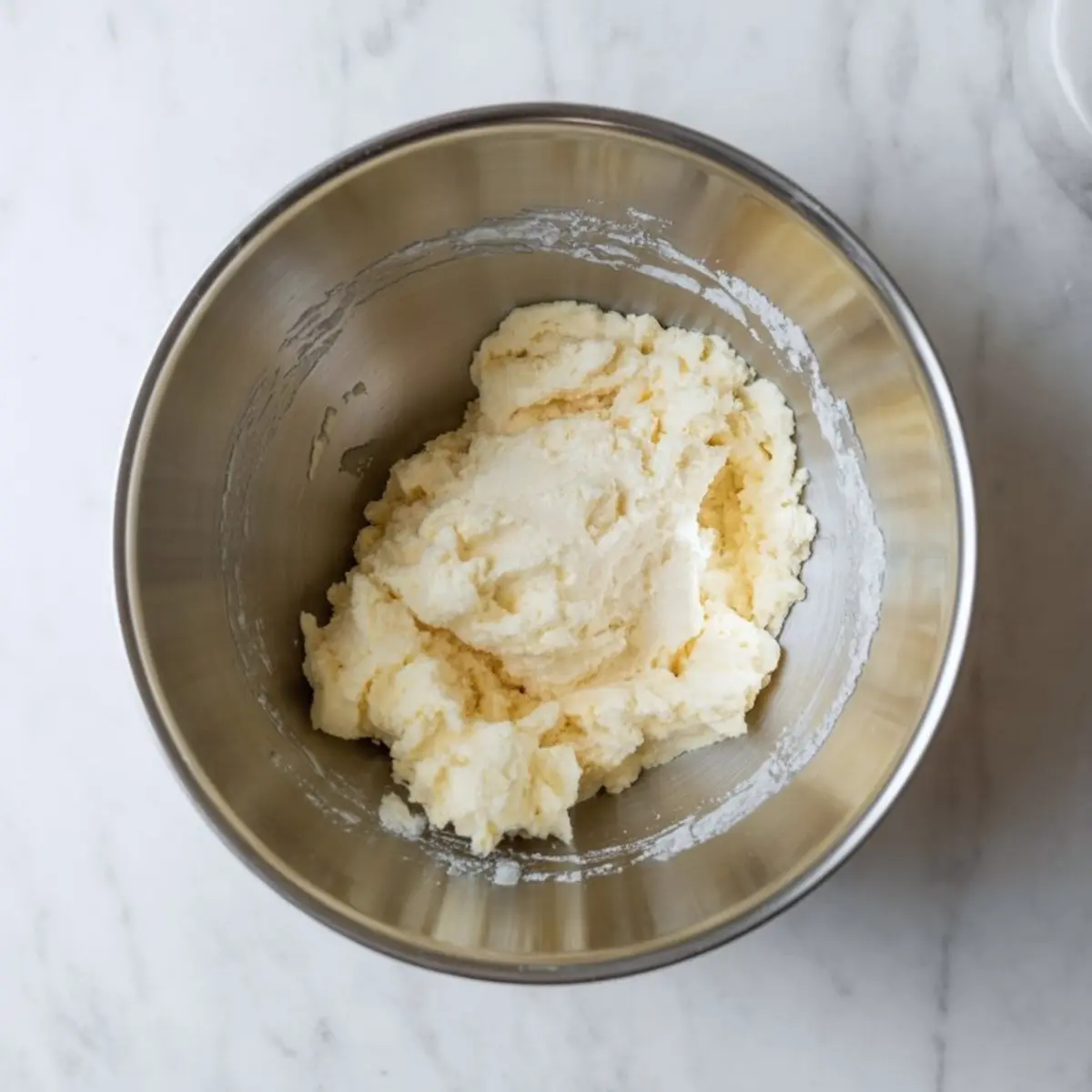
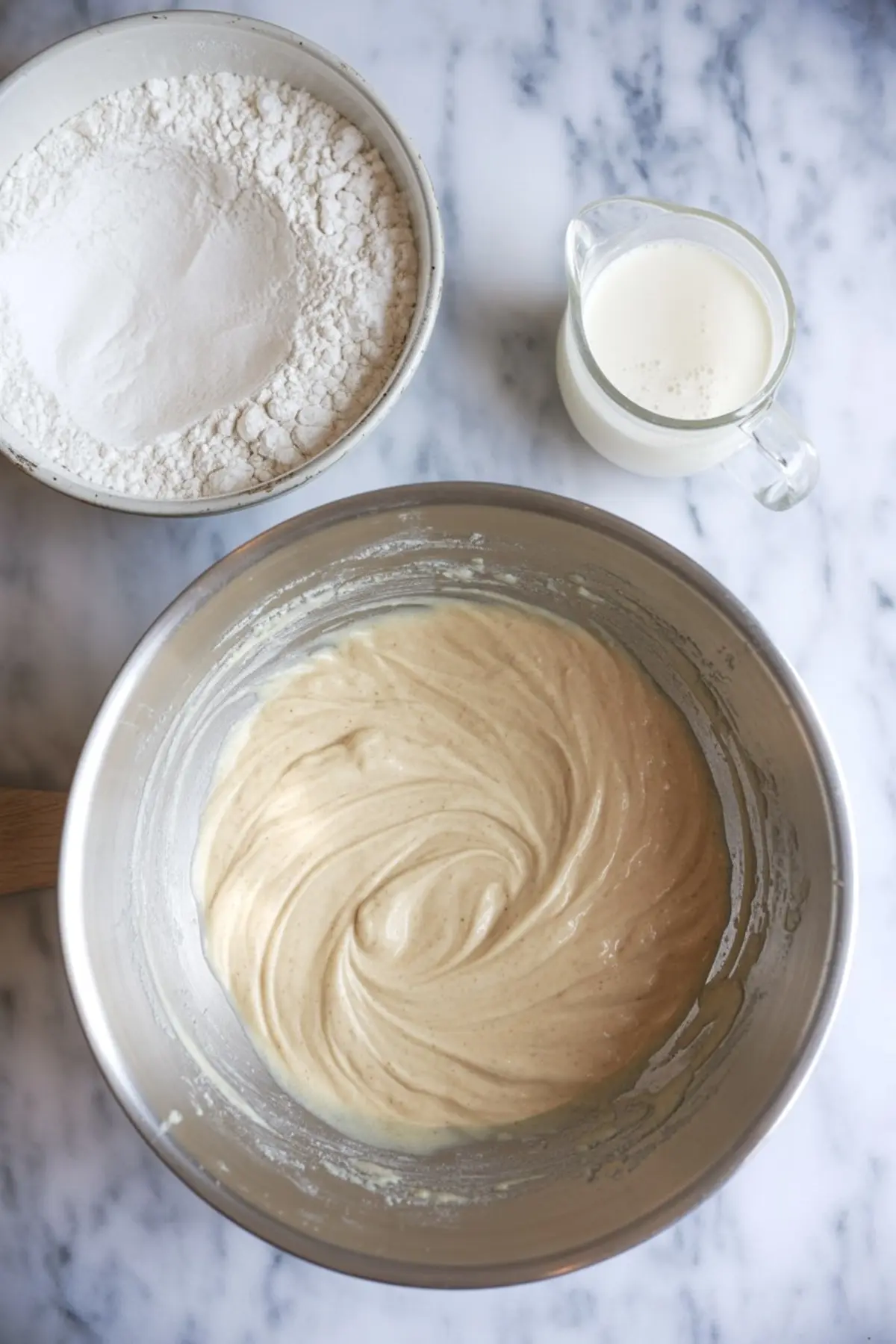
The batter feels thick but smooth, and you’ll smell the lemon as soon as you start mixing in the zest. When creaming the butter and sugar, stop once it looks pale and fluffy. That’s your signal. Overmixing past that point breaks the emulsion.
When whipping the mascarpone cream, don’t walk away. It goes from soft peaks to stiff in under a minute. If it separates, you’ve gone too far. Start slow, then finish at high speed. The texture should be spreadable but hold its shape.
The frosting has a slight yellow tint from the butter, and the lemon juice makes it smell fresh. If using food coloring, just a drop is enough. I like a natural look, but you can go brighter for a party. I sometimes add extra zest on top to give it contrast. It also tells your guests what to expect.
You can see how this cake structure compares to my Lemon Cake Recipe, which uses a simpler cream topping but follows the same balance of acid and fat.
Baking, Assembling, and Knowing When It’s Done
The cakes are ready when the edges pull slightly from the pans and a toothpick comes out with a few crumbs. If you wait for it to be completely clean, the layers might overbake. They should spring back lightly when pressed in the center.
Once baked, let the layers cool completely. Don’t skip this. Warm cake will melt the mascarpone. I’ve rushed that step before, and it ruined the structure. A quick chill in the fridge helps the assembly hold its shape while you frost.
If you like layered lemon desserts, you might also enjoy the Lemon Pistachio Cake for something slightly nutty and more textured.
Simple Tips That Help You Get It Right
Chill the beaters and bowl before whipping the filling. Use real lemons. Don’t use shelf-stable lemon juice in plastic bottles.
If you want a more elegant finish, try brushing the layers with a small amount of limoncello before stacking. That variation gives it a slight kick, especially nice in a summer evening setting.
And if you prefer a fruit pairing, fresh raspberries or blueberries on top add color and a natural tartness. You can see that balance in my Lemon Raspberry Cake, which builds flavor through layers in a similar way.
Pin This Cake and Share Your Thoughts

Save this lemon mascarpone cake recipe on your Pinterest board so you can find it again for brunches or birthdays.
Let me know in the comments if you tried it with a limoncello soak or added berries between the layers. I’d love to hear how it turned out for you.
Lemon Mascarpone Cake Recipe
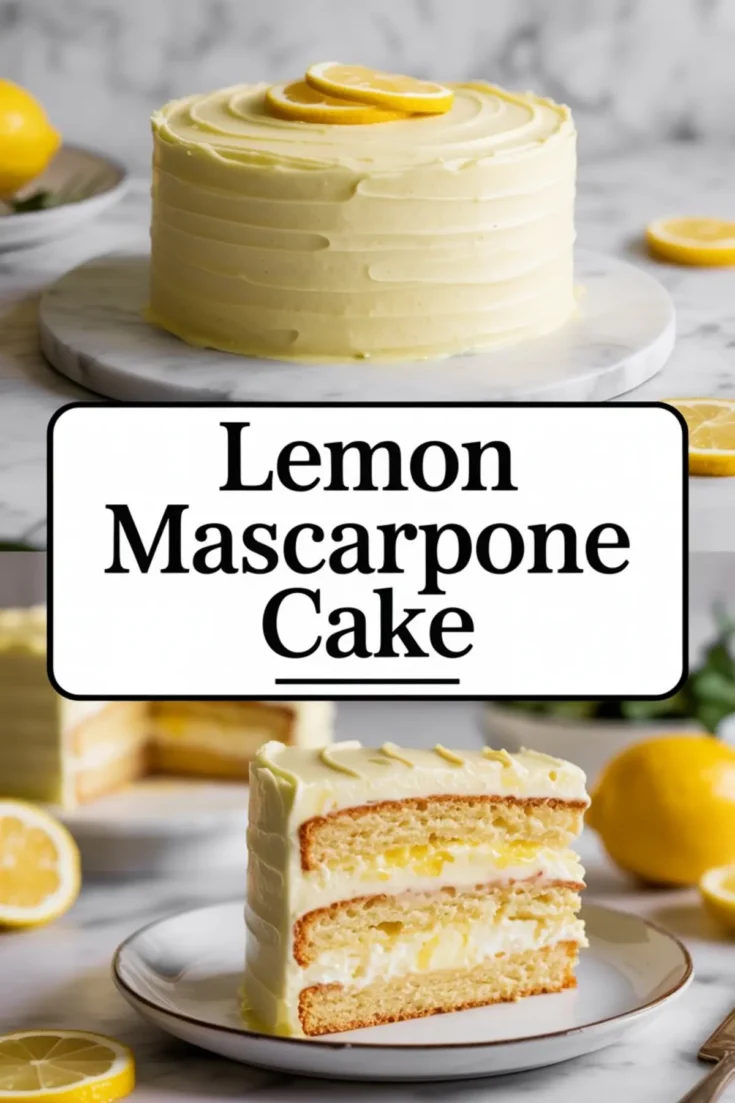
This Lemon Mascarpone Cake is a soft and moist lemon cake layered with a fluffy lemon cream cake filling made from whipped mascarpone and a hint of citrus. If you love vibrant, refreshing desserts, this recipe delivers with rich texture and bright lemon flavor. Ideal for spring gatherings or special occasions, it’s easy to make and pairs beautifully with berries or a dusting of powdered sugar. Save this lemon cake recipe as a go-to for warm weather bakes or turn it into a showstopper by turning it into a Limoncello mascarpone cake for added elegance.
Ingredients
- FOR THE LEMON CAKE LAYERS
- 2 ½ cups (312g) all-purpose flour
- 2 ½ tsp baking powder
- ½ tsp baking soda
- ½ tsp salt
- 1 cup (226g) unsalted butter, softened
- 1 ¾ cups (350g) granulated sugar
- 4 large eggs, room temperature
- 1 tbsp lemon zest (about 2 lemons)
- ¼ cup fresh lemon juice
- 1 tsp pure vanilla extract
- 1 cup (240ml) buttermilk, room temperature
- FOR THE MASCARPONE FILLING
- 1 cup (240ml) heavy whipping cream, cold
- 1 cup (225g) mascarpone cheese, cold
- ½ cup (60g) powdered sugar, sifted
- 1 tsp lemon zest
- Optional: chopped candied lemon peel or lemon curd for layering
- FOR THE LEMON FROSTING
- 1 cup (226g) unsalted butter, softened
- 4 oz (113g) cream cheese, softened
- 3 cups (360g) powdered sugar, sifted
- 2 tbsp fresh lemon juice
- 1 tsp lemon zest
- Yellow food coloring (optional, for added color)
Instructions
- PREPARE THE CAKE PANS: Preheat the oven to 350°F (175°C). Grease three 8-inch round cake pans and line the bottoms with parchment paper to prevent sticking.
- COMBINE DRY INGREDIENTS: In a medium bowl, whisk together the flour, baking powder, baking soda, and salt. Set aside.
- CREAM BUTTER AND SUGAR: In a large bowl, beat the softened butter and granulated sugar with an electric mixer on medium-high speed until light and fluffy, about 3–4 minutes.
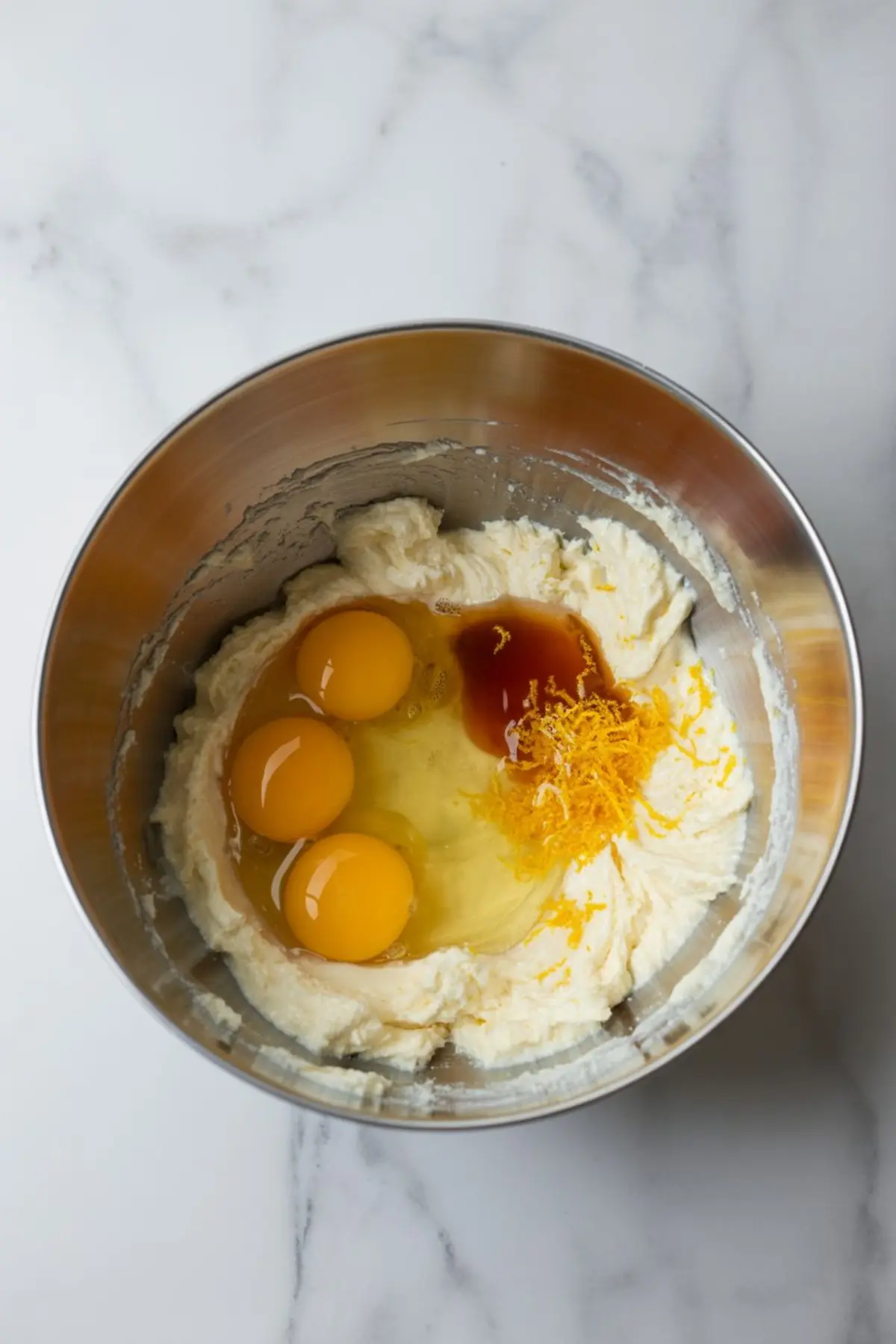
- ADD EGGS AND FLAVORINGS: Add the eggs one at a time, beating well after each addition. Mix in the lemon zest, fresh lemon juice, and vanilla extract until combined.
- ALTERNATE WET AND DRY INGREDIENTS: Add the dry ingredients in three parts, alternating with the buttermilk in two parts. Begin and end with the flour mixture. Mix on low speed until just combined. Do not overmix.
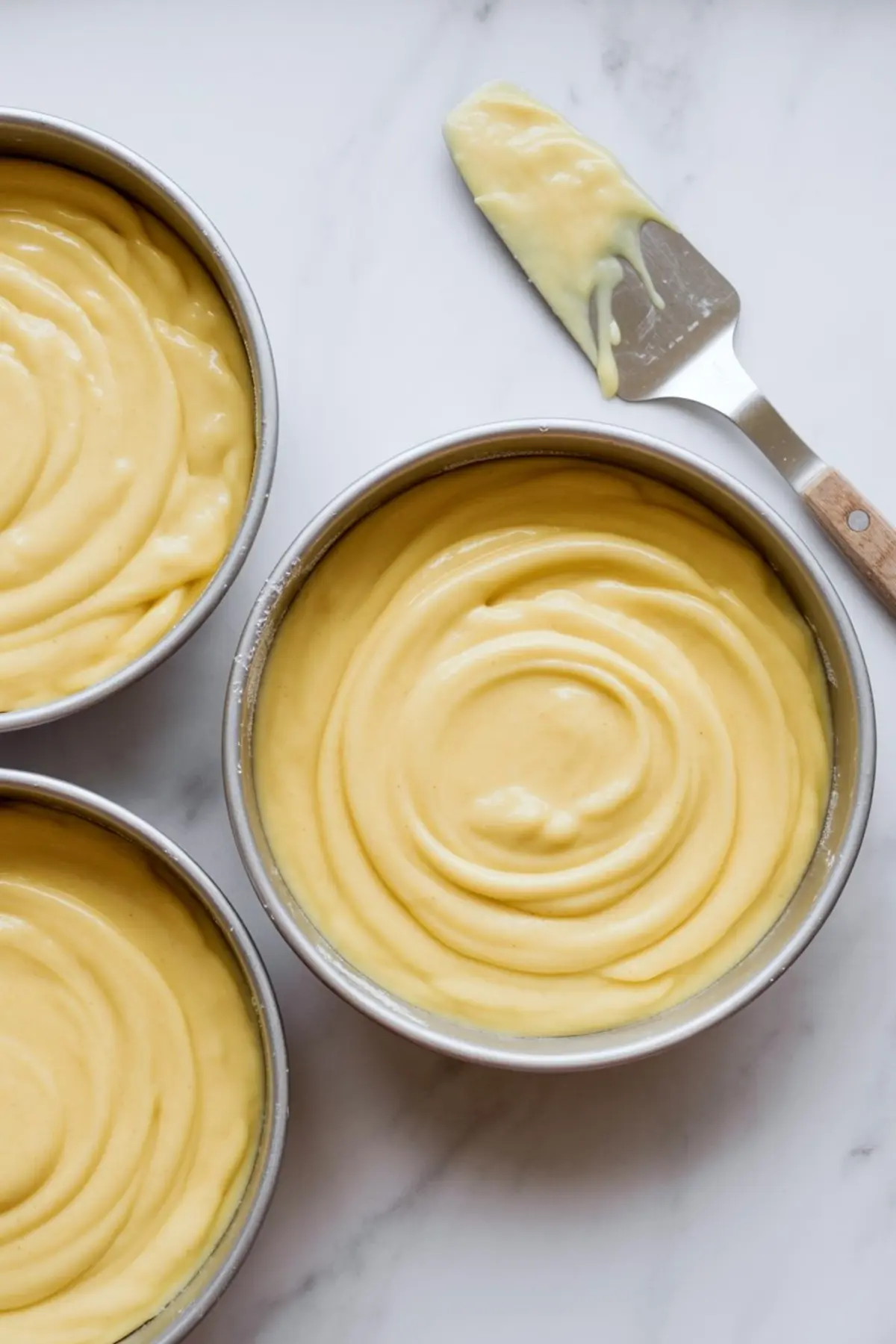
- BAKE THE CAKE LAYERS: Divide the batter evenly between the prepared pans and smooth the tops. Bake for 22–26 minutes or until a toothpick inserted in the center comes out clean.
- COOL THE CAKE: Let the cakes cool in the pans for 10 minutes, then turn them out onto wire racks and allow to cool completely before assembling.
- MAKE THE MASCARPONE FILLING: In a chilled mixing bowl, whip the cold heavy cream with a hand mixer until soft peaks form. Add the mascarpone, powdered sugar, and lemon zest, then continue whipping until stiff peaks form and the mixture is smooth. Chill until needed.
- MAKE THE LEMON FROSTING: In a large bowl, beat the softened butter and cream cheese on medium speed until smooth and creamy. Gradually add the sifted powdered sugar, mixing on low until incorporated. Add the lemon juice, lemon zest, and optional food coloring, then beat on medium-high speed for 2–3 minutes until light and fluffy.
- ASSEMBLE THE CAKE: Level the cake layers if necessary. Place one layer on a cake stand or serving plate. Spread a generous amount of mascarpone filling evenly on top. If desired, add small spoonfuls of lemon curd or a sprinkle of candied lemon peel.
- ADD REMAINING LAYERS: Repeat the layering process with the second cake layer and more mascarpone filling. Top with the final cake layer.
- FROST THE CAKE: Spread the lemon frosting over the top and sides of the cake using an offset spatula. Smooth the frosting or add soft swoops for texture, depending on your preference.
- DECORATE: Garnish the finished cake with thin lemon slices, lemon zest, or extra mascarpone swirls. Refrigerate until ready to serve for best slicing results.
Notes
For clean layers and stable assembly, chill the cake for 30 minutes after applying the filling before frosting. Mascarpone should be cold before mixing to avoid curdling. For enhanced lemon flavor, add an extra tablespoon of zest to the frosting or filling.
Nutrition Information
Yield
12Serving Size
1Amount Per Serving Calories 897Total Fat 56gSaturated Fat 34gUnsaturated Fat 22gCholesterol 214mgSodium 434mgCarbohydrates 92gFiber 1gSugar 74gProtein 7g
