

This lemon pudding cake recipe creates a soft citrus cake with a creamy lemon pudding layer that forms underneath while baking. The dessert sits comfortably among lemon pudding recipes, baked lemon pudding cake ideas, and simple lemon dessert recipes easy to prepare at home. Bakers often describe it as a lemon cake pudding recipe because the batter separates during baking into a light cake top and smooth lemon pudding base.
The finished dessert feels warm and bright. The cake layer rises soft and airy while the lemon pudding settles beneath like a hidden sauce. I return to this style of lemon pudding dessert often because the contrast of textures feels satisfying in a way simple cakes rarely achieve.

Ingredients That Shape Flavor and Texture
Unsalted butter builds the cake base. Soft butter blends smoothly with sugar and forms a tender crumb. I choose unsalted butter so the lemon flavor stays bright and clear. Strong citrus desserts benefit from clean dairy flavor.
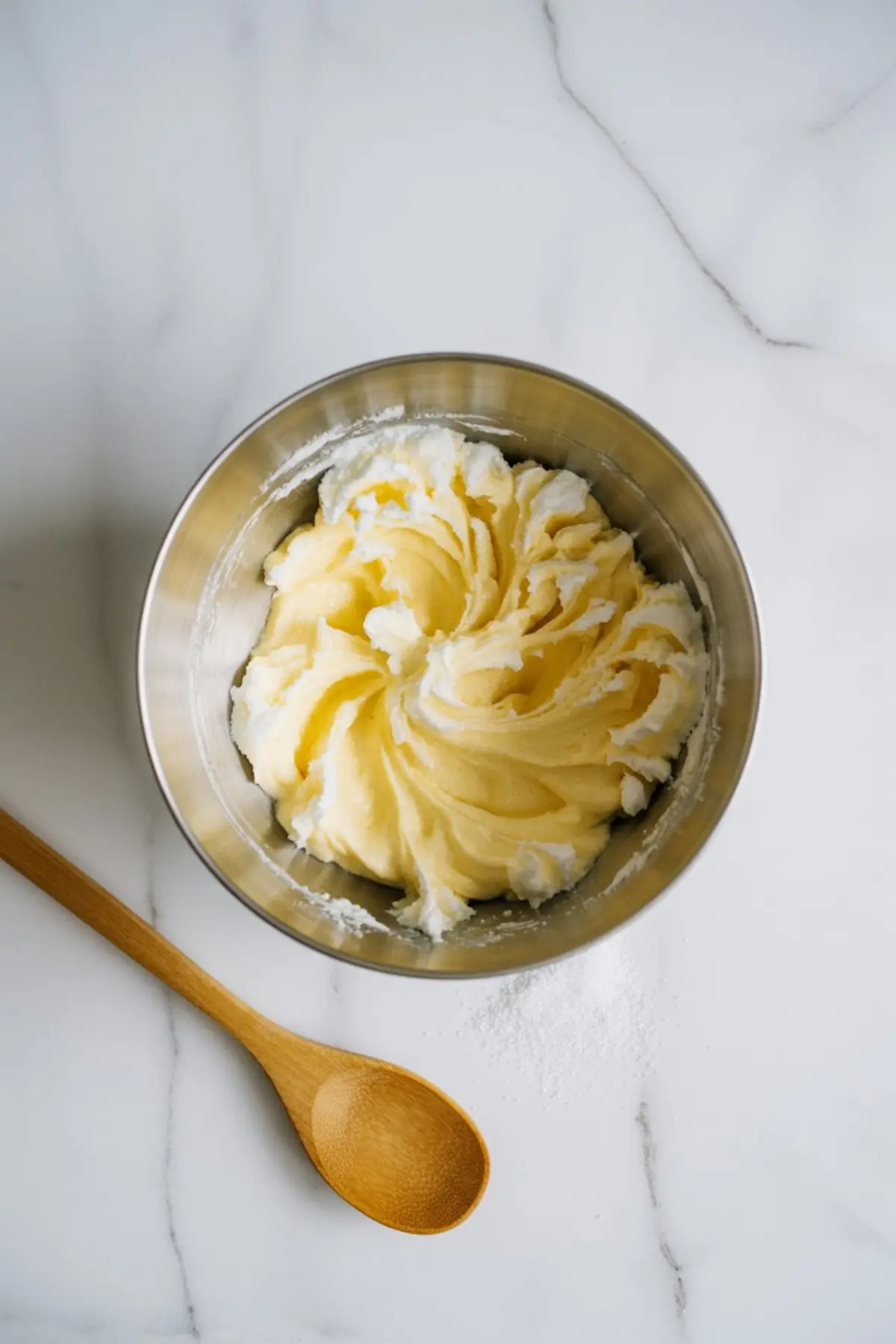
Granulated sugar sweetens both cake and pudding. Sugar softens the crumb and balances the acidity of lemon juice. Without enough sugar the citrus flavor becomes harsh. I apply the same balance while making my lemon cream cheese cake filling.
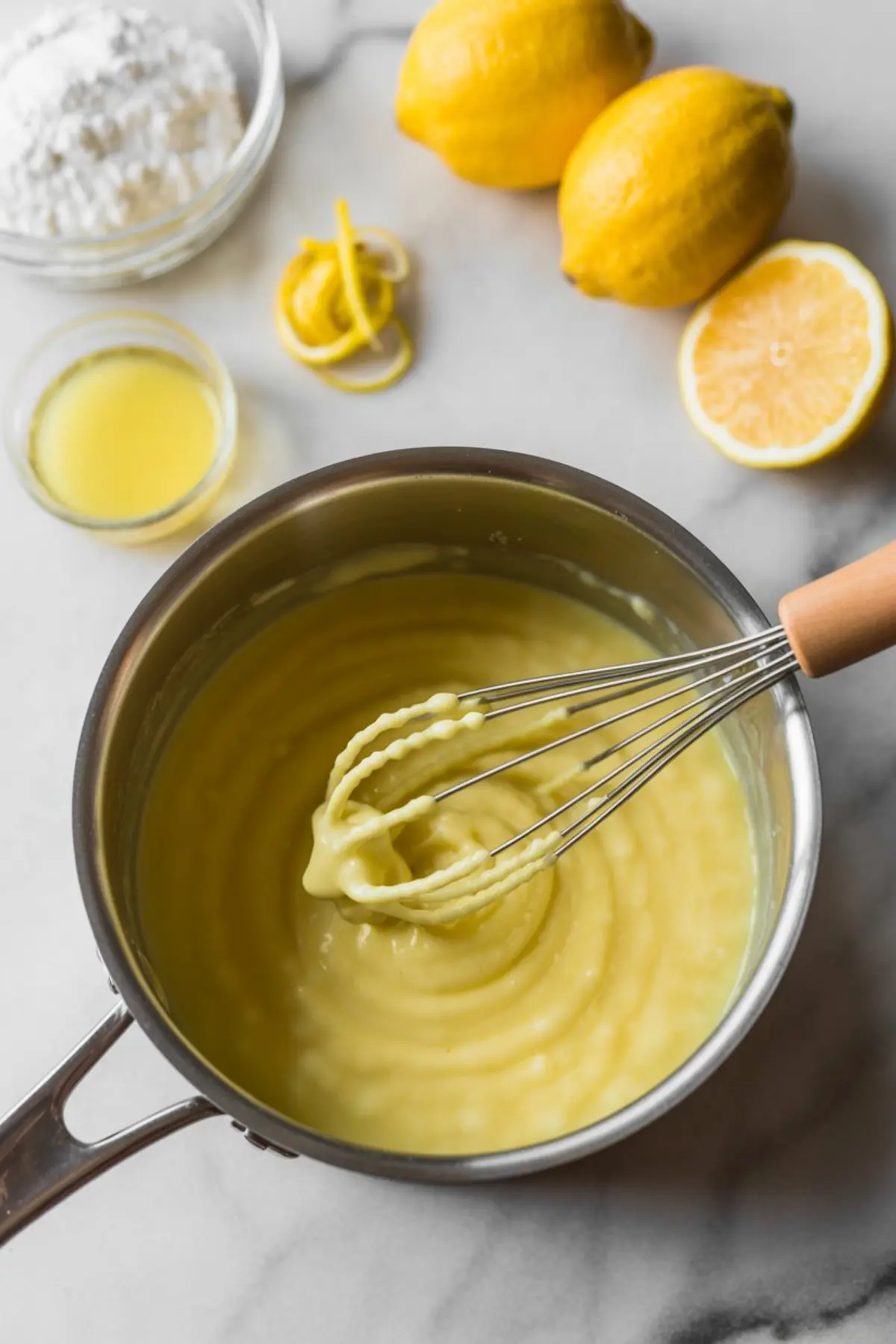
Lemon zest carries the citrus oils that define the aroma. Fresh zest perfumes the batter immediately. A microplane grater produces fine strands that blend evenly through the cake.
Fresh lemon juice shapes the pudding layer. Fresh juice creates a clean citrus flavor that bottled juice rarely matches. I noticed that difference again while baking my pink lemonade cake recipe. Real lemons simply taste brighter.
Kitchen Equipment
This lemon pudding cake uses basic kitchen tools. A large mixing bowl, whisk, rubber spatula, and small saucepan handle most steps. An 8 inch square baking pan gives the correct depth for the cake and pudding layers.
I also keep a fine grater nearby for lemon zest. Fresh zest always improves citrus desserts. I reach for that same tool when preparing my lemon cream cheese dump cake recipe. Citrus oils sit inside the peel and release quickly when grated.
The Lemon Pudding Layer
The pudding layer gives this dessert its identity. Lemon juice, egg yolks, sugar, water, and cornstarch cook together into a thick custard. Cornstarch stabilizes the mixture and helps the pudding hold its shape inside the cake.
The mixture thickens slowly on the stove. A spoon dipped into the pudding should come out coated with a glossy layer. That visual cue tells me the custard has reached the correct stage.
How the Cake Comes Together
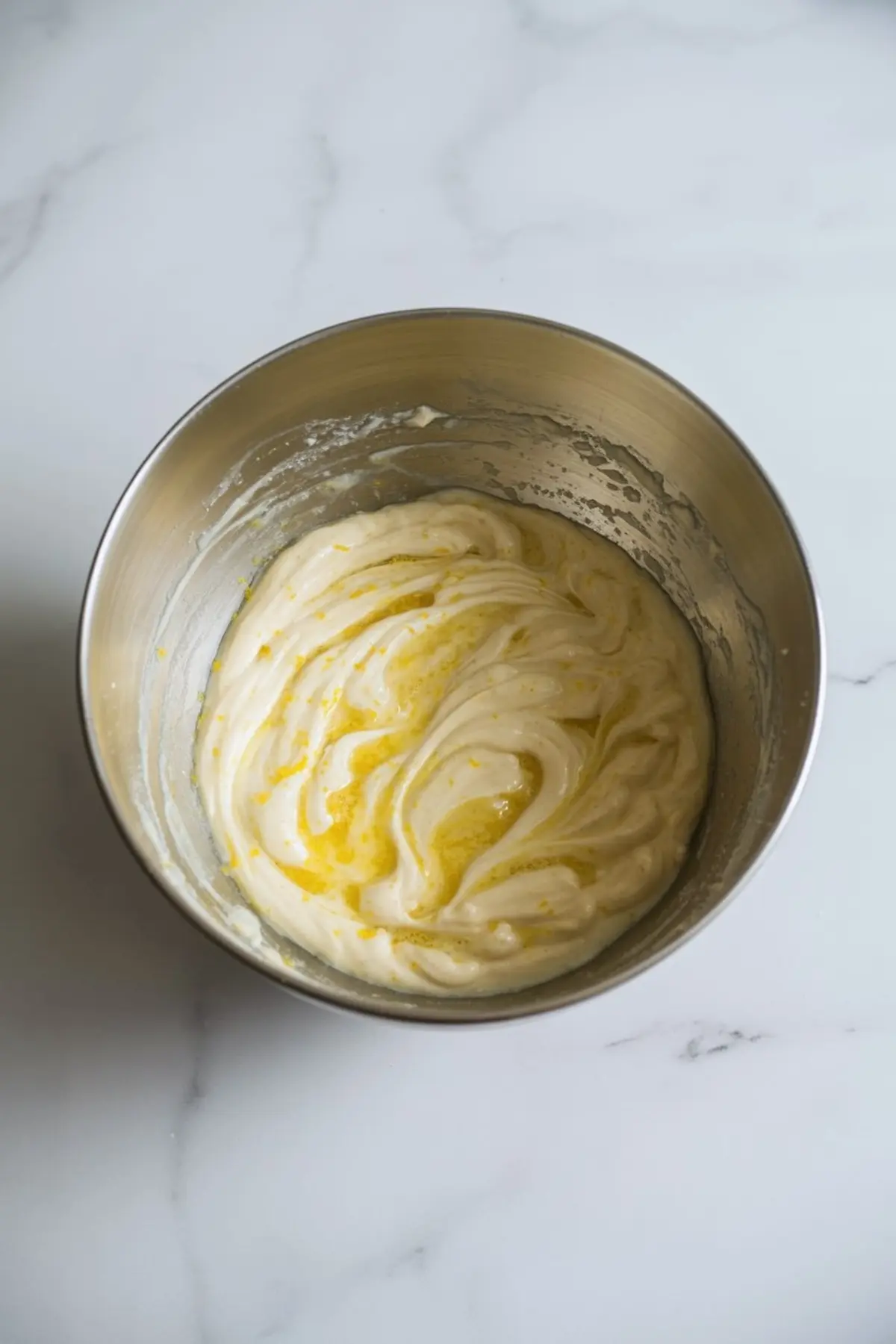
The batter begins with butter and sugar creamed together until pale and fluffy. Eggs follow one at a time and create a smooth mixture. Lemon zest and juice join the batter and release a strong citrus scent.
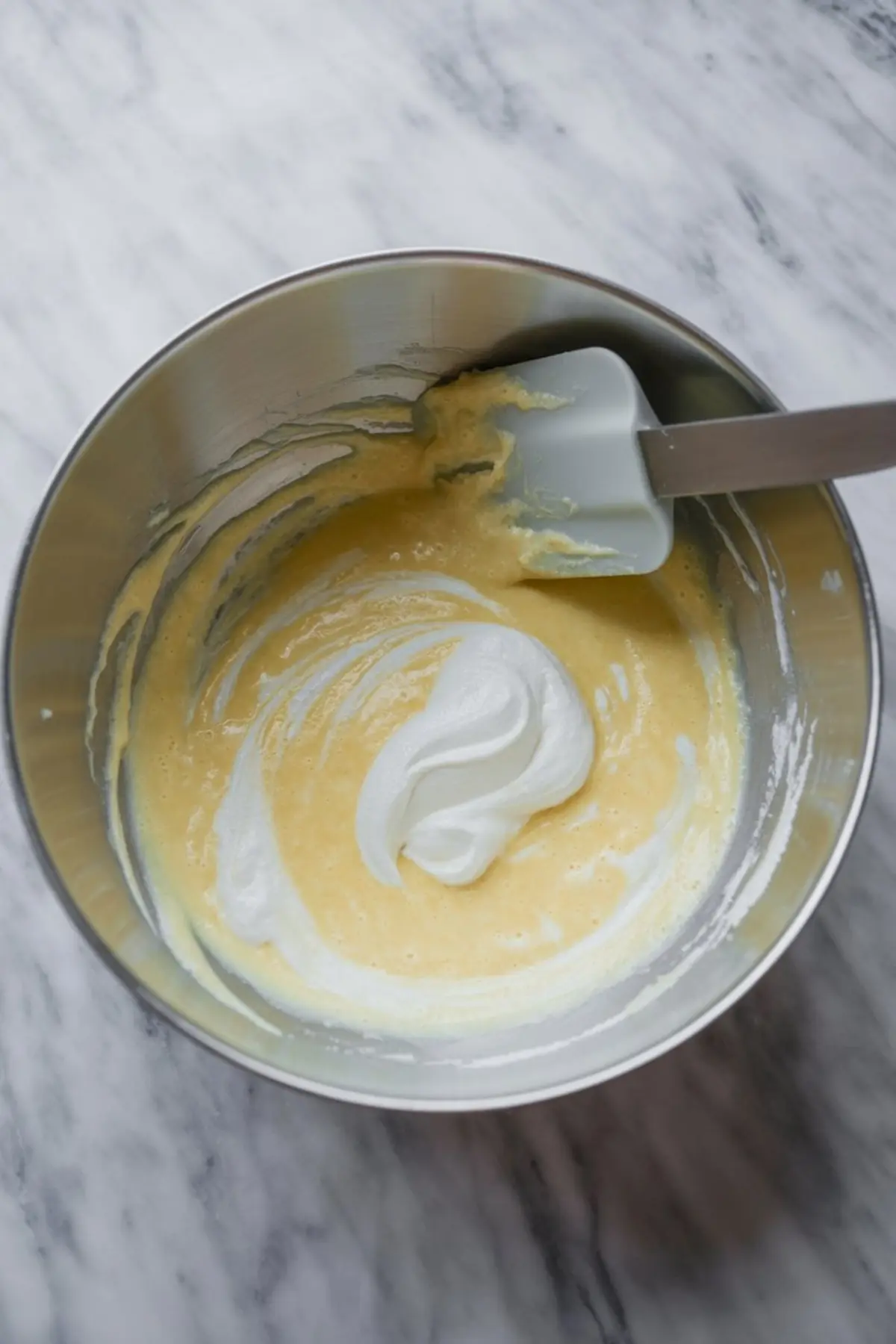
Flour, baking powder, and salt mix in gradually with milk. The batter becomes silky and light. I stop mixing as soon as the flour disappears because extra mixing tightens the crumb.
The cake bakes until the top turns golden and lightly springy. A shallow dip often forms in the center. That dip actually helps the pudding sit neatly inside the cake.
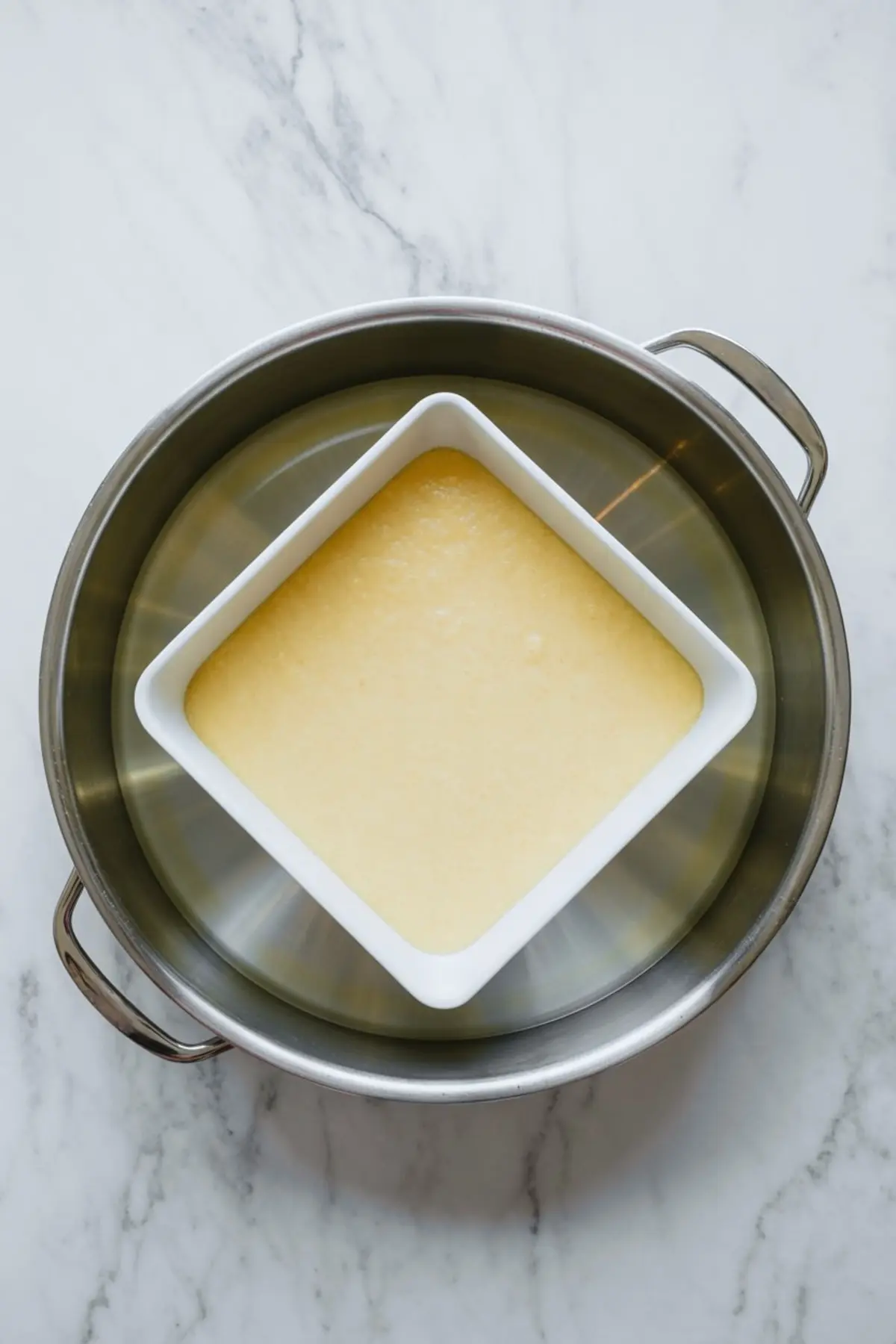
The lemon pudding cooks on the stove while the cake cools slightly. The mixture thickens in several minutes and butter melts into the custard for a smooth finish.
The pudding then fills the center of the cake. The filling spreads gently and settles into the soft crumb. The finished lemon pudding cake shows two distinct textures.
How to Tell the Cake Is Done
The edges of the cake appear firm and lightly golden. The center springs back when touched. A toothpick inserted near the edge should come out clean.
The pudding should coat the back of a spoon. Thick custard signals that the filling will hold its shape inside the cake.
Troubleshooting Common Problems
A dense cake often means the batter mixed too long. Gentle mixing keeps the crumb light.
Thin pudding usually means the mixture cooked too briefly. Cornstarch thickens fully only after several minutes of steady heat.
Sharp lemon flavor often signals missing sweetness. Sugar balances citrus and rounds the flavor.
Ways to Change the Flavor
Extra lemon zest strengthens the citrus aroma. One additional teaspoon adds noticeable brightness.
A spoonful of lemon curd creates a thicker filling and deeper flavor.
Fresh raspberries or blueberries add color and natural sweetness beside the citrus pudding.
A light dusting of powdered sugar gives the cake a simple finish.
Storage
The cake holds well at room temperature for several hours. The pudding remains soft during that time.
Refrigeration extends freshness to three days. The pudding thickens slightly while chilled.
Freezing works if the cake stays wrapped tightly. Thaw slices slowly in the refrigerator before serving.
Practical Baking Notes
Room temperature butter mixes faster and produces smoother batter. Fresh lemons provide stronger flavor than bottled juice. Zest lemons immediately before baking for the best aroma.
Light metal pans bake the cake evenly. Dark pans sometimes brown the edges too quickly. Cooling the cake slightly before filling keeps the pudding layer clean and stable.
Serving Ideas
Serve warm slices so the pudding stays soft and creamy. Add whipped cream for gentle dairy contrast.
Top slices with fresh berries for extra brightness. Serve chilled pieces when you want a firmer pudding center.
Save This Recipe
Save this lemon pudding cake recipe to your Pinterest dessert board so you can return to it easily during citrus baking season.
Share a comment if you bake it. I enjoy hearing how readers adjust lemon pudding recipes and how the cake turns out in different kitchens.
Lemon Pudding Cake Recipe

This bright lemon pudding cake recipe creates a soft cake layer with a creamy lemon pudding base that forms as it bakes. The texture is light on top and rich underneath, making this baked lemon pudding cake a unique citrus dessert with fresh flavor and a delicate custard style finish.
This comforting lemon pudding dessert belongs among classic lemon pudding recipes and simple lemon dessert recipes easy to prepare at home. The recipe is often described as a lemon cake pudding recipe because the batter separates while baking into cake and pudding layers. If you enjoy warm citrus desserts, this simple lemon pudding cake delivers a bright lemon flavor similar to a soft lemon lava cake with a creamy center.
Ingredients
- For the Cake:
- ½ cup (1 stick) unsalted butter, softened
- ¾ cup granulated sugar
- 2 large eggs
- 1 teaspoon vanilla extract
- 1 tablespoon lemon zest
- 2 tablespoons lemon juice
- 1¼ cups all-purpose flour
- 1½ teaspoons baking powder
- ¼ teaspoon salt
- ½ cup whole milk
- FOR THE LEMON PUDDING:
- ½ cup fresh lemon juice (about 3–4 lemons)
- 1 tablespoon lemon zest
- ½ cup granulated sugar
- 3 large egg yolks
- 2 tablespoons cornstarch
- 1 cup water
- 2 tablespoons unsalted butter
Instructions
- PREHEAT THE OVEN: Set the oven to 350°F (175°C). Grease and line an 8x8-inch square pan or a round cake pan with parchment paper to prevent sticking.
- MAKE THE CAKE BATTER: In a large mixing bowl, cream the softened butter and granulated sugar together until pale and fluffy, about 2–3 minutes. Add the eggs one at a time, beating well after each. Stir in the vanilla extract, lemon zest, and lemon juice until fully incorporated.
- COMBINE DRY AND WET INGREDIENTS: In a separate bowl, whisk together the flour, baking powder, and salt. Add the dry ingredients to the wet mixture in two additions, alternating with the milk. Mix just until smooth, being careful not to overmix.
- BAKE THE CAKE: Pour the batter into the prepared pan and level the top. Bake for 28–32 minutes, or until the top is golden and the edges are set. The center should spring back lightly to the touch and a toothpick inserted near the edge should come out clean. Let the cake cool in the pan for at least 15 minutes. A gentle dip in the center is expected and ideal for holding the filling.
- MAKE THE LEMON PUDDING: In a small saucepan, whisk together the lemon juice, lemon zest, sugar, egg yolks, cornstarch, and water until smooth. Place the pan over medium heat and cook, whisking constantly, for 5–7 minutes or until the mixture thickens and can coat the back of a spoon. Remove from the heat and stir in the butter until melted. Let it cool slightly until thick but still pourable.
- FILL THE CAKE CENTER: If the cake has not dipped naturally, gently press the center using the back of a spoon to form a shallow well. Spoon or pour the warm lemon pudding into the center, allowing it to spread slightly without overflowing. Chill the filled cake for at least 20 minutes to help the pudding set, or serve warm if a runnier center is preferred.
Notes
If preferred, lemon curd can be used instead of homemade lemon pudding. Store leftovers in the refrigerator for up to 3 days. Serve chilled or rewarm individual portions briefly for a softer center.
