

This homemade hazelnut cake recipe brings together fresh orange zest, ground hazelnuts, and buttermilk to create a moist, flavorful dessert with real texture. The layers are filled with orange whipped cream, topped with orange buttercream, and decorated with chopped hazelnuts. It works well as a holiday cake, birthday dessert, or weekend baking project. If you’re searching for a hazelnut orange dessert or a moist hazelnut cake, this one stands out for flavor and balance.
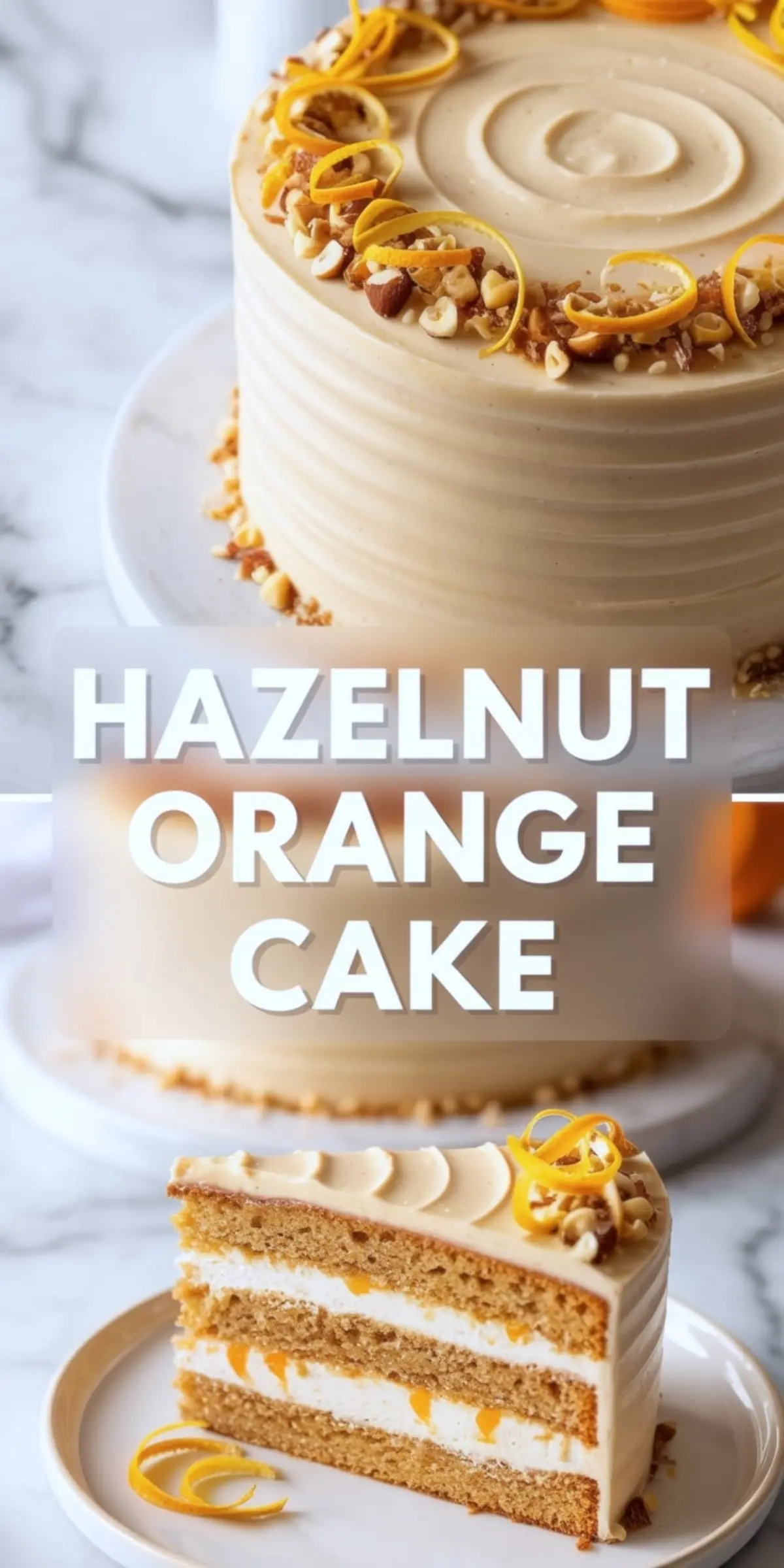
Ground hazelnuts replace part of the flour to change the crumb. The cake feels softer and richer than standard sponge, but it still holds shape well. The buttermilk and brown sugar help it bake up moist without needing syrup or soaking.
Using hazelnut meal instead of chopped nuts keeps the texture fine. Chopped nuts interrupt the crumb. Finely ground hazelnuts blend in with the flour and give a consistent bite from edge to center. I use 90 grams hazelnuts to 180 grams flour for the right balance.
This orange hazelnut cake has a natural pairing of flavors. Orange zest sharpens the nutty base and cuts through the butter. If you’ve tried my Orange Cardamom Cake, this one leans nuttier, denser, and more wintry in feel.
Every Ingredient Has a Role
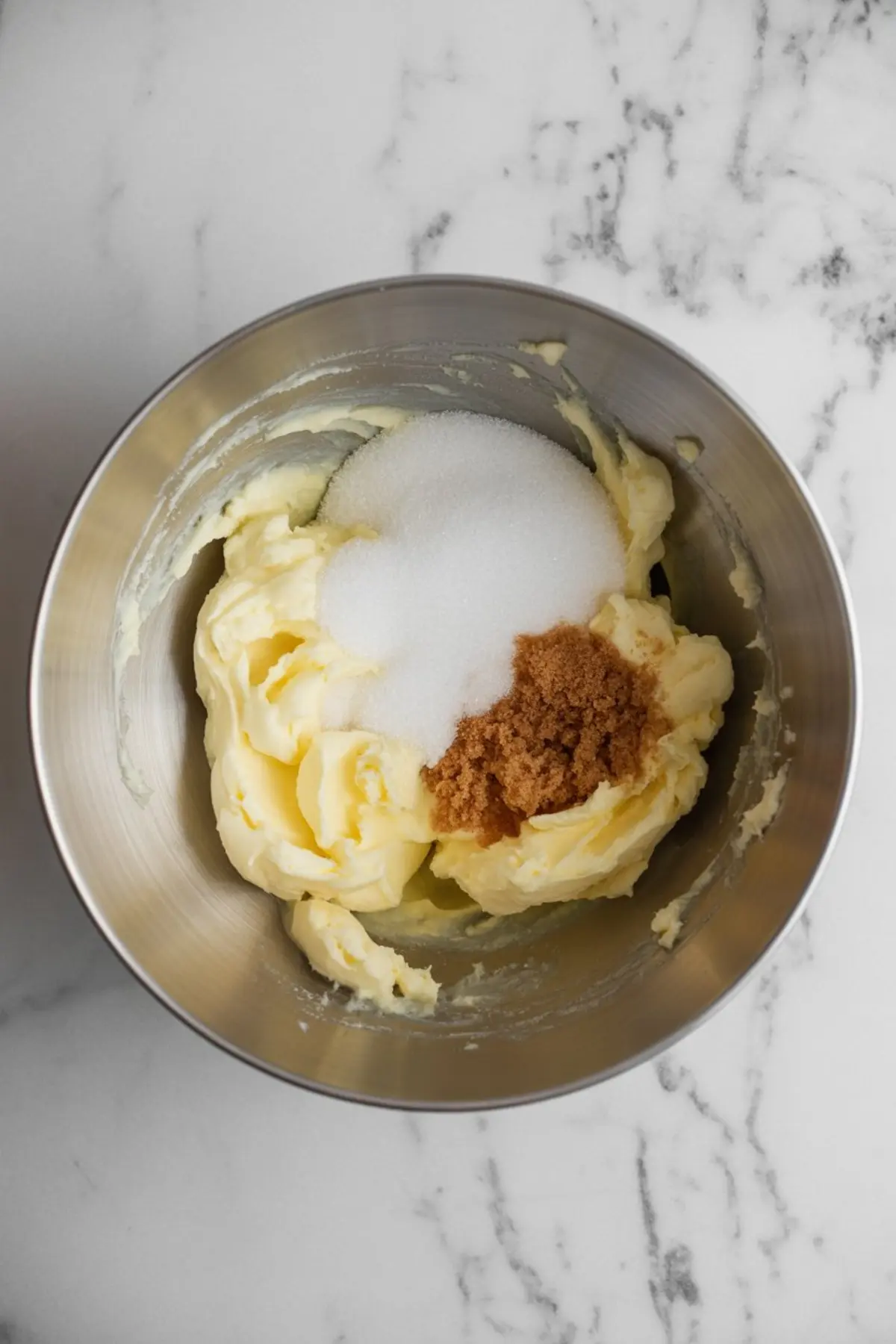
Hazelnuts do more than flavor the cake. They create structure. Buy finely ground hazelnut meal with no added sugar or oil. The texture should match almond flour.
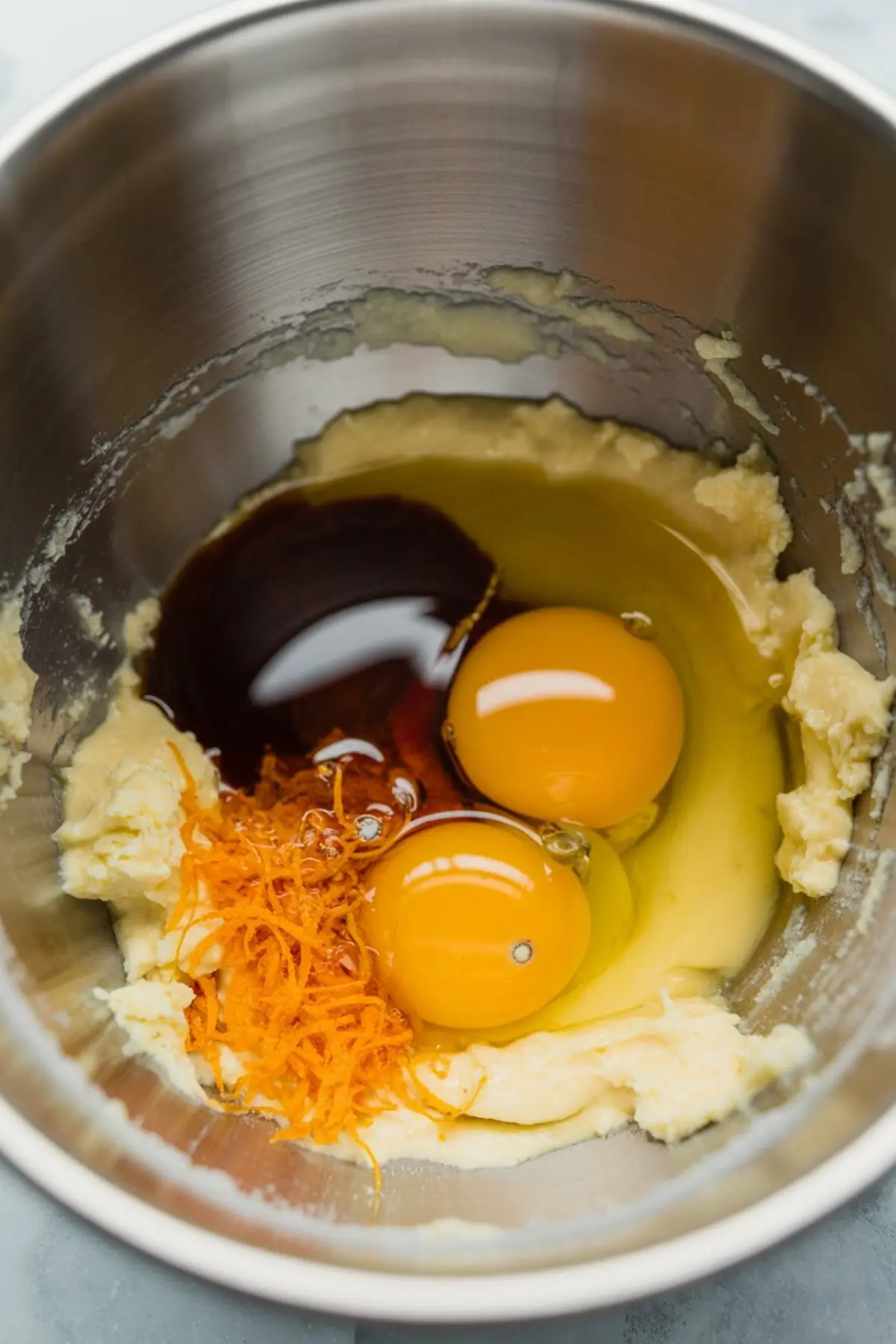
Orange zest gives more control than juice. You get clean citrus flavor without watering down the batter. I always zest fresh, never bottled. Choose firm oranges with a bright peel.
Buttermilk softens the crumb. It reacts with baking soda and balances the sweet notes from the sugar. Yogurt works if needed, but the texture changes slightly.
Vanilla and cinnamon round out the flavor. The spice is subtle, just enough to support the hazelnut and orange without standing out.
For another rich citrus bake, try my Blood Orange Cake. The sponge is lighter, but the zest gives it a similar depth.
Orange Cream Filling: Soft and Fresh
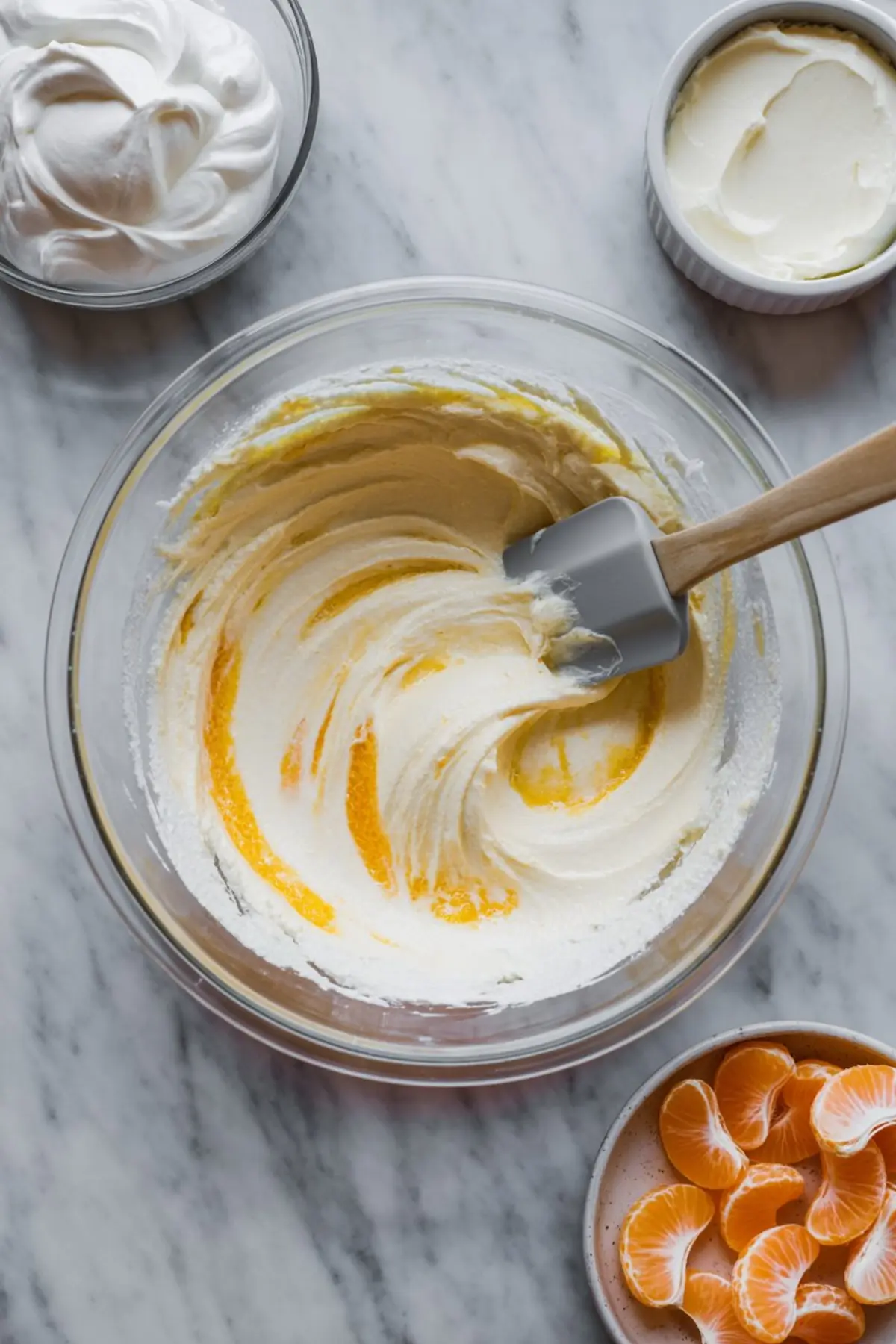
The filling needs to hold its shape without becoming stiff. I use cream cheese and whipped cream to keep it light but stable. Powdered sugar sweetens gently without grit.
Fold in mandarin orange pieces at the end. They give small bursts of fresh citrus. Use canned segments or fresh diced oranges with the juice drained.
Watch the texture while whipping. The filling should spread like mousse, not like frosting. If it clumps or deflates, it may have been overmixed or too warm.
This layer adds contrast. It softens the cake and gives each bite something cool and bright.
Baking and Assembling: What to Look For
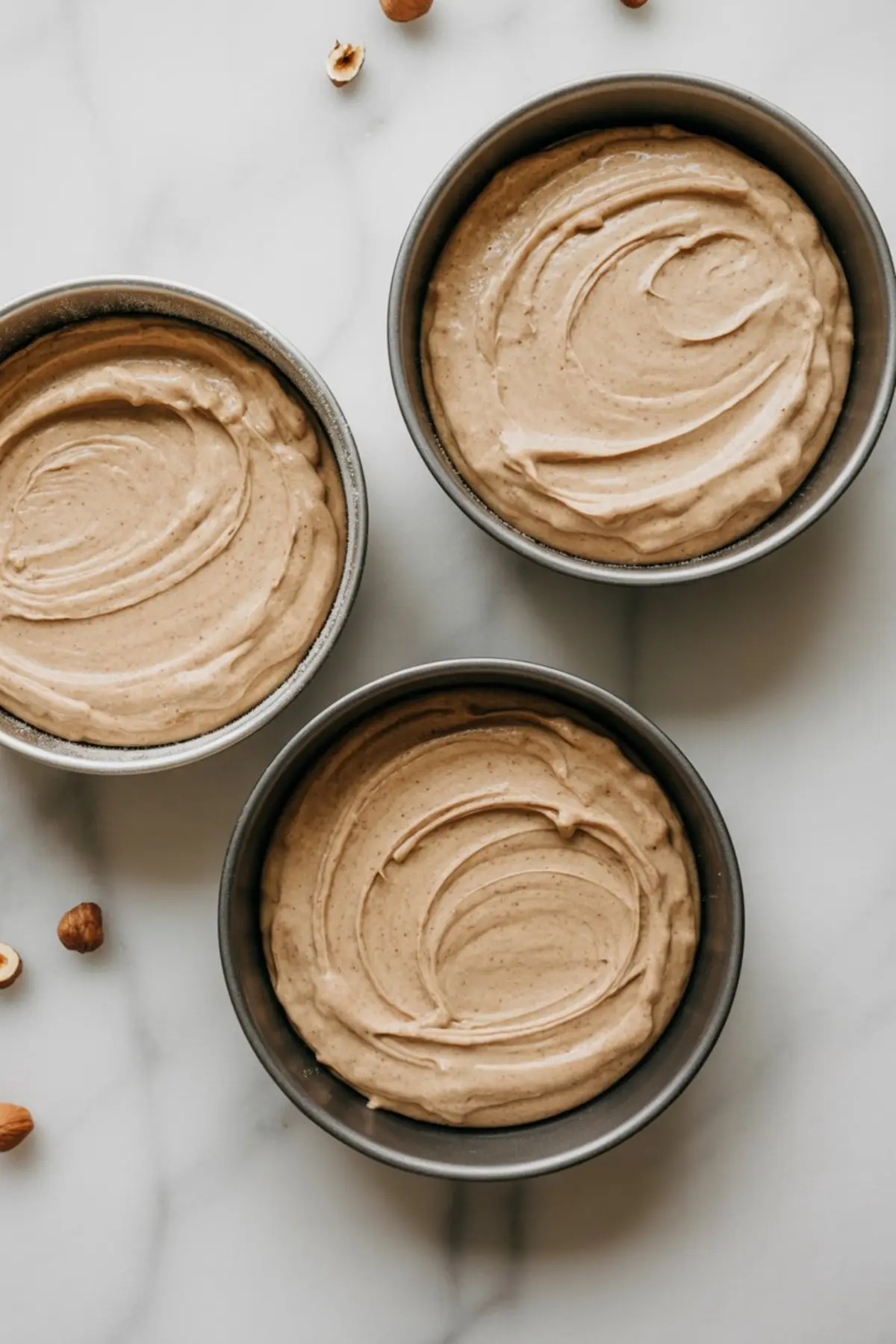
Bake three layers at 350°F for about 25 minutes. The top should spring back when touched and a toothpick should come out clean. Rotate the pans halfway through if your oven runs uneven.
Cool the cakes completely before filling. A warm cake melts the cream and ruins the layers. I often bake the cake the night before and store the layers wrapped until morning.
Crumb coat with a thin layer of buttercream before final frosting. This traps any crumbs and keeps the outside smooth. For clean sides, chill between coats.
For another cake that combines hazelnut and butter-based batter, visit my Hazelnut Layer Cake. That one uses chocolate and a different flavor balance.
Signs It’s Done
Use your eyes and hands. The cake should pull away slightly from the pan. It should feel light but firm in the center.
If it sinks, it needed more time. If it domes too much, the oven may be too hot. Test with a toothpick or skewer inserted in the center.
The frosting should be soft but not melting. If it starts to slide, chill the cake before finishing.
Variations to Try
Lemon zest can replace orange for a sharper edge. Use one tablespoon zest in the batter and add a squeeze of juice in the buttercream.
Swap the hazelnut meal for almond or walnut if you prefer. Each one brings a different depth, but the texture stays similar.
Use mascarpone instead of cream cheese for a smoother filling. It softens the flavor and makes the cream more neutral.
Chopped toasted hazelnuts can be folded into the batter for extra texture. Use up to ¼ cup.
How to Store and Keep It Fresh
Store the cake in the fridge, covered well. It holds best for up to four days.
Bring to room temperature before serving so the texture softens again. Cold cake can feel dry even when it isn’t.
Freeze the layers unfilled if needed. Wrap tightly. Do not freeze the assembled cake. The filling will change texture.
What I Learned from Testing
Use room temperature ingredients for a smooth batter. Cold eggs can break the emulsion.
Grease and line your pans well. Hazelnuts increase sticking.
Use a light hand when folding in wet ingredients. Overmixing ruins the crumb.
Whip the cream filling just until stiff. Too far, and it goes grainy.
Let the buttercream rest before spreading. It improves texture and makes it easier to work with.
Save and Share
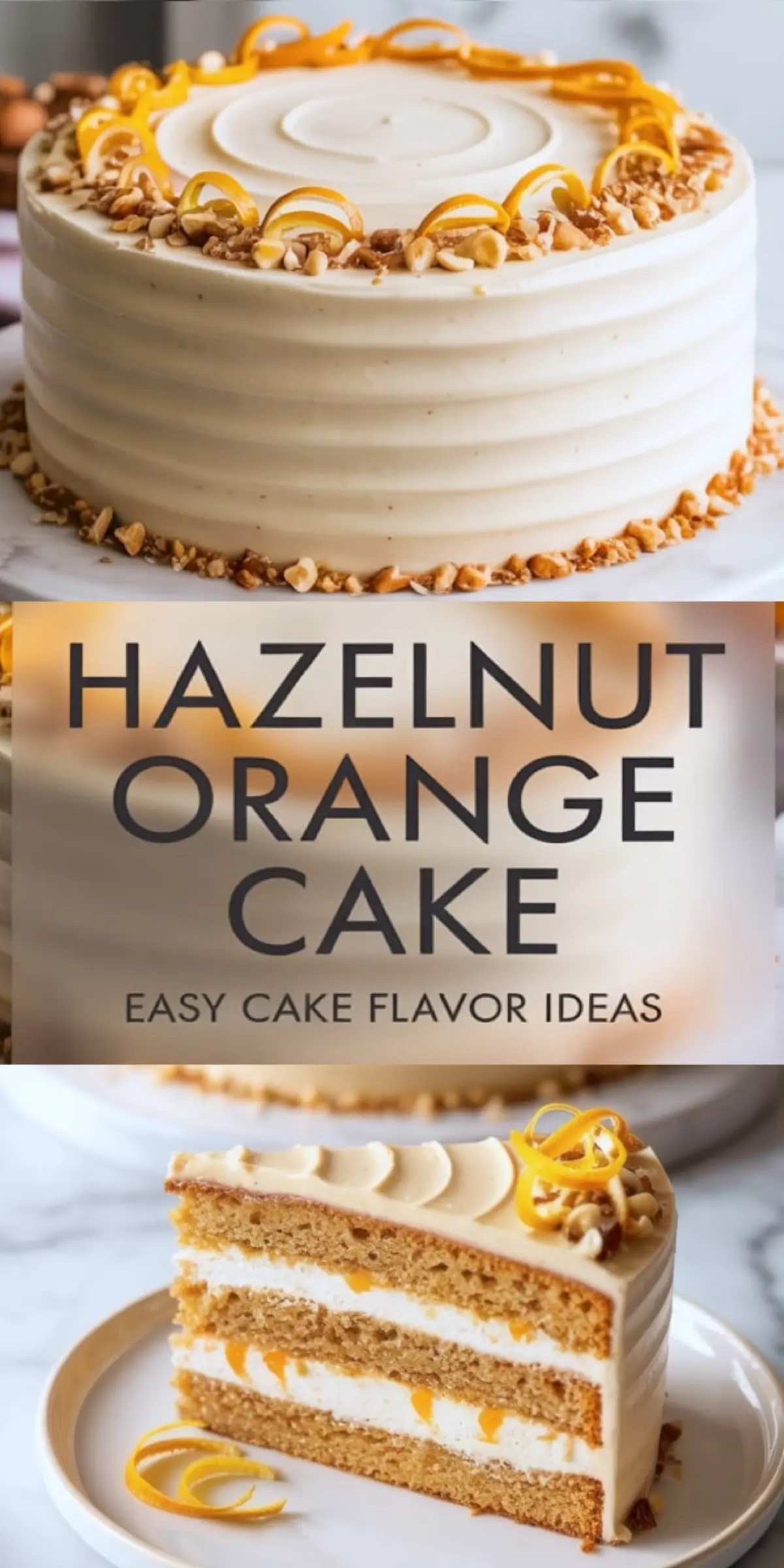
Save this orange hazelnut cake on your dessert board for later. I’d love to hear your take on it in the comments. Did you try a twist? Have a question? Let me know.
Hazelnut Orange Cake Recipe
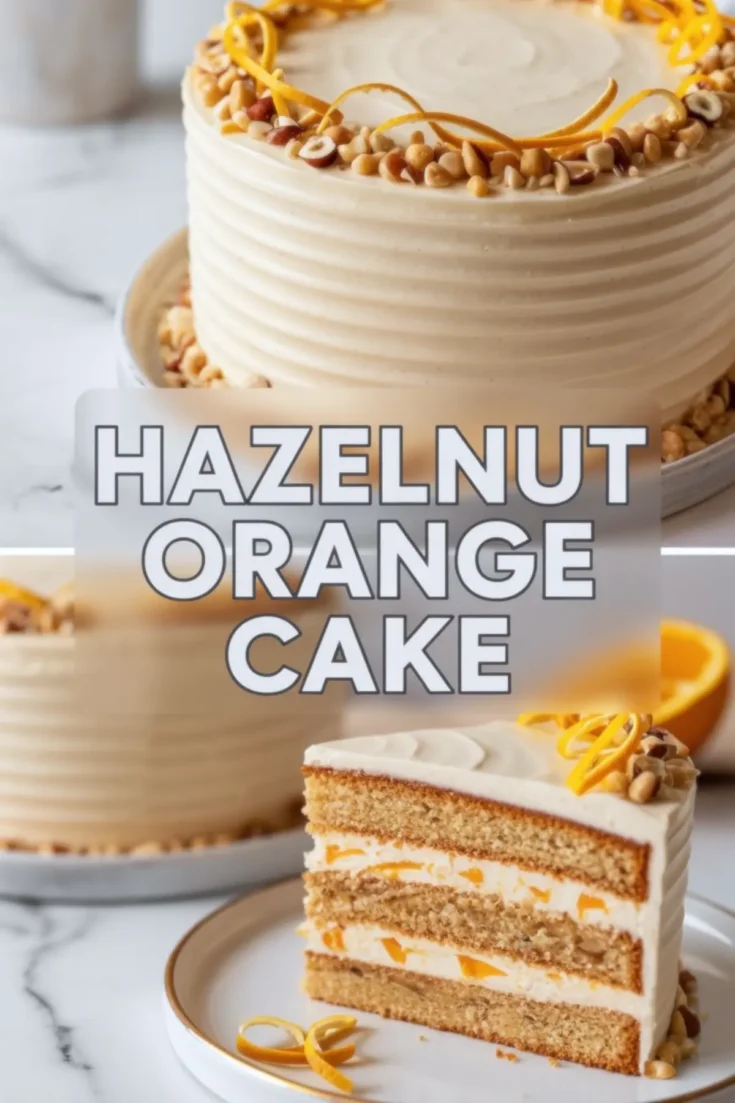
This orange hazelnut cake is rich, moist, and packed with nutty flavor and citrus brightness. Perfect for holidays or afternoon coffee, this hazelnut cake is made with real orange zest and ground hazelnuts for a unique texture and deep flavor. If you’re looking for a hazelnut orange dessert or a new take on homemade hazelnut cake recipes, this one is a simple showstopper. A cozy addition to your list of go-to dessert cake recipes.
Ingredients
- FOR THE HAZELNUT CAKE:
- 1 ½ cups (180g) all-purpose flour
- ¾ cup (90g) finely ground hazelnuts (or hazelnut meal)
- 1 ½ tsp baking powder
- ½ tsp baking soda
- ½ tsp salt
- 1 tsp ground cinnamon
- ¾ cup (170g) unsalted butter, softened
- 1 cup (200g) granulated sugar
- ½ cup (100g) brown sugar
- 3 large eggs, room temperature
- 1 tsp vanilla extract
- 1 tbsp orange zest
- 1 cup (240ml) buttermilk
- FOR THE ORANGE CREAM FILLING:
- 1 ½ cups (360ml) heavy cream
- ½ cup (120g) cream cheese, softened
- ⅓ cup (40g) powdered sugar
- 1 tsp vanilla extract
- 1 tbsp orange zest
- ½ cup (80g) diced mandarin orange segments (fresh or canned)
- FOR THE ORANGE BUTTERCREAM:
- 1 cup (230g) unsalted butter, softened
- 3 cups (360g) powdered sugar
- 1 tbsp orange zest
- 2 tbsp orange juice
- 1 tsp vanilla extract
- Pinch of salt
- Optional: 1–2 tbsp heavy cream, for texture
- FOR DECORATION:
- Toasted chopped hazelnuts
- Orange zest curls or candied orange peel
Instructions
- PREPARE THE CAKE PANS: Preheat oven to 350°F (175°C). Grease and line three 8-inch (20cm) round cake pans with parchment paper to prevent sticking and ensure even baking.
- MIX DRY INGREDIENTS: In a medium bowl, whisk together the flour, ground hazelnuts, baking powder, baking soda, salt, and cinnamon until evenly combined.
- CREAM BUTTER AND SUGARS: In a large mixing bowl, beat the softened butter with granulated sugar and brown sugar for 3 to 4 minutes until pale and fluffy using a hand or stand mixer on medium-high speed.
- ADD EGGS AND FLAVORINGS: Add the eggs one at a time, beating well after each addition. Mix in the vanilla extract and orange zest until incorporated.
- ALTERNATE WET AND DRY: Add the dry ingredients in three additions, alternating with the buttermilk. Begin and end with the dry mixture. Mix just until combined—do not overmix.
- BAKE THE LAYERS: Divide the batter evenly among the prepared pans and smooth the tops with an offset spatula. Bake for 22 to 25 minutes or until a toothpick inserted in the center comes out clean.
- COOL THE CAKES: Let the cakes cool in their pans for 10 minutes, then turn out onto wire racks and cool completely before assembling the cake.
- MAKE THE ORANGE CREAM FILLING: In a mixing bowl, beat the cream cheese until smooth. Add powdered sugar, orange zest, and vanilla extract, and mix until fully blended. In a separate bowl, whip the heavy cream to stiff peaks. Gently fold the whipped cream into the cream cheese mixture, then fold in the diced mandarin orange segments. Chill until ready to use.
- PREPARE THE ORANGE BUTTERCREAM: In a large bowl, beat the softened butter on high speed until smooth and creamy. Add the powdered sugar gradually, mixing on low until combined. Add orange zest, orange juice, vanilla extract, and a pinch of salt. Beat until fluffy. If needed, adjust consistency with 1–2 tablespoons of heavy cream.
- ASSEMBLE THE CAKE: Place one cooled cake layer on a serving plate or cake stand. Spread half of the orange cream filling evenly over the surface. Add the second cake layer and spread the remaining filling. Top with the third cake layer.
- FROST THE CAKE: Apply a thin crumb coat of orange buttercream over the entire cake. Chill briefly if needed. Then frost the cake fully with the remaining buttercream, smoothing or texturing the surface with a bench scraper or spatula.
- DECORATE: Sprinkle toasted chopped hazelnuts around the top edge of the cake. Garnish with orange zest curls or candied orange peel for a festive finish.
Notes
Cake layers can be made one day in advance and wrapped tightly once cooled. The orange cream filling should be assembled and used the same day for best texture. Store the finished cake in the refrigerator and bring to room temperature before serving for optimal flavor and texture.
Nutrition Information
Yield
14Serving Size
1Amount Per Serving Calories 759Total Fat 39gSaturated Fat 19gUnsaturated Fat 20gCholesterol 119mgSodium 253mgCarbohydrates 98gFiber 2gSugar 88gProtein 6g
