
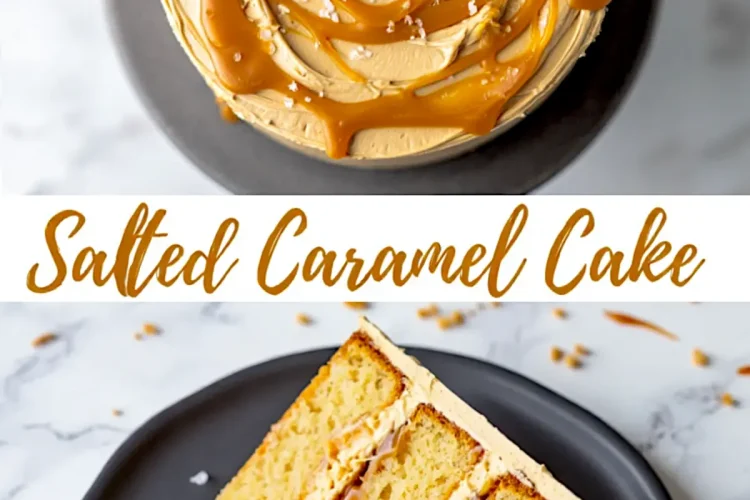
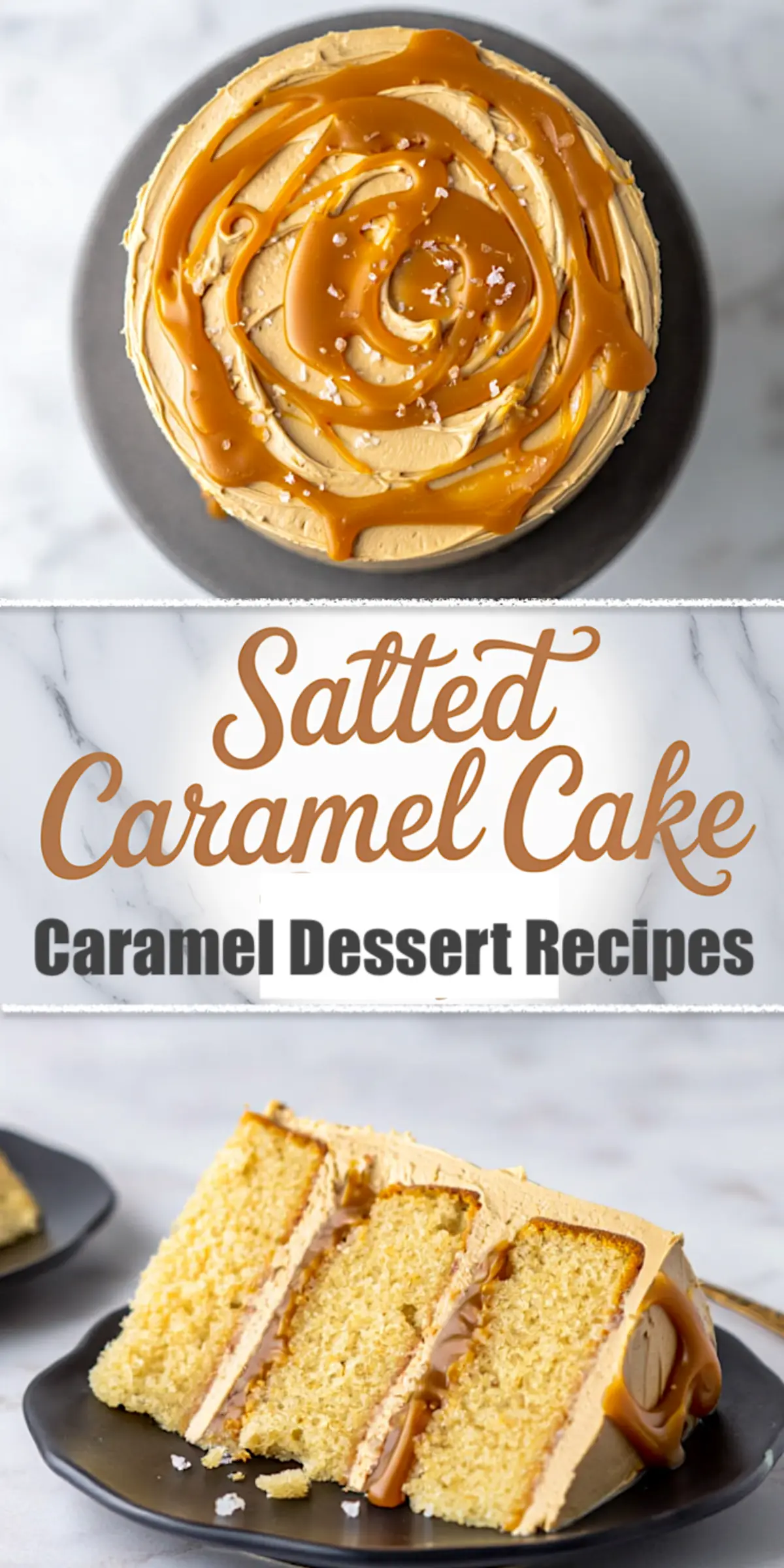
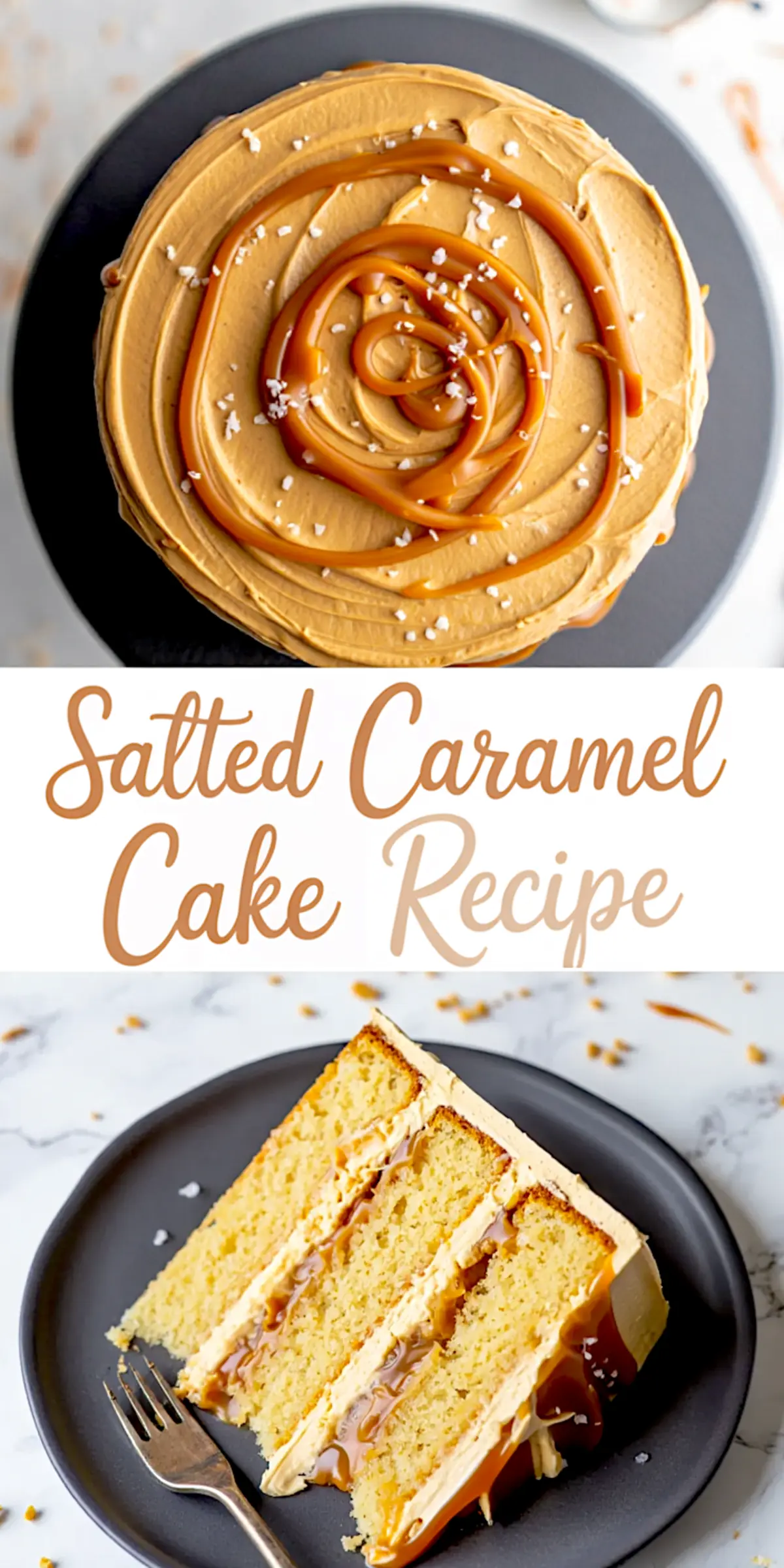
This salted caramel cake is three 8 inch vanilla sponge layers filled with homemade salted caramel sauce and covered in caramel buttercream. You need about 30 minutes of prep, 25 to 30 minutes in the oven at 350°F, and it serves 10.
One rule holds the whole cake together: cool the caramel before it touches butter. Warm caramel melts buttercream and slides out of the layers. Cool caramel stays thick, so the filling stays where you put it.
Following a special diet?
Every recipe on this site can be converted to gluten-free, vegan, dairy-free, keto, nut-free or egg-free with adjusted ratios so nothing falls flat.
Try the Recipe Converter →Salted Caramel Cake Timing, Pans and Yield
- Pans: three 8 inch round cake pans, greased and lined
- Oven: 350°F (175°C), 25 to 30 minutes
- Time on the card: 30 minutes prep, 30 minutes cooking, 20 minutes extra, about 1 hour 20 minutes in total
- Yield: 10 slices
- Caramel split: ½ cup of the sauce goes into the buttercream; the rest fills the layers and drips over the top
- Keeps: 2 days covered at room temperature, 5 days in the fridge
Make the sauce first. It needs time to cool while the layers bake, and that order removes most of the waiting.
Baking the Three Vanilla Sponge Layers
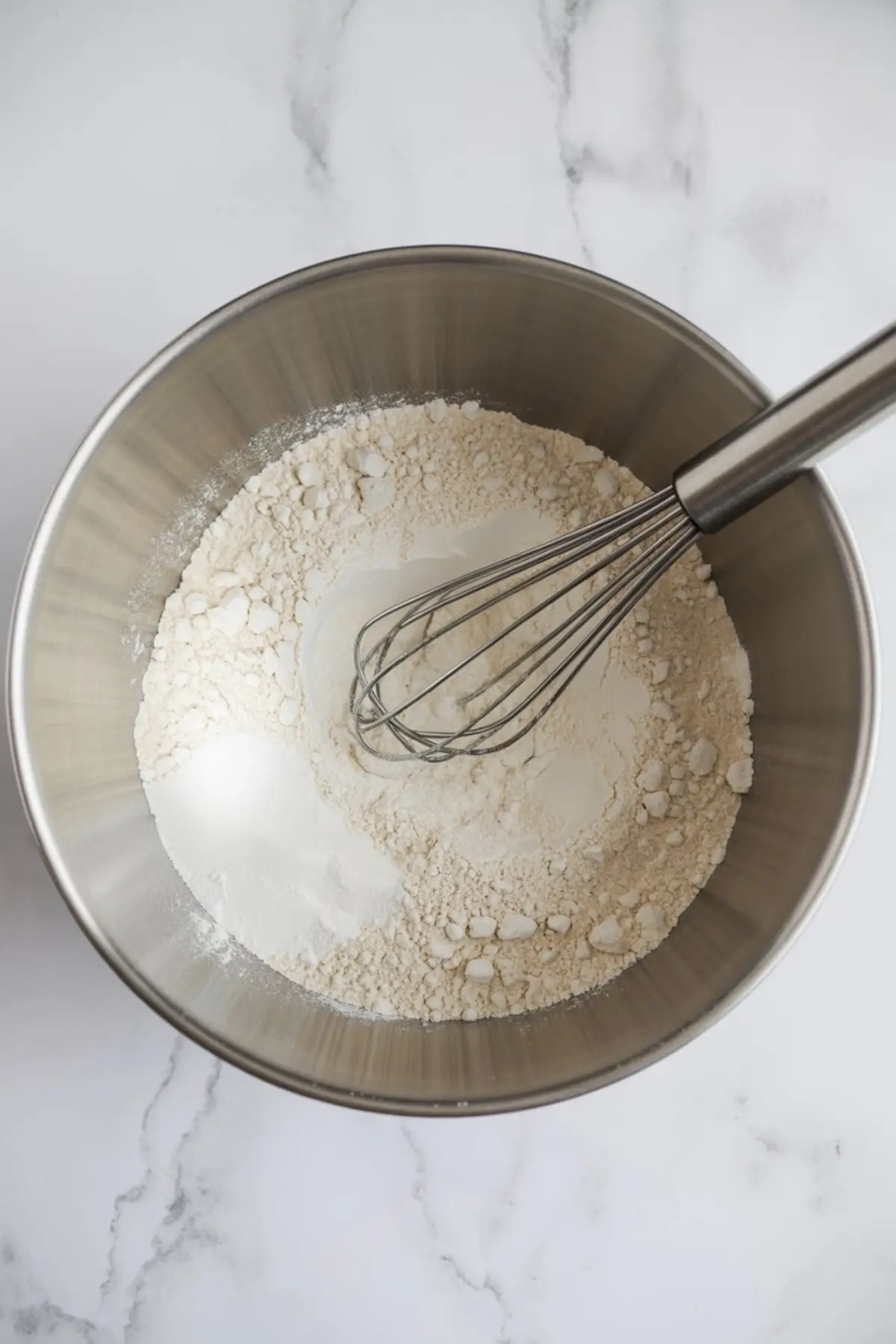
Whisk the flour, baking powder and salt in one bowl so the leavening is spread evenly. A pocket of baking powder leaves a bitter spot and a lopsided rise.
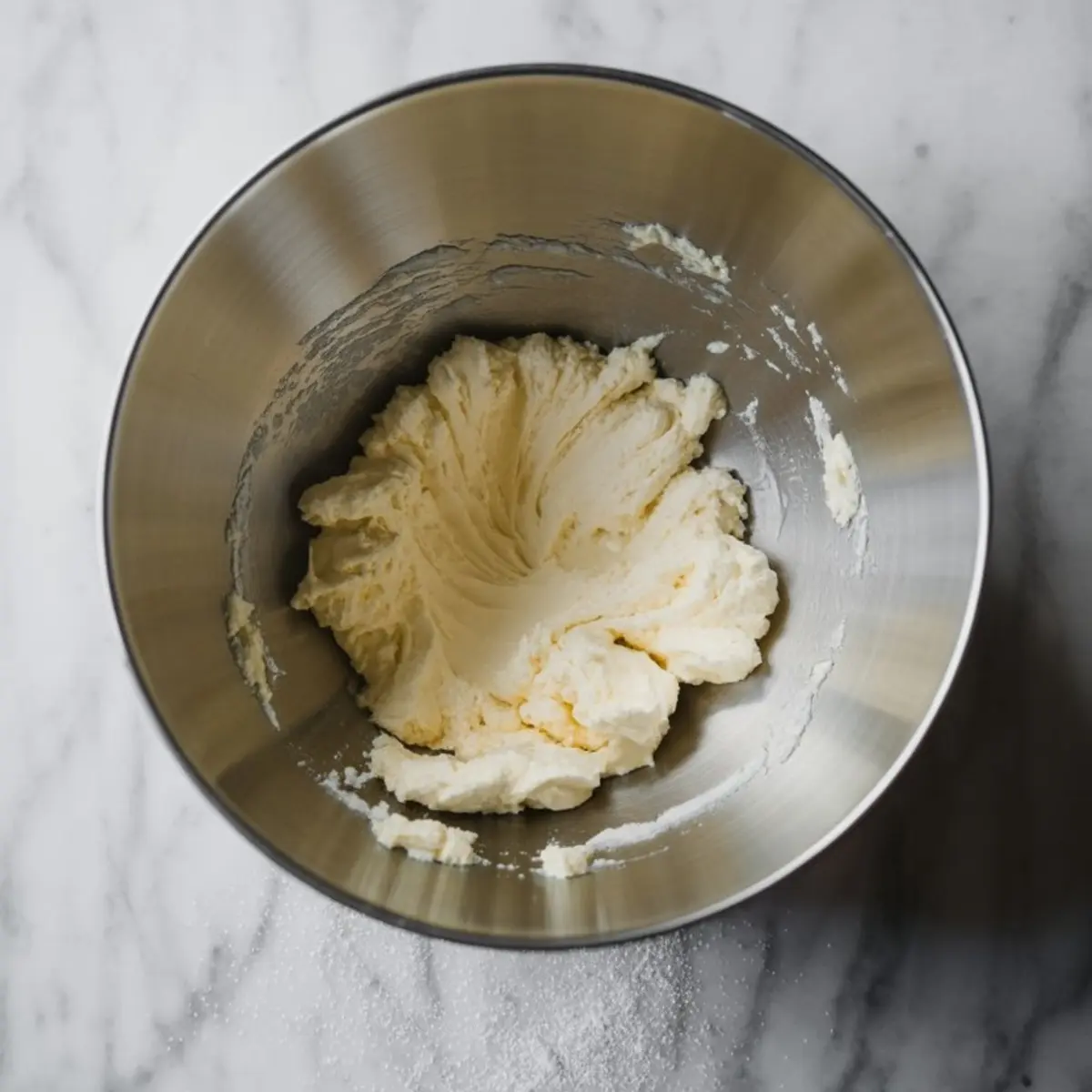
Beat the soft butter and sugar for about 3 minutes, until the mix turns pale and fluffy. That air is what lifts the sponge. Add the eggs one at a time, then the vanilla.
The eggs and the whole milk should both be at room temperature. Cold milk firms the butter back into small lumps, and the batter looks curdled. Add the dry mix and the milk in turns, starting and ending with flour, and stop mixing as soon as no dry streaks remain. Whole milk keeps the crumb tender. Lower fat milk gives a drier, tighter sponge.
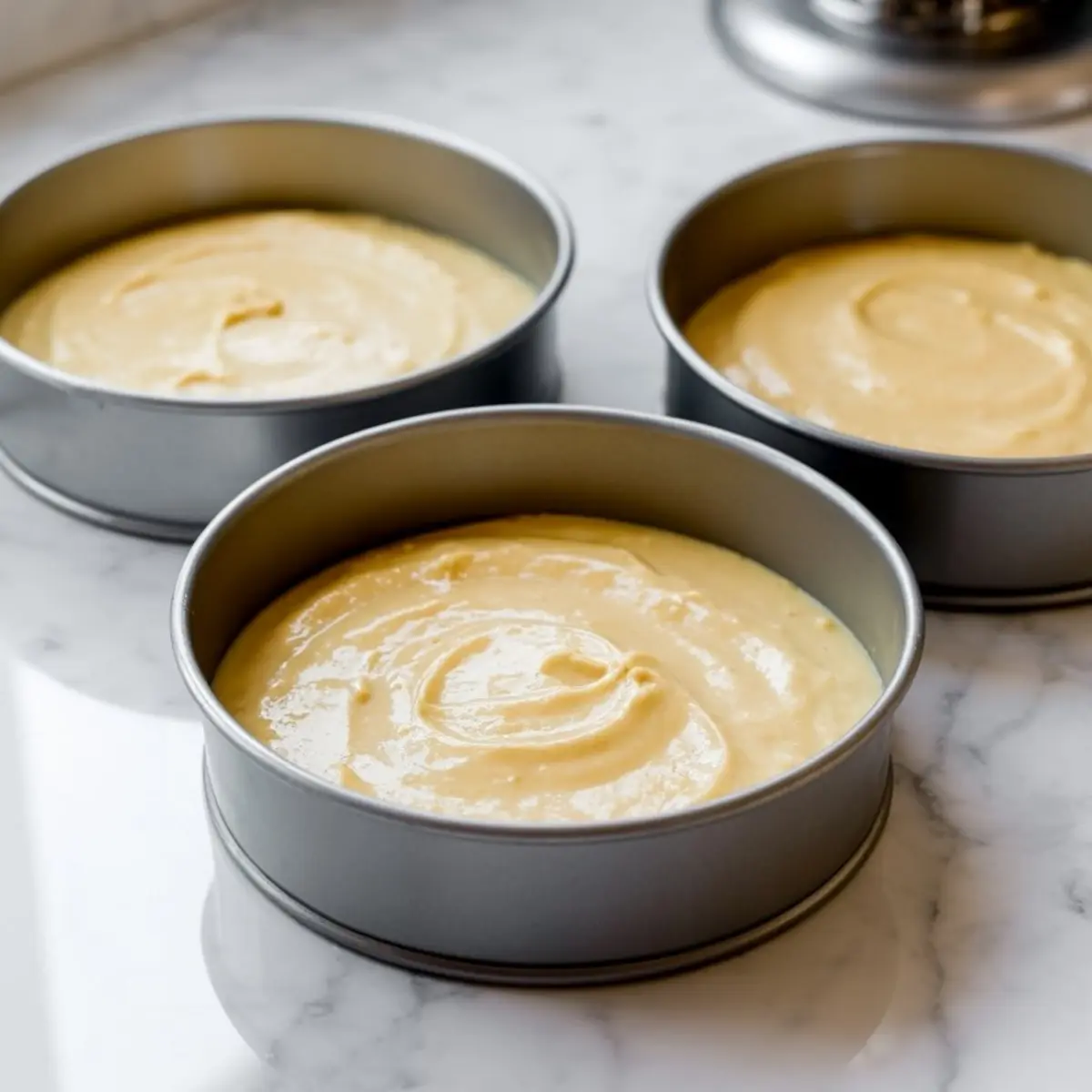
Divide the batter evenly so the three layers bake in the same time. They are done when a toothpick in the center comes out clean and the tops spring back. Cool them completely on a rack. A layer that is still warm in the middle will melt the buttercream from the inside. The same creaming method is behind my simple moist vanilla cake, if you want plain vanilla another day.
Cooking the Salted Caramel Sauce Without Burning It
This is a dry caramel: just sugar in a pan over medium heat, stirred. First it clumps into pale, sandy lumps, which looks wrong but is normal. Keep stirring and the lumps melt into a clear liquid that darkens fast.
Take it to a deep amber, the color of a copper coin. Pale caramel tastes only sweet. Caramel that smokes and smells sharp has gone bitter, and no amount of cream fixes that, so start again.
Stir in the cubed butter, then pour the cream in slowly while whisking. Warm the cream first. Cold cream makes the hot sugar seize into hard lumps, and the whole pan will bubble up hard either way, so stand back and use a long whisk. Off the heat, stir in the flaky sea salt. If you only have fine table salt, use about half as much, because it packs more salt into each teaspoon.
For a deeper look at the sauce on its own, my homemade caramel sauce recipe walks through it in more detail.
Caramel Buttercream: Cool the Sauce First
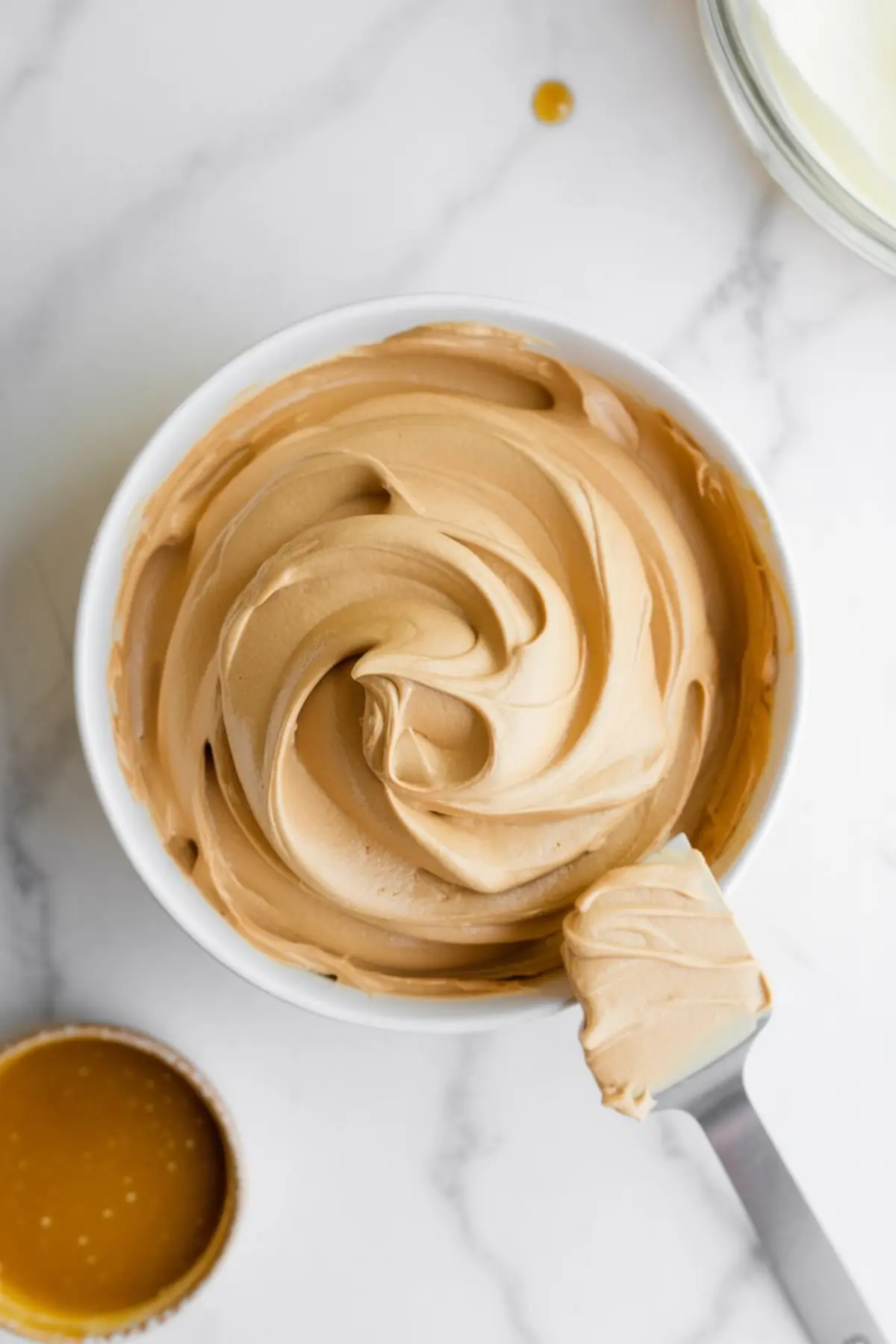
Beat the butter alone until smooth and pale, then add the sifted powdered sugar on low speed so it does not cloud over the counter. Pour in ½ cup of the salted caramel sauce and 2 tablespoons of cream, then beat until light.
The sauce must be at room temperature: pourable, but no warmer than your hand. If the buttercream turns soft and shiny, chill the bowl for 15 minutes and beat again. If it is still too soft, add a little more powdered sugar. If it is stiff and tears the sponge, add the third tablespoon of cream.
For the same frosting on cupcakes or a sheet cake, my salted caramel buttercream frosting is the stand-alone version.
Filling the Salted Caramel Cake Layers So the Caramel Stays Put
Caramel sauce is softer than buttercream, so on a flat layer it slowly creeps toward the edge. Pipe or spread a ring of buttercream about ½ inch wide around the rim of the bottom layer. Spread a thin layer of buttercream inside the ring, then spoon the caramel into the middle. The ring works as a dam.
Add the second layer, press gently, and repeat. Set the third layer on top, bottom side up, for a flat surface. Cover the cake in the remaining buttercream, drizzle caramel over the top edge, and finish with a pinch of flaky salt.
Refrigerate the frosted cake for 20 minutes before cutting. The buttercream firms up, and every slice shows clean stripes of caramel. A thicker, spoonable middle works too: my caramel cake filling can replace the sauce between the layers.
Salted Caramel Cake vs Southern Caramel Cake
Both are called caramel cake, but they are built differently. A salted caramel cake, like this one, uses a pourable caramel sauce between the layers and a soft caramel buttercream outside, with sea salt to cut the sweetness. A Southern caramel cake is usually covered in a cooked brown sugar icing that is poured on warm and sets firm and fudgy.
Choose this version if you want a soft, spreadable frosting and a salty finish. Choose the Southern style if you want a crackly, candy-like coat.
When the Caramel or Buttercream Misbehaves
- Hard lumps after adding the cream: the cream was cold. Return the pan to low heat and stir until the lumps melt.
- Sauce looks greasy after the butter: keep whisking while the cream goes in; the cream brings it back together.
- Sauce is too thin to fill the cake: it is still warm. Caramel thickens a lot as it cools.
- Buttercream is soupy: the caramel or the layers were warm. Chill 15 minutes, then beat again.
- Layers dome in the middle: trim the tops flat with a serrated knife before filling, so the caramel does not run downhill.
Making Salted Caramel Cake Ahead and Storing Slices
Split the work over two days. Cook the sauce and bake the layers on day one; wrap the cooled layers tightly in plastic wrap and keep the sauce in a covered jar in the fridge. On day two, warm the sauce for a few seconds until it pours, let it settle back to room temperature, then make the buttercream, fill and frost.
Once assembled, keep the cake covered at room temperature for up to 2 days or in the fridge for up to 5 days. Cold buttercream tastes firm and muted, so take refrigerated cake out about an hour before serving. Add a fresh drizzle of caramel just before slicing if the top looks dull.
Salted Caramel Cake Questions
Can I use store-bought caramel sauce?
Yes, choose a thick caramel sauce, not a thin ice cream syrup, and add flaky salt to taste. Homemade gives a deeper, slightly bitter caramel flavor that balances the sweet buttercream.
Can I make salted caramel cupcakes with this recipe?
The flavors work, but bake times change. For a recipe written for cupcakes, try my caramel cupcakes with a vanilla center.
Why did my caramel turn grainy?
Sugar crystals stuck to the side of the pan fell back in. Keep stirring over the heat until every lump melts before you add the butter.
Looking for something smaller with the same flavor? Salted caramel cookies or a caramel apple pie use the same sauce idea in a different shape.
Salted Caramel Cake Recipe
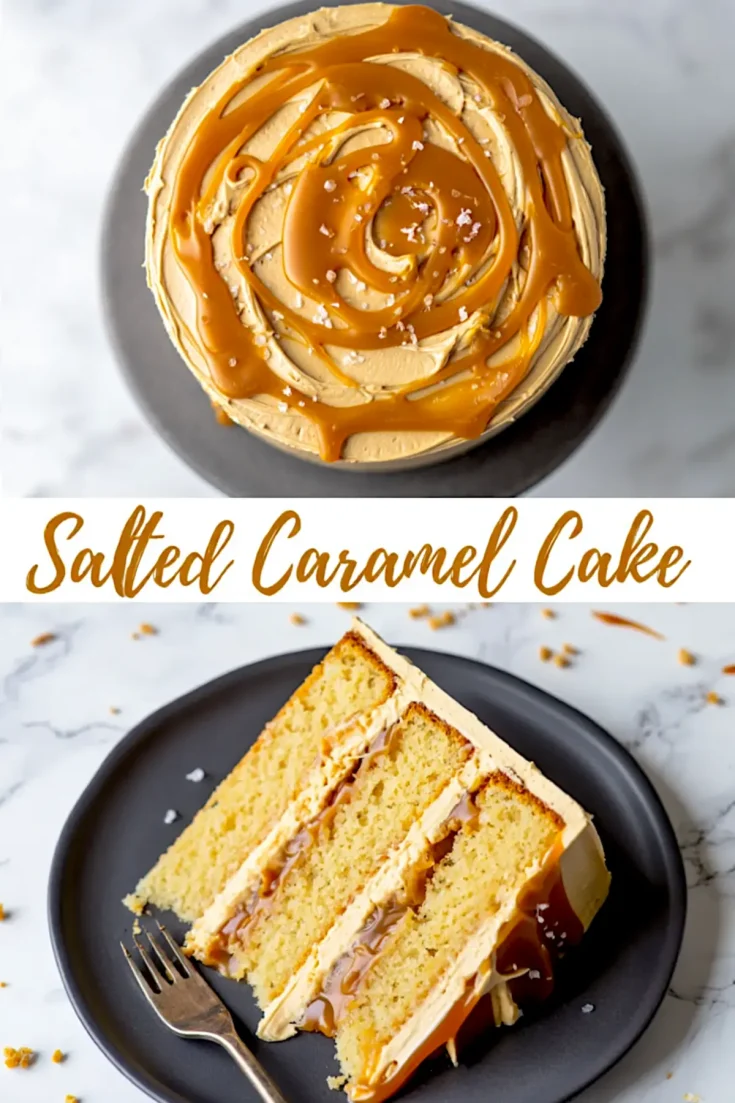
This salted caramel cake is a three layer vanilla sponge cake filled with homemade salted caramel sauce and covered in caramel buttercream made with butter, powdered sugar, cream and flaky sea salt. It bakes in three 8 inch pans at 350°F for 25 to 30 minutes and serves 10, with soft, tender layers and a salty, spreadable caramel frosting. The key is to cool the caramel before it meets the butter, so the buttercream holds and the caramel filling stays between the layers. Serve it as a birthday cake, a fall celebration cake, or for anyone who wants a cake with caramel filling and caramel frosting. Keep it covered for 2 days at room temperature or 5 days in the fridge.
Ingredients
- FOR THE VANILLA SPONGE
- 2 ½ cups (315 g) all-purpose flour
- 2 ½ tsp baking powder
- ½ tsp salt
- 1 cup (225 g) unsalted butter, softened
- 1 ¾ cups (350 g) granulated sugar
- 4 large eggs, room temperature
- 2 tsp vanilla extract
- 1 cup (240 ml) whole milk, room temperature
- FOR THE SALTED CARAMEL SAUCE
- 1 cup (200 g) granulated sugar
- 6 tbsp (85 g) unsalted butter, cubed
- ½ cup (120 ml) heavy cream, warm
- 1 tsp flaky sea salt, plus more for garnish
- FOR THE CARAMEL BUTTERCREAM
- 1 cup (225 g) unsalted butter, softened
- 4 cups (500 g) powdered sugar, sifted
- ½ cup (120 ml) salted caramel sauce (from above)
- 2–3 tbsp heavy cream
Instructions
BAKE THE VANILLA SPONGE: Preheat oven to 350°F (175°C). Grease and line three 8-inch round cake pans. In a medium bowl, whisk together flour, baking powder, and salt. In a large mixing bowl, beat butter and sugar until light and fluffy, about 3 minutes. Add eggs one at a time, mixing well after each addition, then stir in vanilla extract. Alternate adding the dry ingredients and milk, beginning and ending with the dry mixture, mixing until just combined. Divide batter evenly among the prepared pans and bake for 25 to 30 minutes, or until a toothpick inserted in the center comes out clean. Cool completely on wire racks before frosting.
MAKE THE SALTED CARAMEL SAUCE: Heat sugar in a medium saucepan over medium heat, stirring constantly until melted and a golden caramel forms. Add butter carefully, stirring until melted. Slowly pour in the warm cream while whisking until smooth. Remove from heat and stir in the flaky sea salt. Set aside to cool before using.
PREPARE THE CARAMEL BUTTERCREAM: In a large bowl, beat butter until smooth and creamy. Gradually add powdered sugar, mixing on low speed. Pour in the cooled salted caramel sauce and add heavy cream, then beat until light and fluffy. Adjust consistency by adding more cream if too thick or more powdered sugar if too soft.
ASSEMBLE THE CAKE: Place one sponge layer on a serving plate. Spread with a thin layer of buttercream, then drizzle with salted caramel sauce. Add the second sponge layer and repeat. Top with the third layer, then frost the outside of the cake with the remaining buttercream. Finish with a drizzle of salted caramel on top and a sprinkle of flaky sea salt for garnish.
Notes
Make the caramel sauce first so it can cool while the layers bake. Warm caramel melts the buttercream, so let it reach room temperature before beating it in. Pipe a ring of buttercream around the edge of each layer before adding the caramel so the filling does not run out. If the buttercream turns soft, chill it for 15 minutes and beat again. For clean cake slices, refrigerate the frosted cake for 20 minutes before cutting. Store leftovers covered at room temperature for up to 2 days or in the refrigerator for up to 5 days; take chilled cake out about an hour before serving.
Nutrition Information
Yield
10Serving Size
1Amount Per Serving Calories 410Total Fat 26gSaturated Fat 16gTrans Fat 1gUnsaturated Fat 8gCholesterol 143mgSodium 629mgCarbohydrates 37gFiber 1gSugar 13gProtein 8g
