

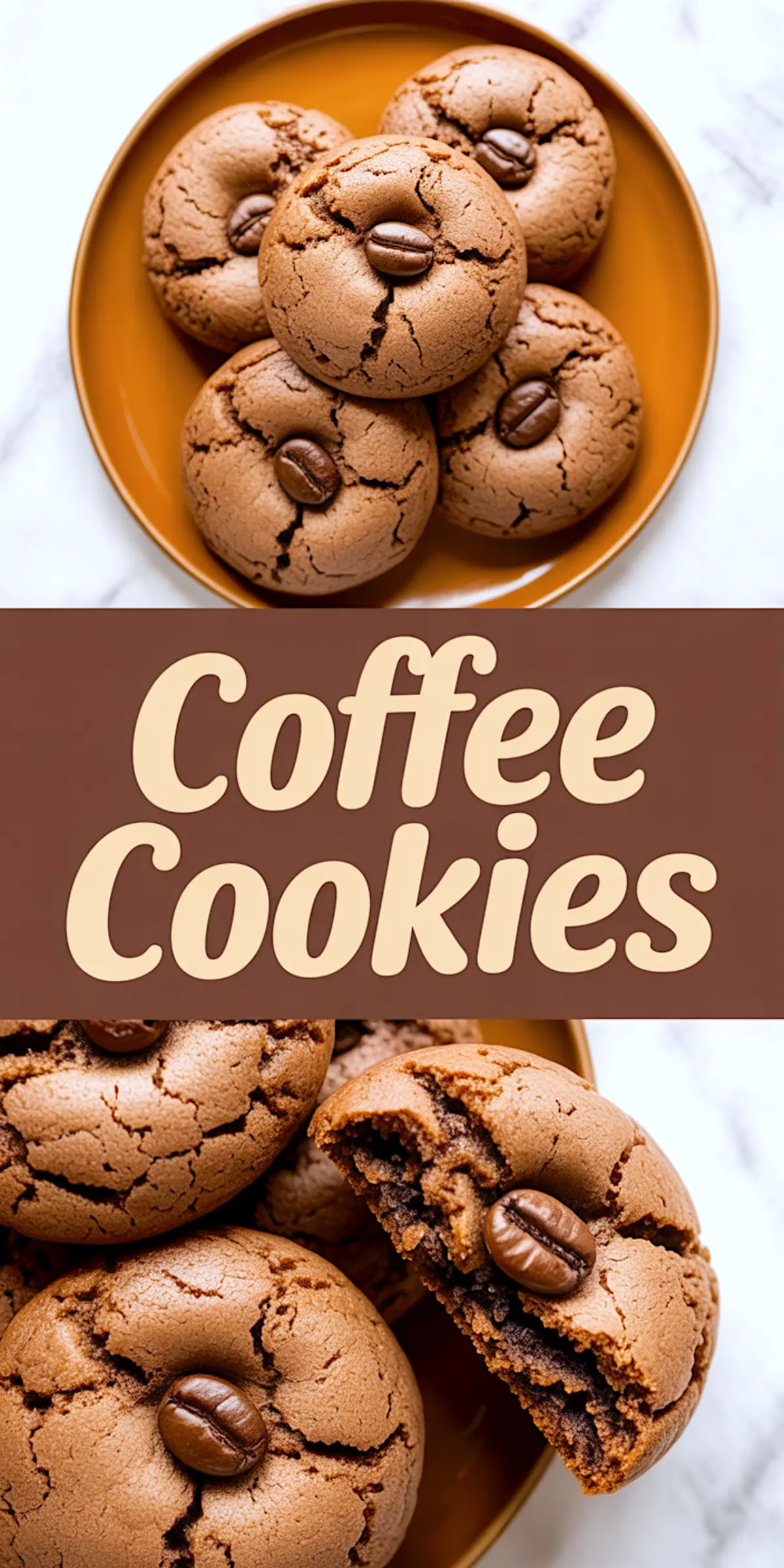
These coffee cookies are soft, chewy butter cookies flavored with 2 tablespoons of instant espresso powder, with brown sugar for chew and an optional coffee bean pressed on top. They take about 25 minutes, bake at 350°F for 9 to 11 minutes, and the recipe card counts 24 cookies.
The one step that matters most is how the espresso goes in. Stir it into the vanilla first so it melts into a dark paste, and the whole dough tastes of coffee instead of hiding bitter little specks. I keep a jar of espresso powder behind my flour canister for exactly this.
Following a special diet?
Every recipe on this site can be converted to gluten-free, vegan, dairy-free, keto, nut-free or egg-free with adjusted ratios so nothing falls flat.
Try the Recipe Converter →Batch, Bake Time and Coffee Strength
- Makes: 24 cookies (more if you scoop smaller)
- Time: 15 minutes prep, 9 to 11 minutes in the oven
- Oven: 350°F (175°C), parchment lined baking sheet
- Coffee: 2 tbsp instant espresso powder for 2 ¼ cups flour and 1 cup butter
- Texture: chewy center, lightly crisp edge, crackled top
- Keeps: 4 days in an airtight container at room temperature
Instant Espresso or Instant Coffee?
Both work, and the card lets you use either at the same 2 tablespoons. Instant espresso powder is more concentrated, so it gives a darker, rounder coffee taste that still comes through after baking. Regular instant coffee tastes lighter and a little sweeter in the finished cookie.
Pick espresso if you want people to say “coffee” on the first bite. Pick instant coffee for a milder cookie that sits nicely next to a cup of strong coffee without competing with it. Decaf instant coffee works the same way if you are baking for kids or for late evening.
Creaming the Butter, Sugars and Espresso
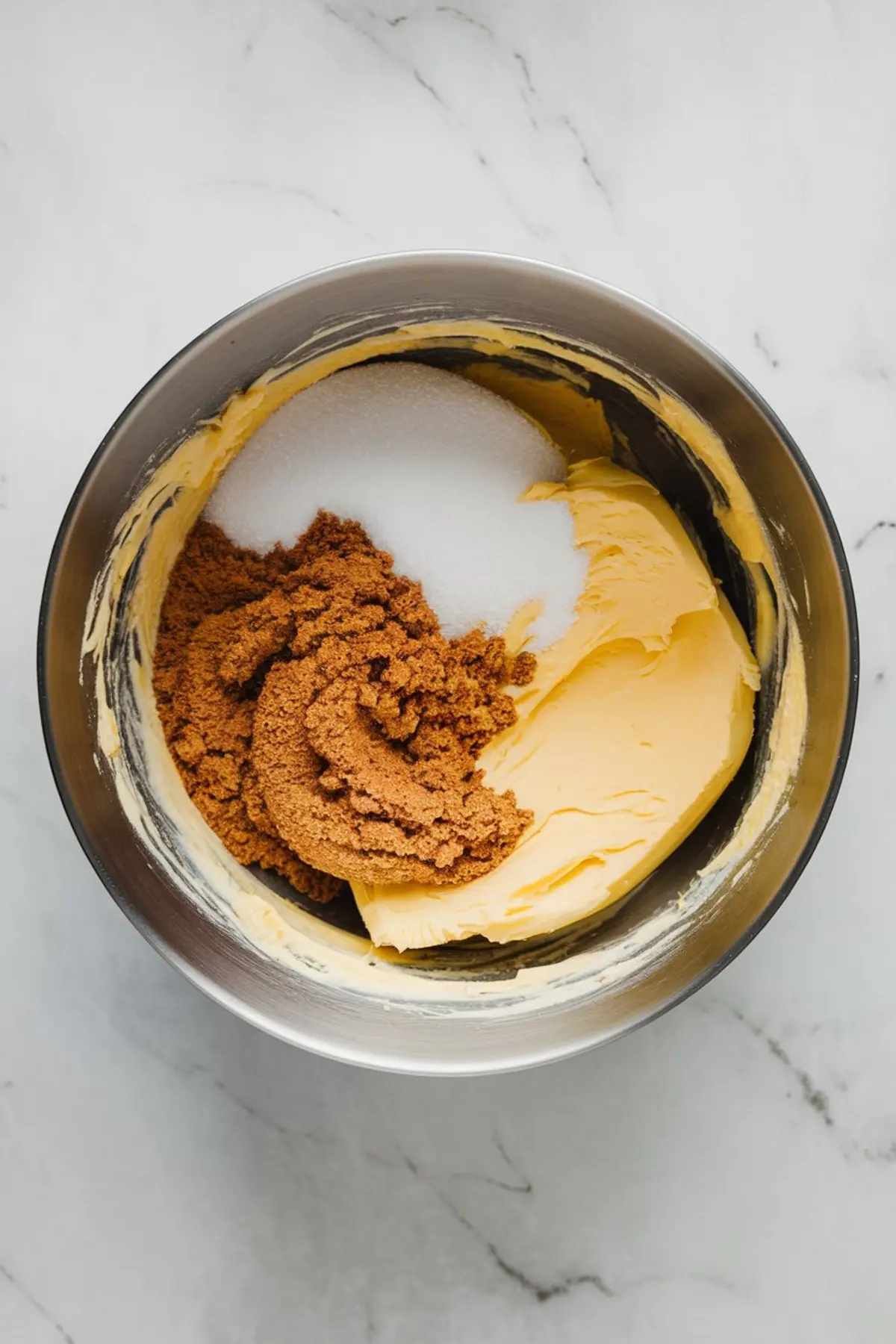
Beat 1 cup of softened butter with 1 cup of packed light brown sugar and ½ cup of granulated sugar for 2 to 3 minutes, until the mixture turns pale and fluffy. The butter should dent when you press it but not look shiny or greasy. Butter that is too warm is the main reason these cookies spread thin.
Add the 2 room temperature eggs one at a time, beating well after each. Cold eggs can make the mixture look curdled; it usually comes back together once the flour goes in, but room temperature eggs avoid the worry.
Now the espresso. Stir the 2 tablespoons of powder into the 2 teaspoons of vanilla in a small cup until it turns into a glossy, dark paste, then beat it into the butter. The batter goes an even tan color and smells like a coffee shop. Dry granules dropped straight into butter never fully dissolve.
Adding the Flour Without Toughening the Dough
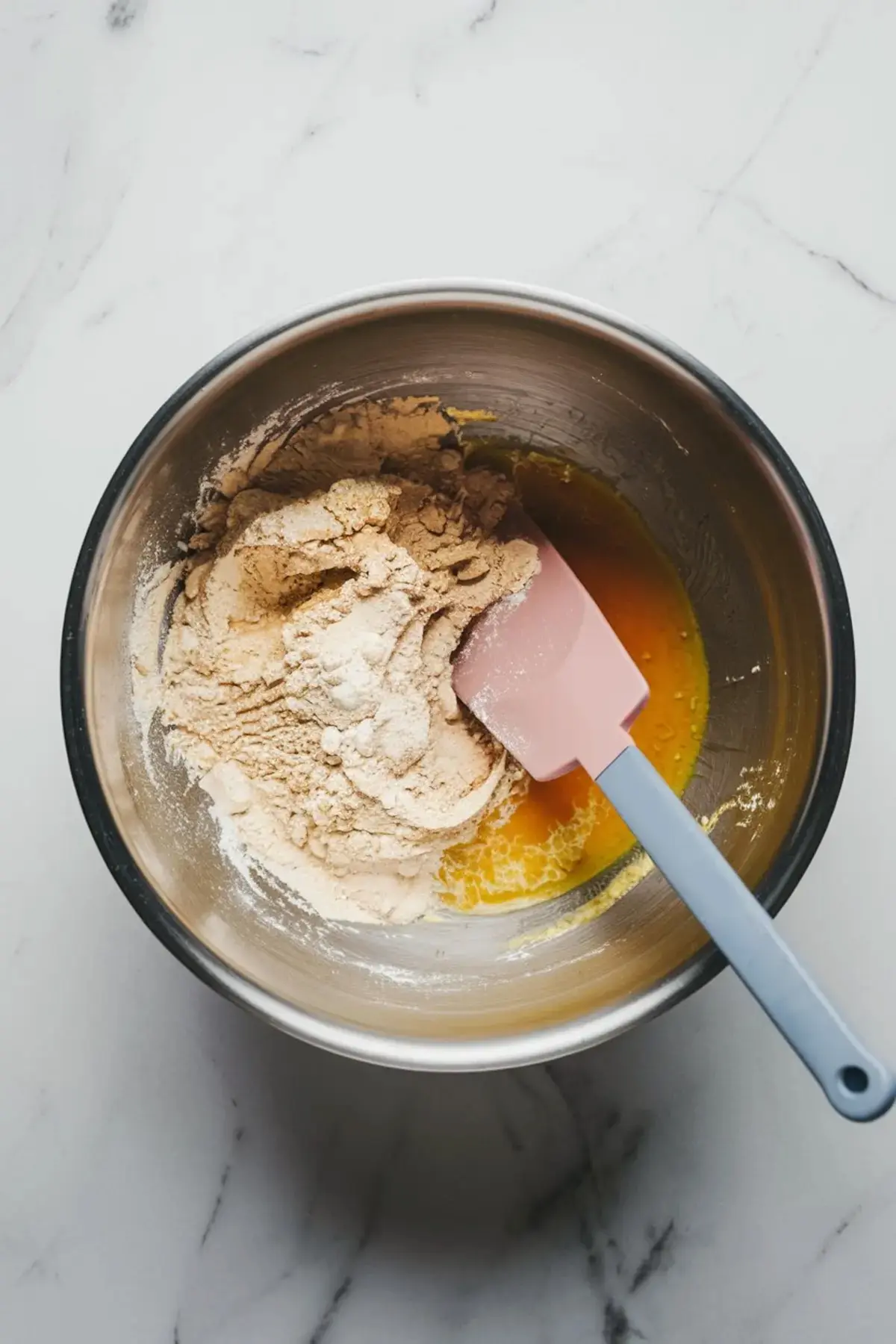
Whisk 2 ¼ cups of flour with 1 teaspoon of baking soda, ½ teaspoon of baking powder and ½ teaspoon of salt in a separate bowl. Add it to the wet mixture in two or three parts and stir with a spatula until the last dry streak disappears. Stop there. Extra mixing builds gluten and gives you puffy, cakey cookies instead of chewy ones.
Fold in ¾ cup of chocolate chips if you like. They are optional, and coffee and chocolate are an old pair: the espresso makes the chocolate taste darker. Without chips you get a cleaner coffee flavor, much like the dough in my tiramisu crinkle cookies.
Scooping, Spacing and the Coffee Bean on Top
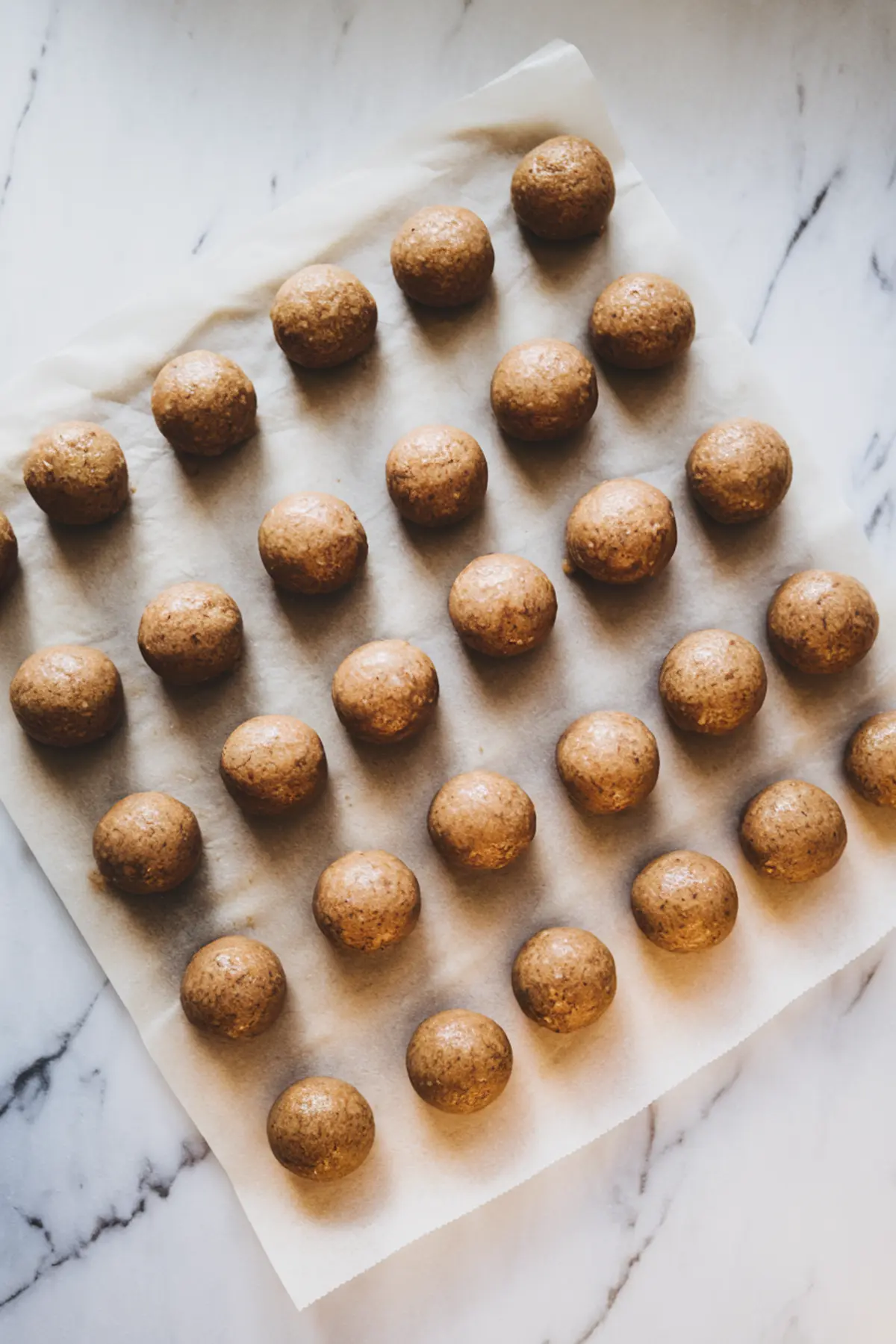
Scoop tablespoon sized portions, roll them smooth, and set them about 2 inches apart on the lined sheet. The card counts 24 cookies; a smaller scoop gives you more, and smaller cookies want the short end of the bake time. If the dough feels too soft to roll in a warm kitchen, chill it for 20 to 30 minutes.
For the bakery look, press a whole roasted coffee bean about halfway into each ball before baking. Pressed in that deep, it stays put as the cookie spreads instead of sliding off. The bean is edible but hard and quite bitter, so some people eat it and some pick it off.
When to Pull Them From the Oven
Bake for 9 to 11 minutes. Take them out when the edges look set and matte and the centers are still puffed and a little shiny. They will look underbaked. That is right: during the 5 minutes they rest on the hot sheet, the centers sink, crackle and finish cooking.
Go to 11 minutes if you like a crisper edge. Past that, the brown sugar caramelizes further and the chewy center turns dry by the next day. Move them to a wire rack after the 5 minute rest and let them cool completely.
Flat, Cakey or Bitter Coffee Cookies
- Spread flat and thin: the butter was too soft or the sheet was still warm from the last batch. Chill the dough 20 minutes and use a cool sheet.
- Puffy and cakey: the flour was overmixed or scooped heavy. Spoon flour into the cup and level it, and stop stirring at the last streak.
- Bitter or harsh: undissolved espresso granules or too long in the oven. Make the vanilla paste first and pull them at the first sign of set edges.
- Coffee beans fell off: they sat on the surface. Press them halfway in before baking, not after.
- Dry the next day: overbaked or stored uncovered. Store airtight as soon as they are cool.
Keeping Them Soft for 4 Days
Store the cooled cookies in an airtight container at room temperature for up to 4 days. A slice of sandwich bread in the box keeps the centers soft, because the cookies pull moisture from it. Swap the bread when it goes stiff.
Coffee Cookie Questions
Can I make coffee cookies with brewed coffee?
Not in this recipe. Brewed coffee adds water to the dough and very little flavor, so the cookies spread and taste faint. Instant espresso or instant coffee gives strong flavor without extra liquid.
Can I use ground coffee in cookies?
Regular coffee grounds stay gritty after baking. Use instant powder for a smooth dough, and save whole beans for the decoration on top.
Are these coffee sugar cookies?
They are a soft drop cookie made from a butter and sugar dough, so they sit close to a chewy coffee sugar cookie. They are not rolled or cut out, and the brown sugar makes them chewier than a classic sugar cookie.
How much caffeine is in a coffee cookie?
Very little per cookie, because 2 tablespoons of instant espresso are spread across the whole batch. For no caffeine at all, use decaf instant coffee.
What cookies go best with coffee?
Cookies with a firm edge and a not too sweet center hold up to dunking. These, with or without chocolate chips, work well next to an espresso or a latte.
More Coffee Bakes
For a chocolate chip cookie without the coffee, start with my best chocolate chip cookies. Coffee lovers can go on to espresso brownies, a no-bake mocha mousse, or an easy tiramisu. Tiramisu cookie cups sit well on the same plate as these cookies, and a spoonful of homemade coffee syrup turns the coffee you serve with them into a latte.
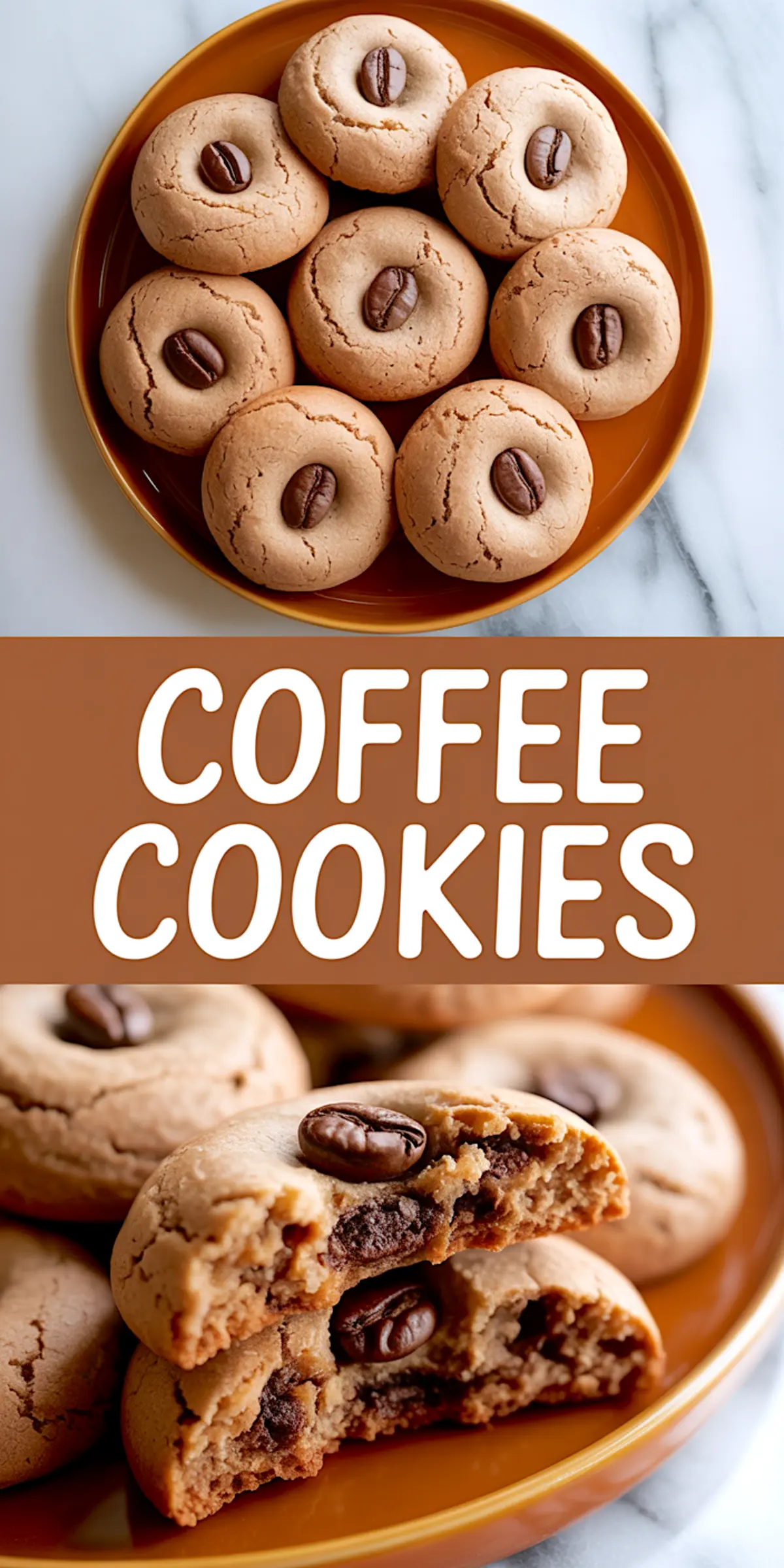
Coffee Cookies Recipe

These coffee cookies are soft, chewy drop cookies made with butter, brown sugar, eggs, vanilla and 2 tablespoons of instant espresso powder or instant coffee. The recipe makes 24 cookies in about 25 minutes, baked at 350°F for 9 to 11 minutes until the edges are set and the centers still look soft. Stir the espresso into the vanilla first so it dissolves into a paste, which gives the whole dough an even coffee flavor without bitter specks. Serve these coffee flavored cookies with an espresso or latte, pack them for a coffee themed cookie tray, or add chocolate chips for a mocha cookie. Top each one with a coffee bean for a bakery look, and keep them airtight for up to 4 days.
Ingredients
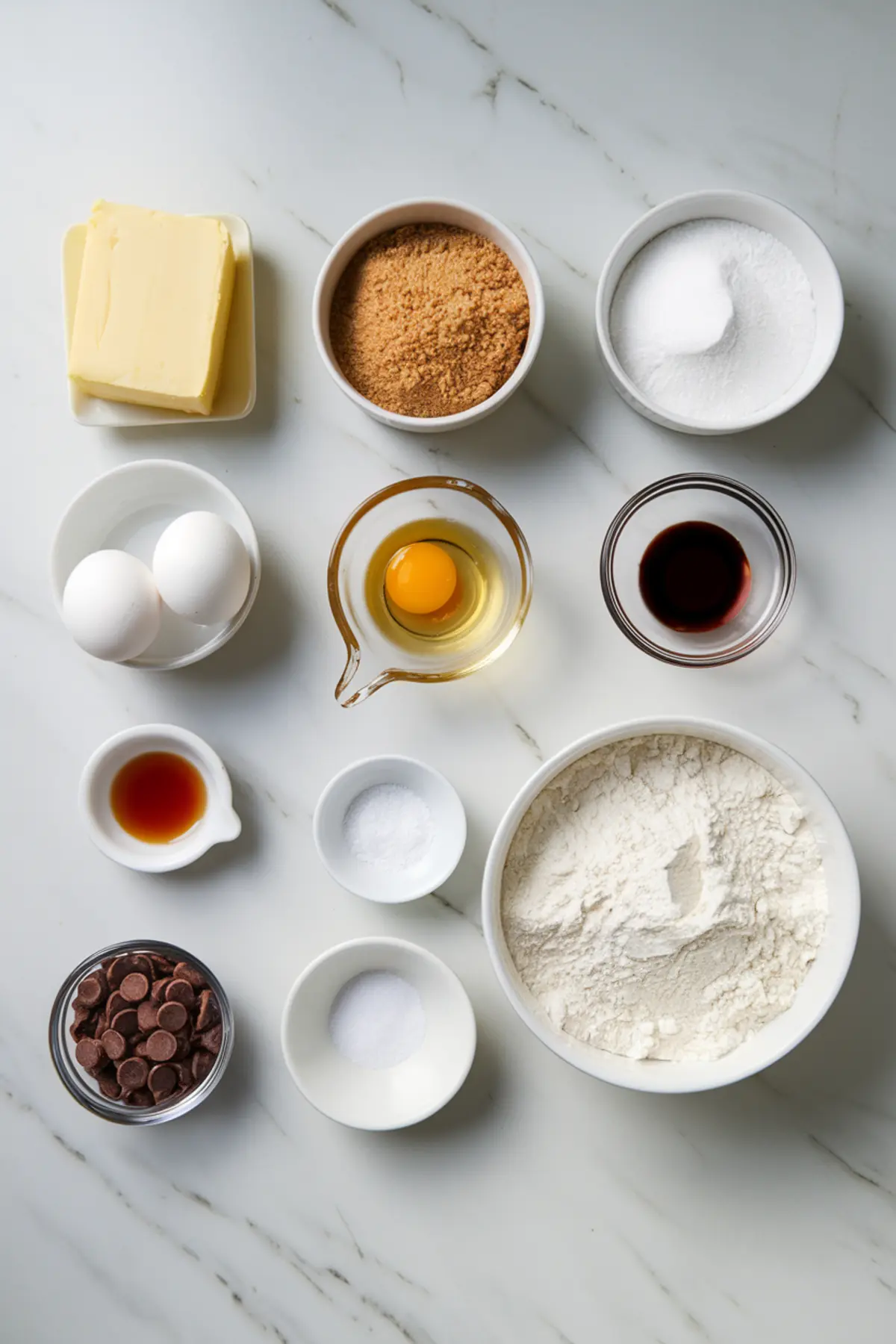
- 1 cup (225g) unsalted butter, softened
- 1 cup (200g) light brown sugar, packed
- ½ cup (100g) granulated sugar
- 2 large eggs, room temperature
- 2 tsp vanilla extract
- 2 tbsp instant espresso powder (or strong instant coffee)
- 2 ¼ cups (280g) all-purpose flour
- 1 tsp baking soda
- ½ tsp baking powder
- ½ tsp salt
- ¾ cup (135g) chocolate chips (optional)
- Whole roasted coffee beans (optional, for topping)
Instructions
- PREHEAT THE OVEN: Set your oven to 350°F (175°C) and line a baking sheet with parchment paper to prevent sticking and ensure even baking.
- CREAM THE BUTTER AND SUGARS: In a large mixing bowl, use a hand mixer or stand mixer to beat the softened butter, light brown sugar, and granulated sugar together until the mixture is light in color and fluffy in texture, about 2 to 3 minutes.
- ADD EGGS AND FLAVORINGS: Mix in the eggs one at a time, beating well after each addition. Stir in the vanilla extract and espresso powder until fully incorporated and smooth.
- COMBINE DRY INGREDIENTS: In a separate bowl, whisk together the all-purpose flour, baking soda, baking powder, and salt until evenly distributed.
- MIX WET AND DRY INGREDIENTS: Gradually add the dry ingredients to the wet mixture, stirring gently until just combined. Avoid overmixing to maintain a soft cookie texture.
- FOLD IN CHOCOLATE CHIPS: If using chocolate chips, fold them into the dough until evenly distributed. The dough will be soft but easy to scoop.
- SHAPE THE COOKIES: Scoop out tablespoon-sized portions of dough and place them on the prepared baking sheet, leaving about 2 inches between each cookie. For a decorative touch, press a whole roasted coffee bean into the center of each dough ball if desired.
- BAKE: Bake the cookies in the preheated oven for 9 to 11 minutes, or until the edges are just set and the centers appear slightly underbaked. They will finish cooking as they cool on the baking sheet.
- COOL: Let the cookies cool on the baking sheet for 5 minutes before transferring them to a wire rack to cool completely. This helps them firm up without becoming dry.
Notes
Stir the instant espresso powder into the vanilla until it forms a smooth paste before adding it to the butter mixture; dry granules do not dissolve in butter and leave bitter specks.
You can substitute instant espresso powder with high-quality instant coffee for a milder flavor, or decaf instant coffee for a low caffeine batch. Do not use brewed coffee or coffee grounds.
Pull the cookies when the edges look set and the centers are still puffed and shiny; they finish on the hot sheet. For a crispier edge, bake on the longer side of the time range.
If the cookies spread too thin, the butter was too soft: chill the dough for 20 to 30 minutes before scooping. Press coffee beans halfway into the dough before baking so they stay on.
These cookies store well in an airtight container at room temperature for up to 4 days.
Nutrition Information
Yield
24Serving Size
1Amount Per Serving Calories 87Total Fat 1gSaturated Fat 0gTrans Fat 0gUnsaturated Fat 1gCholesterol 17mgSodium 164mgCarbohydrates 16gFiber 1gSugar 6gProtein 2g

Are roasted coffee beans truly edible and won’t break your teeth chomping on them as you eat a cookie?
Great question, Dionakaye. Yes, roasted coffee beans are edible, and lots of people enjoy them dipped in chocolate or crushed into desserts. That said, they are crunchy and intense, so chomping a whole one on top of a soft cookie can be a surprise if you’re not expecting it. You can skip them or lightly press them in so they stay more decorative than something you’d actually bite into.
Thank you, Emma! I plan to make a batch of these as part of a baking care package during this holiday season for my daughter. She is moving to a new address the first of January, so I can evade the Christmas holiday race to mail packages out!
One other thing…I noticed that the picture of these cookies appear different in color: The top two pictures show the cookies as a robust brown; Scrolling down the cookies in the next two pictures appear fair and light-colored, as if they were not baked as long as the ones above. Is that the case, or is that just a trick of the lighting?
Thanks again!!
Thank you, Emma. I plan to make a batch of these for my daughter as part of a holiday care package that she expects to receive right after New Years. I reside on the east coast; She lives in Washington state!
Another question I have is why the two sets of pictures of the baked cookies closer to the top of this page are darker colored and appear to be a robust brown, compared to the two sets of pictures of the baked cookies further down which appear fair and perhaps baked for a shorter period of time. Is that actually the case, or are the pictures appearing as they do because of the lighting?
Thanks again!