
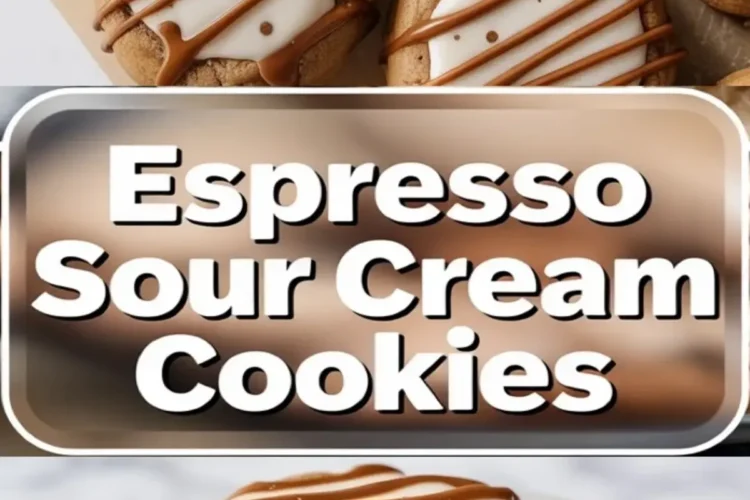
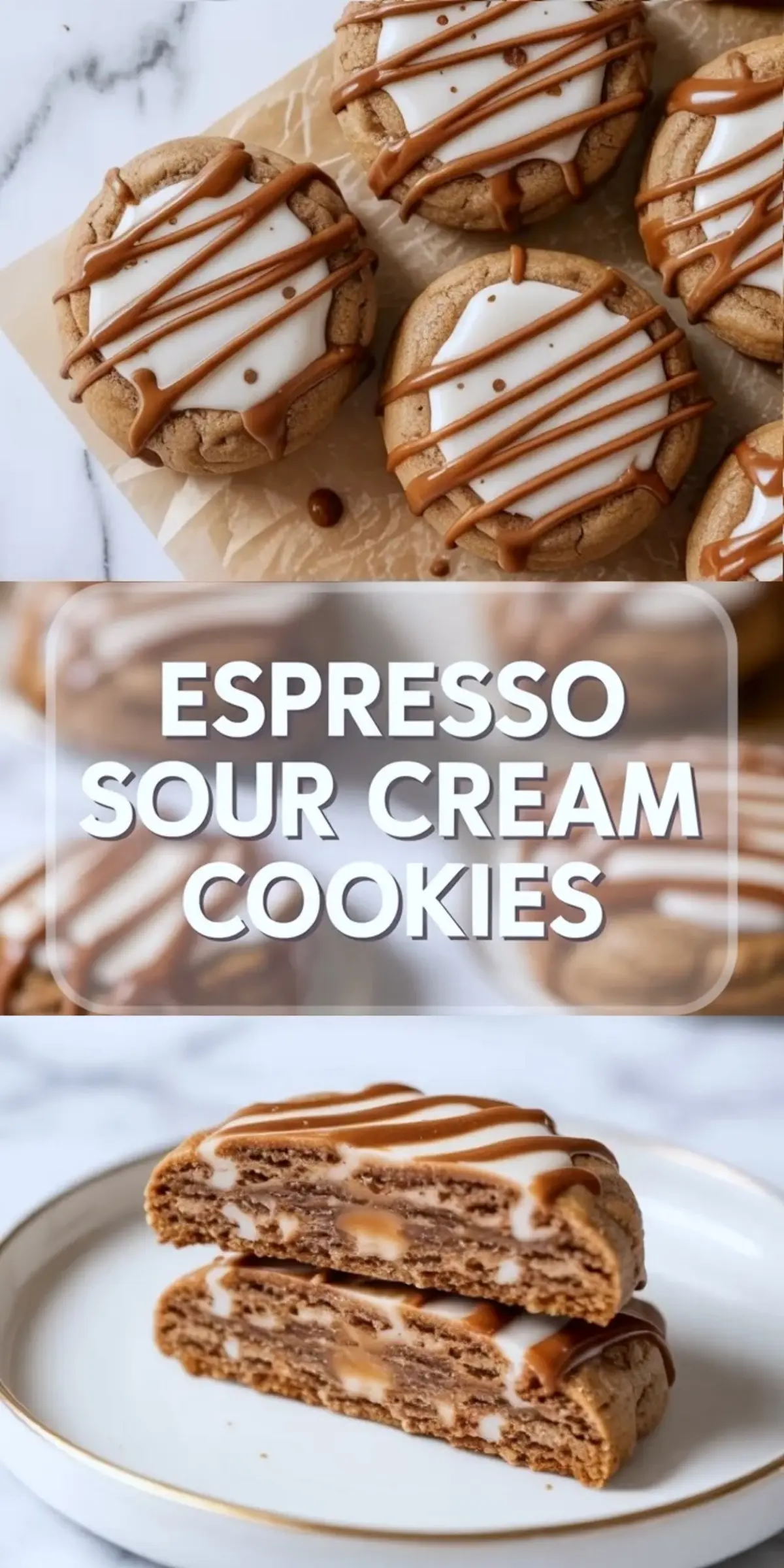
Espresso sour cream cookies are the kind of soft glazed cookie that feel a little more grown up without becoming fussy. The sour cream keeps the crumb tender, the espresso brings a mellow coffee note through the dough, and the vanilla glaze pulls everything together with just enough sweetness to make the flavor feel finished.
What makes these soft espresso sour cream cookies especially useful is that they land somewhere between an old fashioned soft sour cream cookie and a simple coffee shop bake. They stay gentle and plush instead of crisp, and the espresso tastes warm and rounded rather than sharp, which makes them easy to serve with coffee, tuck into a cookie box, or keep around for casual dessert cravings.
Following a special diet?
Every recipe on this site can be converted to gluten-free, vegan, dairy-free, keto, nut-free or egg-free with adjusted ratios so nothing falls flat.
Try the Recipe Converter →Why These Cookies Stay Soft Instead of Turning Dry
Sour cream does most of the heavy lifting here. It adds moisture, softens the crumb, and gives the dough a little richness that keeps the cookies from baking up flat and dry. That matters even more in an espresso cookie recipe because coffee flavors can taste harsher when the texture is lean or overbaked.
The glaze helps too, but it is not what creates the softness. The real texture win comes from the dough itself, which is why these coffee sour cream cookies stay more tender than many standard coffee cookies. If you already like softer glazed cookie styles, lavender sour cream cookies live in that same plush family with a completely different flavor direction.
Where Espresso and Sour Cream Each Pull Their Weight
Espresso brings the flavor depth, but sour cream is what keeps that flavor pleasant. Without enough moisture, coffee based cookies can skew dry, dusty, or too intense. Here, the sour cream rounds out the bite so the espresso reads more like baked coffee than bitter instant powder.
That balance is why espresso cookies with vanilla glaze work so well in this format. The coffee note is noticeable, but it does not overpower the butter, the sugar, or the glaze. If you want a stronger straight coffee profile for comparison, coffee cookies lean more directly into that flavor.
Mixing the Dough Without Losing the Soft Texture
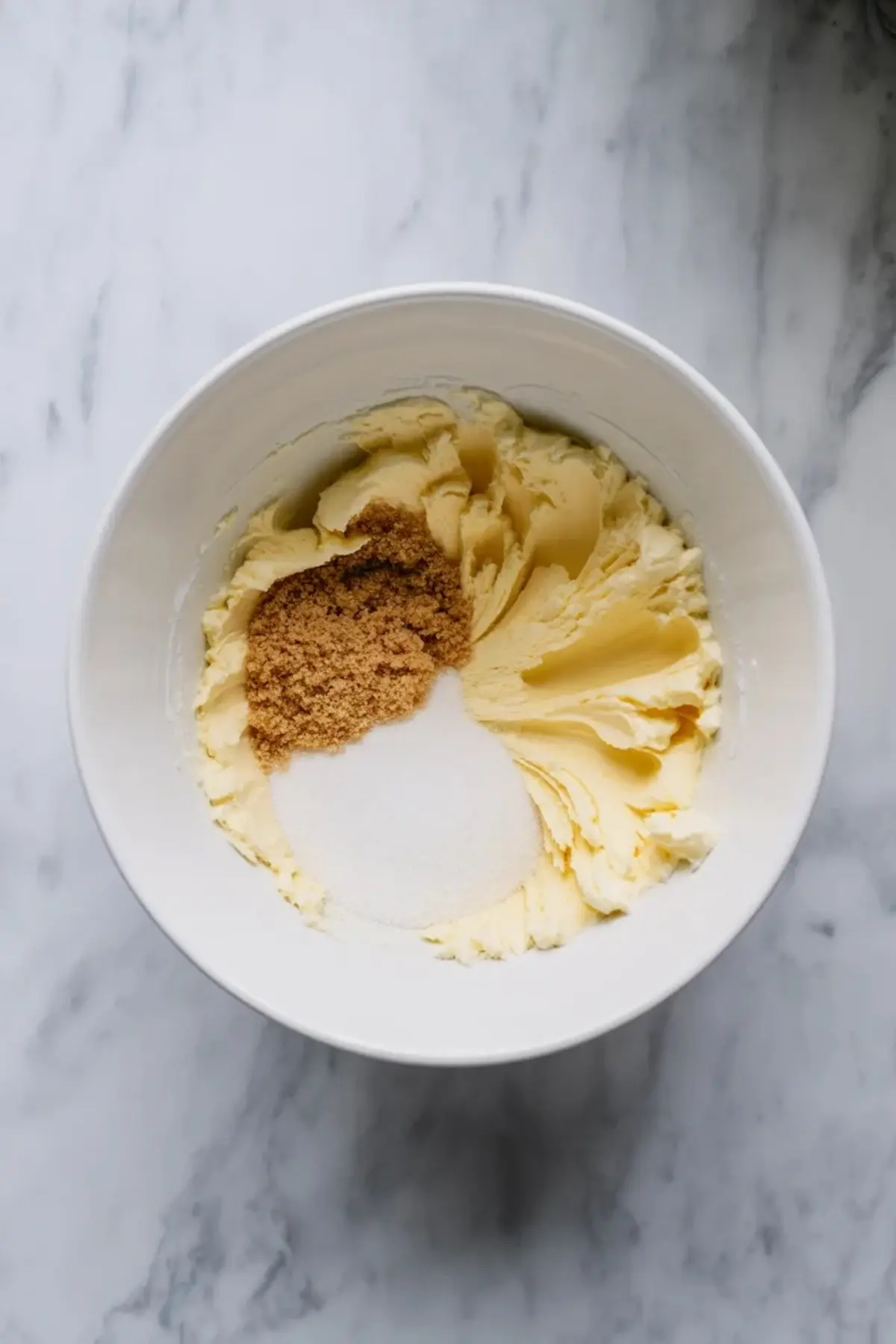
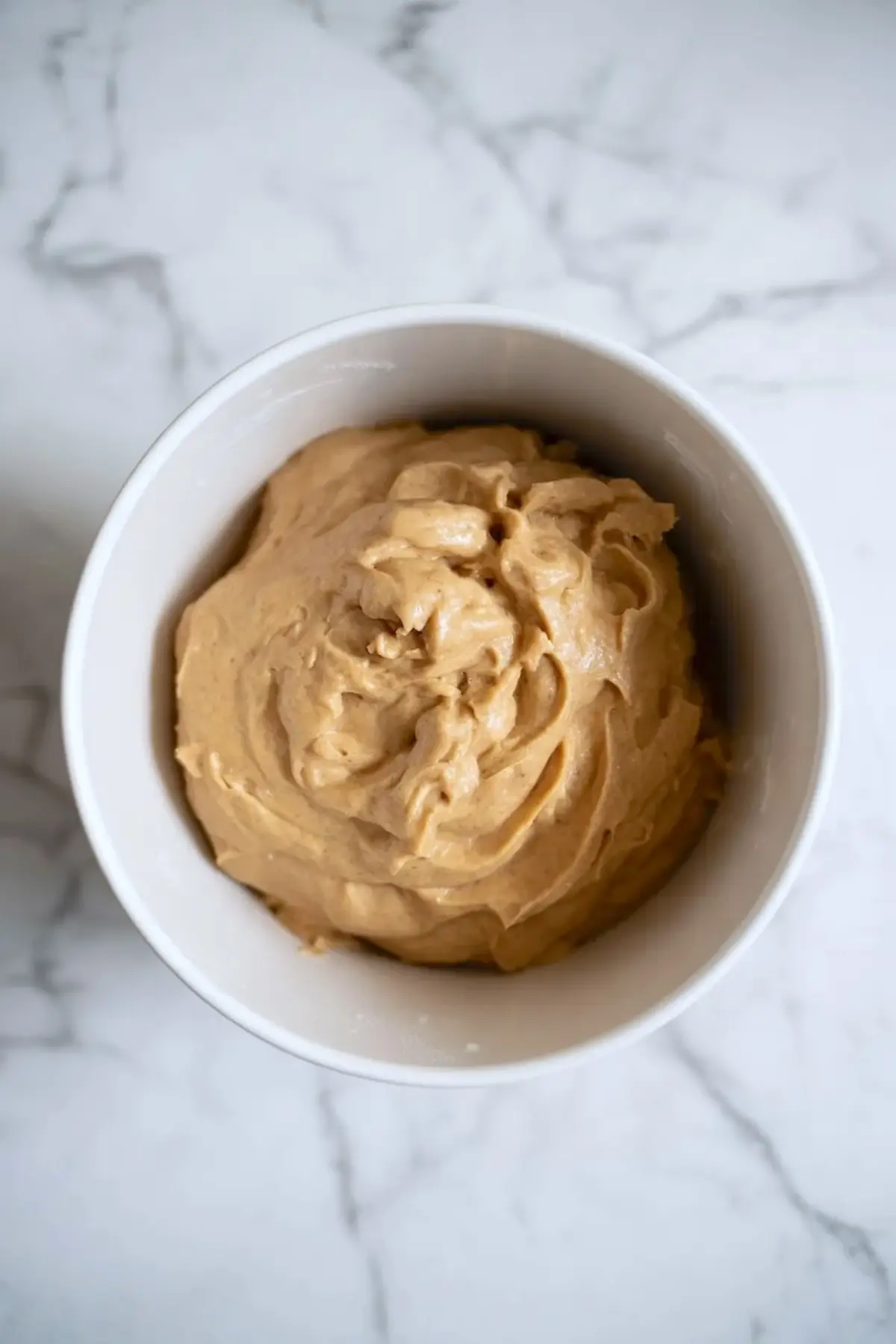
The most important part of mixing is getting the butter and sugars creamy before you add the rest. That first step gives the cookies a lighter texture and helps the dough bake evenly. Once the sour cream goes in, the dough should look smooth and plush rather than stiff.
After the flour mixture is added, stop as soon as the dough comes together. Overmixing can make soft sour cream cookies heavier than they need to be. You want a dough that scoops cleanly and feels soft, not one that looks worked or tight.
How to Glaze Them Without Turning Them Cloying
The best glaze for these cookies stays simple. A vanilla glaze gives contrast to the espresso without stacking on another heavy flavor, and it keeps the tops looking polished in that easy bakery style way. This is not the place for a thick frosting blanket. A lighter finish lets the cookie stay the point.
If you want the glaze to feel a little richer, add just enough for a clean top and a few lines across the surface rather than drowning the whole cookie. That keeps the sweetness in check and lets the espresso sour cream cookies still taste like coffee cookies instead of sugar cookies with a coffee tint.
Easy Ways to Change the Flavor Direction
If you want a warmer version, a little cinnamon in the dough can make the espresso feel softer and more cozy. If you want a sharper finish, a small amount of espresso in the glaze can push the coffee note further. Both routes work, but the base recipe is strongest when the texture stays soft and the flavor stays balanced.
You can also shift the finish toward a more dessert style cookie by pairing it with something richer on the side. For a stronger coffee and cream angle, tiramisu crinkle cookies make a useful neighboring bake because they push the espresso flavor in a more dramatic direction.
Storage and Make Ahead Notes
These cookies hold their softness well for several days in an airtight container, which is one of the best reasons to keep this style around. If you are stacking them, let the glaze set fully first so the tops stay neat instead of smearing into each other.
They also make good ahead because the flavor settles in nicely once the glaze dries. That makes them useful for holiday trays, weekend baking, or a coffee break cookie that still tastes tender the next day.
Save These Cookies for Coffee Break Baking
If you want espresso sour cream cookies that feel soft, balanced, and a little more interesting than the usual glazed drop cookie, this is the sort of recipe worth keeping close. You get the mellow coffee note, the plush sour cream texture, and a vanilla glaze that finishes the cookie without burying it. Save it to Pinterest, and if you bake a batch, leave a comment with whether you kept the glaze simple or pushed the coffee flavor a little further.
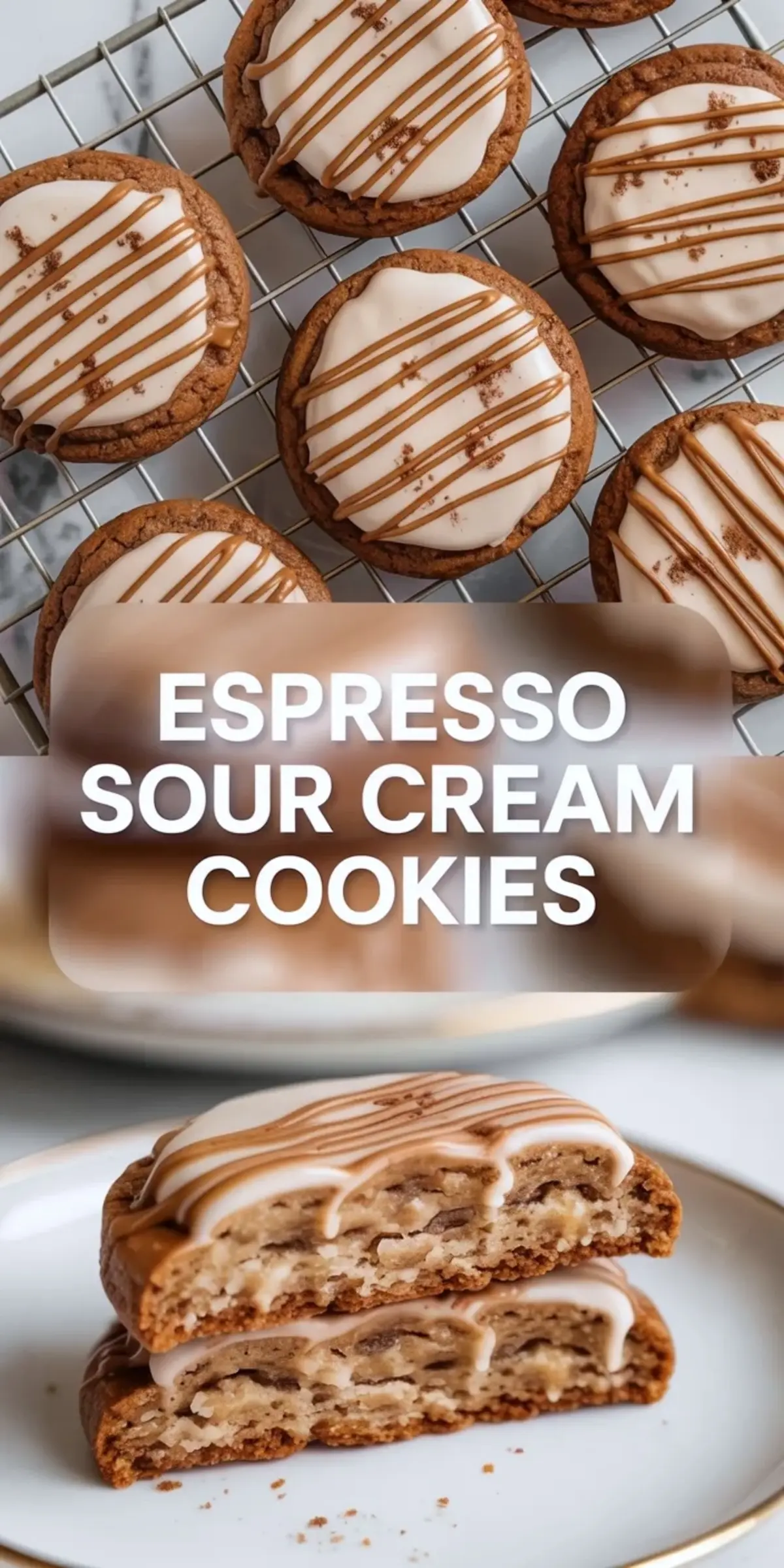
Soft Espresso Sour Cream Cookies with Vanilla Glaze
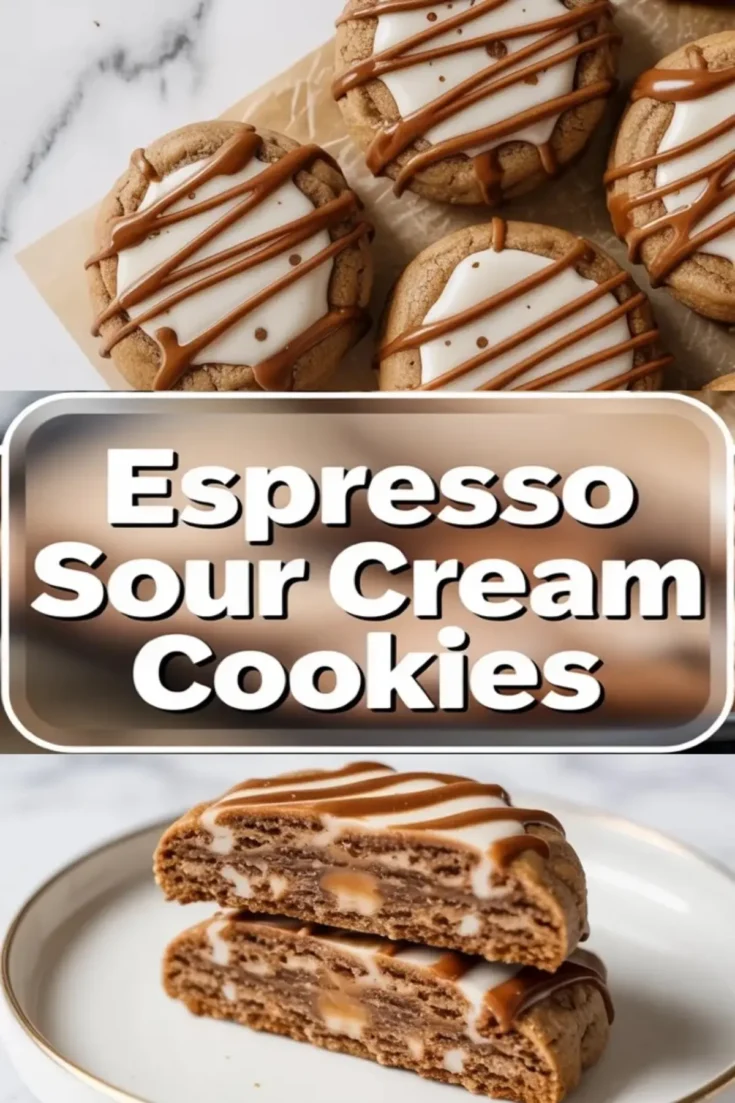
Save these espresso sour cream cookies when you want a soft coffee cookie that stays tender instead of turning dry or crisp. The sour cream gives the dough a plush texture, while the espresso brings a mellow baked coffee flavor that feels warm and rounded rather than harsh. A simple vanilla glaze keeps the finish sweet and bakery style without covering up the cookie itself. If you have been looking for soft espresso cookies with vanilla glaze that feel a little more special than a standard sugar cookie, this is the kind of recipe worth keeping close for coffee breaks, cookie boxes, and casual dessert trays.
Ingredients
- FOR THE COOKIES
- 2 ½ cups all-purpose flour
- 2 teaspoons espresso powder
- 1 teaspoon baking soda
- ½ teaspoon salt
- ¾ cup unsalted butter, softened
- ¾ cup granulated sugar
- ½ cup light brown sugar
- 1 large egg
- 2 teaspoons vanilla extract
- ½ cup sour cream
- FOR THE GLAZE
- 1 ½ cups powdered sugar
- 2–3 tablespoons milk or cream
- ½ teaspoon vanilla extract
- FOR THE DRIZZLE
- 2 tablespoons melted caramel or light chocolate
- Optional pinch of espresso powder
Instructions
STEP 1: PREHEAT OVEN: Preheat oven to 350°F (175°C) and line a baking sheet with parchment paper to prevent sticking and promote even baking.
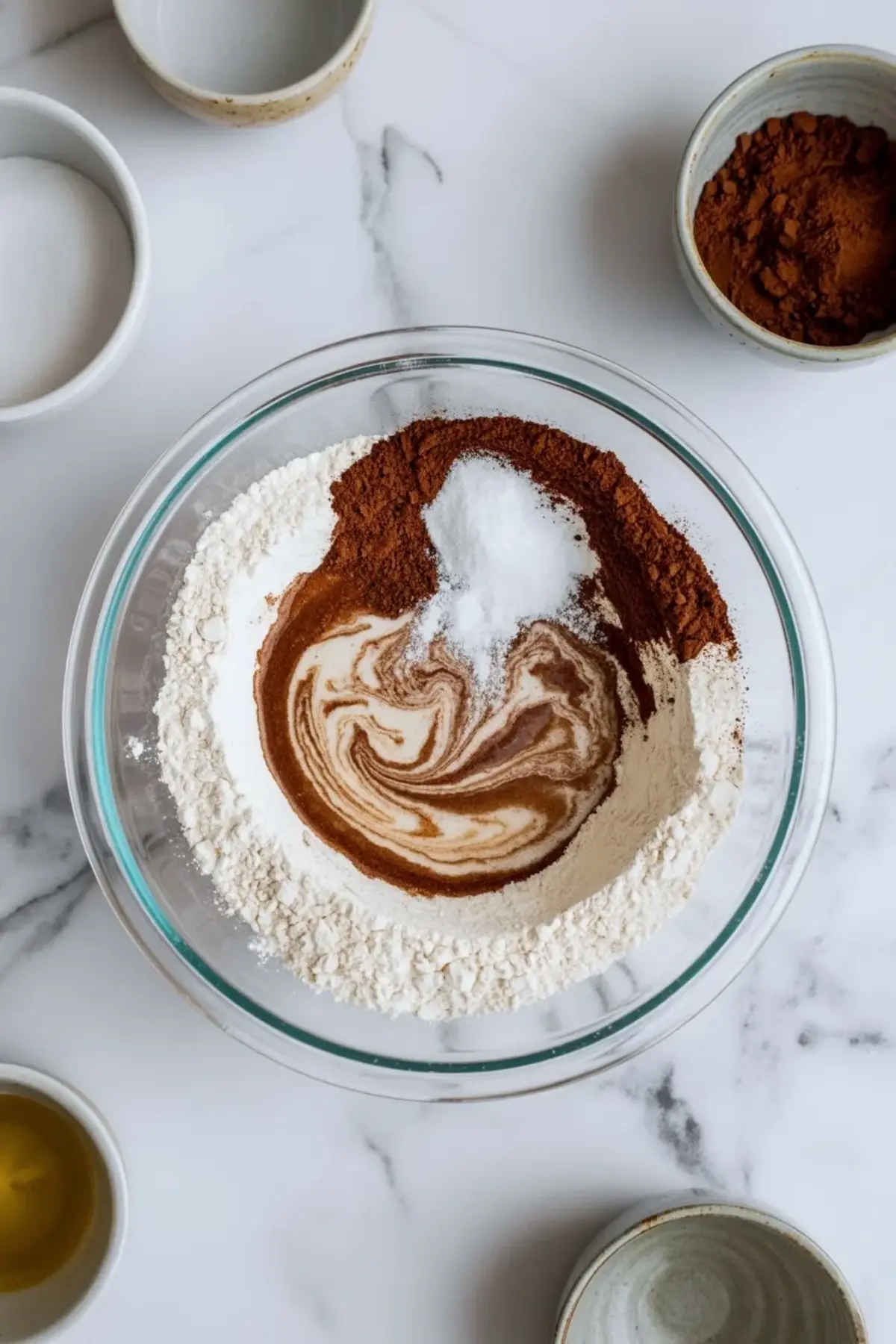
STEP 2: MIX DRY INGREDIENTS: In a medium bowl, whisk together flour, espresso powder, baking soda, and salt until evenly combined, ensuring the espresso remains subtle in color and flavor.
STEP 3: CREAM BUTTER AND SUGARS: In a large bowl, beat softened butter, granulated sugar, and brown sugar until the mixture becomes light, fluffy, and pale in color, which helps create a soft cookie texture.
STEP 4: ADD WET INGREDIENTS: Mix in the egg and vanilla extract until smooth, then fold in the sour cream until fully incorporated and the mixture looks creamy and light.
STEP 5: COMBINE DOUGH: Gradually add the dry ingredients into the wet mixture, stirring just until combined to form a soft, slightly thick dough without overmixing.
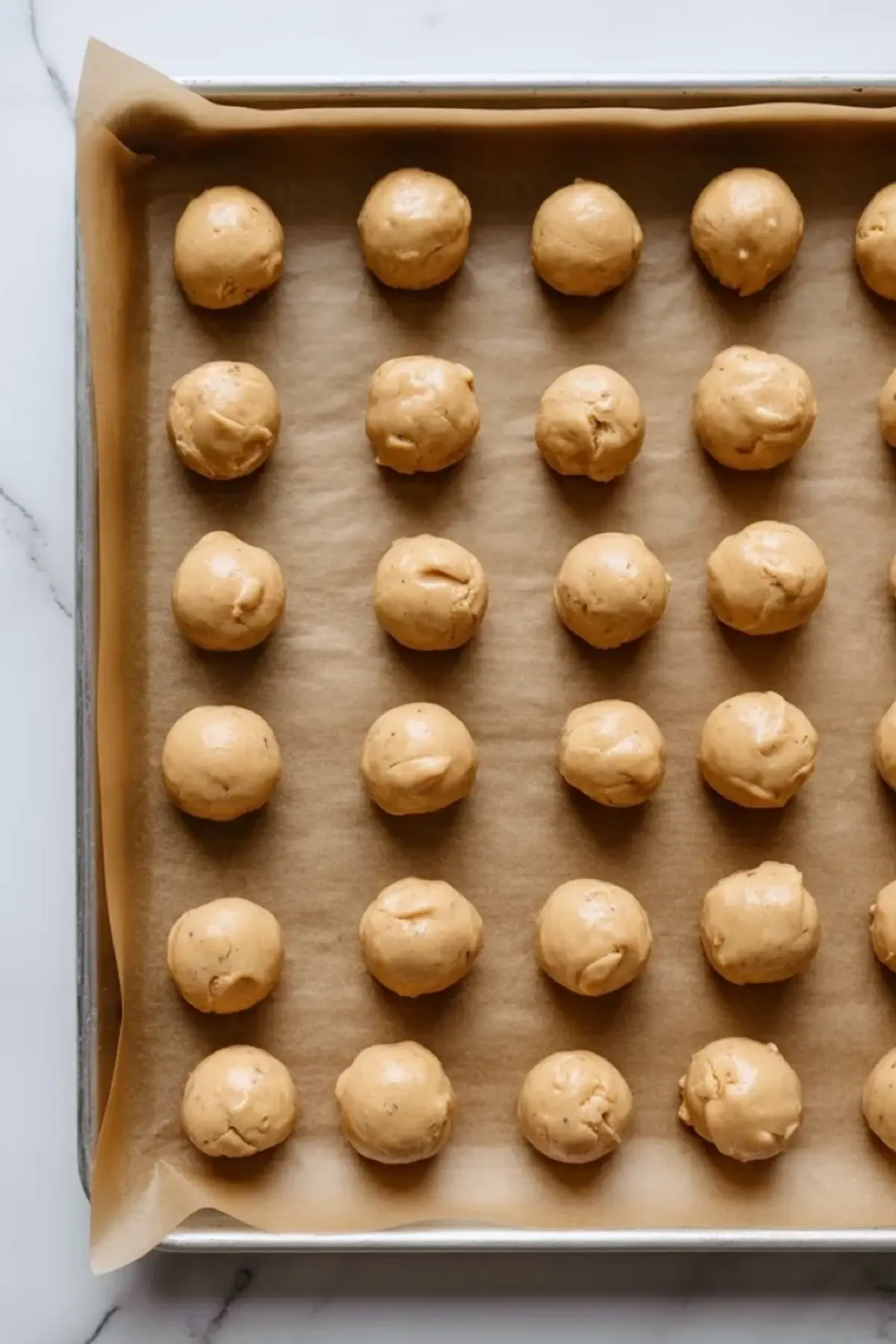
STEP 6: SHAPE COOKIES: Scoop portions of dough onto the prepared baking sheet, spacing them evenly, then gently flatten each mound slightly while keeping a thick shape.
STEP 7: BAKE COOKIES: Bake for 10–12 minutes until edges are lightly golden and tops remain soft and light brown, taking care not to overbake to preserve tenderness.
STEP 8: COOL COOKIES: Remove cookies from the oven and allow them to cool completely on a wire rack before adding glaze.
STEP 9: PREPARE GLAZE: In a small bowl, whisk powdered sugar, milk or cream, and vanilla extract until smooth and pourable.
STEP 10: GLAZE COOKIES: Spread a layer of glaze over each cooled cookie, allowing it to settle smoothly across the surface.
STEP 11: ADD DRIZZLE: Drizzle melted caramel or light chocolate over the glazed cookies in thin lines, and add a light pinch of espresso powder if desired.
Notes
Use a light hand with espresso powder to maintain the soft brown color and balanced flavor.
Do not overbake, as the cookies should remain soft and tender in the center.
Allow glaze to set before serving for a clean finish.
