

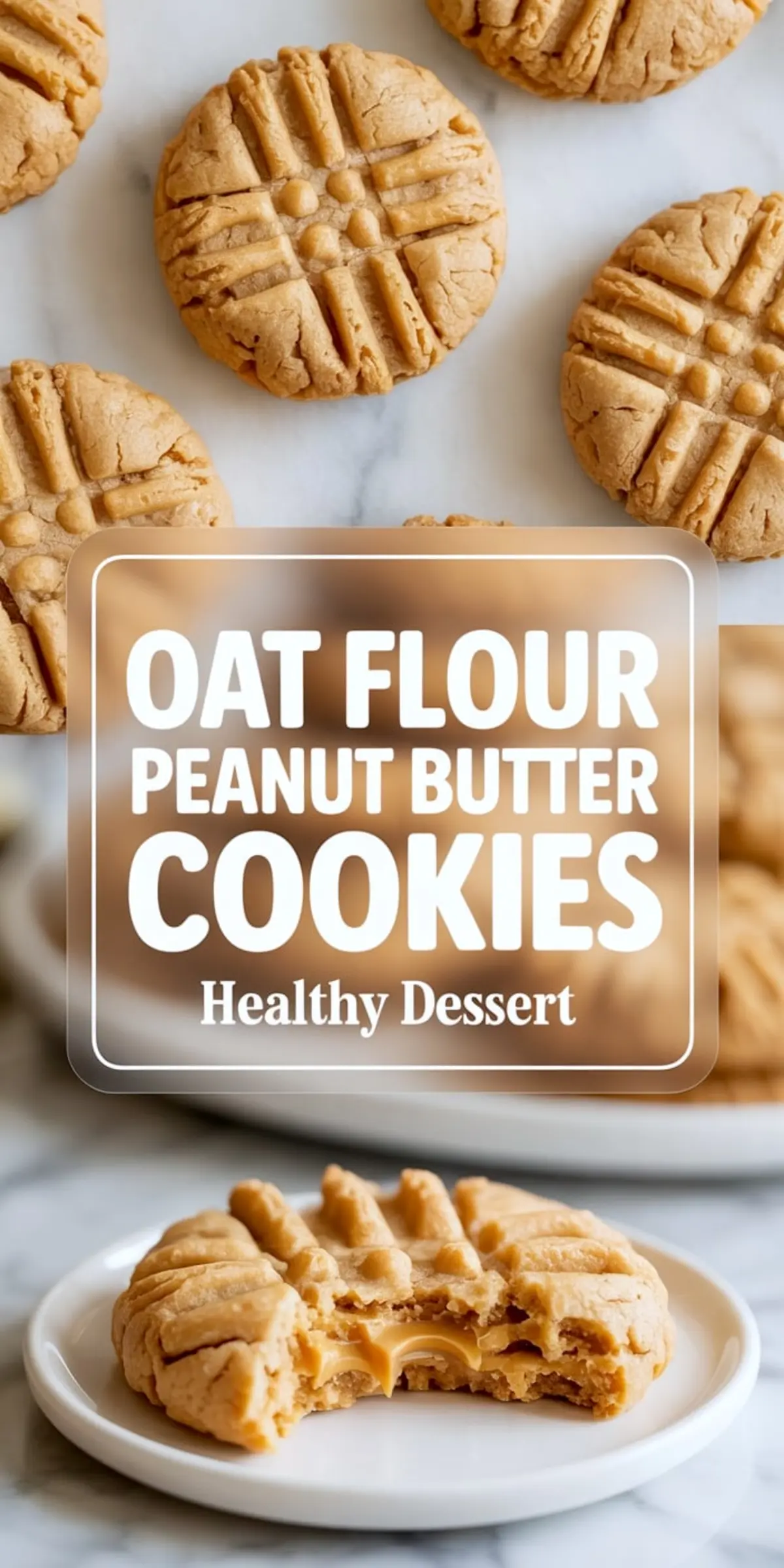
These oat flour peanut butter cookies combine just seven pantry staples to create a soft, chewy, protein-rich cookie with no refined flour. They use natural peanut butter, coconut sugar, and oat flour to deliver a dessert that supports clean eating goals without giving up flavor. If you’re looking for oat flour cookies, low carb peanut butter cookies, or simple oat flour recipes, this one covers all three.
The combination of peanut butter and oat flour locks in moisture and creates a dense, pliable dough without the need for butter or wheat flour. Peanut butter acts as both fat and binder here, which eliminates the need for additional oil or dairy. The result is a cookie that bakes up with crisp edges and a soft, chewy center that holds its shape.
Using oat flour instead of all-purpose flour also changes how the cookie sets. It absorbs more liquid, so the ratio of wet to dry matters more than usual. Keeping the flour at ¾ cup helps the dough remain pliable. Too much flour and the dough dries out quickly. I’ve tested it both ways this ratio consistently gives the best results.
For an extra chewy finish, a tablespoon or two of maple syrup brings moisture and adds depth without thinning the dough too much.
Choosing the Right Ingredients
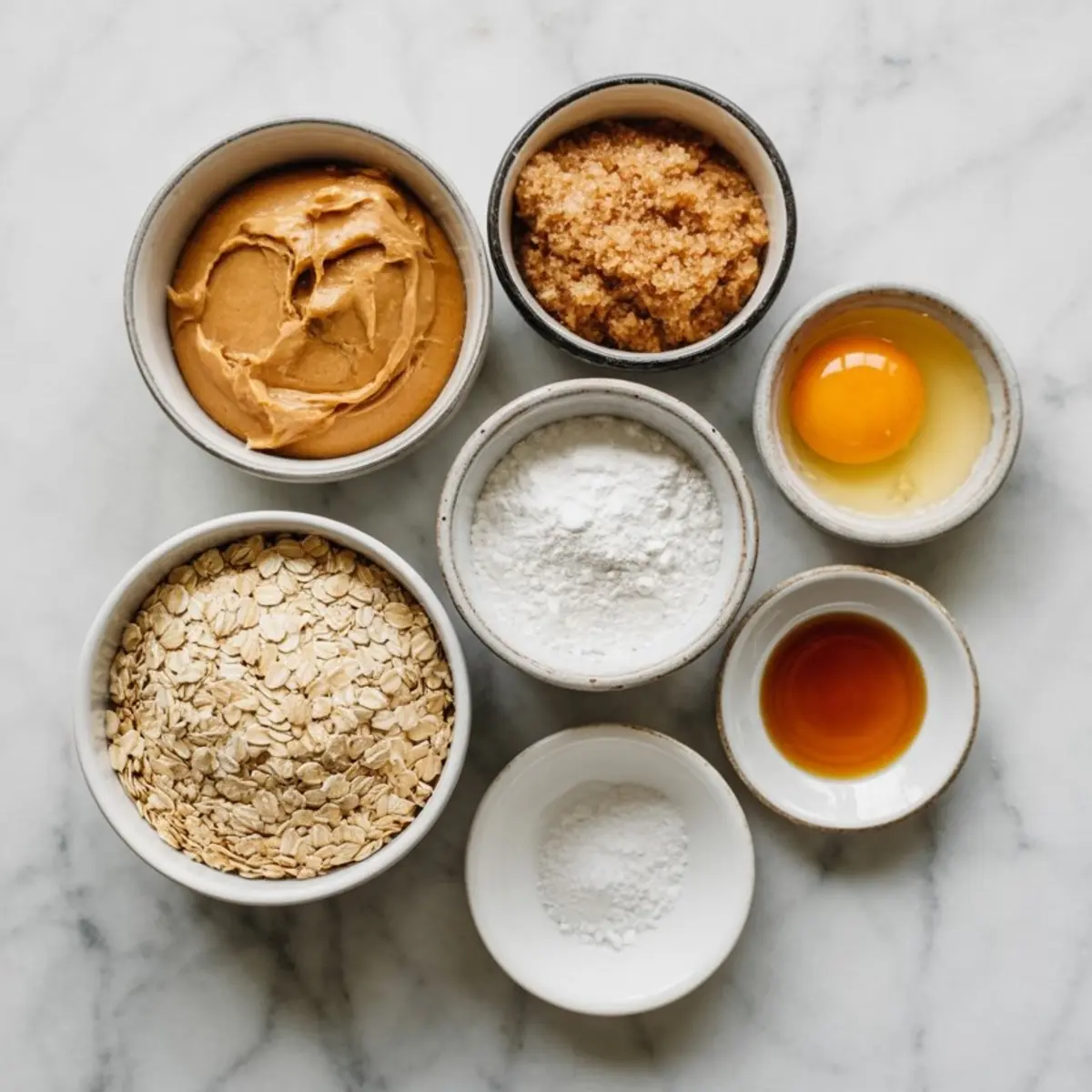
I used natural creamy peanut butter with no added sugar or salt. This keeps the flavor clean and consistent. If your peanut butter separates, stir it well before measuring. Avoid using the bottom of the jar, which tends to be dry and stiff.
Coconut sugar gives the cookies a toasty caramel undertone. Light brown sugar also works and offers a milder flavor with the same structure. You can use either, depending on what you prefer or have on hand.
For oat flour, both store-bought and homemade work well. I pulse rolled oats in a high-speed blender until powdery. This method creates fresh oat flour that holds moisture better than shelf-stable bags. If you’re looking for other ways to use leftover oat flour, try these Coconut Flour Cookies next they have a slightly different texture but follow a similar process.
A Closer Look at Oat Flour
Oat flour creates a soft, hearty crumb in cookies. It’s naturally gluten-free and works especially well in recipes where chewiness is the goal. Compared to almond flour, which yields a more delicate bite, oat flour holds moisture and structure. You’ll notice that cookies with oat flour feel more compact but still tender inside.
One key detail is fineness. The finer the flour, the smoother the dough. If the flour is gritty, the cookies will crack unevenly. A few seconds more in the blender can solve that easily. I recommend sifting the flour if you see any large flakes remaining.
For more ideas on using oats in desserts, these Dark Chocolate Oatmeal Cups pair the same ingredients with a different method and give you a fudgier outcome.
What To Expect While Baking
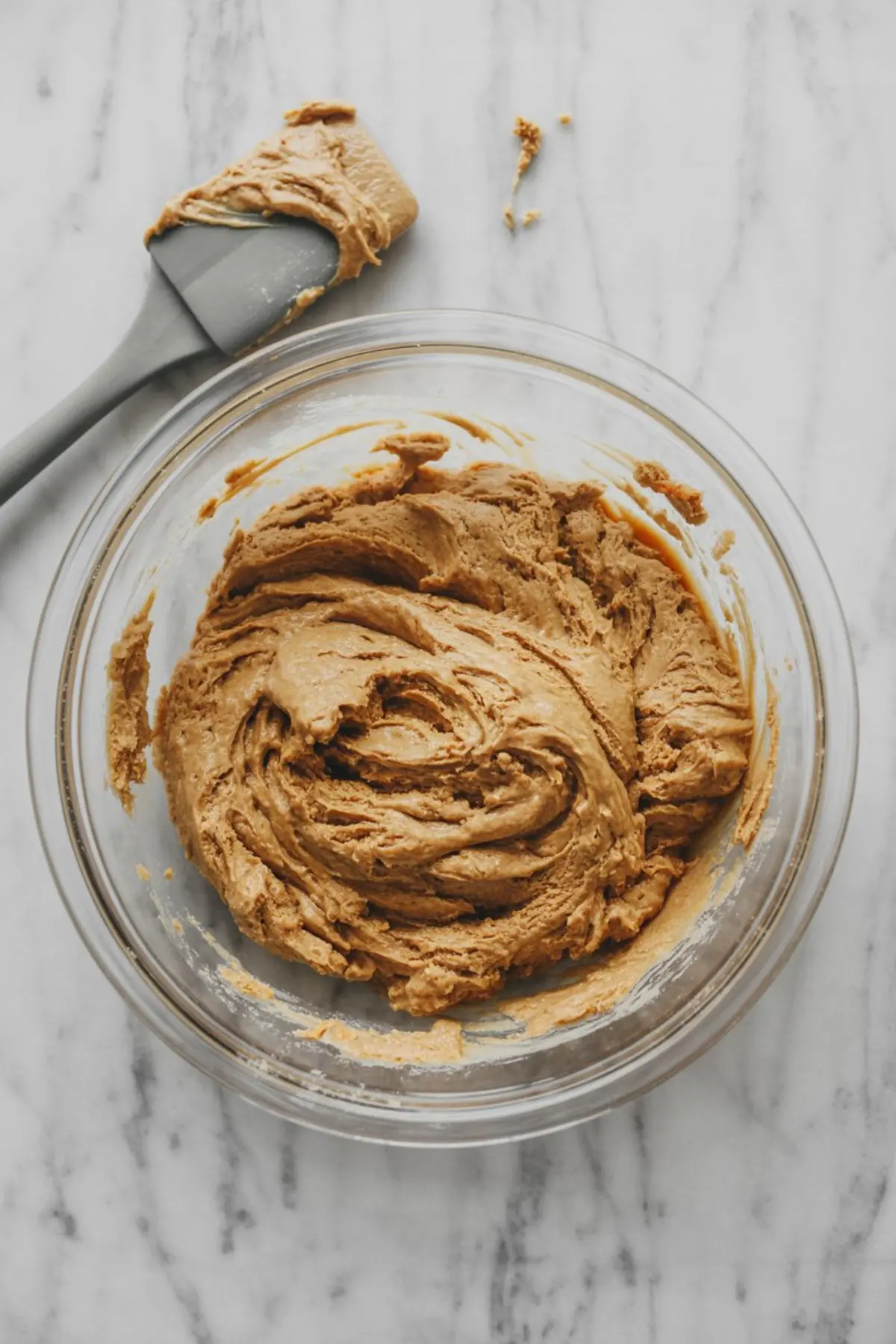
Once mixed, the dough should feel thick and moldable. If it crumbles, add 1 tablespoon of maple syrup or a splash of milk. That adjustment usually brings it back to a workable texture.

Cookies bake quickly 8 to 10 minutes. Look for set edges with soft centers. The surface may appear slightly underdone in the middle, but it will firm up during the cooling period. Overbaking dries them out, so lean on visual cues more than time.
After cooling on the sheet for five minutes, move them to a wire rack. This step helps the bottoms stay crisp.
If you like variety in texture, fold in dark chocolate chips. I usually add a handful and a sprinkle of flaky sea salt. That extra pop at the end makes a difference. You can see a similar combination in these High Protein Peanut Butter Oat Cups, which use similar ingredients with a layered format.
Storage and Freshness
These cookies store well in an airtight container on the counter for 3 days. They stay soft but firm. For longer storage, freeze them in a single layer, then stack in a container with parchment between.
To reheat, pop one in the microwave for 8 seconds. That quick warm-up brings back the chew and soft center.
Tips From Testing
A silicone baking mat helps prevent browning too quickly on the bottom. Parchment also works.
If your dough feels greasy, chill it for 10 minutes before shaping.
Don’t skip the fork press. It helps even baking and gives them the classic peanut butter cookie look.
Use a 1-tablespoon scoop for uniform size. I tested larger portions, but they spread inconsistently.
Save and Share

Save this oat flour peanut butter cookie recipe to your Healthy Desserts Pinterest board to make again. If you try them with add-ins or swaps, leave a comment below. I’d love to know what worked for you.
Oat Flour Peanut Butter Cookies
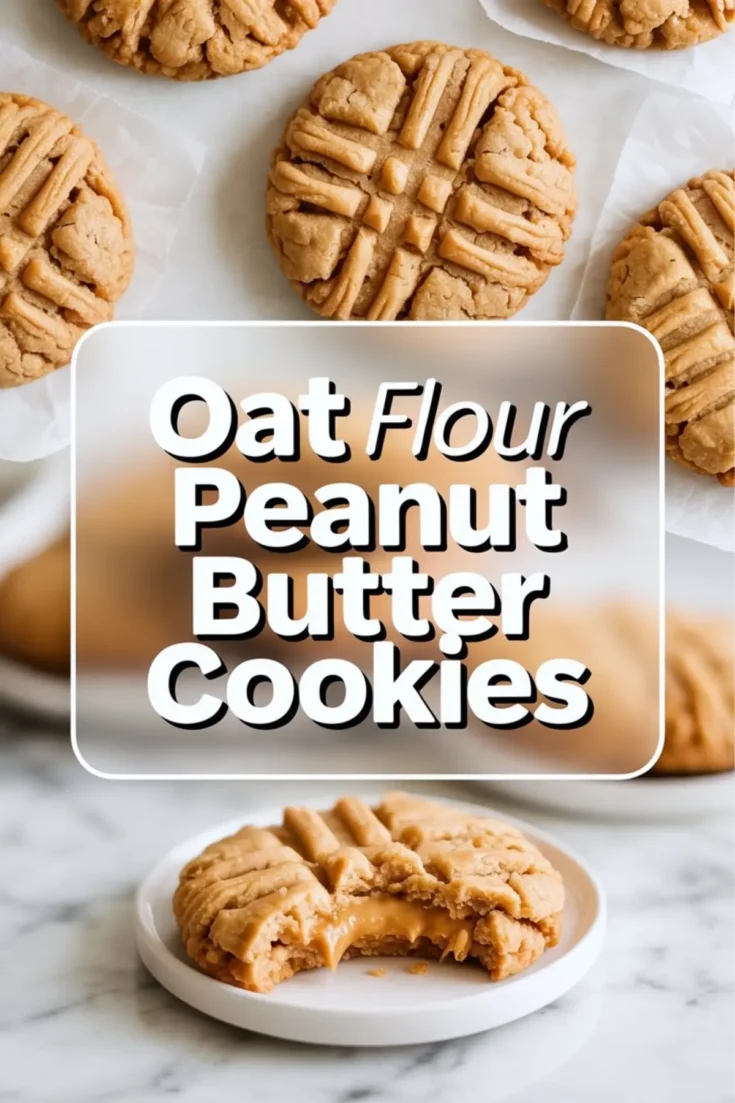
These oat flour cookies are soft, chewy, and packed with peanut butter flavor. Made with just a few simple ingredients, they’re ideal for clean eating and perfect as a snack or dessert. Enjoy the benefits of oat flour recipes with this protein-rich, naturally sweetened option. A great addition to your healthy dessert collection or for anyone craving low carb peanut butter cookies without sacrificing flavor.
Ingredients
- 1 cup natural creamy peanut butter (unsweetened and unsalted)
- 3/4 cup coconut sugar or light brown sugar
- 1 large egg
- 1/2 teaspoon baking soda
- 1/2 teaspoon vanilla extract
- 1/4 teaspoon salt
- 3/4 cup oat flour (store-bought or homemade from rolled oats)
- Optional add-ins:
- Handful of dark chocolate chips
- Sprinkle of flaky sea salt for topping
- 1 to 2 tablespoons maple syrup for extra chewiness (reduce sugar slightly if using)
Instructions
- PREHEAT THE OVEN: Preheat your oven to 350°F (175°C) and line a baking sheet with parchment paper to prevent sticking.
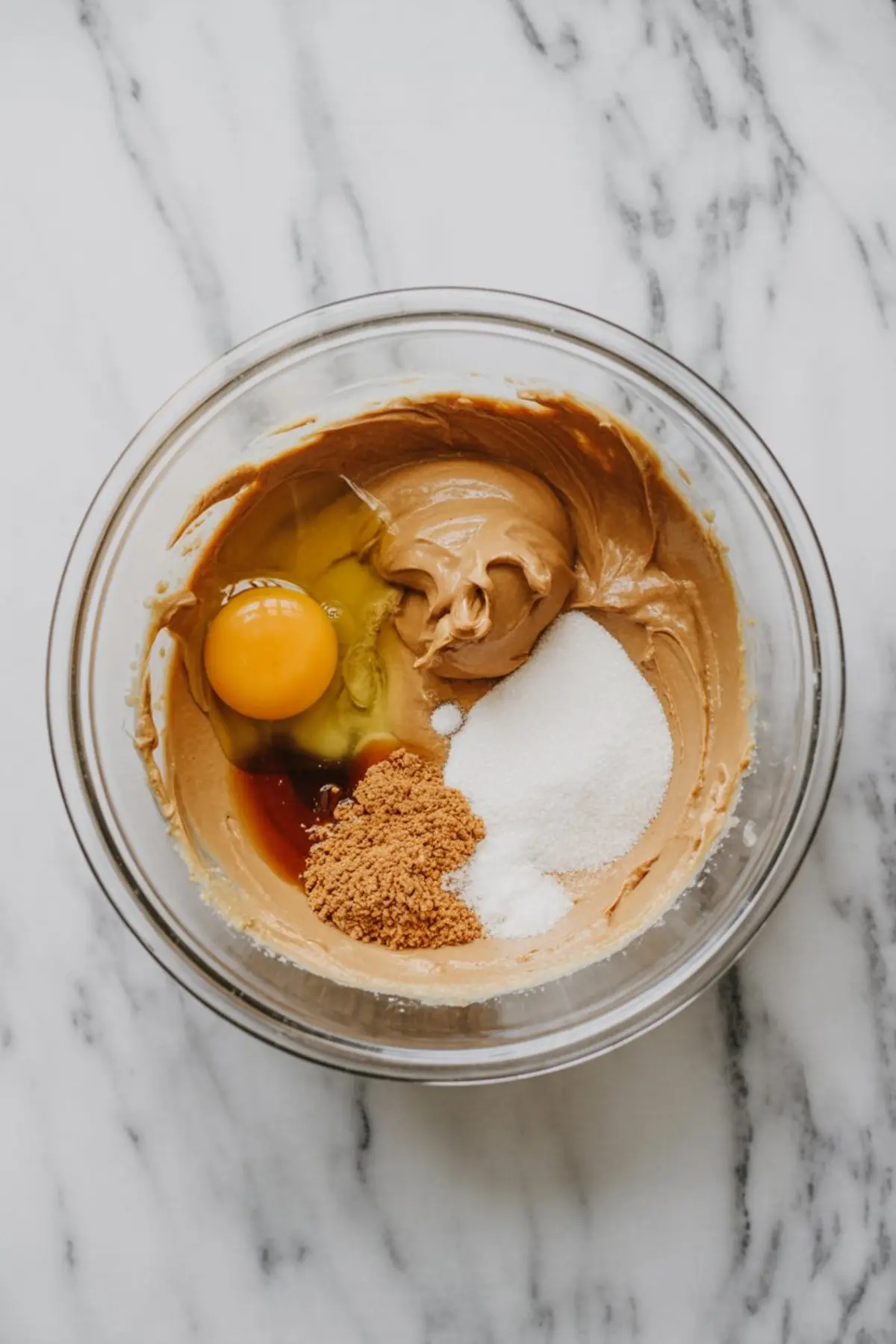
- MIX THE WET INGREDIENTS: In a large mixing bowl, combine the peanut butter, coconut sugar, egg, vanilla extract, and salt. Stir well until the mixture is smooth and fully combined.
- ADD DRY INGREDIENTS: Sprinkle in the baking soda and oat flour. Mix until a thick dough forms. The texture should be dense and moldable, similar to play dough.
- SHAPE THE DOUGH: Use a small cookie scoop or tablespoon to portion the dough. Roll each portion into a ball and place them about 2 inches apart on the prepared baking sheet.
- PRESS WITH FORK: Use a fork to gently press a criss-cross pattern onto each dough ball, flattening the cookies slightly.
- BAKE THE COOKIES: Bake for 8 to 10 minutes, until the edges look set but the centers remain soft. Avoid overbaking to maintain a chewy texture.
- COOL COMPLETELY: Let the cookies cool on the baking sheet for 5 to 10 minutes, then transfer to a wire rack to cool completely before serving or storing.
Notes
To make oat flour at home, blend rolled oats in a high-speed blender until very fine. Store leftover cookies in an airtight container at room temperature for up to 3 days, or freeze for longer storage.
Nutrition Information
Yield
18Serving Size
1Amount Per Serving Calories 169Total Fat 8gSaturated Fat 2gUnsaturated Fat 6gCholesterol 10mgSodium 148mgCarbohydrates 21gFiber 1gSugar 12gProtein 5g
