
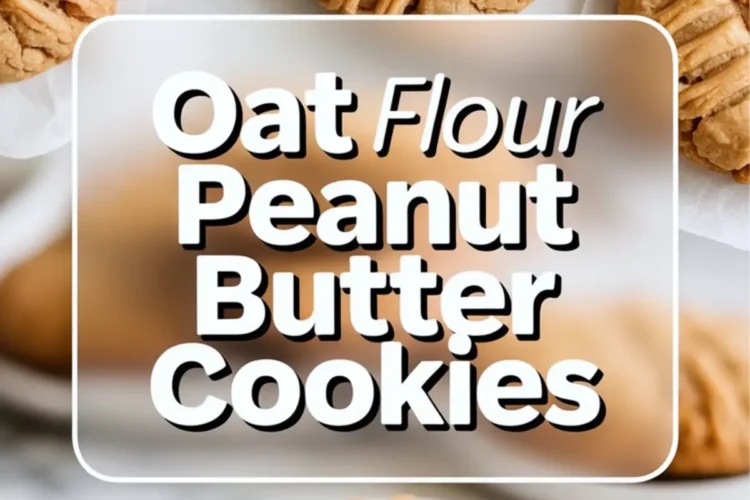
These oat flour peanut butter cookies are made with 1 cup natural peanut butter, ¾ cup coconut sugar, 1 egg, and ¾ cup oat flour, with no butter and no wheat flour. They bake at 350°F for 8 to 10 minutes and the batch makes 18 small cookies, crisp at the edge and soft in the middle, in about 20 minutes start to finish.
The peanut butter does two jobs here. It is the fat and the binder, so there is nothing to cream and no mixer to wash. The one thing to get right is the oat flour: measure it lightly, because a heavy hand turns the dough crumbly.
Following a special diet?
Every recipe on this site can be converted to gluten-free, vegan, dairy-free, keto, nut-free or egg-free with adjusted ratios so nothing falls flat.
Try the Recipe Converter →One Batch by the Numbers
- Makes: 18 small cookies, about 1 tablespoon of dough each
- Time: 10 minutes to mix and shape, 8 to 10 minutes in the oven
- Oven: 350°F (175°C), parchment-lined baking sheet, cookies 2 inches apart
- Ratio: 1 cup peanut butter to ¾ cup sugar to ¾ cup oat flour, bound with 1 large egg
- Leavening and flavor: ½ teaspoon baking soda, ½ teaspoon vanilla, ¼ teaspoon salt
- Optional: a handful of dark chocolate chips, flaky sea salt on top, or 1 to 2 tablespoons maple syrup for more chew
Oat Flour vs All-Purpose Flour in Peanut Butter Cookies
Oat flour has no gluten, so it cannot build the stretchy structure that wheat flour gives a cookie. In a peanut butter cookie that is mostly a good thing. The crumb comes out tender and a little denser, with a toasty oat flavor that sits well next to the peanuts. The trade off is that the cookies are fragile while hot and set as they cool.
Oat flour also drinks up more moisture than wheat flour. That is why this recipe uses only ¾ cup against a full cup of peanut butter. It is not a cup for cup swap in other cookie recipes; in a buttery dough built for all-purpose flour, the same amount of oat flour gives flat, sandy cookies.
For a cookie with no flour at all, my 3 ingredient peanut butter cookies are the stripped down version. For low carb baking, this is not the right recipe: the coconut sugar puts each cookie at roughly 21 grams of carbs by the nutrition estimate on the recipe card, so bake the keto peanut butter cookies instead.
Which Peanut Butter and Sugar to Use
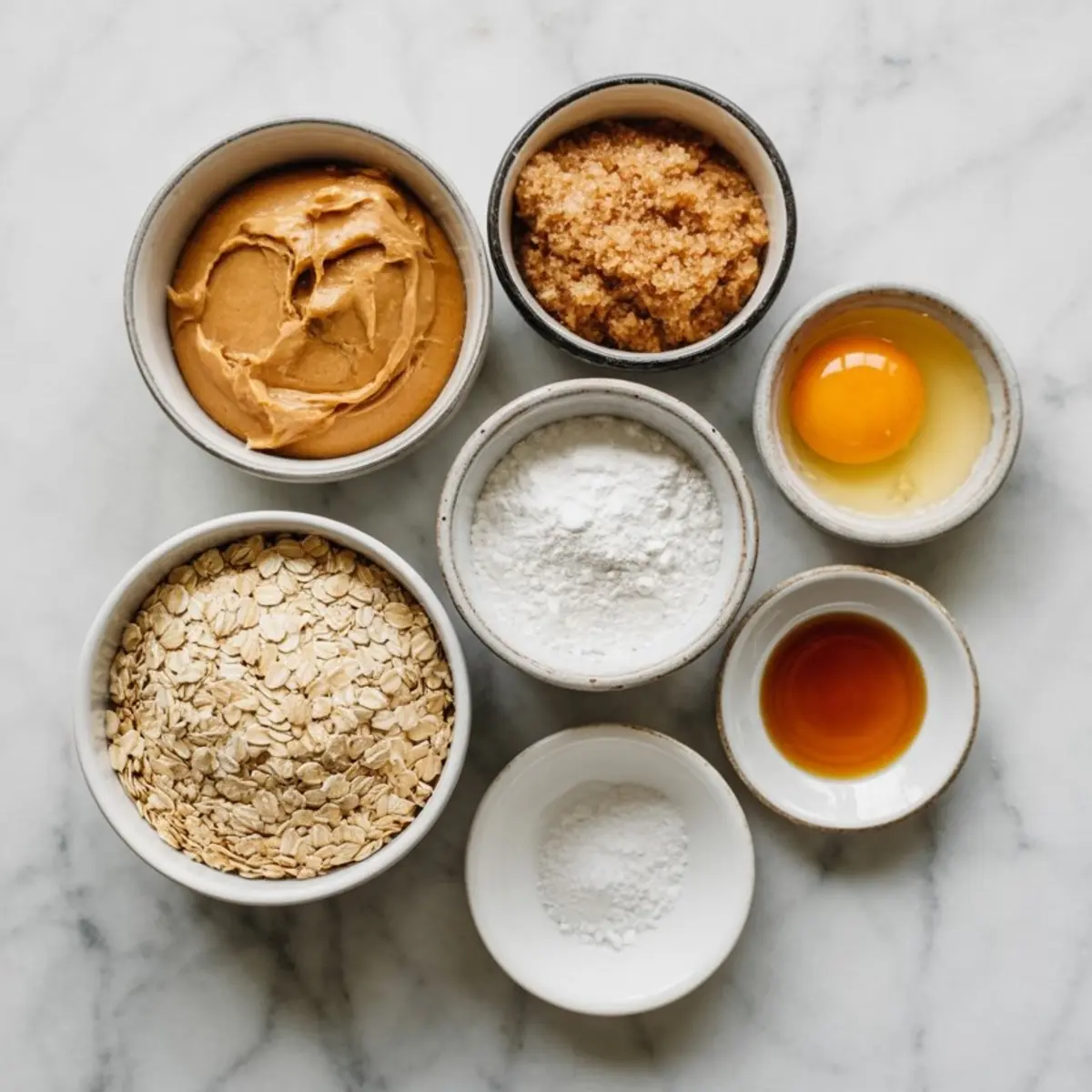
I use natural creamy peanut butter with no added sugar or salt. Stir the jar well before you measure, since the oil rises to the top, and skip the dry, stiff layer at the bottom.
Regular stabilized peanut butter, the kind that never separates, works too. It makes a stiffer dough and slightly taller cookies that spread a little less. Natural peanut butter gives a looser dough, so if yours feels oily or soft, chill it for 10 minutes before shaping. Treat my homemade peanut butter the way you would the natural kind.
Coconut sugar gives a toasty, caramel flavor and a darker cookie. Light brown sugar is the same amount and gives a milder taste with the same texture.
Making Oat Flour From Rolled Oats
Store-bought and homemade oat flour both work. To make it, blend about 1 cup of rolled oats in a high-speed blender until fine and powdery, then measure out the ¾ cup you need. Rub a pinch between your fingers: if you still feel flakes, blend a few seconds more or sift them out. Gritty flour gives cookies that crack unevenly.
Measuring matters more here than with wheat flour. Spoon the oat flour into the cup and level it off with a knife. Scooping straight from the bag packs it down, and that extra flour is the usual reason this dough turns dry and crumbly.
One label note: oats are naturally free of gluten but are often processed alongside wheat. These cookies are only gluten free if your oats or oat flour say certified gluten free on the bag.
Mixing, Shaping, and Knowing When They Are Done
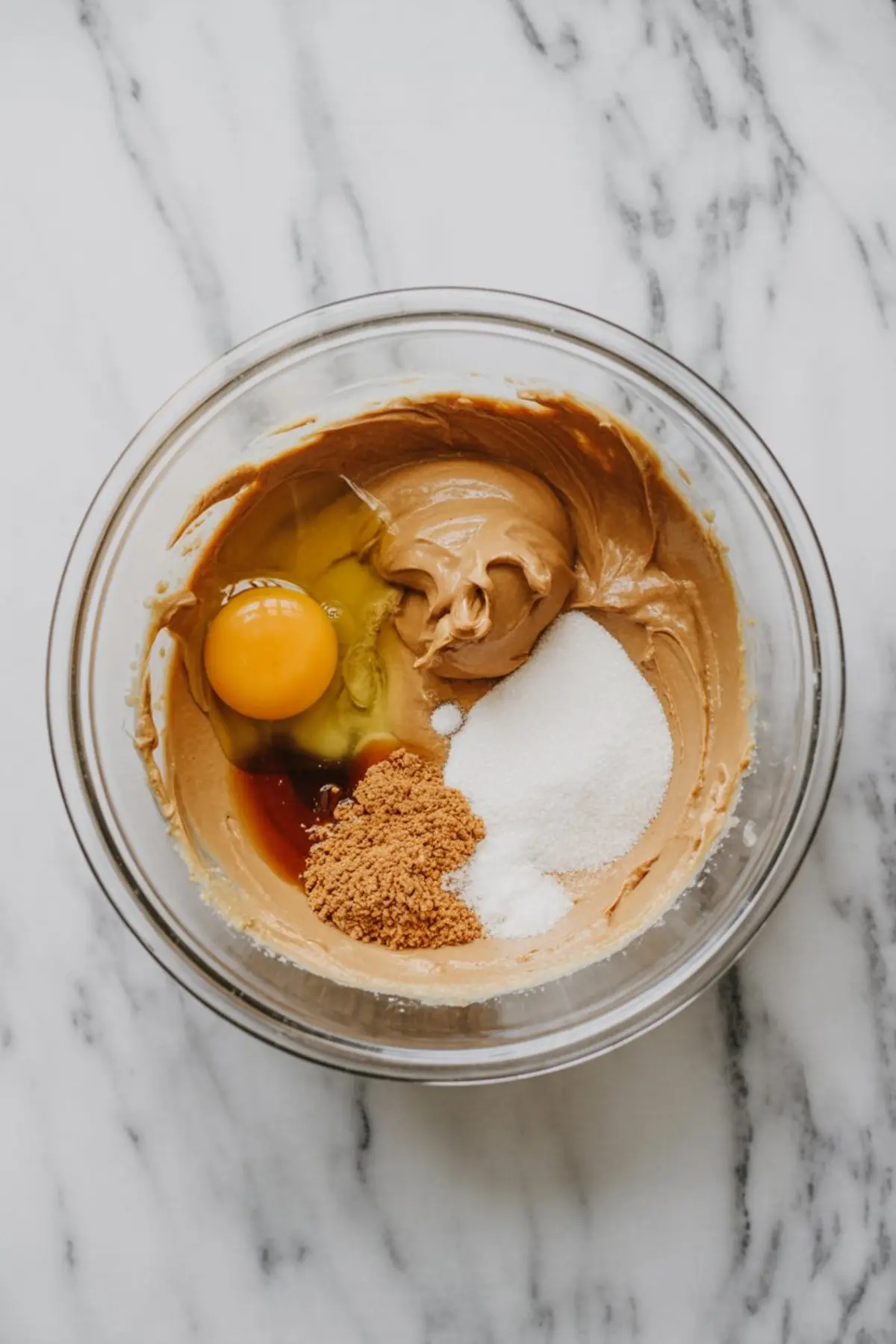
Stir the peanut butter, sugar, egg, vanilla, and salt together in a large bowl until smooth. Sprinkle the baking soda and oat flour over the top and mix until a thick dough forms.
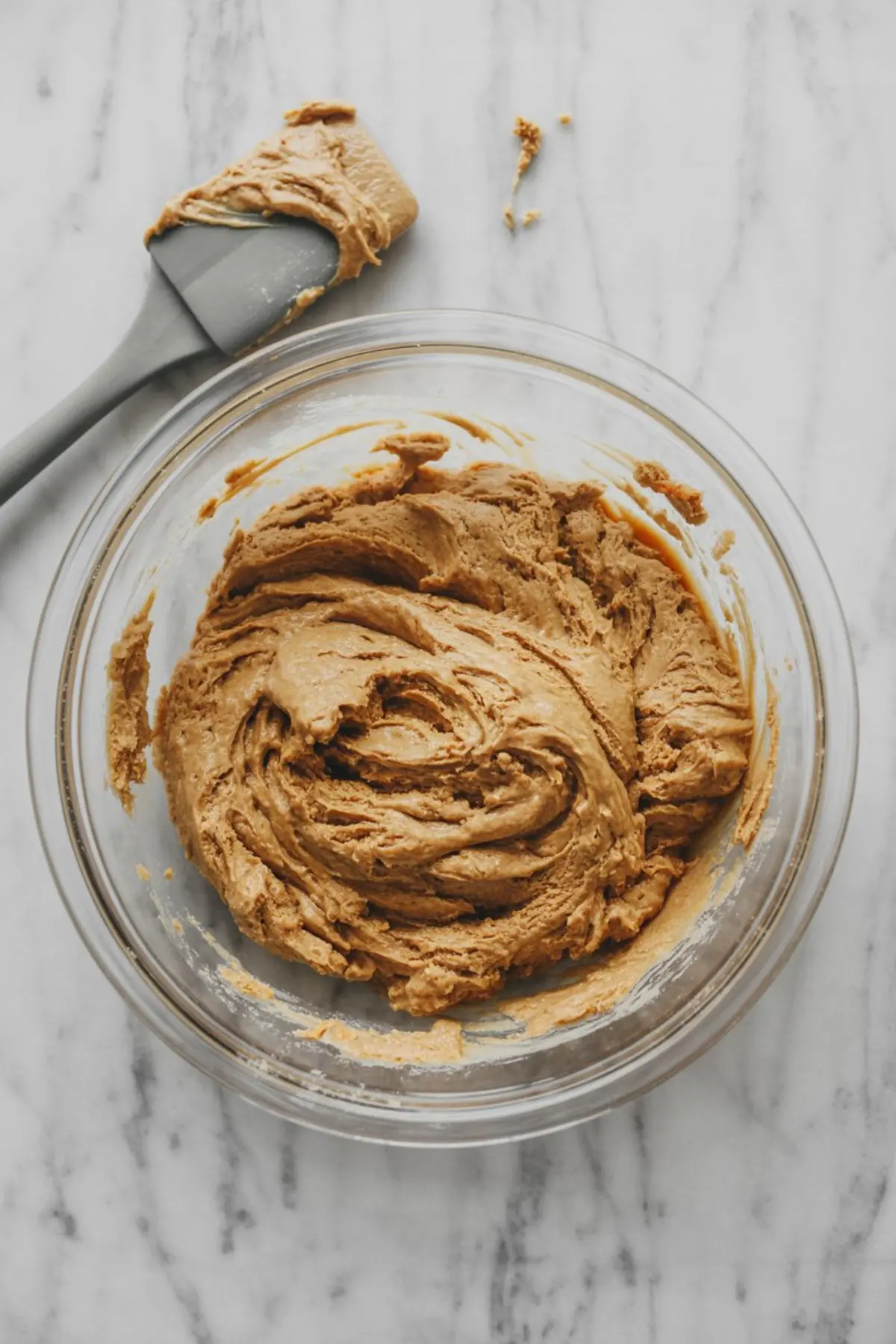
The dough should feel like play dough: thick, soft, and easy to roll without sticking to your palms. If it crumbles, work in 1 tablespoon maple syrup or a splash of milk. If it feels greasy, chill it for 10 minutes. Stir in the chocolate chips now if you are using them.

Roll tablespoon portions into balls and set them 2 inches apart. A small cookie scoop keeps them the same size so they bake evenly. Press each one with a fork in a criss-cross; it flattens the dough so the centers cook through, since this dough does not spread much on its own.
Bake for 8 to 10 minutes. Pull them when the edges look set and the middles still look a little soft and underdone. That softness firms up on the sheet, and a cookie that looks fully baked in the oven turns dry and sandy once cool. Leave them on the baking sheet for 5 to 10 minutes before moving them to a rack. Lift them earlier and they snap.
Keeping Them Soft for Days
Store cooled cookies in an airtight container at room temperature for up to 3 days. For longer, freeze them in a single layer until firm, then stack them in a container with parchment between the layers. Eight seconds in the microwave brings back the soft center.
For more peanut butter and oats, the high protein peanut butter oat cups and peanut butter oat balls are no-bake ways to use the same pantry. For a chewier cookie with whole oats, try my peanut butter oatmeal cookies.
Swaps and Sugar Questions
Can I make peanut butter cookies with oat flour instead of regular flour?
Yes, as long as the recipe is built for it like this one: ¾ cup oat flour to 1 cup peanut butter. The cookies are more tender and fragile than wheat flour cookies and need to cool on the sheet.
Can I use rolled oats without blending them?
Not in this recipe. Whole oats do not absorb the peanut butter the same way, so the dough stays loose and the cookies spread and crumble. Blend them into flour first.
Can I make these with no sugar?
Not without changing the cookie. The sugar helps them hold together and spread a little. You can add 1 to 2 tablespoons maple syrup for extra chew; reduce the coconut sugar slightly if you do.
Can I use almond flour or coconut flour instead?
Not one for one. Coconut flour absorbs far more liquid and almond flour much less. Use a recipe written for them, such as these coconut flour cookies or almond flour cookies.
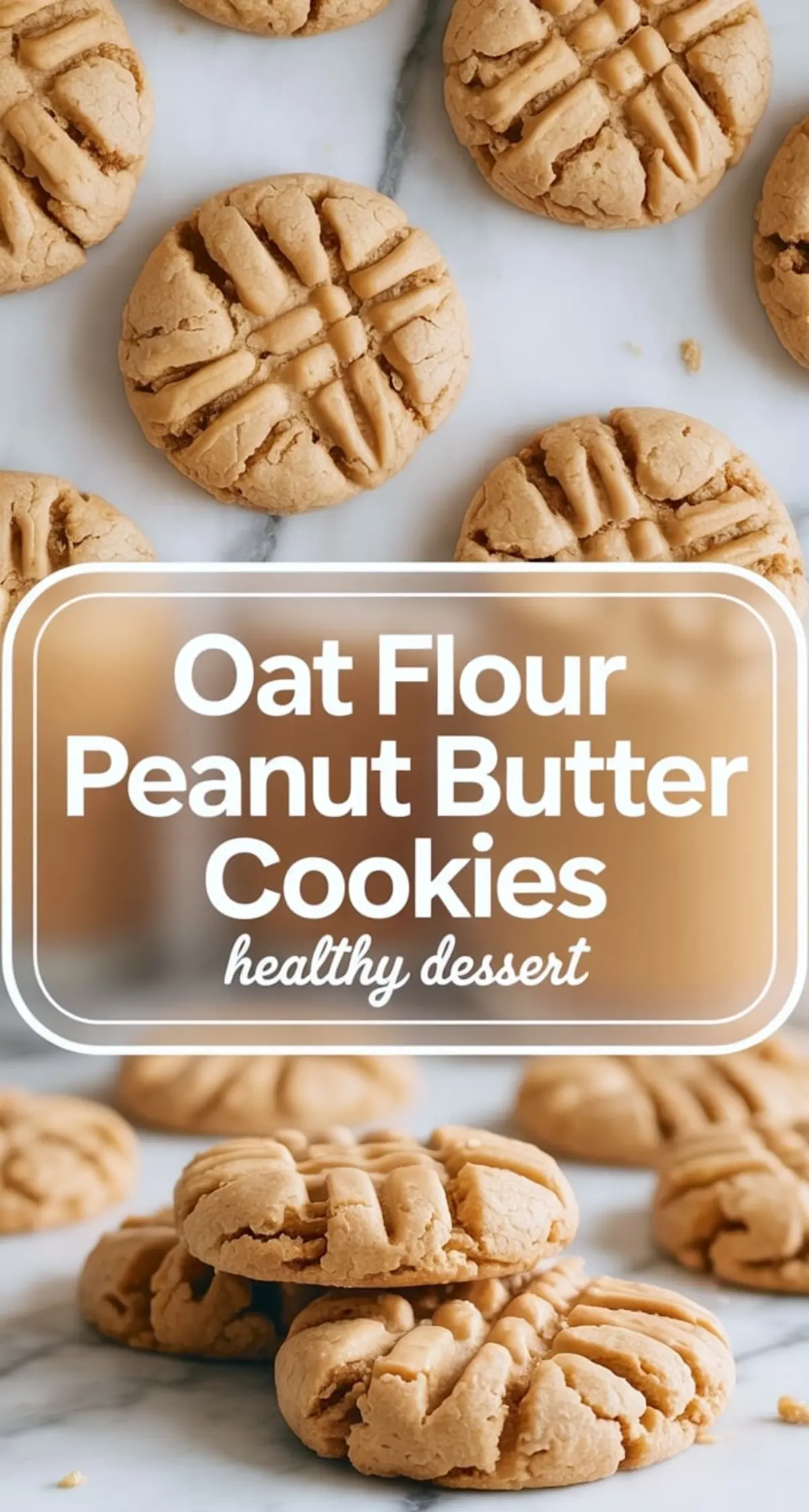
Pin these to your healthy desserts board so the ratio is there next time the oat flour comes out. If you try them with chocolate chips or flaky salt, tell me in the comments how they turned out.
Oat Flour Peanut Butter Cookies
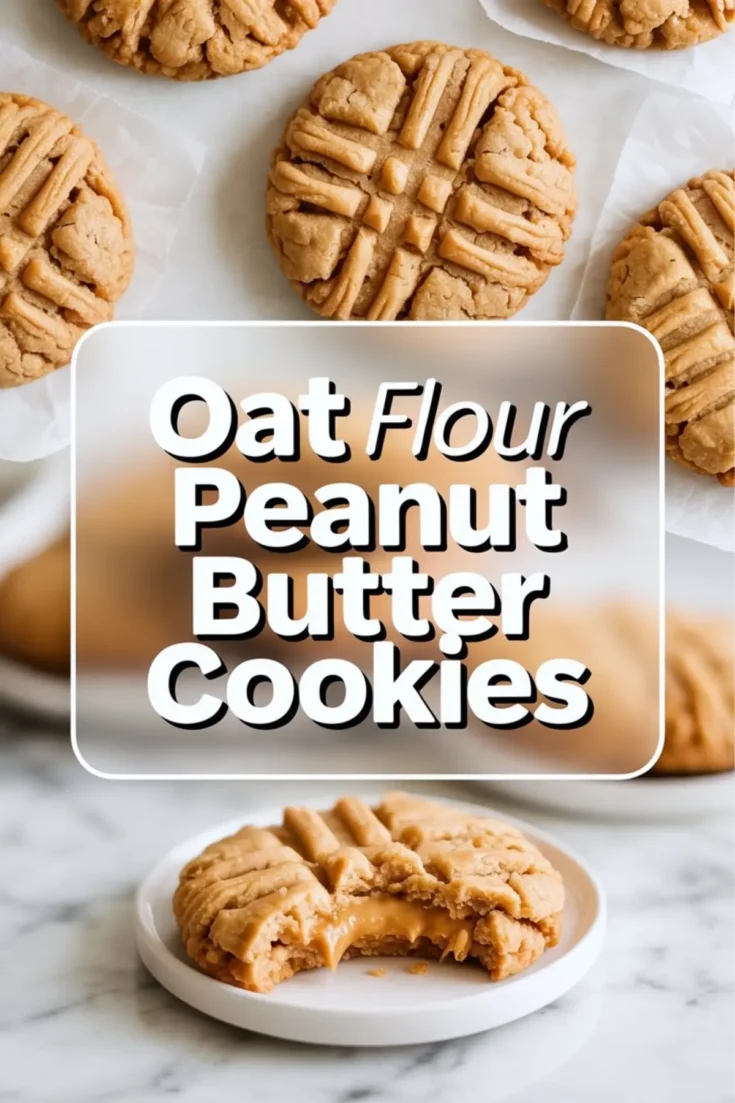
These oat flour peanut butter cookies are soft, chewy peanut butter cookies made with natural peanut butter, coconut sugar, one egg, and oat flour, with no butter and no wheat flour. The recipe makes 18 small cookies in about 20 minutes, baked at 350°F for 8 to 10 minutes until the edges are set and the centers still look soft. Peanut butter cookies with oat flour use just ¾ cup of it, because oat flour absorbs more moisture than wheat flour; spoon it into the cup lightly so the dough stays soft and rollable. Enjoy them as a lunchbox snack, an after school treat, or with coffee, and add dark chocolate chips or flaky sea salt. Light brown sugar works instead of coconut sugar. Keep for 3 days airtight or freeze.
Ingredients
- 1 cup natural creamy peanut butter (unsweetened and unsalted)
- 3/4 cup coconut sugar or light brown sugar
- 1 large egg
- 1/2 teaspoon baking soda
- 1/2 teaspoon vanilla extract
- 1/4 teaspoon salt
- 3/4 cup oat flour (store-bought or homemade from rolled oats)
- Optional add-ins:
- Handful of dark chocolate chips
- Sprinkle of flaky sea salt for topping
- 1 to 2 tablespoons maple syrup for extra chewiness (reduce sugar slightly if using)
Instructions
- PREHEAT THE OVEN: Preheat your oven to 350°F (175°C) and line a baking sheet with parchment paper to prevent sticking.
- MIX THE WET INGREDIENTS: In a large mixing bowl, combine the peanut butter, coconut sugar, egg, vanilla extract, and salt. Stir well until the mixture is smooth and fully combined.
- ADD DRY INGREDIENTS: Sprinkle in the baking soda and oat flour. Mix until a thick dough forms. The texture should be dense and moldable, similar to play dough.
- SHAPE THE DOUGH: Use a small cookie scoop or tablespoon to portion the dough. Roll each portion into a ball and place them about 2 inches apart on the prepared baking sheet.
- PRESS WITH FORK: Use a fork to gently press a criss-cross pattern onto each dough ball, flattening the cookies slightly.
- BAKE THE COOKIES: Bake for 8 to 10 minutes, until the edges look set but the centers remain soft. Avoid overbaking to maintain a chewy texture.
- COOL COMPLETELY: Let the cookies cool on the baking sheet for 5 to 10 minutes, then transfer to a wire rack to cool completely before serving or storing.
Notes
To make oat flour, blend about 1 cup rolled oats until very fine, then spoon ¾ cup into the measuring cup and level it; packed oat flour makes a crumbly dough. If the dough crumbles, add 1 tablespoon maple syrup or a splash of milk. If it feels oily, chill it for 10 minutes. Stir natural peanut butter well before measuring. Let the cookies cool on the sheet for 5 to 10 minutes; they are fragile while hot. Use certified gluten-free oats or oat flour if you need them gluten free. Store in an airtight container at room temperature for up to 3 days, or freeze for longer storage.
Nutrition Information
Yield
18Serving Size
1Amount Per Serving Calories 169Total Fat 8gSaturated Fat 2gUnsaturated Fat 6gCholesterol 10mgSodium 148mgCarbohydrates 21gFiber 1gSugar 12gProtein 5g
